
The 1,200-Person Spring Procession Recreating 1617, the Blue-Grey Ice Wall at Kegon Falls in February & the Daikoku Hall Where Matte Black Beats Gold and Red
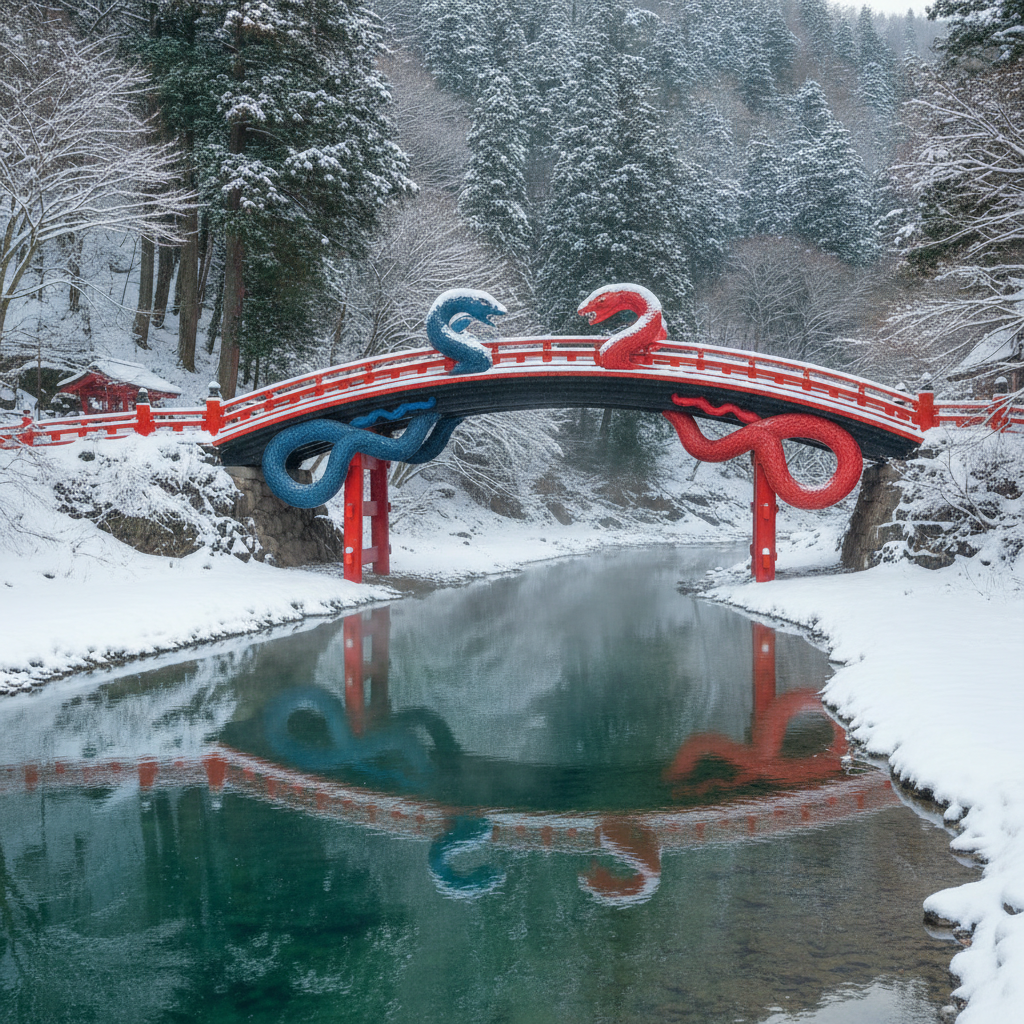
The Tōshō-gū's political theology as the first non-imperial deification in Japanese state religion and the spring Hyakumonjo procession of 1,200 costumed participants; the frozen Kegon Falls ice formation building through January into February and the foggy Nikkō cedar forest at dawn; the Shin-kyō bridge's serpent founding legend and the ¥300 crossing fee charged since the Edo period when only the shogun could cross; the Rinnō-ji Sanbutsudō's 8-metre gilt statues in an enclosed space that amplifies their scale beyond the Nara Great Buddha; Edo Wonderland's ninja shows and oiran costume rentals; and Eleanor Roosevelt and Einstein in the Kanaya Hotel Victorian dining room.
The Upside-Down Pillar, the 3cm Sleeping Cat & the 12,000 Cedar Trees Planted Because One Daimyo Couldn't Afford a Lantern
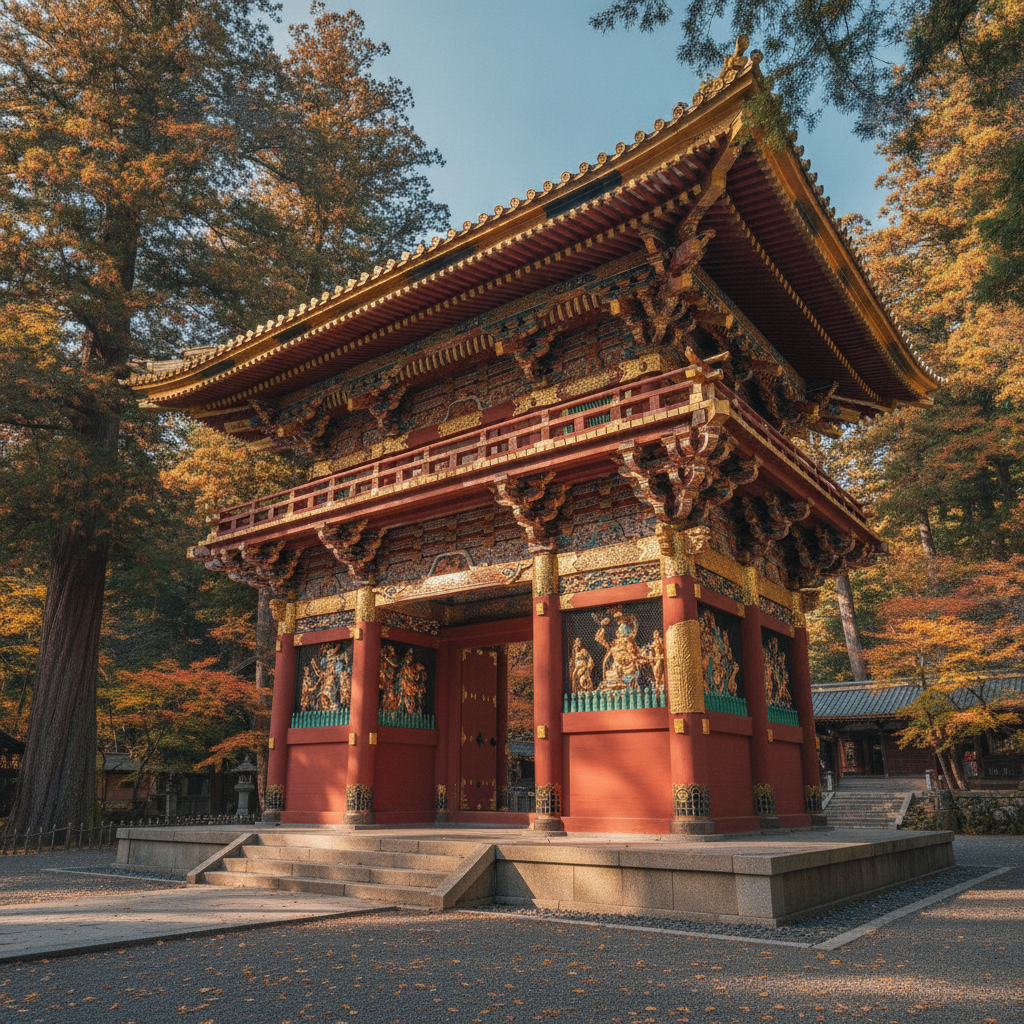
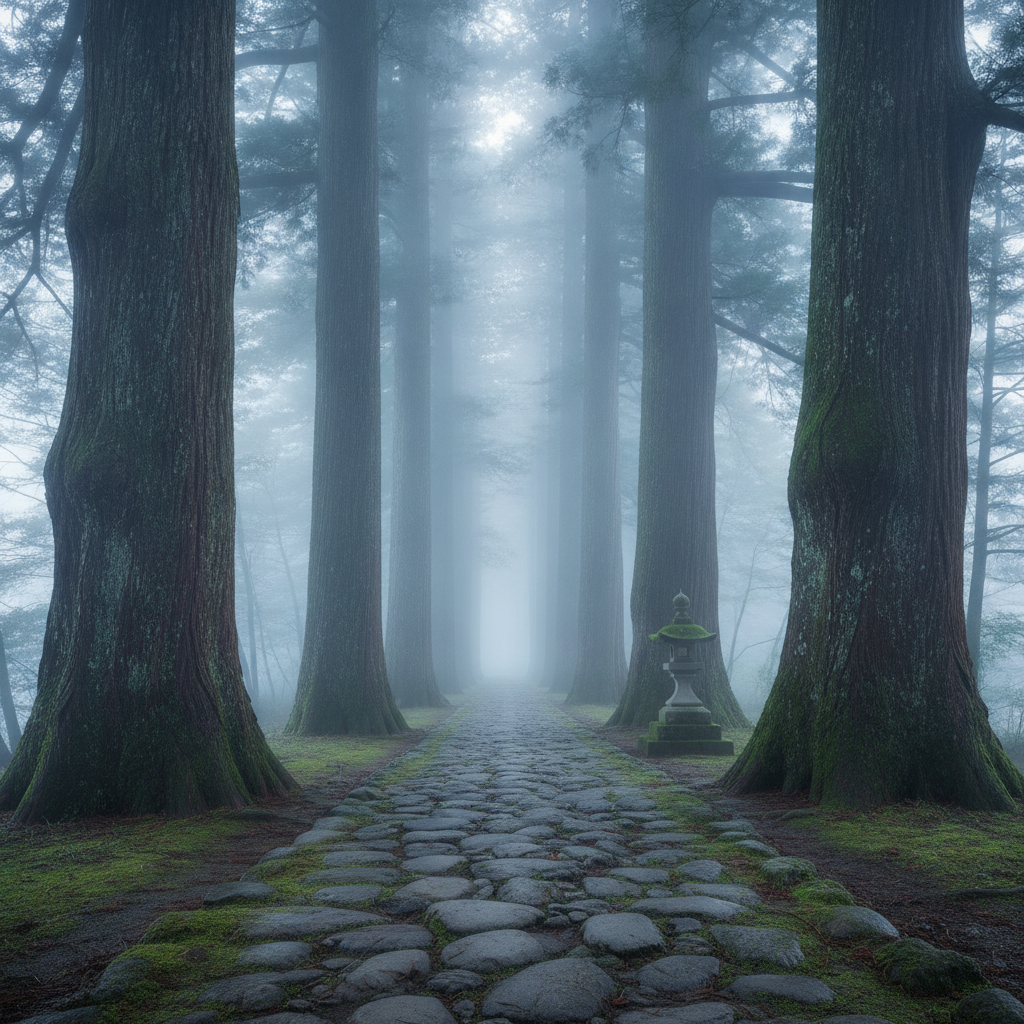
The Yōmei-mon's 508 carved figures and the deliberately inverted pillar on the second right-hand column to prevent divine punishment for perfection; the Nemuri-neko's 3-cm carved sleeping cat as Japan's most sought-after carved puzzle; the 37-km cedar avenue planted 1628–1648 by Matsudaira Masatsuna as the tribute gift he could afford instead of a stone lantern; the 97-metre Kegon Falls through the cliff-face elevator and the 28-hairpin Irohazaka road named after the Japanese alphabet; Shōdō's 767 CE Mount Nantai swim-and-climb as Nikkō's founding legend; and the day-trip vs overnight decision tree for combining shrines and Oku-Nikkō.
Kaempfer's 'Most Magnificent in the Whole World', the 50-Yen Foot Bath at 1,478 Metres & the October Grand Festival That Nobody Books For
The yuba soft-serve ice cream on the shrine approach as the Buddhist tofu tradition meeting contemporary Japan; the Kirifuri Highland matsutake season producing Japan's most expensive food ingredient at ¥100,000/kg; the Dutch VOC physician's 1691 description and Isabella Bird's 1878 'art, beauty, and good workmanship concentrated' as bookends of Western Tōshō-gū appreciation; the AR panel identification app and the GPS-synchronized headset audio as the most content-rich digital heritage experience in Japan; the Futarasan garden silence and the Lake Yuno pre-wind glassy reflection as the contemplative Nikkō; and the October Grand Festival in autumn foliage that replicates the spring festival for a fraction of the crowd.
The Taiyū-in Mausoleum That Art Historians Rate Higher Than the Tōshō-gū, 6 Weeks of Altitude-Staggered Foliage & the Buddhist Monks Who Made Nikkō's Tofu Famous
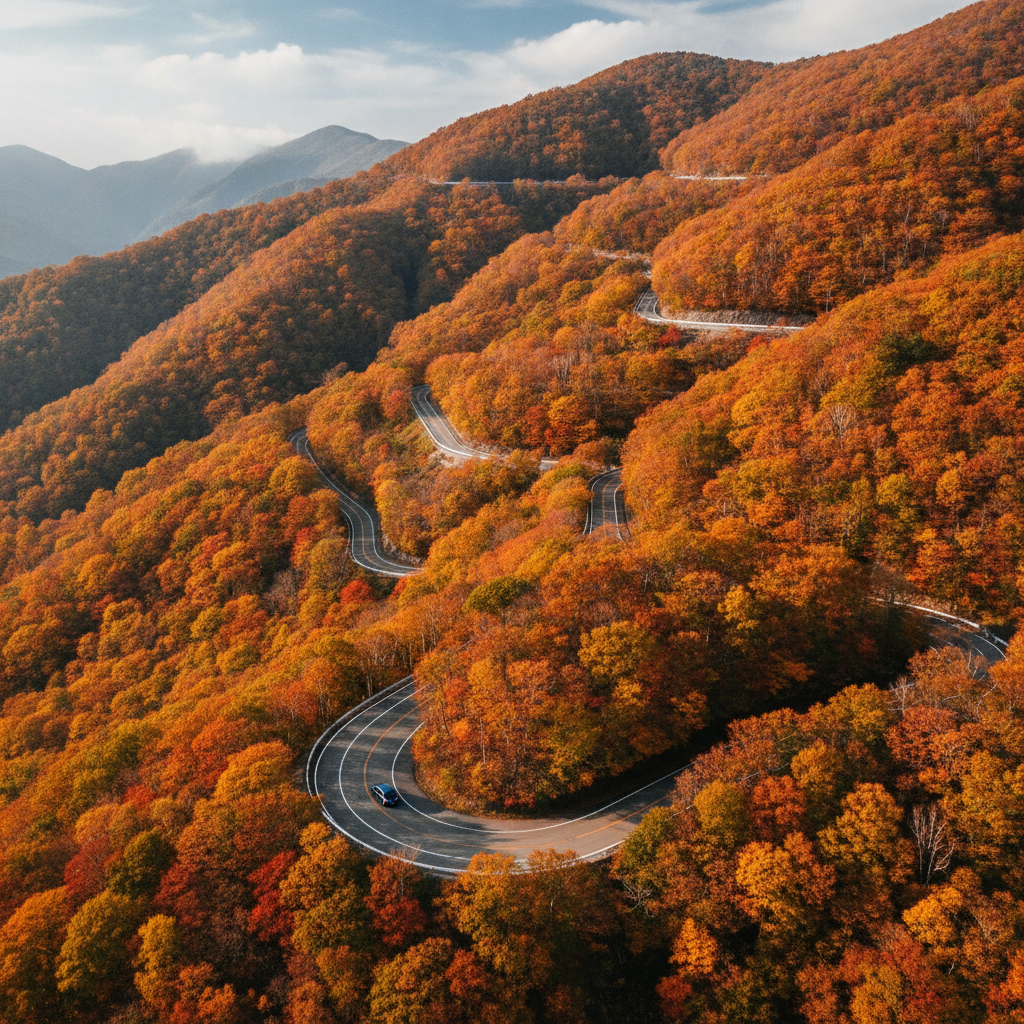
The three 1,300-year sacred zones and the Taiyū-in Mausoleum's gold programme rated superior to the Tōshō-gū's by Japanese art historians; the Senjogahara plateau's peat bog two metres deep on 20,000-year-old lava with the three-waterfall hiking circuit; the 9 wood species and 5 lacquer techniques of the Tōshō-gū's artistic programme and the 8 life-stage monkey panels that produced the Three Wise Monkeys; the Irohazaka's October 2-hour traffic jams on Japan's most dramatic autumn road; the yuba circuit's Buddhist vegetarian origin and the Nikkō mineral water as the quality differentiator; and the Nikkō vs Hakone single-day decision.
The 680kg Mikoshi Carried by 50 People, the 251 Consecutive Annual Pilgrimages & the Secondary Falls Emerging From Cracks in a 20,000-Year-Old Lava Dam
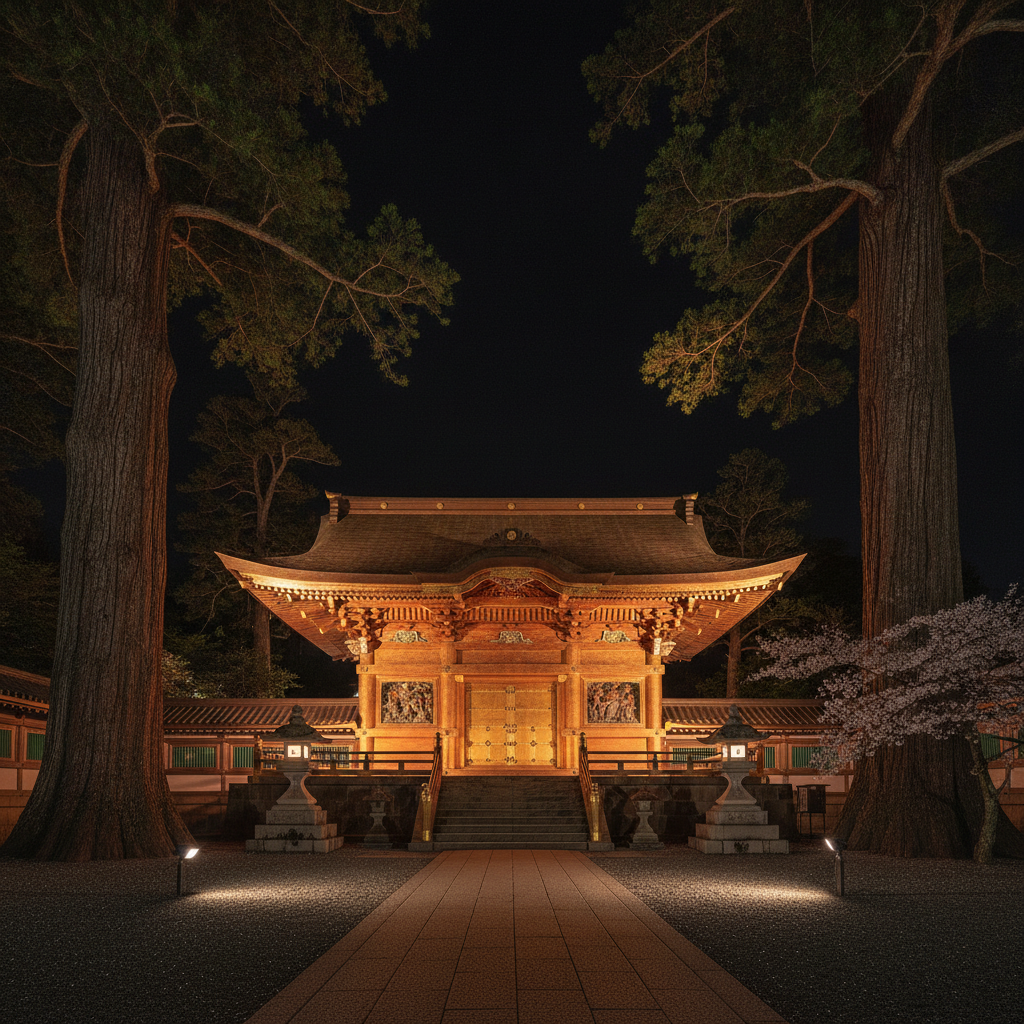
The late-afternoon shrine visit when tour groups depart and the gold leaf catches oblique light; the Tōshō-gū Foundation Records construction diary documenting daily craftsmen counts from 1634; the illuminated Yōmei-mon at night and the winter Kegon Falls ice-face coloured illumination; the shogunal pilgrimage programme's 251 consecutive annual iterations from 1617 to 1868; the Kegon Falls 97-metre drop caused by lava dam thickness and the 12 secondary falls percolating through the porous lava; and the 2025–2030 timed-entry trial addressing the 3.5 million projected annual visitor target.
The Least-Marketed Snow Monkey Site in Japan, the Morning Light That Hits the Yōmei-mon at 13:00 Not 09:00 & the 10-km Cedar Walk Every Tokugawa Shogun Took
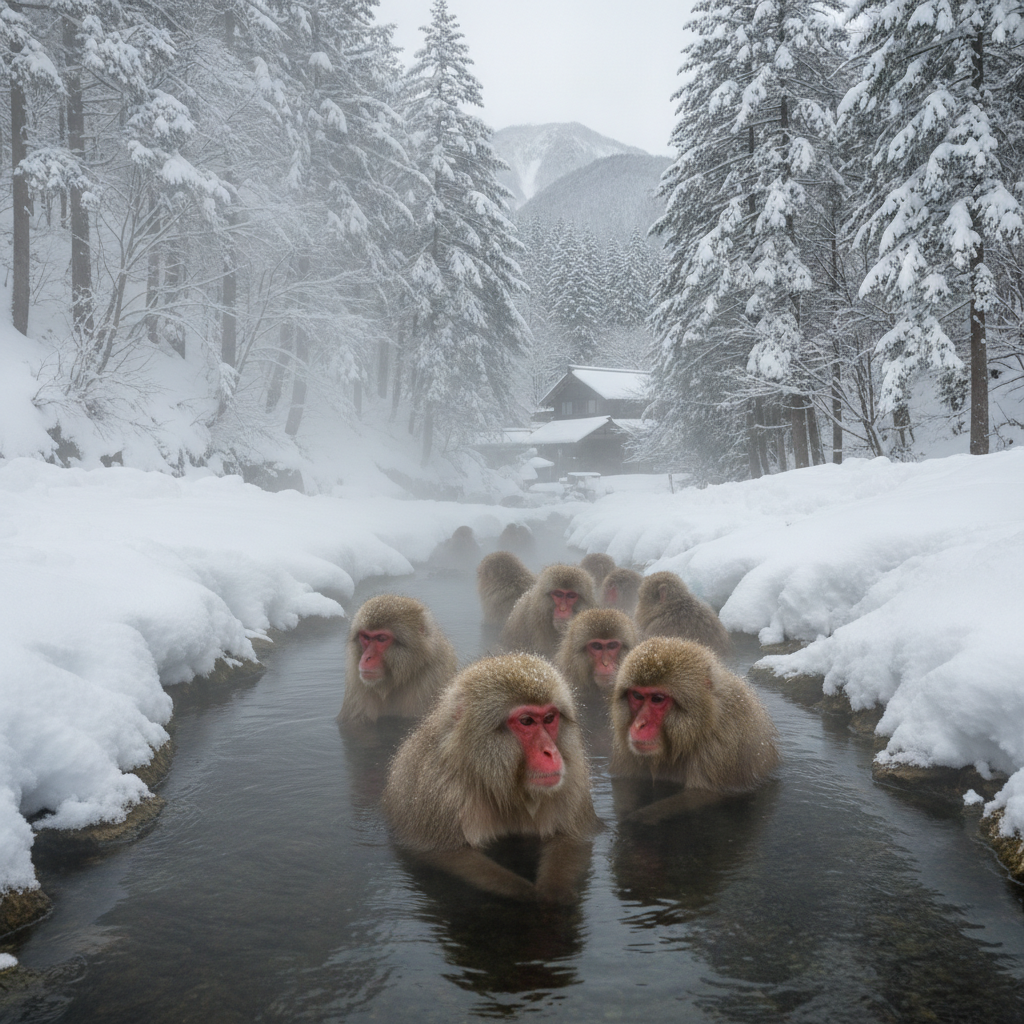
The Oku-Nikkō macaque winter gathering at Yumoto as the Japan snow monkey experience with no crowd; the copper pheasant with 1.5-metre tail visible from the Irohazaka road at dawn; the afternoon (not morning) light on the Yōmei-mon and the first-elevator Kegon Falls dawn strategy; the Yayoi Festival's 1,200-year continuous record and the Nikkō yabusame's superior spectator visibility versus Kamakura; the Yumoto Onsen 50-yen foot bath as Japan's cheapest onsen; and the 10-km Cedar Avenue walking route from Imaichi that every Tokugawa shogun used for the annual pilgrimage.