Ming-Gräber & der Heilige Weg — Pekings kaiserliche Nekropole
Die Ming-Gräber (明十三陵 — Míng Shísān Líng — 'Dreizehn Ming-Mausoleen', im Bezirk Changping, 50 km nördlich von Peking — die Begräbnisstätte von 13 der 16 Kaiser der Ming-Dynastie (1368-1644), seit 2003 UNESCO-Weltkulturerbe als Teil der 'Kaiserlichen Gräber der Ming- und Qing-Dynastien'): der Ming-Gräber-Komplex (der sich über ca. 120 km² in einem hufeisenförmigen Tal erstreckt, das auf drei Seiten von Bergen umschlossen ist — die ideale Fengshui (风水 — chinesische Geomantie) Landschaft für eine kaiserliche Nekropole) enthält die umfangreichste erhaltene Sammlung von Grabarchitektur der Ming-Dynastie in China.
- 1
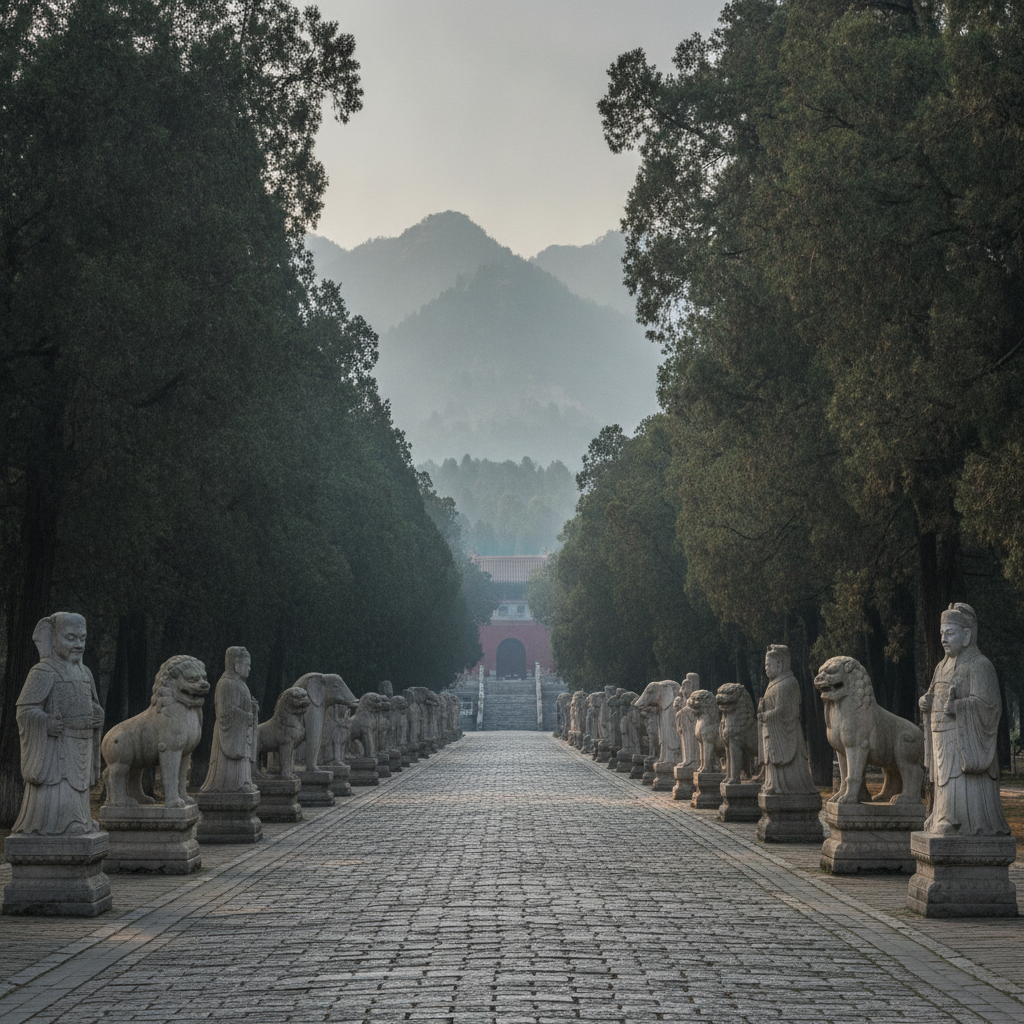
Heiliger Weg (Shendao) — Prozession der Steintiere
Der 7 km lange Heilige Weg, der zu den Gräbern führt, wird von 36 Steinskulpturen flankiert — 12 Tiere in sitzenden und stehenden Posen (Löwe, Kamel, Elefant, Qilin) und 24 Militär- und Zivilbeamte, die die ewige Ruhe von 13 Kaisern bewachen.
- 2
Changling — Das größte Ming-Mausoleum
Changling (Kaiser Yongle, gestorben 1424) ist das größte und am besten erhaltene der 13 Ming-Gräber — die Halle des Hervorragenden Gefallens (Ling'en Dian) besitzt 32 massive Nanmu-Holzsäulen, jede aus einem einzigen alten Baum.
- 3
Dingling — Der ausgegrabene unterirdische Palast
Dingling (Kaiser Wanli) ist das einzige ausgegrabene Ming-Grab — seine unterirdischen Marmorgrabkammern (1956-57) zeigten die goldene Krone des Kaisers, seinen Jade-Gürtel und 3.000 Seidenartikel. Die Relikte werden in zwei oberirdischen Ausstellungshallen gezeigt.
- 4
Mutianyu Große Mauer — Besterhaltener Abschnitt
Mutianyu (90 Minuten nördlich) bietet den malerischsten Abschnitt der Chinesischen Mauer — 22 Wachtürme auf 2.25km restaurierter Mauer, erreichbar mit der Gondel und mit Rodelrückfahrt und im Vergleich zu Badaling mit minimalen Menschenmengen.
- 5
Juyongguan-Pass — Wolken-Terrasse Torhaus
Das 'Wolken-Terrasse' Torhaus (1342) am Juyongguan-Pass ist ein weißes Marmortorhaus, das mit Schnitzereien in sechs Sprachen, darunter Sanskrit und Tibetisch, verziert ist — ein von der UNESCO anerkanntes Denkmal auf der Route von Peking in die Innere Mongolei.
- 6
Shisanling-Reservoir — Erbe des Großen Sprungs nach vorn
Das Shisanling-Reservoir (1958), das während des Großen Sprungs nach vorn von Freiwilligen, darunter Mao und hochrangige Persönlichkeiten der Kommunistischen Partei, gebaut wurde, ist ein wichtiger Ort, um sowohl den chinesischen Ingenieursgeist des 20. Jahrhunderts als auch die politische Kultur zu verstehen.
Walk this route with audio
Stories play automatically as you reach each stop — no tapping needed.
Mehr in beijing
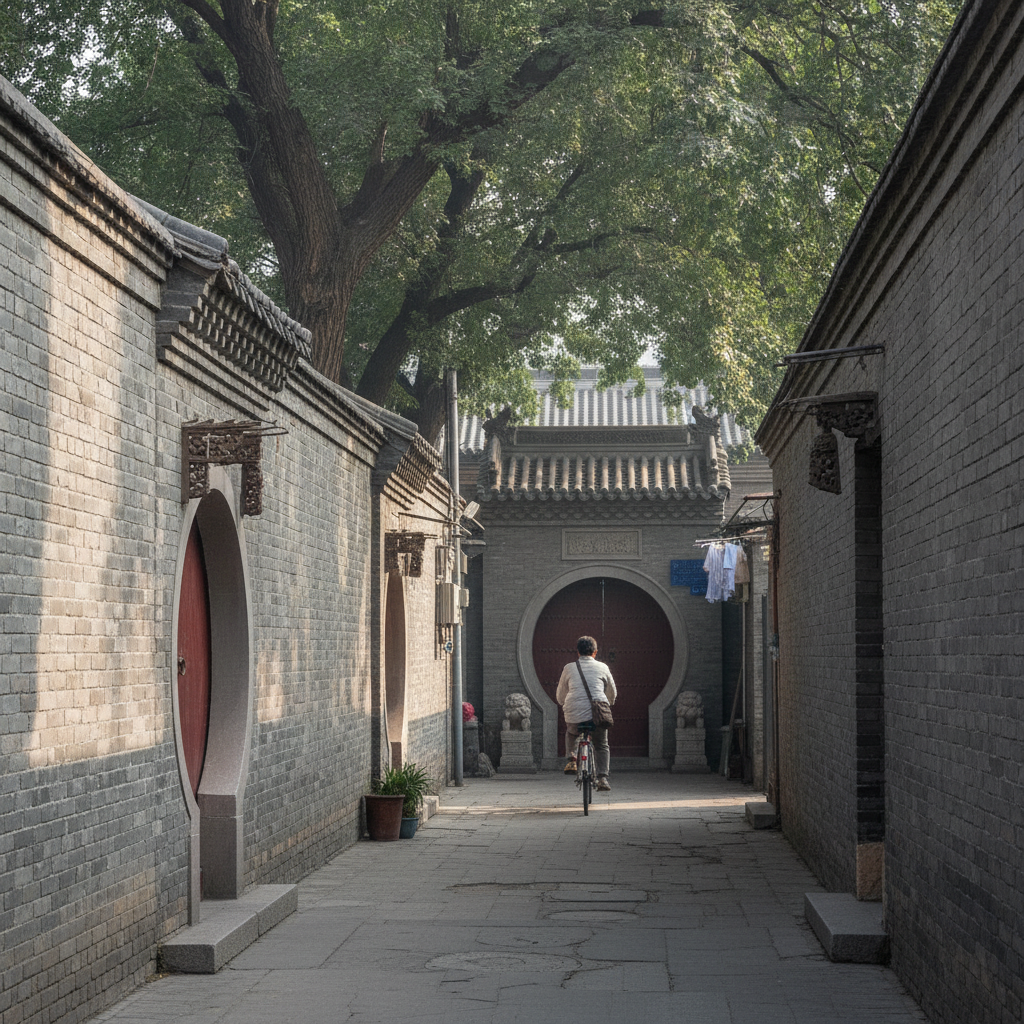
Hutong & Siheyuan – Pekings Hofstadt
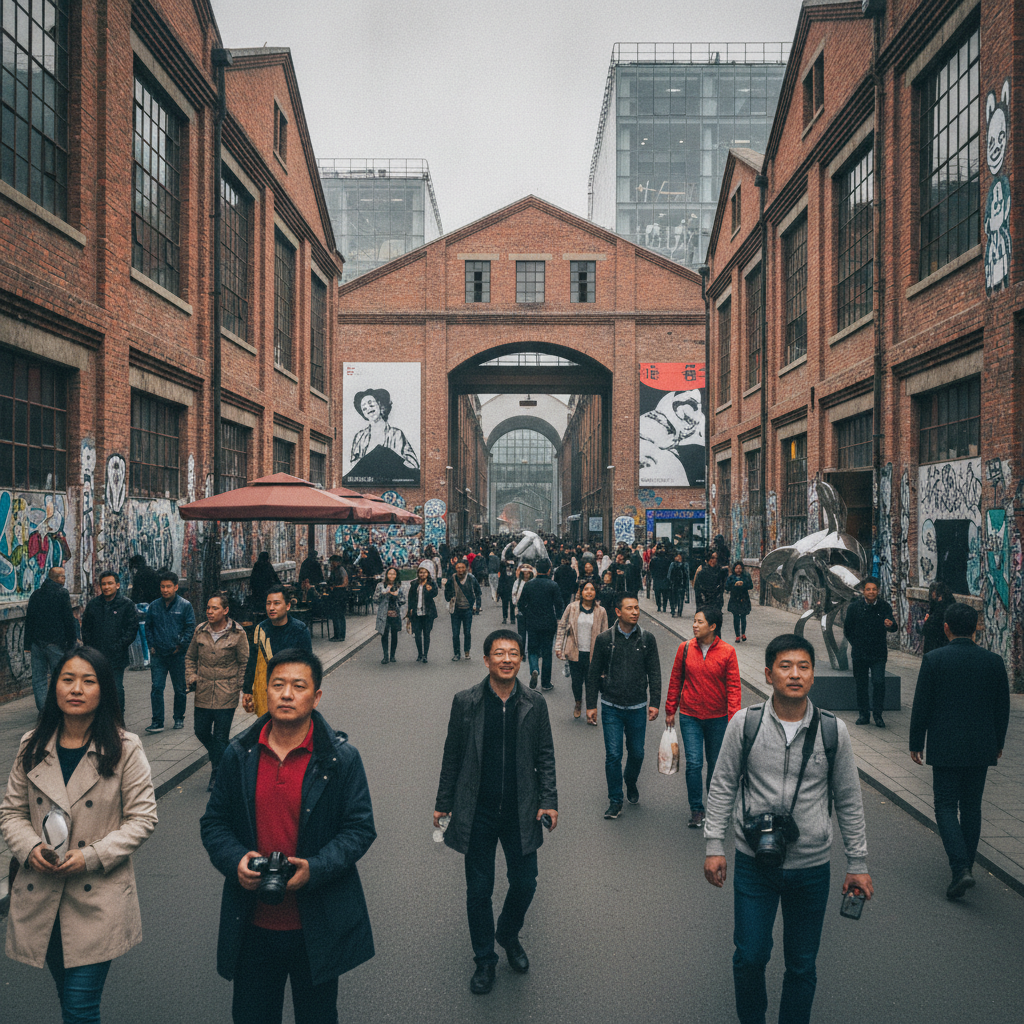
798 Kunstbezirk & Zeitgenössisches Peking — Chinas Kreative Revolution
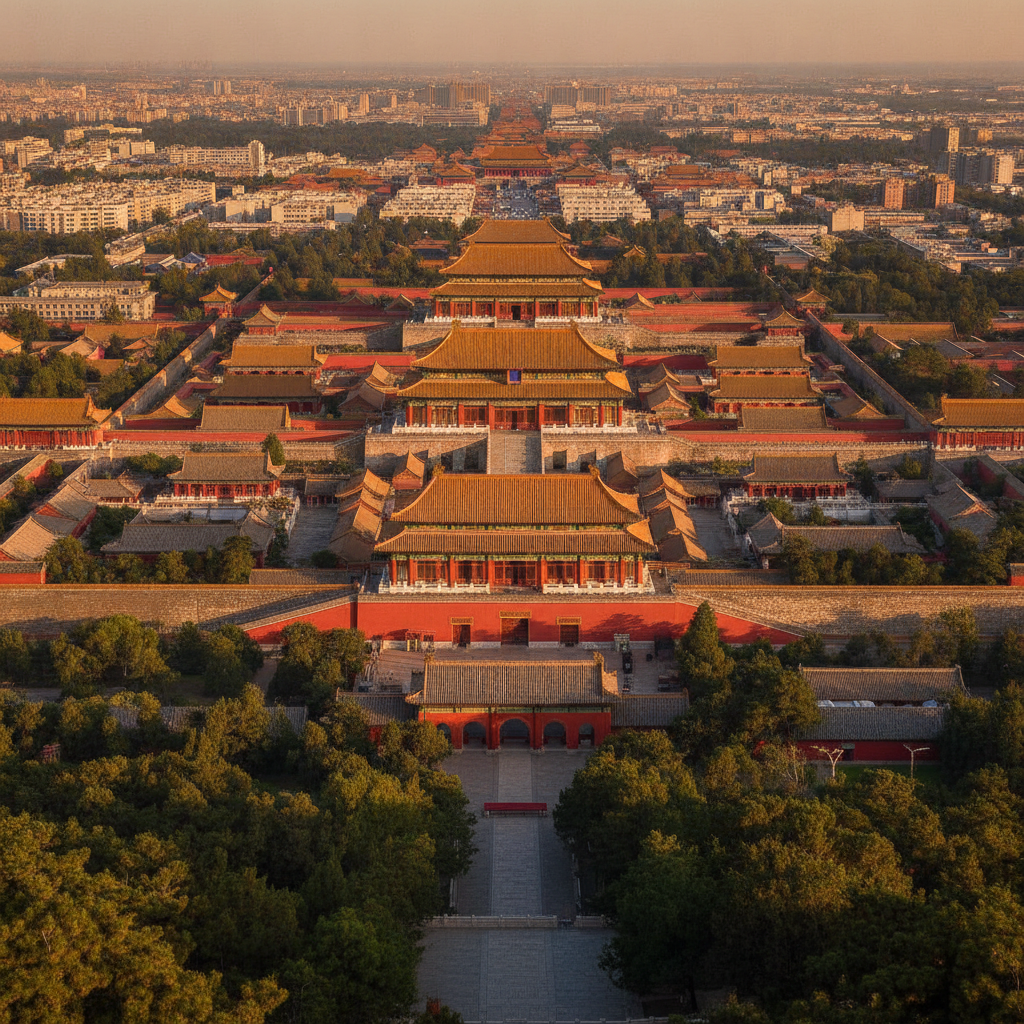
Verbotene Stadt, Tiananmen & das imperiale Herz Pekings
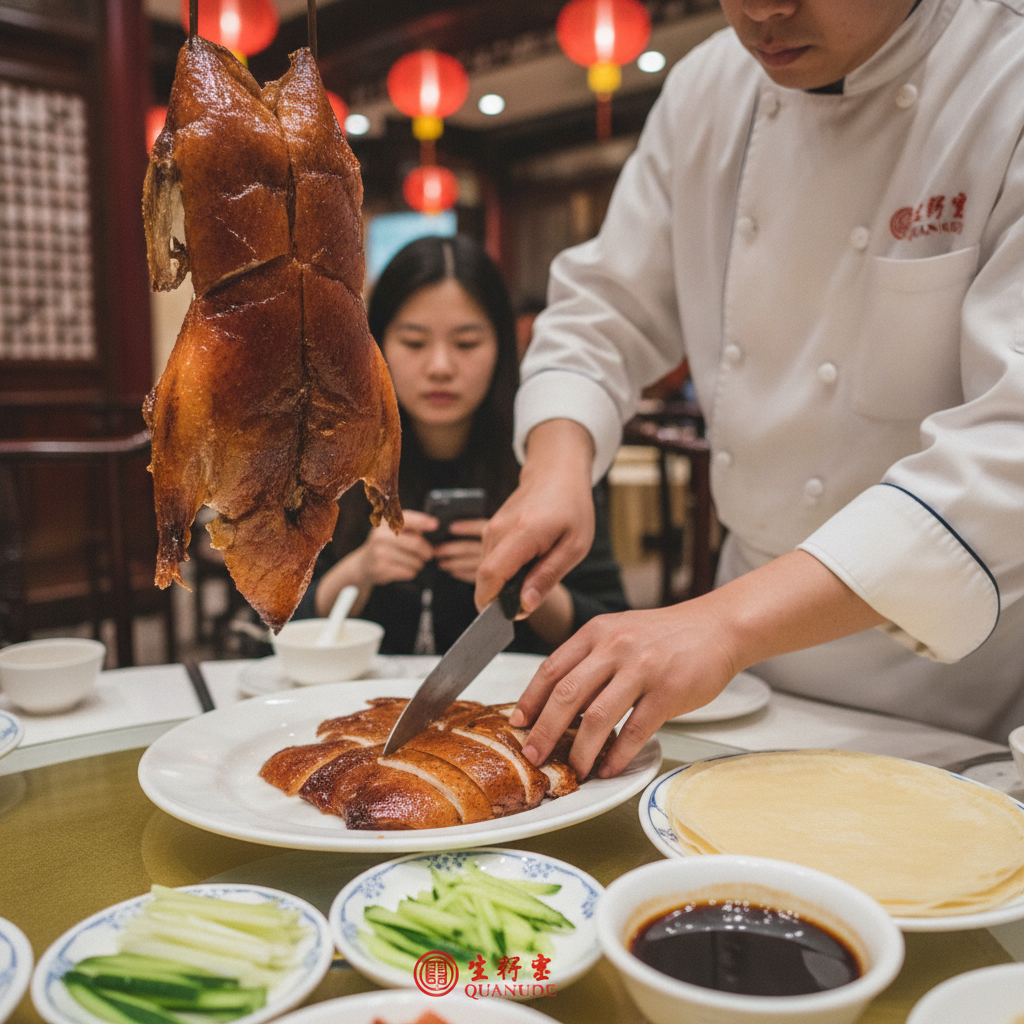
Peking-Ente, Jiaozi & die imperiale Gastronomie Pekings
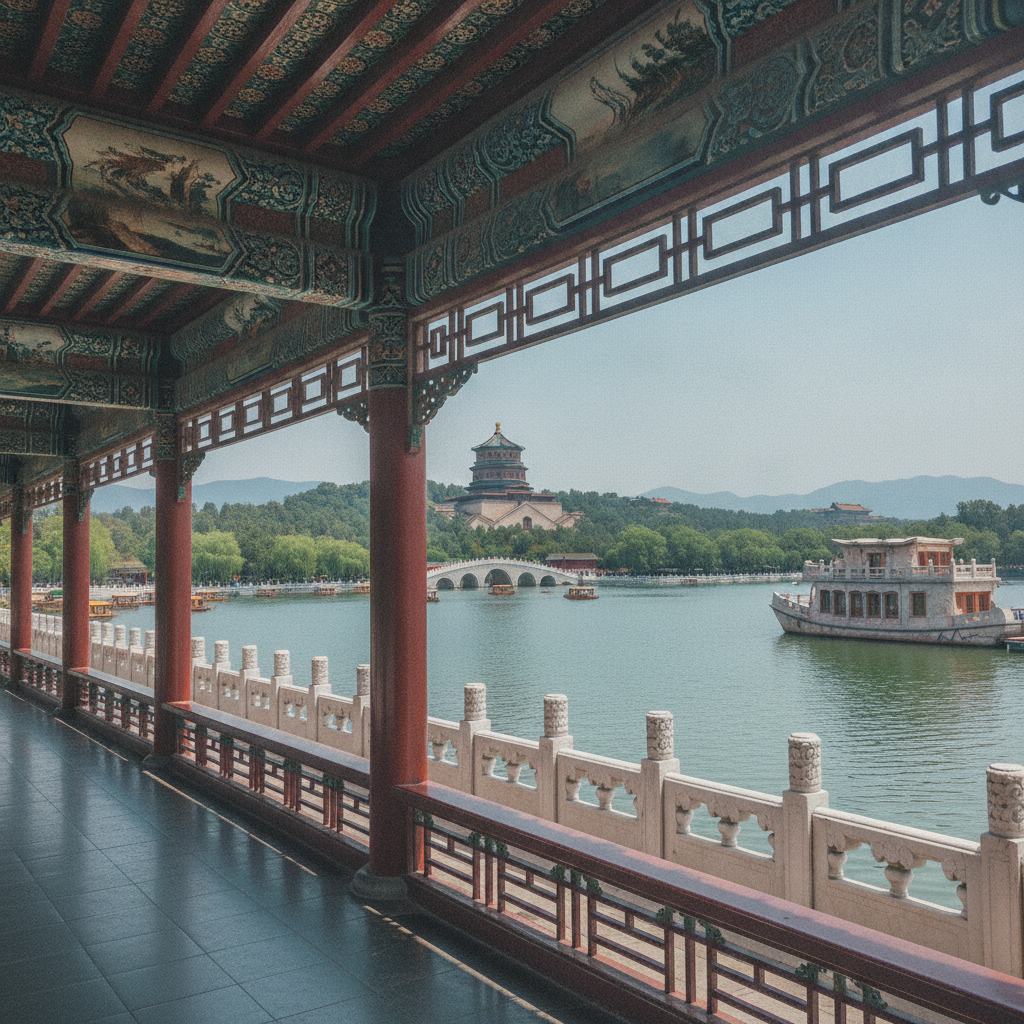
Sommerpalast & Yuanmingyuan – Pekings kaiserliches Gartenerbe