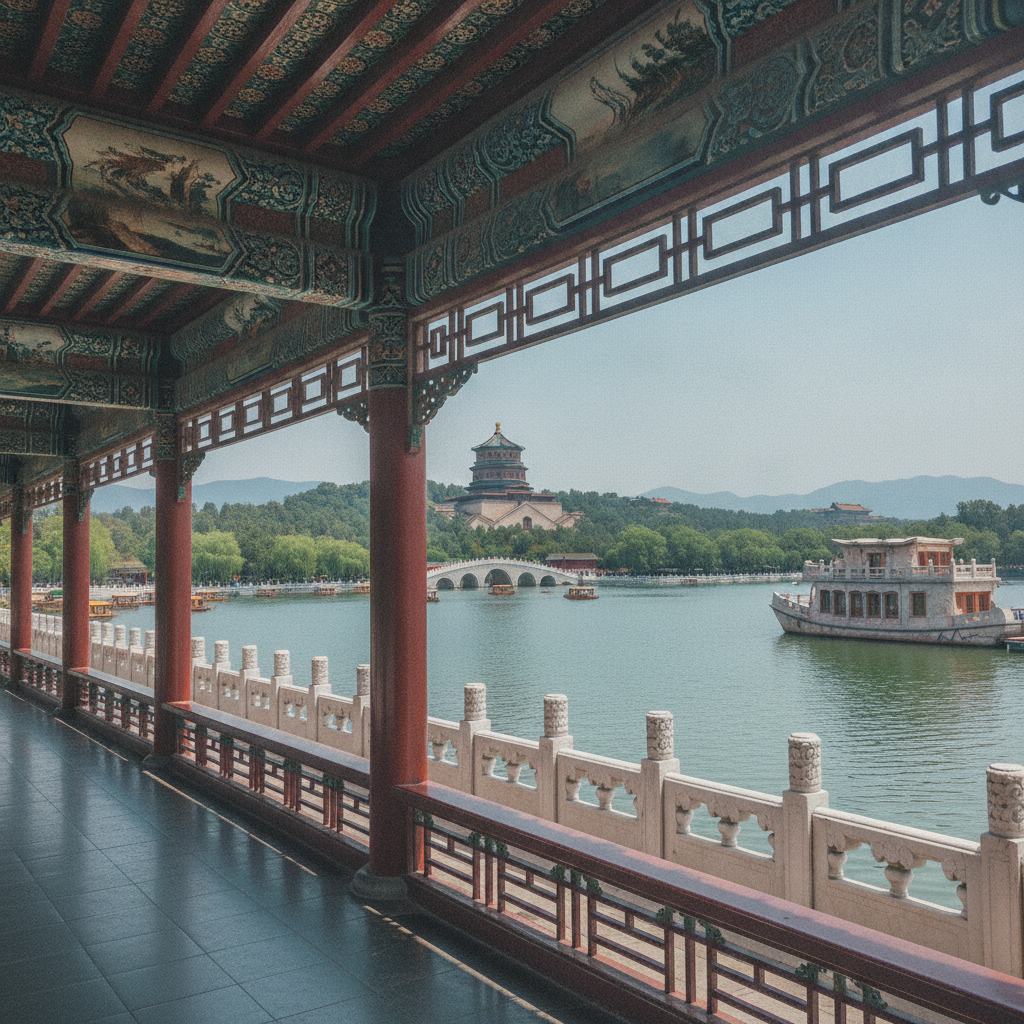
Himmelstempel — Das Heilige Herz des Kaiserlichen China
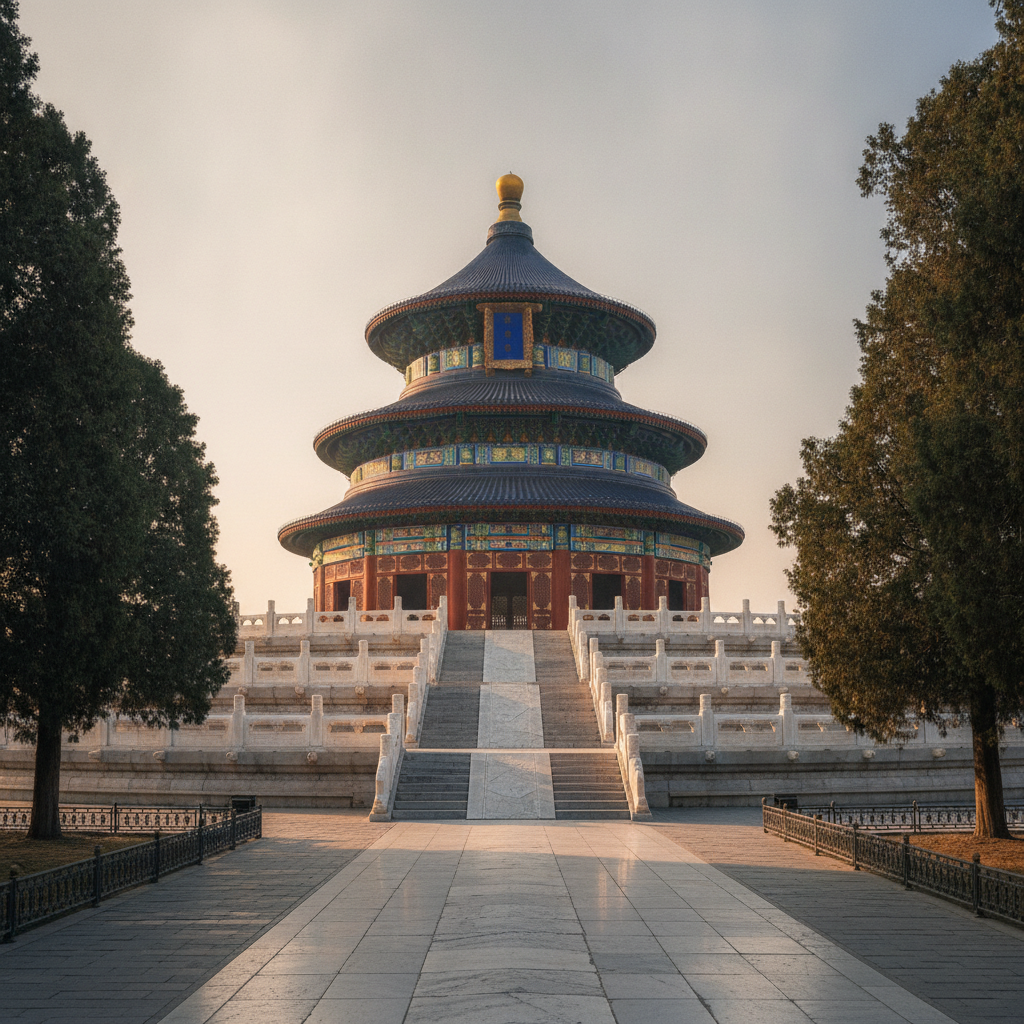
Himmelstempel (天坛 — Tiāntán — UNESCO-Welterbe seit 1998, im Chongwen-Viertel im Süden Pekings — der Komplex religiöser Gebäude, in dem die Ming- und Qing-Kaiser von 1420 bis 1914 die Staatszeremonien der Himmelsverehrung abhielten): Der Komplex (273 Hektar groß, der größte erhaltene kaiserliche Altarkomplex in China) umfasst die Halle des Gebets für gute Ernten (祈年殿 — die kreisförmige Halle mit dreifachem Dach auf einer dreistufigen Marmorplattform, ohne einen einzigen Nagel gebaut, die blauen Dachziegel symbolisieren den Himmel — das am häufigsten fotografierte Gebäude in Peking neben der Verbotenen Stadt) und den Himmelsaltar (圜丘坛 — der dreistufige, kreisförmige Marmoraltar unter freiem Himmel, auf dem der Kaiser das Himmelsopfer darbrachte).
- 1
Halle des Gebets für gute Ernten — Qiniandian
Die kreisförmige, dreifach gegiebelte Gebetshalle (1420, wiederaufgebaut 1889) ist Pekings ikonischstes Bauwerk — eine 38 m hohe, blau gekachelte Kuppel auf drei Marmorterrassen, wo Kaiser für gute Ernten beteten, wobei bei der Originalkonstruktion kein einziger Nagel verwendet wurde.
- 2
Himmelsaltar — Ritual der Wintersonnenwende
Der offene Himmelsaltar ('Huanqiutan') aus Marmor ist der Ort, an dem der Kaiser das Himmelsopfer zur Wintersonnenwende darbrachte, das wichtigste Staatsritual im kaiserlichen China — der zentrale Stein soll der Mittelpunkt des Universums sein.
- 3
Echowand — Der Perfekte Akustische Kreis
Die 65 Meter lange runde Echowand, die das Himmelsgewölbe ('Huangqiongyu') umgibt, überträgt ein Flüstern über den gesamten Umfang — eines der größten akustischen Phänomene der Welt, das von neugierigen Besuchern seit dem 15. Jahrhundert genutzt wird.
- 4
Morgendliches Tai Chi & Bewegung im Zypressenhain
Die 600 Jahre alten Zypressenhaine des Himmelstempelparks füllen sich jeden Morgen mit Rentnern, die Tai Chi praktizieren, Schwerttänze aufführen, Opern singen, Badminton spielen und „Diabolo“ jonglieren — Pekings lebendigste Darstellung des traditionellen öffentlichen Lebens.
- 5
Kaiserliches Himmelsgewölbe — Blau gekachelte Rotunde
Das kleinere zylindrische Kaiserliche Himmelsgewölbe beherbergt die Geistertafeln, die bei der Sonnenwendzeremonie verwendet werden. Die umgebende Mauer erzeugt das Echophänomen, und die drei Echosteine im Hof vervielfachen die Schrittgeräusche.
- 6
Zhengyangmen-Tor & Qianmen-Fußgängerzone
Das Zhengyangmen-Tor („Vordertor“) südlich des Tian'anmen-Platzes markiert das ehemalige Haupttor der Stadtmauer. Die restaurierte Fußgängerzone Qianmen darunter repliziert das kommerzielle Peking des frühen 20. Jahrhunderts mit Teehäusern und traditionellen Geschäften.
Walk this route with audio
Stories play automatically as you reach each stop — no tapping needed.
Mehr in beijing
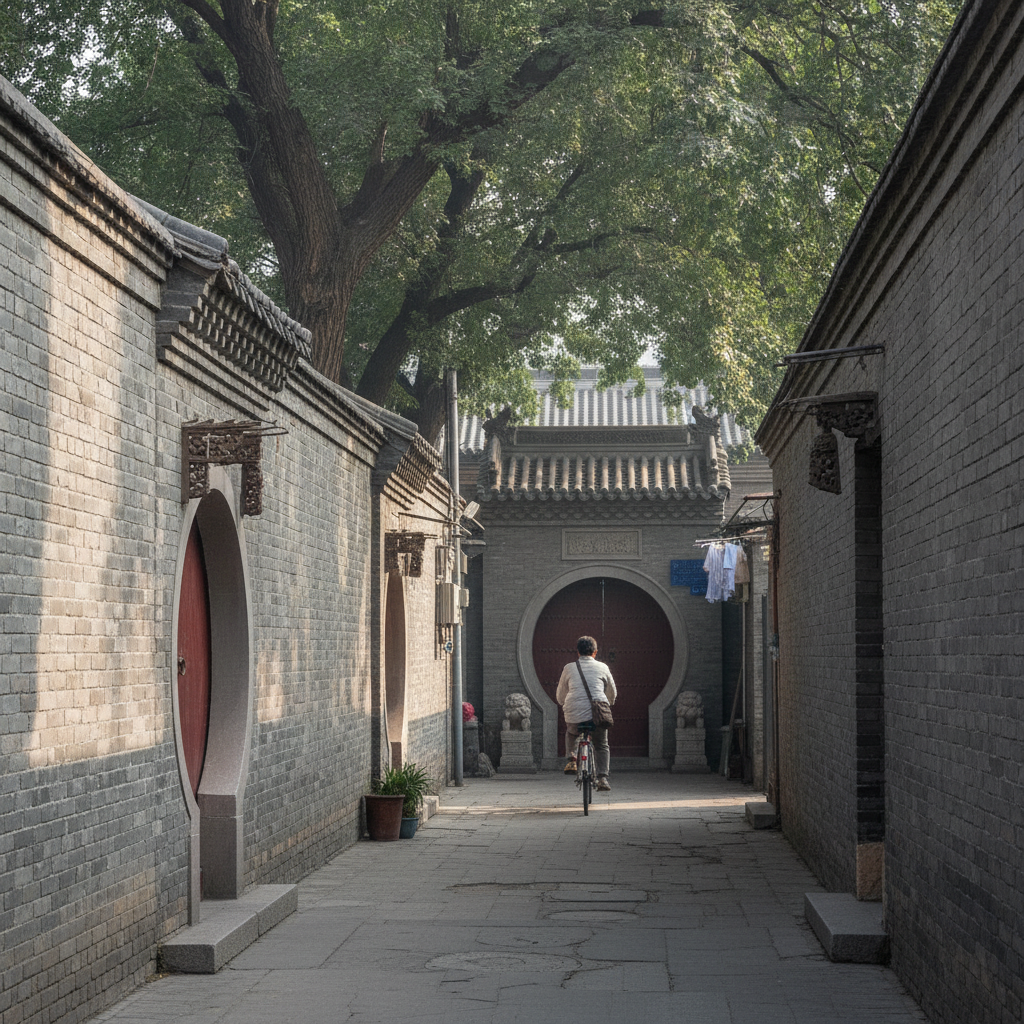
Hutong & Siheyuan – Pekings Hofstadt
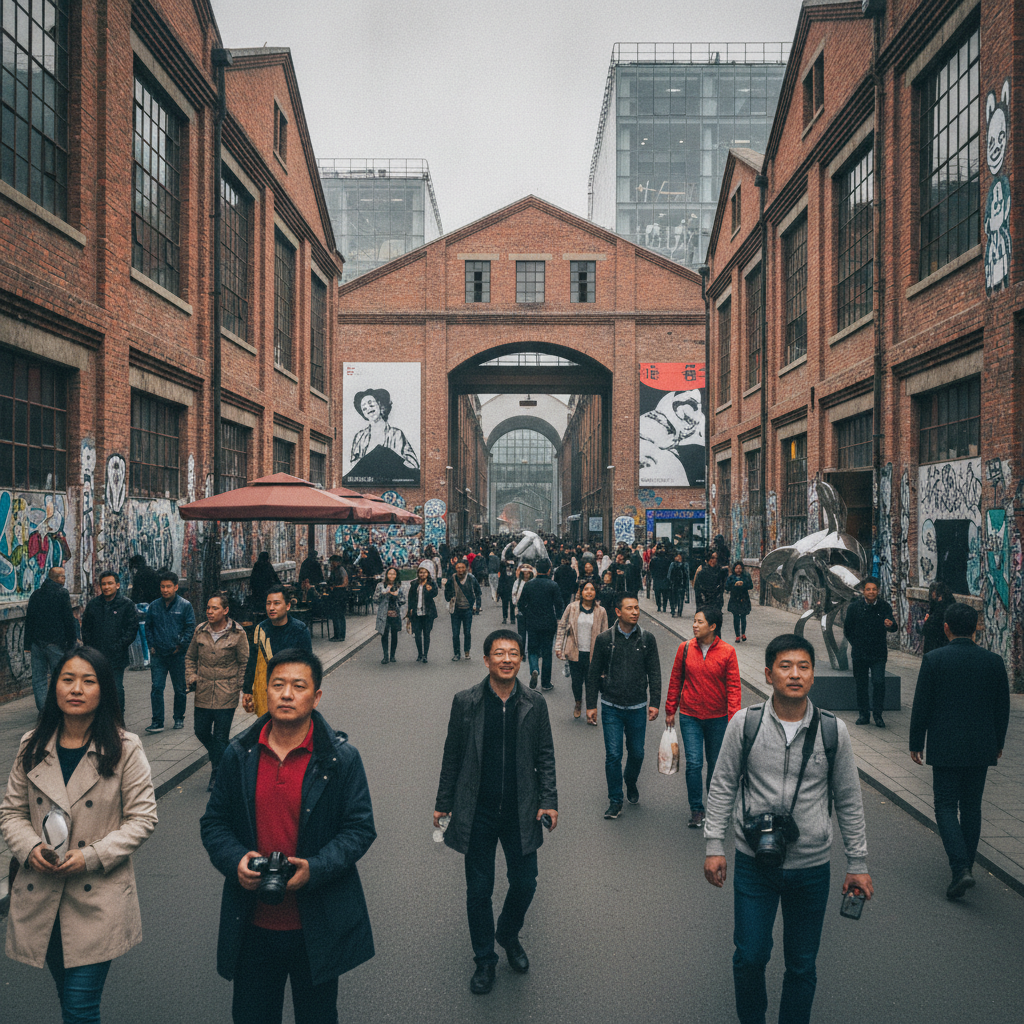
798 Kunstbezirk & Zeitgenössisches Peking — Chinas Kreative Revolution
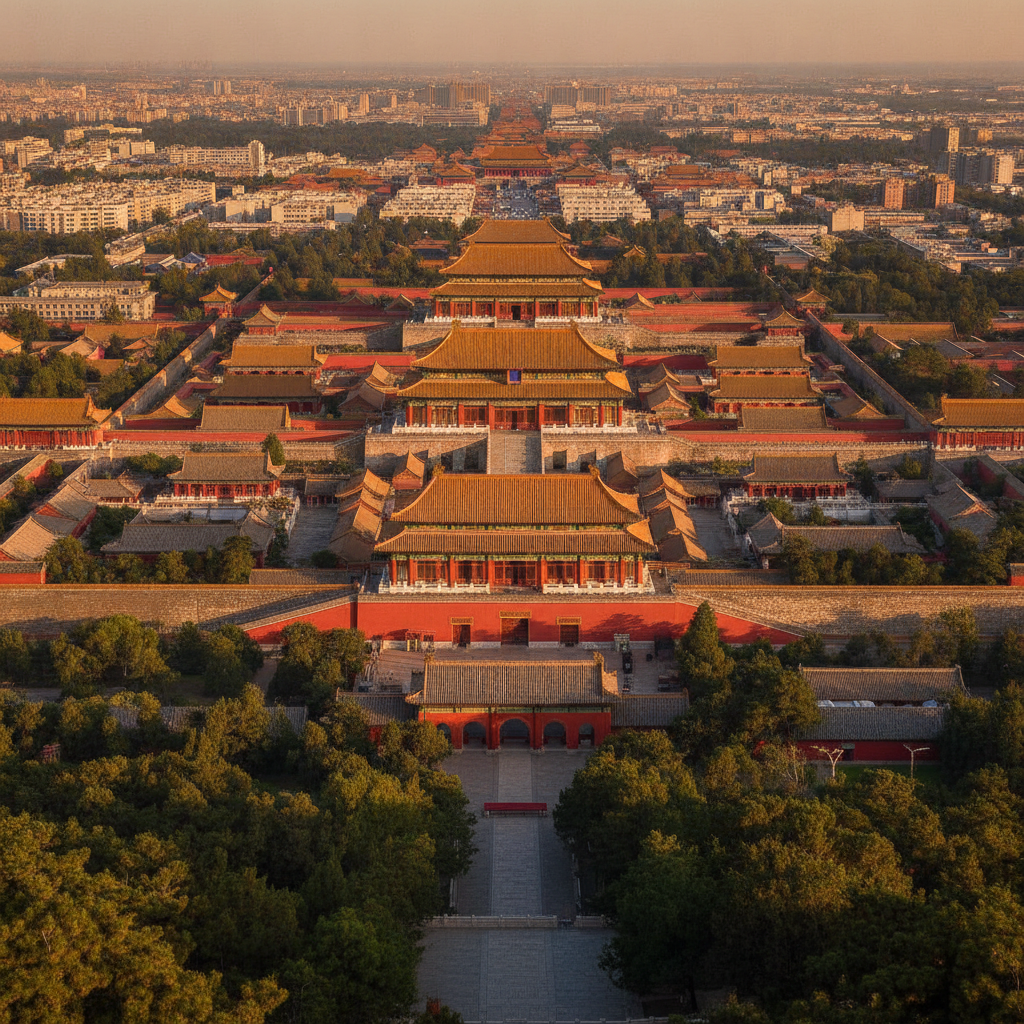
Verbotene Stadt, Tiananmen & das imperiale Herz Pekings
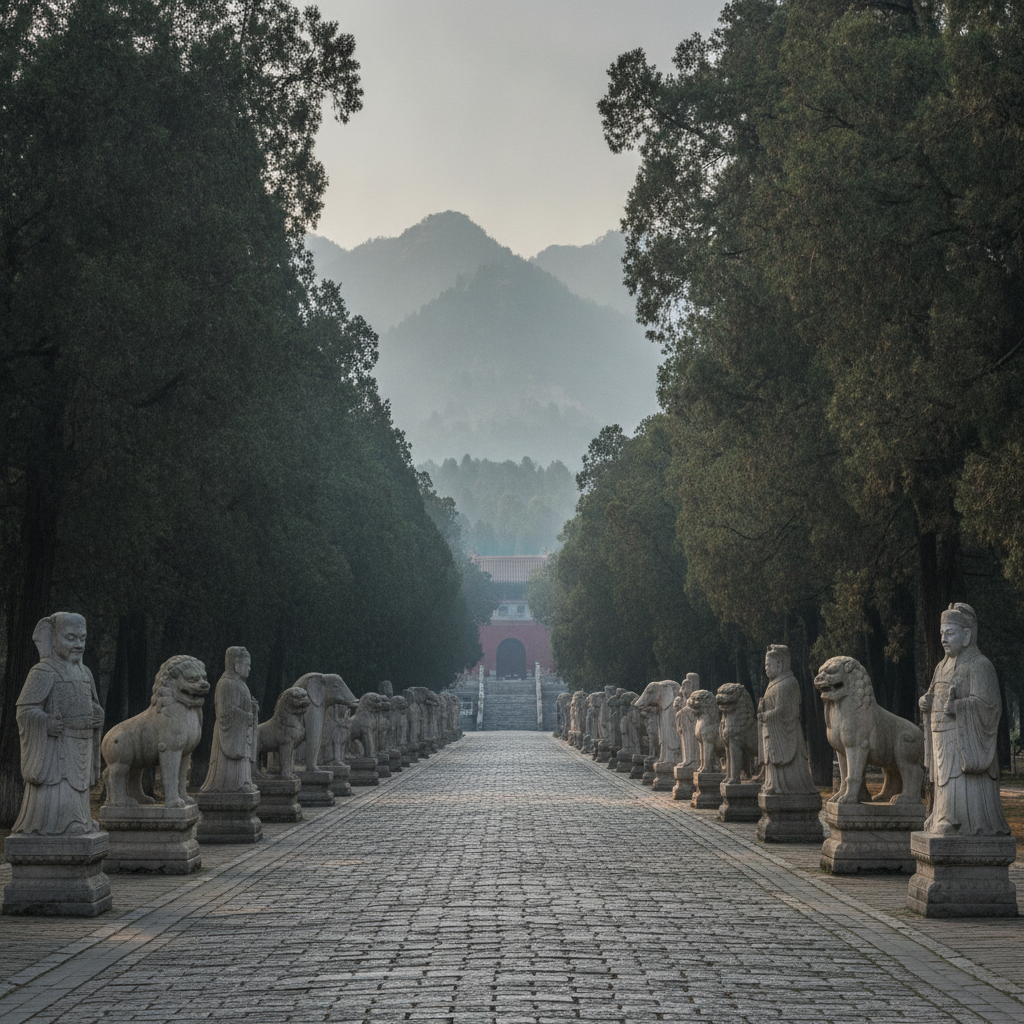
Ming-Gräber & der Heilige Weg — Pekings kaiserliche Nekropole
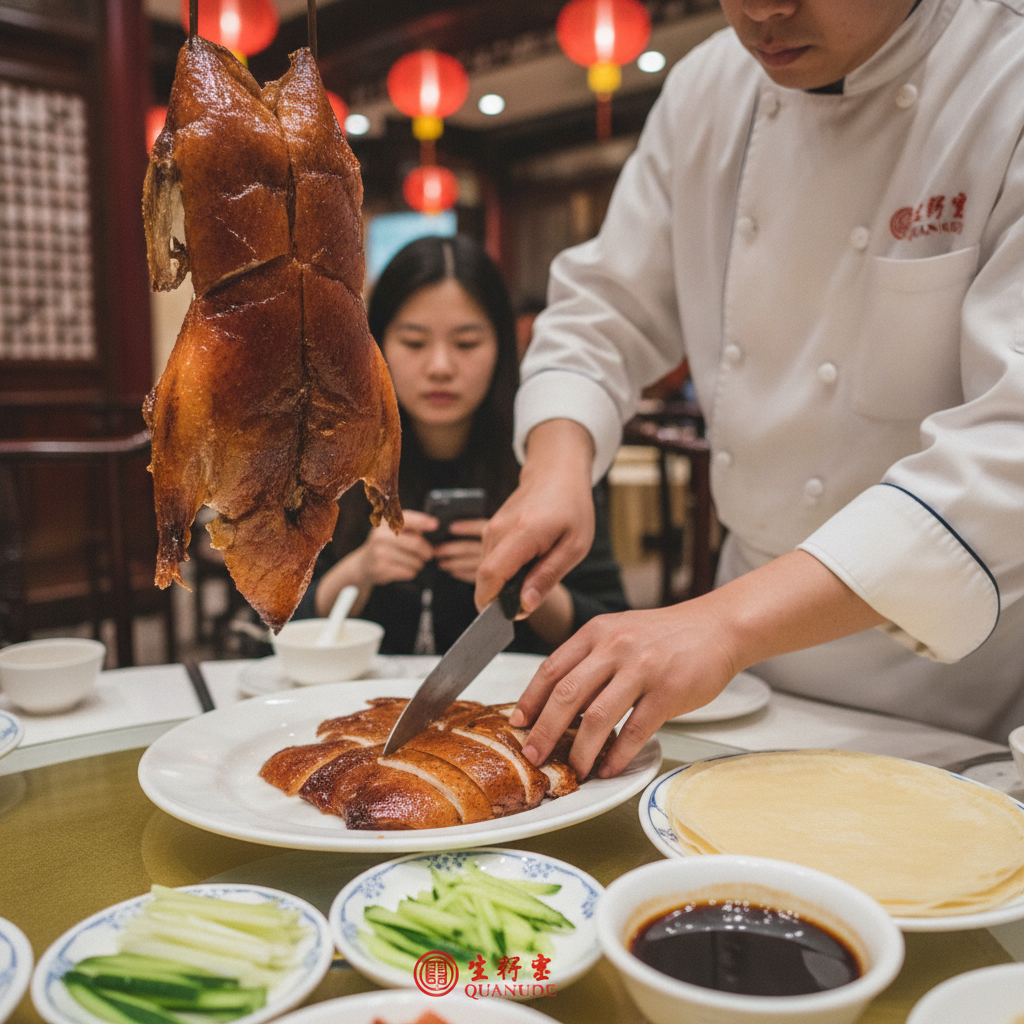
Peking-Ente, Jiaozi & die imperiale Gastronomie Pekings