Der Fluss Nervión, industrielles Erbe und Bilbaos Eisengeschichte
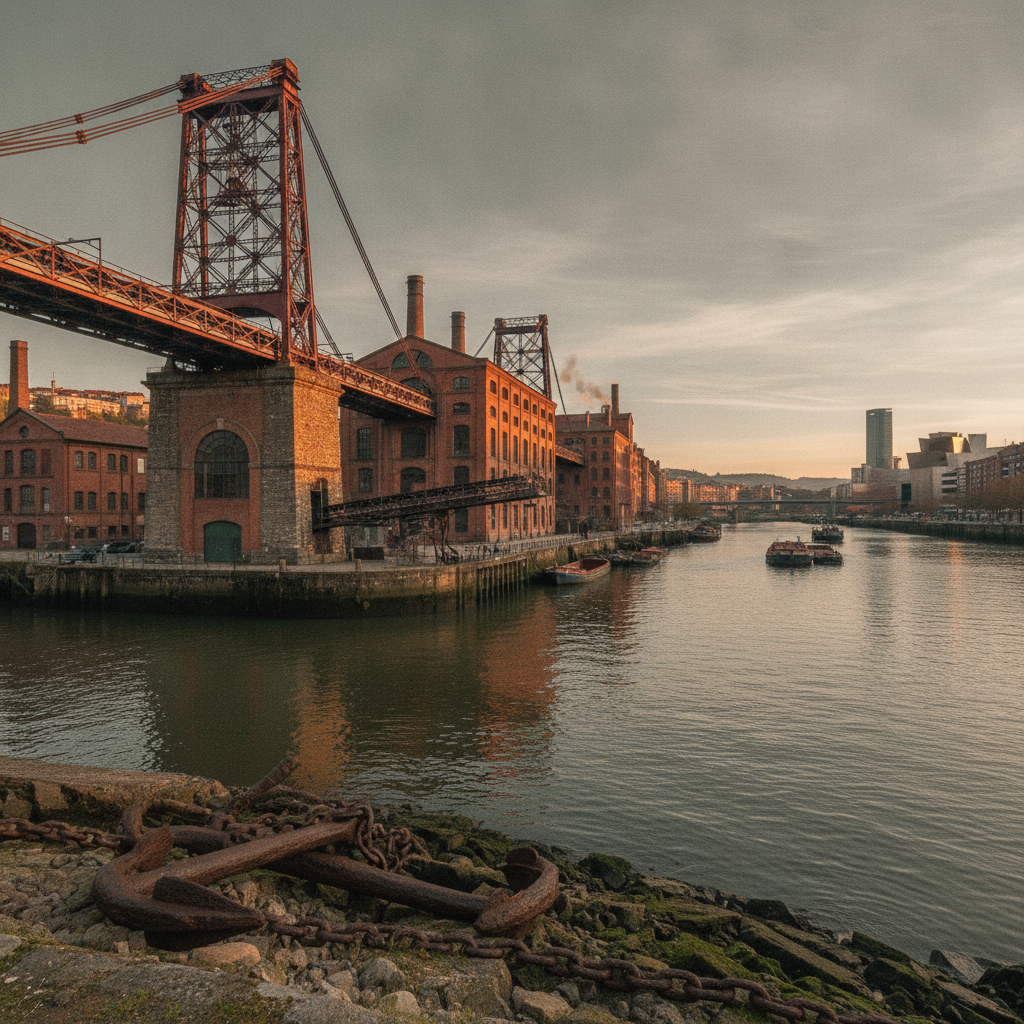
Der Fluss Nervión (die Gezeitenmündung des Nervión, die sich 15 km von Bilbao bis zur Biskaya erstreckt) war der Motor der baskischen Industriellen Revolution. Entlang seiner Ufer wurde das Eisenerz aus den baskischen Minen in den Stahlwerken der "Altos Hornos de Vizcaya" (den "Hochöfen von Vizcaya" – dem großen Stahlkomplex, der vom späten 19. Jahrhundert bis in die 1980er Jahre der größte Stahlhersteller Spaniens war) geschmolzen und zu Stahl verarbeitet, der vom Nervión in die Welt verschifft wurde.
1. Bilbao-Mündung – Eisenerz-Hauptstadt Spaniens
- 1
Bilbao-Mündung – Eisenerz-Hauptstadt Spaniens
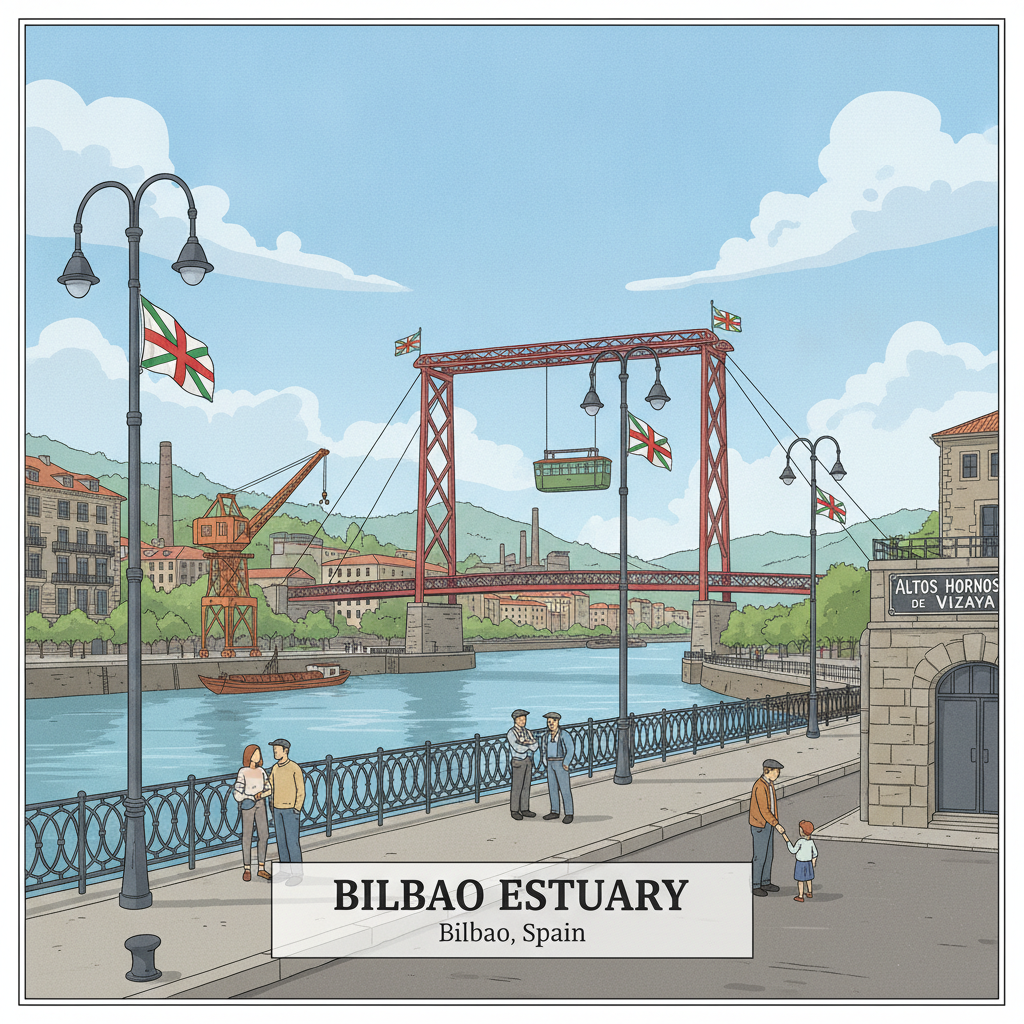
Die Flussmündung von Bilbao (Ría del Nervión) befeuerte die industrielle Revolution Spaniens – Eisenerz aus den Triano-Minen versorgte 40 Hochöfen, und Bilbaos Werften produzierten bis 1900 40 % der spanischen Handelsflotte. Die Stahlwerke beschäftigten 40.000 Arbeiter.
- 2
Vizcaya-Brücke (Puente Colgante) – UNESCO-Weltkulturerbe
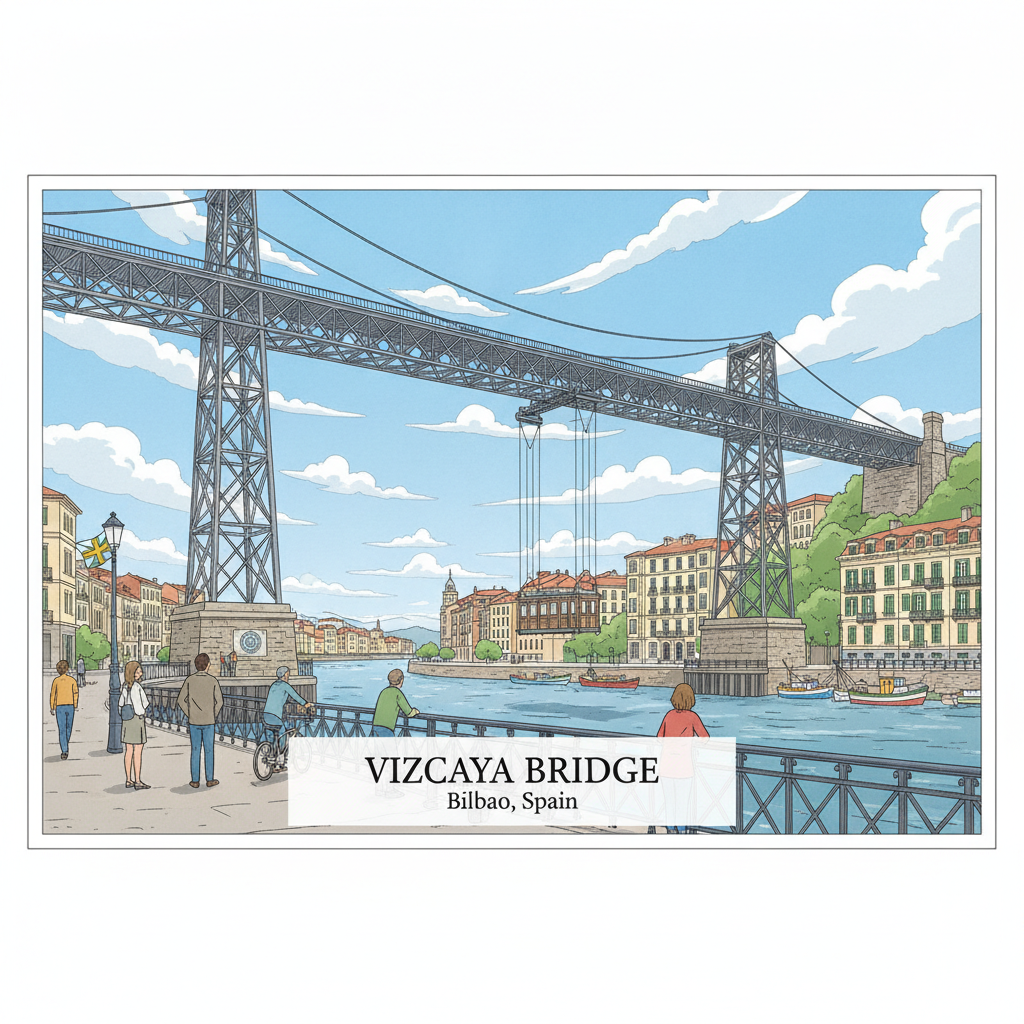
Die Schwebefähre von Vizcaya in Getxo aus dem Jahr 1893 ist die älteste noch in Betrieb befindliche Schwebefähre der Welt – eine von der Brückendeckung herabhängende Gondel befördert Autos und Passagiere in 90 Sekunden über die 164 m breite Mündung.
- 3
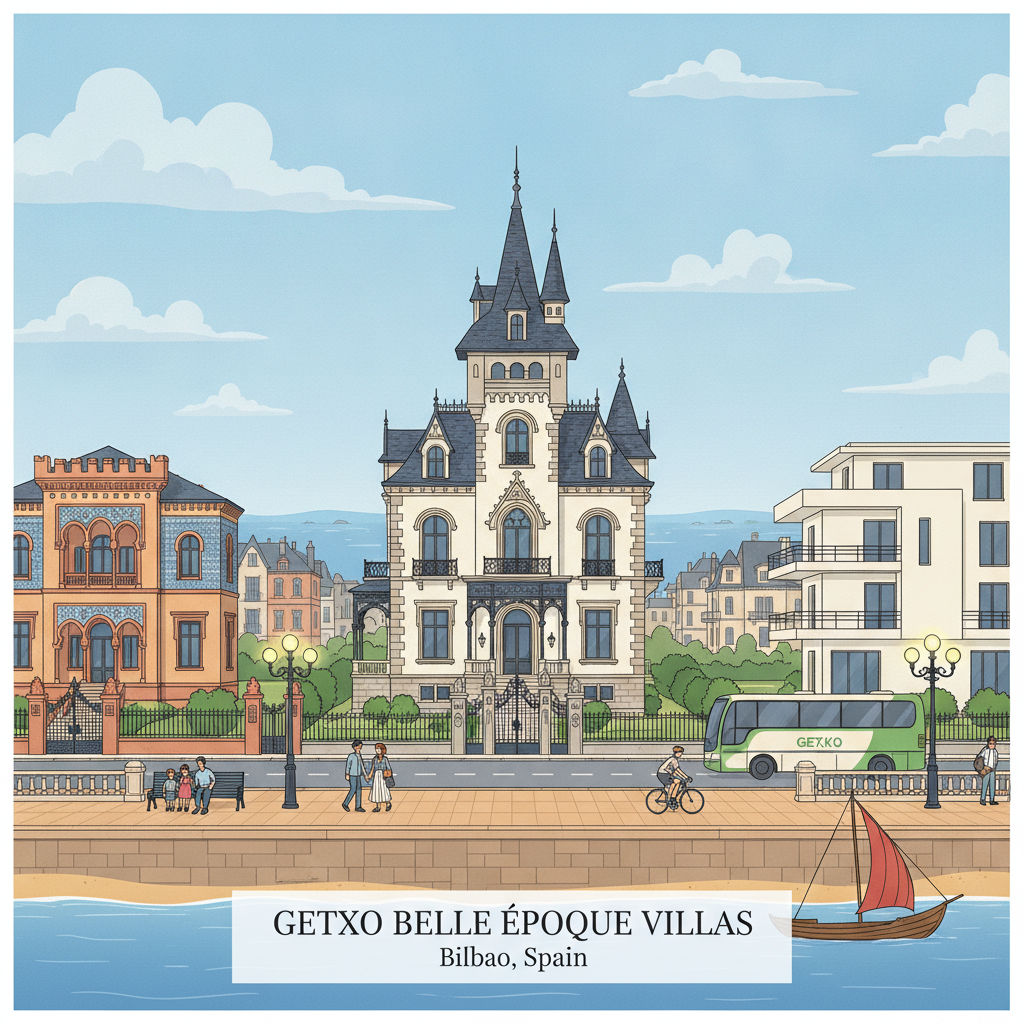
Getxo Belle Époque Villen – Sommerhäuser der Eisenbarone
Die Ereaga-Strände und das Viertel Las Arenas in Getxo bewahren die prächtigen Sommerresidenzen der baskischen Industrie-Aristokratie – palastartige Belle-Époque-Villen im neugotischen, maurischen Revival- und rationalistischen Stil mit Blick auf die Mündung.
- 4
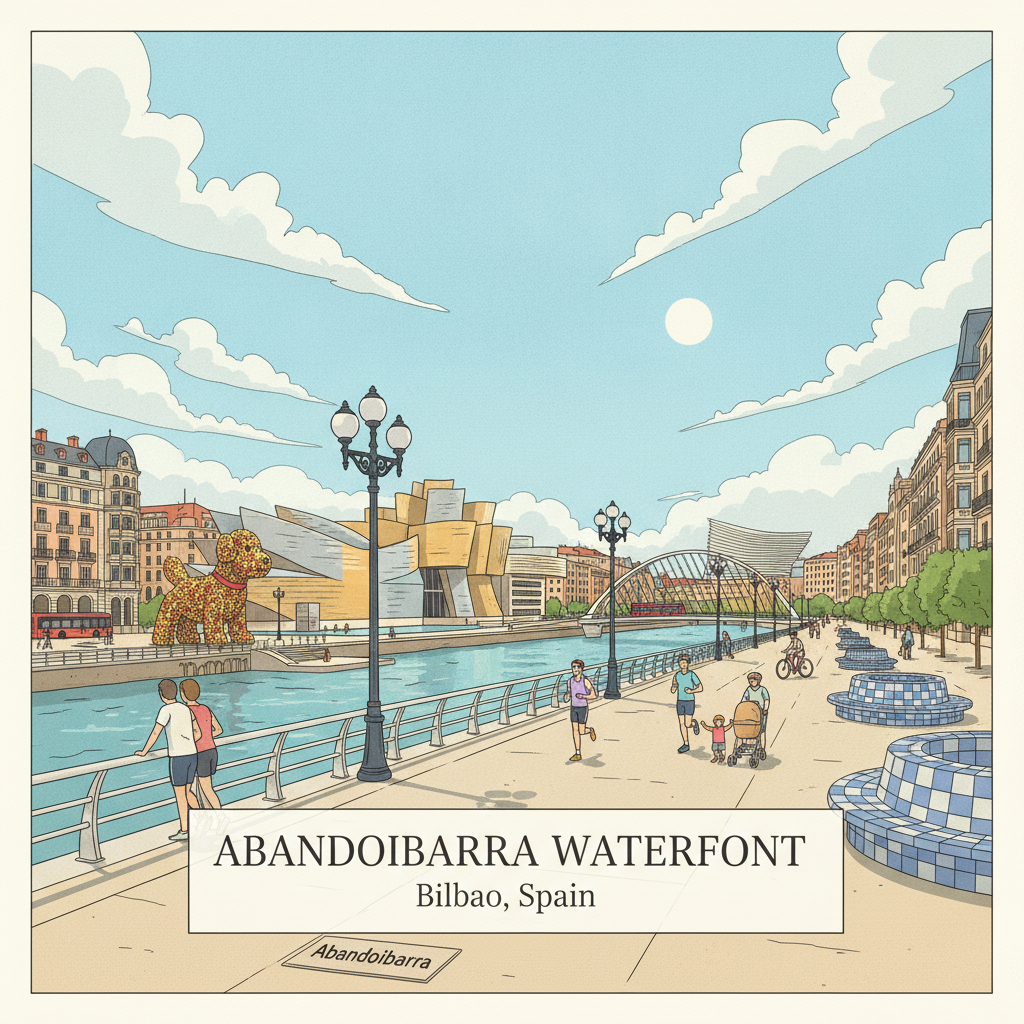
Abandoibarra Uferpromenade – Postindustrielle Erneuerung
Wo Bilbaos größte Werft (Euskalduna) bis 1998 stand, beherbergt die Abandoibarra heute das Guggenheim, den Euskalduna Konferenzpalast, die Zubizuri Fußgängerbrücke und den Flusspark – Europas meistgefeierte Stadterneuerung am Wasser.
- 5
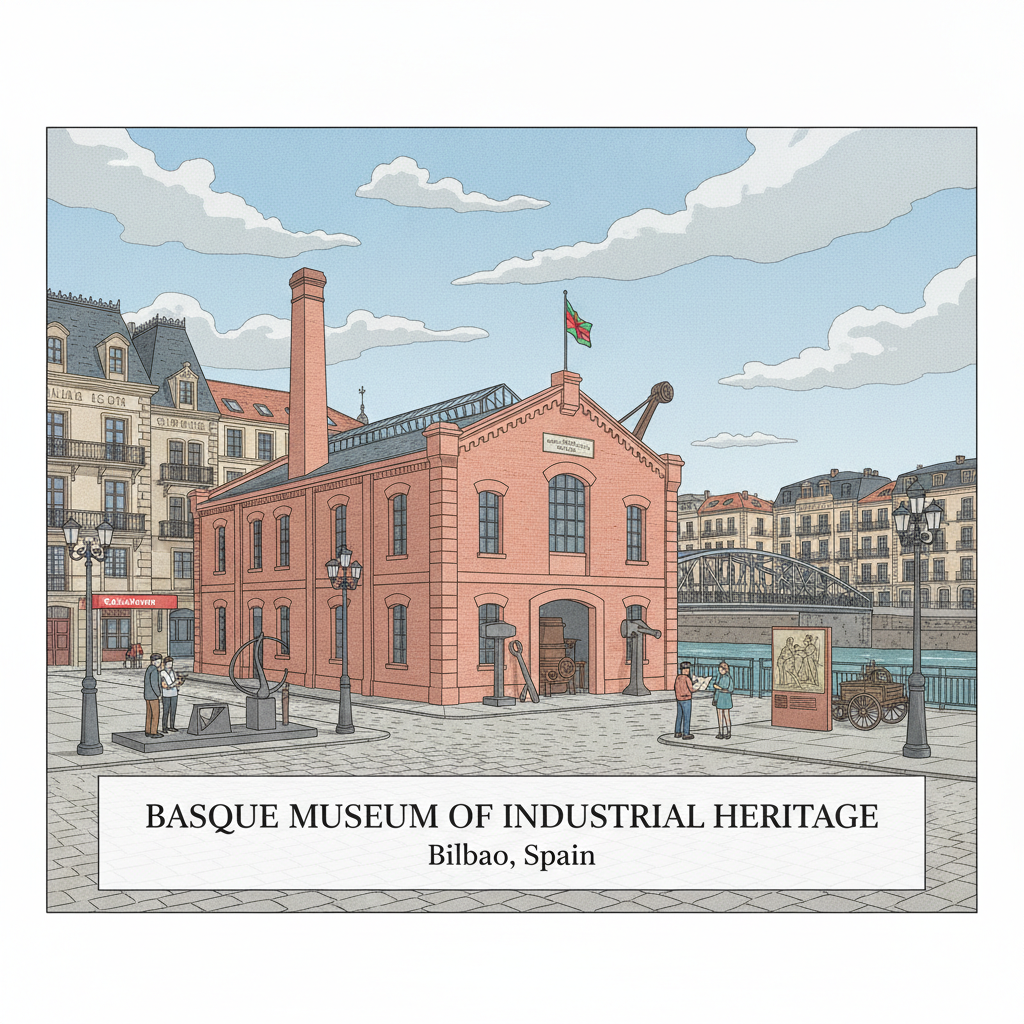
Baskisches Museum für Industriekulturerbe – Bilbao
Das Museum für Industriekulturerbe im ehemaligen Gießereiviertel dokumentiert die baskische Industrietradition – Hochofenmodelle, Werkzeuge von Eisenarbeitern und Archive der mündlichen Geschichte der Arbeiterbewegung, die die moderne baskische Identität prägten.
- 6
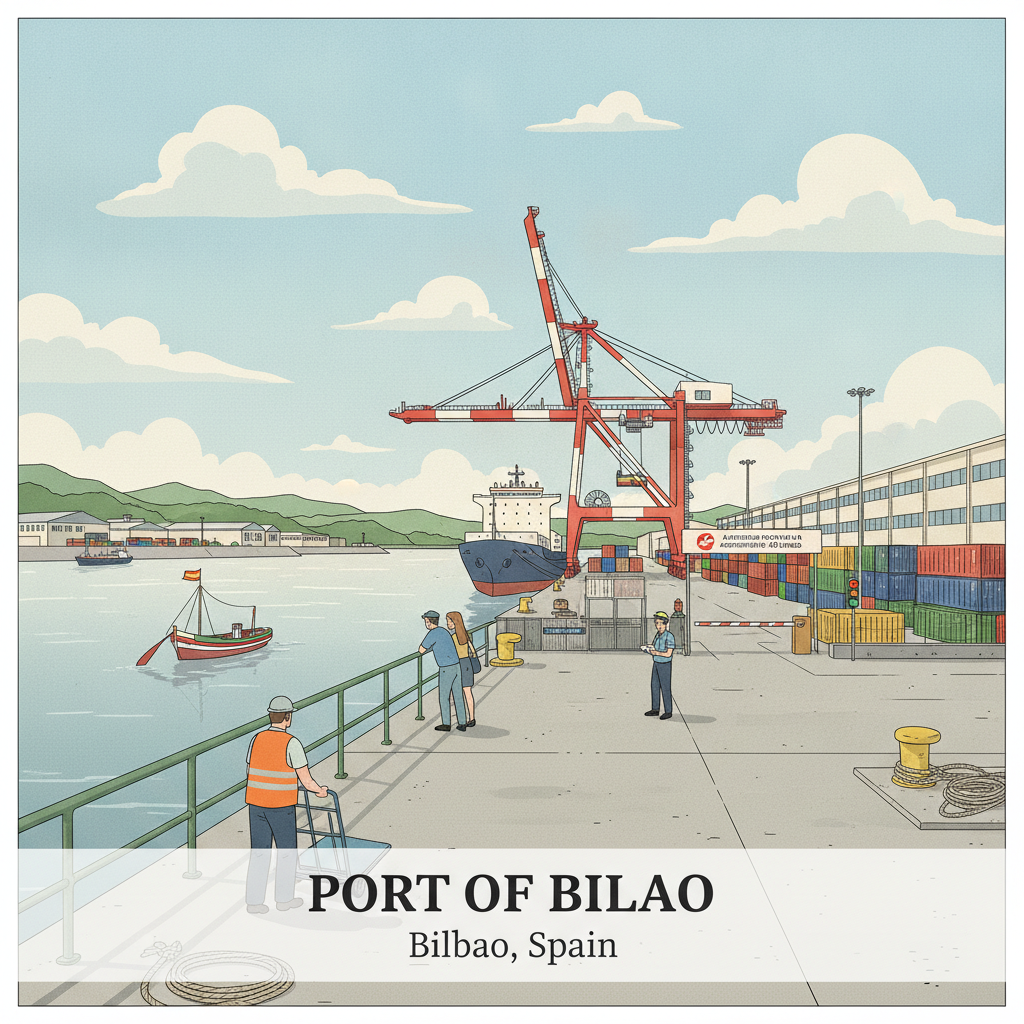
Hafen von Bilbao – Santurce Moderner Containerterminal
Der Hafen von Bilbao verlagerte seine gesamte kommerzielle Tätigkeit in den 1990er Jahren nach Santurce an der Mündung der Flussmündung und gab so die innerstädtische Uferpromenade für die Regeneration frei. Der Hafen schlägt heute jährlich 32 Millionen Tonnen Fracht um und ist damit Spaniens sechstgrößter Hafen.
Walk this route with audio
Stories play automatically as you reach each stop — no tapping needed.
Mehr in bilbao
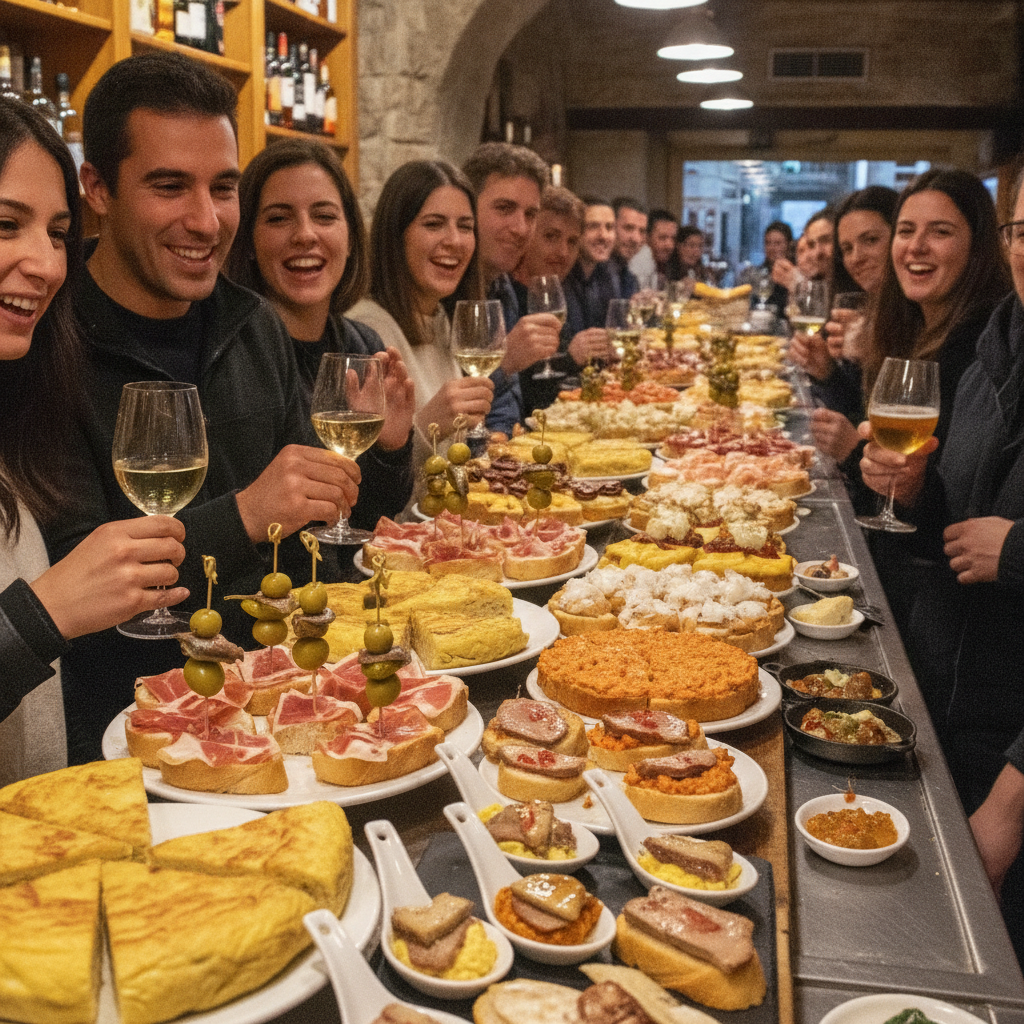
Pintxos, Casco Viejo & Bilbaos baskische Gastronomische Kultur
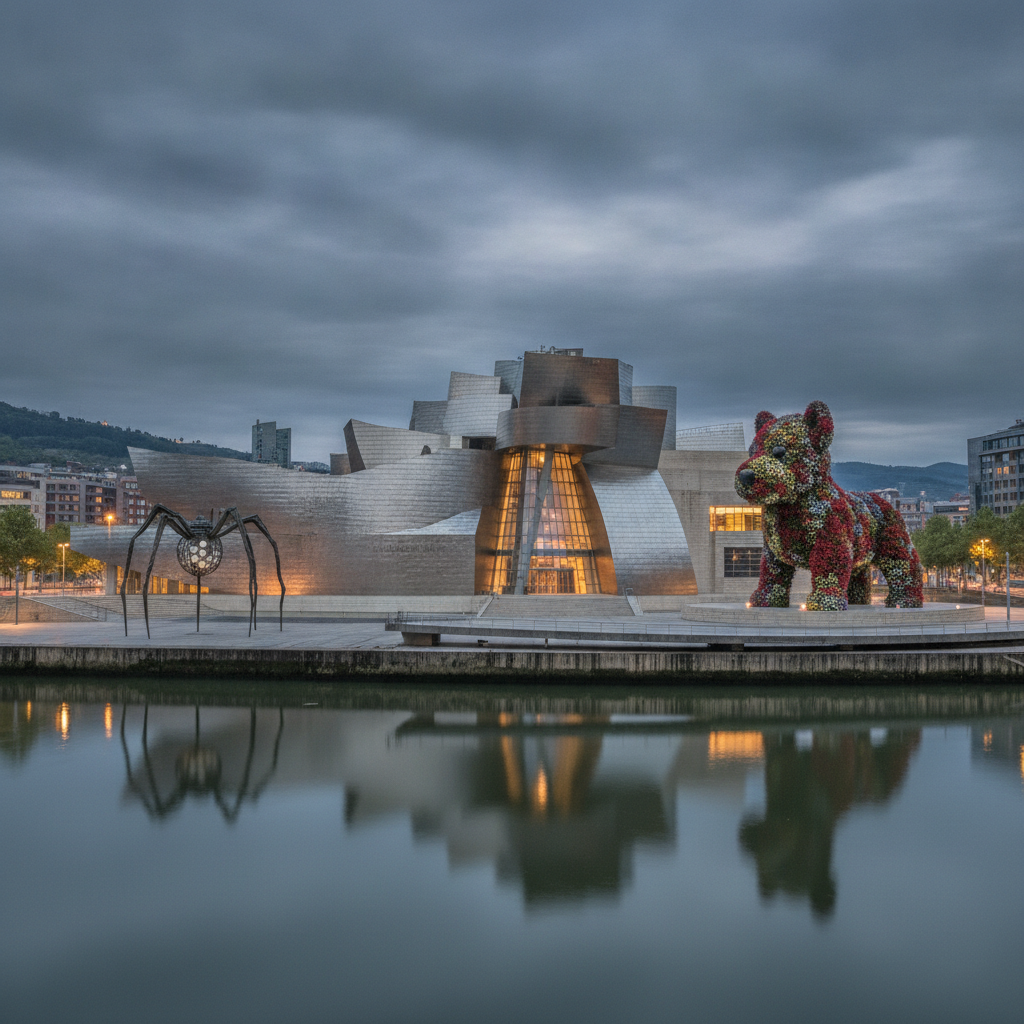
Guggenheim Bilbao, Frank Gehry & die Baskische Renaissance
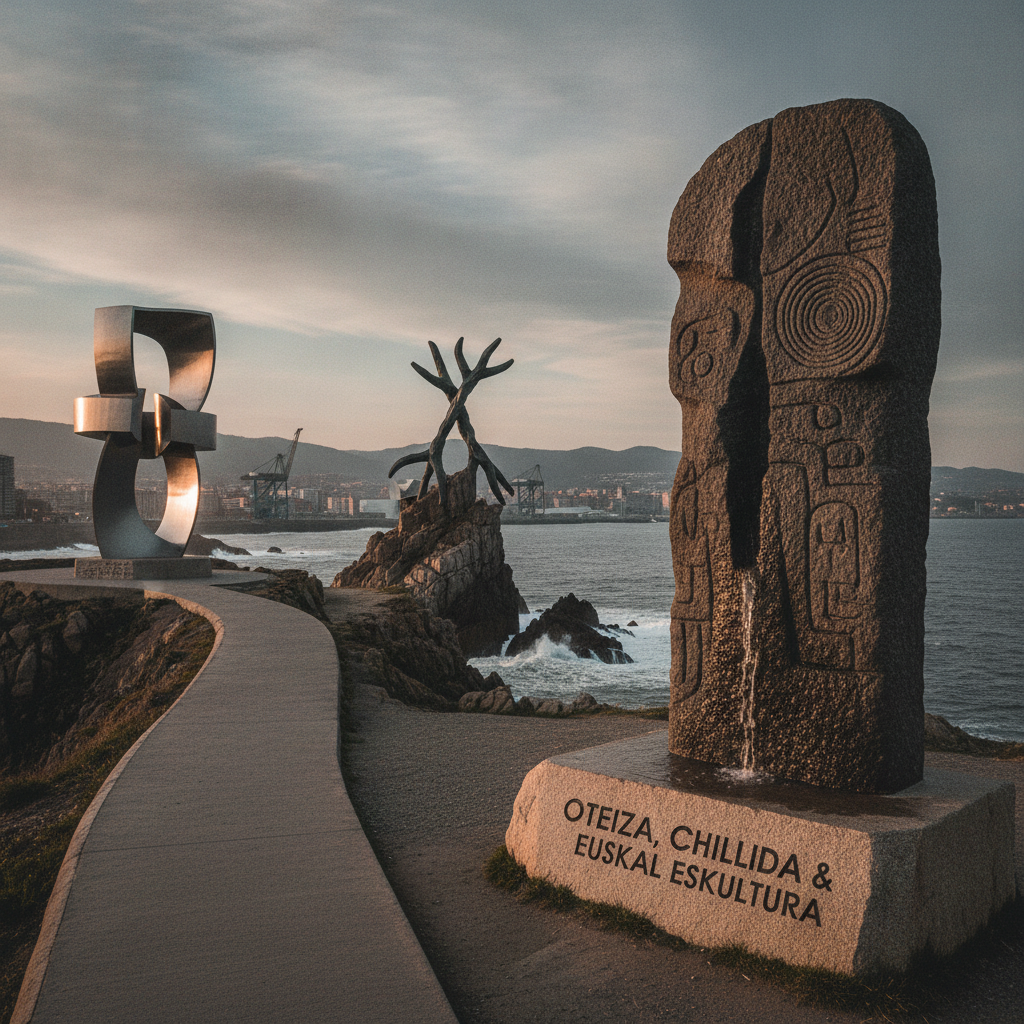
Oteiza, Chillida und die baskische Bildhauertradition
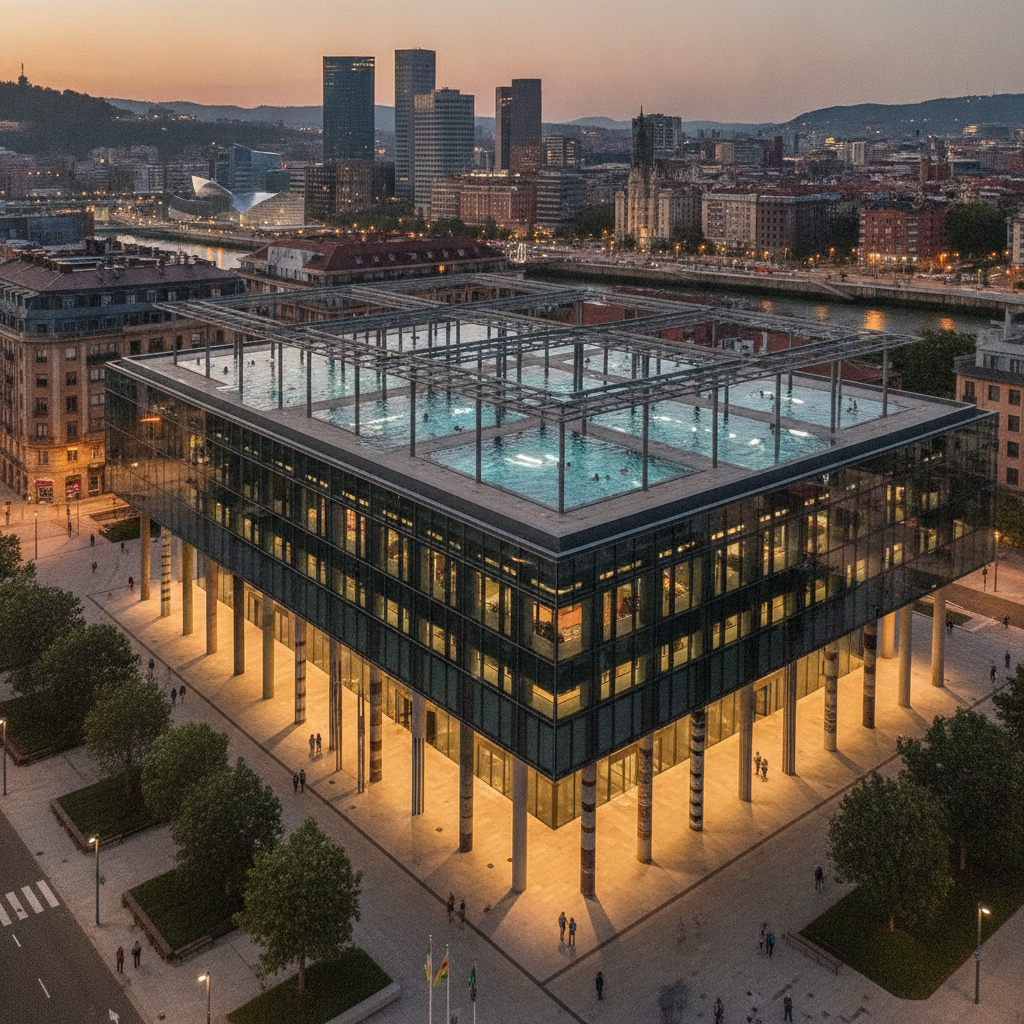
Azkuna Zentroa, Alhóndiga & Bilbaos Kulturelle Erneuerung
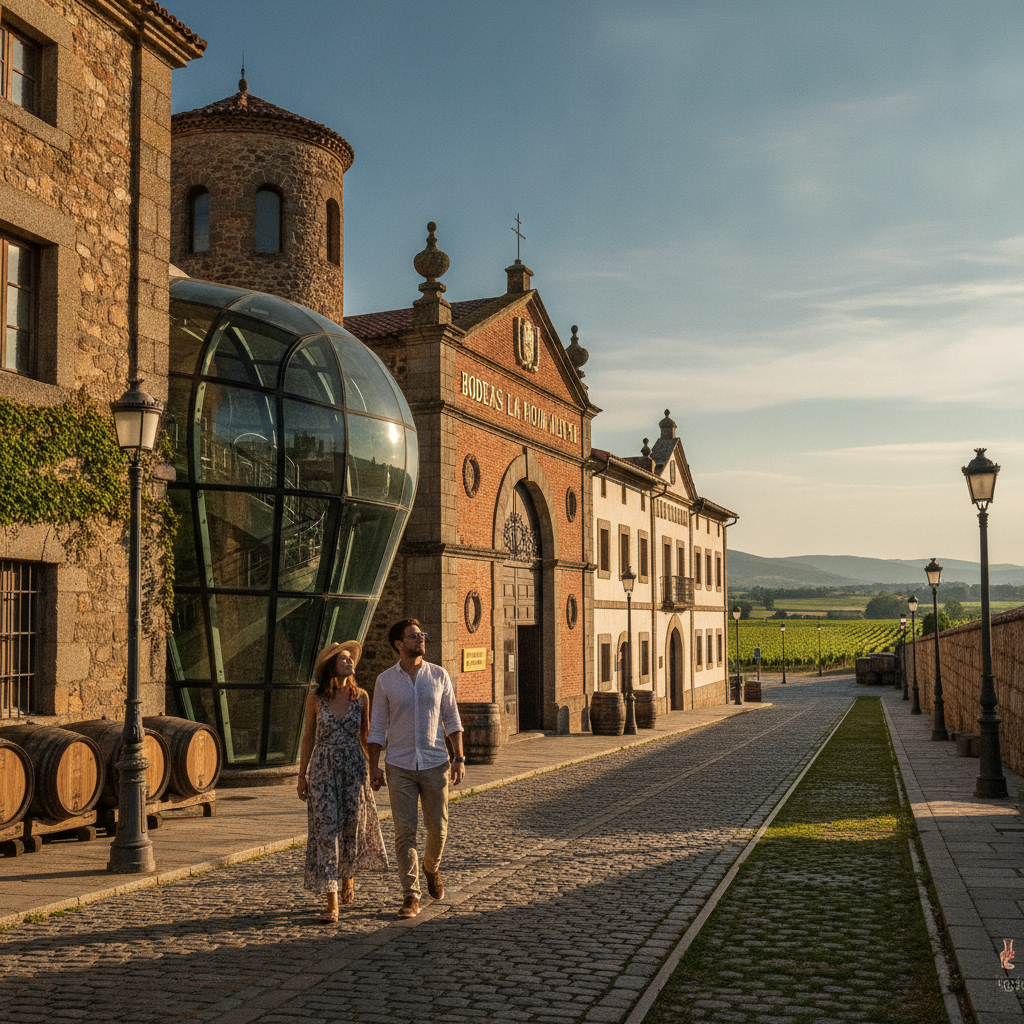
Rioja-Wein-Tagesausflug — Haro, Laguardia & die Weinkeller von La Rioja