Vogelschutzgebiet Isla Contoy & Yucatán-Tierwelt
Isla Contoy (der unbewohnte Insel-Nationalpark 30 km nördlich von Isla Mujeres — eine der wichtigsten Seevogel-Nistkolonien in der mexikanischen Karibik, mit über 150 Vogelarten, darunter große Kolonien des Prachtfregattvogels, des Braunpelikans und des Rotfußtölpels) und das reiche Meeresleben der nördlichen Yucatán-Küste (die Walhaie, die Unechten Karettschildkröten, die Gefleckten Adlerrochen und die riesigen Fischschwärme) machen die Gewässer nördlich von Cancún zu einem der wichtigsten Meerestierschutzgebiete Amerikas.
- 1
Isla Contoy — Mexikos Kleinste und Meistgeschützte Insel
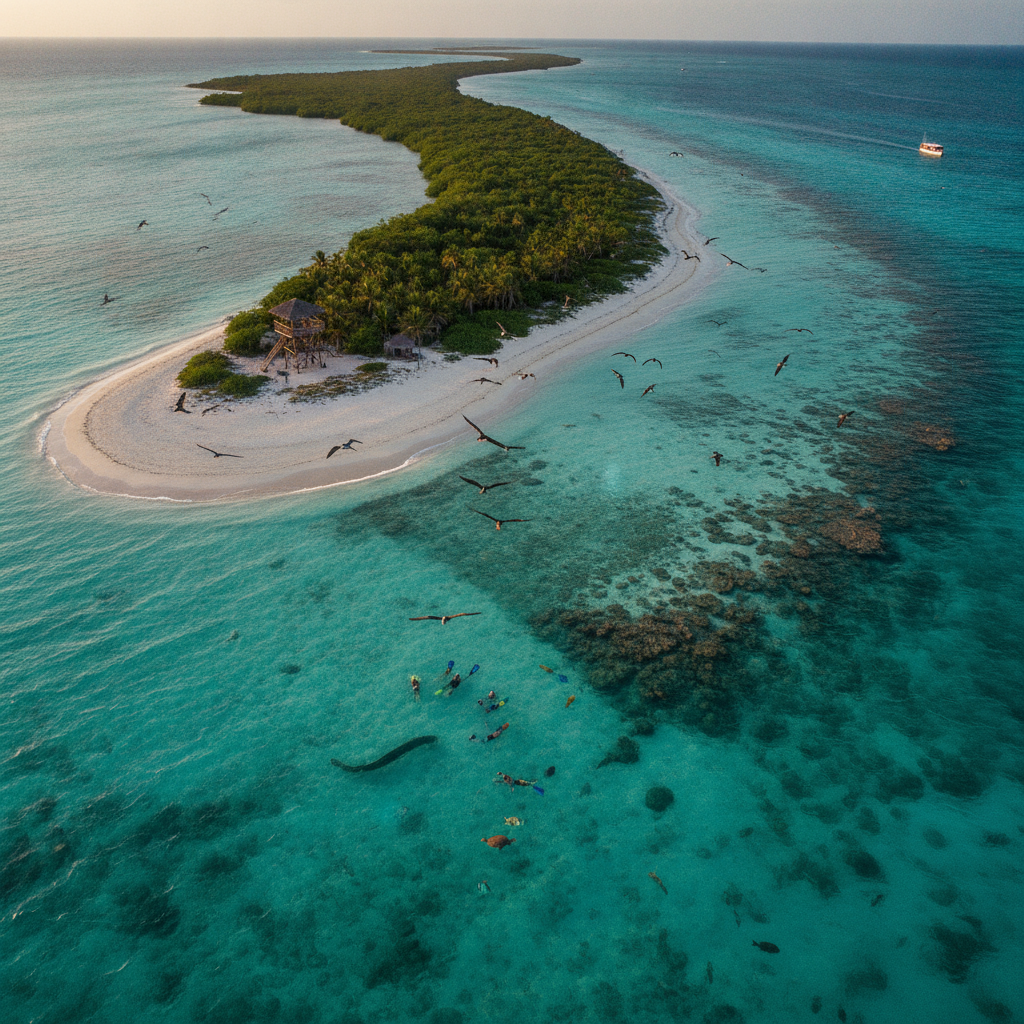
Isla Contoy (Mexikos erstes Schutzgebiet, 1961) ist eine 8.5km lange unbewohnte Insel 24km nördlich von Isla Mujeres — täglich werden nur 200 Besucher über lizenzierte Betreiber zugelassen; keine Bebauung, keine Hotels, keine ständigen Bewohner — nur 150 Vogelarten, Mangrovenlagunen und karibisches Riff.
- 2
Fregattvogel-Kolonie — 10,000 Nistvögel
Isla Contoy beherbergt die größte Kolonie von Prachtfregattvögeln in der Karibik (über 10,000 Individuen) — Männchen blasen ihre karminrote Kehltasche während der Paarungszeit (Februar–Mai) auf die Größe eines Fußballs auf; die Vögel gleiten mit einer Flügelspannweite von 2.3m über den Köpfen, während Besucher von einem hölzernen Aussichtsturm zusehen.
- 3
Schnorcheln am Ixlache-Riff — Meeresschildkröten & Ammenhaie
Das Ixlache-Riff, das Isla Contoy umgibt, weist eine der höchsten Korallenbedeckungen aller Riffe in der mexikanischen Karibik auf — grüne und Echte Karettschildkröten grasen auf Seegraswiesen in der Lagune; Ammenhaie ruhen regungslos auf sandigen Flächen in 3–5m Tiefe; die Sichtweite unter Wasser übersteigt regelmäßig 30m.
- 4
Walhai-Saison — Juni bis September
Zwischen Juni und September beherbergen die Gewässer nördlich von Isla Contoy und Isla Mujeres die weltweit größte jährliche Ansammlung von Walhaien (bis zu 500 Individuen an einem einzigen Tag bestätigt), die sich von Thunfisch- und Schnapperlaich ernähren — lizenzierte Betreiber bieten das Schwimmen im Wasser neben den über 10m großen Fischen an (2 Schwimmer + 1 Führer pro Hai, 30-minütige Rotation).
- 5
Pelikan- & Tölpel-Nistplätze
Am Oststrand von Isla Contoy nisten Braun-Tölpel (über 2,000 Paare), Braunpelikane und Rötelreiher — die Vögel nisten am Boden wenige Meter vom Besucherpfad entfernt; Ranger setzen eine strenge Annäherungsverbotszone durch, aber die Dichte der Vögel macht eine genaue Beobachtung von den ausgewiesenen Aussichtsbereichen aus unvermeidlich.
- 6
CONANP-Forschungsstation — Meeresbiologie auf der Insel
Die kleine Forschungsstation von Isla Contoy (ganzjährig von CONANP-Rangern besetzt) überwacht die Nistaktivitäten von Meeresschildkröten, Korallenbleichereignisse und Seevogelpopulationen — Besucher können mit den Rangern über laufende Forschungen sprechen; die Datenbank der Station zur Schildkrötenmarkierung reicht bis ins Jahr 1982 zurück und hat über 8,000 einzelne Weibchen dokumentiert.
Walk this route with audio
Stories play automatically as you reach each stop — no tapping needed.
Mehr in cancun
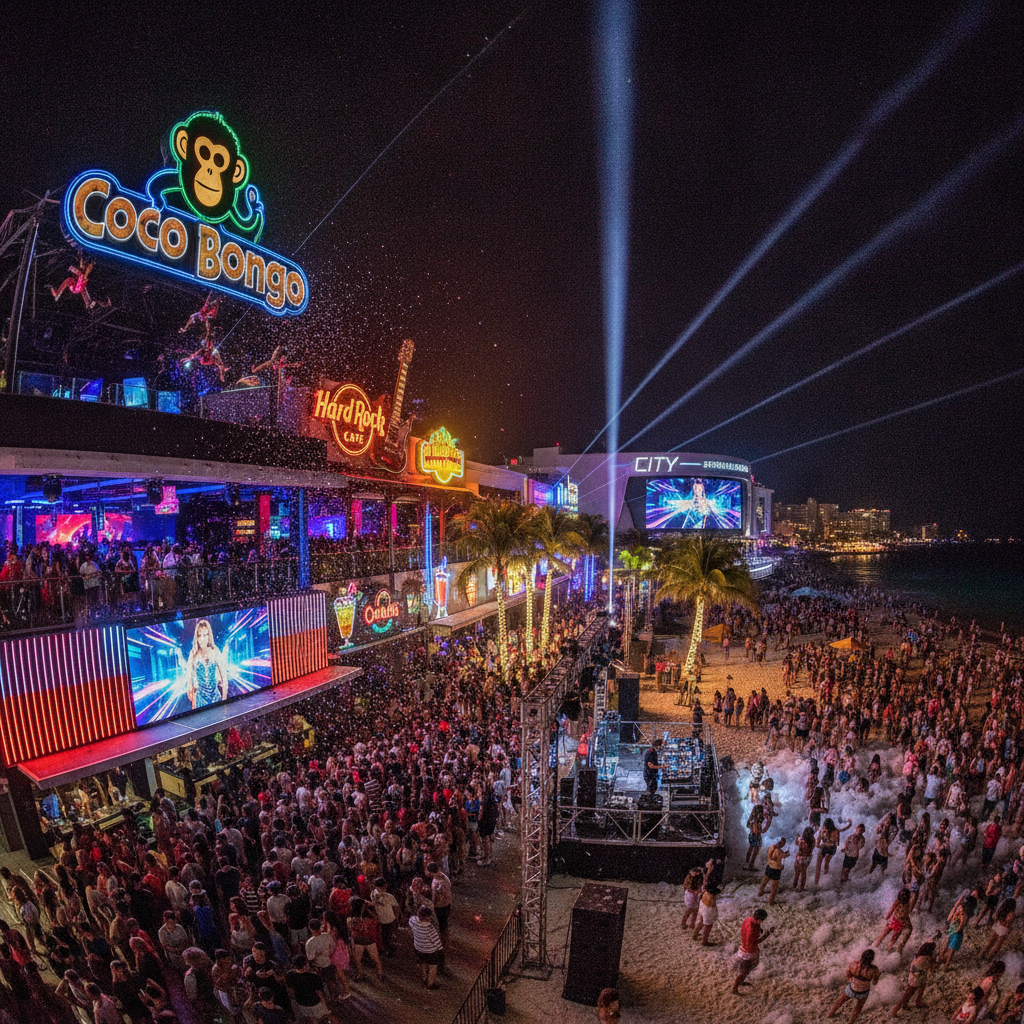
Cancún Spring Break, Musikfestivals & Strandpartykultur

Downtown Cancún, mexikanisches Street Food & lokales Leben
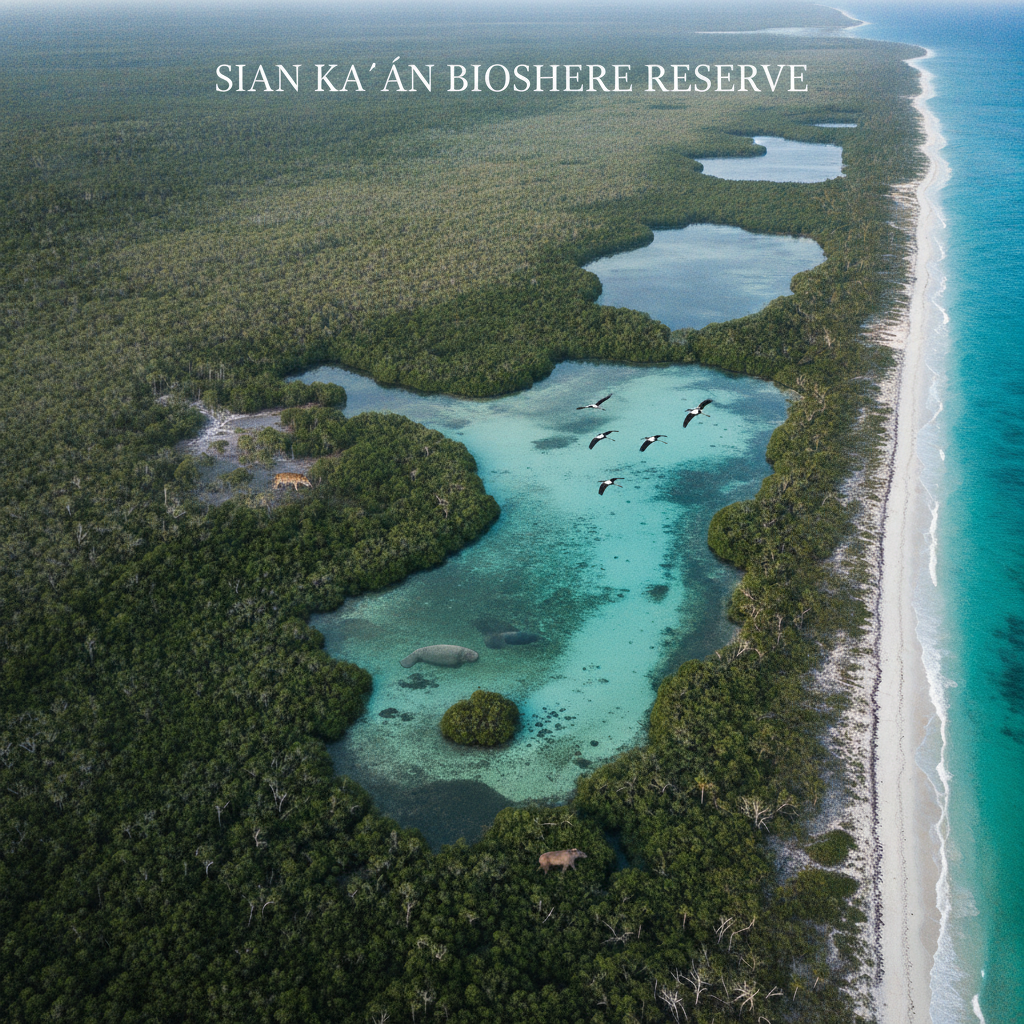
Biosphärenreservat Sian Ka'an & Maya-Dschungel-Wildnis
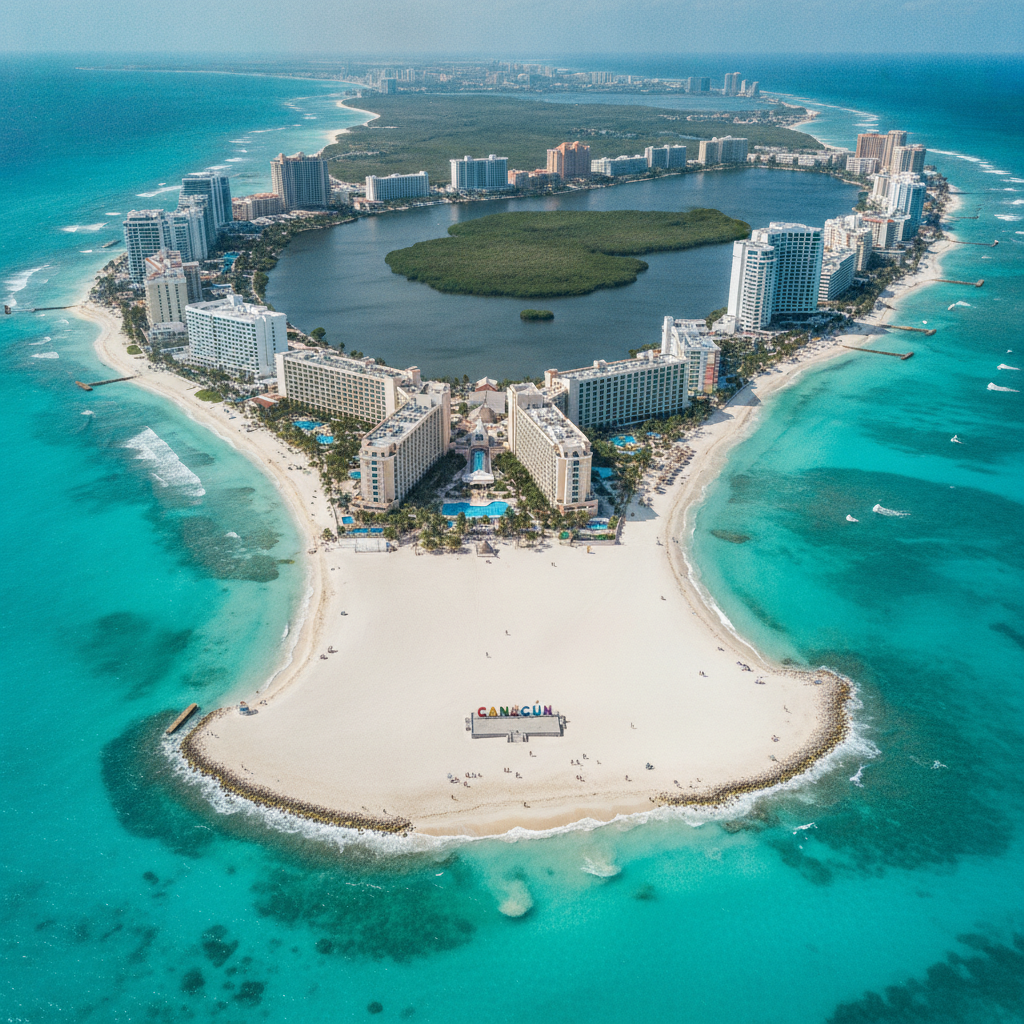
Cancúns Hotelzone, Karibische Strände & Türkisfarbene Gewässer
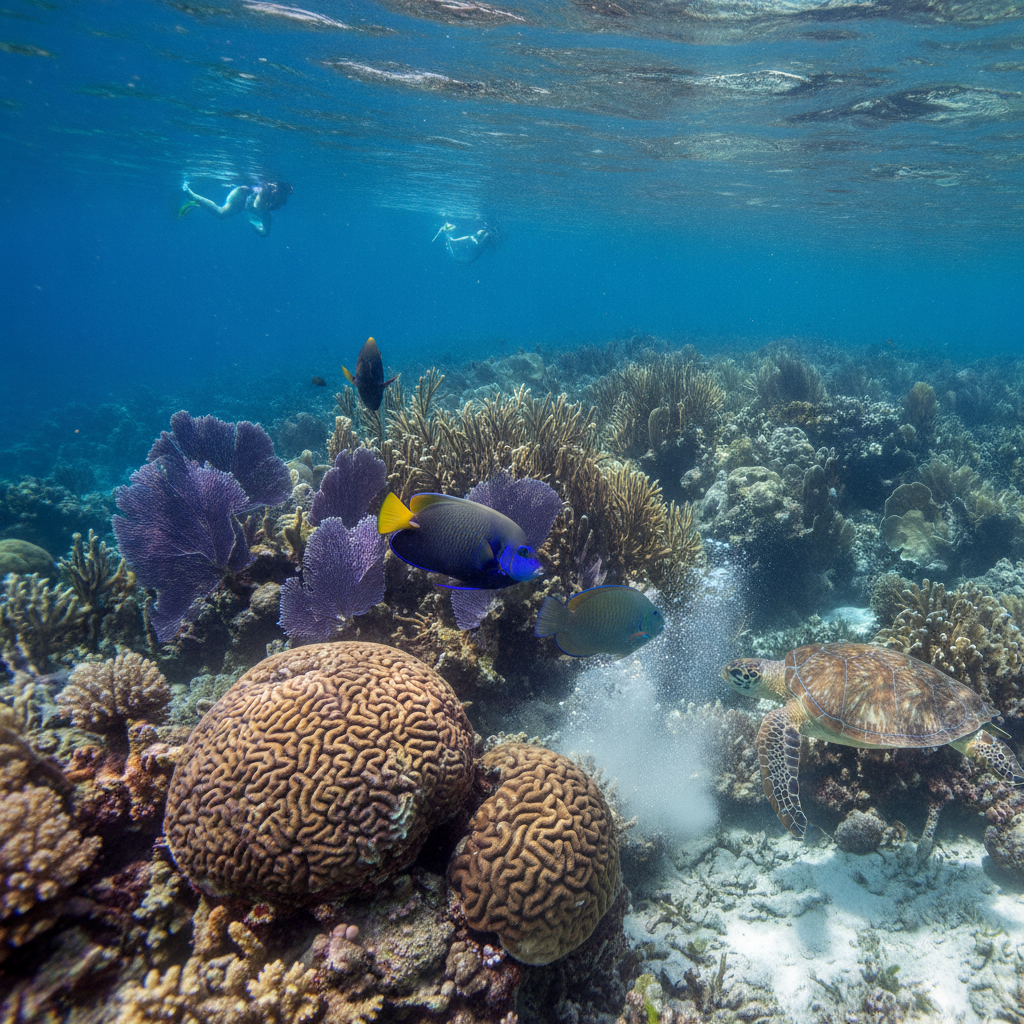
Das Mesoamerikanische Riff, Schnorcheln & Cancúns Meereswelt