Biosphärenreservat Sian Ka'an & Maya-Dschungel-Wildnis
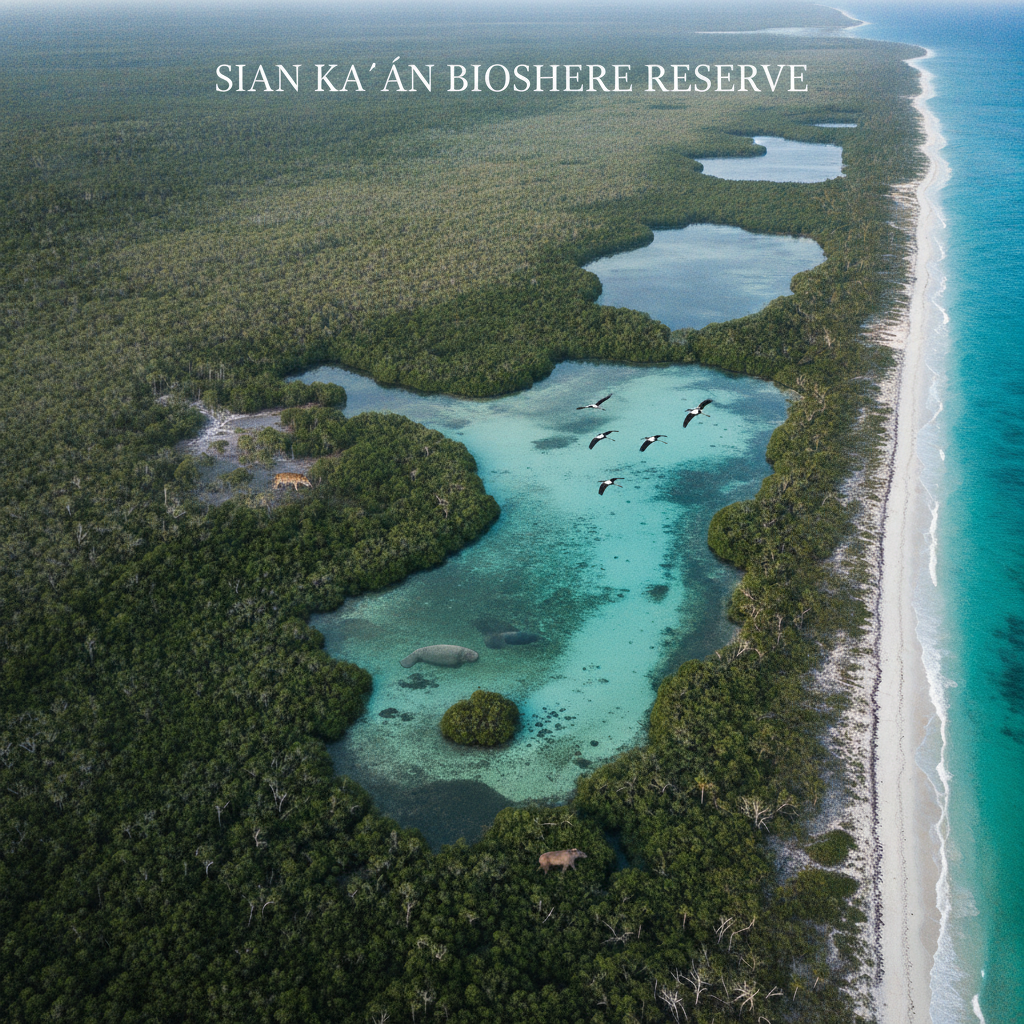
Sian Ka'an (das „Wo der Himmel geboren wird“ auf Maya — das UNESCO-Weltnaturerbe-Biosphärenreservat von 5.280 km² an der Karibikküste Yucatáns, 100 km südlich von Cancún) umfasst tropische Wälder, Mangroven, Sümpfe, einen Abschnitt des Mesoamerikanischen Barriereriffs und über 100 archäologische Maya-Stätten, was es zum wichtigsten Naturschutzgebiet an der mexikanischen Karibikküste und zu einem der artenreichsten Gebiete Amerikas macht.
- 1
Punta Allen Village — Abgelegene Fischergemeinde in Yucatán
Punta Allen (500 Einwohner) liegt an der Spitze einer schmalen Sandbank innerhalb von Sian Ka'an und ist nur über eine 55 km lange unbefestigte Straße oder mit dem Boot erreichbar; Hummer-Tauchkooperativen operieren von Holzstegen; der einzige Strom stammt von Solarpaneelen; Seekühe grasen in der Lagune bei Sonnenaufgang.
- 2
Boca Paila Lagune — Fliegenfischen auf Bonefish & Permit
Die flachen Gewässer von Boca Paila (1–60 cm tief) gehören zu den weltweit besten Fliegenfischerzielen — Bonefish (bis zu 6 kg), Permit und Tarpun bilden Schwärme am sandigen Grund; die Flachwasserzonen werden mit einer Panga (Flachbodenboot) mit einem Guide erreicht, der lautlos stakt, um die Fische nicht zu verscheuchen.
- 3
Sian Ka'an Biosphären-UNESCO-Stätte — Vogelbeobachtung
Sian Ka'an („Wo der Himmel geboren wird“ auf Maya) schützt 528.000 Hektar tropischen Wald, Feuchtgebiete und Riffe — über 340 Vogelarten wurden registriert, darunter der Jabiru-Storch (Mexikos größter Vogel, 1,5 m Flügelspannweite), der Rosafarbene Löffler und alle 5 Arten des mesoamerikanischen Eisvogels.
- 4
Maya-Kanal-Floating-Tour — Von Tulum zum Meer
Ein Netz von Kanälen, das von den alten Maya (600–900 n. Chr.) gebaut wurde, um Güter von Tulum zu den Küstenhandelshäfen zu transportieren, führt durch Sian Ka'an — Besucher treiben in Schwimmwesten in schnell fließendem Süßwasser flussabwärts durch Mangroventunnel und gelangen in eine blaue Lagune, wo sich Süß- und Salzwasser treffen.
- 5
Niststrände der Lederschildkröte
Die atlantischen Strände von Sian Ka'an sind von Mai bis September wichtige Nistplätze für Lederschildkröten (das größte Reptil der Welt, bis zu 900 kg) — ehrenamtliche Überwachungsteams markieren nistende Weibchen über Nacht; das Schildkrötenüberwachungsprogramm des Reservats läuft seit 1985.
- 6
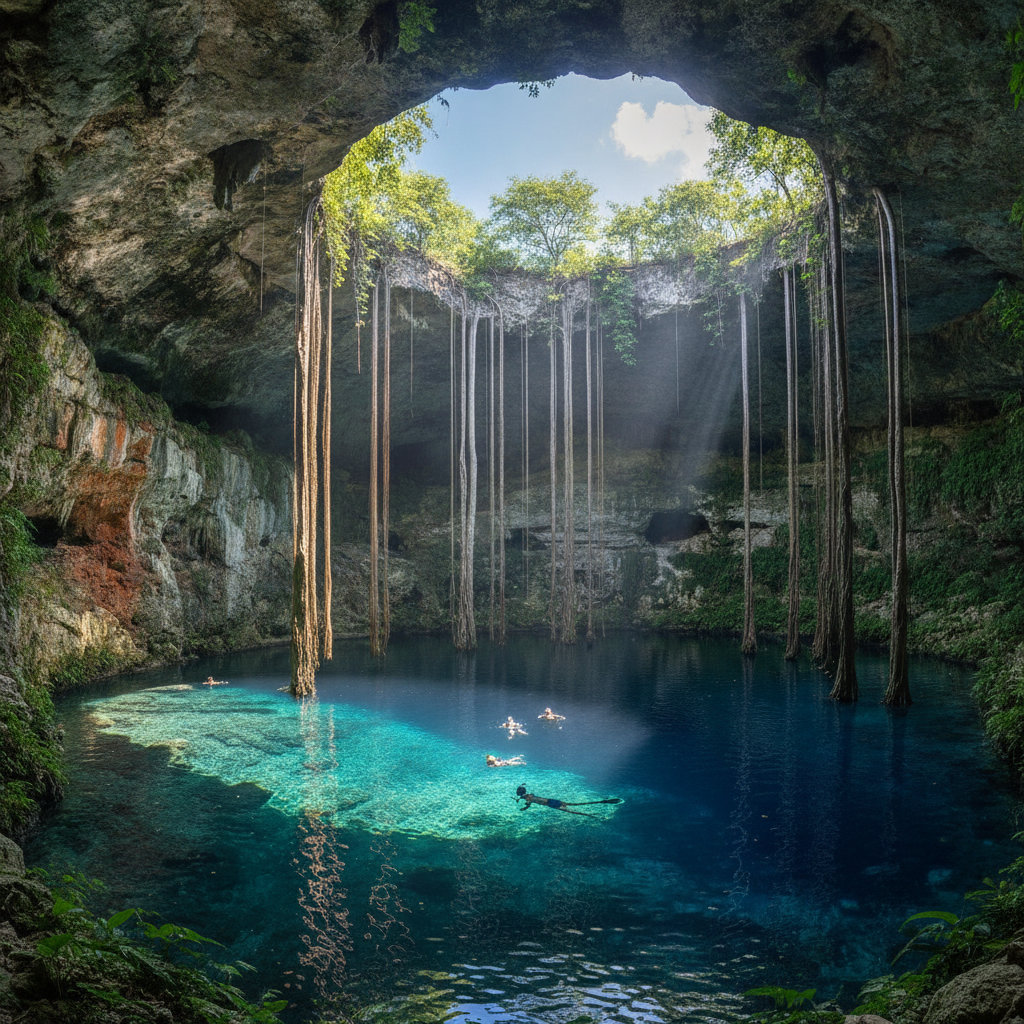
Cenote Azul — Schwimmen in einer Süßwasser-Doline
Cenote Azul (bei Bacalar, südlich von Sian Ka'an) ist eine der größten offenen Cenoten auf Yucatán — 61 m Durchmesser und 90 m tief, mit einer Sichtweite von bis zu 30 m in 25 °C warmem Wasser — Süßwasserquellen treten vom Kalksteinboden aus ein und erzeugen Thermoklinen, die als schimmernde diagonale Schichten sichtbar sind.
Walk this route with audio
Stories play automatically as you reach each stop — no tapping needed.
Mehr in cancun
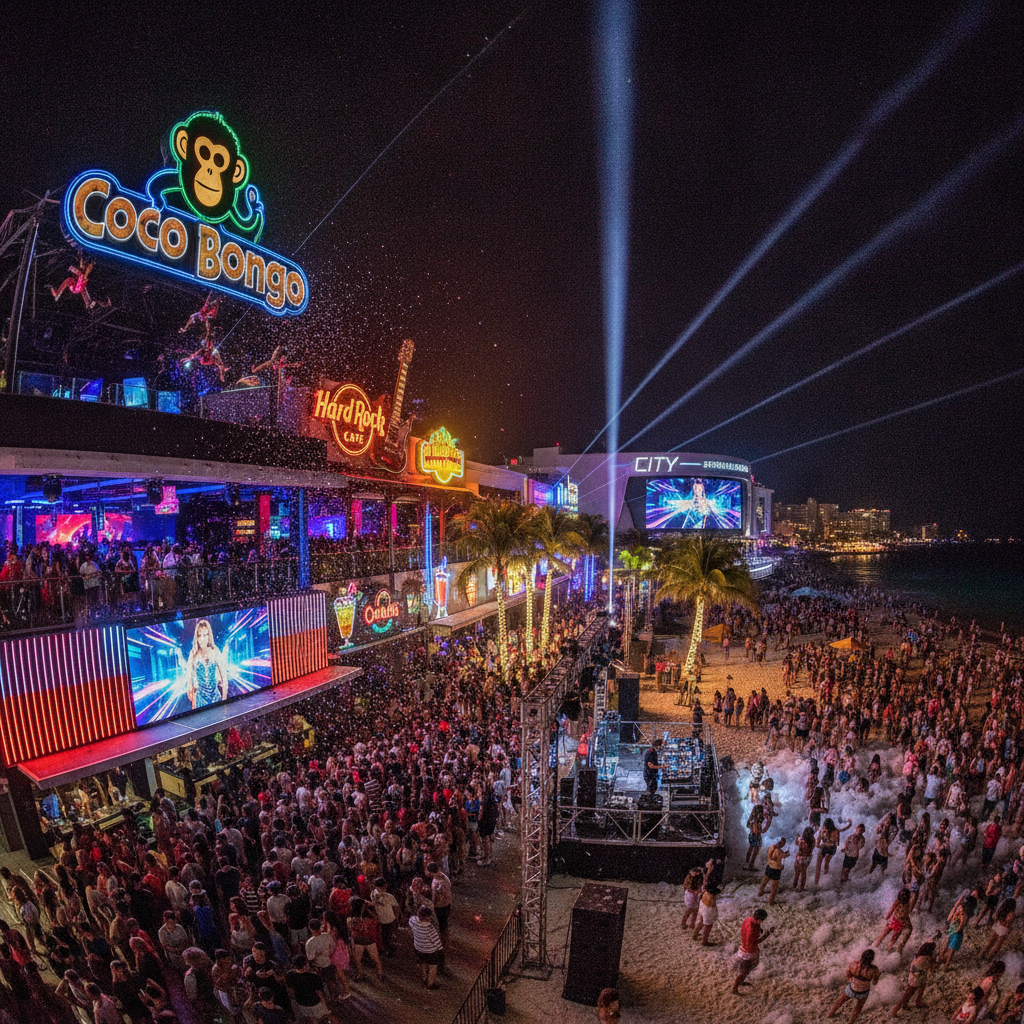
Cancún Spring Break, Musikfestivals & Strandpartykultur
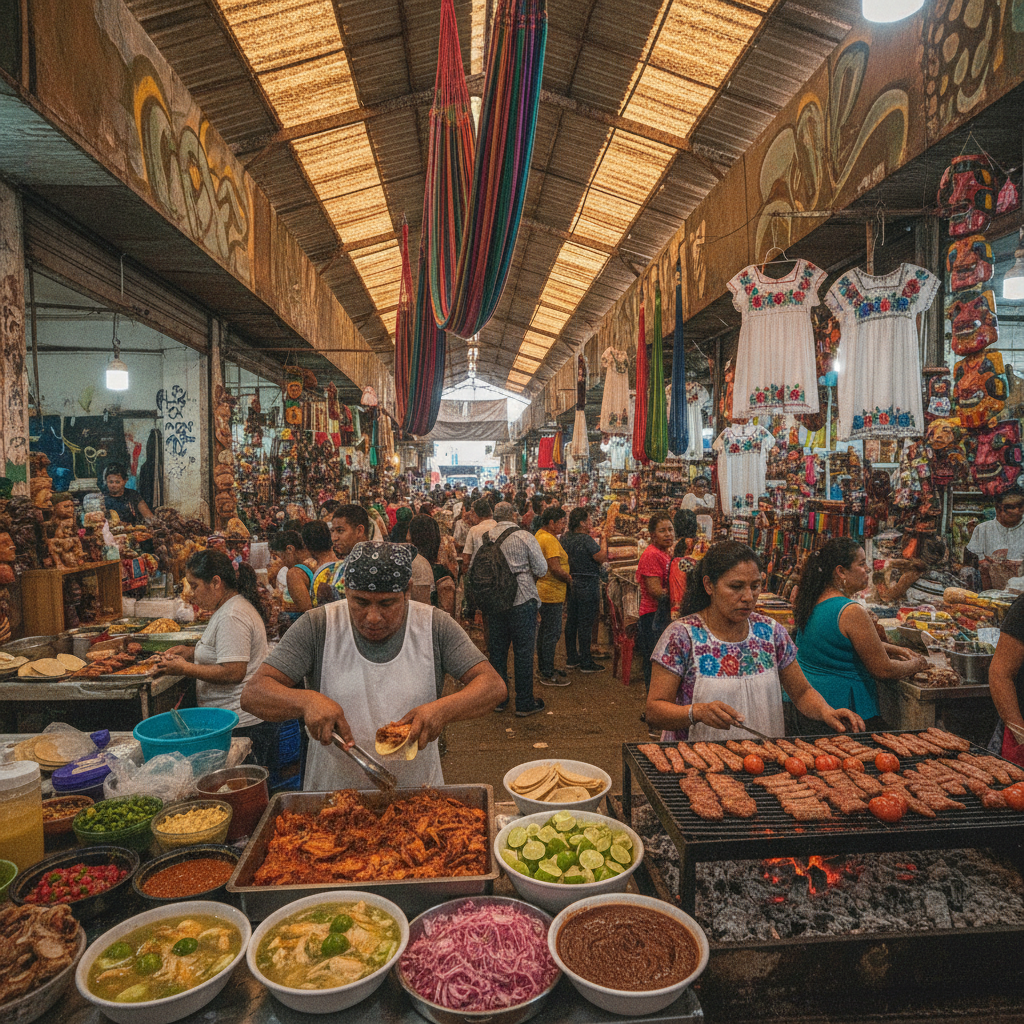
Downtown Cancún, mexikanisches Street Food & lokales Leben
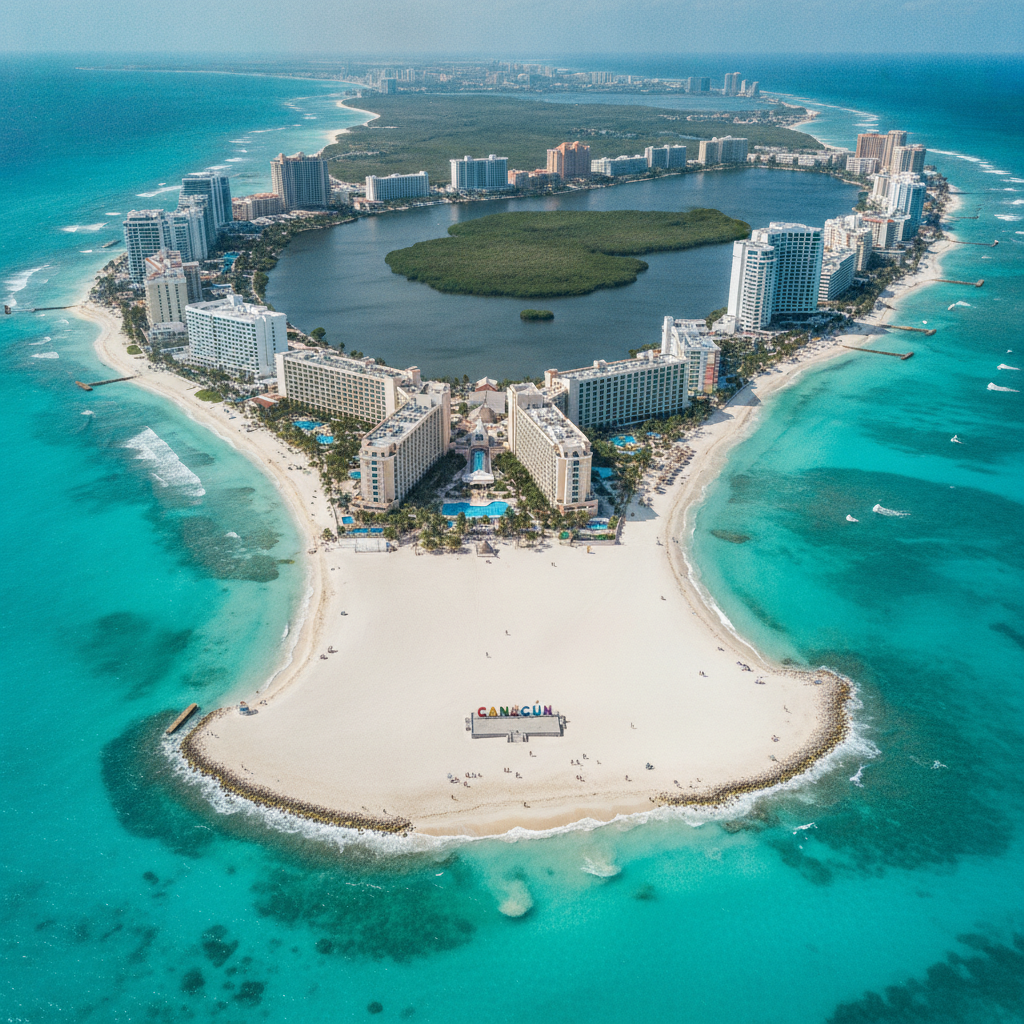
Cancúns Hotelzone, Karibische Strände & Türkisfarbene Gewässer
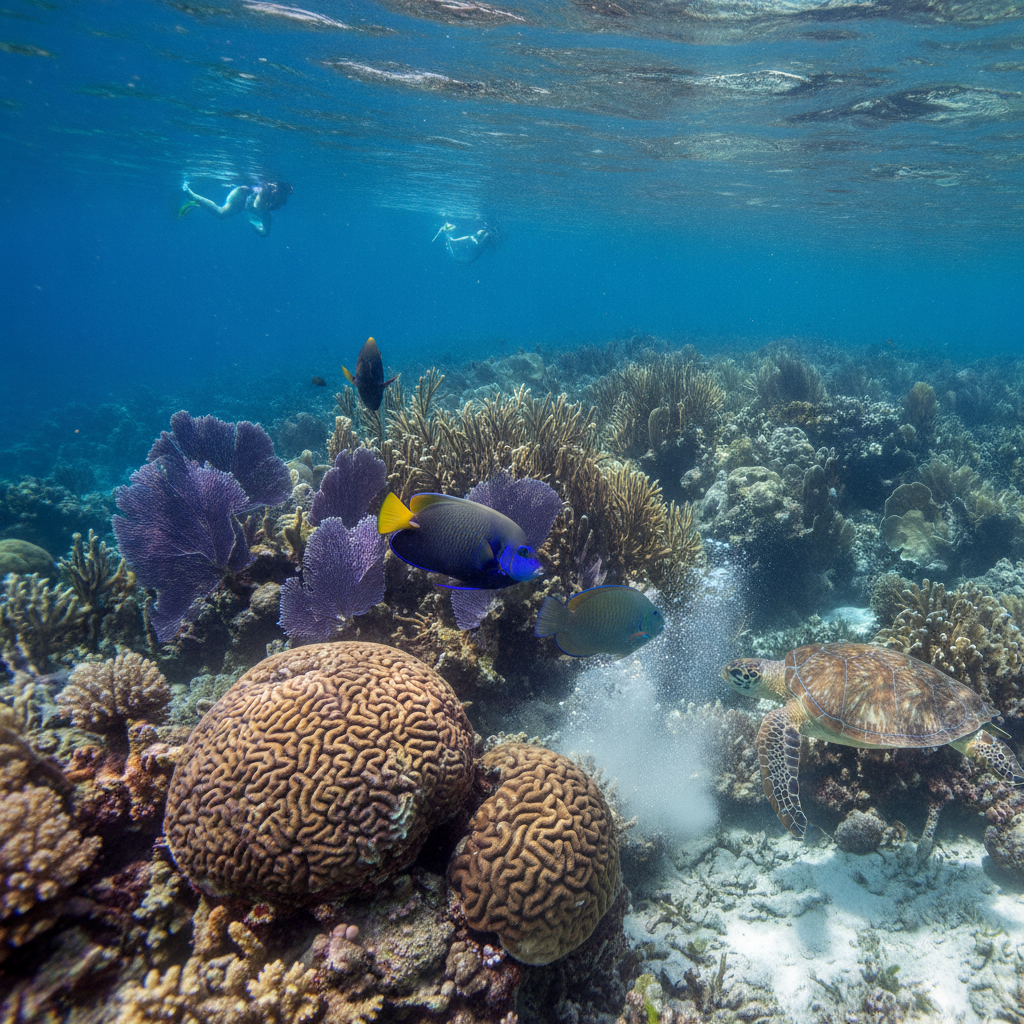
Das Mesoamerikanische Riff, Schnorcheln & Cancúns Meereswelt
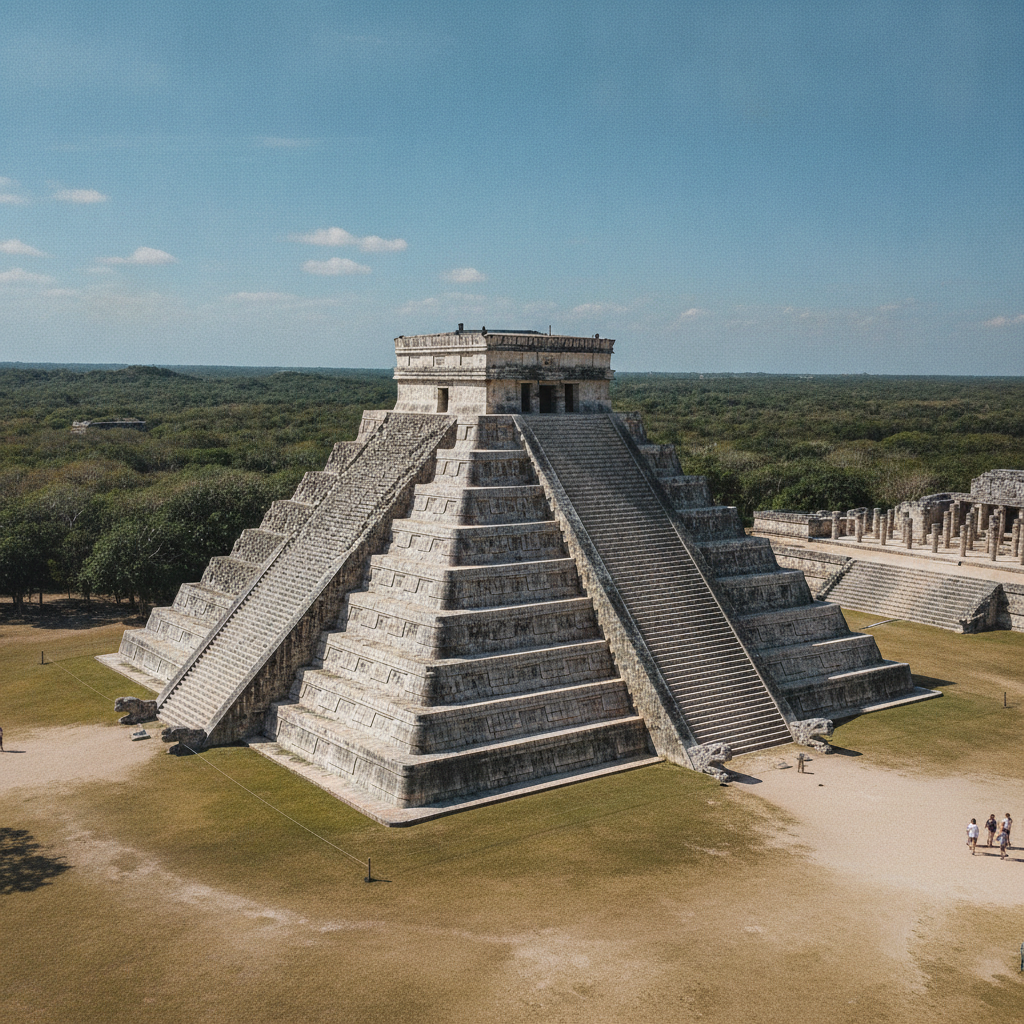
Chichén Itzá, die Maya-Pyramide & die alte Zivilisation Yucatáns