Getsemaní, Street Art & Cartagenas kreativer Underground
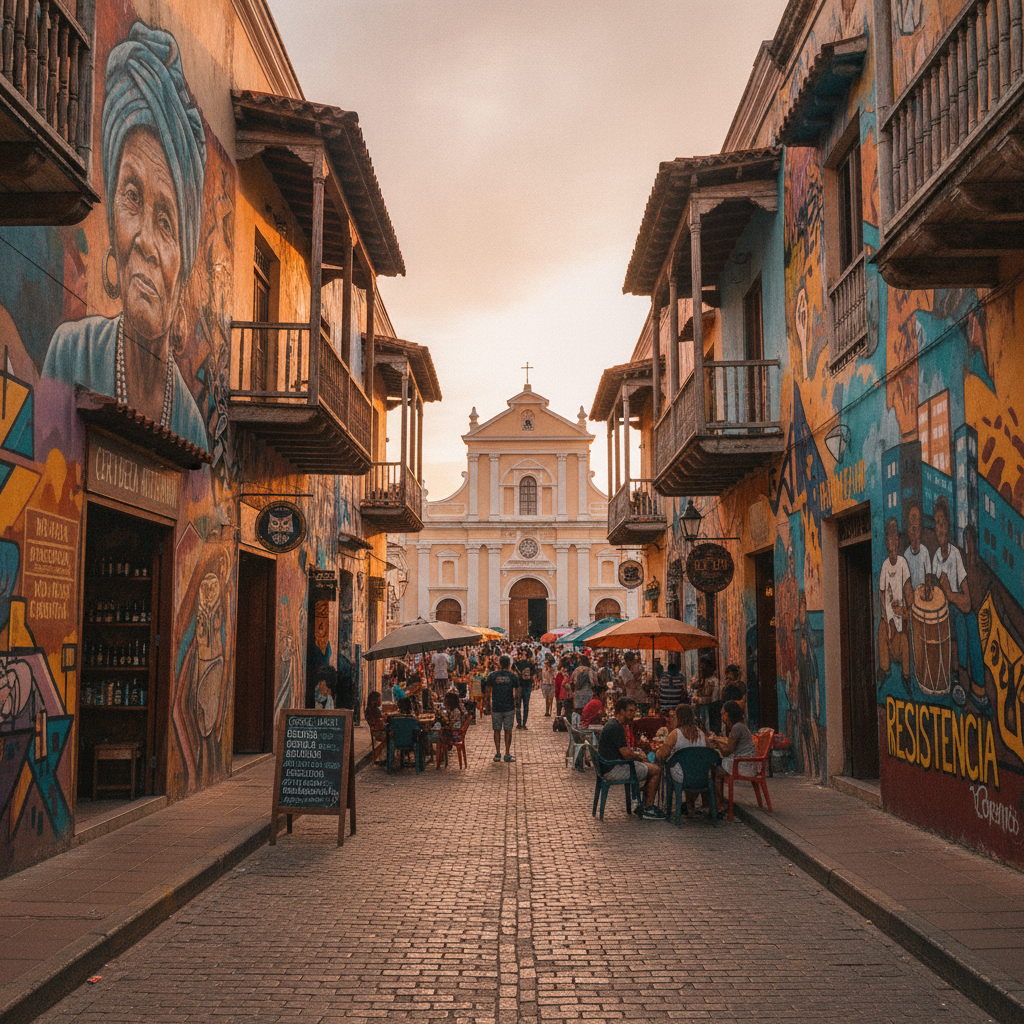
Getsemaní (das Viertel unmittelbar außerhalb der Stadtmauer von Cartagena – das ehemalige Arbeiterviertel, das in den 2010er Jahren die dramatischste kreative Transformation aller Viertel Kolumbiens durchgemacht hat, von einer gefährlichen, marginalisierten Gegend zum lebhaftesten Ziel für Kunst, Streetfood, Craft Beer und Nachtleben in Cartagena) ist heute das aufregendste Viertel der Stadt.
- 1
Plaza de la Trinidad – Das Herz von Getsemaní
Die Plaza de la Trinidad (Barrio Getsemaní) war 1811 der Treffpunkt, an dem Cartagenas Arbeiterklasse für die Unabhängigkeit von Spanien stimmte – heute füllt sich der Platz jeden Abend mit Einheimischen, Rucksacktouristen und Straßenhändlern; Cumbia-Tänzer und Marimba-Musiker treten spontan rund um die Trinidad-Kirche von 1750 auf; Händler verkaufen frische Kokosnüsse und Chicha.
- 2
Getsemaní Street Art – Wandmalereien der Identität und des Widerstands
Die Wandmalereien von Getsemaní (über 200 Wände) begannen 2010 als Gemeinschaftskunst, um der Gentrifizierung zu widerstehen und den öffentlichen Raum zurückzugewinnen – Künstler wie Vertigo Graffiti, Bestiario und internationale Kollaborateure haben eine 1 km lange Freiluftgalerie geschaffen, die afro-karibische Geschichte, Cumbia-Kultur und lokale Persönlichkeiten neben abstrakten und surrealistischen Werken dokumentiert.
- 3
La Movida Nachtleben – Rooftop-Bars und Cumbia-Clubs
Das Nachtleben von Getsemaní (konzentriert auf Calle de la Sierpe und um den Platz herum) ist Cartagenas authentischste Alternative zu den Luxushotels der ummauerten Stadt – der Bazurto Social Club veranstaltet freitags ab 22 Uhr Live-Cumbia- und Champeta-Musik; Rooftop-Bars im Media Luna Hostel und Selina bieten Stadtblick für 40.000–80.000 COP pro Cocktail.
- 4
Cementerio de Manga – 200.000 Krypten auf einem Hügel
Der Cementerio Universal de Manga (1870, auf der anderen Seite der Puente Heredia von Getsemaní) beherbergt über 200.000 Krypten, die sich über einen Hügel mit Blick auf die Bucht verteilen – aufwendige kolumbianische Elite-Mausoleen aus dem 19. Jahrhundert kontrastieren mit farbenfrohen Grabtürmen der Arbeiterklasse; geführte Touren erklären die soziale Hierarchie, die in der Bestattungsplatzierung und den Kryptenmaterialien verschlüsselt ist.
- 5
Barrio Getsemaní – Afro-kolumbianisches Kulturerbe
Getsemaní war historisch das Viertel versklavter Afrikaner und befreiter schwarzer Handwerker, die Cartagenas Befestigungsanlagen bauten – das afro-kolumbianische Erbe der Gemeinschaft lebt in den Cumbia-Trommelkreisen (Champeta- und Bullerengue-Musik) fort, die an Wochenendnächten auf dem Platz stattfinden, und in der jährlichen Unabhängigkeitsprozession am 11. November.
- 6
Mercado Bazurto – Cartagenas chaotischer lokaler Markt
Der Mercado de Bazurto (15 Minuten von Getsemaní mit dem Taxi) ist Cartagenas wichtigster Arbeitsmarkt – über 5.000 Stände verkaufen frischen Fisch, tropische Früchte (Mamoncillo, Maracuyá, Corozo, Níspero), lebende Tiere und alles, was die Restaurants der ummauerten Stadt benötigen; die eigenen Fondas des Marktes servieren das beste Sancocho de Pescado (Fischsuppe) der Stadt für 15.000 COP.
Walk this route with audio
Stories play automatically as you reach each stop — no tapping needed.
Mehr in cartagena
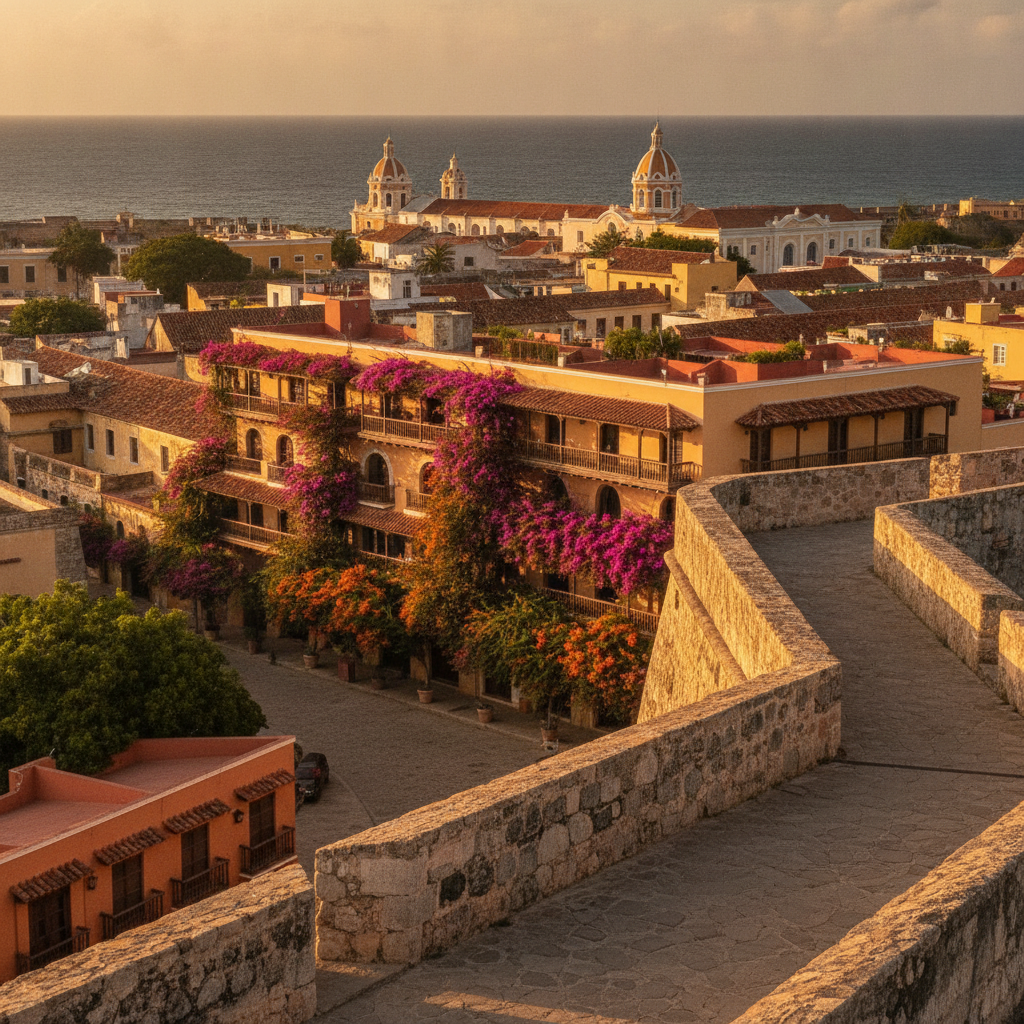
La Ciudad Amurallada — Cartagenas UNESCO-Kolonialstadt mit Stadtmauer
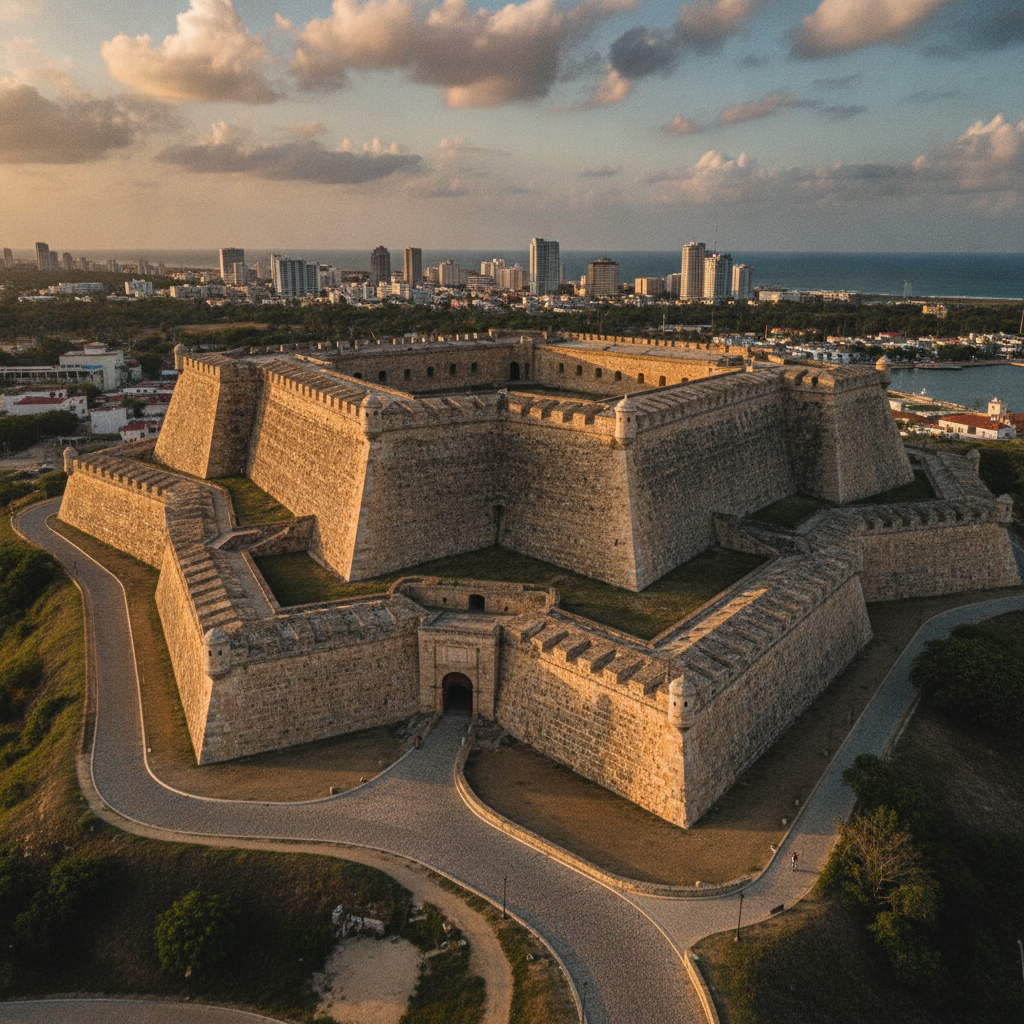
Castillo San Felipe de Barajas & Cartagenas militärisches Erbe
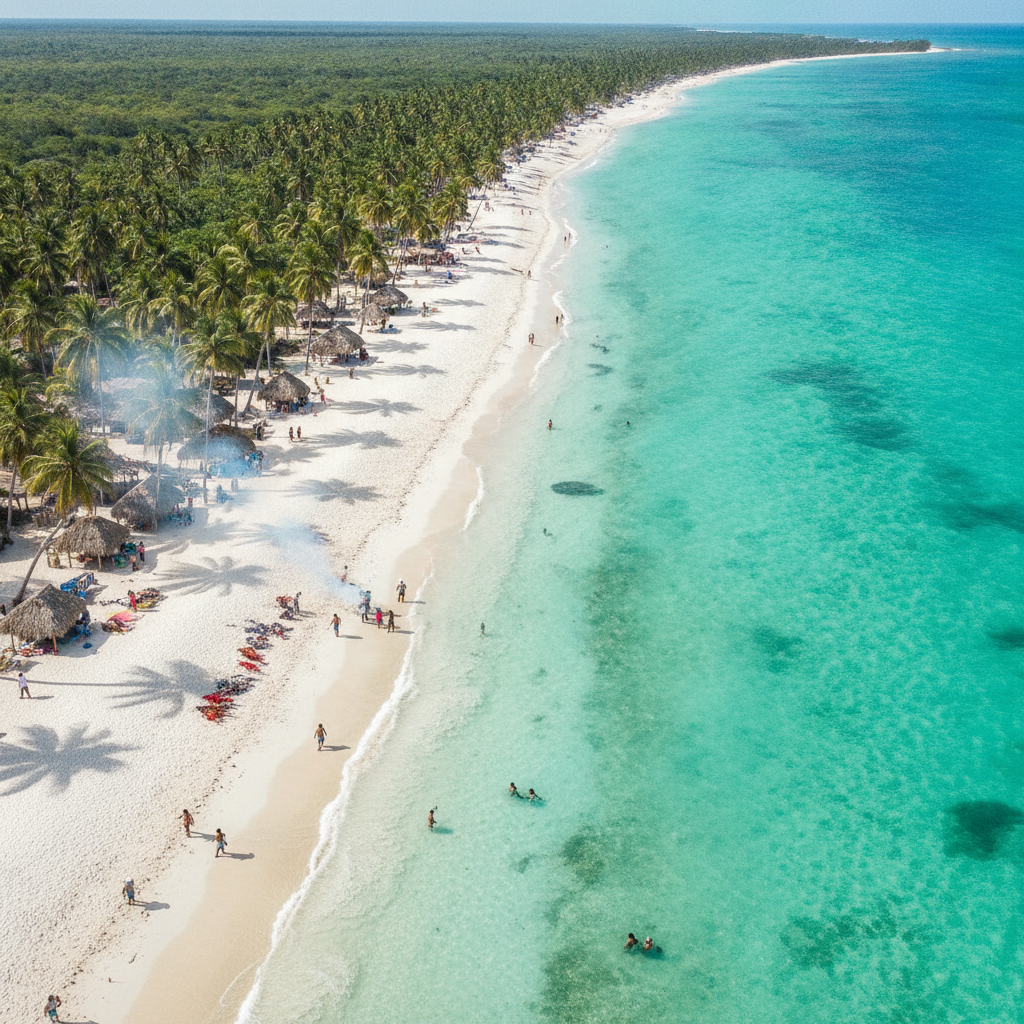
Playa Blanca, Barú und Cartagenas karibisches Stranderlebnis
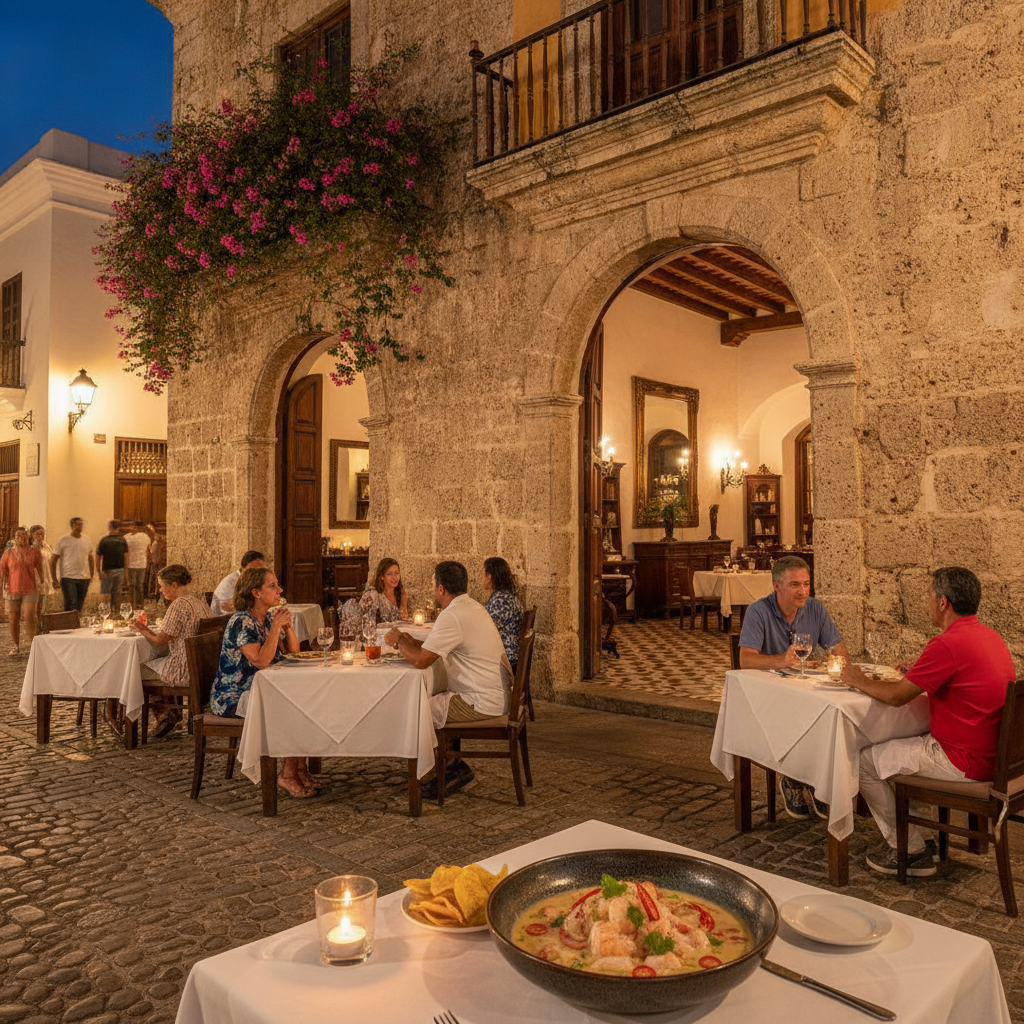
Cartagenas moderne Restaurantszene & kreative kolumbianische Küche
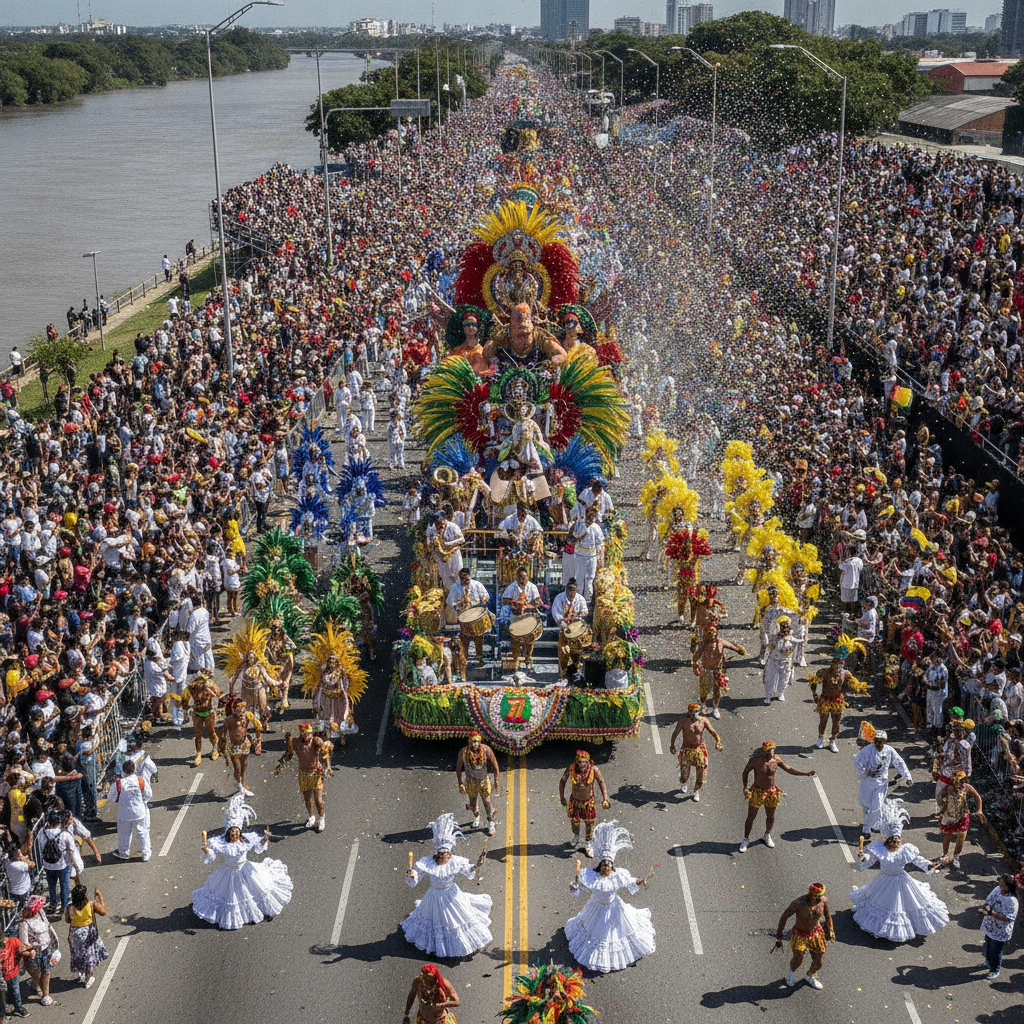
Karneval von Barranquilla & Kolumbiens karibische Küstenkultur