Wrigley Field, Cubs Baseball & das Viertel Wrigleyville
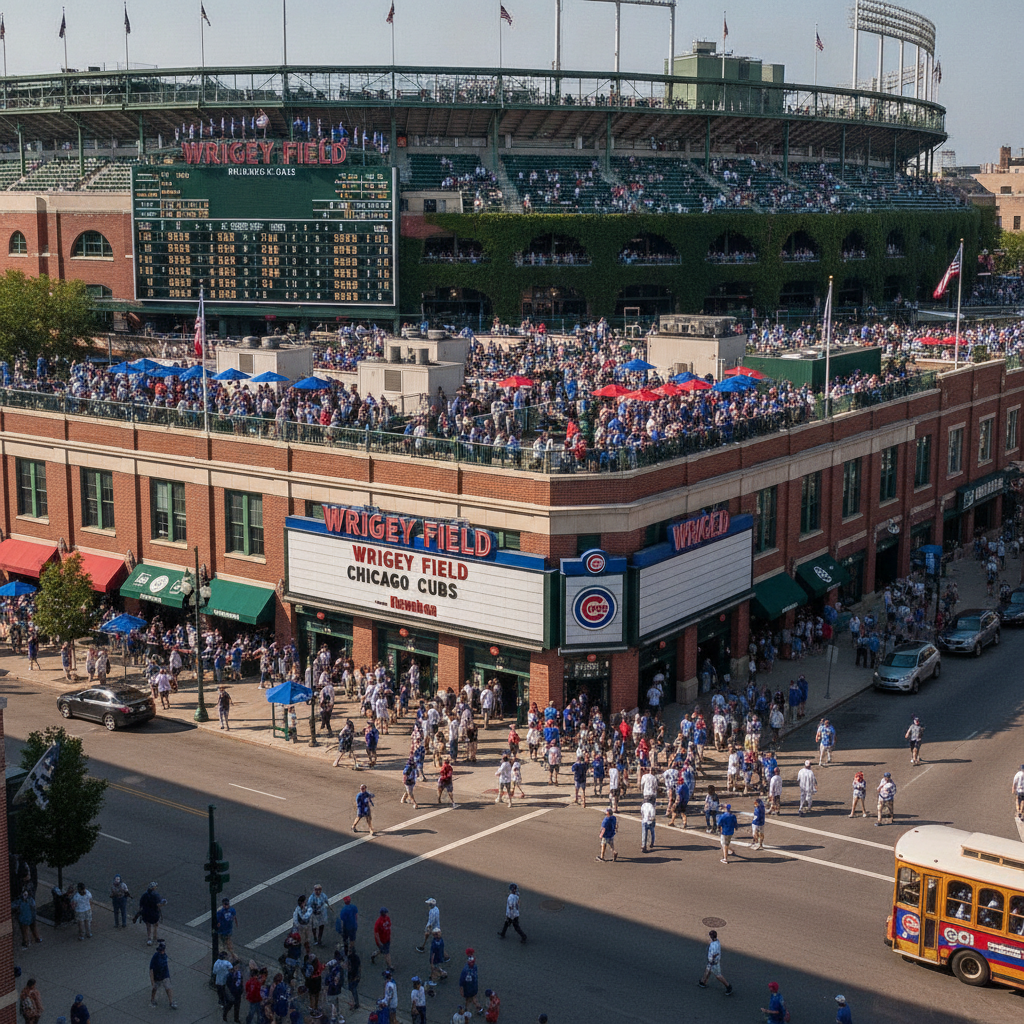
Wrigley Field (1060 West Addison Street, Wrigleyville — das Baseballstadion der Chicago Cubs, 1914 als Weeghman Park eröffnet, 1920 in Cubs Park und 1926 nach dem Kaugummi-Magnaten William Wrigley Jr. in Wrigley Field umbenannt, das zweitälteste Major League Baseball-Stadion in den Vereinigten Staaten nach dem Fenway Park in Boston) ist eine der beliebtesten Sportstätten Amerikas und das Herzstück eines der markantesten und touristenfreundlichsten Viertel Chicagos.
- 1
Wrigley Field — Handbetriebene Anzeigetafel Seit 1937
Wrigley Field (1914, Kapazität 41,649) ist das zweitälteste und ikonischste Stadion der Major League Baseball — die handbetriebene Anzeigetafel im Mittelfeld (seit 1937 von 2 Arbeitern bedient) ist die einzige, die in der MLB noch existiert; die efeubewachsenen Außenfeldmauern (1937 gepflanzt) werden im Herbst braun; die Cubs gewannen hier 2016 nach 108 Jahren Durststrecke endlich die World Series.
- 2
Wrigleyville Rooftop Bars — Zuschauen Ohne Ticket
Die Apartmentgebäude an der Waveland und Sheffield Avenue (angrenzend an das Außenfeld) wandelten in den 1980er Jahren ihre Dächer in Aussichtsbereiche um — die Cubs haben seitdem Umsatzbeteiligungsvereinbarungen mit den Dachbetreibern ausgehandelt; Tickets (R80–250) beinhalten Speisen und Getränke; Homeruns wurden schon auf diese Dächer geschlagen.
- 3
Clark Street Pre-Game Ritual — 3 Stunden Vor dem Ersten Wurf
Die Clark Street (die Hauptmeile von Wrigleyville) verwandelt sich 3 Stunden vor Spielbeginn in eine Straßenparty — Murphy's Bleachers (Waveland Ave, älteste Cubs-Bar, 1930er), The Cubby Bear (Clark & Addison) und Sluggers (mit Batting Cages, vier Stockwerke) sind die traditionellen Pre-Game-Stopps; Scalper, Verkäufer und Straßenkünstler füllen den Block.
- 4
Chicago Cubs Museum — World Series Trophäe & Geschichte
Das Cubs Museum (innerhalb von Gate D, Wrigley Field) beherbergt die World Series Trophäe von 2016, historische Uniformen, im Spiel benutzte Schläger von Ernie Banks und Ryne Sandberg sowie Artefakte aus der ursprünglichen Saison 1914 — die 'Bleacher Bums' (die lauten Fans auf den Tribünensitzen im Außenfeld) haben ihre eigene Ausstellung, die ihre Rolle in der Cubs-Kultur würdigt.
- 5
Hot Dog an einem Chicago Style Dog Stand — Kein Ketchup erlaubt
Der Hot Dog im Chicago-Stil (Vienna Beef Frankfurter in einem Mohnbrötchen mit gelbem Senf, neongrünem Relish, gewürfelten Zwiebeln, Tomaten, Sportpaprika, Selleriesalz und einem Dillgurkenspeer — niemals Ketchup, niemals) wurde 1893 auf der Weltausstellung für 5 Cent erfunden; die Hot Dogs im Wrigley Field Concours werden 'Chicago Style' serviert und das Ketchup-Verbot wird mit theatralischer Ernsthaftigkeit durchgesetzt.
- 6
Chicago Musikalische Geschichte — Der Blues und House Musik
Chicagos North Side (Wrigleyville-Gebiet) und South/West Sides schufen zwei der wichtigsten Musikgenres der Welt — Chicago Blues (in den 1940er Jahren von Muddy Waters, Howlin' Wolf und Buddy Guy in Veranstaltungsorten wie dem Checkerboard Lounge elektrifiziert) und House Music (1977 im Warehouse Club, 206 S Jefferson, von DJ Frankie Knuckles erfunden); beide werden im DANK Haus German American Cultural Center gefeiert.
Walk this route with audio
Stories play automatically as you reach each stop — no tapping needed.
Mehr in chicago
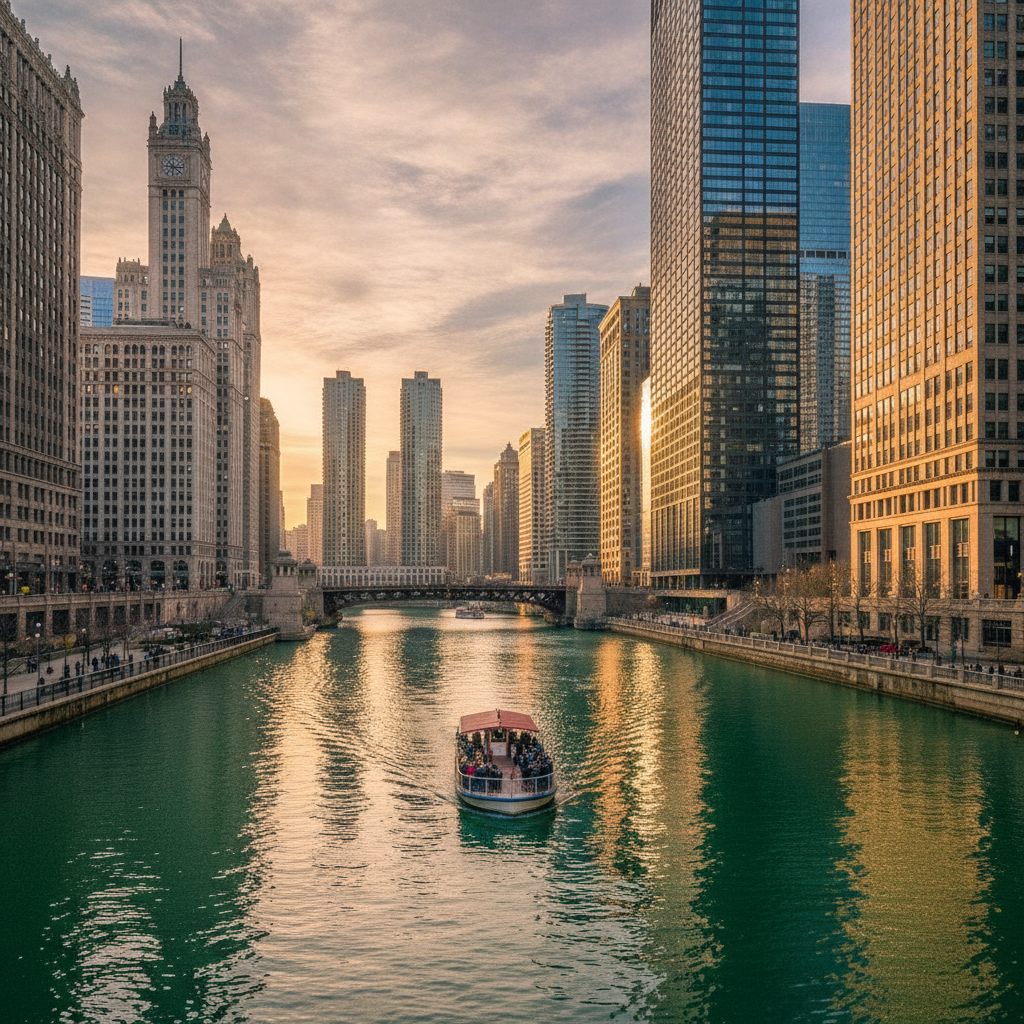
Die Chicago River Architektur-Bootsfahrt — Wolkenkratzer vom Wasser aus
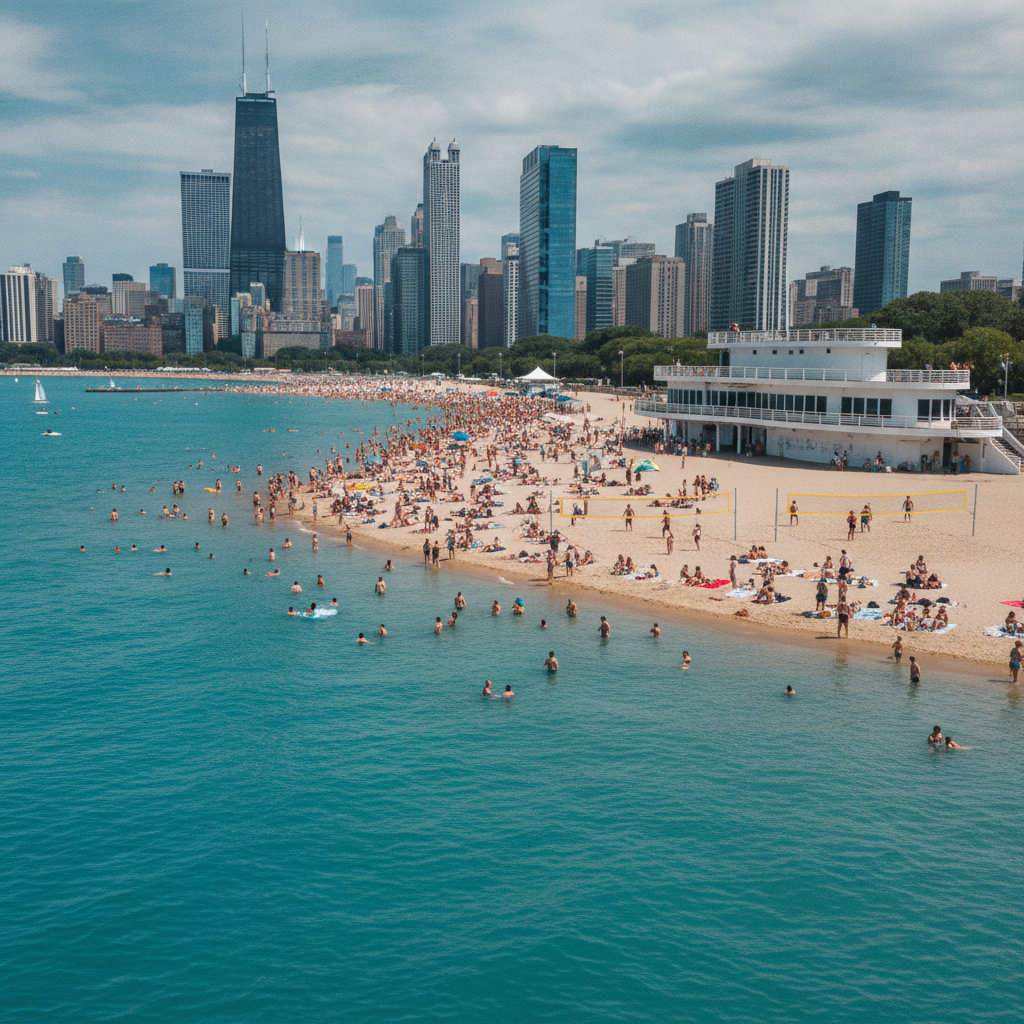
Lincoln Park, der Zoo, North Avenue Beach & Old Town
Millennium Park, Art Institute & die Magnificent Mile
Bronzeville, Pullman & die afroamerikanische Geschichte der South Side
Hyde Park, die University of Chicago & Obamas South Side