Dänisches Design, Architektur & das Kopenhagener Designmuseum
Dänisches Design (die Design-Tradition, die hauptsächlich in den 1940er-1970er Jahren in Dänemark entstand und einige der einflussreichsten Möbel, Industriedesigns und Architekturen des 20. Jahrhunderts hervorbrachte): Dänemarks Designproduktion — von Arne Jacobsens Egg Chair und Swan Chair über Verner Pantons S Chair bis hin zu Jørn Utzons Sydney Opera House und den legendären dänischen Möbelwerkstätten von Johannes Hansen und Carl Hansen & Søn — repräsentiert eine der großen nationalen Designtraditionen der modernen Ära.
- 1
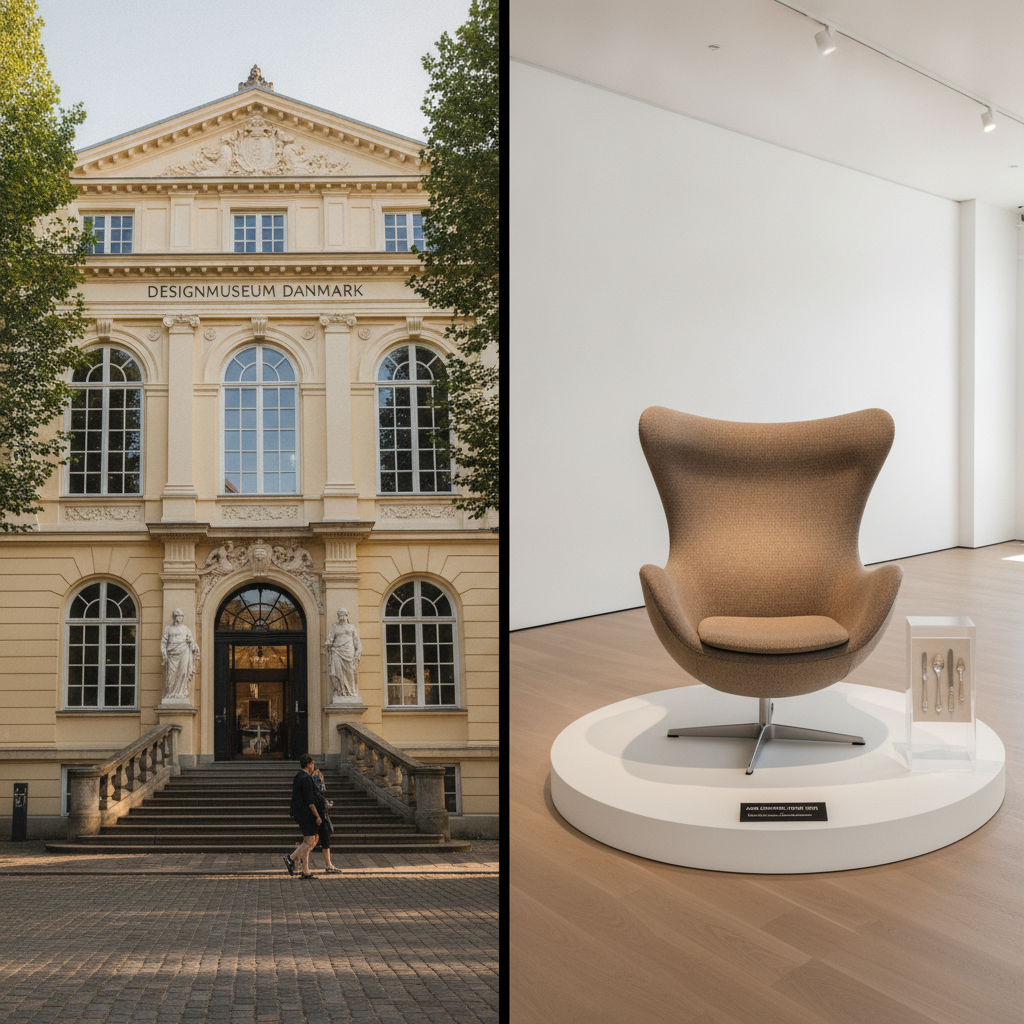
Designmuseum Dänemark — 200 Jahre dänisches Design
Das Designmuseum Dänemark (Bredgade, ehemaliges Krankenhaus aus dem 18th-century, free first Sundays) beherbergt 250,000 Objekte, die dänisches und internationales Design von 1800 bis heute dokumentieren — die Danish Chair collection (jeder bedeutende dänische Stuhl von Hans Wegners 1949 'The Chair' bis zu Verner Pantons 1960 Kunststoff S-Chair) ist die weltweit umfassendste; die Bodil Kjær Ausstellung untersucht den globalen Einfluss des dänischen Modernismus.
- 2
Hay House & Normann Copenhagen — Wohnen mit Design
Kopenhagens Designgeschäfte sind der Ort, wo dänischer Modernismus kommerziell lebt — Hay House (Pilestræde, 2003) demokratisierte dänisches Möbeldesign mit erschwinglichen Versionen klassischer Formen; Normann Copenhagen (Østerbro) verkauft Lampen, Textilien und Keramik; beide sind 10-minute walk vom Design Museum entfernt; ernsthafte Käufer besuchen die Ausstellungsräume im Louisiana Museum in Humlebæk.
- 3
Louisiana Museum of Modern Art — Kunst zwischen Kiefern am Sund
Louisiana (35km nördlich von Kopenhagen mit dem Zug, Humlebæk) wird konstant als Skandinaviens bestes Kunstmuseum gewählt — das Gebäude von 1958 von Jørgen Bo und Vilhelm Wohlert verbindet four wings über Glaskorridore durch einen Kiefernwald mit Blick auf den Øresund; die permanente Sammlung umfasst Giacometti, Warhol und COBRA; der Skulpturengarten blickt über 4km ruhiges Wasser nach Schweden.
- 4
Carl Hansen & Son — Hans Wegners Wishbone Chair seit 1950
Das Flagship-Store von Carl Hansen & Son (Bredgade) und die Produktionsstätte (Gelsted, Funen) zeigen, wie dänisches Möbeldesign immer noch nach den gleichen Standards wie 1950 gefertigt wird — der Wishbone Chair (CH24, 1949) erfordert 100 hand-operations pro Stuhl; die Handwerker der Fabrik (einige arbeiten seit über 30+ years) können nach Vereinbarung besucht werden; jeder Stuhl ist einzeln signiert.
- 5
Dänisches Architekturzentrum — DAC & Blox Gebäude
Das Dänische Architekturzentrum (DAC, BIG-designed BLOX building, 2018, Bryghuspladsen) dokumentiert dänische Architektur und Stadtplanung — die Dauerausstellung 'Living in Denmark' zeigt, wie dänische Bautraditionen von 1800 bis heute die Sozialdemokratie widerspiegeln; temporäre Ausstellungen behandeln Wohninnovation, nachhaltigen Urbanismus und die laufende Modernisierung des Kopenhagener Hafens.
- 6
Grundtvigs Church — Gelb-Backstein-Expressionistische Kathedrale
Grundtvigs Church (Bispebjerg, 1927–1940, Architekt P.V. Jensen-Klint) ist die ungewöhnlichste Kirche Dänemarks — eine hoch aufragende expressionistische Backsteinstruktur, gebaut aus 6 million gelben Ziegeln, die gleichzeitig einer traditionellen Dorfkirche und einer Orgel ähnelt; der Innenraum ist bis auf die Orgel und die Kirchenbänke völlig dekorationslos, was ihn zum reinsten Ausdruck dänischer lutherischer Askese macht.
Walk this route with audio
Stories play automatically as you reach each stop — no tapping needed.
Mehr in copenhagen
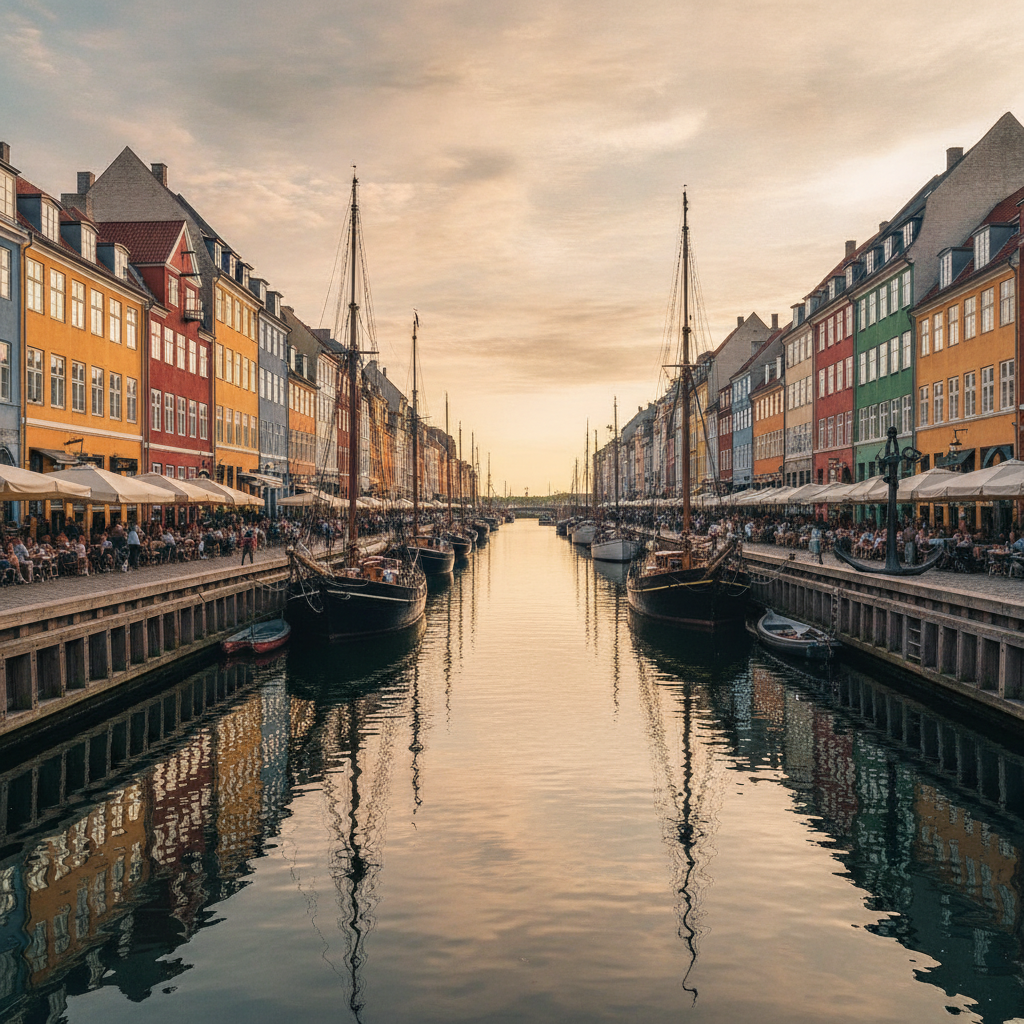
Nyhavn, Altstadt & Christiansborg — Kopenhagens historisches Herz
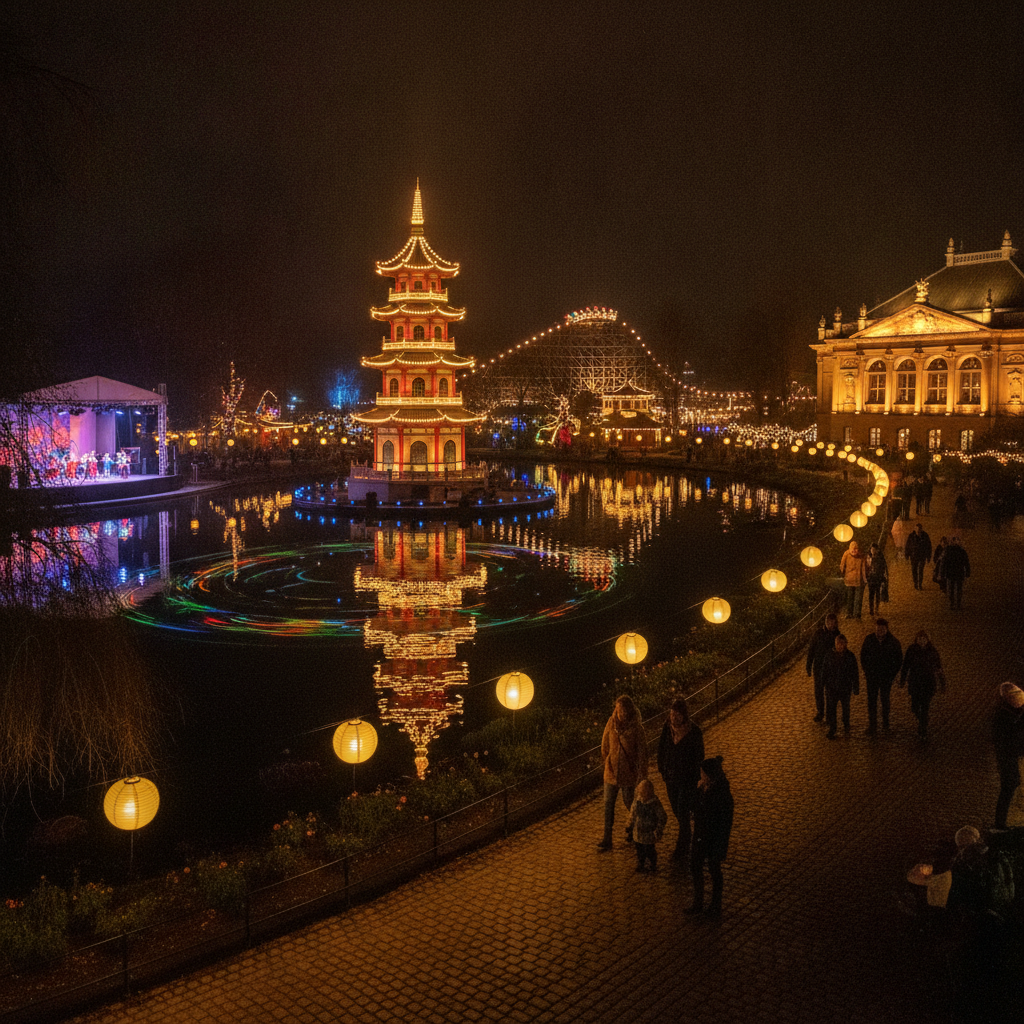
Tivoli Gardens — Der verzauberte Vergnügungspark, der Walt Disney inspirierte
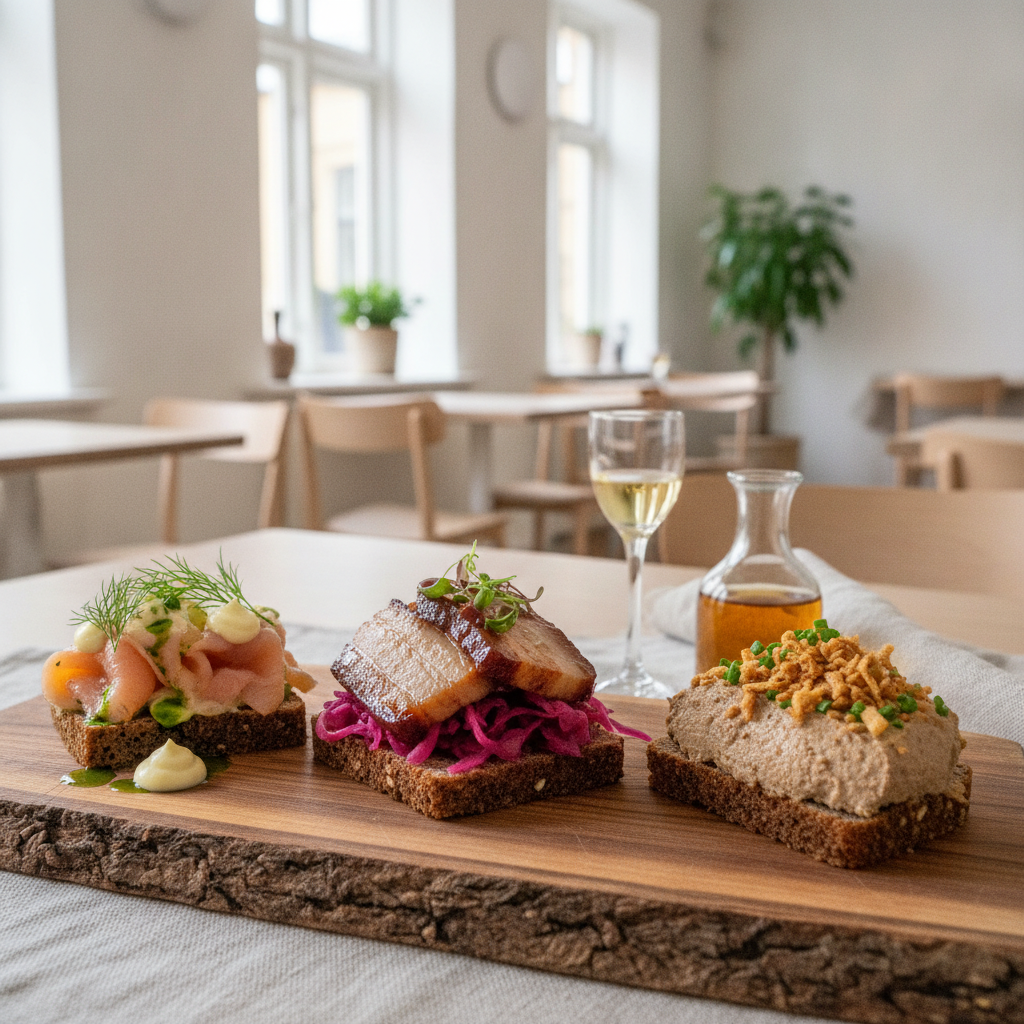
Neue Nordische Küche & Kopenhagens Essensrevolution
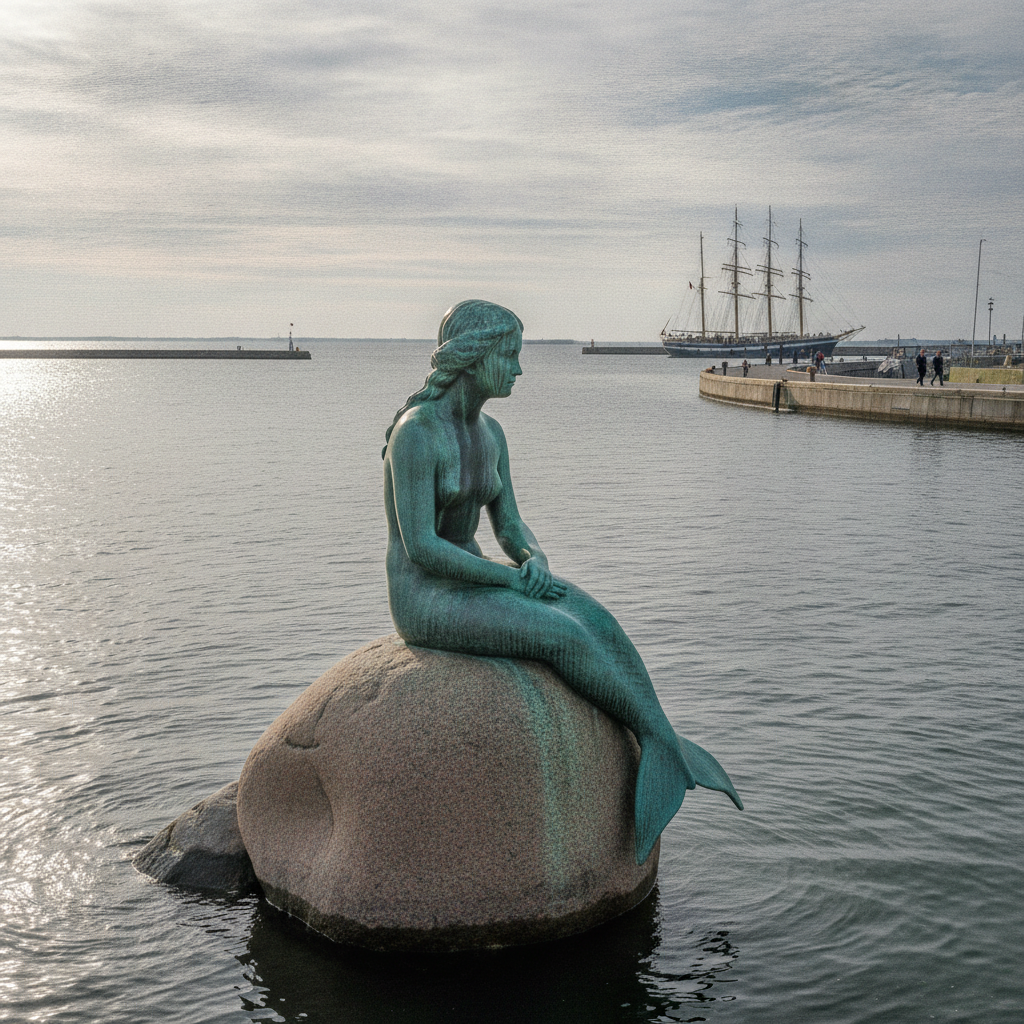
Die Kleine Meerjungfrau, Amalienborg & Kastellet — Königliches Kopenhagen
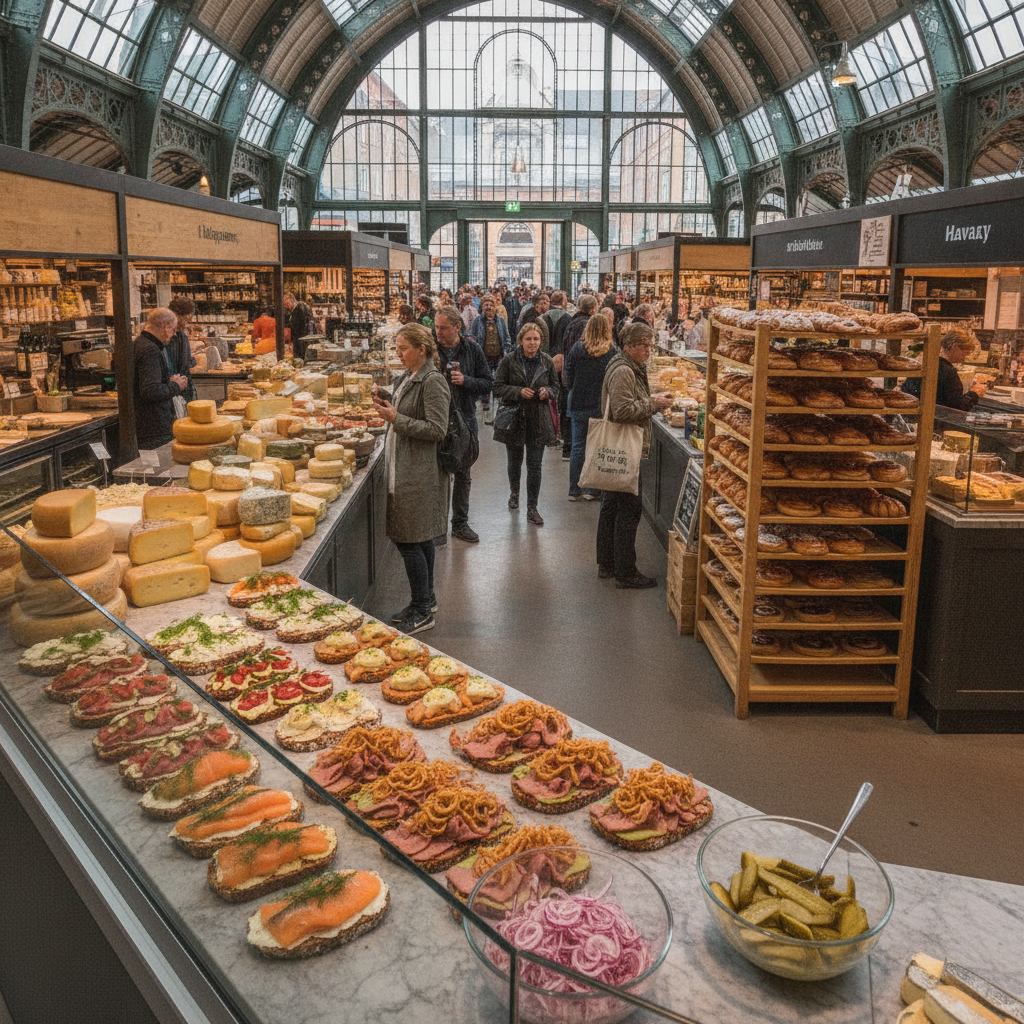
Smørrebrød, dänisches Gebäck & Kopenhagens Lebensmittelmärkte