Schloss Kronborg & Helsingør – Hamlets Elsinore
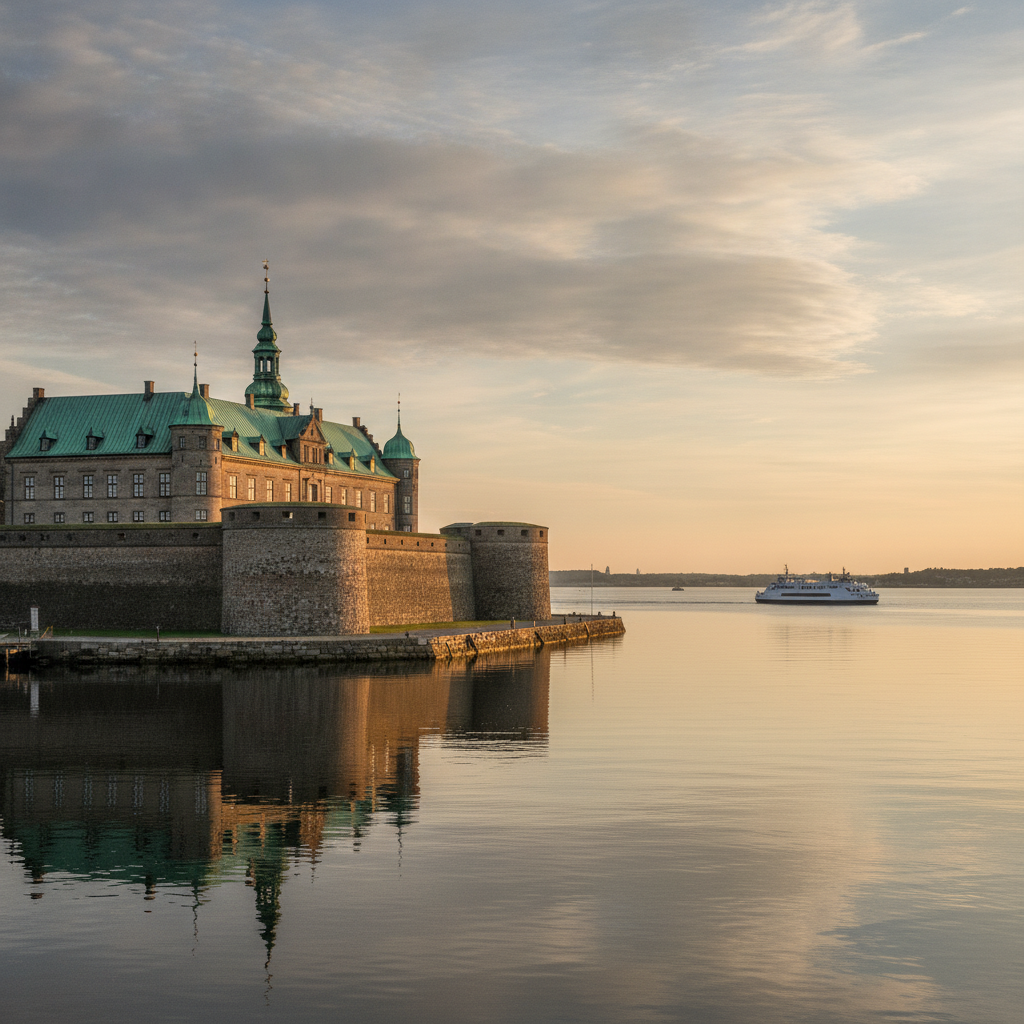
Schloss Kronborg (Kronborg Slot – das Renaissanceschloss in Helsingør (Elsinore) an der Nordspitze Seelands, 45 km nördlich von Kopenhagen und 45 Minuten mit dem Zug, UNESCO-Weltkulturerbe und Schauplatz von Shakespeares Hamlet): Kronborg wurde 1574-1585 von König Friedrich II. im Renaissancestil erbaut, um die Øresundstraße (der schmale Kanal zwischen Dänemark und Schweden – die Sundzölle (Øresundstolden), die auf alle durch den Øresund fahrenden Schiffe erhoben wurden, waren jahrhundertelang die Haupteinnahmequelle des dänischen Königshauses) zu kontrollieren, und wurde zum Prototyp für die befestigte Burg in Shakespeares Vorstellung.
- 1
Schloss Kronborg – Hamlets Elsinore, UNESCO-Weltkulturerbe
Schloss Kronborg (Helsingør, 45 km von Kopenhagen mit dem Zug, 45 Minuten) ist die Renaissancefestung (1574–1585), die Shakespeare als Schauplatz für Hamlet nutzte – das Schloss beherrscht die engste Stelle des Øresund (4 km nach Schweden); vorbeifahrende Schiffe zahlten historisch einen Zoll an die dänische Krone; die tonnengewölbten Kasematten, in denen Hamlets Geist wandelt, sind der stimmungsvollste Teil des Komplexes.
- 2
Hamlet im Hof – Jährliches Sommer-Shakespeare
Im Hof von Kronborg findet jährlich ein Shakespeare-Festival (Juli, Open-Air-Bühne mit 3.000 Plätzen) statt, bei dem Hamlet als Herzstück aufgeführt wird – das Stück wird hier seit den 1930er Jahren von Besetzungen, darunter Laurence Olivier und Jude Law, gespielt; die Burgzinnen, wo die Geisterszene spielt, bieten eine natürliche Theaterkulisse, die für die Zuschauer im Hof sichtbar ist.
- 3
Holger Danske – Der Riese, der erwacht, wenn Dänemark ihn braucht
Im tiefsten Verlies von Kronborg sitzt eine 10 Tonnen schwere Steinstatue von Holger Danske (Ogier dem Dänen), einem legendären Ritter, der mit seinem in den Tisch gewachsenen Bart schläft – nach dänischer Folklore wird Holger erwachen und Dänemark verteidigen, wenn das Land einer existenziellen Bedrohung gegenübersteht; die Legende inspirierte die Zeitung der dänischen Widerstandsbewegung während der nationalsozialistischen Besatzung im Zweiten Weltkrieg.
- 4
Seefahrtsmuseum Dänemarks – Unter Wasser in einem ehemaligen Trockendock
Das Seefahrtsmuseum Dänemarks (M/S Museet for Søfart, 2013, von BIG Architects) ist vollständig unterirdisch in und um ein ehemaliges Schiffstrockendock neben Kronborg gebaut – Glasbrücken ermöglichen es Besuchern, über den ursprünglichen Trockendockboden 9 Meter unter der Erde zu gehen; die Sammlung dokumentiert 600 Jahre dänische Seefahrt und das goldene Zeitalter der dänischen Handelsmarine.
- 5
Helsingborg – 4 km über den Sund nach Schweden
Die Øresundstraße bei Helsingør (Elsinore) ist die engste schiffbare internationale Wasserstraße Europas – die Fährüberfahrt nach Helsingborg, Schweden, dauert 20 Minuten und verkehrt 24 Stunden; von Helsingborg aus erreichen stündliche Züge Malmö in 50 Minuten und das Zentrum von Kopenhagen (über die Øresundbrücke von 2000) in 90 Minuten, wodurch die Region eine zusammenhängende Kulturzone bildet.
- 6
Schloss Frederiksborg – Nationale Porträtgalerie in einem holländischen Renaissancepalast
Schloss Frederiksborg (Hillerød, 30 km von Kopenhagen, 40 Minuten mit dem Zug und dann dem Bus) ist das größte Renaissanceschloss Skandinaviens (1620) – erbaut für König Christian IV. auf drei Inseln in einem See, beherbergt das Schloss das Nationale Historische Museum mit über 1.000 Porträts, die die dänische Königs- und Politikgeschichte von 1550 bis heute dokumentieren.
Walk this route with audio
Stories play automatically as you reach each stop — no tapping needed.
Mehr in copenhagen
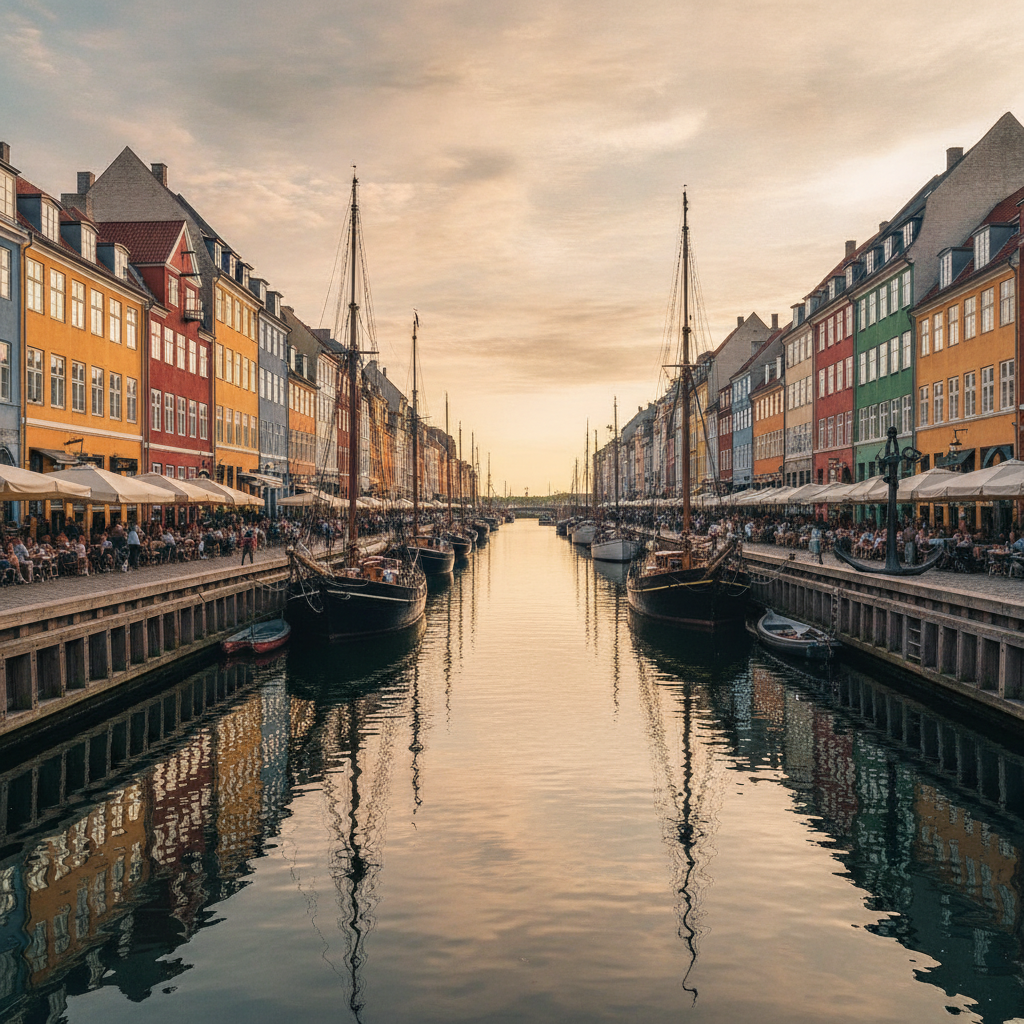
Nyhavn, Altstadt & Christiansborg — Kopenhagens historisches Herz
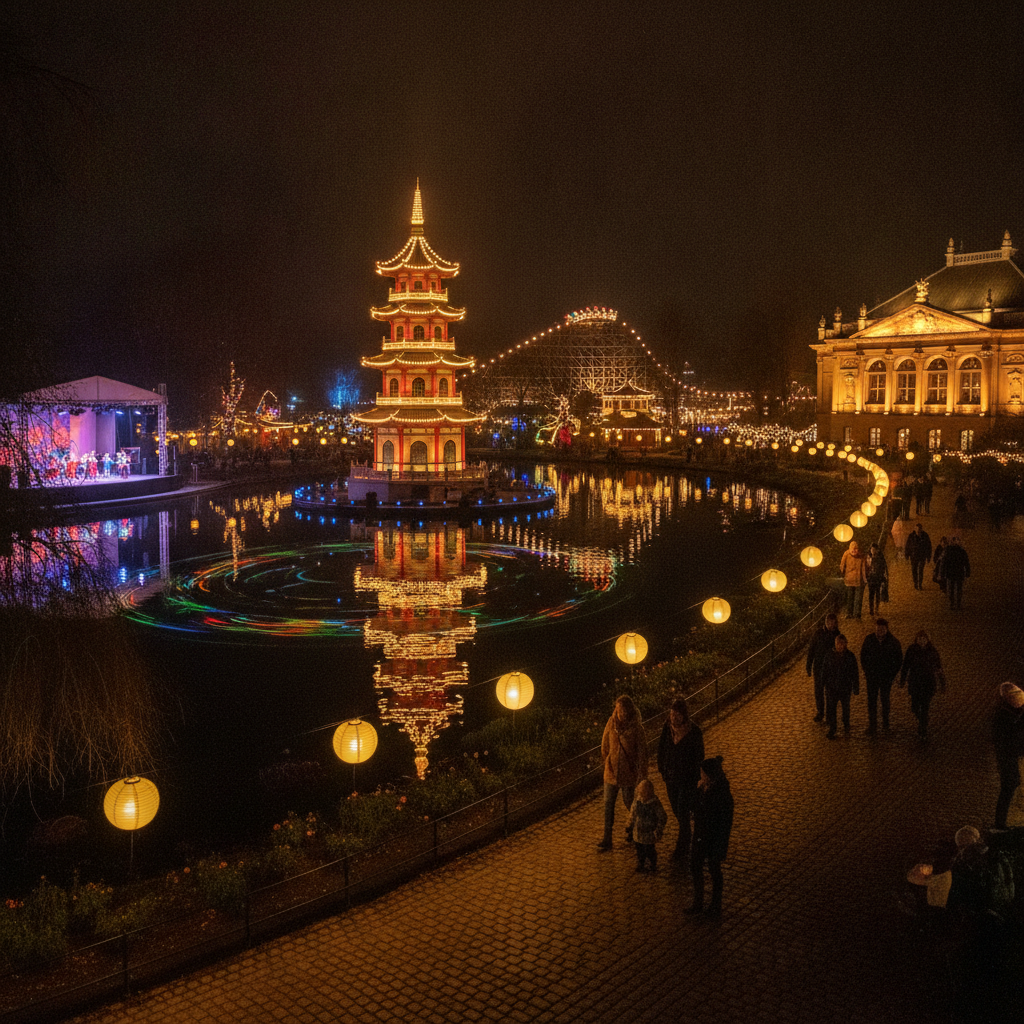
Tivoli Gardens — Der verzauberte Vergnügungspark, der Walt Disney inspirierte

Neue Nordische Küche & Kopenhagens Essensrevolution
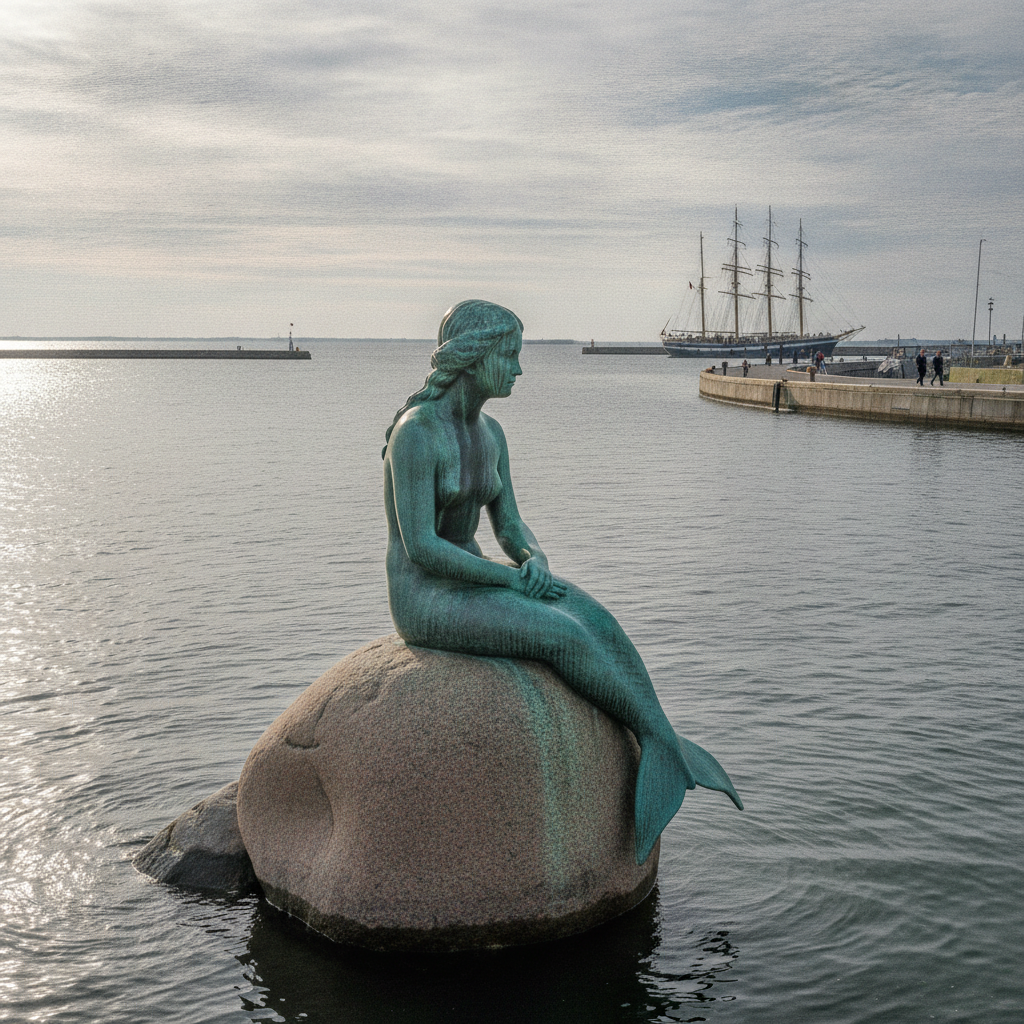
Die Kleine Meerjungfrau, Amalienborg & Kastellet — Königliches Kopenhagen
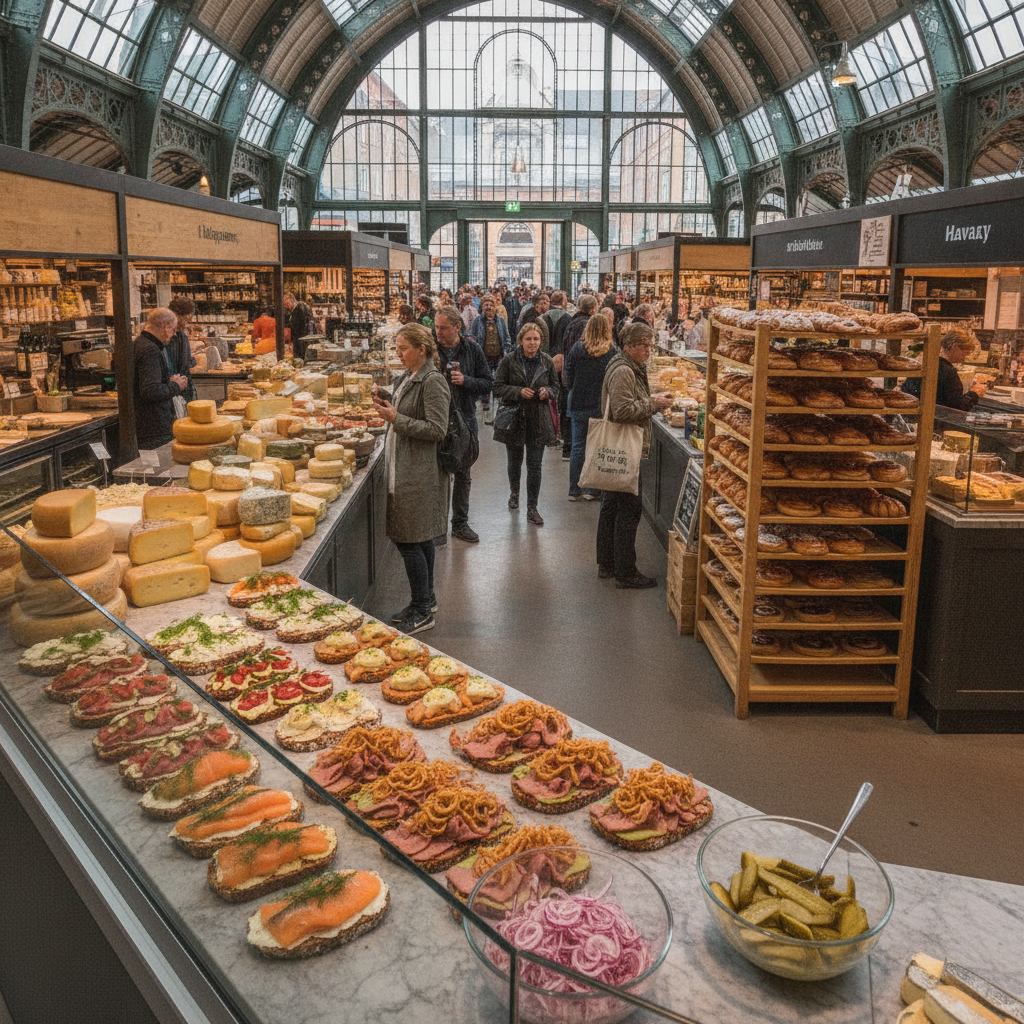
Smørrebrød, dänisches Gebäck & Kopenhagens Lebensmittelmärkte