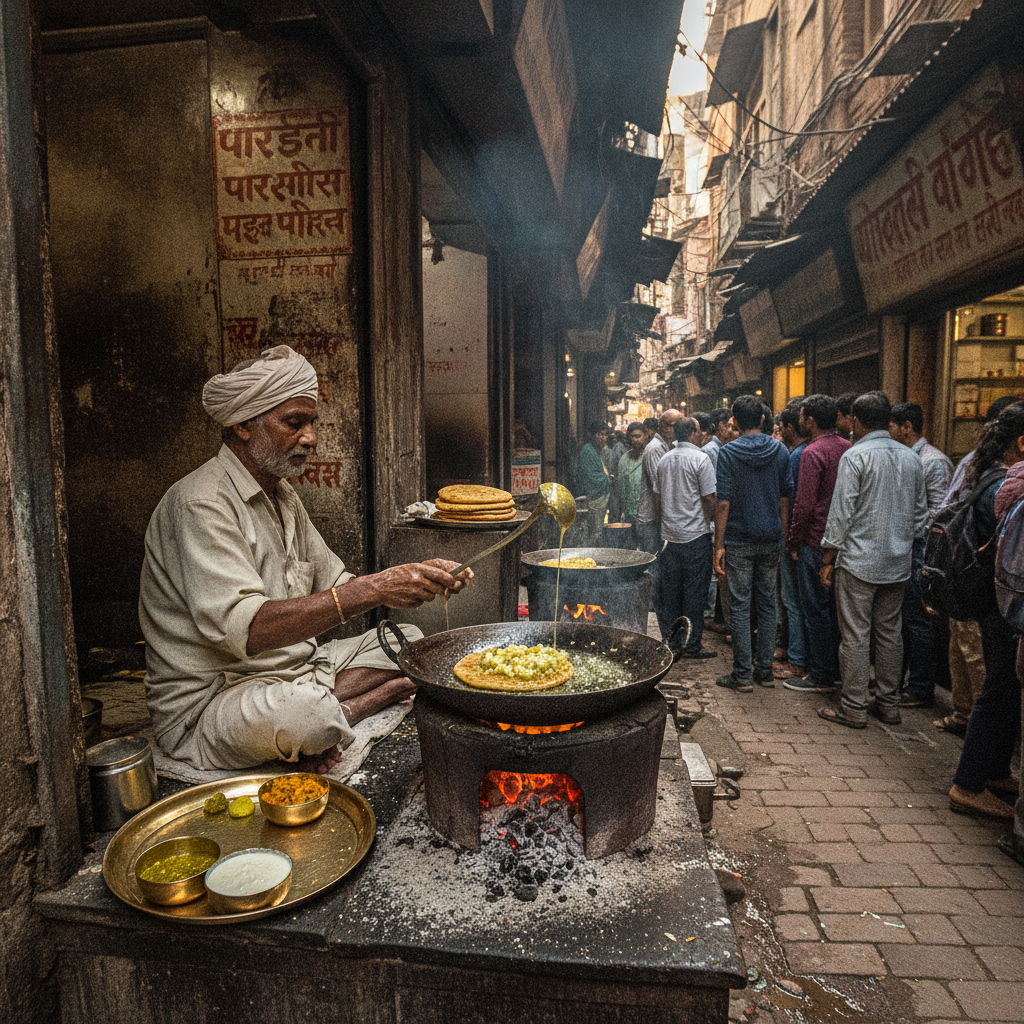
Dilli Haat & das indische Handwerk — Traditionelle Künste aus dem gesamten Subkontinent
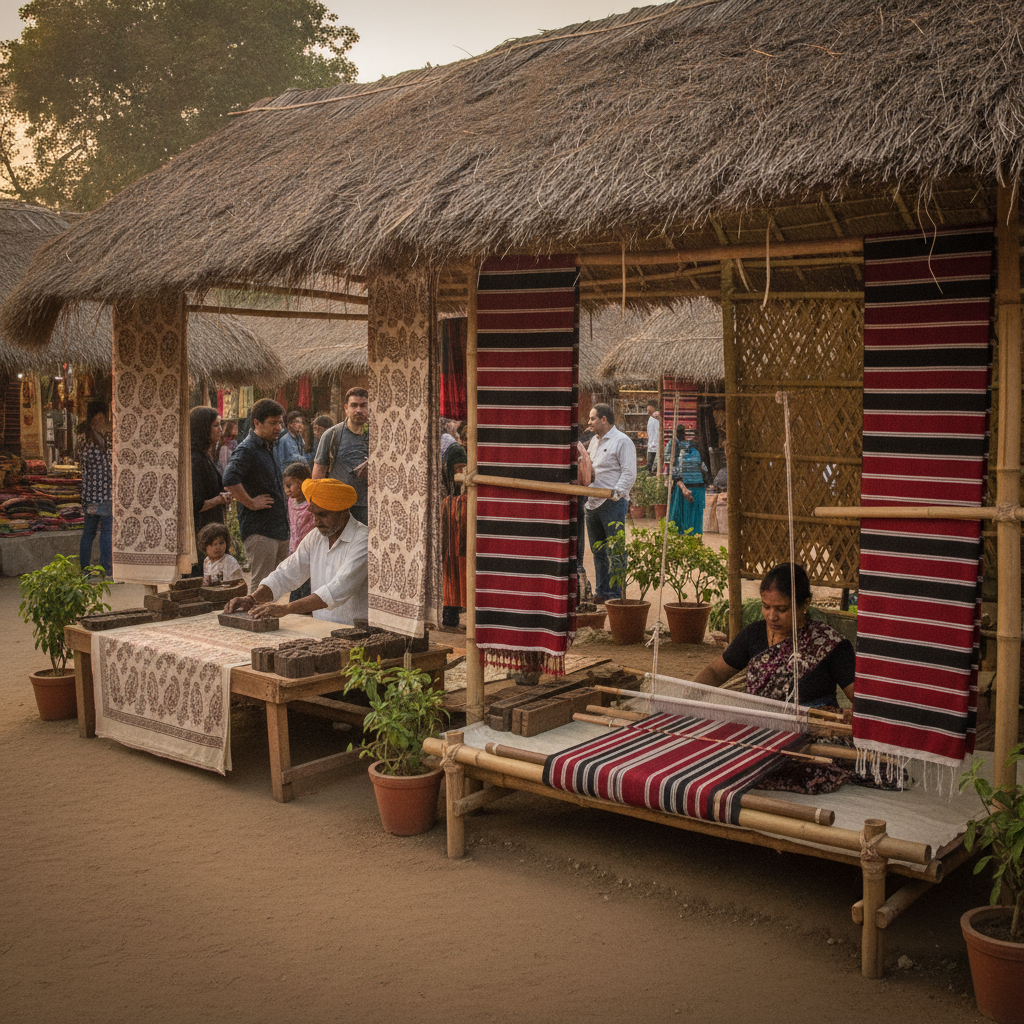
Dilli Haat (IFC, Aurobindo Marg, Süd-Delhi — der vom Delhi Tourism Corporation betriebene Open-Air-Handwerksbasar, wo Kunsthandwerkern aus jedem indischen Bundesstaat auf rotierender Basis zweiwöchige Stände zur Verfügung gestellt werden, um ihre traditionellen Handwerksprodukte direkt an die Öffentlichkeit zu verkaufen): Dilli Haat ist die zugänglichste Einführung in die gesamte Vielfalt der indischen traditionellen Handwerkskünste an einem einzigen Ort — jeder Besuch bietet eine andere Auswahl von Kunsthandwerkern, die die Handwerkstraditionen verschiedener Staaten repräsentieren, von kaschmirischen Teppichwebern und Papiermaché-Künstlern bis hin zu Rajasthani-Blockdruckern, Madhubani-Malern aus Bihar, Warli-Stammeskünstlern aus Maharashtra, Kanjivaram-Seidenwebern aus Tamil Nadu und Manipuri-Bambushandwerkern aus dem Nordosten.
- 1
Dilli Haat — Indiens 29 Bundesstaaten unter einem Dach
Dilli Haat (INA, 6 acres, Eintritt ₹30) ist ein permanent rotierender Handwerksmarkt, auf dem 62 Stände Kunsthandwerkern aus verschiedenen indischen Bundesstaaten im 15-tägigen Wechsel zugewiesen werden — Manipuri-Weber, Rajasthani-Blaukeramikkünstler, kaschmirische Papiermaché-Handwerker und Madhubani-Maler demonstrieren ihre Arbeit und verkaufen direkt; der angrenzende Food Court hat einen Stand pro indischem Bundesstaat, der regionale Spezialitäten serviert.
- 2
Janpath Market — Regierungsemporium vs. Schnäppchen-Chaos
Janpath (Zentral-Delhi) bietet zwei gegensätzliche Einkaufserlebnisse — die staatlichen Emporien (Baba Kharak Singh Marg, staatlich geführte Geschäfte mit festen Preisen für das Kunsthandwerk jedes Staates) bieten garantiert authentische Produkte zu fairen Preisen; der angrenzende Janpath Market (Open-Air-Basar) verkauft imitierte Stammesjuwelen, Blockdruckschals und Touristensouvenirs zu verhandelbaren Preisen 50% unter dem Einzelhandelspreis.
- 3
Shahpur Jat — Modedesigner in einem Dorf innerhalb der Stadt
Shahpur Jat (ein 600 Jahre altes Dorf, das heute von Wohnsiedlungen in Süd-Delhi umgeben ist) wurde von unabhängigen Modedesignern, Handwebereien und handwerklichen Lebensmittelproduzenten besiedelt — Nicobar (indische ethische Mode), Pero (Aneeth Arora) und Raw Mango (Sanjay Gargs in Varanasi gewebte Seidensaris) betreiben Studios und Geschäfte in den ursprünglichen Dorfgassen.
- 4
Sarojini Nagar — Exportüberschuss-Modemarkt
Der Sarojini Nagar Market (Süd-Delhi, der größte Groß- und Einzelhandelsbekleidungsmarkt in Delhi) verkauft Exportüberschuss- und Zweitwaren aus indischen Produktionsstätten — internationale Markenetiketten, die noch an T-Shirts, Jeans und Kleidern mit Preisen von ₹100–300 befestigt sind; die Menschenmenge am Samstagmorgen wird auf 50,000 Käufer geschätzt; der angrenzende Lajpat Nagar Central Market ist auf Heimtextilien und Punjabi-Mode spezialisiert.
- 5
Kinari Bazar — Chandni Chowks Hochzeitslieferanten-Viertel
Kinari Bazar (der 'Band- und Besatzbasar', Chandni Chowk) beliefert jede Delhi-Hochzeit mit den dekorativen Materialien, die indische Feiern visuell überwältigend machen — Gold- und Silberlametta, LED-bestückte Stoffe, Ringelblumengirlanden in großen Mengen, Messingtempelglocken und Kumkum in 5-kg-Beuteln; der Markt ist von 6am–8pm geöffnet und verarbeitet täglich Transaktionen im Wert von über ₹5 crore.
- 6
Sonntags-Buchmarkt in Daryaganj — 200,000 Bücher auf dem Fußweg
Der Sonntags-Buchmarkt von Daryaganj (jetzt nach Mahila Haat, Daryaganj, verlegt, nachdem er 2019 von der Straße vertrieben wurde) fungiert immer noch als Indiens größter Antiquariatsbasar — über 200 Händler verteilen über 200,000 gebrauchte, piratisierte und Restpostenbücher auf Planen und Holzregalen von 9am bis 4pm; akademische Texte, Groschenromane und seltene vergriffene indische Literatur erscheinen alle zu ₹20–200.
Walk this route with audio
Stories play automatically as you reach each stop — no tapping needed.
Mehr in delhi
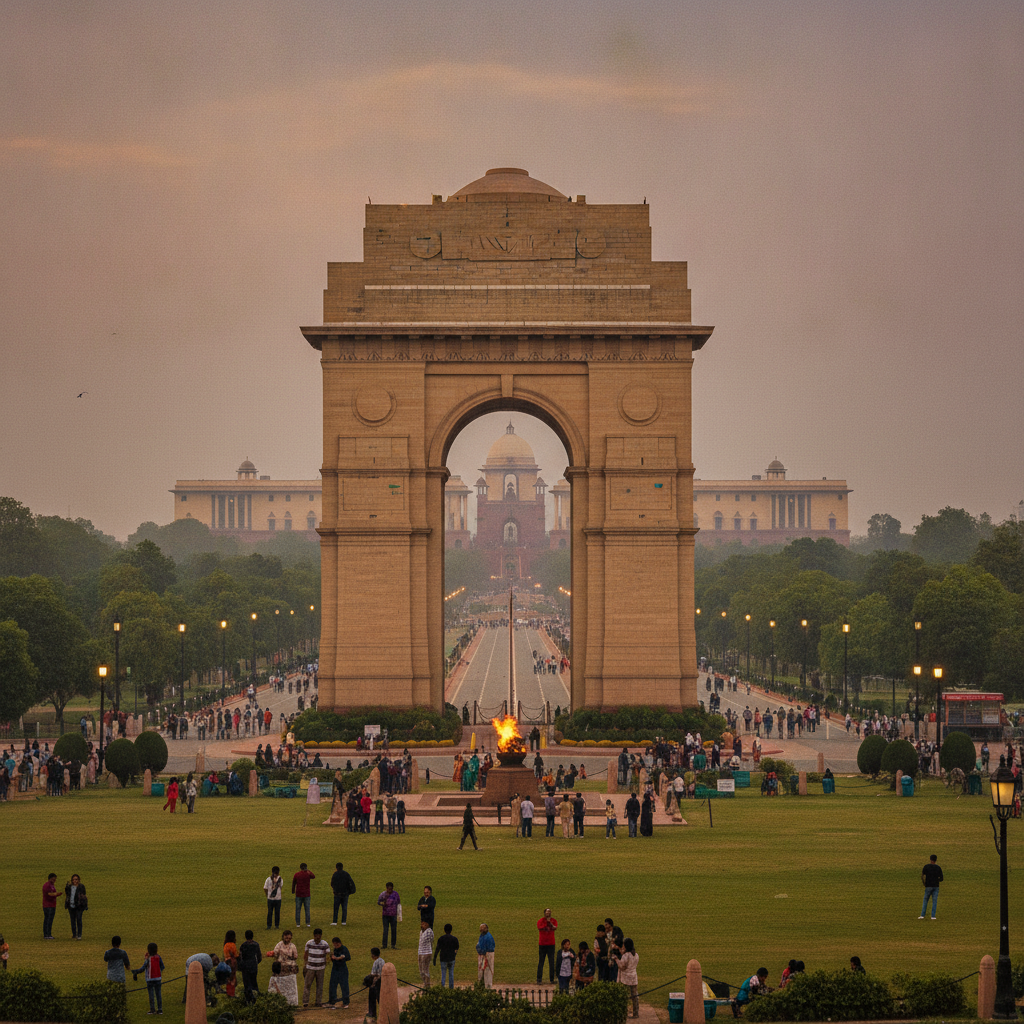
India Gate, Rashtrapati Bhavan & Lutyens' Neu-Delhi
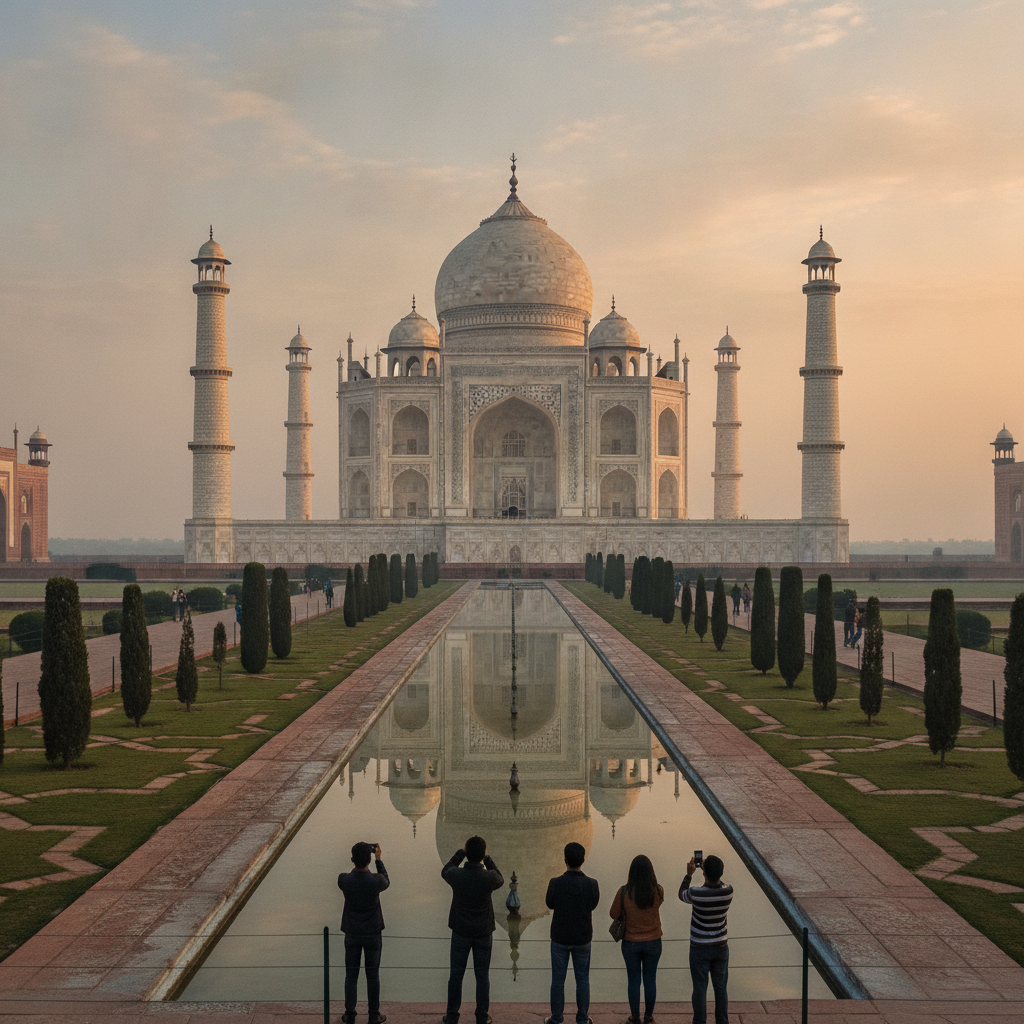
Tagesausflug Agra — Taj Mahal, Agra Fort & Fatehpur Sikri
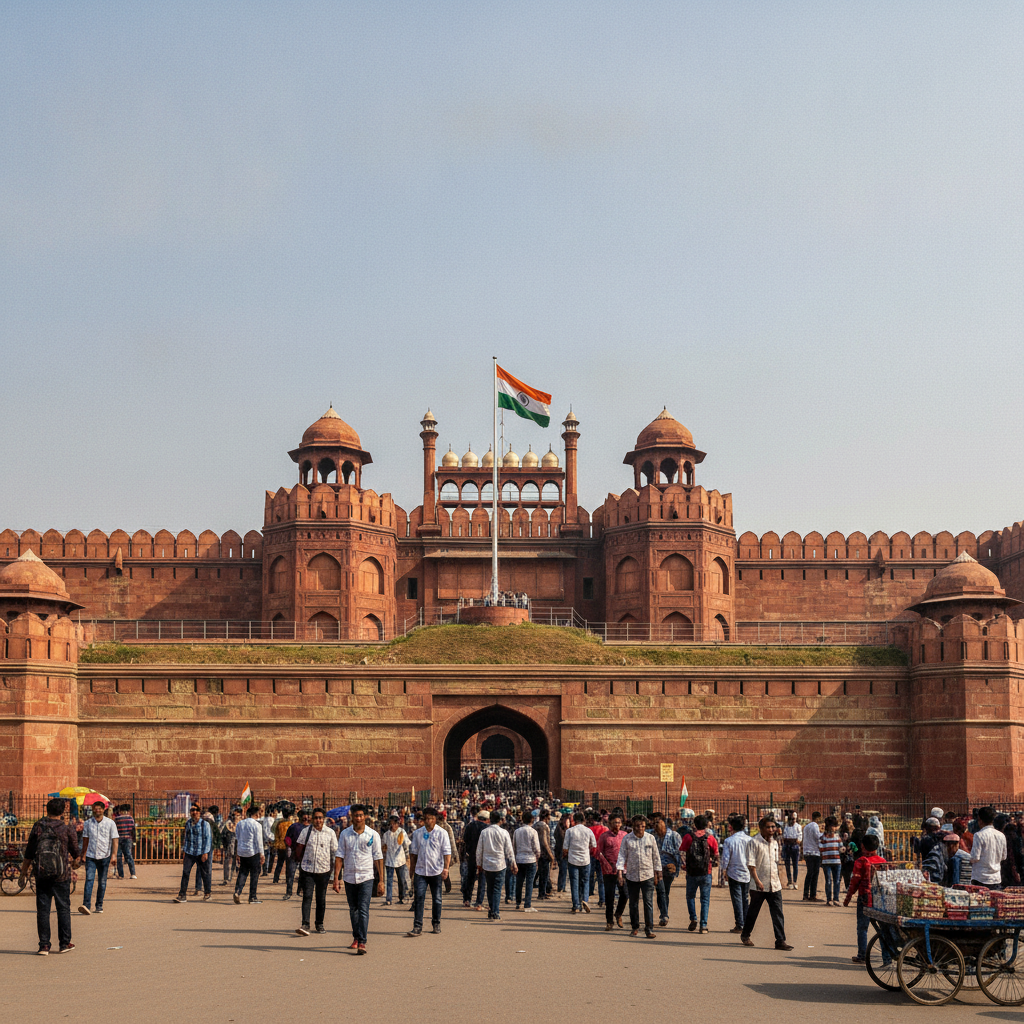
Rotes Fort, Chandni Chowk & Old Delhi — Das imperiale Mogulherz
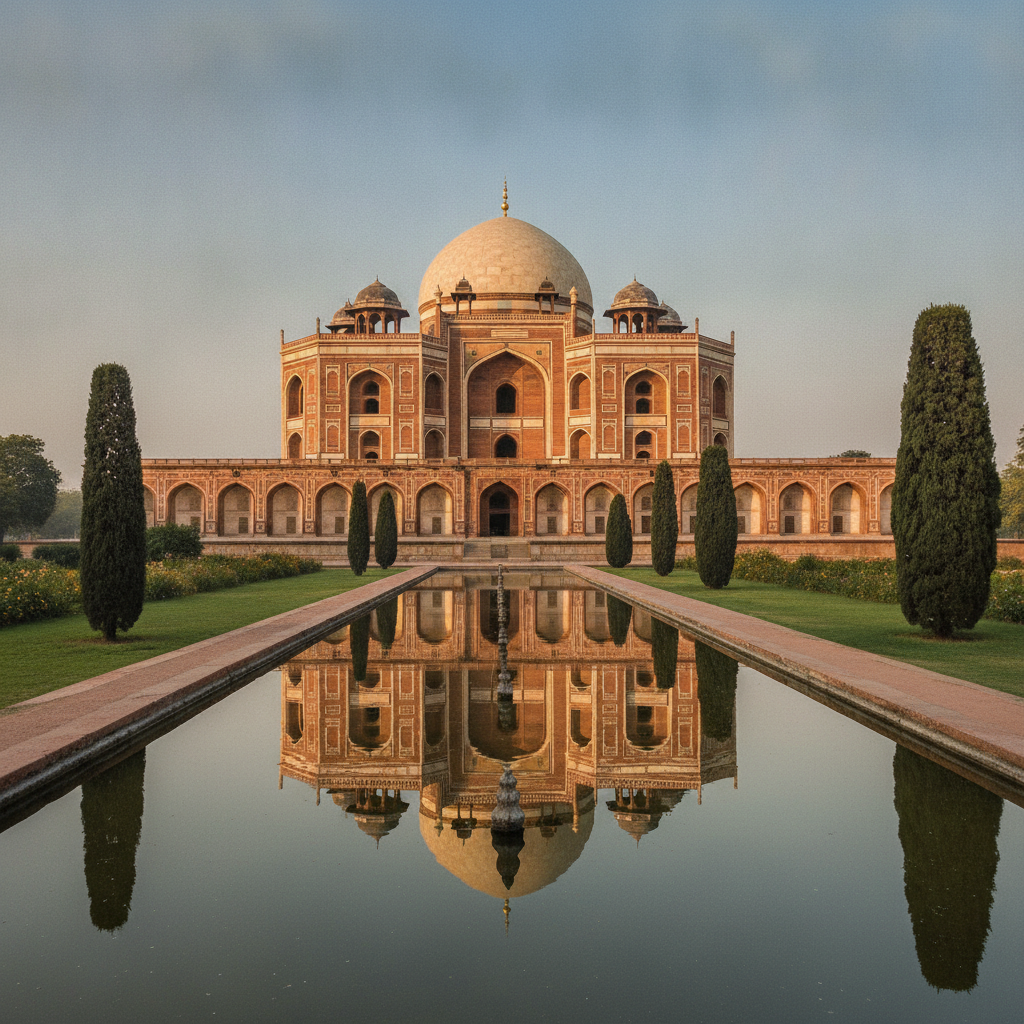
Humayuns Grab, Qutb Minar & Lodhi-Garten — Delhis mittelalterliches Erbe
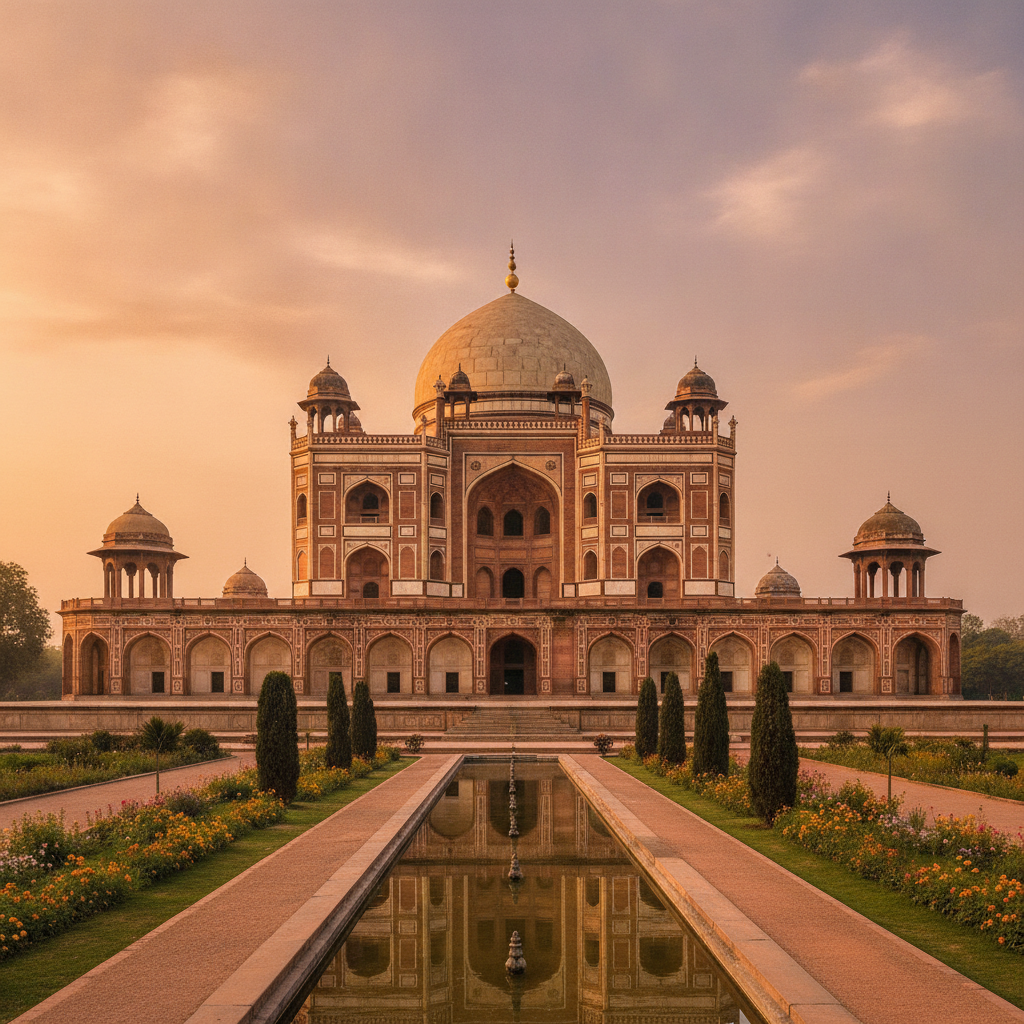
National Gallery of Modern Art, Safdarjungs Grab & Süd-Delhi