Khan Market, Lodhi Road & die Kultureinrichtungen Neu Delhis
Der Khan Market (die gehobene Einkaufsstraße im Zentrum Neu Delhis, in den 1950er Jahren für indische Regierungsbeamte und Diplomaten erbaut, heute konstant unter den teuersten Einzelhandelsstandorten der Welt gelistet) und der Kulturkorridor der Lodhi Road (der Straßenabschnitt vom Khan Market südlich durch die diplomatische Enklave zum Habitat Centre und dem India International Centre) bilden das intellektuelle und kulturelle Herz von Lutyens' Delhi — das Gebiet, in dem Indiens Regierungselite, die akademische Gemeinschaft, ausländische Diplomaten und Journalisten seit der Unabhängigkeit gelebt und gearbeitet haben.
- 1
Lodhi Garden — Gräber aus dem 15. Jahrhundert in einem öffentlichen Park
Der Lodhi Garden (90 acres, freier Eintritt) beherbergt die Gräber von Sayyid- und Lodhi-Dynastie-Sultanen aus dem 15. Jahrhundert in einem wunderschön gepflegten öffentlichen Garten — das Grab von Muhammad Shah (1444), Shish Gumbad (glasierte Kachelkuppel, 1489) und Bara Gumbad (großer Kuppel-Moscheekomplex) liegen inmitten alter Bäume, wo die Bewohner Delhis morgens joggen, Yoga machen und mit Hunden spazieren gehen.
- 2
Khan Market — Delhis teuerste Immobilien
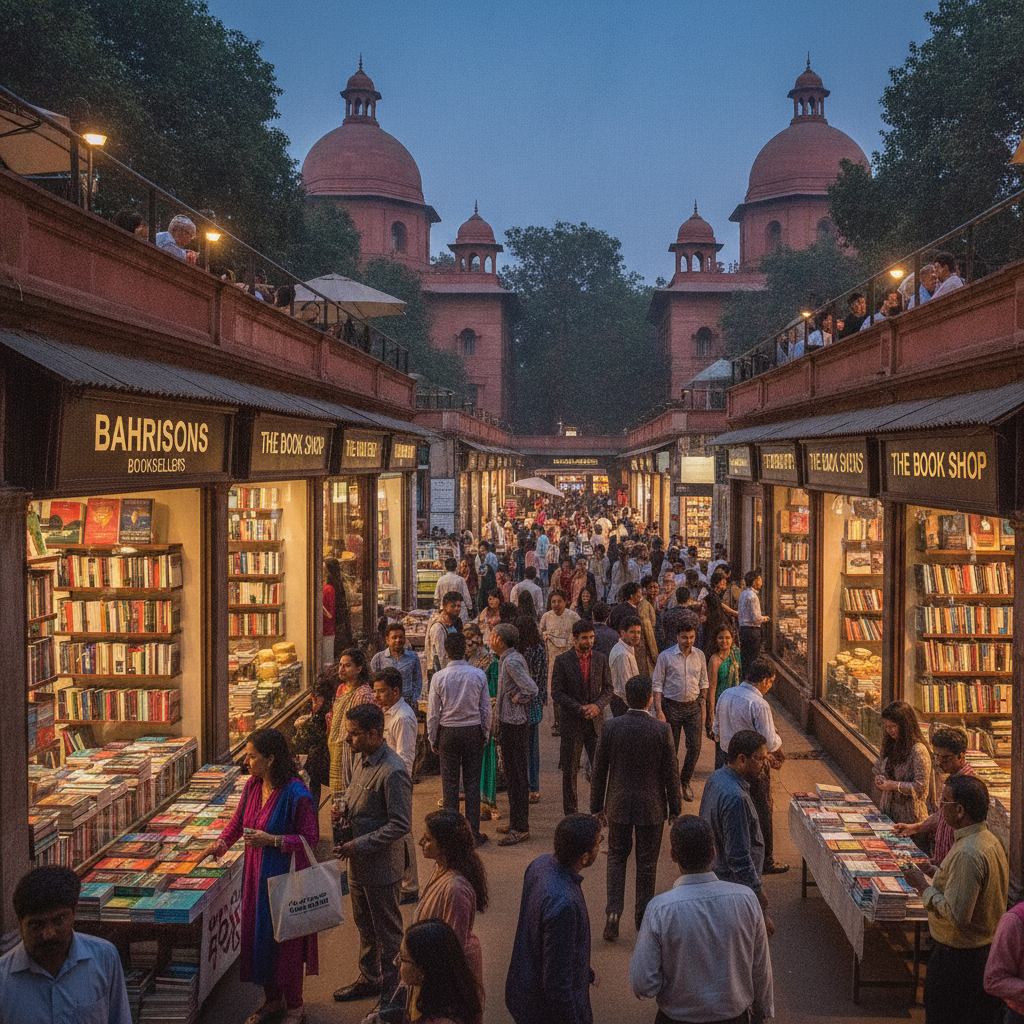
Der Khan Market (1951 für Partitionsflüchtlinge aus der Nordwest-Grenzprovinz gegründet, heute Delhis teuerster Einzelhandelsstreifen mit über ₹1,600 pro Quadratfuß Miete) beherbergt 250 Geschäfte in einem U-förmigen überdachten Markt — Good Earth (Haushaltswaren, indisches Design), Full Circle Bookstore und Bahrisons Books koexistieren mit südindischen Kaffeehäusern und den Bars der Khan Market 'Bubble'-Elite.
- 3
INA Market — Wo Delhis beste Köche einkaufen
Der INA Market (Safdarjung-Gebiet) ist Delhis vollständigster Lebensmittelmarkt — iranische Gewürze, japanisches Miso, koreanisches Kimchi, italienische Pasta neben frisch gemahlenen indischen Gewürzmischungen, kaschmirischem Safran (₹300/Gramm) und Flussfisch aus Bengalen; die chaotischen Gassen des Marktes werden von professionellen Köchen aus Fünf-Sterne-Hotels durchquert, die Zutaten beschaffen, die anderswo in der Hauptstadt nicht erhältlich sind.
- 4
Hauz Khas Village — Mittelalterliches Reservoir & Zeitgenössische Kunst
Hauz Khas Village (die islamische Seminar- und Reservoiranlage aus dem 14. Jahrhundert von Firoz Shah Tughluq) wurde von Boutique-Mode, Galerien und Restaurants in mittelalterlichen Gebäuden, die einen 50 acres großen künstlichen See überblicken, besiedelt — die Kombination aus 700 Jahre alter Steinarchitektur und urbanem Nachtleben macht es zu Delhis fotogenstem Viertel; der an das Reservoir angrenzende Wildpark hat gefleckte Hirsche, die von den Caféterrassen aus sichtbar sind.
- 5
Humayun-Grab — Der Prototyp für das Taj Mahal
Das Humayun-Grab (Nizamuddin, 1570, UNESCO) war das erste Gartengrab auf dem indischen Subkontinent und inspirierte 60 Jahre später direkt das Taj Mahal — die persische Doppelkuppel (35m Höhe) und der Char Bagh (viergeteilter persischer Garten) erscheinen hier zum ersten Mal in Indien; der Aga Khan Trust for Culture hat den Komplex über 15 Jahre zu Kosten von ₹25 crore restauriert.
- 6
Nizamuddin Dargah — Sufi-Schrein und Donnerstags-Qawwali
Die Dargah von Nizamuddin Auliya (1325, der Chishti Sufi-Heilige) ist umgeben von den dichten mittelalterlichen Gassen von Nizamuddin Basti — jeden Donnerstagabend (nach dem Maghrib-Gebet, ungefähr 19:30 Uhr) führen Qawwali-Musiker hingebungsvolle Musik am Schrein auf, die von Hunderten von Gläubigen besucht wird; die Gemeinschaftsküche des Schreins (langar) serviert täglich über 1,000 Menschen kostenloses Essen.
Walk this route with audio
Stories play automatically as you reach each stop — no tapping needed.
Mehr in delhi
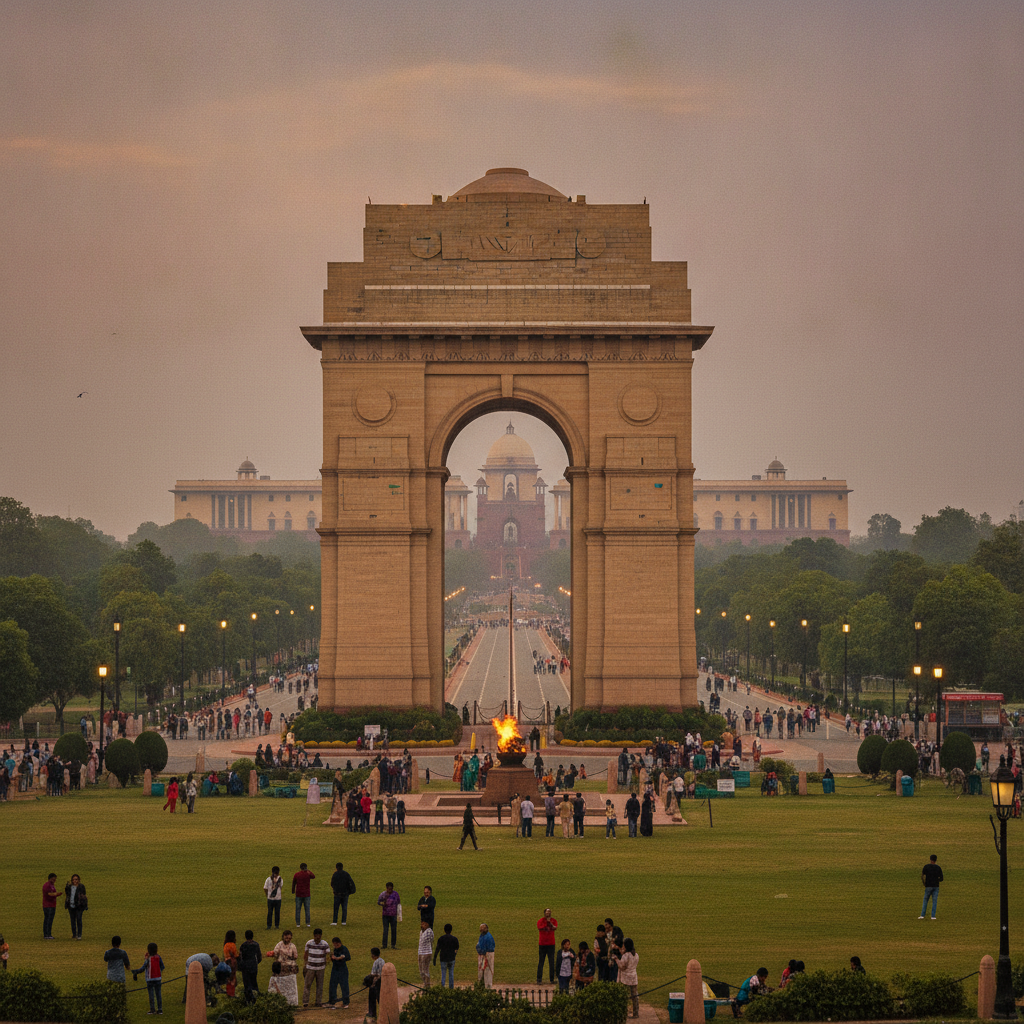
India Gate, Rashtrapati Bhavan & Lutyens' Neu-Delhi
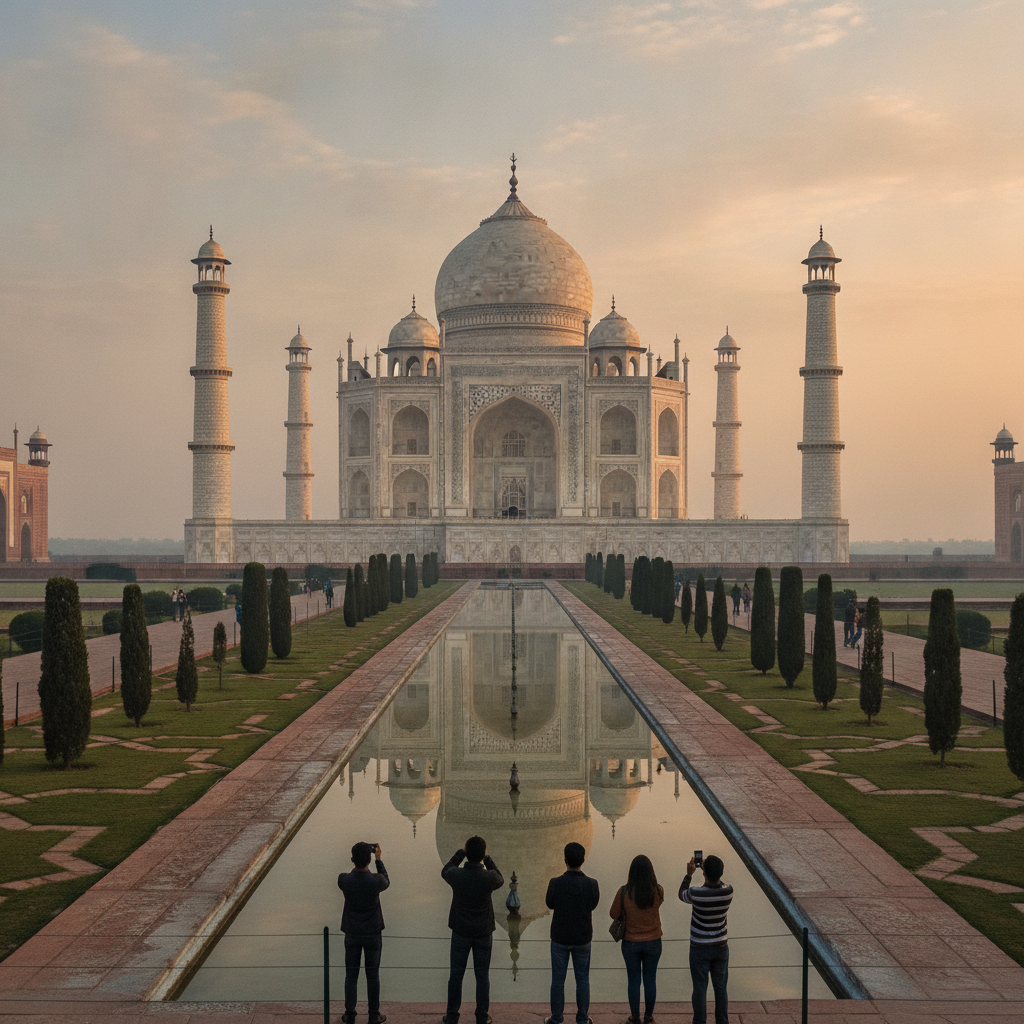
Tagesausflug Agra — Taj Mahal, Agra Fort & Fatehpur Sikri
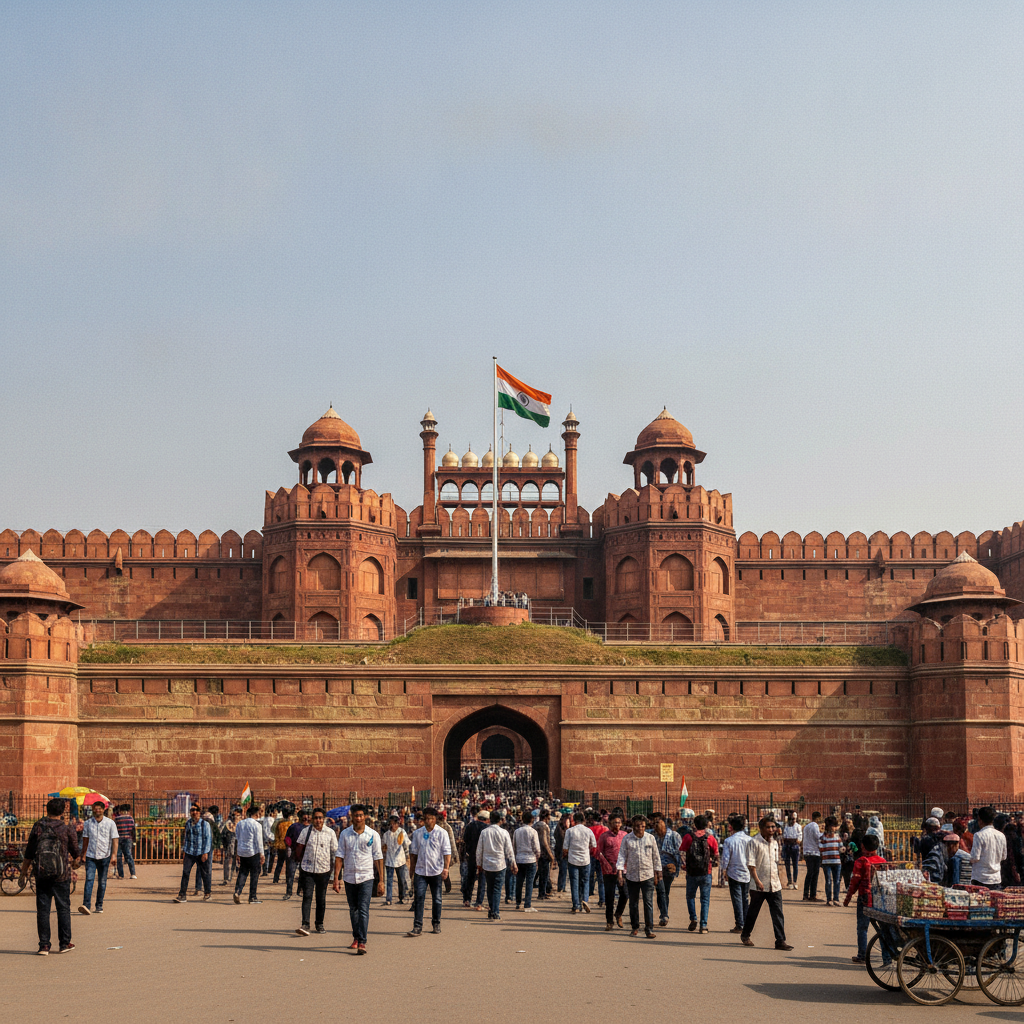
Rotes Fort, Chandni Chowk & Old Delhi — Das imperiale Mogulherz
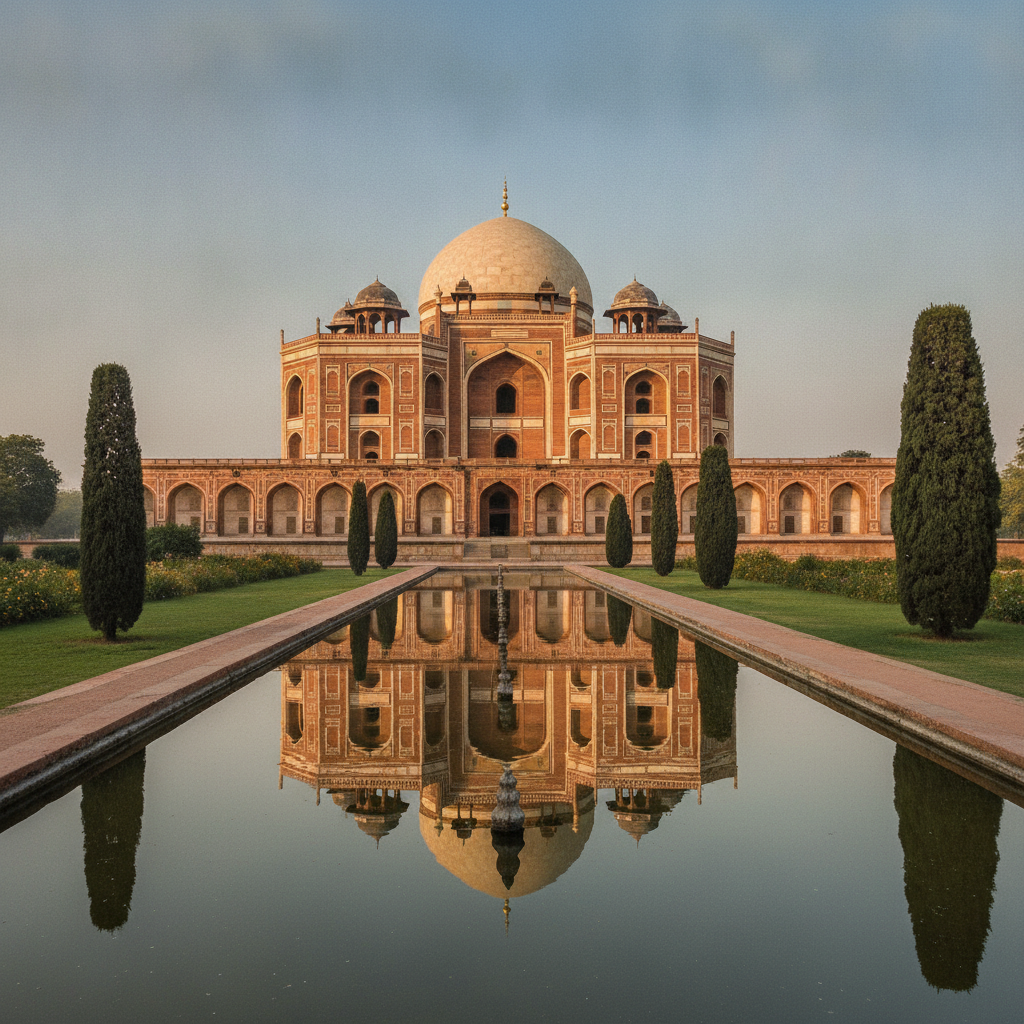
Humayuns Grab, Qutb Minar & Lodhi-Garten — Delhis mittelalterliches Erbe
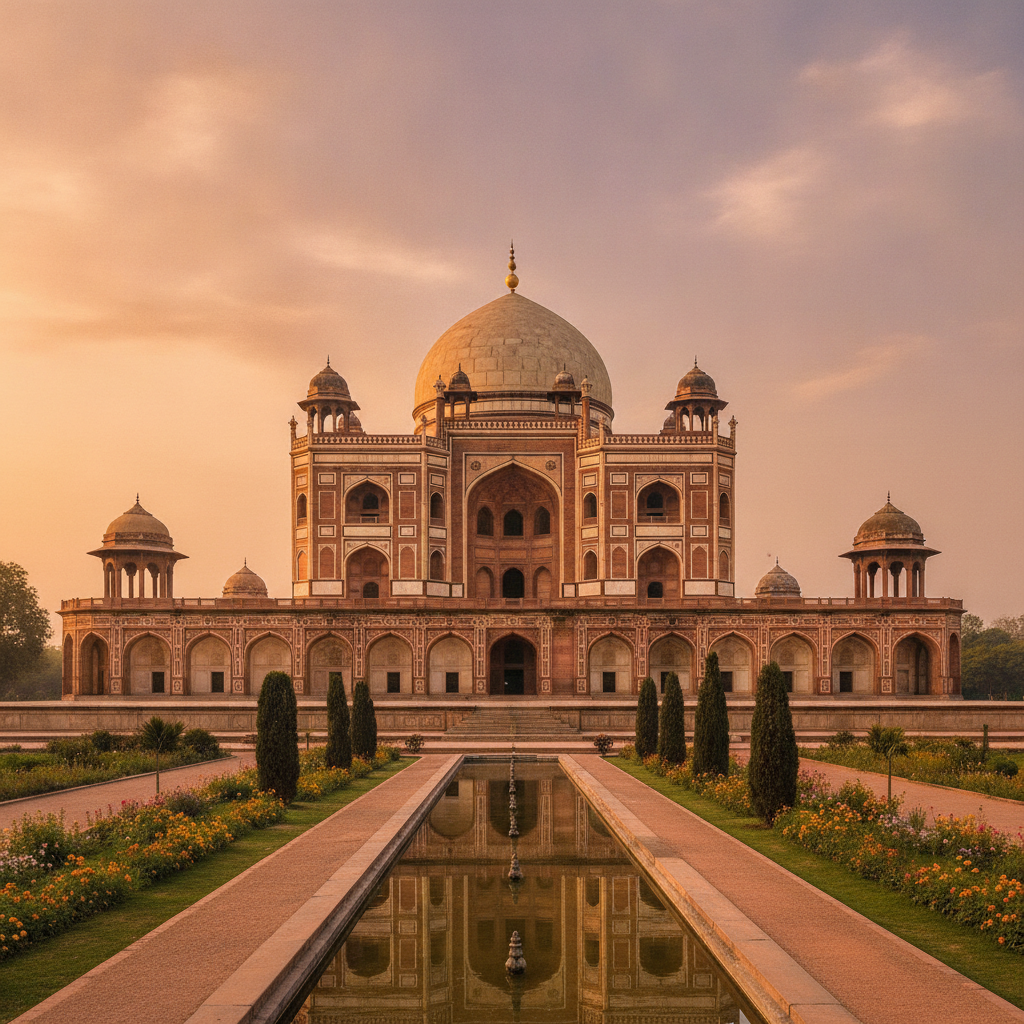
National Gallery of Modern Art, Safdarjungs Grab & Süd-Delhi