National Gallery of Modern Art, Safdarjungs Grab & Süd-Delhi
Die National Gallery of Modern Art (NGMA Delhi – Jaipur House, Rajpath, Neu-Delhi, untergebracht in der ehemaligen Residenz des Maharadschas von Jaipur, einem Gebäude von 1936, das 1954 als Galerie umgestaltet wurde) ist das führende Museum für indische moderne und zeitgenössische Kunst und beherbergt etwa 14.000 Werke aus der Zeit von 1857 bis heute – von den Company School-Gemälden der frühen Kolonialzeit über die Bengalische Renaissance, die Bombay Progressives bis hin zur zeitgenössischen indischen Installationskunst.
- 1
National Gallery of Modern Art – Indiens größtes Kunstmuseum
Die NGMA Delhi (Jaipur House, 1954, ehemalige Fürstenresidenz des Maharadschas von Jaipur) beherbergt 17.000 Werke, die indische Kunst von 1850 bis heute dokumentieren; die Amrita Sher-Gil-Sammlung (in Ungarn geborene indische Malerin, 1913–1941, gilt als Indiens größte Vorkriegskünstlerin) und Rabindranath Tagores Zeichnungen sind dauerhafte Höhepunkte; Eintritt ₹20 für Inder, ₹500 für Ausländer.
- 2
Safdarjungs Grab – Das letzte Mogul-Gartengrab
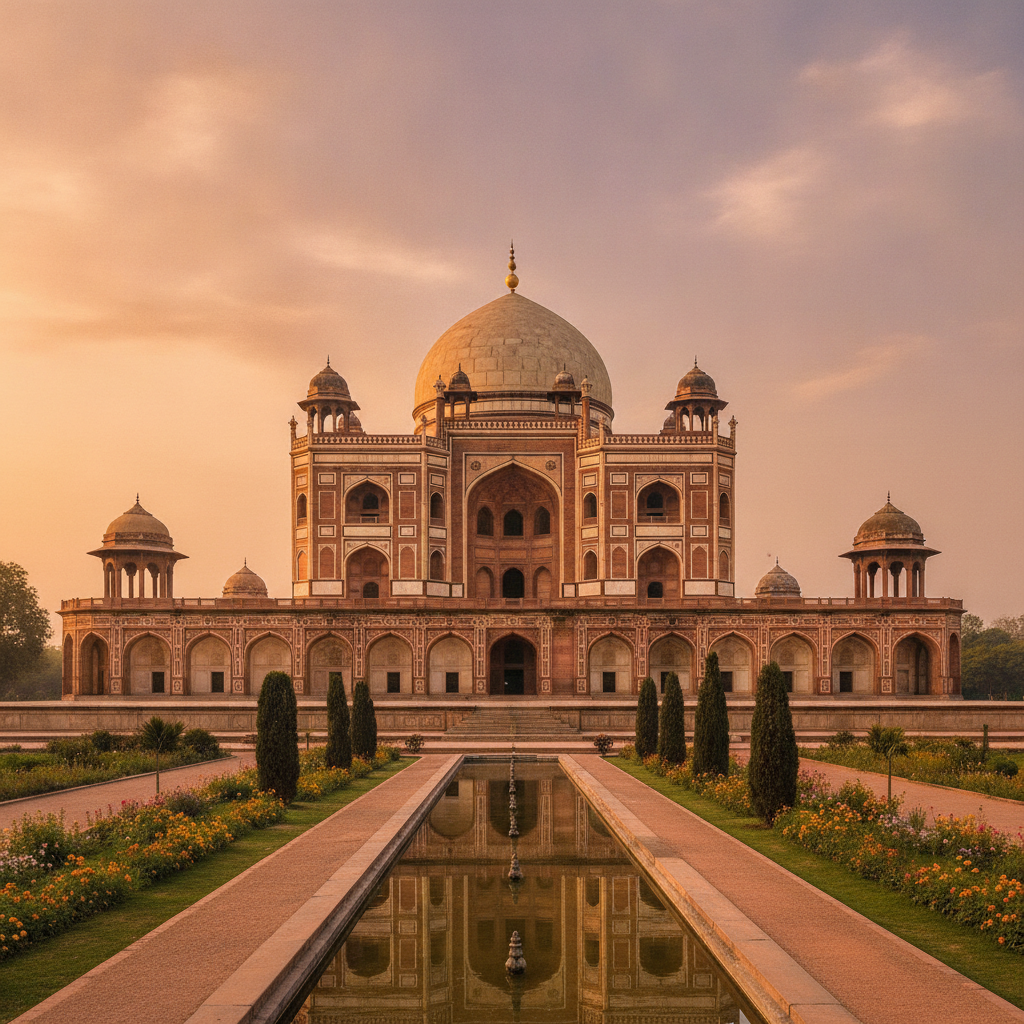
Safdarjungs Grab (1754) ist das letzte große Gartenmausoleum, das in der Mogul-Tradition erbaut wurde – es wurde für Nawab Safdarjung (Premierminister des Mogulreiches) von seinem Sohn unter Verwendung von Materialien errichtet, die aus anderen Mogulgräbern stammen; der Garten (Char Bagh, vier Quadranten) ist ein beliebter Mittagsfluchtort für Arbeiter des angrenzenden Safdarjung Flughafens; Eintritt ₹35.
- 3
Rashtrapati Bhavan – Die größte Präsidentenresidenz der Welt
Rashtrapati Bhavan (Präsidentenhaus, Raisina Hill, 340 Zimmer, 130.000 Quadratmeter, 100 Hektar große Gärten) wurde von Edwin Lutyens als Vizekönigspalast (1929) entworfen; der Mogulgarten (offen Februar–März, Udyanotsav) empfängt 500.000 Besucher in 5 Wochen; geführte Touren durch die Staatsgemächer sind von November bis März nach vorheriger Anmeldung möglich.
- 4
India Gate – 84.000 Namen der Kriegsgefallenen
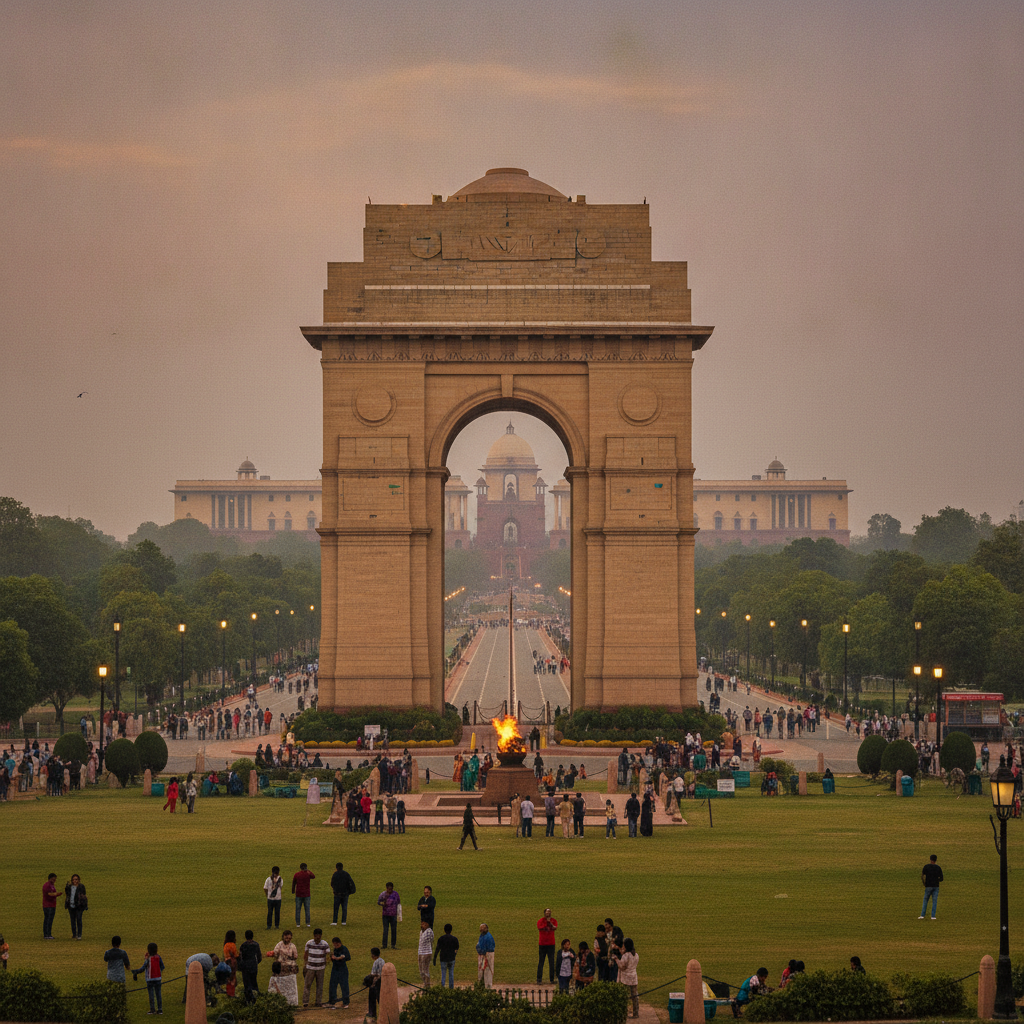
India Gate (42m, Edwin Lutyens, 1931) ist ein Kriegsdenkmal, das die Namen von 84.000 indischen und britischen Soldaten trägt, die im Ersten Weltkrieg (1914–1918) und im Afghanistankrieg (1919) starben; die Amar Jawan Jyoti (ewige Flamme, 1972 entzündet) brennt an der Basis; abends und an Wochenenden beherbergen die Rasenflächen des India Gate Familien, die Bhel Puri essen und Drachen im Schatten des Denkmals steigen lassen.
- 5
Crafts Museum – Lebendiges Erbe indischer Handwerker
Das National Crafts Museum (Pragati Maidan, 1956) ist als 'Heritage Village' gebaut und beherbergt arbeitende Handwerker aus 30 indischen Bundesstaaten; Töpfer, Weber, Metallgießer und Perlenarbeiter demonstrieren ihr Handwerk in Freiluftateliers, umgeben von 20.000 Artefakten im angrenzenden Museum; der Museumsshop verkauft Handwerksprodukte zu festen Regierungspreisen, die weit unter dem Marktpreis liegen.
- 6
Lodhi Art District – Straßenkunst in Süd-Delhi
Lodhi Colony (eine Regierungssiedlung aus den 1930er Jahren in Süd-Delhi) wurde in Delhis Freiluft-Kunstviertel verwandelt; über 50 Wandgemälde von indischen und internationalen Künstlern (Hendrik ECB, Nespoon, Yantr) bedecken gebäudegroße Wände auf einer 1,5 km langen begehbaren Route; das Projekt (begonnen 2015 von der St+art India Foundation) umfasst Werke, die Delhis Luftverschmutzung, Geschlechtergleichheit und Stadtökologie thematisieren.
Walk this route with audio
Stories play automatically as you reach each stop — no tapping needed.
Mehr in delhi
India Gate, Rashtrapati Bhavan & Lutyens' Neu-Delhi
Tagesausflug Agra — Taj Mahal, Agra Fort & Fatehpur Sikri
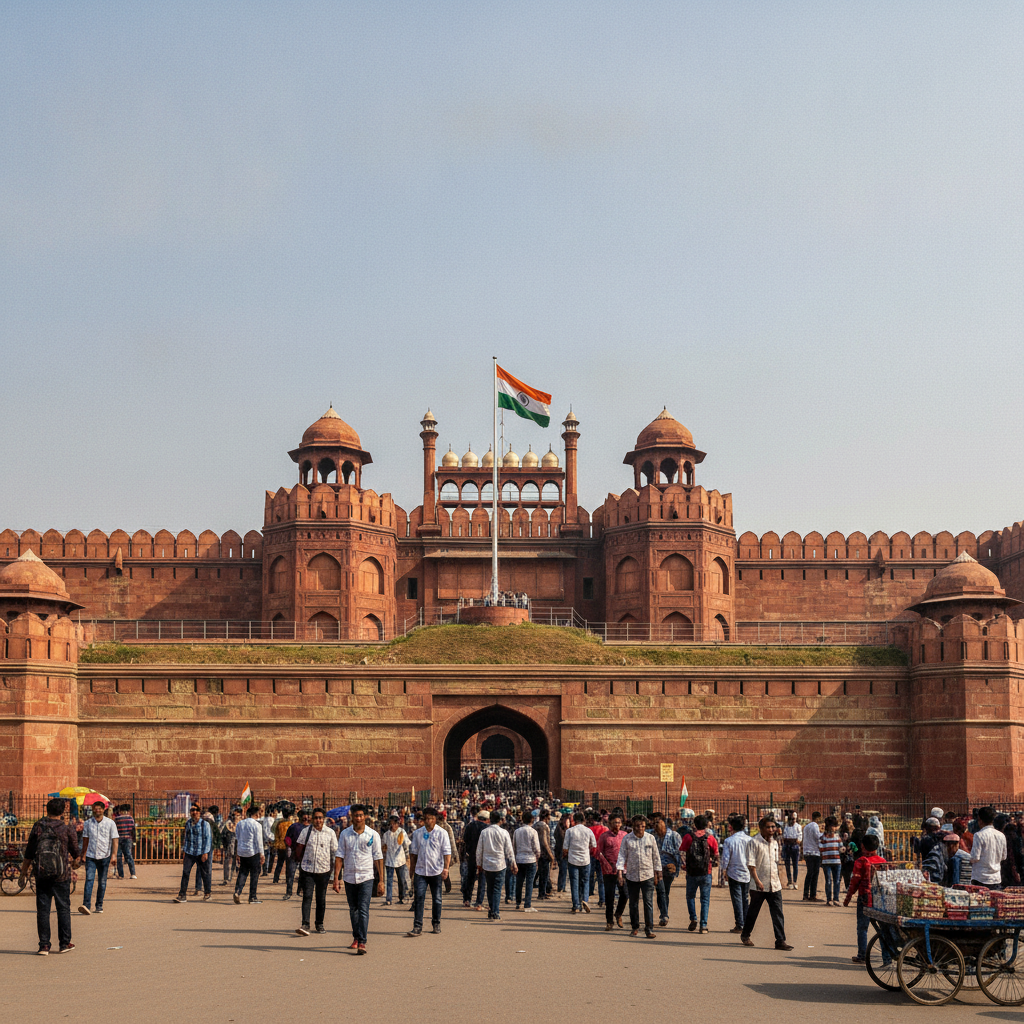
Rotes Fort, Chandni Chowk & Old Delhi — Das imperiale Mogulherz
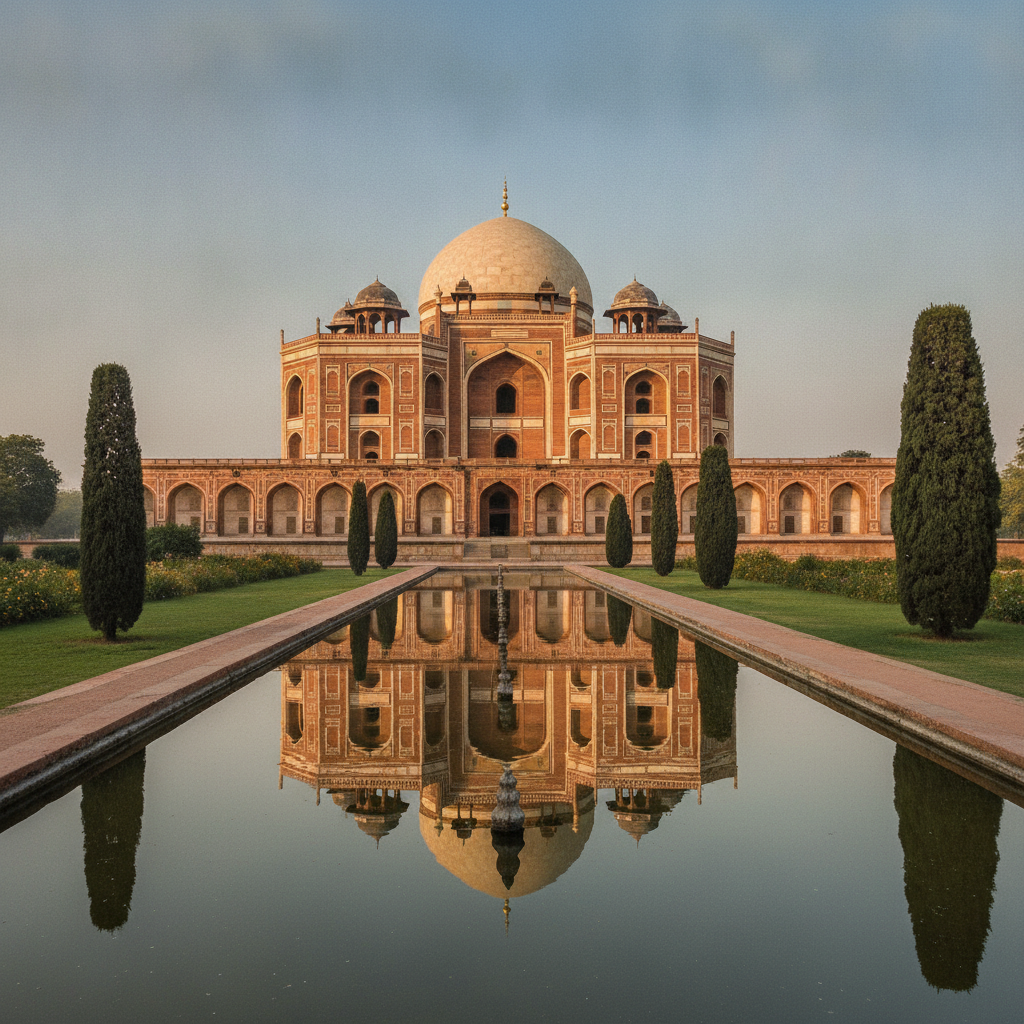
Humayuns Grab, Qutb Minar & Lodhi-Garten — Delhis mittelalterliches Erbe
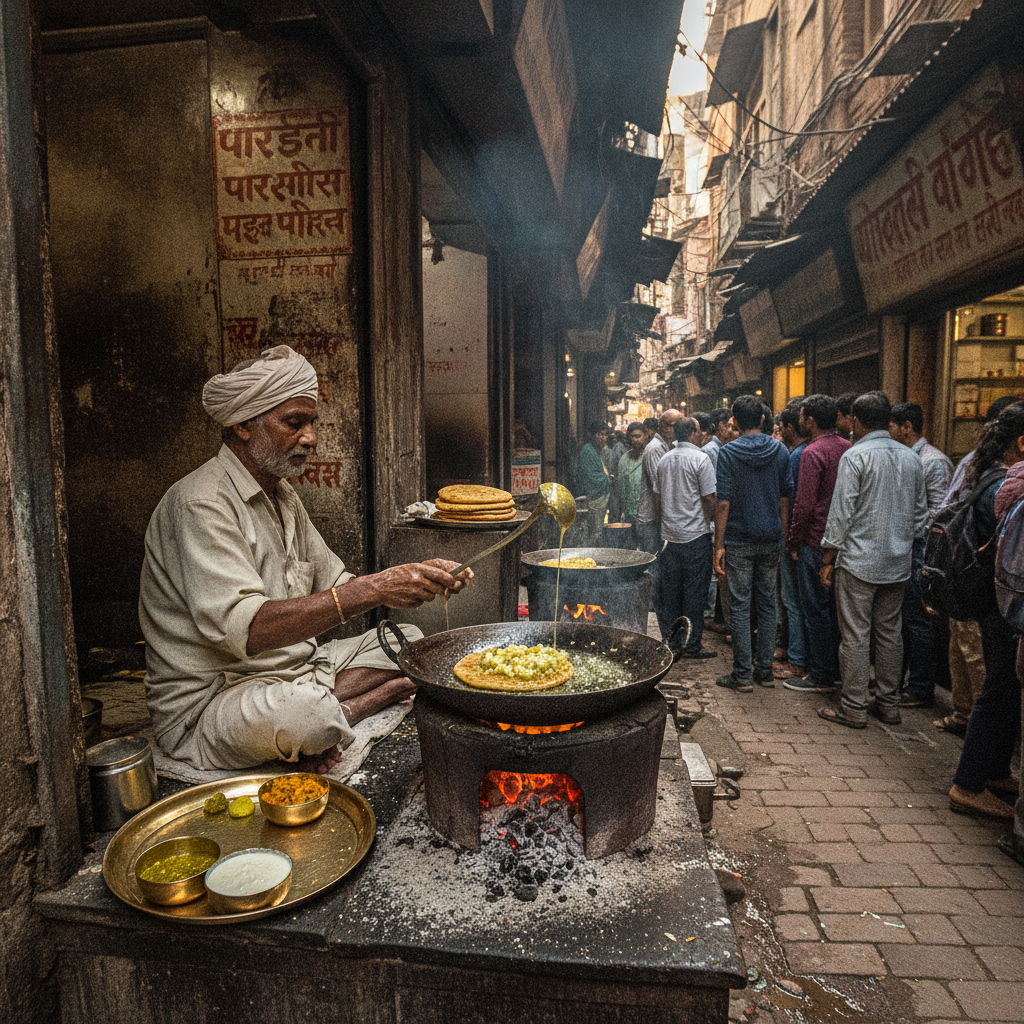
Delhi Street Food — Paranthas, Chhole Bhature & Altes Delhi kulinarisches Erbe