Phoenix Park & Howth Head — Dublins natürliche Ausflugsziele
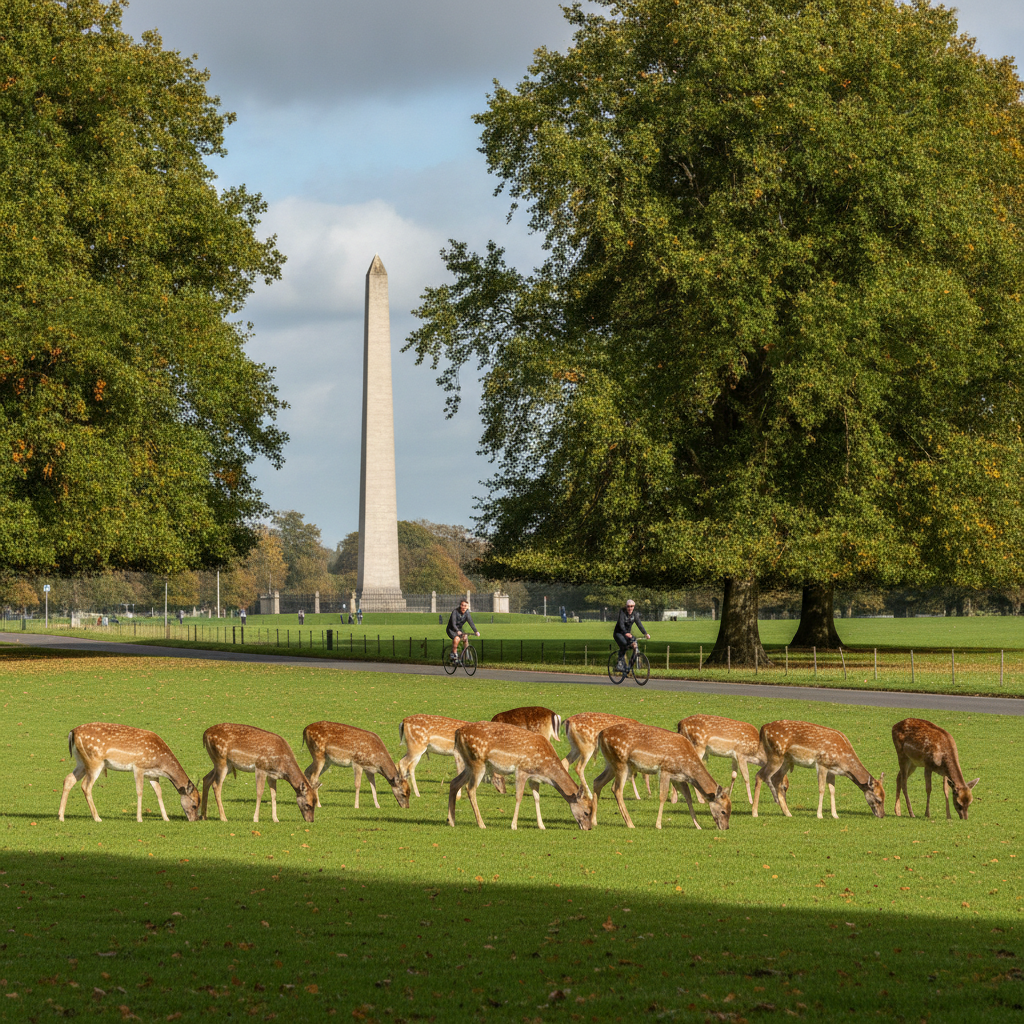
Dublins Naturräume: Phoenix Park (der 707 Hektar große öffentliche Park am Nordufer des Liffey, der größte Stadtpark in einer europäischen Hauptstadt (größer als Hyde Park, Regent's Park und der Bois de Boulogne zusammen), der eine Herde von etwa 600 frei lebenden Damhirschen (in den 1660er Jahren vom Herzog von Ormond gegründet), Áras an Uachtaráin (die Residenz des irischen Präsidenten), die Residenz des US-Botschafters, den Dublin Zoo und das Wellington Monument beherbergt) und Howth Head (die felsige Halbinsel und das Fischerdorf 13 km nördlich des Dubliner Stadtzentrums, erreichbar mit der DART-Vorortbahn).
- 1
Phoenix Park — 707 Hektar, größer als der Central Park
Der Phoenix Park (707 Hektar, 8 km vom Dubliner Stadtzentrum entfernt, der größte umzäunte Stadtpark der Welt) beherbergt die offizielle Residenz des irischen Präsidenten (Áras an Uachtaráin, kostenlose Führungen samstags), den Dublin Zoo (€22, 700 Tiere) und eine frei lebende Damhirschherde von 600 Tieren, die man von der Hauptstraße aus in der Dämmerung und im Morgengrauen beobachten kann.
- 2
Howth Head — Klippenwanderung über der Irischen See
Howth Head (14 km vom Dubliner Stadtzentrum entfernt, mit der DART in 25 Minuten erreichbar) bietet einen 6 km langen Klippenweg vom Dorf Howth zum Summit und zurück – der Weg führt vorbei an Meeresfelsenformationen, den Ruinen von Howth Castle (privat, 500 Jahre durchgehende Besiedlung) und Ausblicken auf die Insel Ireland's Eye; Seehunde ruhen sich auf Felsen aus, die vom Weg aus sichtbar sind.
- 3
Dún Laoghaire Pier — Viktorianische Granitpromenade
Die beiden Granitpfeiler von Dún Laoghaire (West Pier: 1.5 km, East Pier: 1.8 km, gebaut 1817–1842) sind die meistbegangenen Promenaden in Irland – der Leuchtturm des East Pier ist der Wendepunkt für über 5,000 tägliche Spaziergänger; das Fährterminal schickt Stena Line Fähren nach Holyhead (Wales, 2 Stunden); der viktorianische Musikpavillon veranstaltet Sommerkonzerte.
- 4
Wicklow Way — Von Dublin in die Berge
Der Wicklow Way (127 km, beginnt im Marlay Park, Rathfarnham, 20 Minuten von Dublin mit dem Bus) ist Irlands beliebtester Fernwanderweg – die erste Tagesetappe steigt vom Vorort Dublin durch die Tibradden und Three Rock Mountains nach Knockree; die Route passiert am zweiten Tag den Powerscourt Wasserfall (121 m, Irlands höchster).
- 5
Küstenwanderung Bray nach Greystones — DART-zugänglich
Die Klippenwanderung von Bray nach Greystones (8 km, 2.5 Stunden, vollständig am Klippenrand über der Irischen See) beginnt am DART-Bahnhof Bray und endet am DART-Bahnhof Greystones – die Route überquert die Überreste der ursprünglichen Küstenlinie der Great Southern and Western Railway (Brunels Ingenieurskunst, 1855), wo Felsstürze die Route wiederholt schlossen; eine Ersatzbahnstrecke im Landesinneren wurde in den 1880er Jahren gebaut.
- 6
Dalkey Island — Wikingerfestung 300m vor der Küste
Dalkey Island (300 m vor der Küste vom Colliemore Harbour, Dalkey, 30 Minuten vom Dubliner Stadtzentrum mit der DART) enthält die Ruinen einer Wikingerfestung und eines Oratoriums aus dem 12. Jahrhundert – Wassertaxis verkehren vom Colliemore Harbour (€10 Hin- und Rückfahrt, wetterabhängig); eine kleine Ziegenpopulation (Nachkommen einer Landung aus dem 18. Jahrhundert) streift frei über die Insel; Kegelrobben werfen im Oktober an den südlichen Felsen.
Walk this route with audio
Stories play automatically as you reach each stop — no tapping needed.
Mehr in dublin
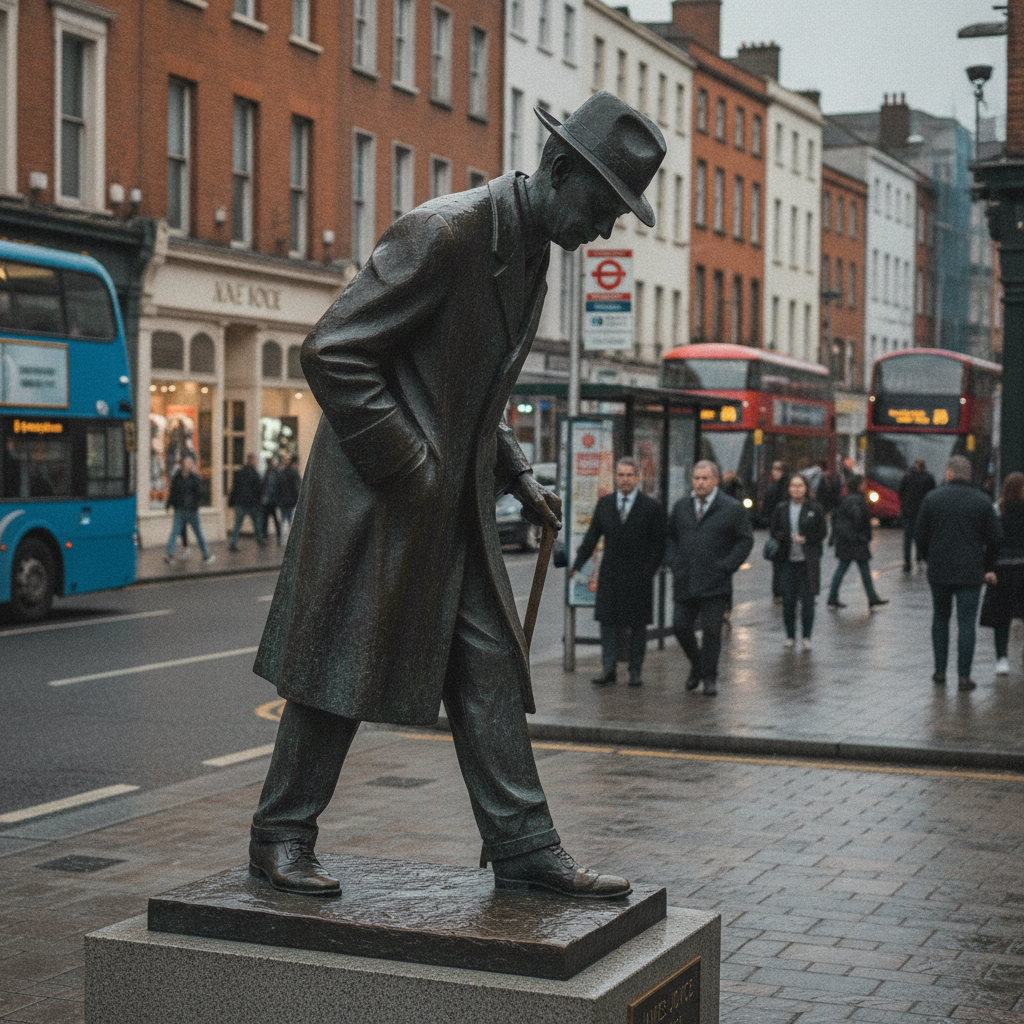
Literarisches Dublin – Joyce, Beckett, Wilde, Yeats & die irische Literaturtradition
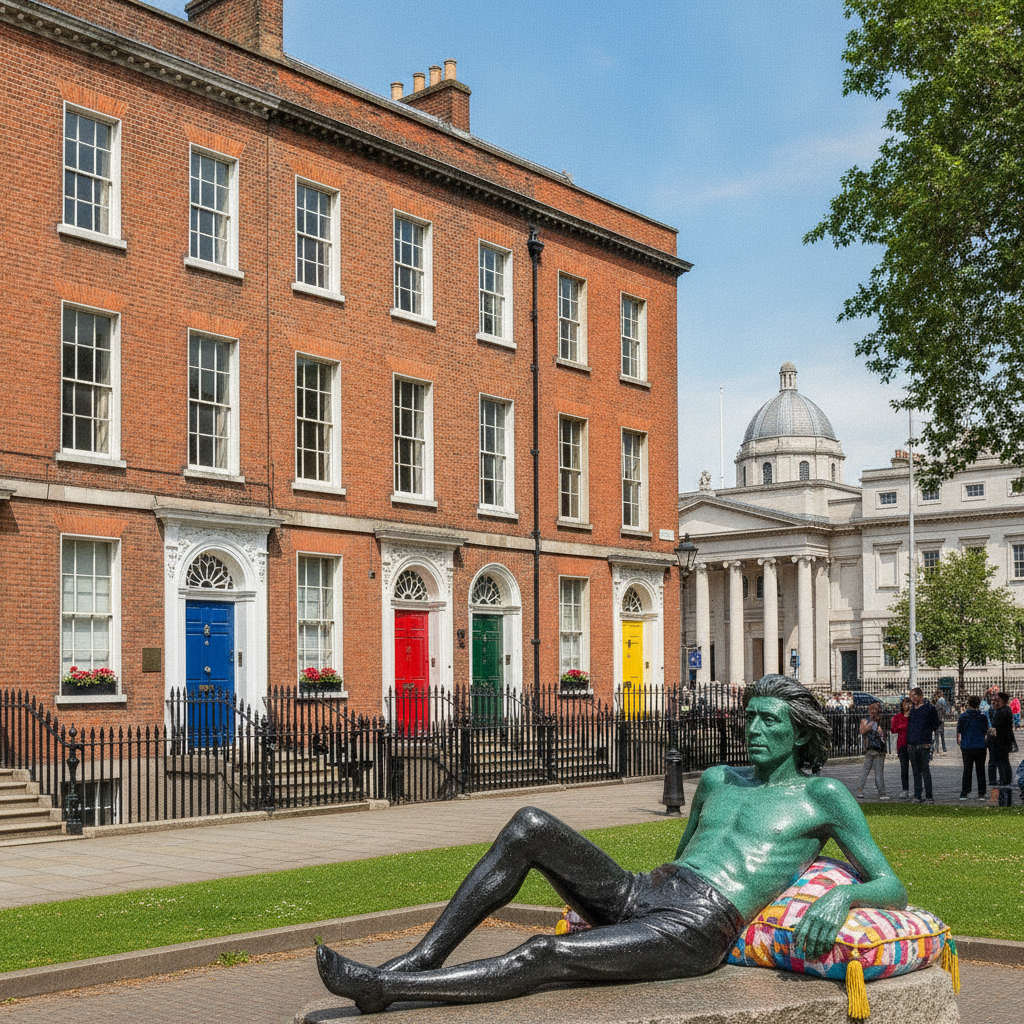
Georgisches Dublin — Merrion Square & die georgische Architektur
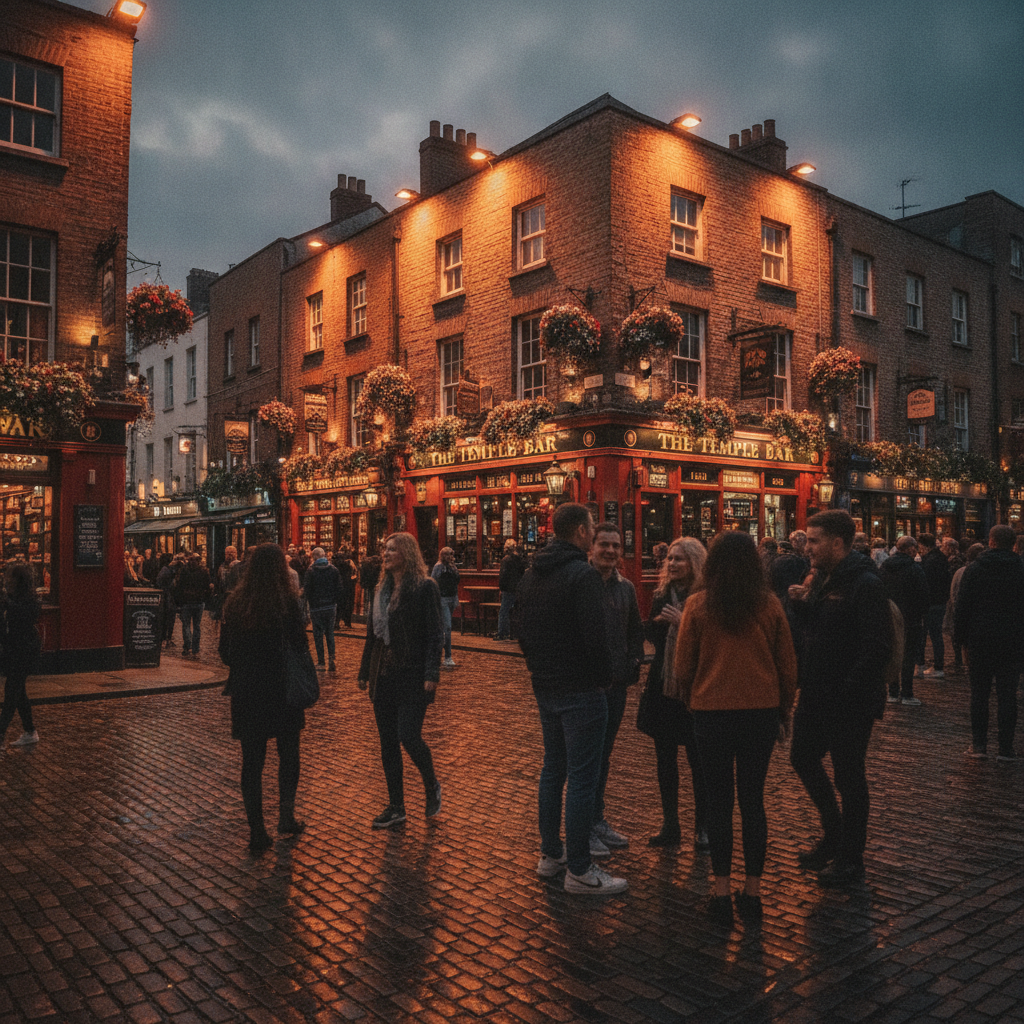
Temple Bar, Trinity College & das Book of Kells – Dublins historische Mitte
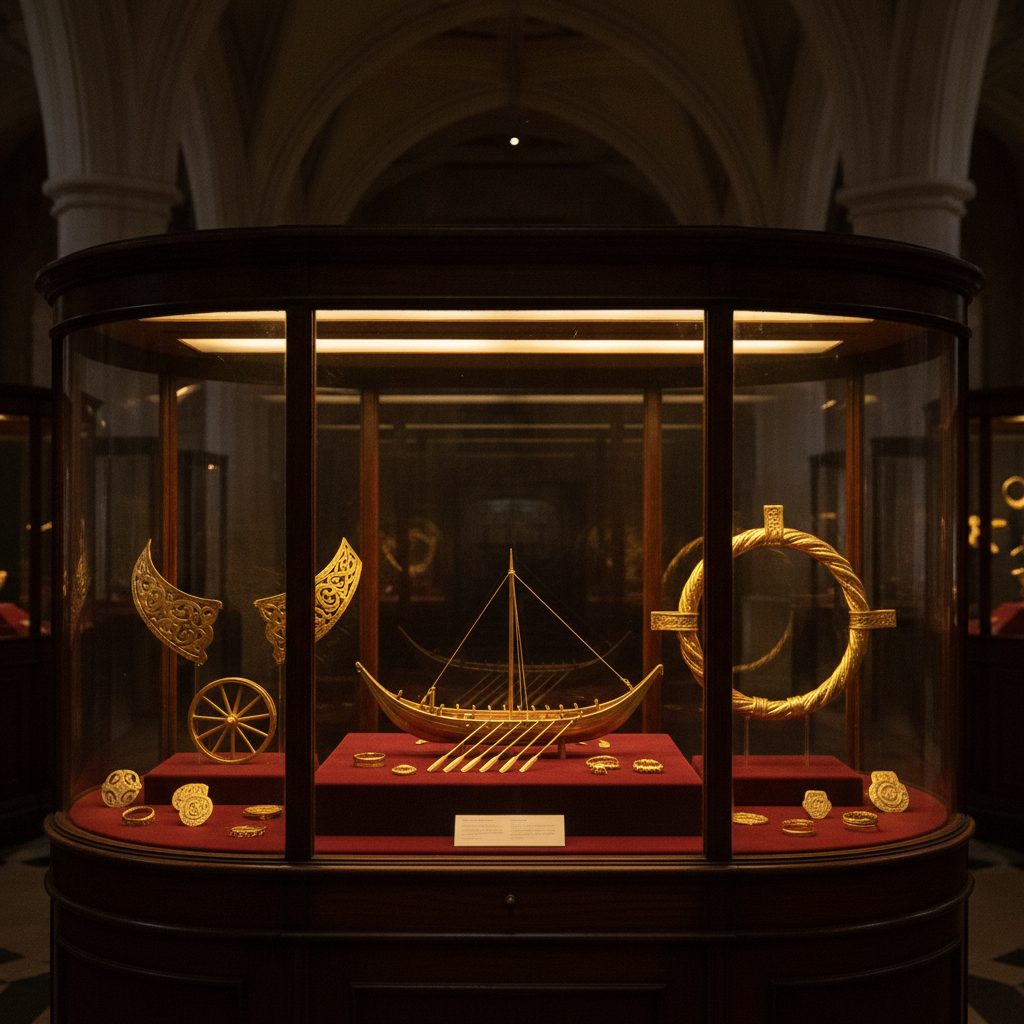
National Museum of Ireland – Moorleichen, keltisches Gold & irische Archäologie
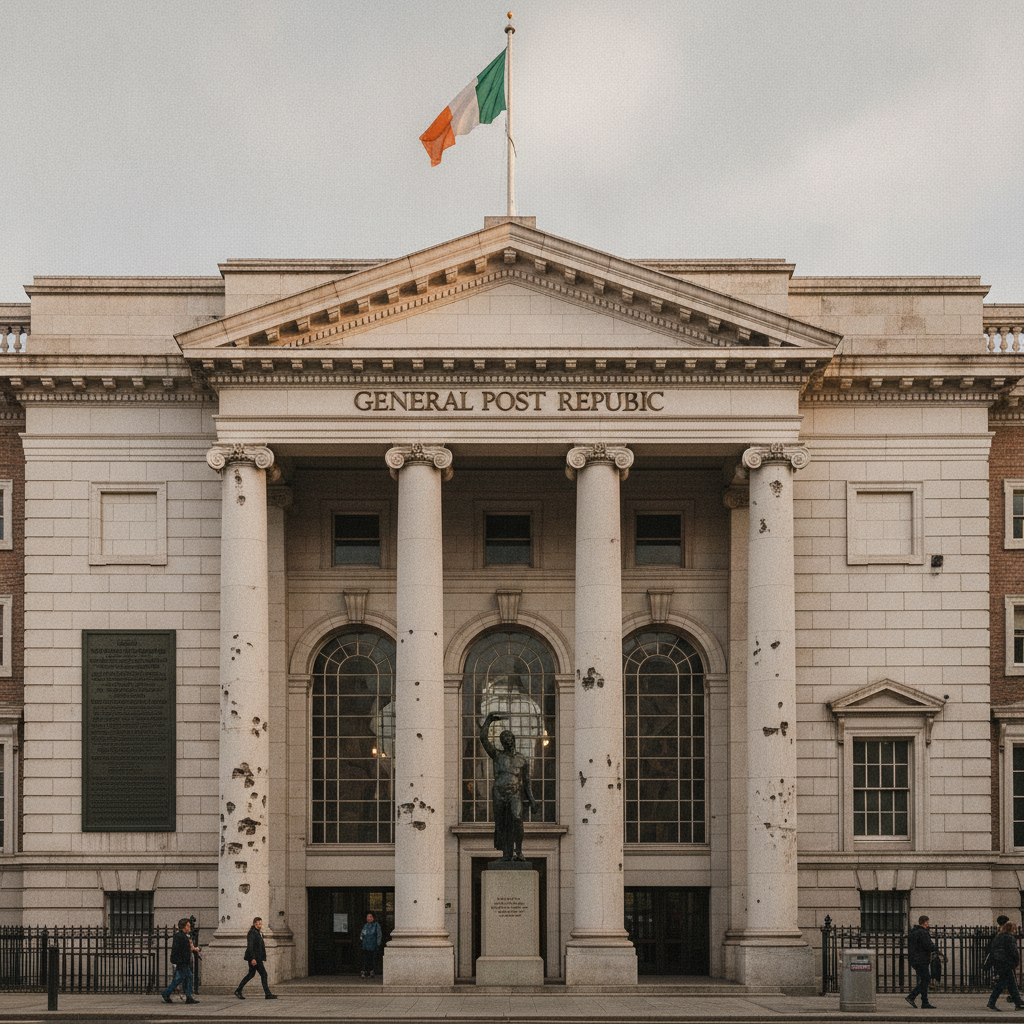
Osteraufstand 1916, das GPO und die irische Unabhängigkeit