Kathedrale von Granada, Königliche Kapelle & das Ende der Reconquista
Die Kathedrale von Granada (Baubeginn 1523 – die erste Renaissance-Kathedrale Spaniens, errichtet an der Stelle der Großen Moschee des Nasriden-Emirats) und die Capilla Real (Königliche Kapelle – erbaut 1505-1521 als Mausoleum der Katholischen Könige Ferdinand und Isabella, den Förderern von Kolumbus) markieren gemeinsam den Moment am 2. Januar 1492, als Granada der christlichen Rückeroberung zum Opfer fiel und Spaniens Geschichte sich für immer änderte.
1. Königliche Kapelle — Ferdinands und Isabellas letzte Ruhestätte
- 1
Königliche Kapelle — Ferdinands und Isabellas letzte Ruhestätte
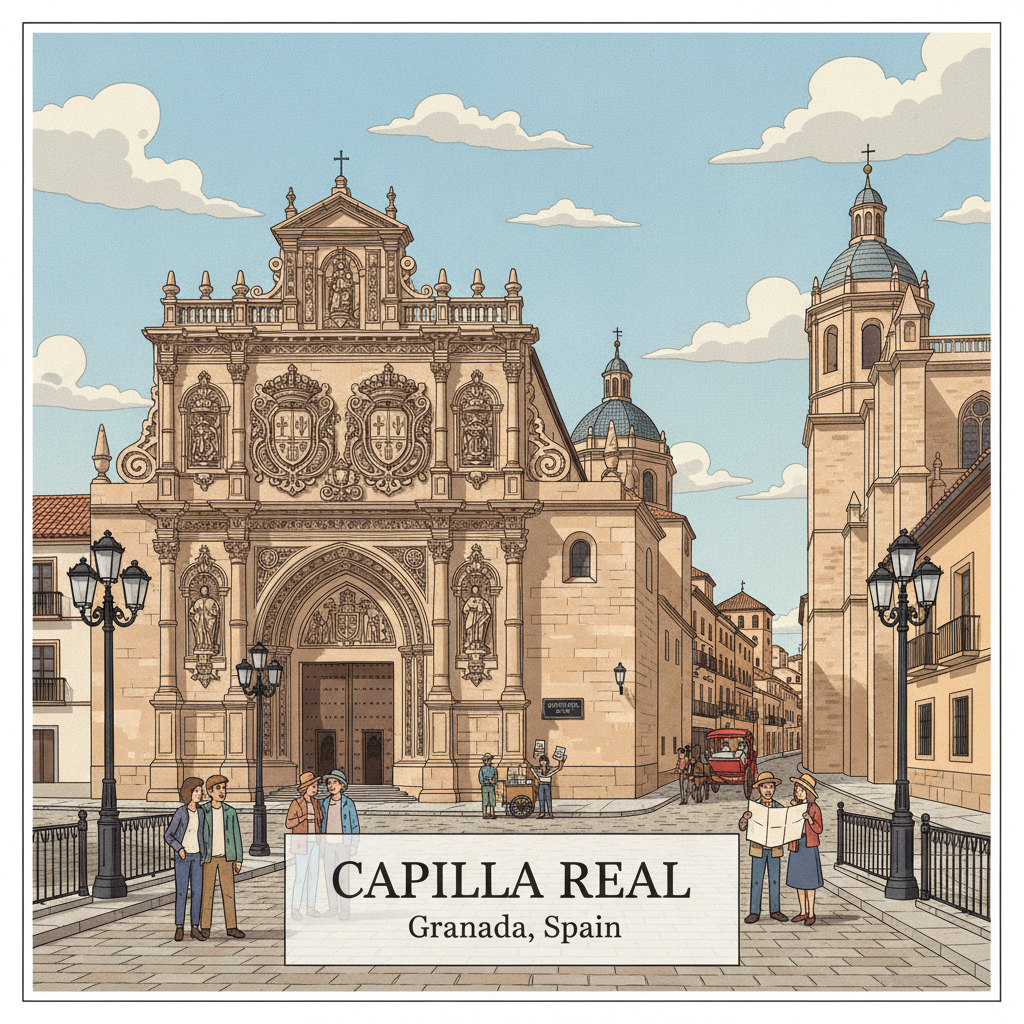
Die Capilla Real (Königliche Kapelle, 1504–1517, angrenzend an die Kathedrale von Granada) ist das private Mausoleum der Katholischen Könige Ferdinand und Isabella – ihre bleiernen Särge (und die ihrer Tochter Juana 'La Loca' und ihres Mannes Philipp 'Des Schönen') liegen direkt unter den Marmorstatuen in der Sakristei; Isabellas persönliche Kunstsammlung (Flämische Primitive, Botticelli) ist im angrenzenden Museum ausgestellt.
- 2
Kathedrale von Granada — Gotik trifft Renaissance
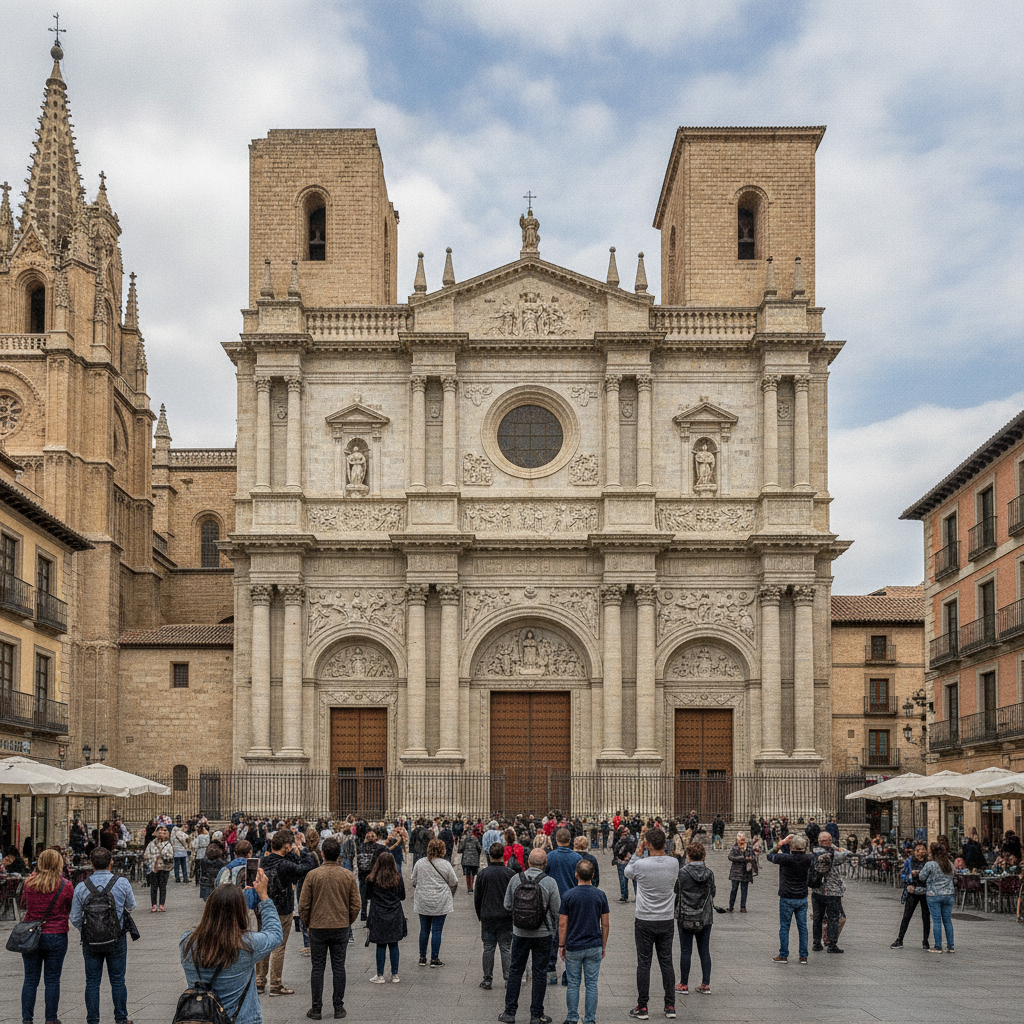
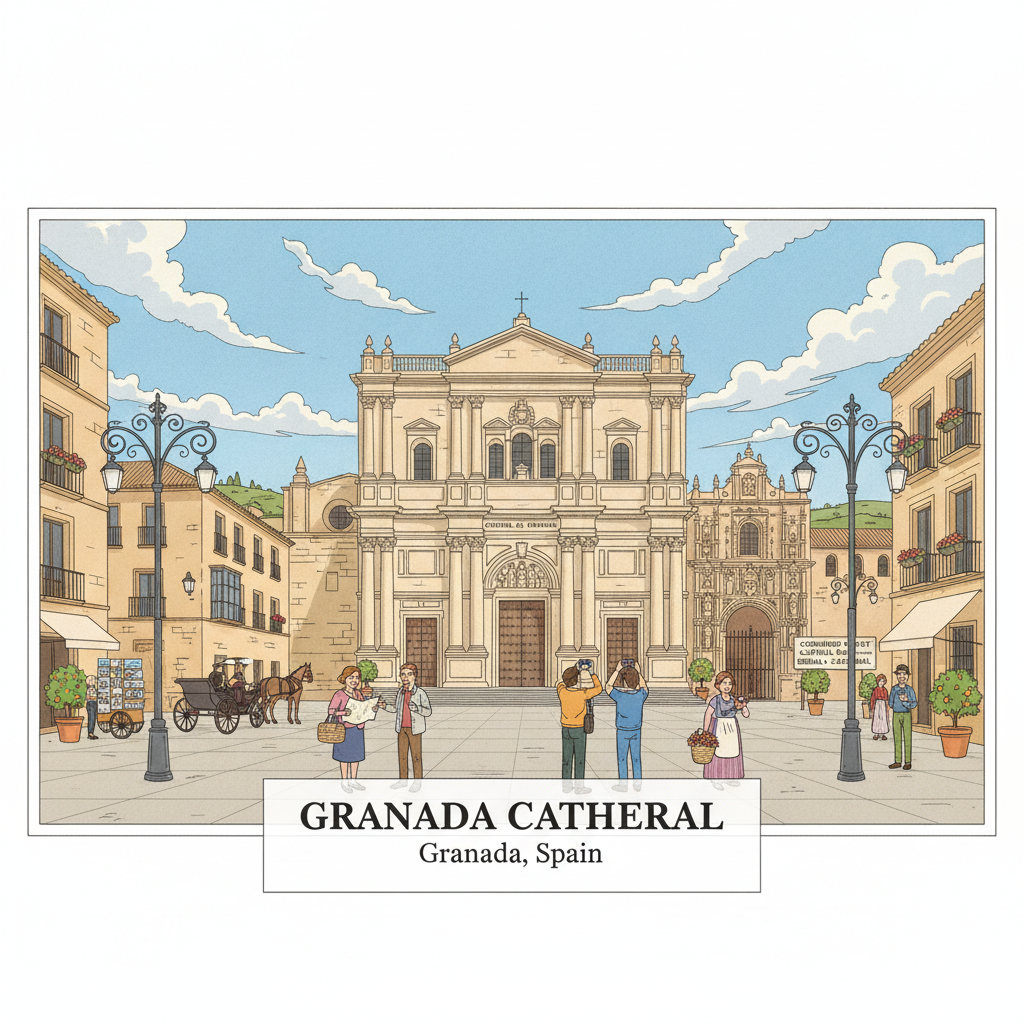
Die Kathedrale von Granada (Baubeginn 1523, Diego de Siloés Renaissance-Rotunde über einer gotischen Struktur, die erste Renaissance-Kathedrale Spaniens) ist an der Stelle der Hauptmoschee Granadas erbaut – der fünfnifige Innenraum wird von 18 Buntglasfenstern beleuchtet; der Eingang zur Königlichen Kapelle erfolgt durch die Südfassade der Kathedrale; das Kombiticket kostet 5 € und beinhaltet den Kreuzgang.
- 3
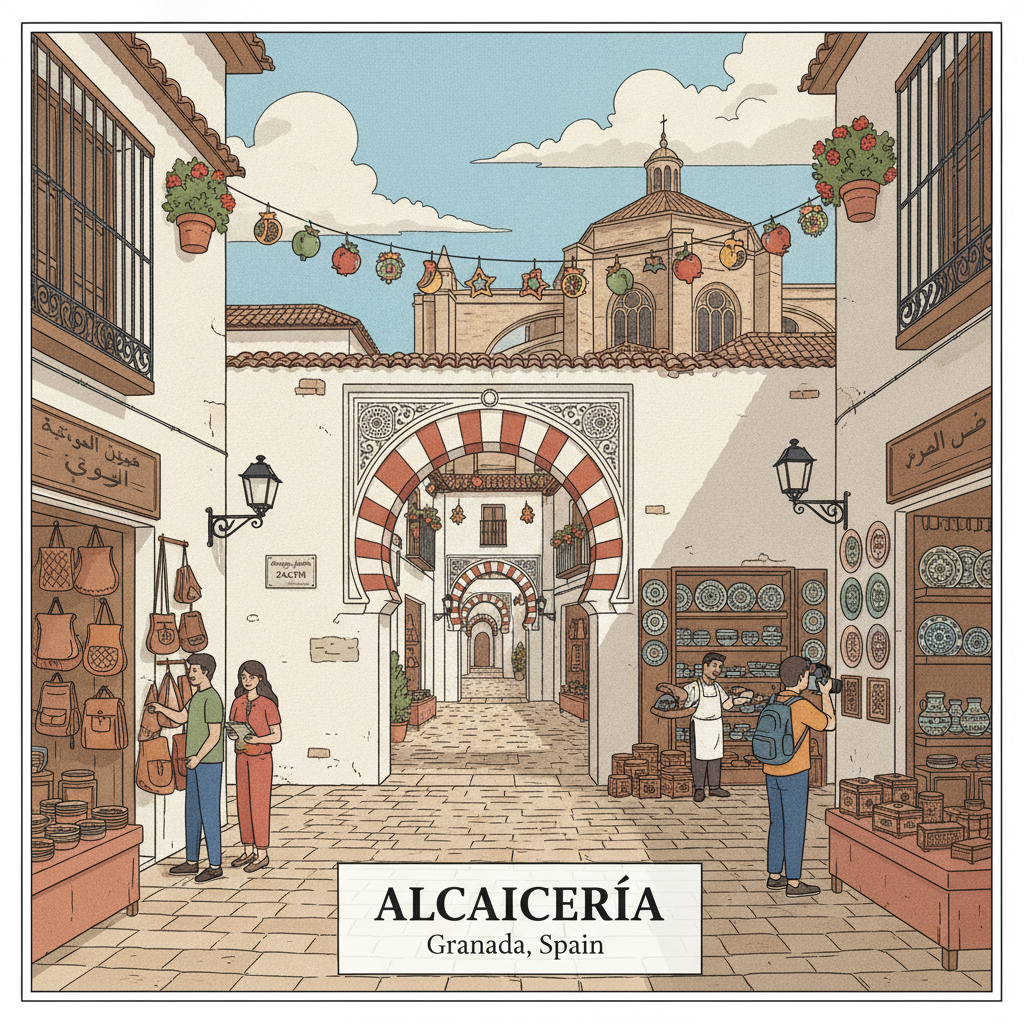
Alcaicería — Seidenmarkt im Alten Nasridenviertel
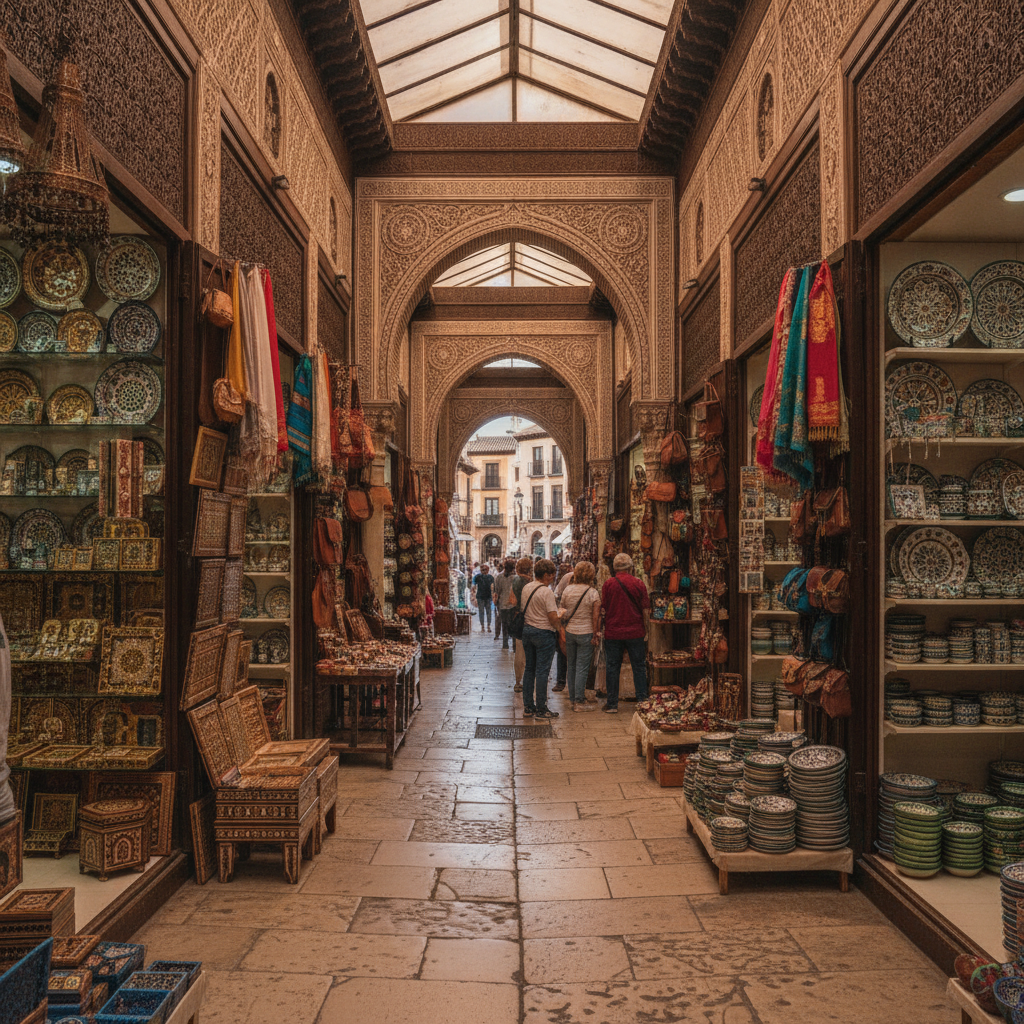
Die Alcaicería (neben der Kathedrale) war der Seidenmarkt der Nasriden-Dynastie, der wertvollste Handelsplatz der mittelalterlichen islamischen Welt – sie wurde 1843 nach einem Brand, der das Original zerstörte, als Pastiche abgebrannt und wieder aufgebaut; die engen Gassen verkaufen heute Keramik, Lederwaren und Taracea (intarsierte Holzschatullen); die umliegende Zacatín-Straße war das jüdische Viertel.
- 4
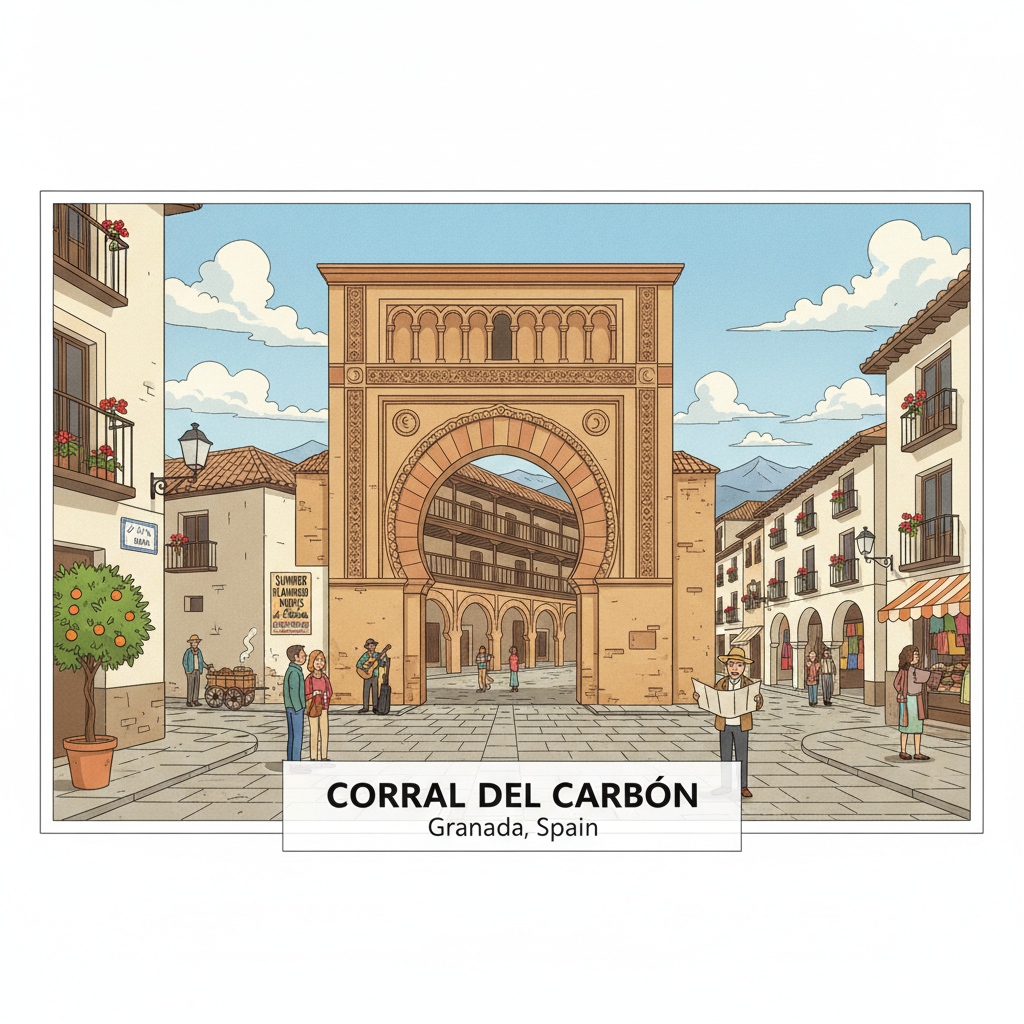
Corral del Carbón — Karawanserei aus dem 14. Jahrhundert, jetzt Konzerthalle
Der Corral del Carbón (Mariana Pineda Straße) ist der am besten erhaltene Nasriden-Karawanserei in Spanien (1336) und das älteste islamische Gebäude in Granada nach der Alhambra – Kaufleute lagerten hier Waren und übernachteten; der dreistöckige Hof (Hufeisenbogen-Eingang, 13m hoch, gestufte Holzgalerien) beherbergt heute im Sommer Flamenco- und klassische Konzerte; freier Eintritt.
- 5
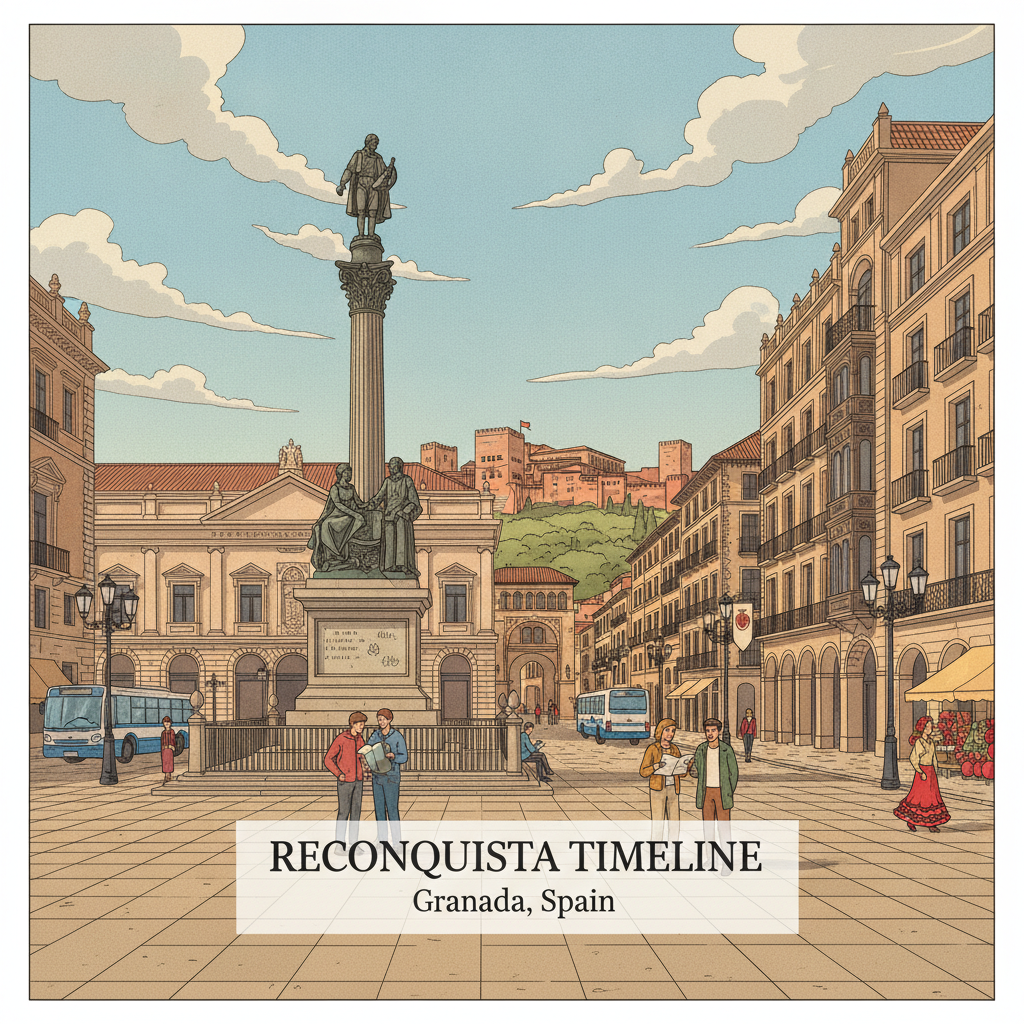
Reconquista Zeitlinie — Vom Islamischen Emirat zum Katholischen Königreich
Das Nasriden-Emirat von Granada (1238–1492) war der letzte islamische Staat auf der Iberischen Halbinsel – Muhammad XII (Boabdil) übergab die Stadtschlüssel am 2. Januar 1492 an Ferdinand und Isabella (der 'Día de la Toma'); das Ereignis wird jährlich in Granada mit historischen Nachstellungen gefeiert; die Übergabe der Alhambra veränderte die europäische Geschichte, indem sie spanische Ressourcen freisetzte, um Kolumbus' Reise 10 Tage später zu finanzieren.
- 6
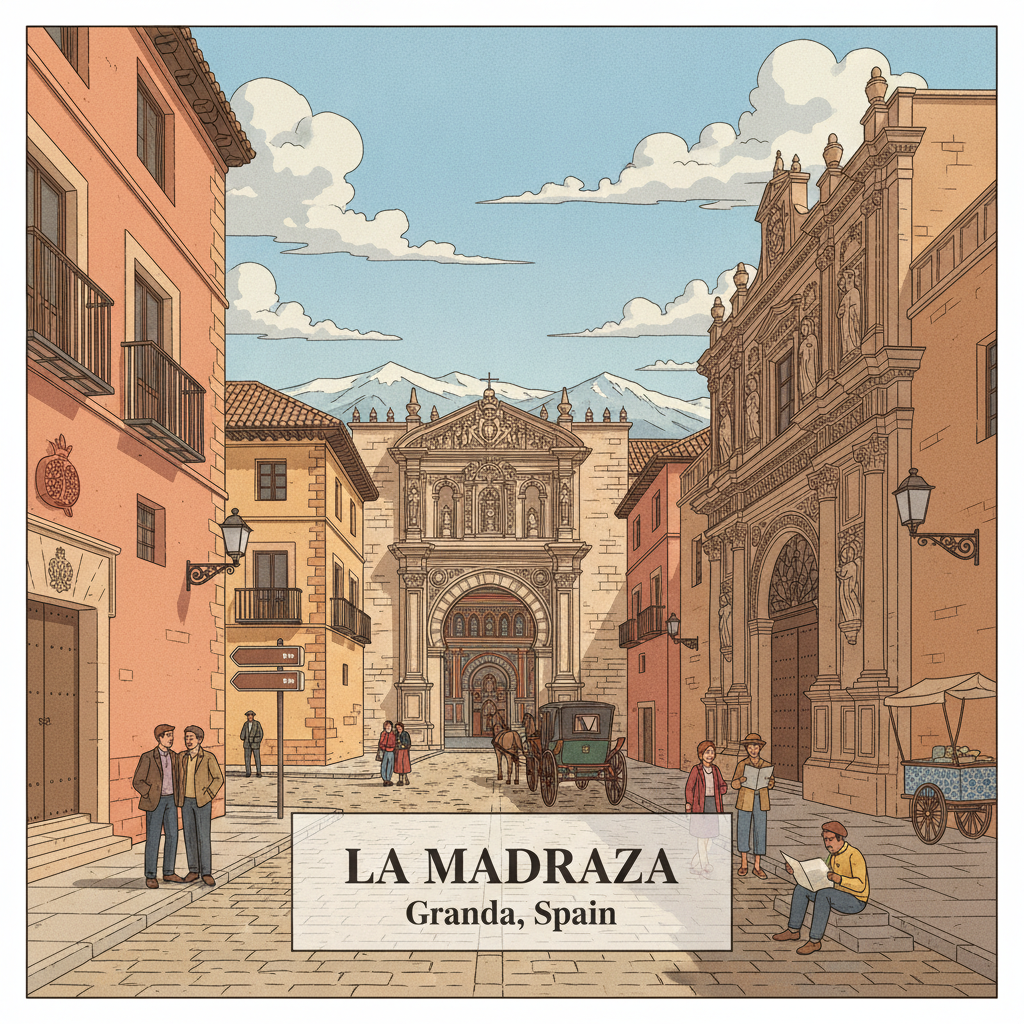
La Madraza — Granadas mittelalterliche islamische Universität
La Madraza (Oficios Straße, gegenüber der Königlichen Kapelle) war eine Nasriden-Universität, die 1349 von Sultan Yusuf I gegründet wurde – eines der letzten erhaltenen mittelalterlichen Madrasa-Gebäude in Europa; die Stuckverzierung des Gebetssaals ist mit der der Alhambra vergleichbar; nach 1492 diente das Gebäude als Granadas Rathaus; Restaurierungen seit 2005 haben originale polychrome Putzverzierungen entdeckt, die unter Weißkalk verborgen waren.
Walk this route with audio
Stories play automatically as you reach each stop — no tapping needed.
Mehr in granada
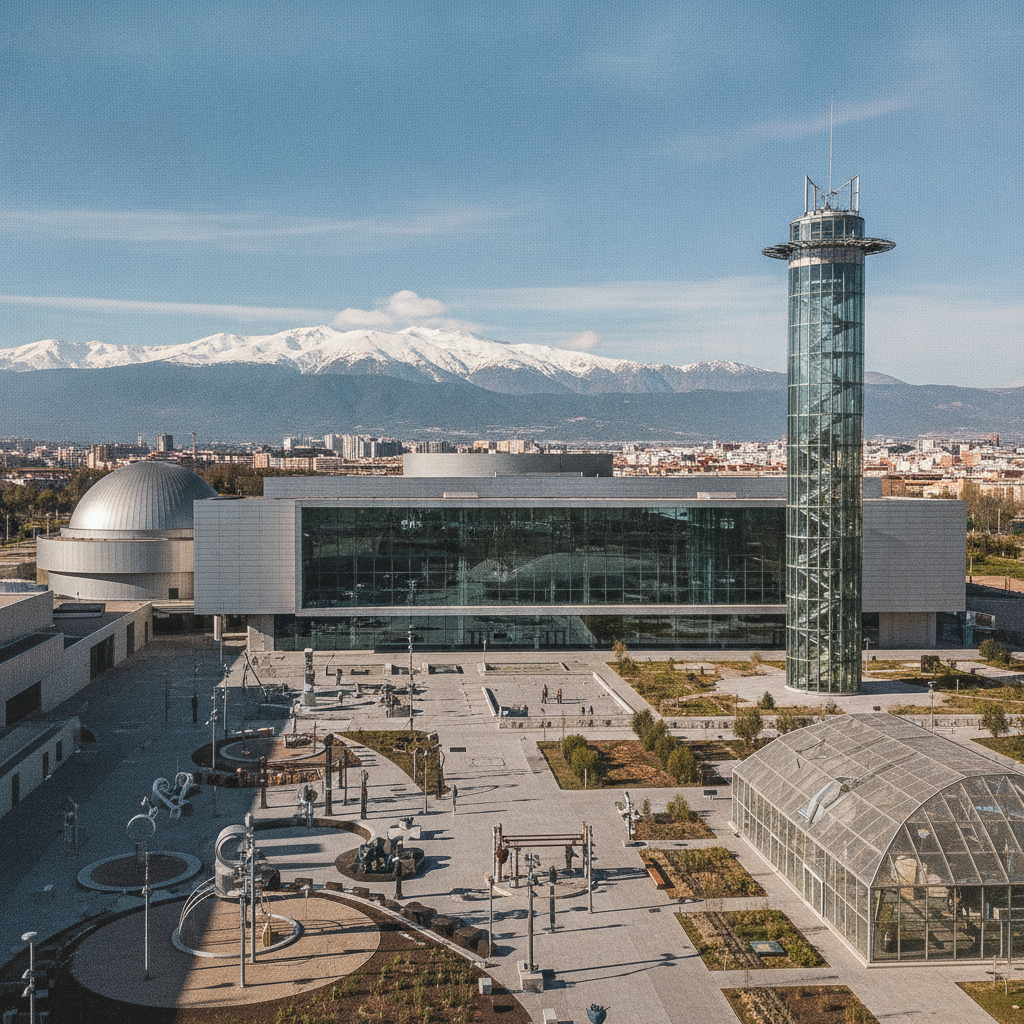
Parque de las Ciencias, Universität Granada & Moderne Stadt
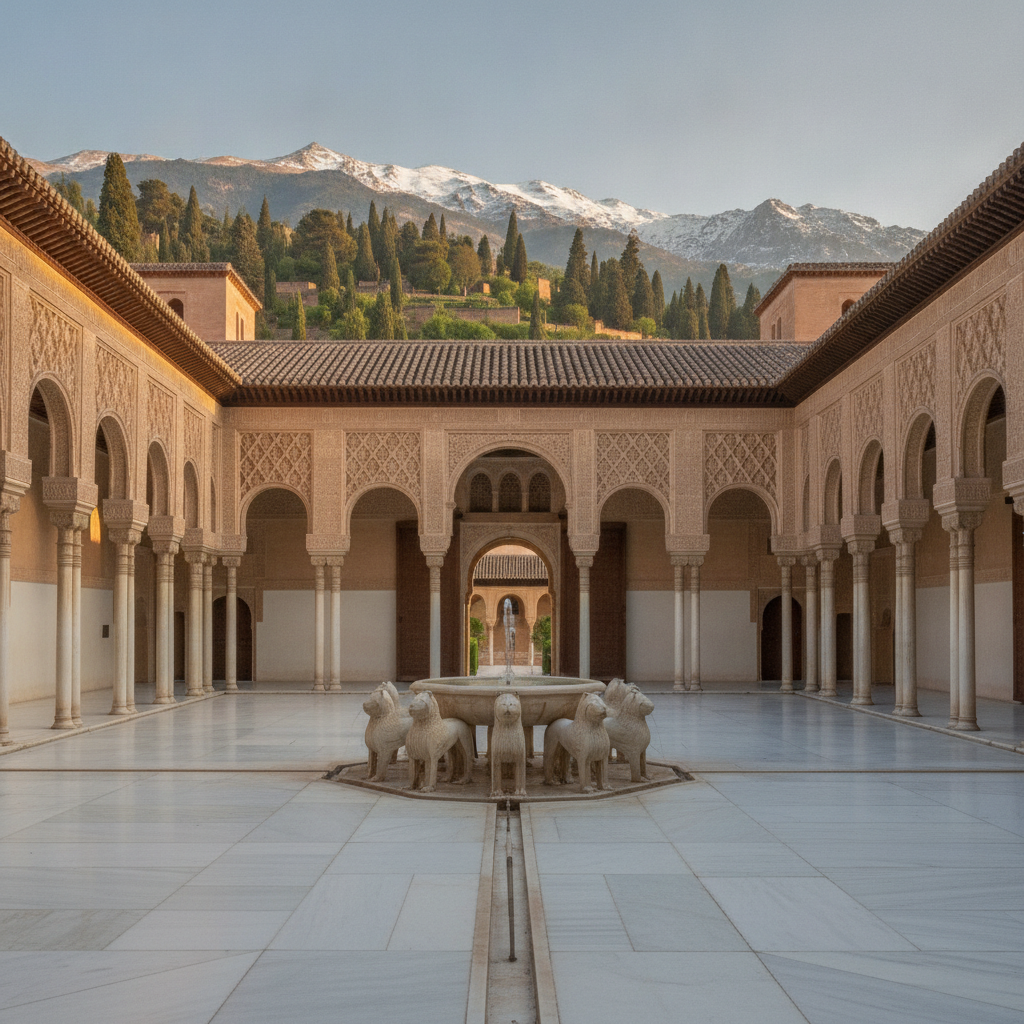
Die Alhambra, Nasridenpaläste & die Generalife-Gärten
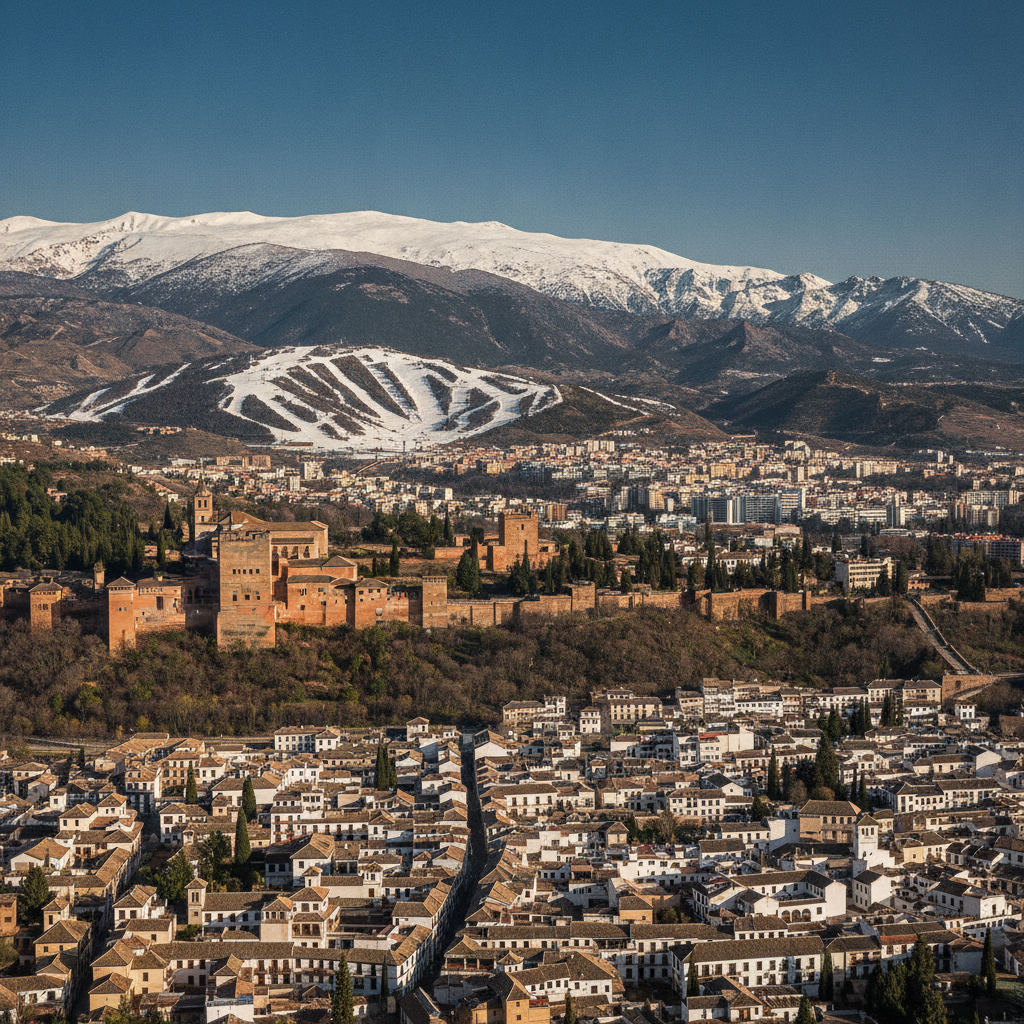
Sierra Nevada, Skigebiet & Granadas Bergwildnis
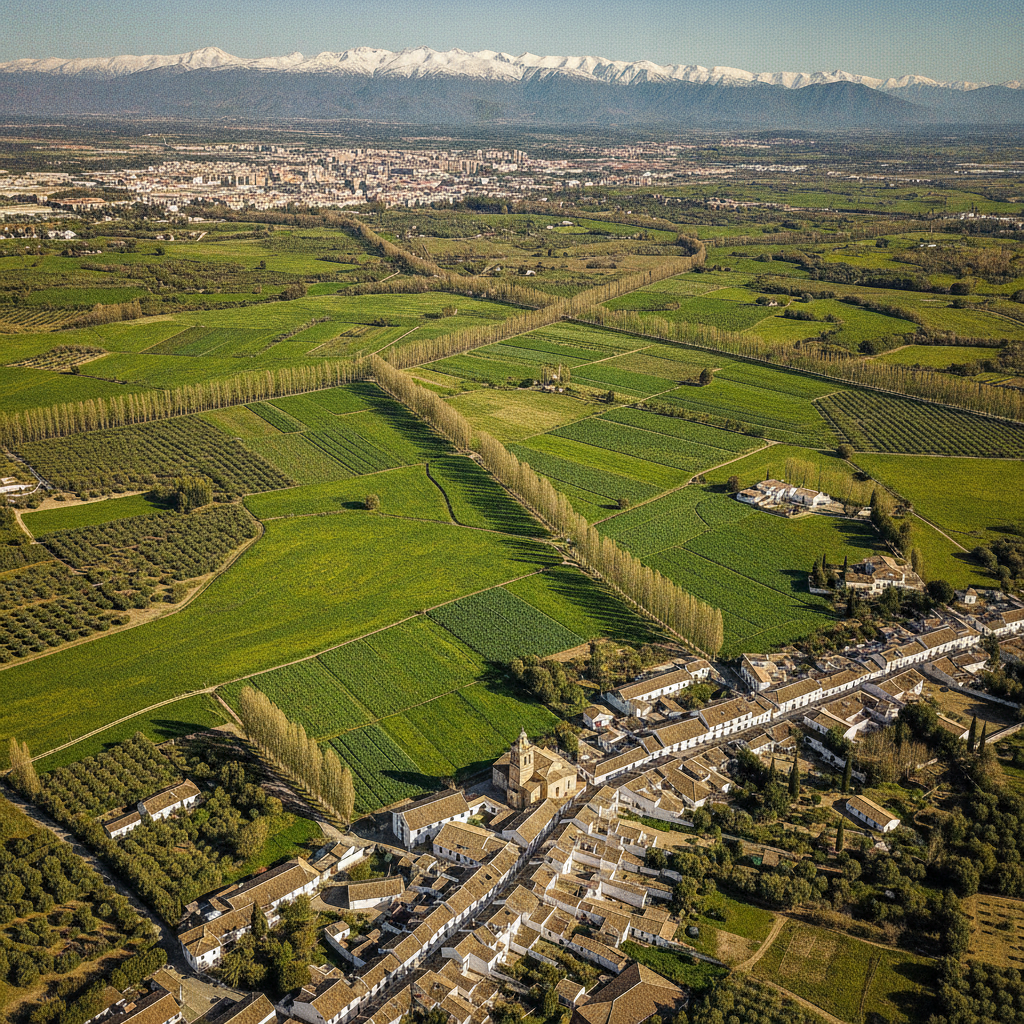
Lorca's Granada, Fuente Vaqueros & die Vega-Landschaft
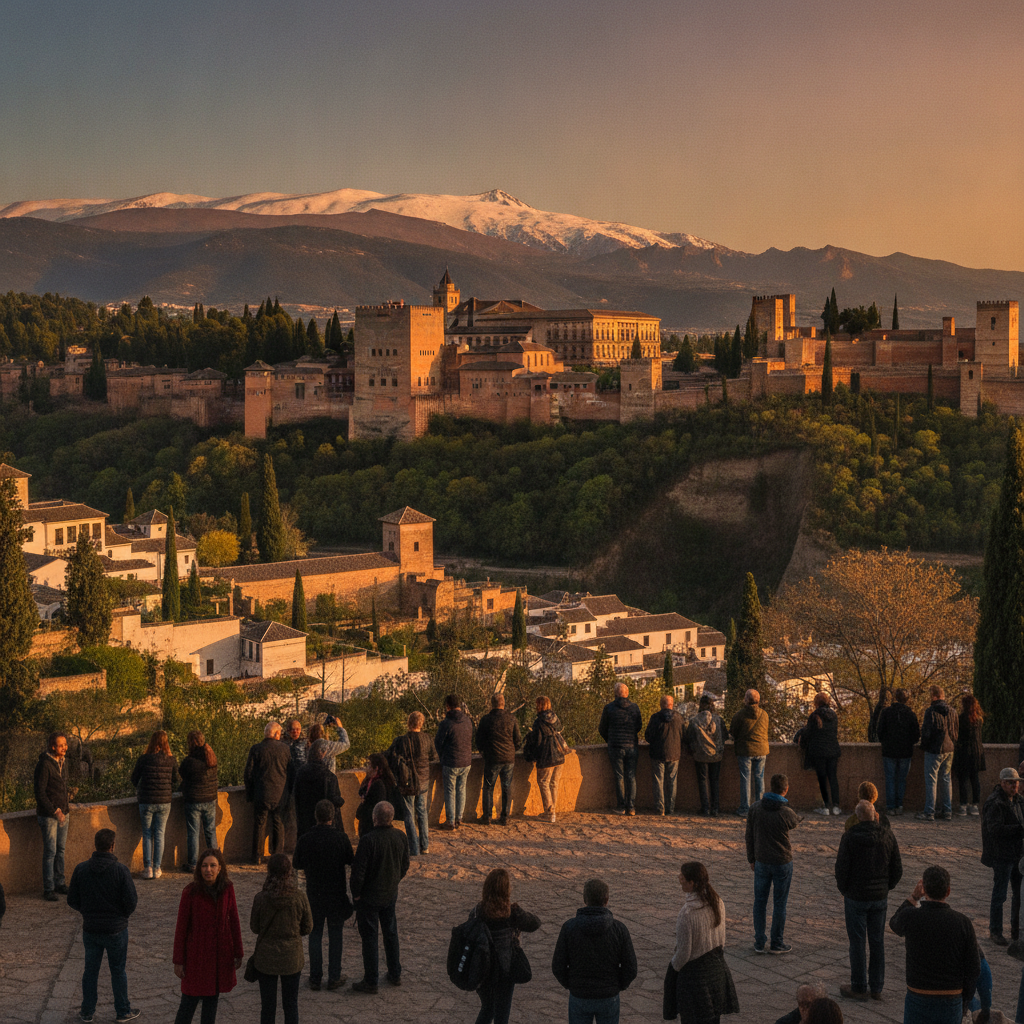
Albaicín, Sacromonte & Granadas maurisches Viertel