Long Bien Brücke, Roter Fluss & die Schichten der Geschichte Hanois
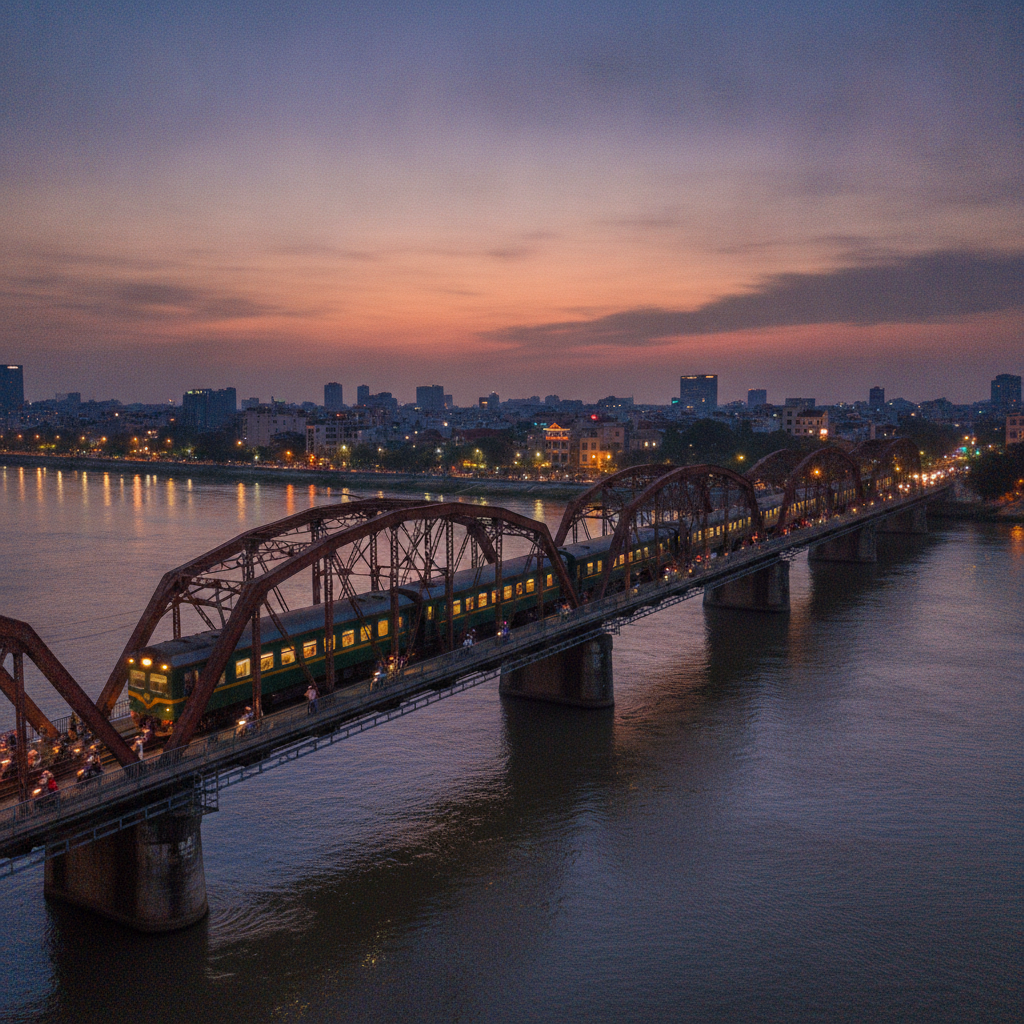
Long Bien Brücke (Cầu Long Biên – die historische Ausleger-Eisenbahn- und Straßenbrücke über den Roten Fluss (Sông Hồng) in Hanoi, die den Hoan Kiem Distrikt mit dem Long Bien Distrikt verbindet – die historisch bedeutsamste Brücke in Vietnam): 1899-1902 von der französischen Kolonialverwaltung gebaut (entworfen von der Firma Daydé & Pillé und häufig (aber fälschlicherweise) Gustave Eiffel zugeschrieben), war die Long Bien Brücke zum Zeitpunkt ihrer Fertigstellung die längste Brücke in Indochina und das wichtigste Infrastrukturprojekt der französischen Kolonialzeit in Vietnam.
- 1
Long Biên Brücke – Eiffels Eisenbrücke, 14 Mal bombardiert und wieder aufgebaut
Die Long Biên Brücke (1902, ursprünglich von Gustave Eiffels Firma entworfen, 1.682m lang, 9km zu Fuß von der Altstadt entfernt) wurde während des Vietnamkriegs 14 Mal von US-Streitkräften bombardiert und nach jedem Angriff wieder aufgebaut – die unpassenden Reparaturabschnitte sind in der unregelmäßigen Silhouette der Brücke sichtbar; Fußgänger und Motorräder überqueren sie immer noch auf den schmalen äußeren Spuren; die Brücke ist der beste Ort, um die Überschwemmungen des Roten Flusses zu beobachten.
- 2
Roter Fluss Hochwasserkultur – Leben mit 4.000 Jahren Überschwemmung
Der Rote Fluss (Sông Hồng) hat Hanoi jährlich seit 4.000 Jahren überflutet – das alte Deichsystem (der Đê Sông Hồng, 1.300km Erddämme, die sich von den Bergen bis zum Meer erstrecken) schützt die Stadt; die Flussdörfer zwischen dem Deich und dem Fluss (Phúc Tân, Phúc Xá) liegen legal in der Überschwemmungszone und werden nach jeder größeren Überschwemmung wieder aufgebaut; die in der Trockenzeit sichtbaren Kiesstrände liegen im August 3m unter Wasser.
- 3
Tây Hồ (Westsee) – Hanois größter See
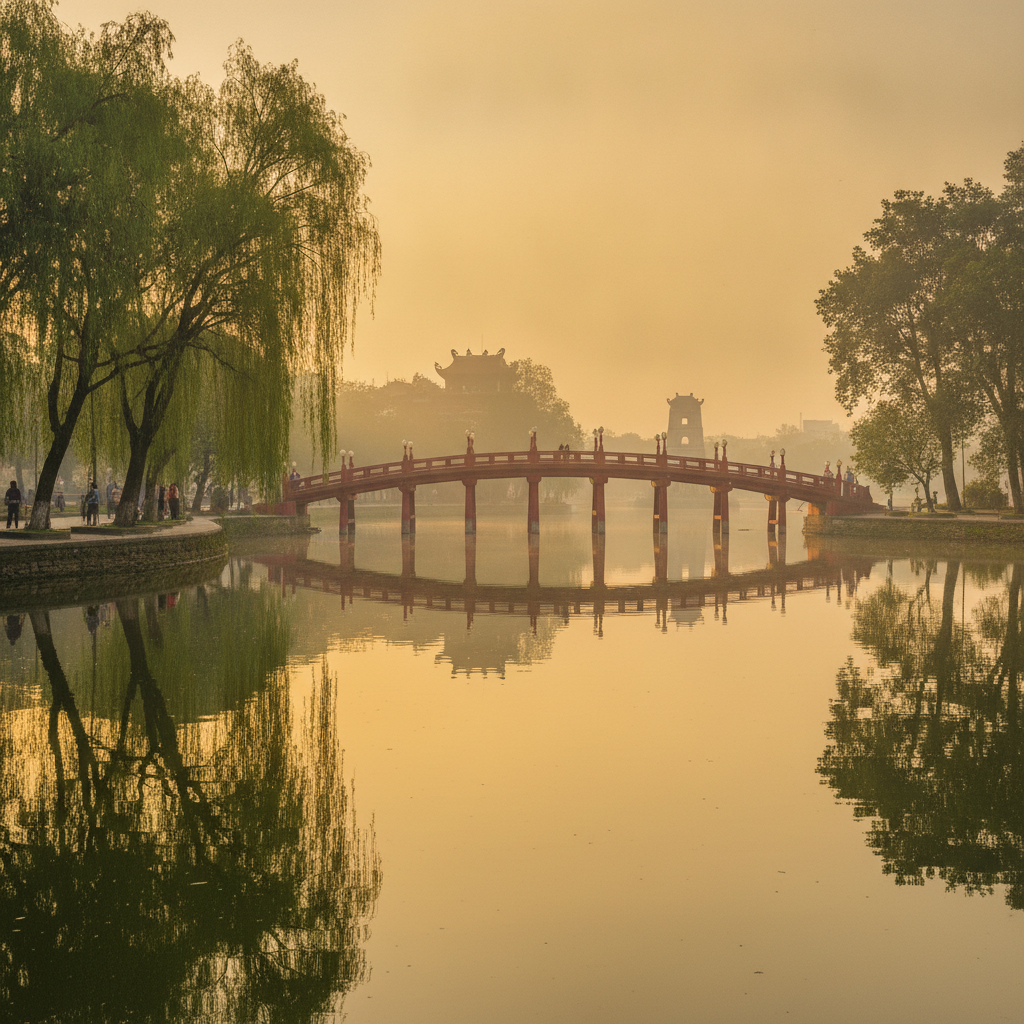
Tây Hồ (Westsee, 500 Hektar, 13km Umfang) ist Hanois größter See und das prestigeträchtigste Wohnviertel – die Trấn Quốc Pagode (6. Jahrhundert, auf einer kleinen Insel mit dem Ufer verbunden, die älteste buddhistische Pagode in Hanoi) ist umgeben von modernen Expat-Cafés, japanischen Restaurants und koreanischen Grillrestaurants; die morgendliche Tai-Chi-Gemeinschaft trainiert am Westufer um 5:30 Uhr.
- 4
Ngũ Xã Dorf – Bronzeguss am Westsee
Ngũ Xã (Fünf Zünfte, eine ehemalige Insel im Westsee) ist Hanois traditionelle Bronzegussgemeinschaft – der 3m hohe Bronze-Amitabha-Buddha (1952), der von den Handwerkern des Dorfes gegossen wurde, ist die größte hohle Bronzestatue Südostasiens; einzelne Handwerker gießen immer noch Tempelglocken, Räuchergefäße und Bronzefiguren in den verbleibenden Werkstätten; die meisten Tempelglocken Vietnams wurden hier hergestellt.
- 5
Hỏa Lò Gefängnis – 'Hanoi Hilton', französisches Kolonialgefängnis
Das Hỏa Lò Gefängnis (Hỏa Lò Straße, 1896, französische Kolonialzeit) hielt vietnamesische Unabhängigkeitsaktivisten während der Kolonialzeit fest (Zellen mit Fußfesseln, Einzelhaft, Guillotine noch vor Ort) und später amerikanische Kriegsgefangene, darunter John McCain, von 1967–1973 – das von Vietnam kuratierte Museum präsentiert beide Perioden; der Nordflügel ist erhalten (der Südflügel wurde 1993 abgerissen, um das Hanoi Towers Hotel zu bauen).
- 6
Hanois 36 Straßen Nachtmarkt – Freitag & Wochenende Fußgängerzone
Die Fußgängerzone der Altstadt (Hàng Đào, Hàng Ngang und umliegende Straßen) fungiert freitags bis sonntags von 18:00 bis Mitternacht als Nachtmarkt – Straßenhändler verkaufen đồng xu (münzgroße Straßenpfannkuchen), chè (vietnamesische süße Suppen), bánh mì und Kunsthandwerk; Cyclos (dreirädrige Fahrradrikschas) fahren Touristen auf Rundfahrten; der Markt ist kostenlos zugänglich und die direkteste Erfahrung von Hanois Straßenhandelskultur.
Walk this route with audio
Stories play automatically as you reach each stop — no tapping needed.
Mehr in hanoi
Van Phuc Seide, Bat Trang Keramik & Hanois alte Handwerksdörfer
Zeitgenössisches Hanoi — Kunstgalerien, Street Art & die Neue Vietnamesische Hauptstadt
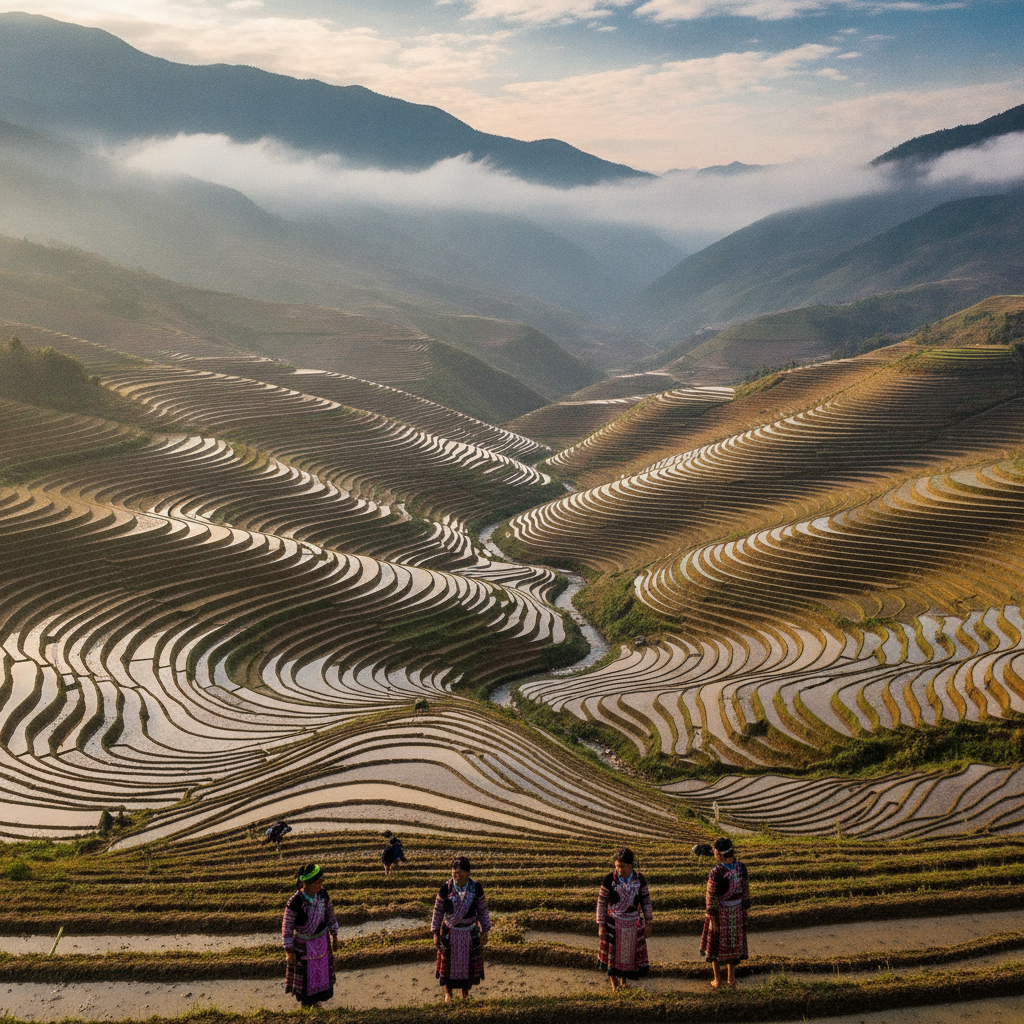
Sapa, Fansipan & das Nördliche Hochland – Vietnams Dach der Welt
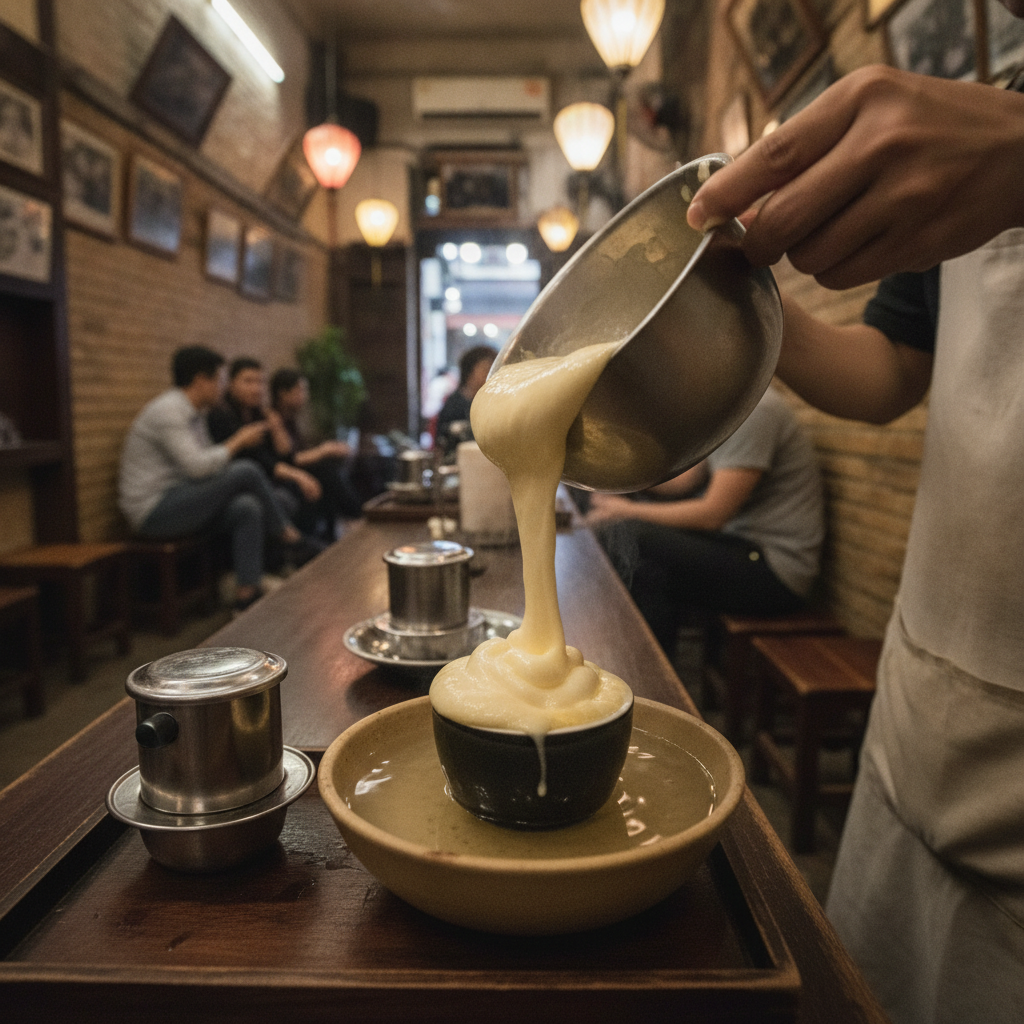
Hanoi Street Food — Phở, Bún Chả, Bánh Mì & Eierkaffee
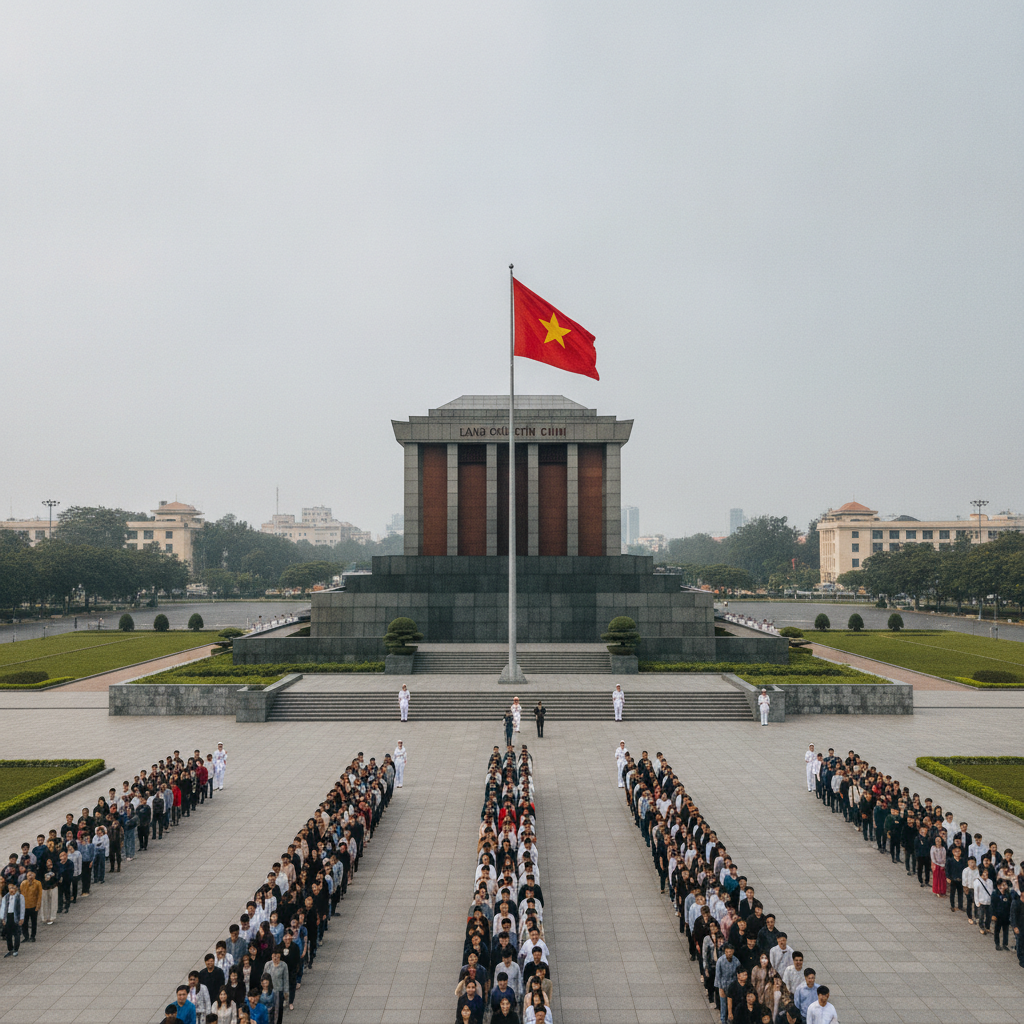
Ho Chi Minh Mausoleum, Ba Dinh & der Literaturtempel