Cholon — Saigons Chinatown & die chinesische Gemeinschaft von Distrikt 5
Cholon (Chợ Lớn — 'Großer Markt', die Chinatown von Ho-Chi-Minh-Stadt in Distrikt 5 und Distrikt 6 — die größte Chinatown Südostasiens und das kommerzielle Herz der vietnamesisch-chinesischen (Người Hoa) Kultur in Vietnam): Cholon war historisch der Handelsmotor Saigons und bleibt die wirtschaftlich wichtigste chinesische Gemeinschaft in Vietnam, mit einer Bevölkerung von etwa 500.000 ethnischen chinesischen (Hoa) Einwohnern.
- 1
Chợ Lớn — Saigons 'Großer Markt' Chinesisches Viertel
Chợ Lớn ('Großer Markt', Distrikte 5, 6 und 11) ist die größte Chinatown Südostasiens — im 18. Jahrhundert von ethnischen chinesischen (Hoa) Einwanderern gegründet, hat das Gebiet seinen eigenen Dialekt (Kantonesisch und Teochew), Tempel, Kräuterhändler und Großmärkte, die unabhängig von der vietnamesischen Stadt funktionieren; der Großmarkt Bình Tây (1927) verarbeitet täglich über 200 Tonnen Waren und ist immer noch das kommerzielle Zentrum.
- 2
Thien Hau Tempel — Kantonesische Meeresgöttin, 1760
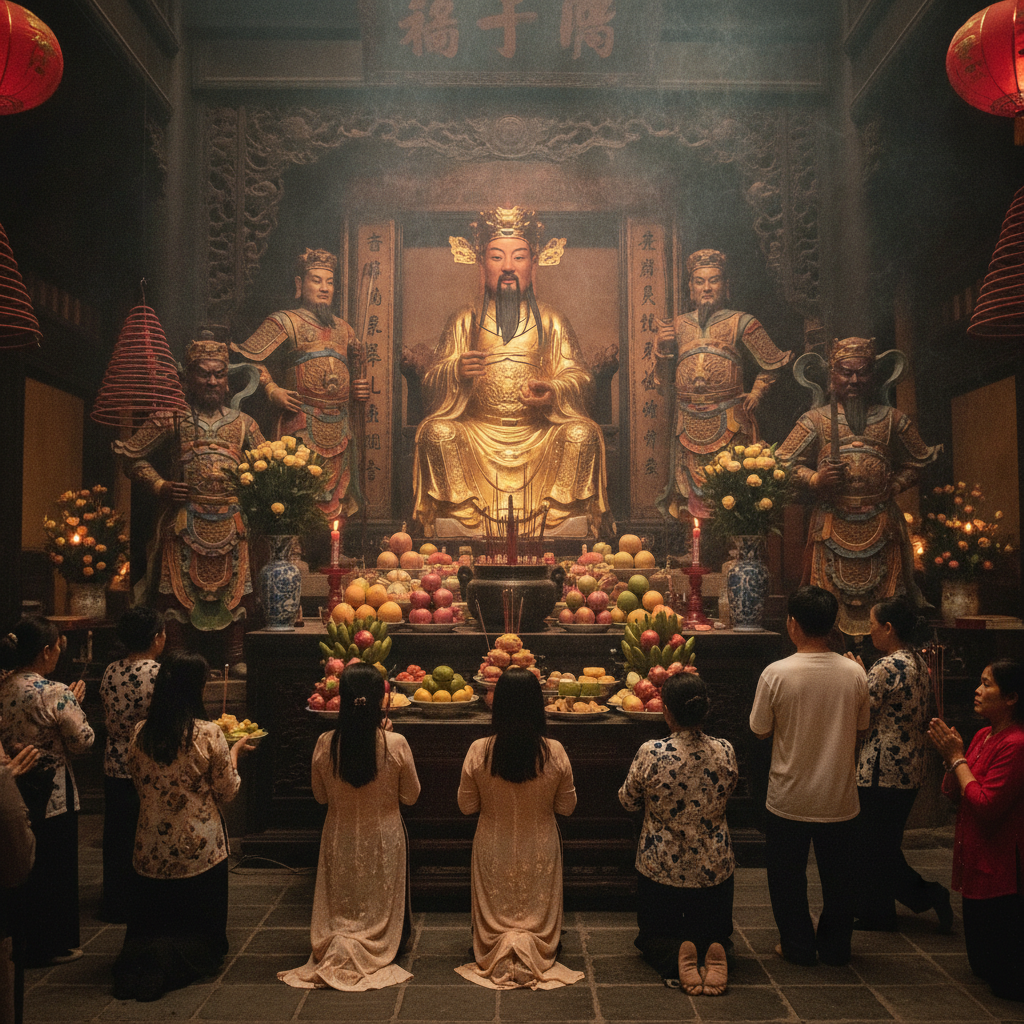
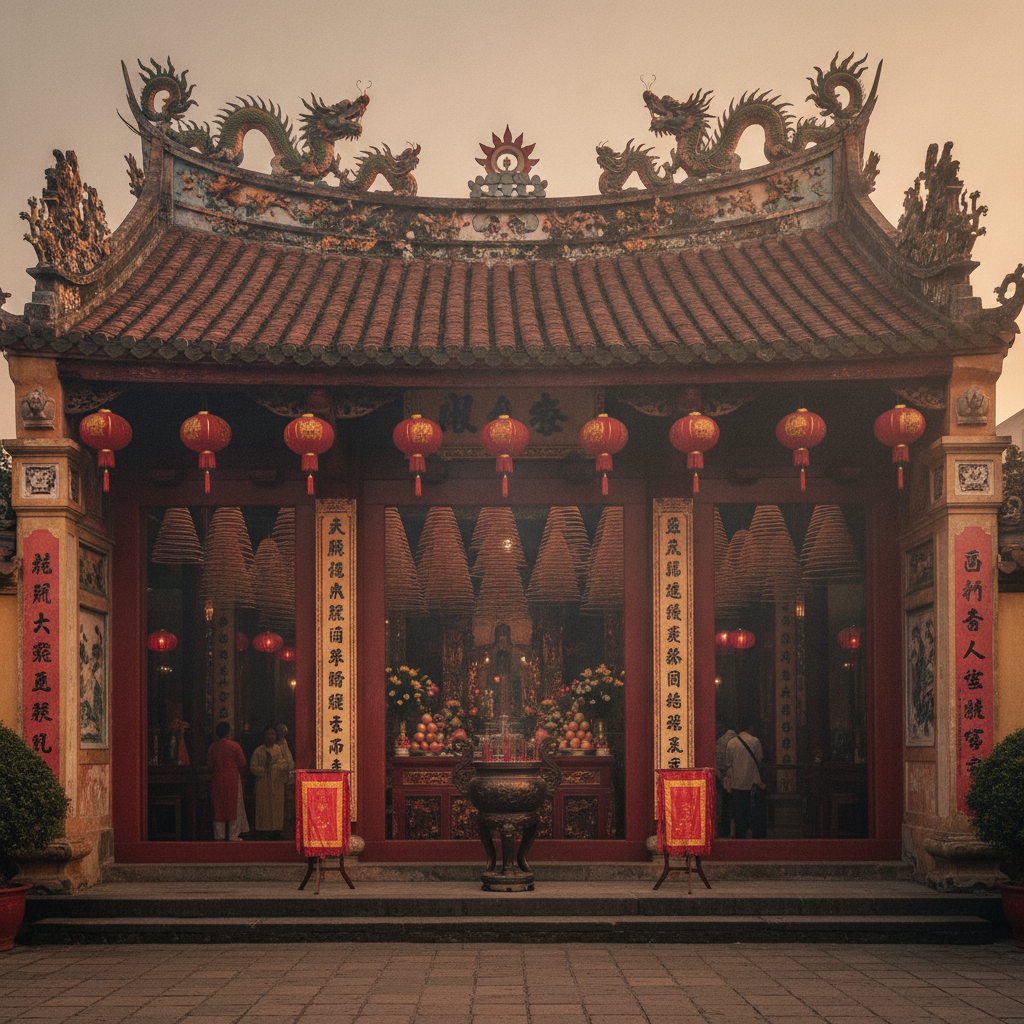
Der Thien Hau Tempel (710 Nguyễn Trãi, Distrikt 5, 1760) ist der wichtigste kantonesische Tempel in Vietnam — der Meeresgöttin Mazu (Beschützerin von Seeleuten und Fischern) gewidmet, ist die Decke des Tempels mit Hunderten von Räucherspiralen behängt, die wochenlang brennen; das jährliche Thien Hau Festival (16. Tag des ersten Mondmonats) zieht 50.000 Gläubige in einer Prozession durch die Straßen Cholons an.
- 3
Thiên Hậu Straße der Traditionellen Medizin — Lung Tau Straße
Lương Nhữ Học (Distrikt 5, 'Straße der Traditionellen Medizin') ist gesäumt von Kräuterläden, die die gesamte Pharmakopöe der traditionellen chinesischen und vietnamesischen Medizin verkaufen — getrocknete Seepferdchen, Nashornhorn-Ersatzstoffe (legal gehandelte Alternativen), Ginsengwurzeln (bis zu €500/Gramm für koreanischen Roten Ginseng höchster Qualität), getrocknete Pilze und über 500 weitere getrocknete Zutaten in Jutesäcken; Kräuterhändler stellen Diagnosen anhand von Puls und Zunge.
- 4
Bình Tây Markt — Großhandel Cholon um 4 Uhr morgens
Der Bình Tây Markt (Chợ Bình Tây, Distrikt 6, der offizielle 'Cholon Markt', 1927) ist ein Großmarkt, der von 4 Uhr bis 8 Uhr morgens mit voller Kapazität arbeitet — Händler, die Haushaltswaren, Lebensmittelzusätze, getrocknete Nudeln und importierte chinesische Waren verkaufen, füllen das verzierte gelb-rote Marktgebäude; ein Spaziergang durch den Markt um 5 Uhr morgens ist eine immersive Begegnung mit einer kommerziellen Infrastruktur, die sich in 100 Jahren nicht grundlegend verändert hat.
- 5
Cha Tam Kirche — Präsident Diems letzte Stunden
Die Kirche des Heiligen Franz Xaver (Cha Tam, 25 Học Lạc, Distrikt 5, 1902) ist der Ort, an dem der südvietnamesische Präsident Ngô Đình Diệm und sein Bruder Ngô Đình Nhu nach dem von den USA unterstützten Putsch vom November 1963 Zuflucht suchten — sie wurden hier gefangen genommen und im hinteren Teil eines gepanzerten Personentransporters auf dem Weg zum Militärkommando ermordet; die Kirche dient weiterhin als aktive katholische Pfarrei.
- 6
Chợ Lớn Nachtmarkt — Dim Sum um 2 Uhr morgens
Der nächtliche Lebensmittelmarkt von Cholon (Hải Thượng Lãn Ông, Distrikt 5, Mitternacht–5 Uhr morgens) ist der Ort, an dem die Restaurantbranche Saigons nach dem Service isst — kantonesische Dim Sum (Har Gow, Siu Mai, Reisnudelrollen, Rettichkuchen) zusammen mit vietnamesischen Gerichten werden in engen Restaurants mit Plastikhockern serviert; die 2-Uhr-Morgens-Menge umfasst Köche, Taxifahrer, Nachtschwestern und Partygänger; eine vollständige Dim Sum-Bestellung für zwei Personen kostet 150.000–200.000 VND.
Walk this route with audio
Stories play automatically as you reach each stop — no tapping needed.
Mehr in ho-chi-minh-city
Saigon-Fluss, Distrikt 2 & das neue Gesicht von Ho-Chi-Minh-Stadt
Mekong-Delta & schwimmende Märkte — Die Flusswelt jenseits von Saigon
Phở, Bánh Mì & Saigon Street Food — Vietnam auf einem Teller
Ben Thanh Markt, District 1 & das koloniale Herz von Saigon
Saigon bei Nacht – Rooftop-Bars, Nachtmärkte & die Stadt, die niemals schläft