Saigons Kreativszene – Zeitgenössische Kunst, Designviertel & vietnamesischer Kaffee
Die Kreativszene von Ho-Chi-Minh-Stadt (die dynamischste in Vietnam, konzentriert sich auf das Designviertel (Khu Thiết kế), das um die Nam Ky Khoi Nghia Straße und die umliegenden Cafés, Galerien und Kreativstudios des ehemaligen französischen Konzessionsgebiets des Bezirks 3 entsteht): Ho-Chi-Minh-Stadt hat seit Mitte der 2010er Jahre eine bemerkenswerte kreative Renaissance durchgemacht, mit einer florierenden Café-Kultur, einer wachsenden zeitgenössischen Kunstszene und einer international anerkannten Grafikdesign- und Modeindustrie.
- 1
The Factory Contemporary Arts Centre – Vietnams führender Kunstraum
Das Factory Contemporary Arts Centre (Khánh Hội, Bezirk 4, in einem Industriegebäude aus den 1960er Jahren) ist Ho-Chi-Minh-Stadts wichtigste Institution für zeitgenössische Kunst – internationale Ausstellungen (Künstler wie Tuan Andrew Nguyen, Dinh Q. Lê und internationale Gäste) wechseln sich mit Performance-, Film- und Designprogrammen ab; Eintritt 80.000–120.000 VND; der Buchladen verkauft vietnamesische Publikationen für zeitgenössische Kunst.
- 2
Nhà Bè Creative District – Designstudios südlich von Saigon
Das Gebiet Nhà Bè (südlich von Bezirk 7, erreichbar über die Uferstraße) entwickelt sich zu einem Design- und Kreativviertel – Möbeldesigner, Textilstudios und Architekturbüros haben Lagerhäuser am Wasser umgebaut; der Saigon Creative Market (vierteljährlich abgehalten) versammelt über 80 unabhängige Designer, die handgefertigte Möbel, Kleidung, Keramik und Lebensmittelprodukte, die in Vietnam hergestellt oder von dort bezogen wurden, verkaufen.
- 3
Vietnamesische Straßenmode – Die Áo Dài Evolution
Das áo dài (Vietnams Nationalkleid) erlebt seine radikalste Neuerfindung seit der Pariser-beeinflussten Reform der 1930er Jahre – junge Saigoner Designer (Công Trí, La La Concept Studio, Đỗ Mạnh Cường) produzieren áo dài in experimentellen Silhouetten, nachhaltigen Stoffen und geschlechtsneutralen Schnitten; Concept Stores am Lê Lợi Boulevard und der Đồng Khởi Street verkaufen zeitgenössische Interpretationen ab 1.000.000 VND.
- 4
Kaffeekultur – Vietnams zweite Essensreligion
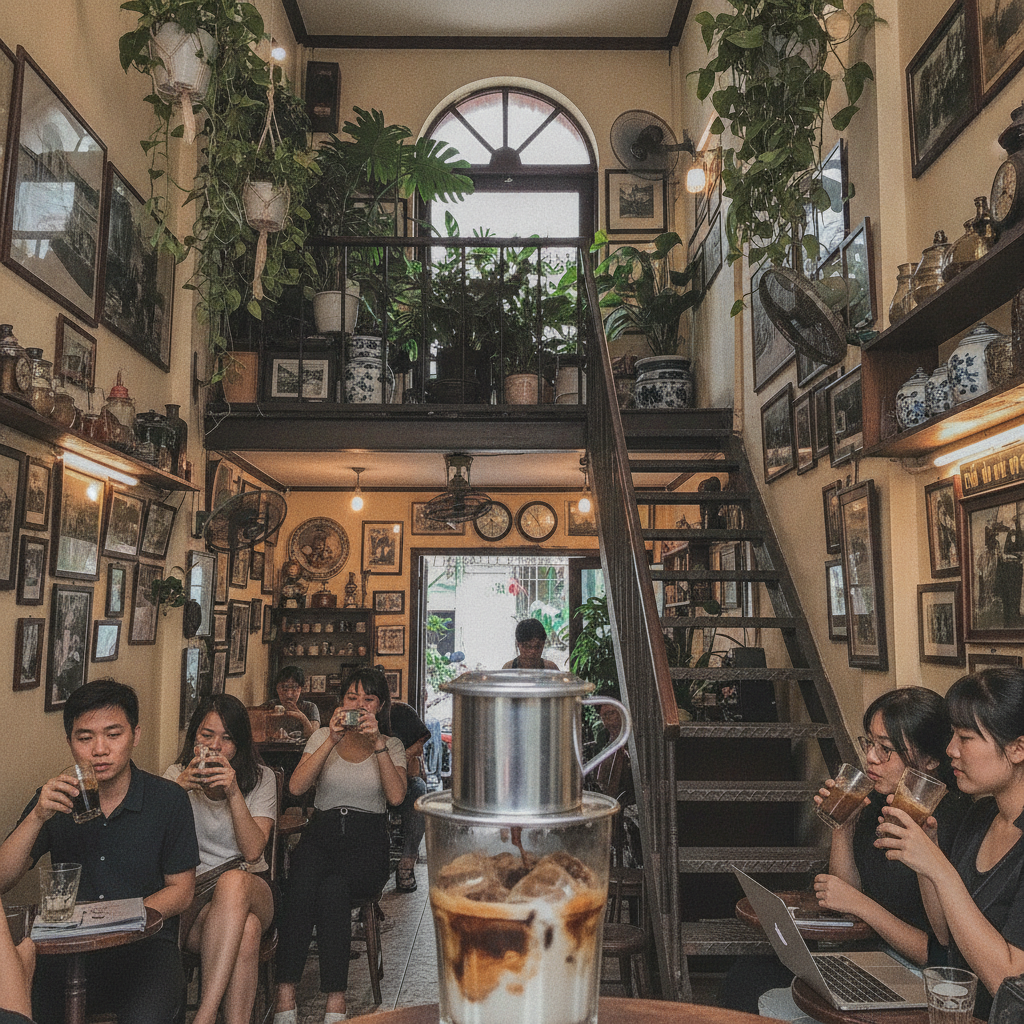
Die vietnamesische Kaffeekultur hat ausgeprägte Saigoner Eigenschaften – cà phê sữa đá (Eiskaffee mit gesüßter Kondensmilch) ist nicht verhandelbar; Eierkaffee (aus Hanoi) wurde mit Variationen übernommen; Salzkaffee (cà phê muối) ist ein Hue-Trend von 2022, der zu einem Saigoner Phänomen wurde; die Nachmittagspause 'cà phê trà đá' (Eiskaffee und Eistee für jeweils 10.000 VND) ist ein universelles Ritual in vietnamesischen Büros.
- 5
Bezirk 3 – Saigons Kreativviertel
Bezirk 3 (das Wohnviertel des Saigons der französischen Ära) ist heute das wichtigste Kreativviertel der Stadt – unabhängige Buchhandlungen (Phương Nam Books), Konzeptcafés (das 3A Station Arts Centre in einem französischen Kolonialgebäude), unabhängige Bekleidungsmarken und Galerie-Restaurant-Hybride nehmen die Kolonialvillen und schmalen Geschäftshäuser ein; das Gebiet um die Straßen Võ Văn Tần und Kỳ Đồng ist der dichteste Kreativcluster.
- 6
Wiedervereinigungspalast – Eingefroren im Jahr 1975
Der Wiedervereinigungspalast (135 Nam Kỳ Khởi Nghĩa, Bezirk 1, ehemals Präsidentenpalast) wurde so erhalten, wie er am 30. April 1975 war – als nordvietnamesische Panzer die Tore durchbrachen und den Vietnamkrieg beendeten; der Kellerbunker (Kommunikationsraum, Konferenzräume, immer noch angebrachte Lagekarten) und der Hubschrauberlandeplatz auf dem Dach (von dem Präsident Nguyễn Văn Thiệu floh) sind die bedeutendsten Orte; Eintritt 40.000 VND.
Walk this route with audio
Stories play automatically as you reach each stop — no tapping needed.
Mehr in ho-chi-minh-city
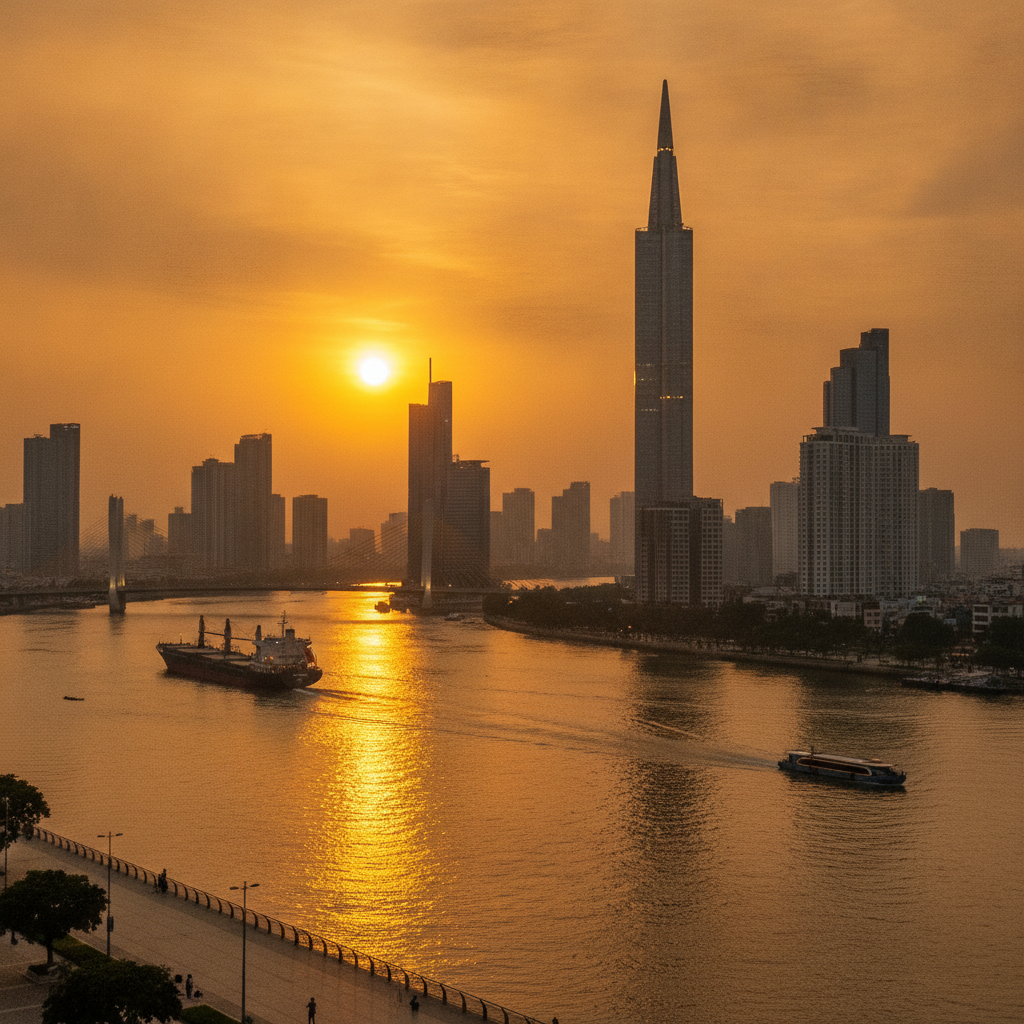
Saigon-Fluss, Distrikt 2 & das neue Gesicht von Ho-Chi-Minh-Stadt
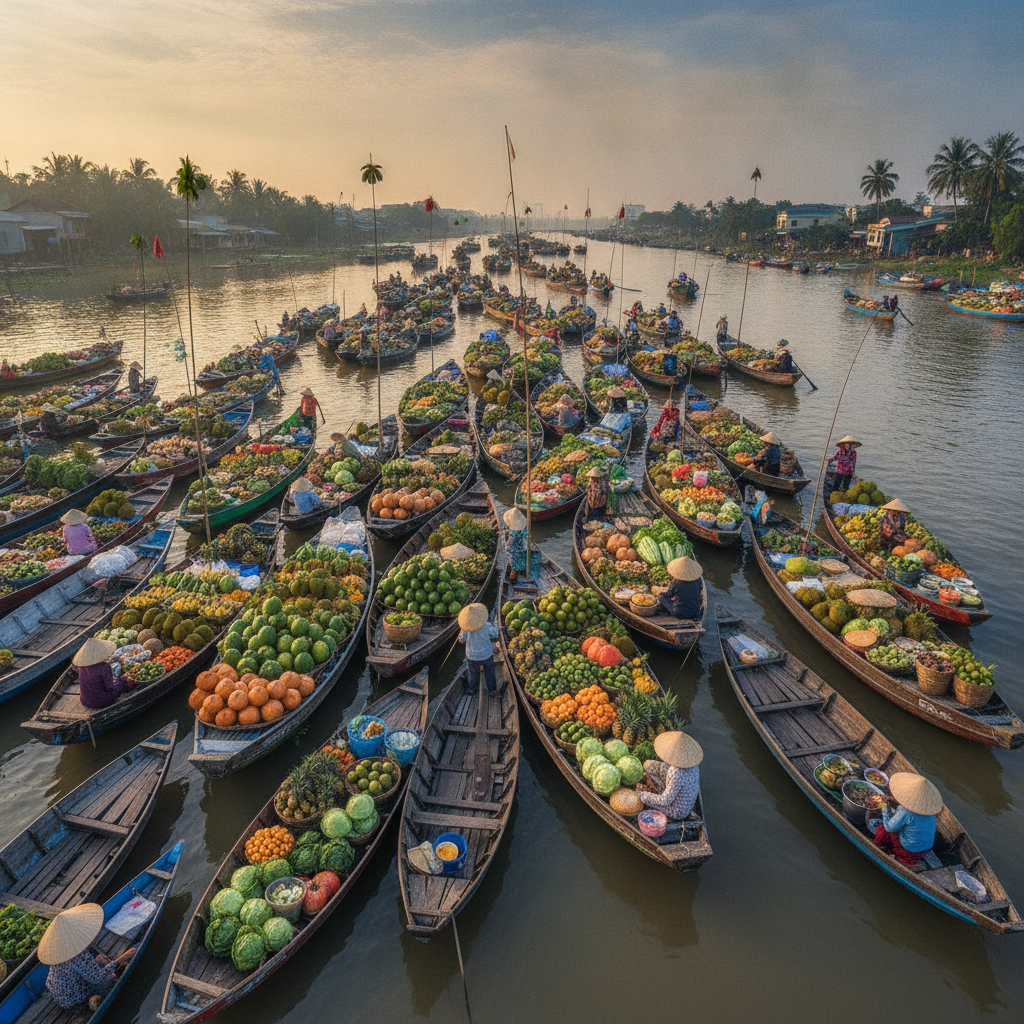
Mekong-Delta & schwimmende Märkte — Die Flusswelt jenseits von Saigon
Phở, Bánh Mì & Saigon Street Food — Vietnam auf einem Teller
Ben Thanh Markt, District 1 & das koloniale Herz von Saigon
Saigon bei Nacht – Rooftop-Bars, Nachtmärkte & die Stadt, die niemals schläft