Islamisches Kunstmuseum, Nationalmuseum & Kulturelle Institutionen von KL
Die wichtigsten kulturellen Institutionen Kuala Lumpurs — das Islamische Kunstmuseum Malaysia (das feinste islamische Kunstmuseum in Südostasien, mit der größten Sammlung islamischer Kunst und Artefakte in der Region), das Nationalmuseum von Malaysia (das die gesamte Geschichte Malaysias von prähistorischen Zeiten bis zur Unabhängigkeit dokumentiert) und die Perdana Botanical Gardens (die ehemaligen Lake Gardens, ein 91,6 Hektar großer botanischer Garten, der das Nationale Planetarium, das Nationaldenkmal und den Hirschpark beherbergt) — bilden das kulturelle Zentrum der malaysischen Hauptstadt.
- 1
Islamisches Kunstmuseum Malaysia — Weltgrößte Sammlung
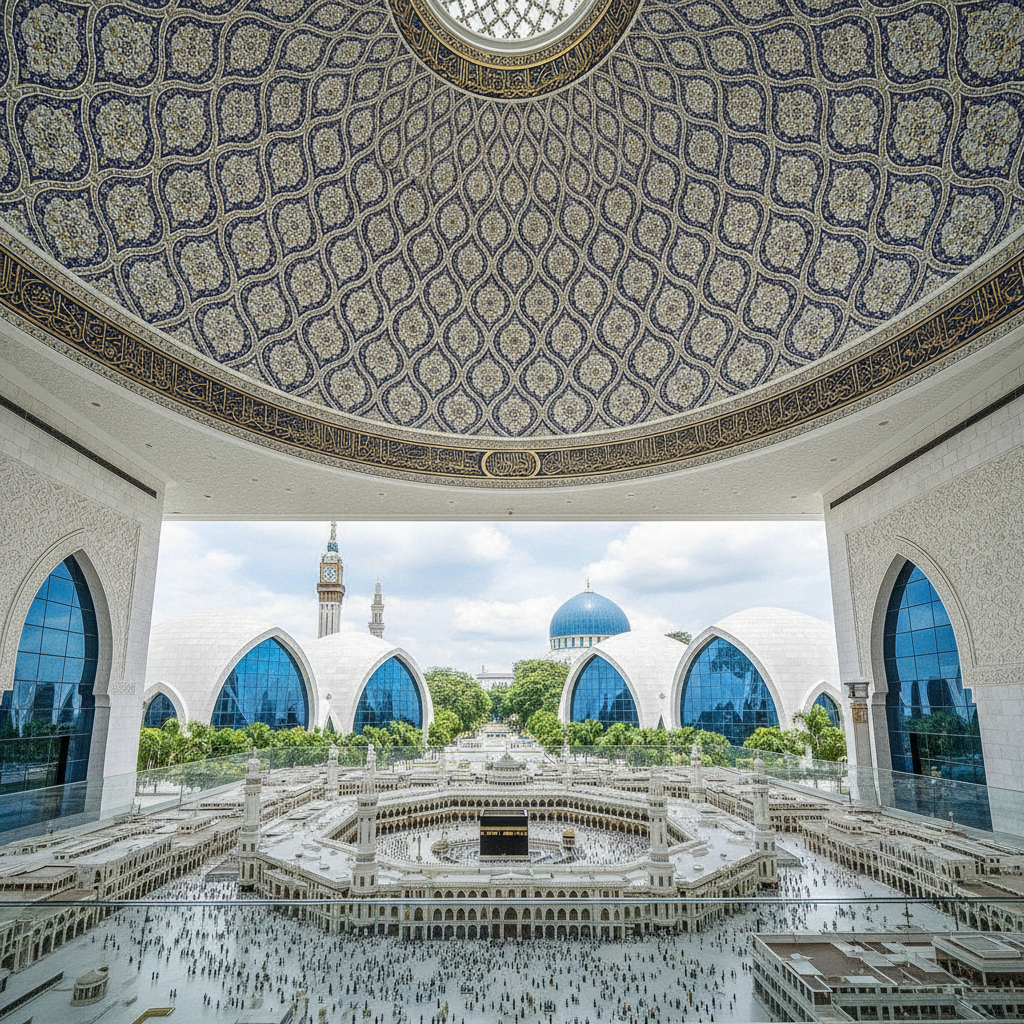
Das Islamische Kunstmuseum Malaysia (Jalan Lembah Perdana, 1998) beherbergt die größte Sammlung islamischer Kunst und Artefakte in Südostasien — der Osmanische Raum (rekonstruiert aus einem Damaszener Haus von 1900, mit handbemalten Fliesen) und der Mogul-Raum (Jadeobjekte, eingelegte Waffen) sind permanent; die Architektur-Galerie zeigt maßstabsgetreue Modelle der größten Moscheen der Welt; Eintritt RM14 für Erwachsene.
- 2
Nationalmuseum — Malaysische Geschichte ab 40.000 v. Chr.
Das Nationalmuseum (Muzium Negara, Jalan Damansara, 1963) dokumentiert die malaysische Geschichte von den Siedlungen der Niah-Höhle (40.000 v. Chr., Sarawak) über das Sultanat Malakka (1400–1511) bis zur Unabhängigkeit (1957) — die Galerie der Orang Asli (indigene Völker) und die Kolonialgalerie sind die substanziellsten Abschnitte; das Gebäude selbst (Minangkabau-Dachform, 1963) ist ein Meisterwerk der nationalen Architektur nach der Unabhängigkeit.
- 3
Perdana Botanical Garden — KLs Grüne Lunge
Der Perdana Botanical Garden (200 Hektar, Tun Abdul Razak Heritage Park) ist der größte Stadtpark in Malaysia — das Hirschgehege (Axishirsche laufen frei herum), der Schmetterlingspark (6.000 Schmetterlinge, 120 Arten) und der Vogelpark (eines der weltweit größten Freiflug-Volieren, 3.000 Vögel) sind separate, kostenpflichtige Attraktionen innerhalb des Parks; der Park selbst ist kostenlos und 24 Stunden geöffnet.
- 4
Nationaldenkmal — Koreanisches Kriegsdenkmal
Das Nationaldenkmal (Tugu Negara, Perdana Botanical Garden, 1966, Bildhauer Felix de Weldon, der auch das Iwo Jima Memorial entwarf) erinnert an malaysische Soldaten, die im Zweiten Weltkrieg und im Kommunistischen Aufstand (1948–1960, „Der Notstand“) starben — die Bronzegruppe aus 7 Figuren (die größte freistehende Bronzeskulpturengruppe der Welt) ist von einem Wassergraben des formalen Gartens umgeben.
- 5
Kuala Lumpur City Gallery — Den Städtischen Masterplan Verstehen
Die KL City Gallery (Merdeka Square, kostenlos) bietet ein 3D-Modell des aktuellen Masterplans und der Entwicklungszeitachse von Kuala Lumpur — das Modell zeigt die KLCC Petronas Towers, den Merdeka 118 Turm (2023, zweithöchste der Welt mit 679m) und den geplanten Finanzdistrikt TRX; die Galerie erklärt, wie KL von einem Zinnminenlager (1857) zu einer Stadt von 8 Millionen Einwohnern in 165 Jahren wuchs.
- 6
Masjid Jamek — KLs Älteste Moschee am Zusammenfluss der Flüsse
Masjid Jamek (Jalan Tun Perak, 1909, entworfen von A.B. Hubback im Mogul-Stil) ist KLs älteste Moschee und steht am buchstäblichen Gründungspunkt der Stadt — der Zusammenfluss der Flüsse Gombak und Klang (wo chinesische Zinnbergleute 1857 zum ersten Mal lagerten, was der Stadt ihren Namen gab: „Kuala Lumpur“ bedeutet „schlammige Flussmündung“) ist vom Moscheegelände aus sichtbar.
Walk this route with audio
Stories play automatically as you reach each stop — no tapping needed.
Mehr in kuala-lumpur
Malaysische Esskultur — Nasi Lemak, Hawker Centres & KLs kulinarischer Schmelztiegel
Unterhaltungsausflüge nach Sunway Lagoon, Genting Highlands & KL
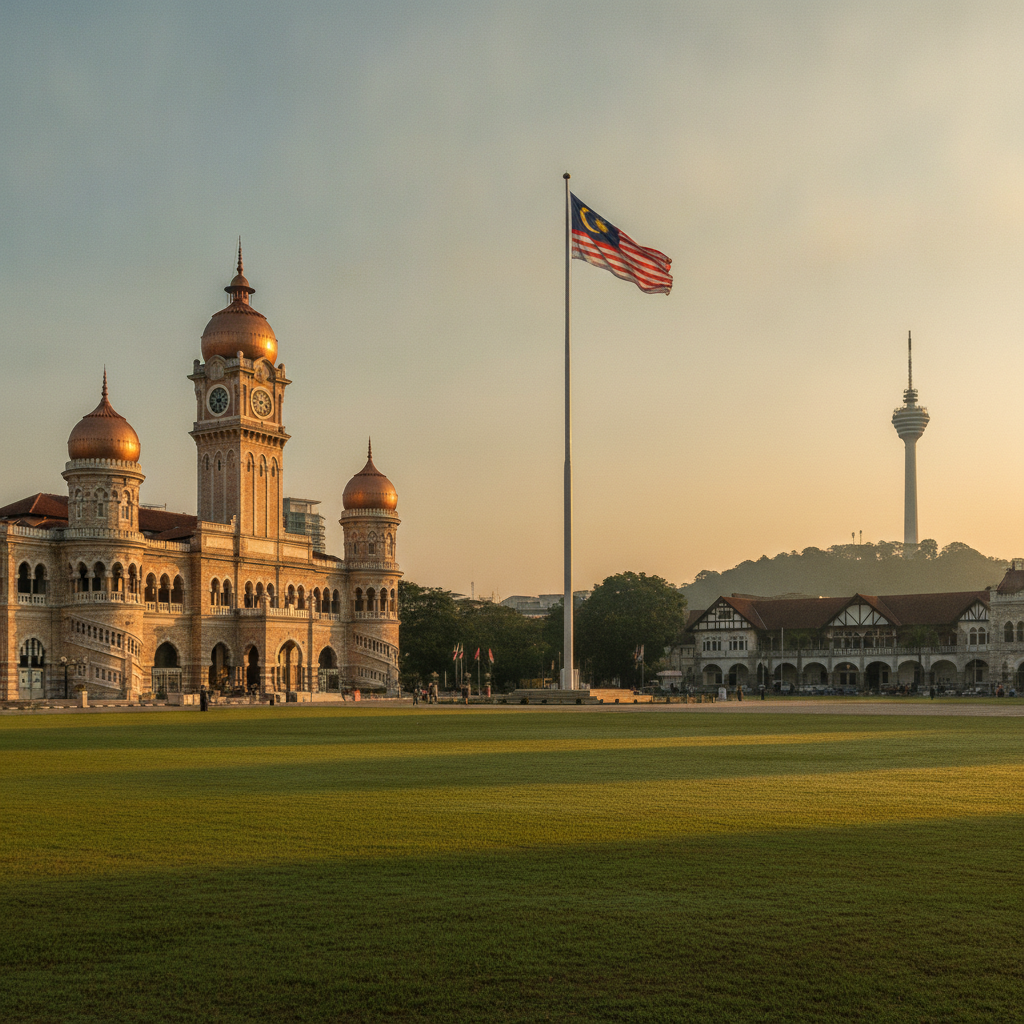
Chinatown, Petaling Street, Merdeka Square & Altes Kuala Lumpur
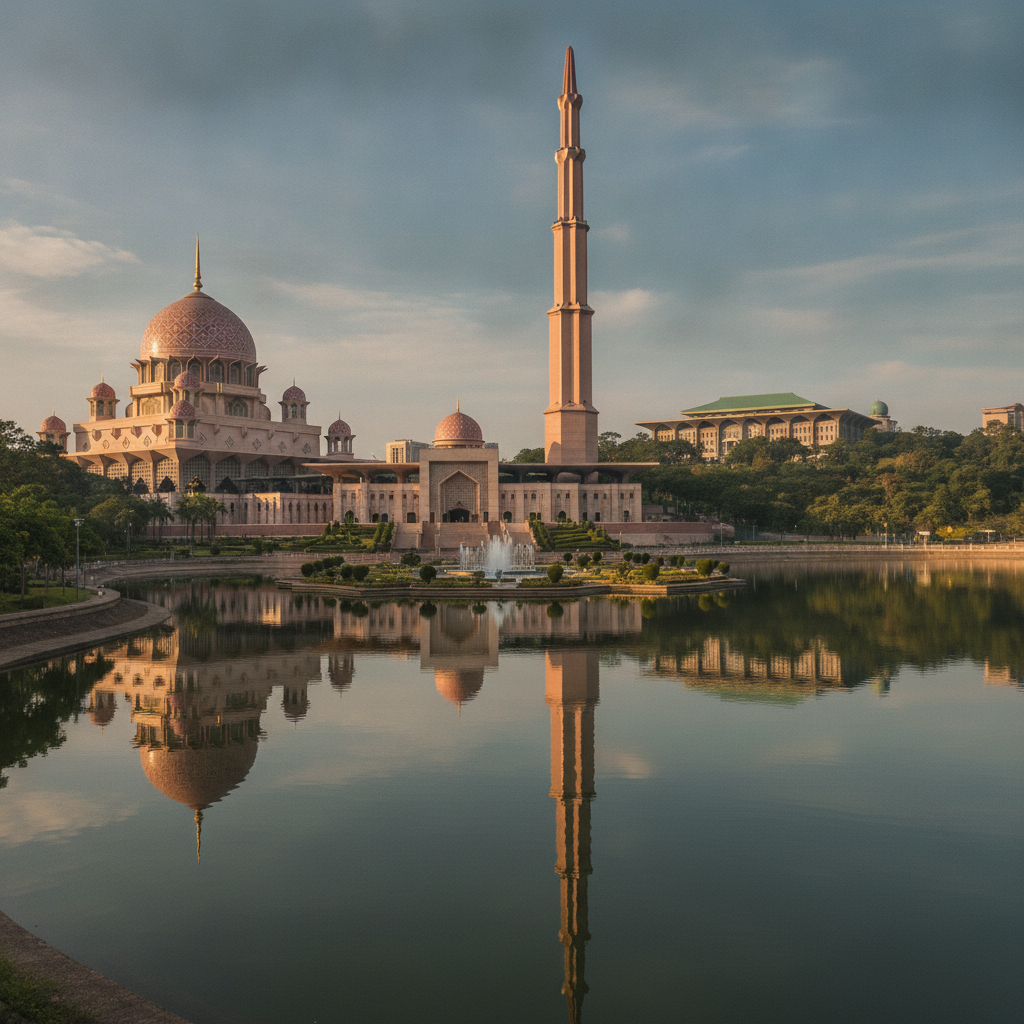
Putrajaya — Malaysias geplante Bundeshauptstadt und Putra-Moschee
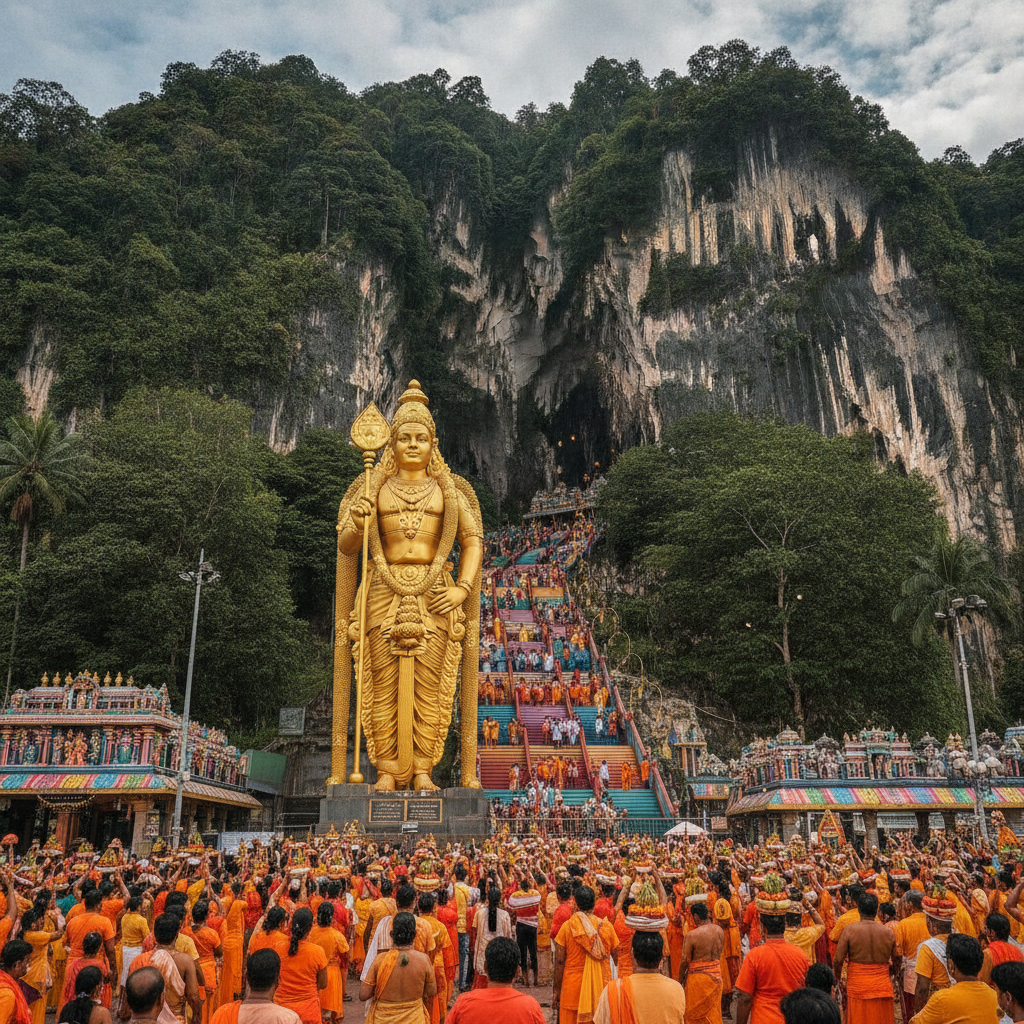
Batu-Höhlen, Thaipusam-Fest und tamilisch-hinduistische Kultur in Malaysia