Malaysische Esskultur — Nasi Lemak, Hawker Centres & KLs kulinarischer Schmelztiegel
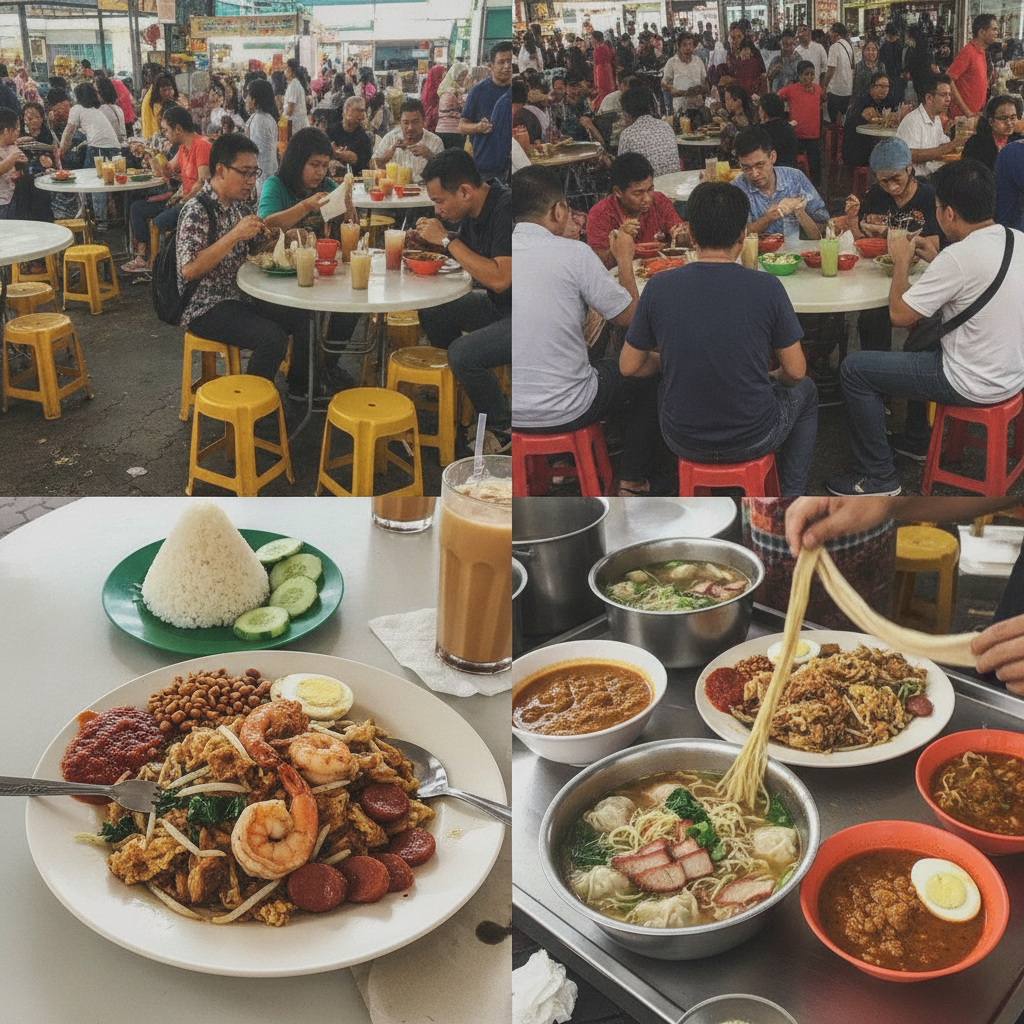
Die malaysische Küche ist eine der vielfältigsten und komplexesten Nationalküchen der Welt – ein direktes Spiegelbild der außergewöhnlichen multikulturellen Zusammensetzung Malaysias (malaiische, chinesische, indische und indigene Gemeinschaften tragen jeweils unterschiedliche kulinarische Traditionen bei, die sich im Laufe von Jahrhunderten der Koexistenz auch zu einzigartigen malaysischen Fusionsgerichten entwickelt haben); das Hawker Centre (oder Kaffeehaus, Kopitiam) ist die wichtigste Institution der malaysischen Esskultur – ein offener oder halboffener Raum mit mehreren Essensständen, die jeweils auf ein oder zwei Gerichte spezialisiert sind.
- 1
Nasi Lemak — Malaysias Nationalfrühstück
Nasi Lemak (in Kokosmilch gekochter Reis mit Sambal, frittierten Sardellen, hartgekochtem Ei, Gurke und gerösteten Erdnüssen) ist Malaysias Nationalgericht und das Standardfrühstück in allen ethnischen Gemeinschaften – die Straßenversion (in Bananenblatt gewickelt, von 6-10 Uhr morgens von Karren verkauft) kostet RM1-3; die Restaurantversion mit Ayam Goreng Berempah (gewürztes Brathähnchen) kostet RM12-20; das Village Park Restaurant (Damansara Uptown) ist das bekannteste.
- 2
Jalan Alor — KLs Street Food Nachtmarkt
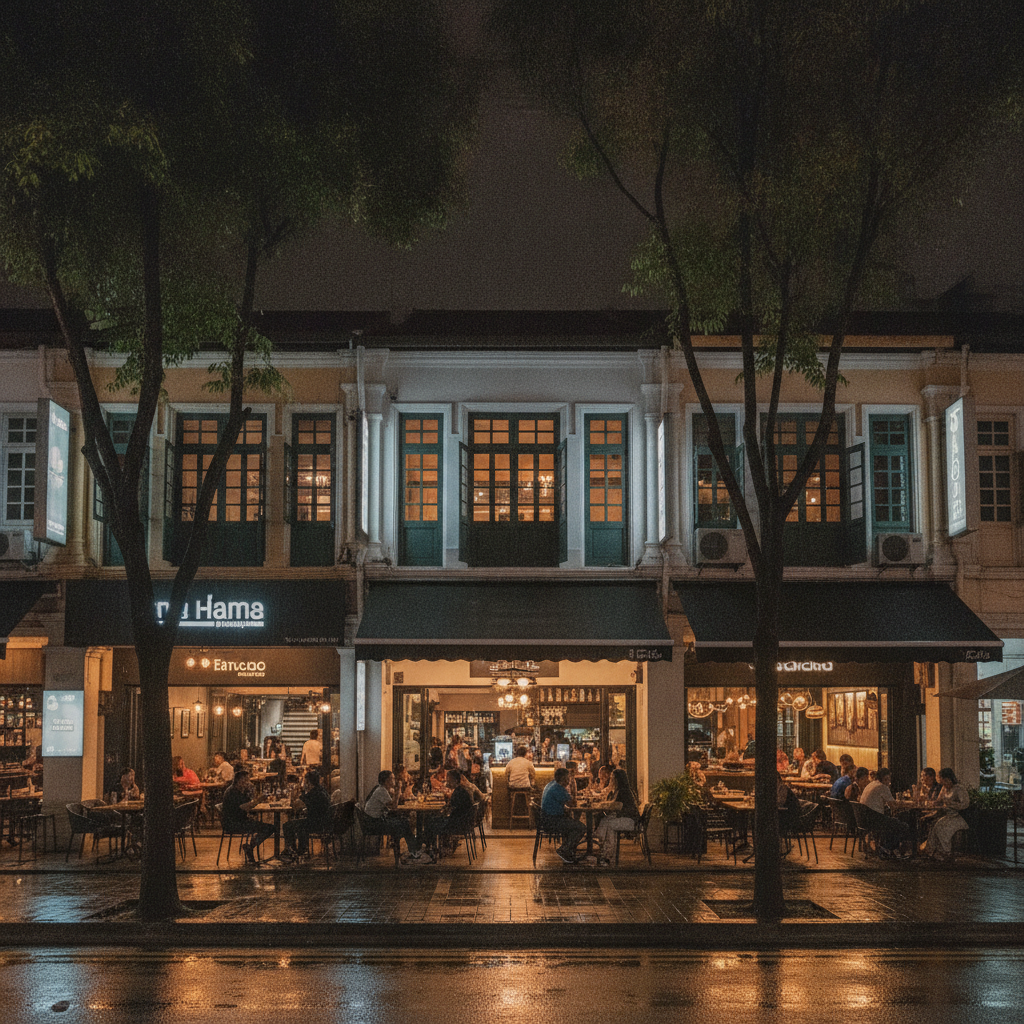
Die Jalan Alor (Bukit Bintang, 18-4 Uhr) ist die konzentrierteste Streetfood-Straße Kuala Lumpurs – über 20 Restaurants mit Tischen im Freien, die die gesamte Gasse säumen, servieren Satay, Hokkien Mee, Char Koay Teow, gegrillten Stachelrochen (mit Sambal und Bananenblatt) und chinesischen Tontopfreis; ein komplettes Abendessen für zwei (mit Getränken) kostet RM60-100; die Straße füllt sich um 20 Uhr und leert sich erst um Mitternacht.
- 3
Petaling Street — Chinatown Dim Sum um 6 Uhr morgens
Die Petaling Street (Chinatown, Distrikt Pudu) ist das Zentrum der chinesischen Gemeinschaft von KL – die morgendlichen Dim Sum Hawker (ab 5:30 Uhr aufgebaut, bis 11 Uhr geöffnet) servieren Taro-Kuchen, Cheong Fun (gedämpfte Reisrollen), Char Siu Bao (BBQ-Schweinebrötchen) und Lo Mai Gai (Klebreis mit Hähnchen in Lotusblatt) an gemeinsamen Marmortischen auf der Straße; ein komplettes Dim Sum Frühstück für zwei kostet RM15-25.
- 4
Bak Kut Teh — Schweinerippchen-Kräutersuppe im Morgengrauen
Bak Kut Teh (Schweinerippchen in Knoblauch-Kräuterbrühe geschmort, ursprünglich eine Hokkien-chinesische Grundnahrung für Hafenarbeiter) wird von den Bewohnern des Klang Valley zum Frühstück oder als spätabendliches Abendessen konsumiert – Klang (40 km von KL entfernt) ist die Ursprungsstadt; die KL-Version (trockener Stil, mit dunkler Sojasauce) unterscheidet sich vom „nassen“ Original aus Klang; Old Town White Coffee-Läden und spezielle Bak Kut Teh-Restaurants öffnen ab 6 Uhr morgens.
- 5
Bananenblattreis — Südindisches Fest auf einem Blatt
Bananenblattreis (eine Chettinad- und Tamil-Tradition, die an die südindische Gemeinschaft Malaysias angepasst wurde) beinhaltet das Servieren von Reis, Dhal, Rasam und mehreren Gemüsecurrys auf einem Bananenblatt – Little India (Brickfields) und das Bangsar Baru-Gebiet sind die Zentren; Vishal Food & Catering (Bangsar) und Sri Nirwana Maju (Bangsar) servieren das komplette Thali für RM15-20 mit unbegrenzten Nachfüllungen; das Essen mit der rechten Hand ist die traditionelle Methode.
- 6
Mamak 24-Stunden-Kultur — Roti Canai um 3 Uhr morgens
Das Mamak (von Tamil-Muslimen betriebener Essensstand, 24 Stunden geöffnet) ist Malaysias demokratischste Institution – es bedient die gesamte Bevölkerung unabhängig von Rasse oder Religion. Mamak-Restaurants sind Orte, an denen Malaysier Fußball schauen, Wahlergebnisse feiern und Politik bei Teh Tarik (gezogenem Tee) und Roti Canai (flaches Fladenbrot mit Dhal) um 3 Uhr morgens diskutieren; der Teh Tarik (RM1.50) und der Roti Telur Bawang (Eier- und Zwiebelfladenbrot, RM4) sind die universelle Bestellung.
Walk this route with audio
Stories play automatically as you reach each stop — no tapping needed.
Mehr in kuala-lumpur
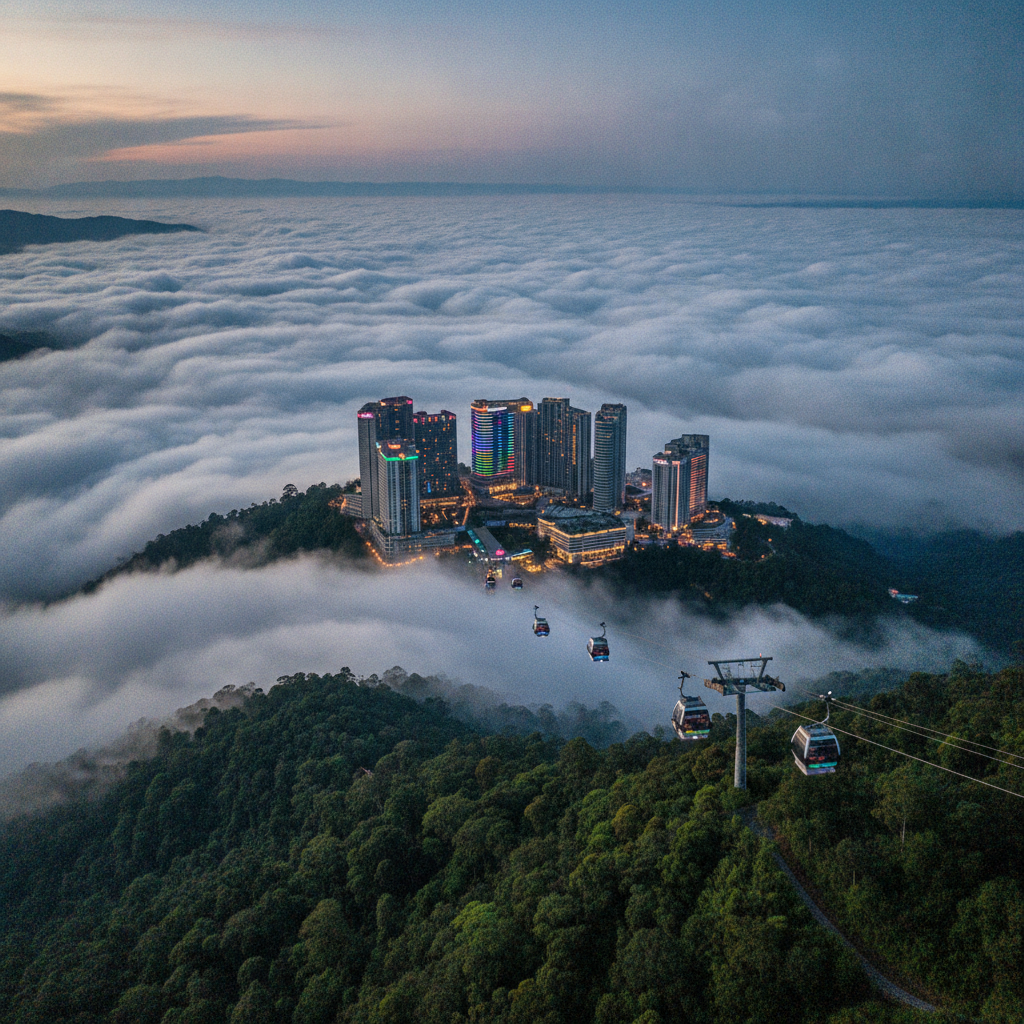
Unterhaltungsausflüge nach Sunway Lagoon, Genting Highlands & KL
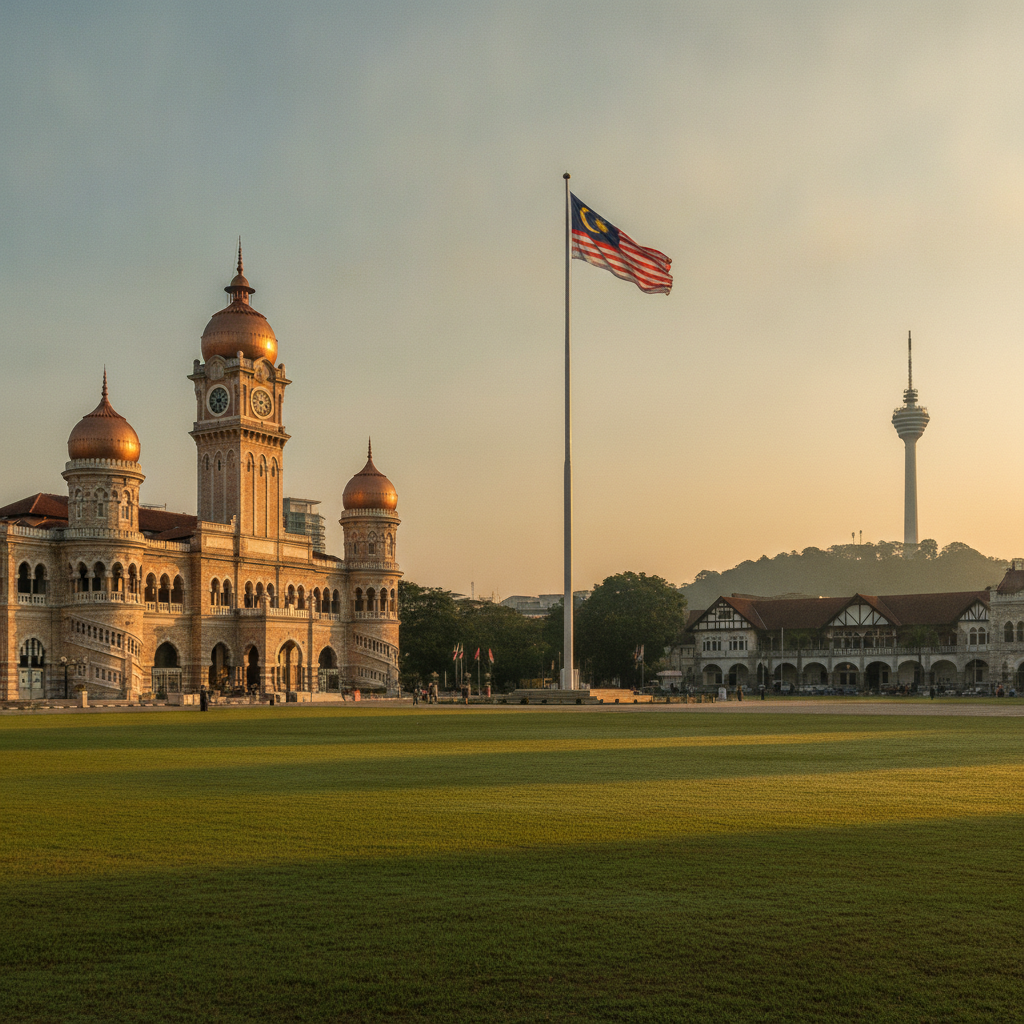
Chinatown, Petaling Street, Merdeka Square & Altes Kuala Lumpur
Putrajaya — Malaysias geplante Bundeshauptstadt und Putra-Moschee
Batu-Höhlen, Thaipusam-Fest und tamilisch-hinduistische Kultur in Malaysia
Petronas Twin Towers, KLCC & Bukit Bintang — KLs Goldenes Dreieck