Kaiserpalast Kyōto, Burg Nijō & die kaiserliche Geschichte der Stadt
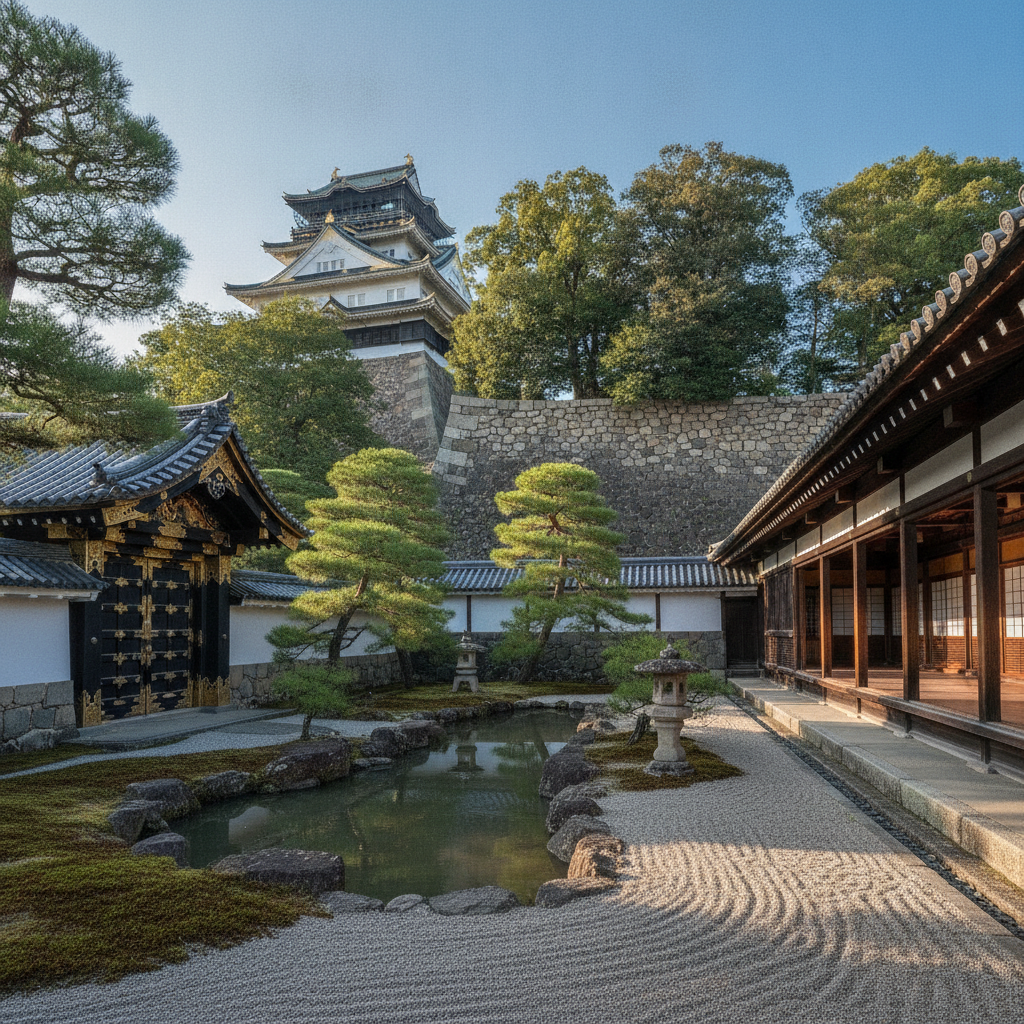
Der Kaiserpalast Kyōto (京都御所 – der ehemalige Herrscherpalast des japanischen Kaisers von 794 bis 1869, als Kaiser Meiji den Kaisersitz nach Tokio verlegte – die heutigen Palastgebäude, nach einem Brand im Jahr 1855 im ursprünglichen Heian-Stil wiederaufgebaut, innerhalb des Kaiserparks Kyōto (京都御苑)) ist das Herzstück des kaiserlichen Erbes von Kyōto; die Burg Nijō (二条城 – die Flachlandburg, die 1603 von Tokugawa Ieyasu als seine Residenz in Kyōto erbaut wurde – seit 1994 UNESCO-Weltkulturerbe) ist das schönste erhaltene Beispiel der shogunalen Architekturästhetik der Edo-Zeit.
- 1
Kaiserpalast Kyōto – 1.100 Jahre kaiserliche Residenz
Der Kaiserpalast Kyōto (Gosho, Kamigyō-ku, Kaiserresidenz 794–1869, die heutigen Palastgebäude stammen aus dem Jahr 1855) ist umgeben von 65 Hektar kaiserlichem Garten, der frei und öffentlich zugänglich ist – der Palast selbst (kostenlose Führungen in Englisch, Dienstag–Sonntag) zeigt den Shishinden (Thronsaal für Krönungen), den Seiryōden (Kaiserresidenz) und den Oikeniwa (formaler Garten mit überdachten Korridoren).
- 2
Burg Nijō – Nachtigallenböden und versteckte Ninja-Korridore
Nijō-jo (Burg Nijō, Nakagyō-ku, 1603, die Kyōto-Residenz von Tokugawa Ieyasu) beinhaltet eine Verteidigungsinnovation namens uguisubari ('Nachtigallenböden') – Metallklammern unter den Dielen quietschen bei jedem Druck, wodurch es unmöglich ist, geräuschlos zu gehen; der Ninomaru-Palast der Burg (17 Räume, verbunden durch Korridore, Nationalschatz) hat bemalte Schiebewände (fusuma) von Künstlern der Kanō-Schule; Eintritt ¥1.030.
- 3
Kōdaiji-Tempel – Gedenkgarten des Teemeisters
Kōdaiji (Higashiyama, 1606, gegründet von Nene, Witwe des Kriegsherrn Toyotomi Hideyoshi, als Denkmal für ihren verstorbenen Ehemann) hat den am besten erhaltenen Garten der frühen Edo-Zeit in Kyōto – der Garyūrō (Liegender Drachenkorridor, überdachter Gang, der zwei Hügelpavillons verbindet) und der Garten mit zwei Teehäusern, entworfen von Kobori Enshū, sind die Schlüsselelemente; Beleuchtungen im Frühling und Herbst verlängern die Besuchszeiten bis 21:30 Uhr; Eintritt ¥600.
- 4
Fushimi Momoyama – Toyotomis Machtbasis
Fushimi-Momoyama (Süden Kyōtos, nahe Fushimi Inari) ist der Standort von Toyotomi Hideyoshis Burg (Fushimi-Burg, 1594, 1615 zerstört) – die Burg wurde 1964 als Touristenattraktion wiederaufgebaut (2003 geschlossen, Privatland); die Umgebung (Kaiser Meijis Fushimi-Momoyama-Mausoleum) und die lokalen Sake-Brauereien (Fushimi-Sake ist Japans zweitberühmtester nach Nada) machen die Gegend einen eigenständigen Besuch wert.
- 5
Gosho – Öffentliche Grünfläche des Kaiserlichen Gartens
Die Kaiserliche Hofbehörde verwaltet den 65 Hektar großen Kyōtoer Kaiserpark, der den Palast umgibt – der Park ist eine der wenigen vollständig unbebauten großen Grünflächen im Zentrum von Kyōto; zu den ansässigen Vögeln gehören Mandarinenten (überwintern im Teich), Graureiher und Japanische Bachstelzen; die knorrigen Kiefern des Parks (von Palastgärtnern in bestimmten alten Formen gepflegt) bilden einen ruhigen Kontrast zu den touristenreichen Tempelbezirken.
- 6
Shimogamo-Schrein – Urwald im Stadtzentrum
Der Shimogamo-Schrein (Sakyō-ku, 678 n. Chr., UNESCO) wird über den Tadasu no Mori (Wald der Wahrheit) erreicht – 13 Hektar alter Auenwald (der letzte Überrest des ursprünglichen Flussbeckenwaldes von Kyōto) mit bis zu 600 Jahre alten Bäumen; der Wald wurde nie gerodet, da die Aoi Matsuri-Prozession des Schreins (15. Mai, eines der drei großen Feste Kyōtos) hier endet, nachdem sie am Kaiserpalast Kyōto begonnen hat.
Walk this route with audio
Stories play automatically as you reach each stop — no tapping needed.
Mehr in kyoto
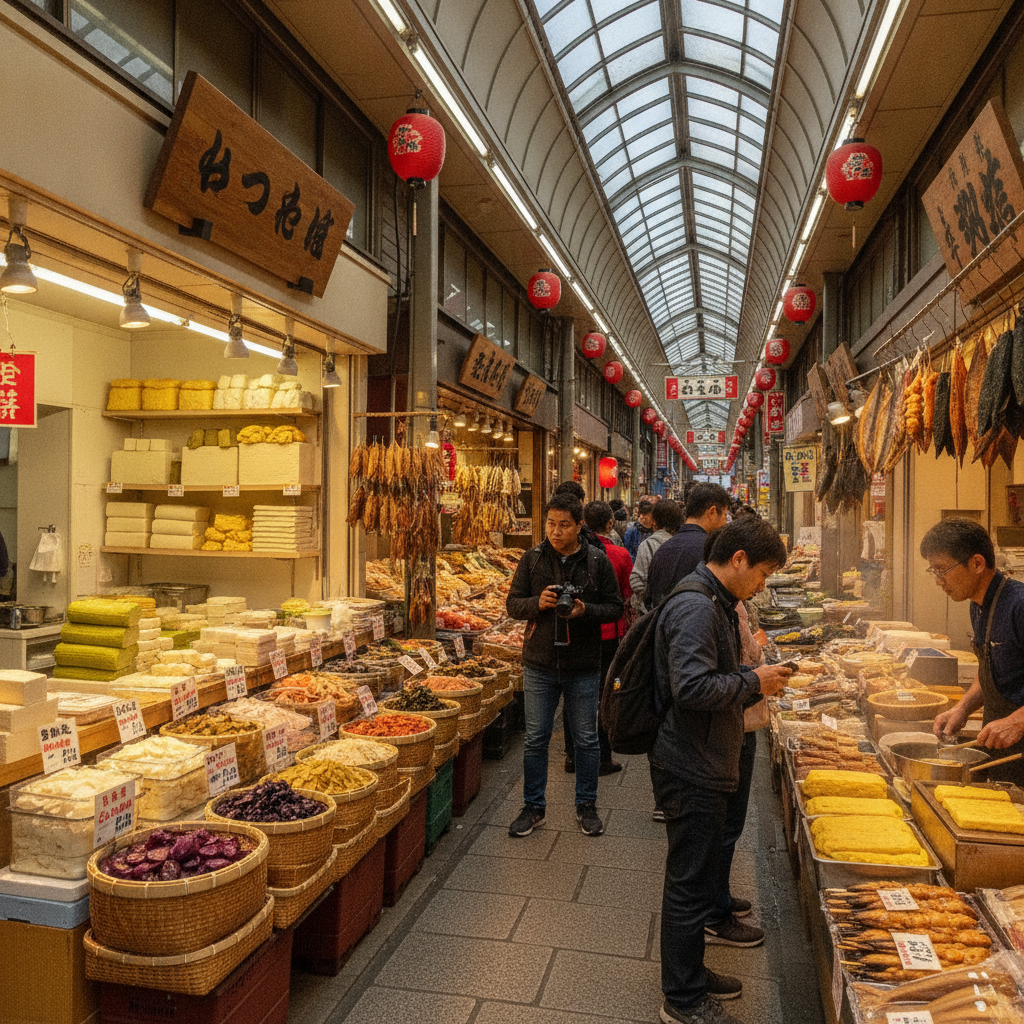
Nishiki-Markt & Kyotoer Küche — Die Küche Kyotos
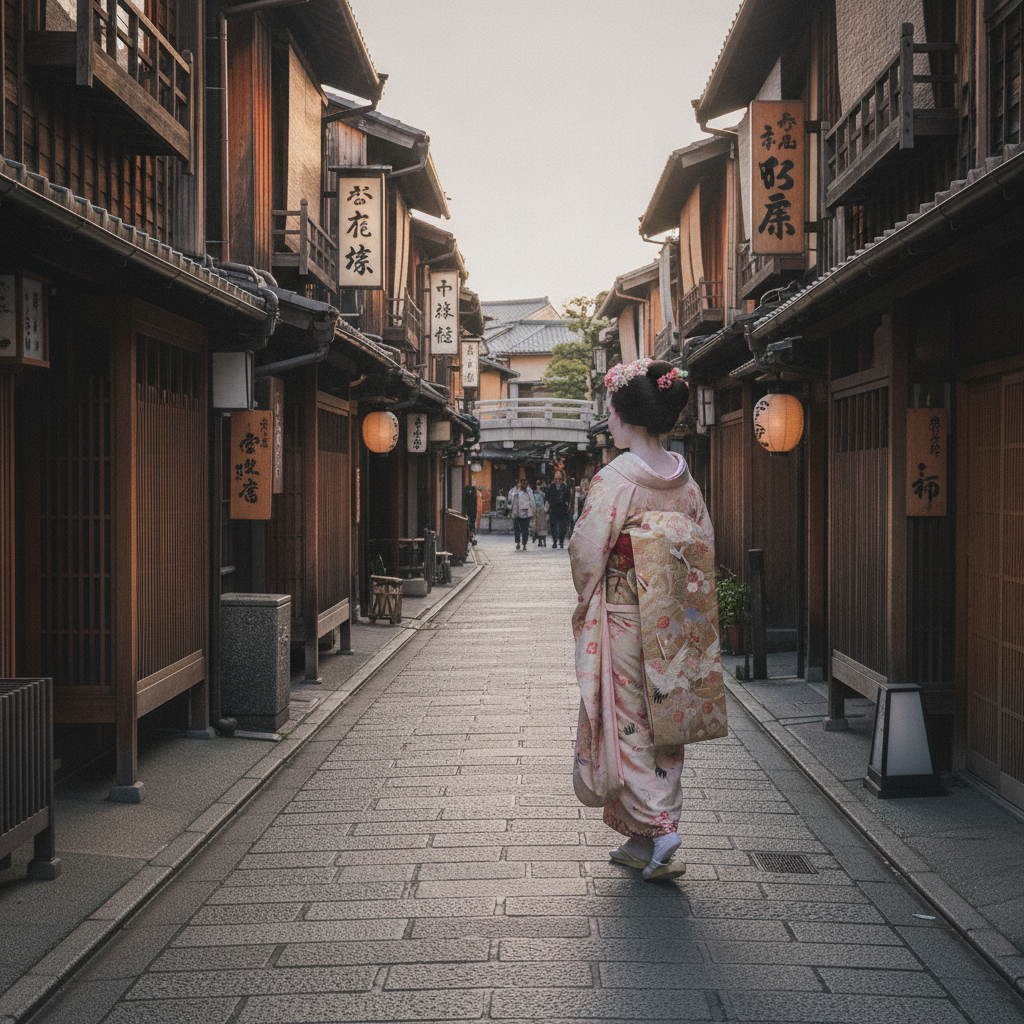
Gion — Kyotos Geisha-Viertel, Hanamikoji & die Ochaya-Teehäuser
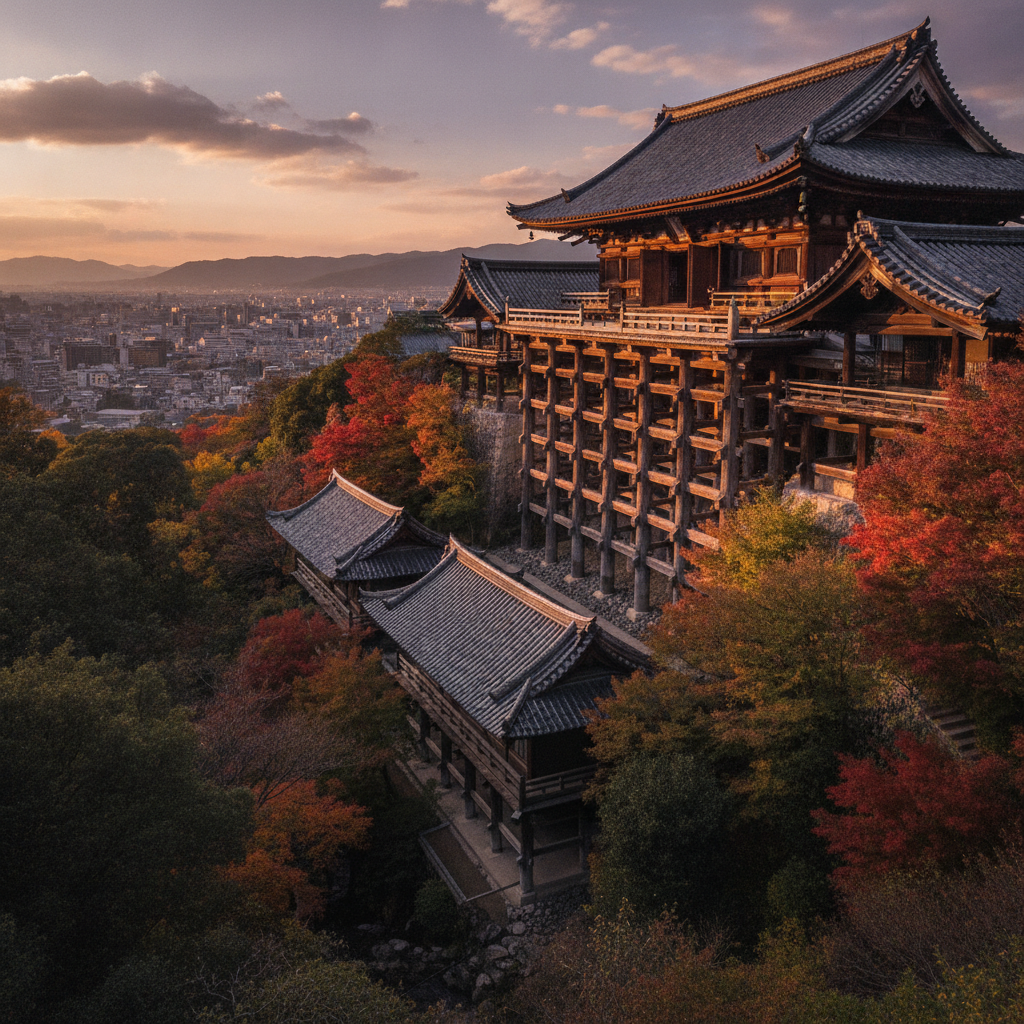
Higashiyama — Kiyomizudera und die historisch erhaltenen Straßenbilder
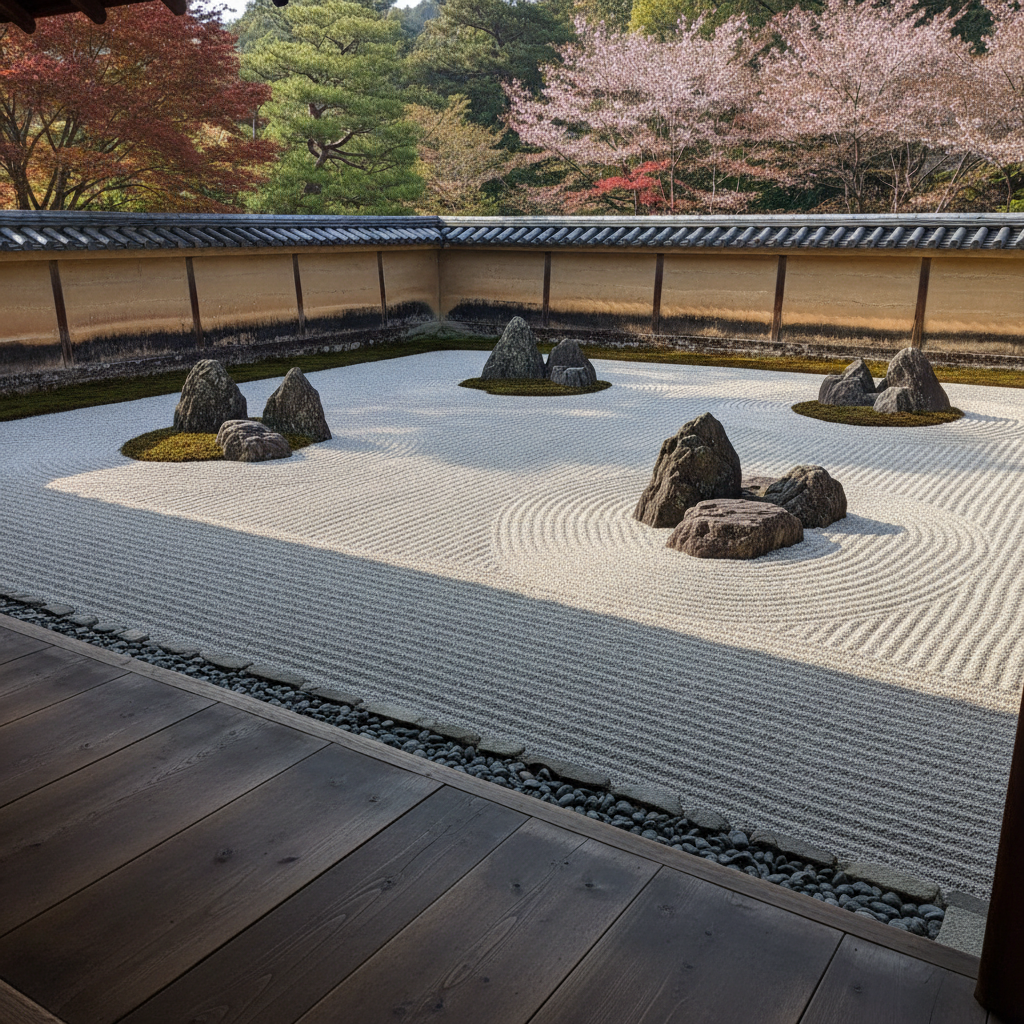
Ryoan-ji, Daitokuji & die Zen-Gartenphilosophie Kyotos
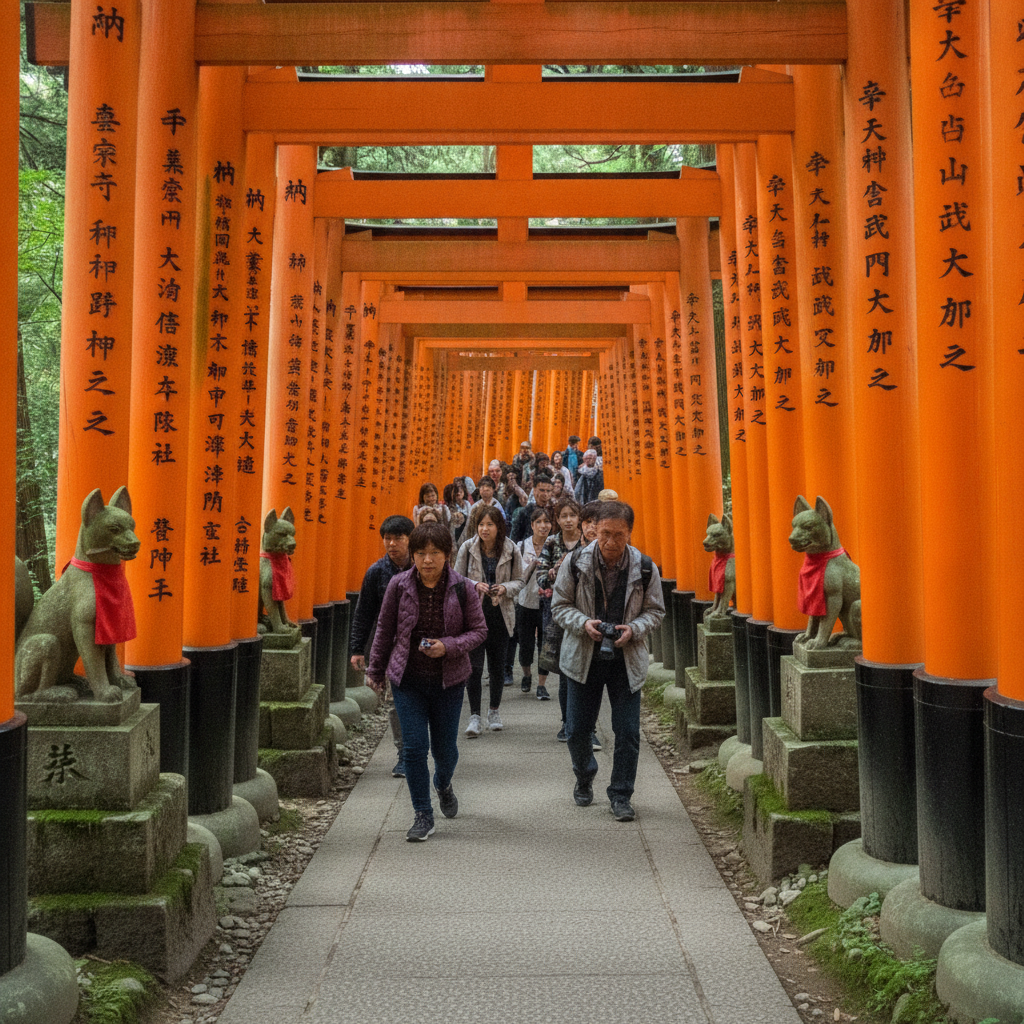
Fushimi Inari-taisha — 10.000 Torii-Tore zum Berggipfel