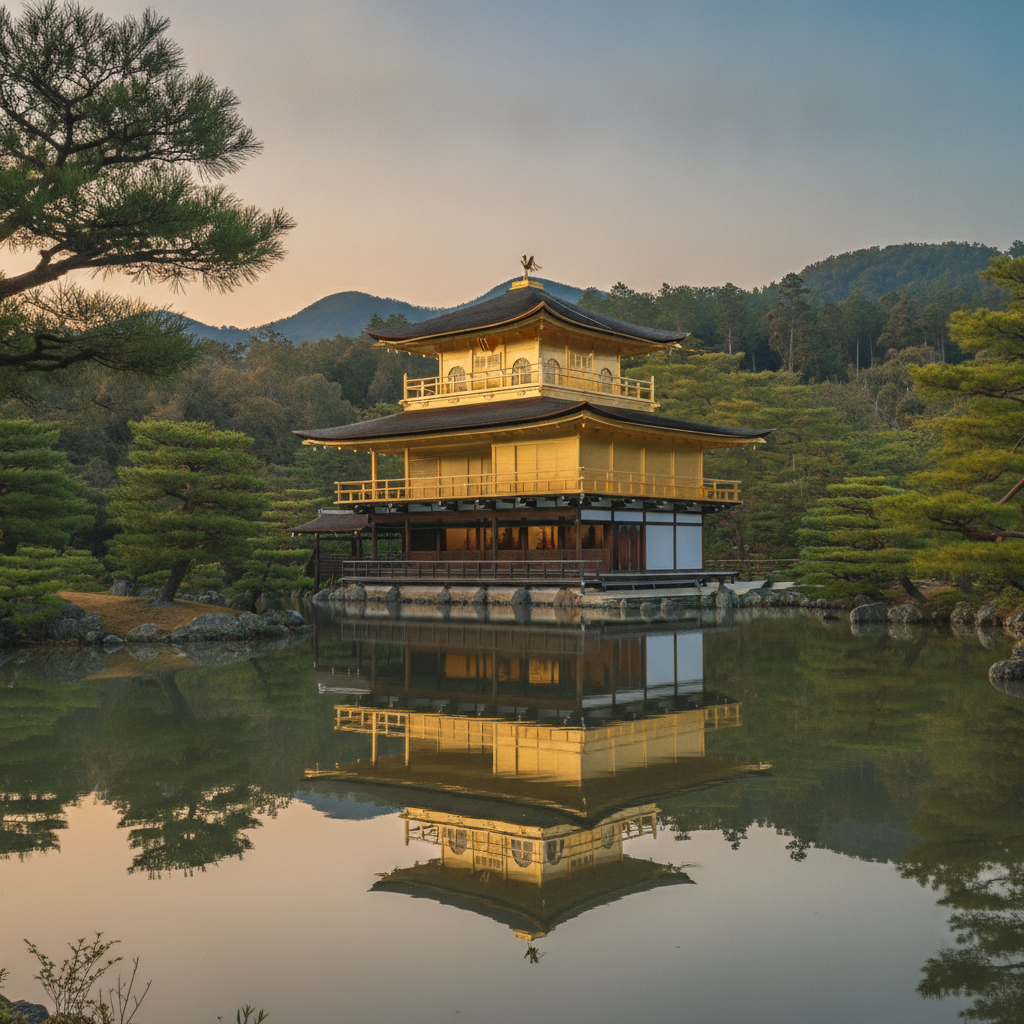
Kinkaku-ji — Der Goldene Pavillon & Zen-Gärten im Nordwesten Kyotos
Kinkaku-ji (金閣寺 — der Tempel des Goldenen Pavillons, offiziell Rokuon-ji — der Rinzai-Zen-buddhistische Tempel im Bezirk Kita im Norden Kyotos, der dreistöckige goldene Pavillon (shakyo-do), der sich im Spiegelteich (Kyōko-chi) spiegelt — die meistbesuchte einzelne Stätte in Kyoto (etwa 5 Millionen Besucher pro Jahr) und das international bekannteste Bild des traditionellen Japans): Der Pavillon ist mit Blattgold bedeckt (die oberen beiden Stockwerke sind vollständig mit Blattgold bedeckt, etwa 20 kg Blattgold wurden bei der Restaurierung 1987 angebracht) und spiegelt sich in dem großen Teichgarten, der ihn umgibt.
- 1
Kinkaku-ji — Drei Etagen, drei buddhistische Traditionen
Kinkaku-ji (der Goldene Pavillon, Kita-ku, 1397, nach Brandstiftung 1955 wiederaufgebaut) repräsentiert drei verschiedene architektonische Perioden auf drei Etagen — die erste Etage (aristokratischer Heian-Palaststil, kein Blattgold) enthält den Hōō-dō (Schrein des Phönix); die zweite Etage (Kamakura-Samurai-Architektur, außen mit Blattgold bedeckt) war eine buddhistische Halle; die dritte Etage (Zen-chinesischer Stil, innen und außen mit Blattgold) beherbergte Reliquien des Buddha; Eintritt ¥500.
- 2
Ryōan-ji Steingarten — 15 Steine, unendliche Interpretationen
Der Zen-Steingarten von Ryōan-ji (Ukyo-ku, 248 sq m, Ende des 15. Jahrhunderts angelegt) enthält 15 sorgfältig platzierte Steine in 5 Gruppen auf weißem, geharktem Kies — egal wo man auf der Aussichtsplattform sitzt, ein Stein ist immer verborgen (dies ist beabsichtigt); die Bedeutung des Gartens wird seit 500 Jahren diskutiert: Insellandschaft, Tigerbabys, die einen Fluss überqueren, konfuzianische Tugend — es wurde nie eine maßgebliche Interpretation gefunden; Eintritt ¥500.
- 3
Ninna-ji Tempel — Kaiserlicher Palasttempel mit Omuro-Kirschen
Ninna-ji (Omuro, 888 AD, der erste Monzeki (kaiserliche Prinz) Tempel in Japan) enthält die Garan-Fünf-Etagen-Pagode (1637) und Japans berühmteste spätblühende Kirschbäume (Omuro-Kirschen, vor über 1000 Jahren gepflanzt, blühen 2 Wochen nach den regulären Kyoto-Sakura, normalerweise vom 10. bis 20. April) — der Kirschhain (über 200 Bäume, aufgrund der Bodenverhältnisse selten höher als 2m) bildet eine tiefe Wolke von Blüten, ungewöhnlich in jeder Sakura-Umgebung.
- 4
Kōkedera — Der Moosgarten, der einen Brief erfordert
Saihō-ji (Kōkedera, 'Moostempel', Matsuo, 1339) ist einer der am besten geschützten Gärten Japans — der Eintritt erfordert die Einreichung einer handschriftlichen Postkartenanfrage 3+ Wochen im Voraus; 130 Moosarten bedecken den Boden, Steinlaternen und den mit Inseln übersäten Teich in leuchtendem Grün; der obere Garten enthält einen Karesansui (trockenen Steingarten), der den berühmteren Beispielen vorausgeht; die Besucherzahl ist auf 150/Tag begrenzt; Eintrittspreis ¥3,000.
- 5
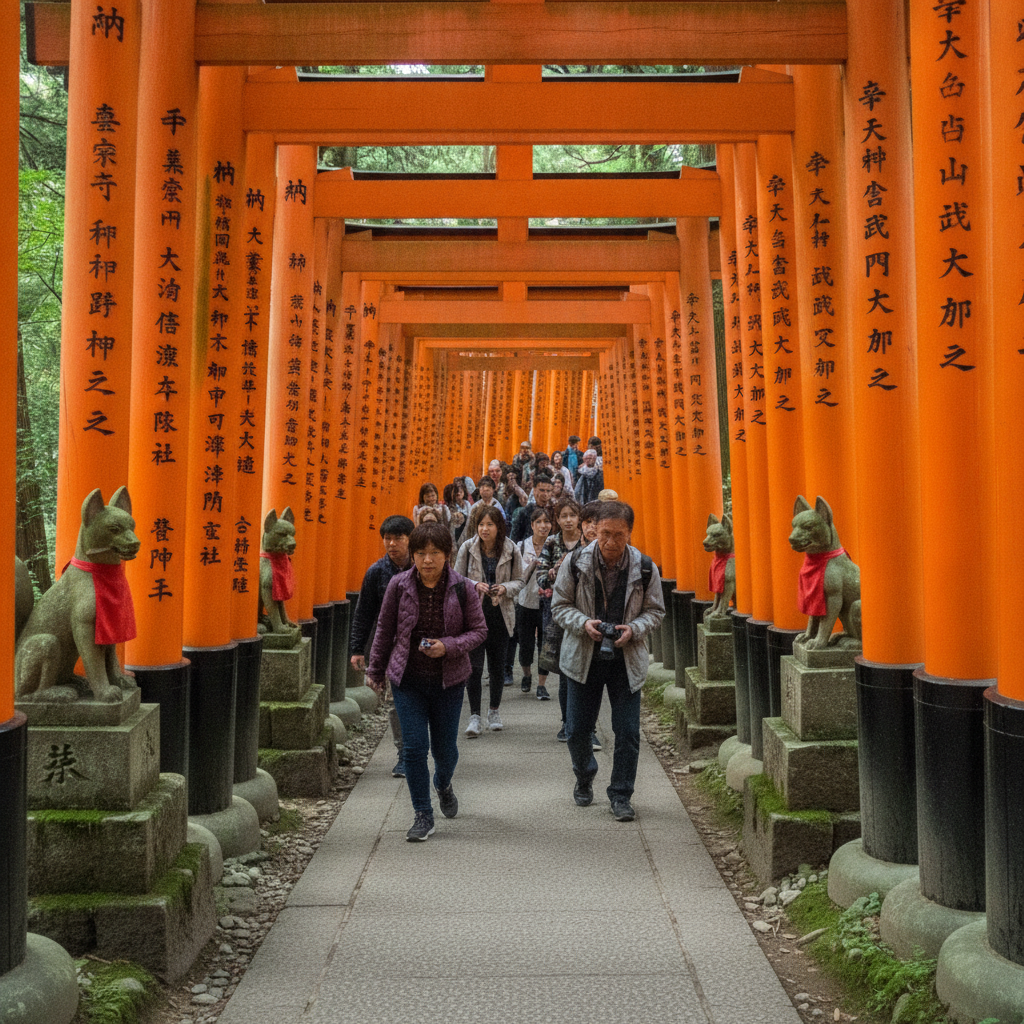
Fushimi Inari Taisha — 10.000 zinnoberrote Tore
Fushimi Inari Taisha (Fushimi, 711 AD, 15 Minuten vom Kyotoer Bahnhof mit der JR Nara Line) verfügt über einen 4km langen Bergpfad, gesäumt von 10.000 Torii-Toren (jedes von einem japanischen Unternehmen gespendet, mit dem Namen des Spenders und dem Datum in das Holz gebrannt), der zum Gipfel des Berges Inari (233m) führt — der gesamte Rundgang dauert 2–3 Stunden; der innere Berg ist nach den ersten 30 Gehminuten fast menschenleer; kein Eintritt.
- 6
Arashiyama Bambushain — 10-minütiger Spaziergang, 30-sekündiges Erlebnis
Der Arashiyama Bambushain (Sagano, 5 Minuten vom Bahnhof Arashiyama) ist eine der ikonischsten Landschaften Japans — ein 10-minütiger gepflasterter Weg durch riesigen Moso-Bambus (bis zu 24m hoch); der Hain ist so bekannt, dass Überfüllung zu einem Problem geworden ist; die Umgebung (Tenryu-ji Tempelgarten, der Ōkōchi Sansō Villengarten und die Togetsukyo Brücke über den Ōi Fluss) ist weniger überlaufen und wohl lohnender; kein Eintritt für den Hain.
Walk this route with audio
Stories play automatically as you reach each stop — no tapping needed.
Mehr in kyoto
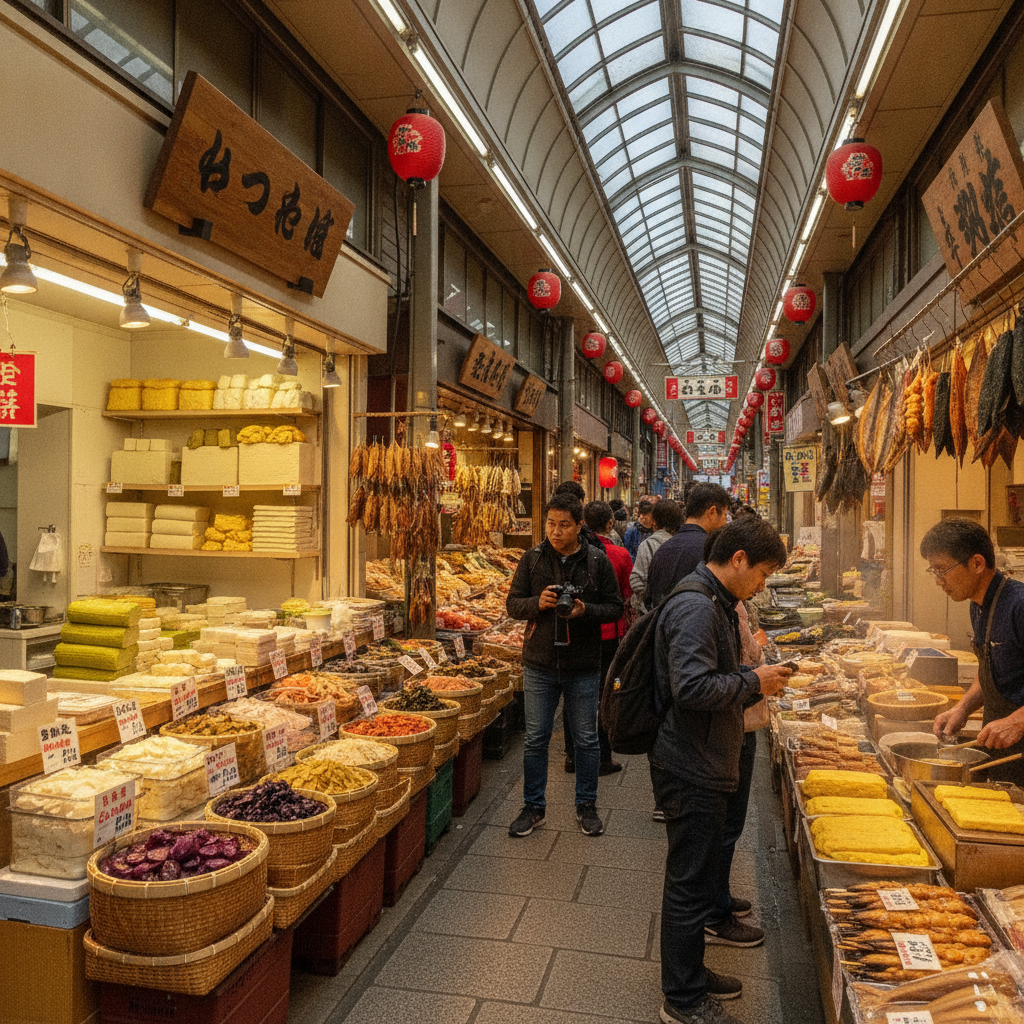
Nishiki-Markt & Kyotoer Küche — Die Küche Kyotos
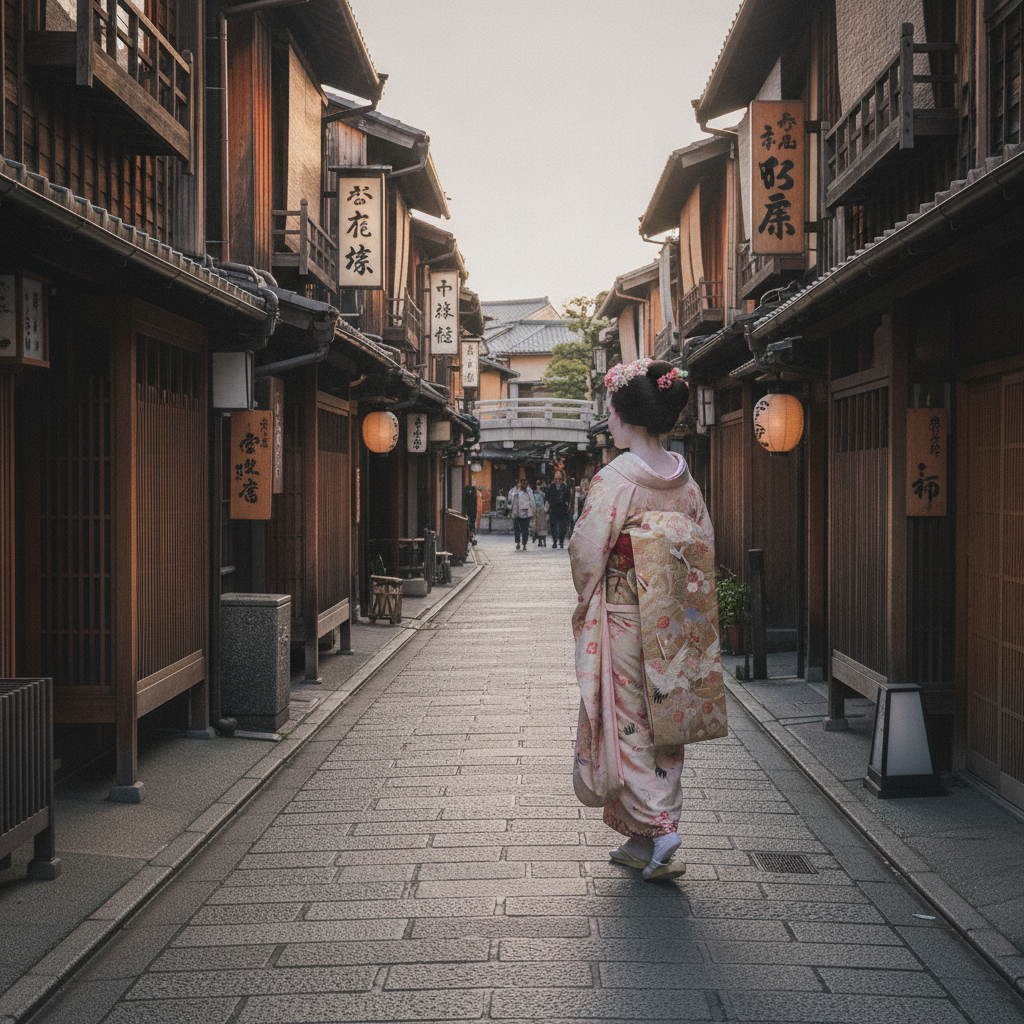
Gion — Kyotos Geisha-Viertel, Hanamikoji & die Ochaya-Teehäuser
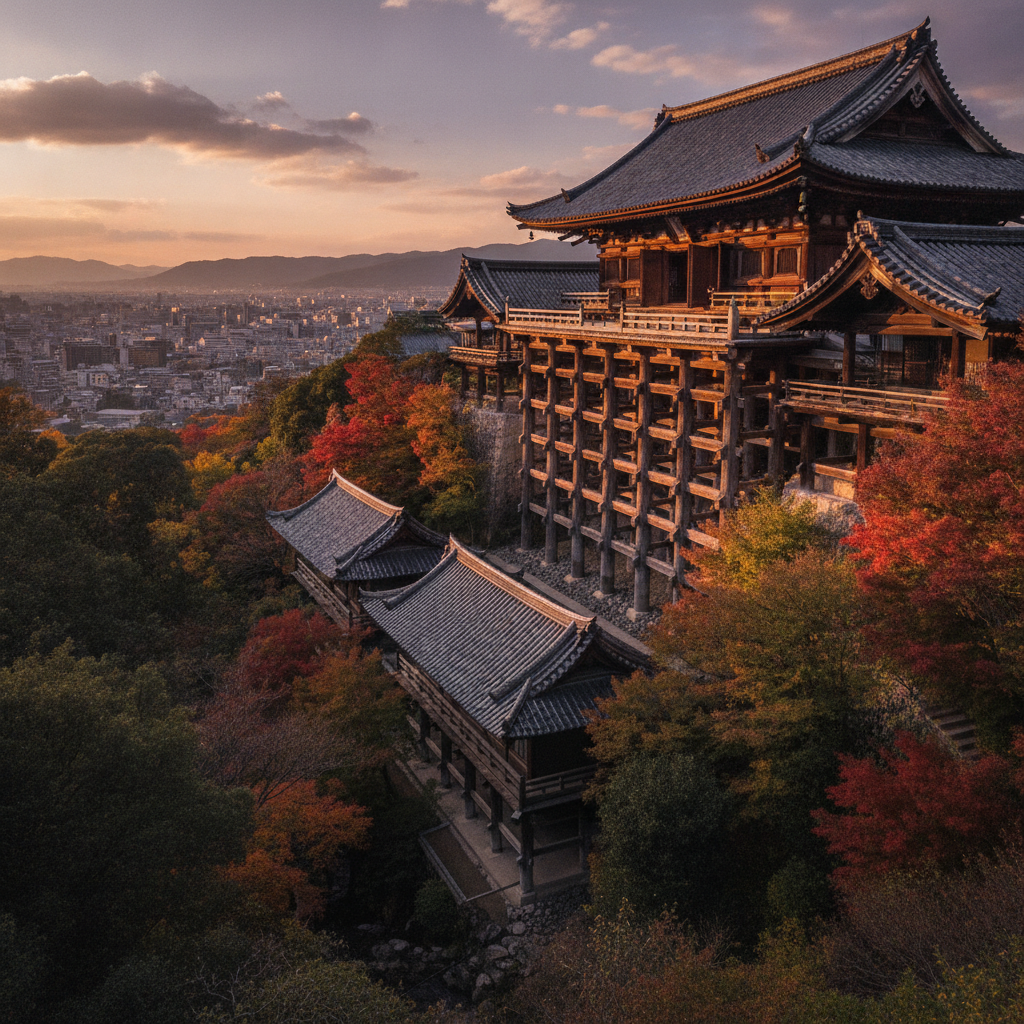
Higashiyama — Kiyomizudera und die historisch erhaltenen Straßenbilder
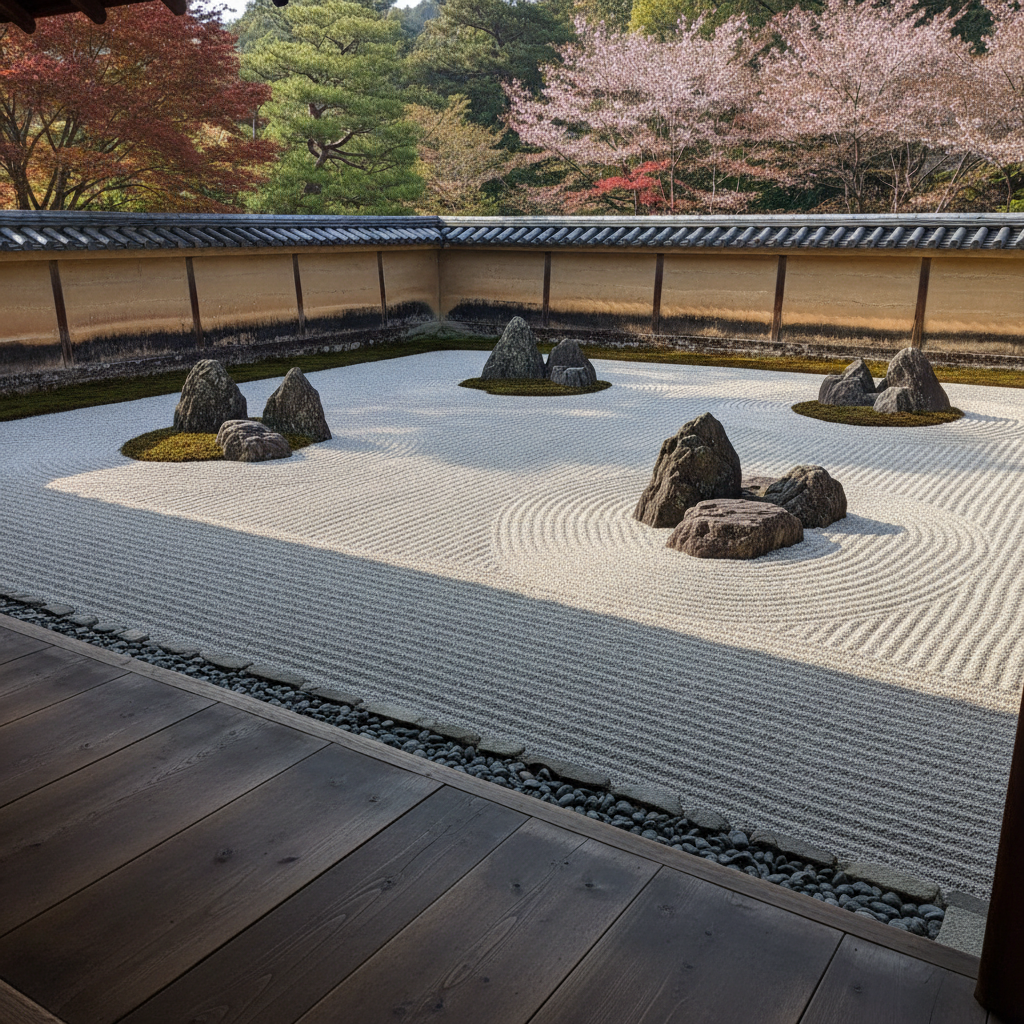
Ryoan-ji, Daitokuji & die Zen-Gartenphilosophie Kyotos
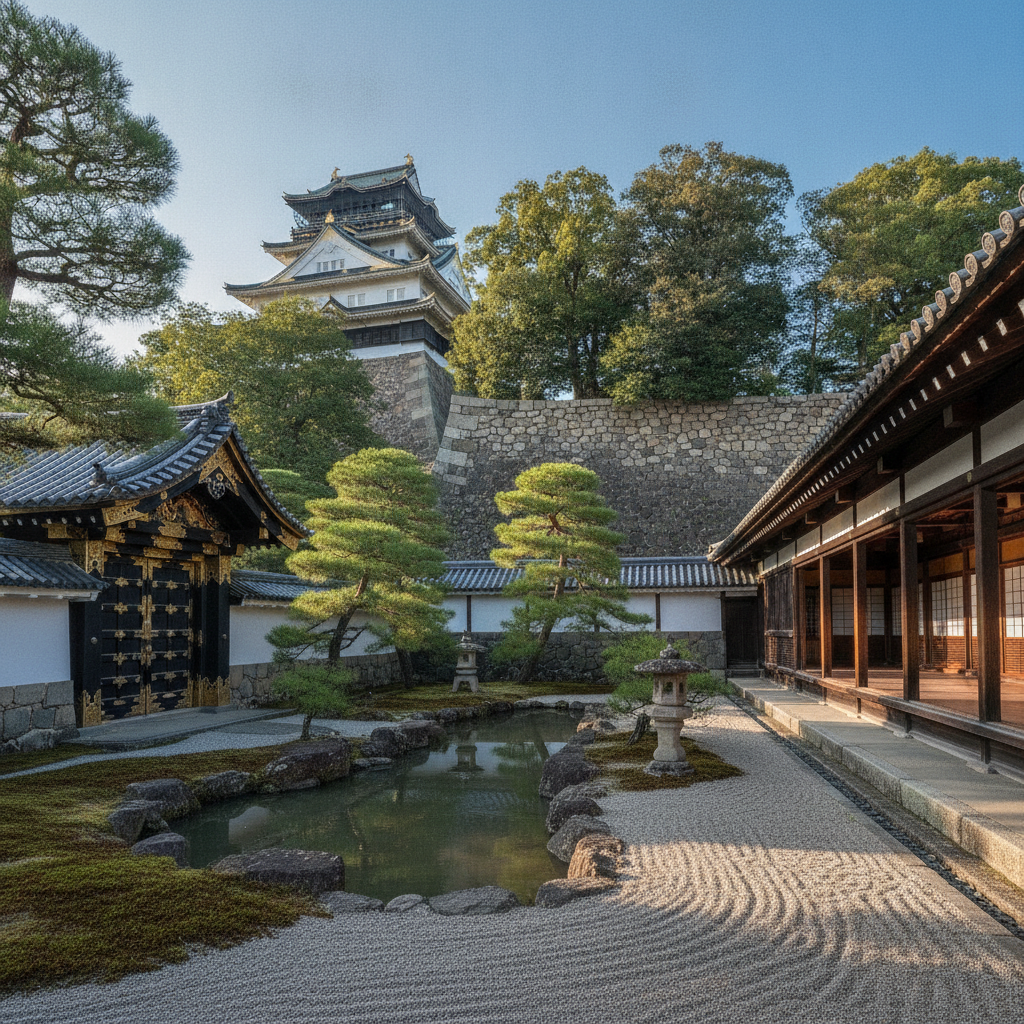
Kaiserpalast Kyōto, Burg Nijō & die kaiserliche Geschichte der Stadt