Nishiki-Markt & Kyotoer Küche — Die Küche Kyotos
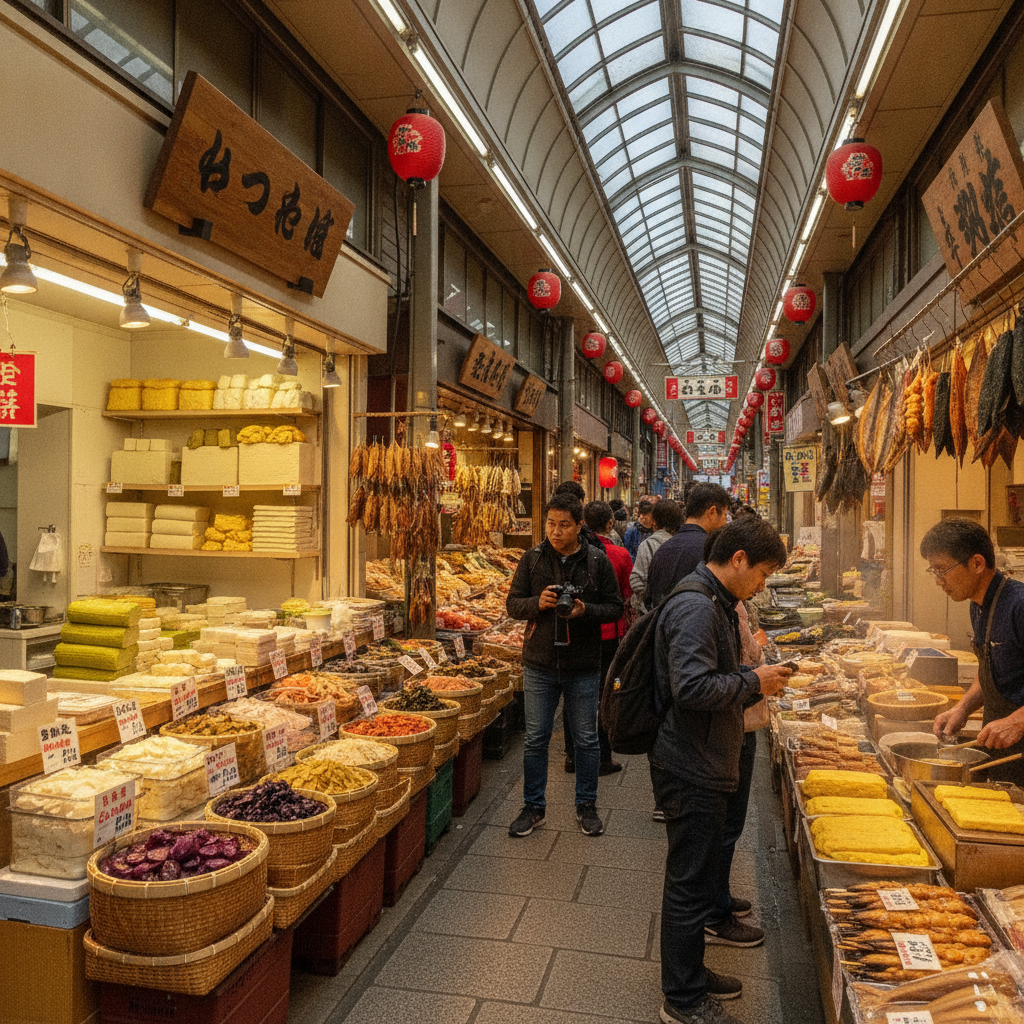
Nishiki Market (錦市場 — 'Nishiki-Markt', Spitzname 'Kyotos Küche' (京のお台所 — Kyō no Odaidokoro) — die überdachte Marktstraße im Herzen Kyotos, 390 Meter westlich der Teramachi-Arkade gelegen, gesäumt von etwa 130 Anbietern von Kyotoer Spezialitäten): Der Markt ist seit der frühen Edo-Zeit (ca. 1615) ununterbrochen in Betrieb und ist spezialisiert auf die unverwechselbare Esskultur Kyotos (kyo-ryori — Kyoto-Küche), die sich durch ihre Betonung von saisonalem Gemüse (kyo-yasai — Kyoto-Gemüse), Tofu (der beste Tofu Japans wird in Kyoto aus dem mineralreichen Bergwasser hergestellt) und der delikaten Ästhetik von Kaiseki (Kyotos mehrgängige Haute Cuisine) auszeichnet.
- 1
Nishiki-Markt — 'Kyotos Küche' seit dem 14. Jahrhundert
Der Nishiki-Markt (400 m lang, 100 Stände, Nakagyo-ku, seit dem 14. Jahrhundert als Fischgroßmarkt betrieben, heute hauptsächlich Einzelhandel) ist in einer der engsten Straßen Kyotos untergebracht — Tofugeschäfte, eingelegte Gemüsehändler, Stände mit frischer Yuba (Tofuhaut), Messer und zubereitete Speisen füllen die Gasse; der Markt ist am belebtesten von 10 bis 17 Uhr; viele Stände bieten Einzelspieße und Proben an; Eintritt frei, Parken unmöglich.
- 2
Kyoto Kaiseki — Der Höhepunkt der japanischen Saisonküche
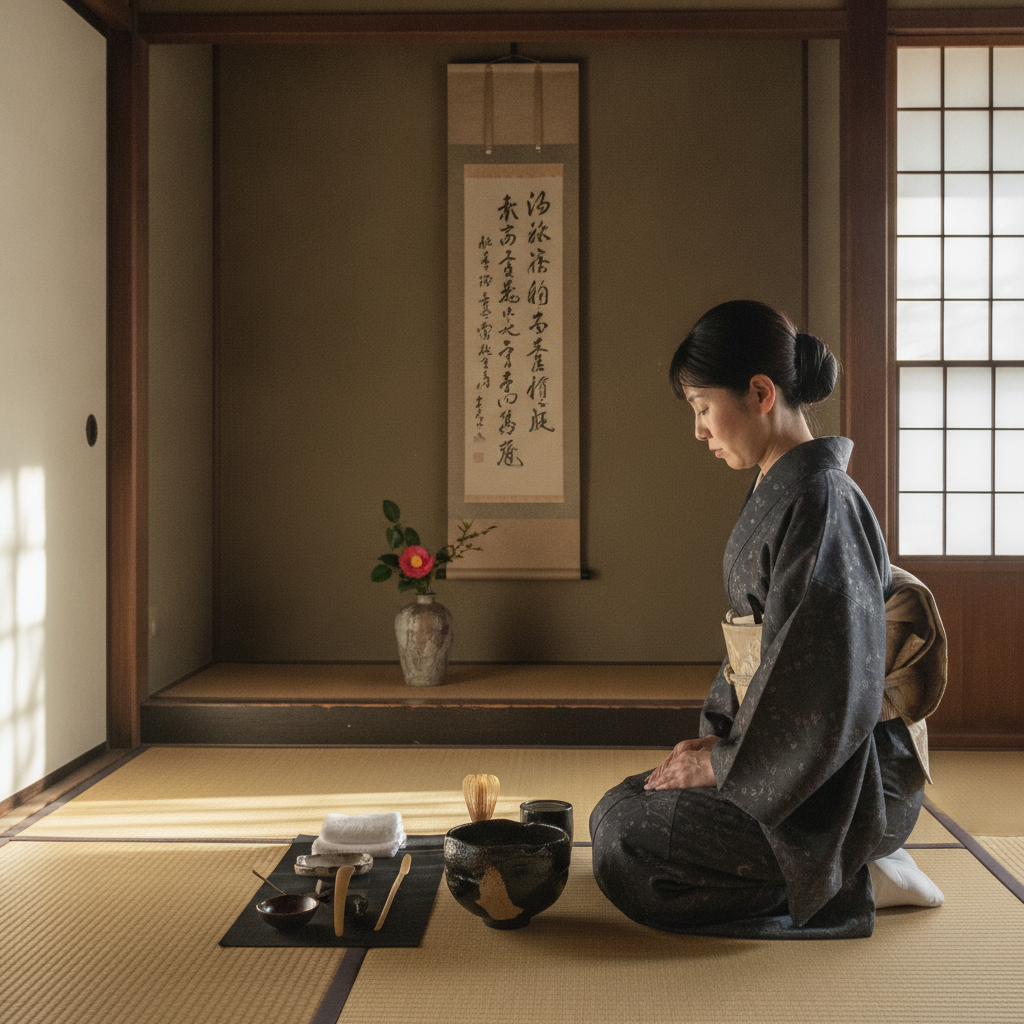
Kaiseki ryōri (ein formelles mehrgängiges Menü, das von der traditionellen leichten Mahlzeit vor einer Teezeremonie abgeleitet ist) ist Kyotos höchste kulinarische Ausdrucksform — ein vollständiges Kaiseki-Menü (8–14 Gänge) verwendet nur saisonale lokale Zutaten, die nach strengen Regeln für Temperatur, Textur und Farbkontrast zubereitet werden; Kikunoi (3 Michelin-Sterne), Mizai (3 Sterne) und Nakamura (450 Jahre, das älteste Kaiseki-Restaurant in Kyoto) repräsentieren die Tradition; Abendessen ¥25.000–100.000+.
- 3
Tofu-Küche — Kyotos Protein des buddhistischen Asketismus
Kyotos shōjin ryōri (buddhistisch-vegetarische Küche, die von Zen-Mönchen entwickelt wurde) verwendet Tofu als Hauptproteinquelle — Kiyomizu-yudōfu (Tofu, der in Kombu-Brühe geschmort wird und in Restaurants am Sannen-zaka-Hang in der Nähe von Kiyomizudera gegessen wird), Abura-age (frittierter Tofu) und Yuba (Tofuhaut) in saisonaler Zubereitung; der beste Tofu wird täglich aus Kyotoer Wasser (bemerkenswert weich) von Geschäften wie Omen und Tousuiro hergestellt.
- 4
Nishiki Tsukemono — Kyotos einzigartige Gurkenkultur
Kyoto tsukemono (eingelegtes Gemüse) ist die unverwechselbarste kulinarische Tradition der Stadt — Senmaizuke (Tausend-Scheiben-Rüben eingelegt mit Kombu und Essig), Shibazuke (Gurke und Aubergine in rotem Shiso, wodurch eine unverwechselbare violette Farbe entsteht) und Suguki (fermentierte Rüben mit natürlicher Milchsäuregärung, einzigartig in Kyoto) sind die drei klassischen Sorten; Nishiki Markets Ueno tsukemono Shop (gegr. 1841) verkauft alle drei; Portion ¥500–1.000.
- 5
Kyoto Sake — Fushimis Brauereiviertel mit weichem Wasser
Fushimi (Süd-Kyoto, 15 Minuten vom Bahnhof Kyoto entfernt) ist eines der drei großen Sake-Braugebiete Japans (neben Nada in Kobe und Saijo in Hiroshima) — 35 Brauereien verwenden Fushimis natürlich weiches Quellwasser (aus den Momoyama-Hügeln), um Sake herzustellen, der für seinen sanften, leicht süßen Charakter bekannt ist; Gekkeikan (1637), Kizakura und Takase sind für Führungen und Verkostungen geöffnet; das Sake-Museum (Gekkeikan Okura, kostenlose Verkostung) ist die beste Einführung.
- 6
Kyoto Obanzai — Die einfache Alltagsküche
Obanzai ist Kyotos Hausmannskost-Tradition — kleine Portionen von saisonalem Gemüse, getrocknetem Fisch, geschmortem Tofu und eingelegten Gurken, die zu einer kompletten Mahlzeit ohne die formale Struktur von Kaiseki zusammengestellt werden; Obanzai-Restaurants (mehrere kleine Gerichte, die in kleinen Keramikschalen auf einem Holztablett serviert werden) sind die Kyotoer Alternative zu Ramen oder Tonkatsu, die in anderen japanischen Städten zu finden sind; Obanzai Koromo (Nakagyo-ku) und Nanzenji Sanso servieren authentisches Obanzai von ¥1.500–3.000 für eine komplette Mahlzeit.
Walk this route with audio
Stories play automatically as you reach each stop — no tapping needed.
Mehr in kyoto
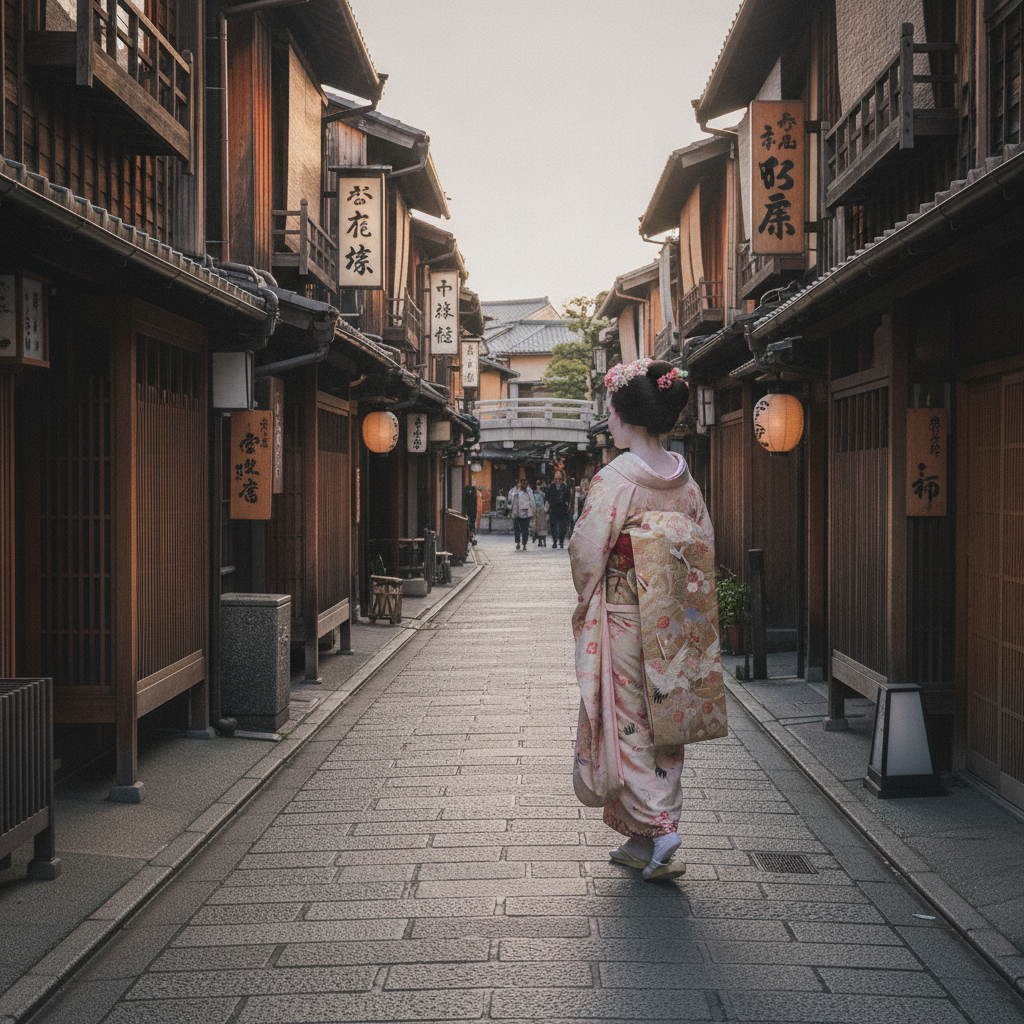
Gion — Kyotos Geisha-Viertel, Hanamikoji & die Ochaya-Teehäuser
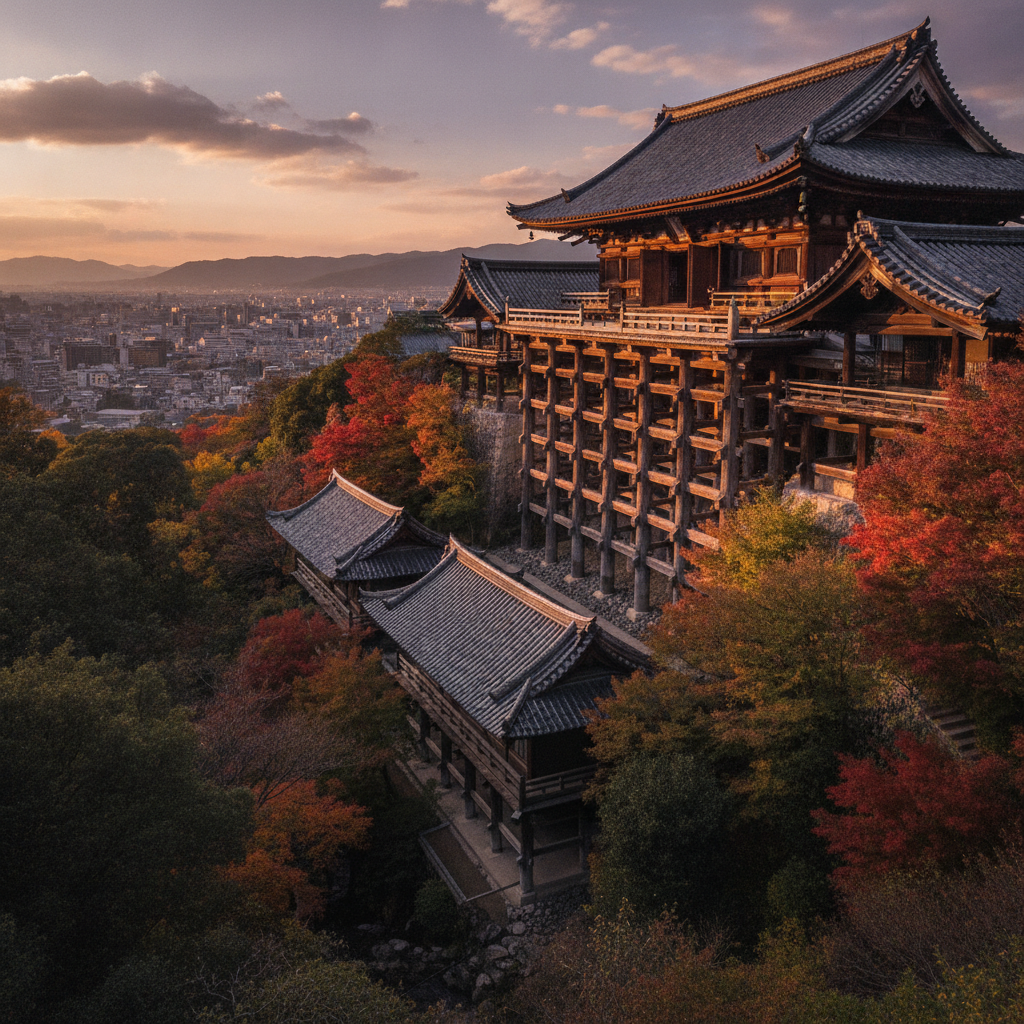
Higashiyama — Kiyomizudera und die historisch erhaltenen Straßenbilder
Ryoan-ji, Daitokuji & die Zen-Gartenphilosophie Kyotos
Kaiserpalast Kyōto, Burg Nijō & die kaiserliche Geschichte der Stadt
Fushimi Inari-taisha — 10.000 Torii-Tore zum Berggipfel