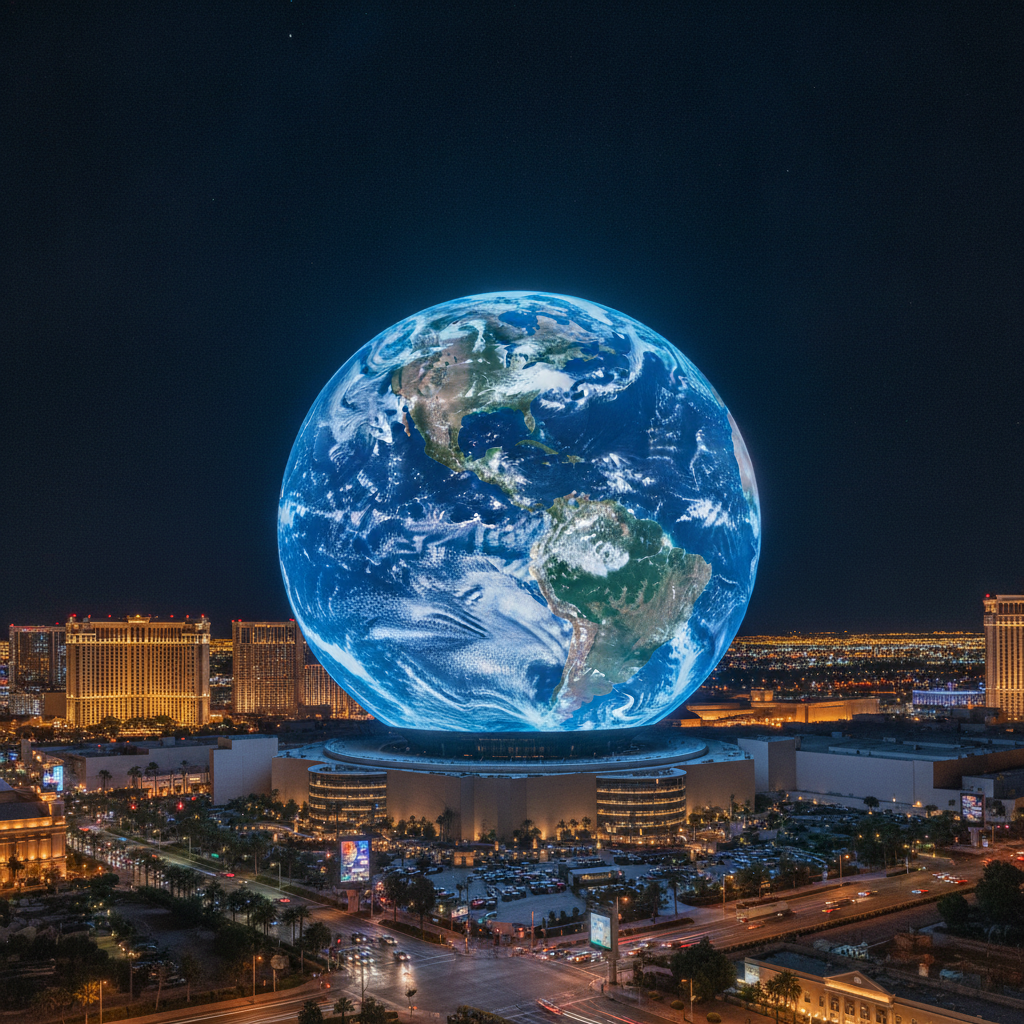
Poker, Blackjack & die Wissenschaft des Glücksspiels in Las Vegas
Las Vegas (die Stadt, deren gesamte Wirtschaft auf Glücksspiel aufgebaut ist – die 30 größten Arbeitgeber in Clark County sind alles Casino-Resort-Unternehmen, und Glücksspieleinnahmen machen ungefähr 25 % der staatlichen Steuereinnahmen Nevadas aus): Die Glücksspielkultur von Las Vegas (das weltweit raffinierteste und reichste Glücksspielziel) ist gleichzeitig die Hauptattraktion der Stadt und Gegenstand der umfangreichsten mathematischen und psychologischen Forschung aller kommerziellen Aktivitäten in der Geschichte.
- 1
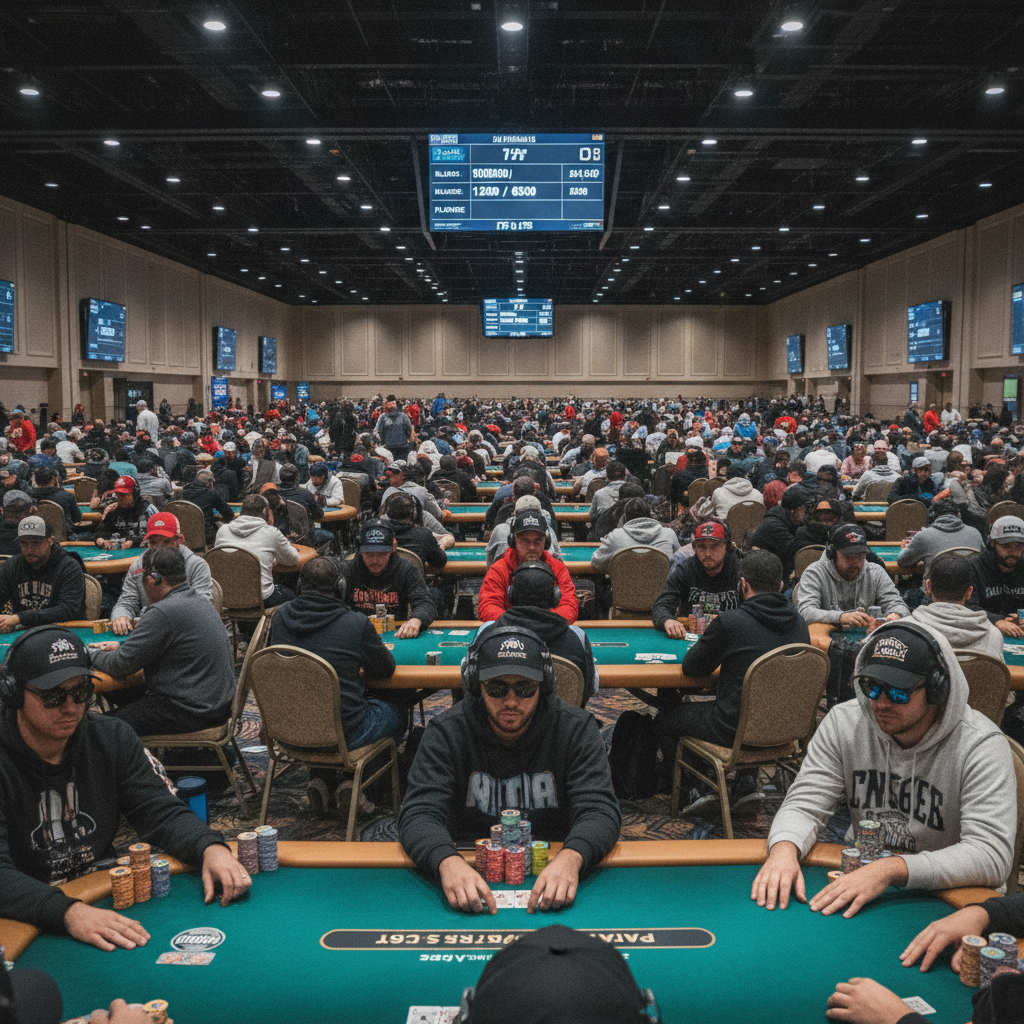
Die World Series of Poker – Horseshoe's Juli-Turnier
Die World Series of Poker (Horseshoe Las Vegas, ehemals Bally's, Juli–August, über 100 Events) ist das größte Pokerturnier der Welt – das Main Event (Buy-in: $10.000 No-Limit Hold'em) zieht 8.000–10.000 Spieler aus über 100 Ländern an, die um einen ersten Preis von über $10 Millionen kämpfen; das WSOP-Armband ist der begehrteste Preis im Poker; tägliche Satellitenturniere (Buy-in $125–$500) ermöglichen es regulären Spielern, neben Profis anzutreten.
- 2
Bellagio Poker Room – Der prestigeträchtigste Cash Game Room
Der Bellagio Poker Room (36 Tische, 24 Stunden geöffnet) gilt als der prestigeträchtigste Pokerraum der Welt – die $10.000–$25.000 No-Limit Hold'em Cash Games (oft mit über $500.000 auf dem Tisch) sind seit 25 Jahren der Standard für High-Stakes-Umgebungen; der Raum hat Phil Ivey, Daniel Negreanu und Bobby Baldwin im regulären Spiel beherbergt; Spiele mit niedrigeren Einsätzen ($1/$3 NLH) sind für Freizeitspieler geöffnet.
- 3
Glücksspielmathematik – Der Hausvorteil erklärt
Jedes Casinospiel in Las Vegas hat einen eingebauten Hausvorteil – Blackjack (Einzeldeck, optimale Strategie): 0,5 %; Doppel-Null-Roulette: 5,26 %; Spielautomaten: 4–15 % je nach Denomination; der Hausvorteil bedeutet, dass für jede $100, die gesetzt werden, das Casino im Laufe der Zeit $0,50–$15 einbehält; professionelle Spieler nutzen Kartenzählen (Blackjack), Vorteilspiel (Video Poker) und Sportwettenanalyse, um Spiele zu identifizieren, bei denen der Vorteil minimal oder umkehrbar ist.
- 4
Casino-Architektur – Keine Uhren, keine Fenster, gezielte Desorientierung
Die Innenräume der Casinos in Las Vegas sind auf maximale Zeitverzerrung ausgelegt – kein natürliches Licht, keine Uhren vom Spielbereich aus sichtbar, Sauerstoffwerte werden diskutiert (der Mythos von gepumptem Sauerstoff ist unbegründet, aber die Belüftung wird sorgfältig kontrolliert), Teppichmuster sind darauf ausgelegt, die Augen auf den Tischen zu halten, und die beliebtesten Maschinen sind am Eingang positioniert, um die Aufmerksamkeit zu maximieren; das Mirage (1989, Steve Wynn) führte das 'Retail-Entertainment'-Modell ein, dem alle nachfolgenden Casinos gefolgt sind.
- 5
Sportwetten – Nevadas legale Innovation seit 1949
Nevada bietet seit 1949 legale Sportwetten an – die Sportwettenbüros von Las Vegas (das Westgate SuperBook ist 30.000 Quadratfuß groß und hat über 400 Bildschirme) sind die raffiniertesten legalen Wettumgebungen der Welt; das 'America's Leading Sportsbook' des Westgate veröffentlicht zukünftige Quoten für alle wichtigen US-amerikanischen und internationalen Sportereignisse; das Circa Resort (eröffnet 2020) baute ein Sportwettenbüro im Stadionstil im Wert von $17 Millionen als seine Hauptattraktion.
- 6
Das Venetian Casino – 120 Tische, 2.200 Spielautomaten
Die Casino-Etage des Venetian (120 Spieltische, 2.200 Spielautomaten, 24 Stunden geöffnet) gehört zu den opulentesten in Las Vegas – Marmorsäulen, Deckenfresken und als Gondoliere verkleidetes Personal schaffen die venezianische Erzählung, während die Spiel-Etage denselben mathematischen Prinzipien wie jedes andere Casino folgt; das Venetian und das Palazzo zusammen stellen eine Investition von $1,8 Milliarden in die Spielinfrastruktur und Hotelausstattung (7.117 Suiten) dar, die einen Jahresumsatz von über $2,5 Milliarden generieren.
Walk this route with audio
Stories play automatically as you reach each stop — no tapping needed.
Mehr in las-vegas
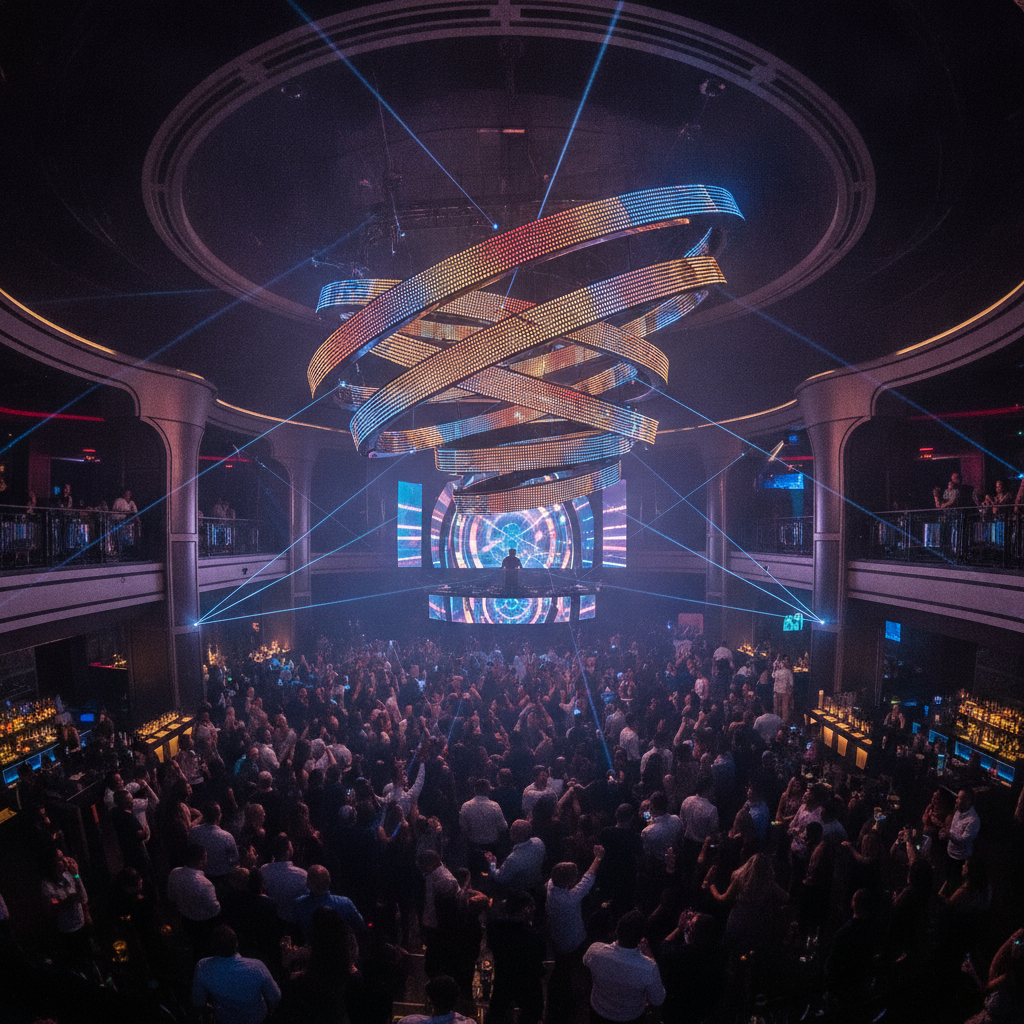
Las Vegas Nachtclubs, EDM & die größte DJ-Kultur der Welt
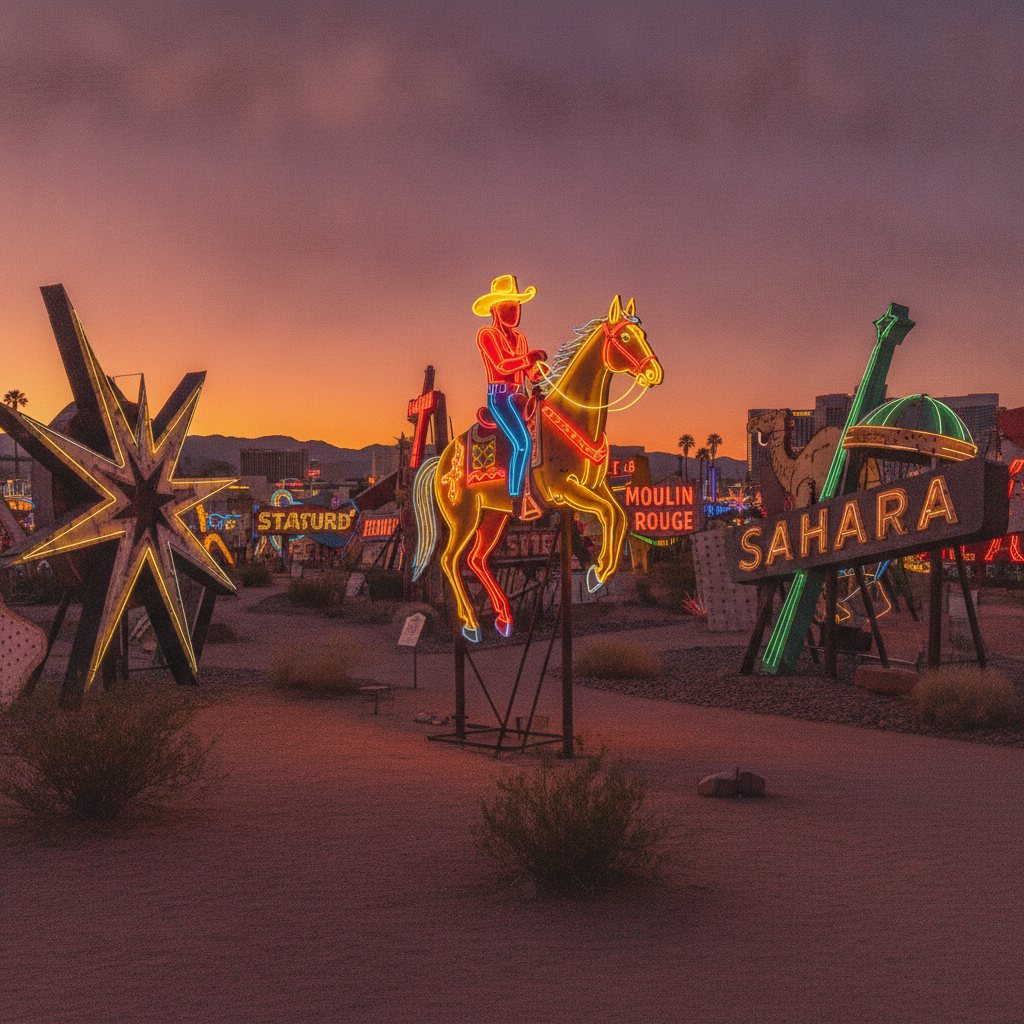
Neon Museum, Hochzeitskapellen & Kunst in Downtown Las Vegas
Sinatra, das Rat Pack & das Goldene Zeitalter von Las Vegas
Grand Canyon, Valley of Fire & Wüstenausflüge von Las Vegas
Las Vegas Pool-Partys, Spas & das ultimative Resort-Erlebnis