Historisches Zentrum von Lima, die Kathedrale & Koloniales Erbe
Das Historische Zentrum von Lima (das UNESCO-Weltkulturerbe — eines der schönsten kolonialen Stadtbilder Amerikas, die ehemalige Hauptstadt des Vizekönigreichs Peru) mit der Plaza Mayor, der Kathedrale von Lima (die das Grab von Francisco Pizarro, dem Gründer Limas, beherbergt), dem Palacio de Gobierno und den Barockkirchen und Kolonialpalästen des 16. bis 18. Jahrhunderts ist das historisch bedeutendste Kolonialviertel Südamerikas.
- 1
Kathedrale von Lima — Pizarros Gebeine und 400 Jahre Bauzeit
Limas Kathedrale (Plaza Mayor, Baubeginn 1535, nach Erdbeben 1687 und 1746 wiederaufgebaut, in heutiger Form 1797 fertiggestellt) enthält das Mausoleum von Francisco Pizarro — die Überreste des spanischen Konquistadors (1984 durch DNA-Analyse authentifiziert) sind in einer Glasvitrine neben dem Hauptaltar ausgestellt; das Museum (Eintritt S/10) beherbergt religiöse Gemälde und Gewänder; die 40m hohen Türme sind der visuelle Anker der Plaza Mayor.
- 2
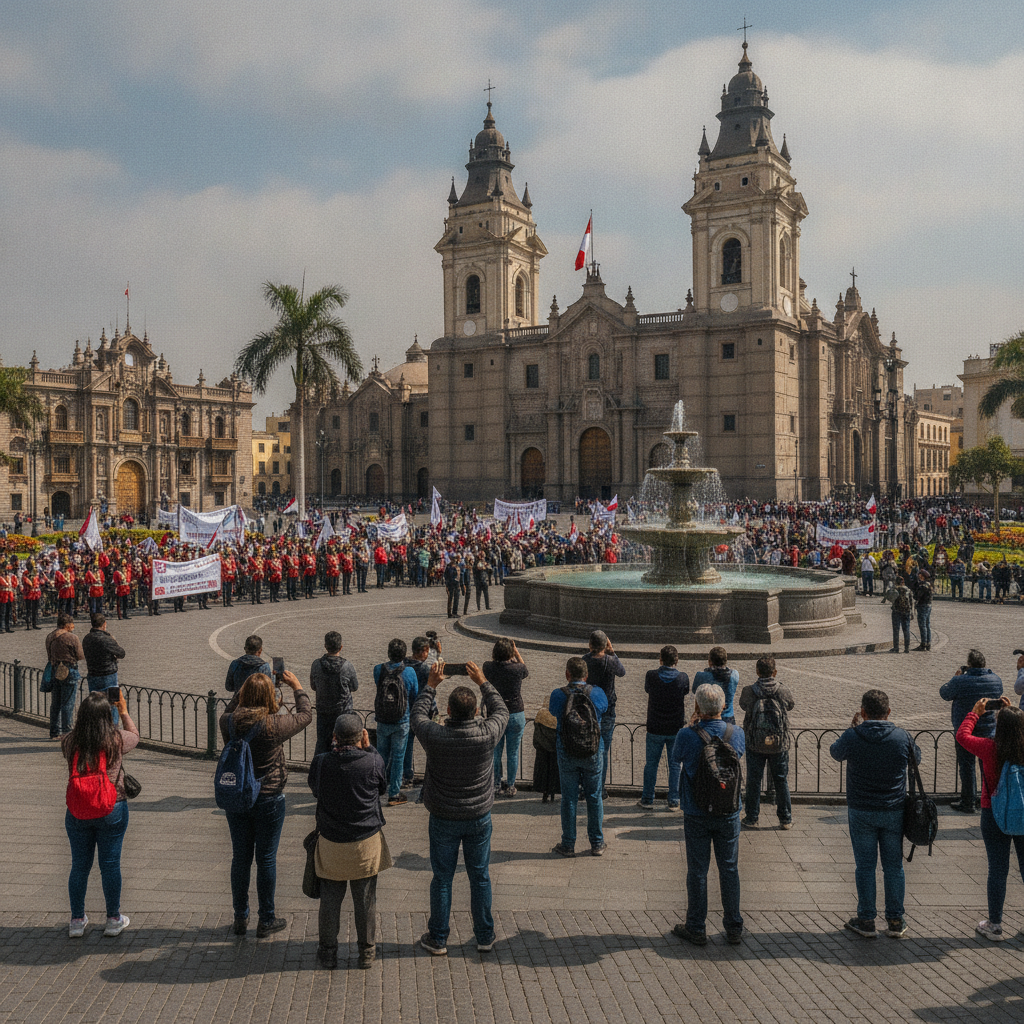
Plaza Mayor de Lima — Das Zentrum Perus seit 1535
Limas Plaza Mayor (auch Plaza de Armas genannt) ist umgeben von der Kathedrale, dem Präsidentenpalast, dem Stadtpalast und dem Erzbischöflichen Palast — der Brunnen (1650, Limas älteste öffentliche Skulptur) ist der älteste Brunnen Amerikas, der noch an seinem ursprünglichen Standort steht; die Wachablösung am Präsidentenpalast (täglich 12pm) wird in voller militärischer Zeremonialkleidung durchgeführt.
- 3
Monasterio de San Francisco — 25.000 Gebeine in den Katakomben
Das Monasterio de San Francisco (Ecke Ancash und Lampa, 1774, UNESCO) diente bis 1808 als Limas Hauptfriedhof — die Katakomben unter der Kirche beherbergen die Überreste von 25.000 Menschen, von den Franziskanermönchen in geometrischen Mustern angeordnet; die Bibliothek (oberirdisch) enthält 25.000 Bände, darunter eine Erstausgabe von Don Quijote von 1605; die Führung (45 Minuten, S/20) ist für die Katakomben obligatorisch.
- 4
Barrio Chino — Limas Chinesenviertel und Chifas
Limas Barrio Chino (Chinatown, Capón Street, Centro Histórico) ist die älteste und größte chinesische Gemeinschaft Südamerikas — 120.000 ethnische chinesische Peruaner (Tusán-Gemeinschaft, Nachkommen von Vertragsarbeitern aus dem 19. Jahrhundert) haben die Chifa (chinesisch-peruanische Fusionsküche) geschaffen, die heute täglich von allen Peruanern gegessen wird; die besten Chifas (Wa Lok, Salon Capon) servieren Lomo Saltado mit Wonton-Suppe für S/35–55.
- 5
Palacio de Gobierno — Wachablösung am Präsidentenpalast
Der Präsidentenpalast (Nordseite der Plaza Mayor, 1938, neokoloniale Fassade ersetzt die ursprüngliche Pizarro-Residenz von 1535) veranstaltet täglich mittags eine Wachablösungszeremonie, durchgeführt von der Guardia Republicana — die 30-minütige Zeremonie umfasst Infanterie, Kavallerie (Pferde aus dem nationalen Gestüt in Pachacamac) und eine Militärkapelle; der Hauptsalon kann im Rahmen von Führungen besichtigt werden (Dienstag–Donnerstag, Voranmeldung erforderlich).
- 6
Parque de la Muralla — Ausgrabungen von Inka- und Kolonialmauern
Der Parque de la Muralla (hinter dem Monasterio de San Francisco) ist ein 2 Hektar großer Flusspark, der über archäologischen Ausgrabungen von Limas Kolonialmauern errichtet wurde — die ursprünglichen Stadtmauern (1684, zum Schutz vor Piraterie) und Abschnitte einer darunter liegenden Mauer aus der Inkazeit sind in situ ausgestellt; der Rímac-Fluss (wo sich die Inka-Stadt Ichimac vor Pizarros Eroberung befand) ist von der östlichen Begrenzung des Parks aus sichtbar.
Walk this route with audio
Stories play automatically as you reach each stop — no tapping needed.
Mehr in lima
Limas Küstenwanderung: Von Barranco nach Miraflores
Barranco, Peñas & Limas böhmisches Kolonialviertel
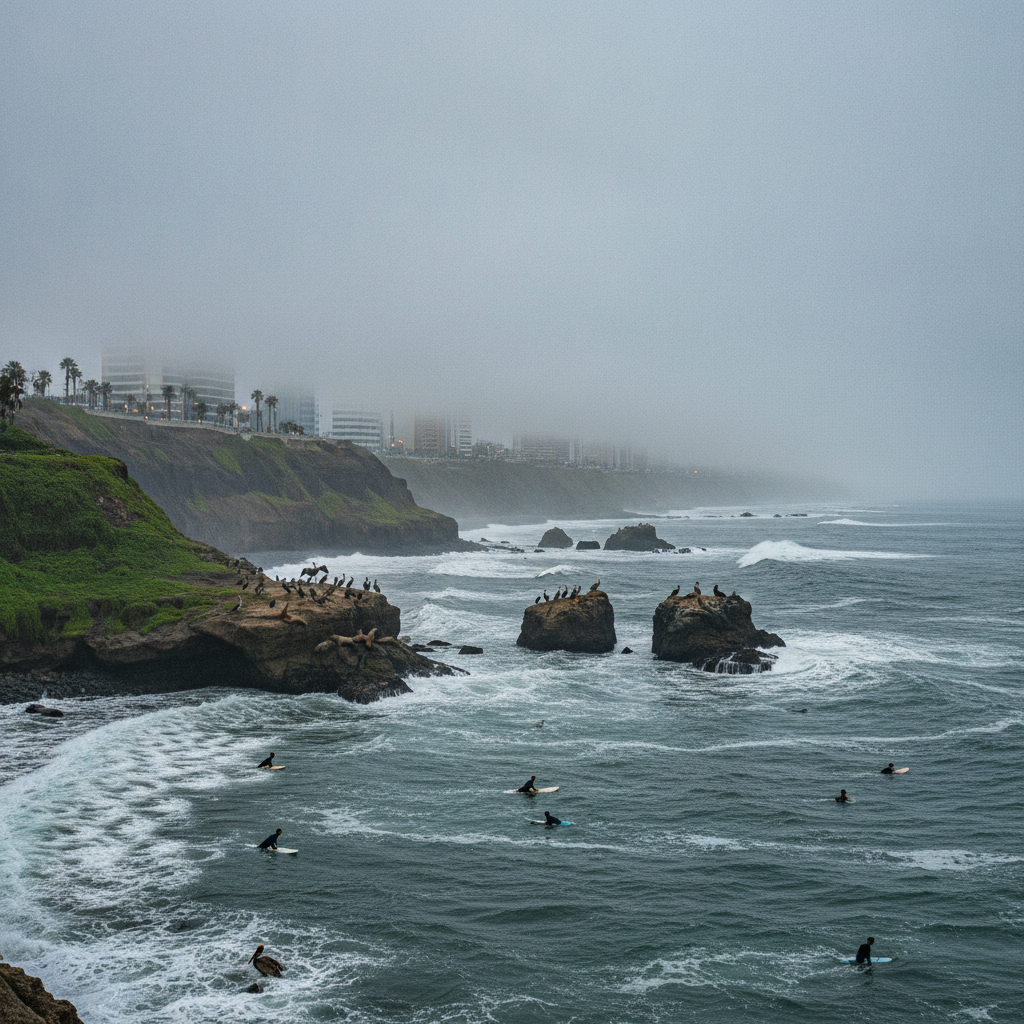
Limas Pazifikküste: Surfen und Seelöwen
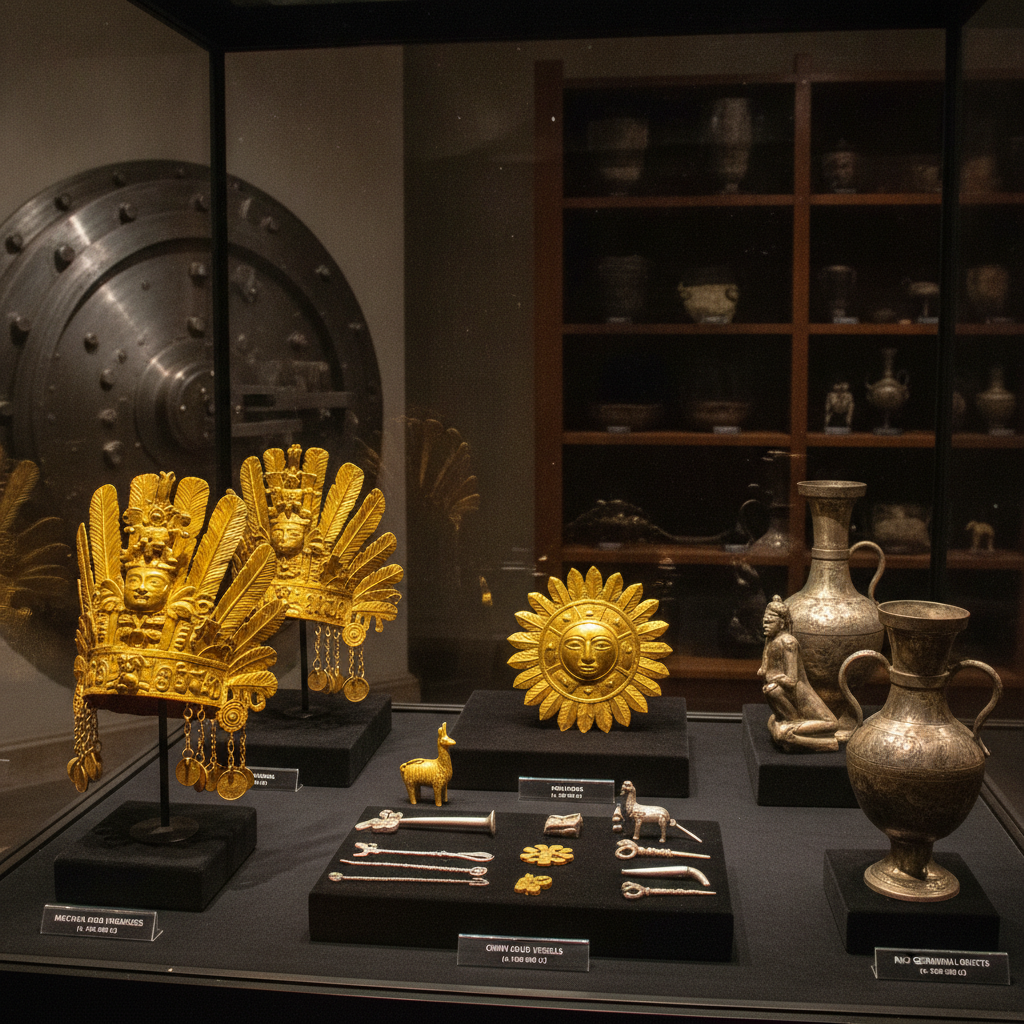
Museo Larco: Perus größte präkolumbianische Sammlung
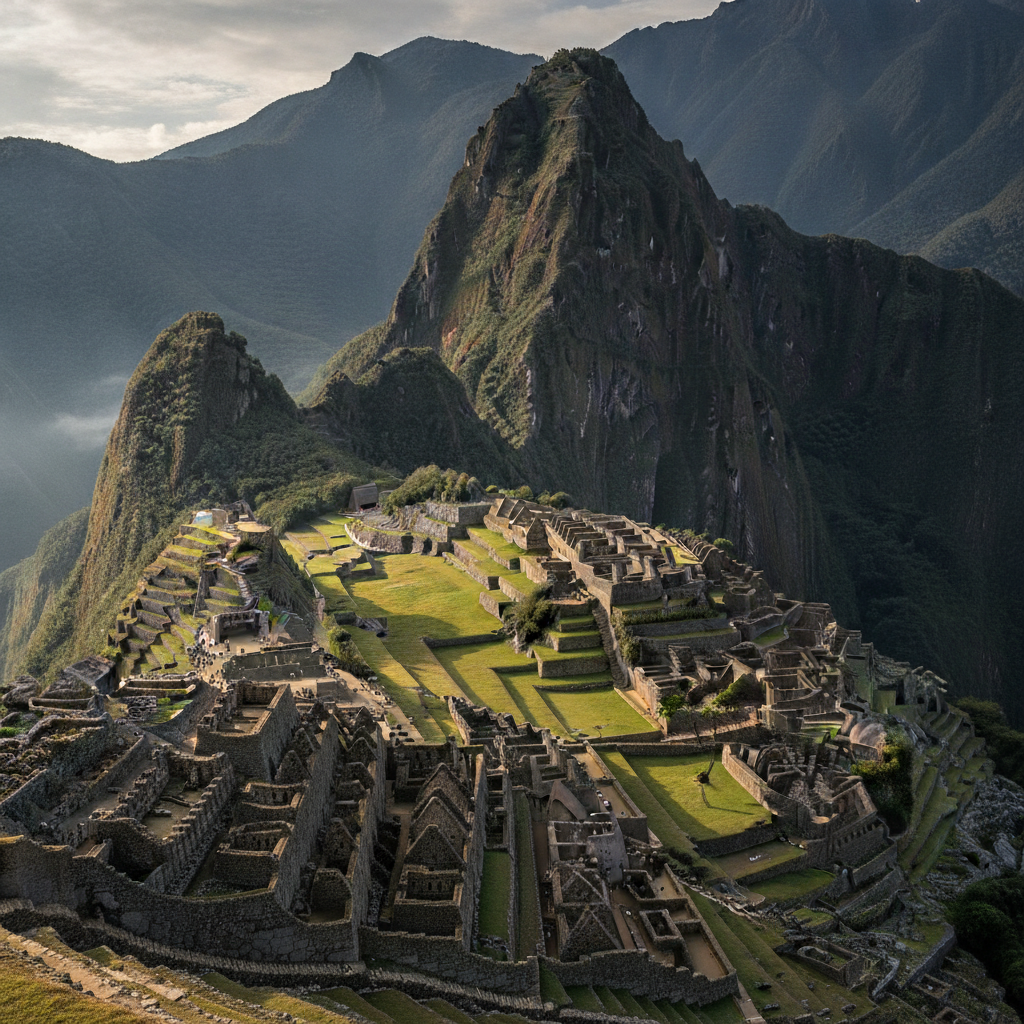
Machu Picchu, Cusco & Perus Inka-Erbe