Basilika von Guadalupe, Tlatelolco & das spirituelle Herz Mexikos
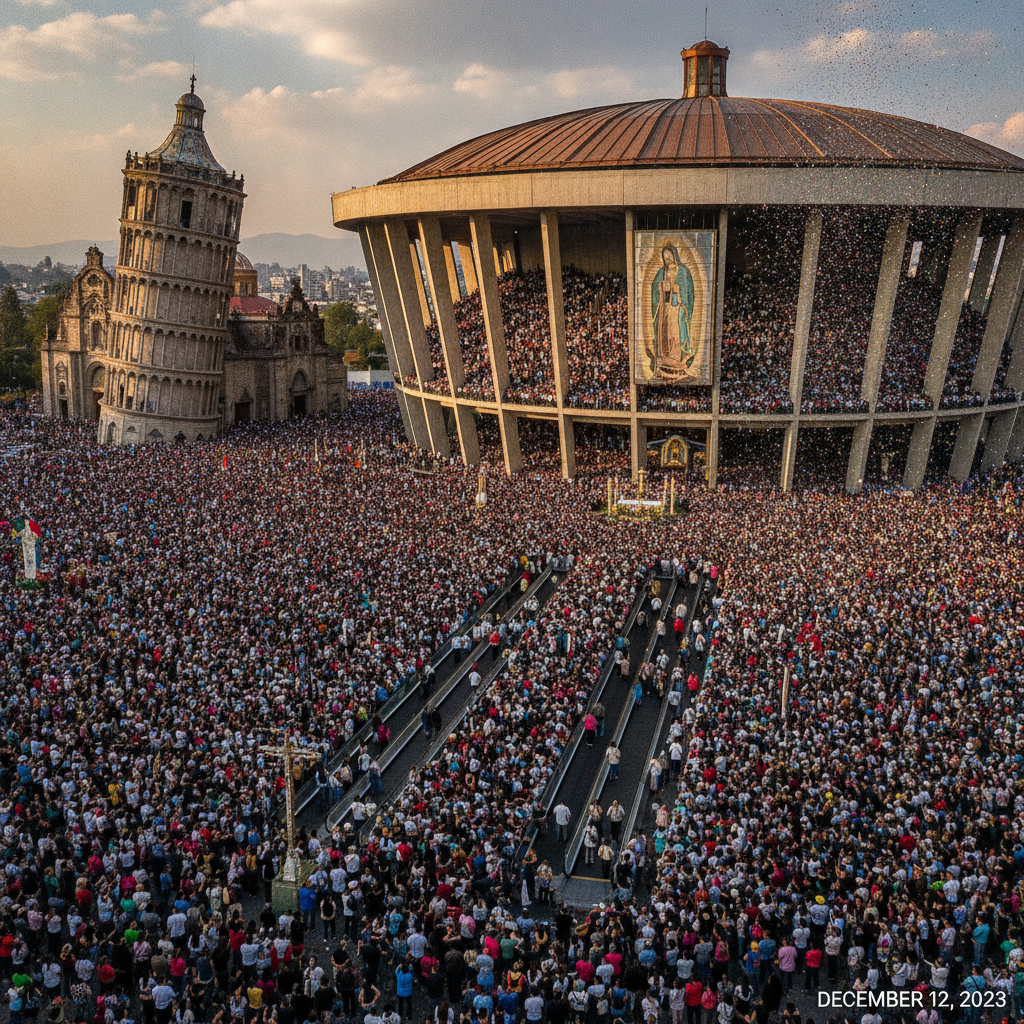
Die Basilika Unserer Lieben Frau von Guadalupe (nördlich des historischen Zentrums von Mexiko-Stadt, auf dem Cerro del Tepeyac) ist die meistbesuchte katholische Pilgerstätte der Welt und empfängt jährlich etwa 20 Millionen Pilger — mehr als der Vatikan oder Lourdes; die Jungfrau von Guadalupe (die Marienerscheinung, die dem indigenen Mexikaner Juan Diego im Dezember 1531, zehn Jahre nach der spanischen Eroberung, berichtet wurde) ist das zentrale Symbol der mexikanischen nationalen Identität, die das Religiöse transzendiert und zum mächtigsten kulturellen Symbol Mexikos wird.
- 1
Basilika von Guadalupe — Amerikas meistbesuchter katholischer Schrein
Die Basílica de Nuestra Señora de Guadalupe (Villa de Guadalupe, nördlich von CDMX, erreichbar mit der Metro Linie 6 bis La Villa) empfängt 20 Millionen Pilger pro Jahr — die Erscheinung der Jungfrau Maria im Jahr 1531 an den indigenen Konvertiten Juan Diego und die wundersame Tilma (Mantel) mit ihrem Bild (immer noch sichtbar und auf 1531 datiert), machen dies zum wichtigsten katholischen Pilgerort Amerikas; die moderne Basilika (1974, José Luis Benlliure, 50.000 Plätze) führt Pilger auf einem Rollsteig an der Tilma vorbei.
- 2
Tenayuca-Pyramide — Prä-aztekischer Doppeltempel, 1200 n. Chr.
Die Zona Arqueológica de Tenayuca (Tlalnepantla, 20km nördlich des CDMX-Zentrums, Metro + Taxi) ist eine chichimekische Doppelpyramide (1200 n. Chr., vor der Aztekenzeit) umgeben von 138 Steinschlangen — die konzentrische Pyramidenstruktur (4 Bauphasen im freigelegten Querschnitt sichtbar) war das Modell für den Templo Mayor in Tenochtitlán; die Stätte wird selten besucht, obwohl sie eines der am besten erhaltenen prä-aztekischen Monumente Mexikos ist; Eintritt $80 MXN.
- 3
Tlatelolco 1968 — Das Massaker, das Mexiko veränderte
Die Plaza de las Tres Culturas (Tlatelolco, nördlich von CDMX) ist der Ort, an dem am 2. Oktober 1968 — 10 Tage bevor Mexiko-Stadt die Olympischen Spiele ausrichtete — mexikanische Armee- und paramilitärische Kräfte schätzungsweise 30–300 Studentenprotestierende töteten; die Regierung unterdrückte die Nachrichten 30 Jahre lang; der Gedenkplatz kombiniert aztekische Ruinen (Tlatelolco, das Handelszentrum von Tenochtitlán, 1370), eine Kolonialkirche (1609) und Apartmenttürme aus den 1960er Jahren; das Museum Memorial del 68 befindet sich im Gebäude der Secretaría de Relaciones Exteriores.
- 4
Templo Mayor — Der unter Mexiko-Stadt ausgegrabene Große Aztekentempel
Der Templo Mayor (neben dem Zócalo, 1978 entdeckt, als die Schaufel eines Elektrikers auf eine geschnitzte Steinscheibe traf) ist der Haupttempel von Tenochtitlán — die Ausgrabung enthüllte 7 übereinanderliegende Tempel (die Azteken bauten den Tempel 7 Mal um, wobei jede Konstruktion die vorherige ummantelte) aus der Zeit von 1325 bis 1521; das angrenzende Museum (Eintritt $80 MXN, sonntags frei) beherbergt die 3.25 Meter große Scheibe der Coyolxauhqui (Mondgöttin, 1469), die an der Basis der Pyramide gefunden wurde.
- 5
Xochimilco — Aztekische schwimmende Gärten, UNESCO-Weltkulturerbe
Xochimilco (25km südlich des CDMX-Zentrums, Light Rail vom Metro Tasqueña) ist der letzte Überrest des seenbasierten Landwirtschaftssystems (Chinampas, 'schwimmende Gärten'), das Tenochtitlán versorgte — die 180km Kanäle zwischen den künstlich angelegten Inseln werden von Trajineras (bemalte flache Boote) befahren; Mariachi-Gruppen und Essensverkäufer paddeln zwischen den Touristenbooten; die arbeitenden Chinampas bauen immer noch Gemüse für die Märkte von Mexiko-Stadt an; die UNESCO listete das Gebiet 1987.
- 6
Coyoacán — Frida Kahlo, Leo Trotzki und das böhmische CDMX
Coyoacán (südlich von CDMX, 20 Minuten mit der Metro vom Zentrum) ist das wichtigste Viertel für Mexikos intellektuelle Geschichte des 20. Jahrhunderts — das Blaue Haus (Frida Kahlo Museum, Allende/Londres, 1 Stunde Wartezeit, Eintritt $270 MXN) ist der Ort, an dem Kahlo geboren wurde, lebte und starb; 200m entfernt, das Casa Museo León Trotsky (Viena) ist der Ort, an dem der exilierte russische Revolutionär 1940 mit einem Eispickel ermordet wurde; der Coyoacán Markt (Samstag, zubereitete Speisen) und der Jardin Centenario (Sonntag, Kunsthandwerkermarkt) sind nach beiden Museen zugänglich.
Walk this route with audio
Stories play automatically as you reach each stop — no tapping needed.
Mehr in mexico-city
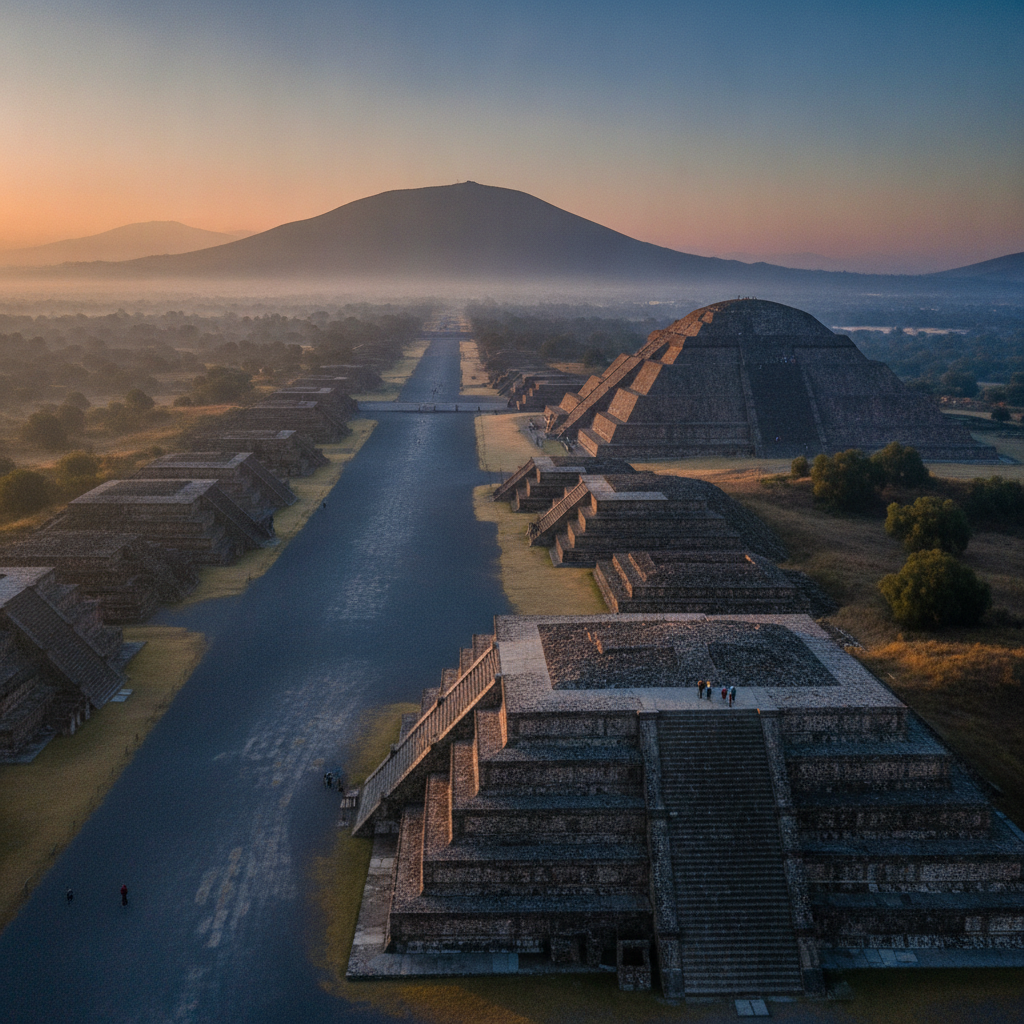
Teotihuacan — Die Pyramiden der Sonne und des Mondes
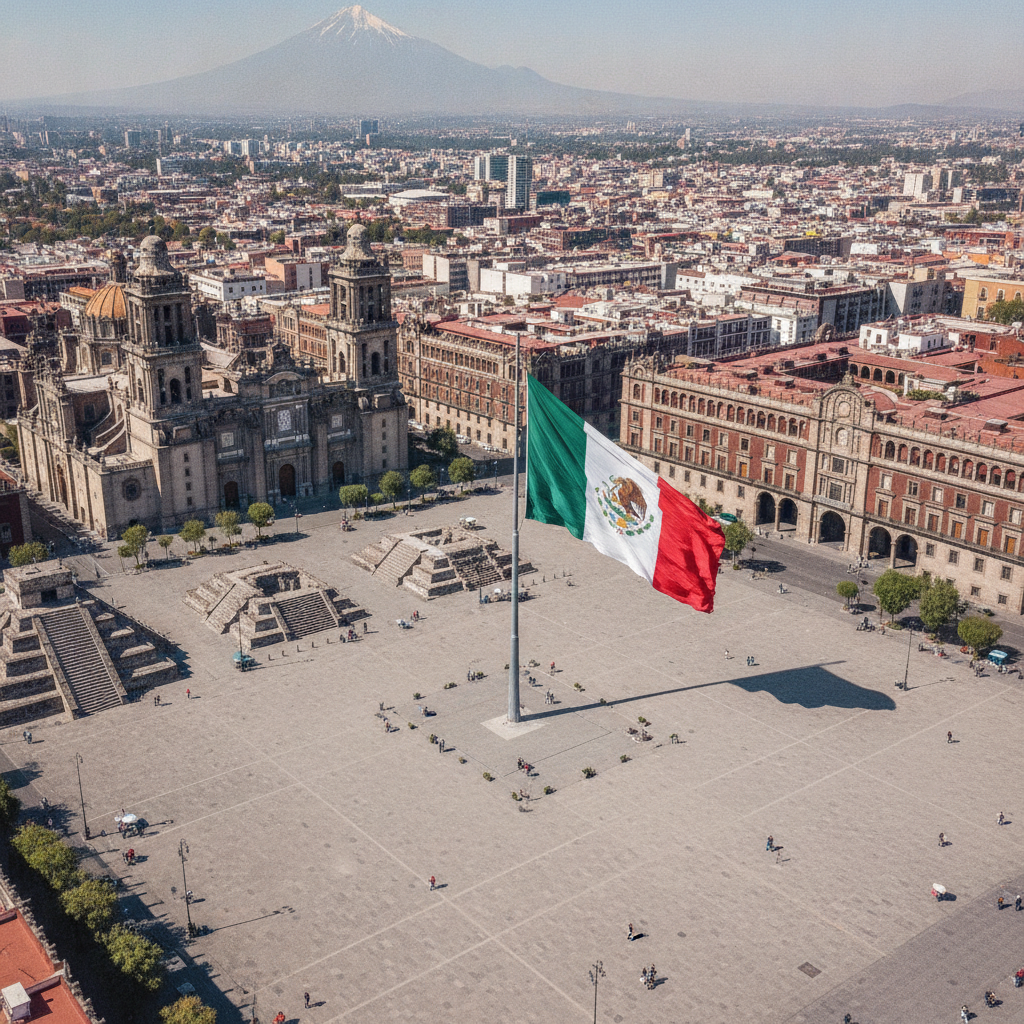
Zócalo, Templo Mayor & das historische Zentrum — Azteken- und Kolonial-Mexiko-Stadt
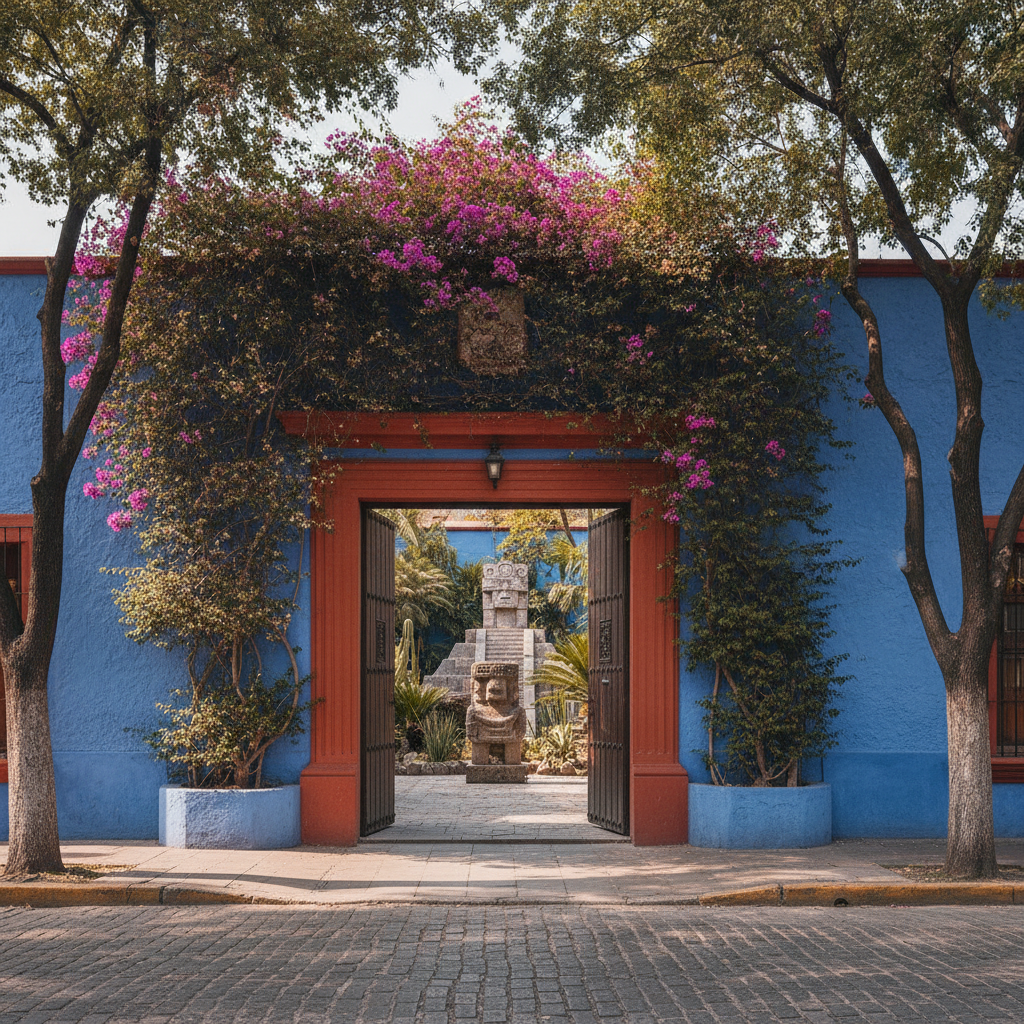
Frida Kahlo, Diego Rivera, Coyoacán & Xochimilco
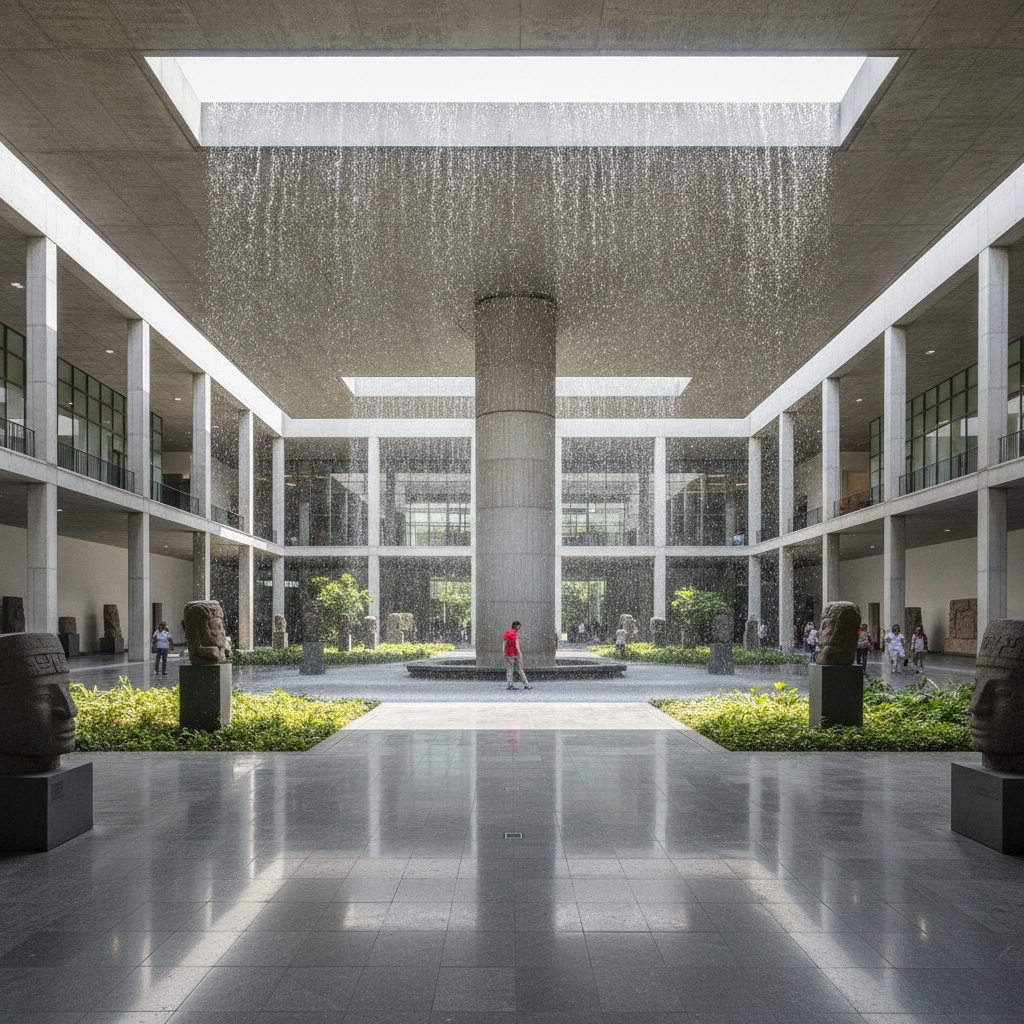
Nationalmuseum für Anthropologie und Chapultepec-Schloss
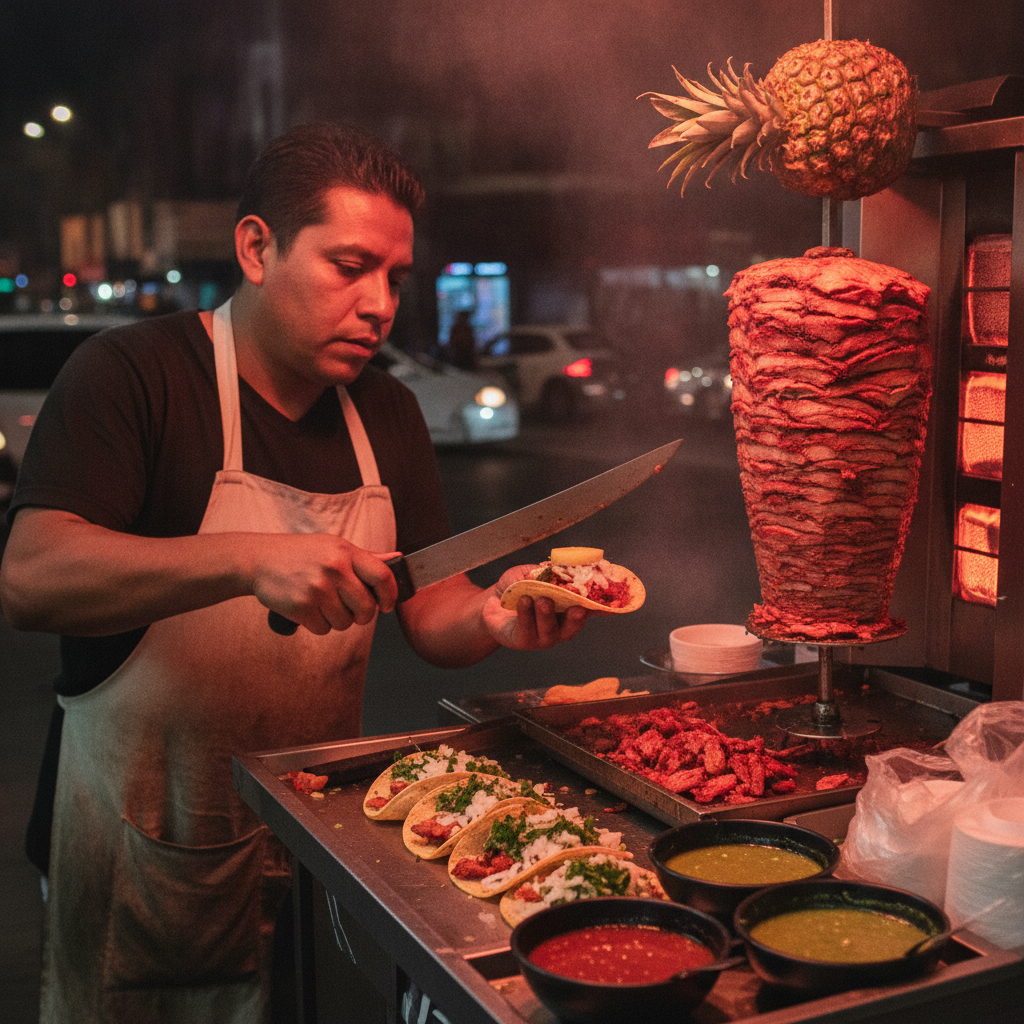
Mexikanische Esskultur — Tacos, Tamales, Mole & die Marktttradition