Lucha Libre — Arena México & die Kunst des mexikanischen Wrestlings
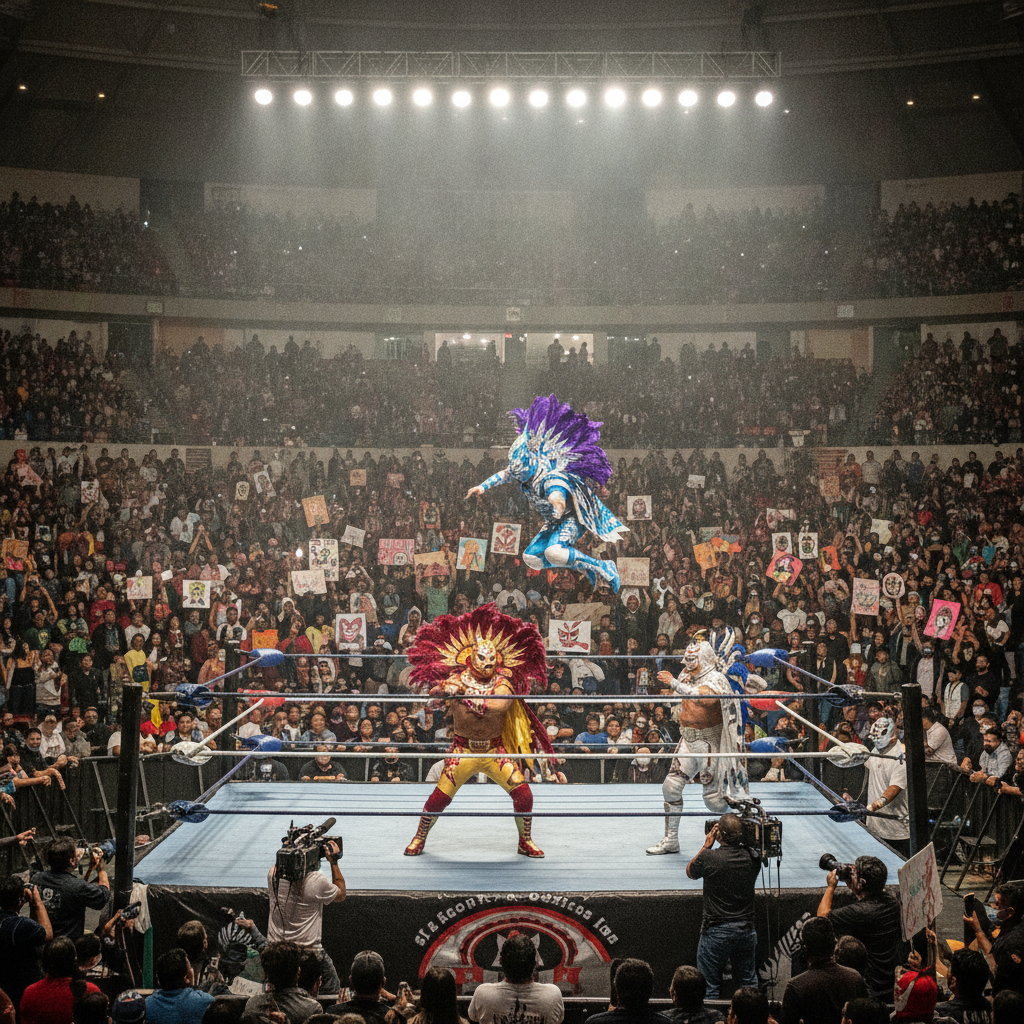
Lucha Libre (mexikanisches professionelles Wrestling, wörtlich "freier Kampf") ist eine der unverwechselbarsten und beliebtesten populären Kulturtraditionen Mexikos – ein theatralisches athletisches Spektakel, das akrobatische, hochfliegende Bewegungen, dramatische maskierte Persönlichkeiten (Luchadores Enmascarados), komplexe, generationenübergreifende Handlungsstränge und intensive Publikumsbeteiligung zu einer einzigartigen mexikanischen Performance-Kunstform verbindet, die seit den 1930er Jahren ein fester Bestandteil der mexikanischen Populärkultur ist.
- 1
Arena México — Die Kathedrale des mexikanischen Wrestlings seit 1956
Arena México (Dr. Lavista, Doctores, Kapazität 17.000, Eröffnung 1956) ist der weltweit wichtigste Veranstaltungsort für professionelles Wrestling – "Las Luchas" (Dienstag- und Freitagabende, samstags im Wechsel mit Arena Coliseo, ab 19:30 Uhr) ziehen 10.000–17.000 Fans für Veranstaltungen an, bei denen der CMLL (die älteste professionelle Wrestling-Promotion der Welt, gegründet 1933) mit über 100 aktiven Wrestlern auftritt; Tickets 60–400 MXN, ringside bis zu 1.000 MXN.
- 2
El Santo — Mexikos größter Kulturheld
El Santo (Rodolfo Guzmán Huerta, 1917–1984, "der Heilige") war Mexikos berühmtester Luchador und das Vorbild für mexikanischen Volkstumsheldentum – er wrestlete über 40 Jahre lang, ohne jemals öffentlich seine silberne Maske abzunehmen; er drehte 52 Filme (darunter "Santo gegen die Invasion der Marsianer", "Santo gegen Dracula"), die das mexikanische B-Movie-Genre der 1950er–70er Jahre prägten; er wurde 1984 in seiner silbernen Maske beerdigt; seine Söhne setzen die Tradition fort.
- 3
Lucha Libre Maskenkultur — Die moralische Dimension der Maske
Die Maske in der Lucha Libre (im Gegensatz zu anderen Wrestling-Traditionen) ist ein heiliges Objekt, das mit der Identität, Ehre und dem Lebensunterhalt eines Wrestlers verbunden ist – "Lucha de Apuestas" (Wettkämpfe) setzen Masken oder Haare aufs Spiel; der Verlierer eines Masken-gegen-Masken-Kampfes muss sich öffentlich demaskieren, eine beruflich und psychologisch verheerende Erfahrung; die Masken (handgenähte Lycra mit Pailletten und Vinyl, 150–500 $ pro Spezialmaske) sind so konzipiert, dass sie die Persönlichkeit des Charakters kommunizieren.
- 4
Lucha Libre als Volkskunst — Masken-Workshops in Tepito
Das Viertel Tepito (1km nördlich des Zócalo) ist der Ort, an dem der Großteil der Lucha Libre-Ausrüstung (Masken, Ringstiefel, Hosen) hergestellt wird – Masken-Hersteller-Werkstätten (Máscaras Varela, Máscaras El As) nehmen kundenspezifische Bestellungen von internationalen Käufern entgegen; eine kundenspezifische Maske dauert 3–5 Stunden zum Nähen und kostet 500–1.500 MXN; die besten Maskenmacher bilden die nächste Generation durch 5-jährige Lehrlingsausbildungen ab 14 Jahren aus.
- 5
CMLL Freitagabendshow — El Clásico, die wöchentliche Tradition
Die CMLL-Freitagabendshow in der Arena México ("Super Viernes", seit den 1950er Jahren) ist Mexikos am längsten laufendes wöchentliches Sport-/Unterhaltungsereignis – das Programm umfasst typischerweise 6 Matches, die von 4-minütigen Vorrundenkämpfen (jüngere Wrestler lernen Timing) bis zu einem 45-minütigen Hauptkampf reichen; die Dynamik Técnicos (gute Wrestler) vs. Rudos (Bösewichte) treibt die Zuschauerbindung an; die Gesangsstruktur "Técnicos sí, Rudos no" ist in jeder Show konsistent.
- 6
Lucha Libre Museum — CDMXs verstecktes Sportmuseum
Das Lucha Libre Museum (Puebla, Alvaro Obregón, Roma) ist ein kleines Privatmuseum, das die Geschichte des CMLL und des mexikanischen professionellen Wrestlings dokumentiert – Originalmasken von El Santo, Blue Demon und Mil Máscaras werden neben Filmplakaten, Meisterschaftsgürteln und Pressefotos aus den 1930er Jahren ausgestellt; das Museum dient auch als Souvenirladen und ist besonders wertvoll, um die Verbindung zwischen dem Sport und der mexikanischen Populärkultur zu verstehen.
Walk this route with audio
Stories play automatically as you reach each stop — no tapping needed.
Mehr in mexico-city
Teotihuacan — Die Pyramiden der Sonne und des Mondes
Zócalo, Templo Mayor & das historische Zentrum — Azteken- und Kolonial-Mexiko-Stadt
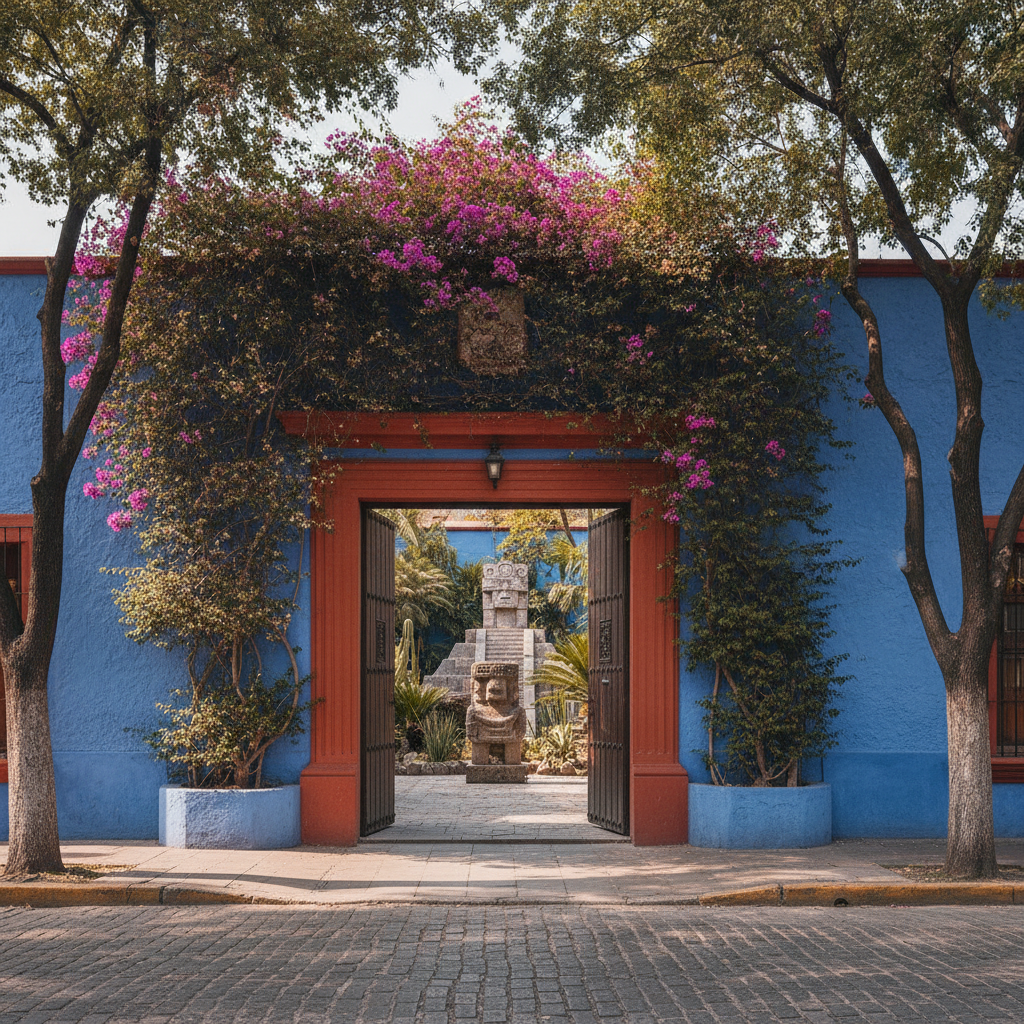
Frida Kahlo, Diego Rivera, Coyoacán & Xochimilco
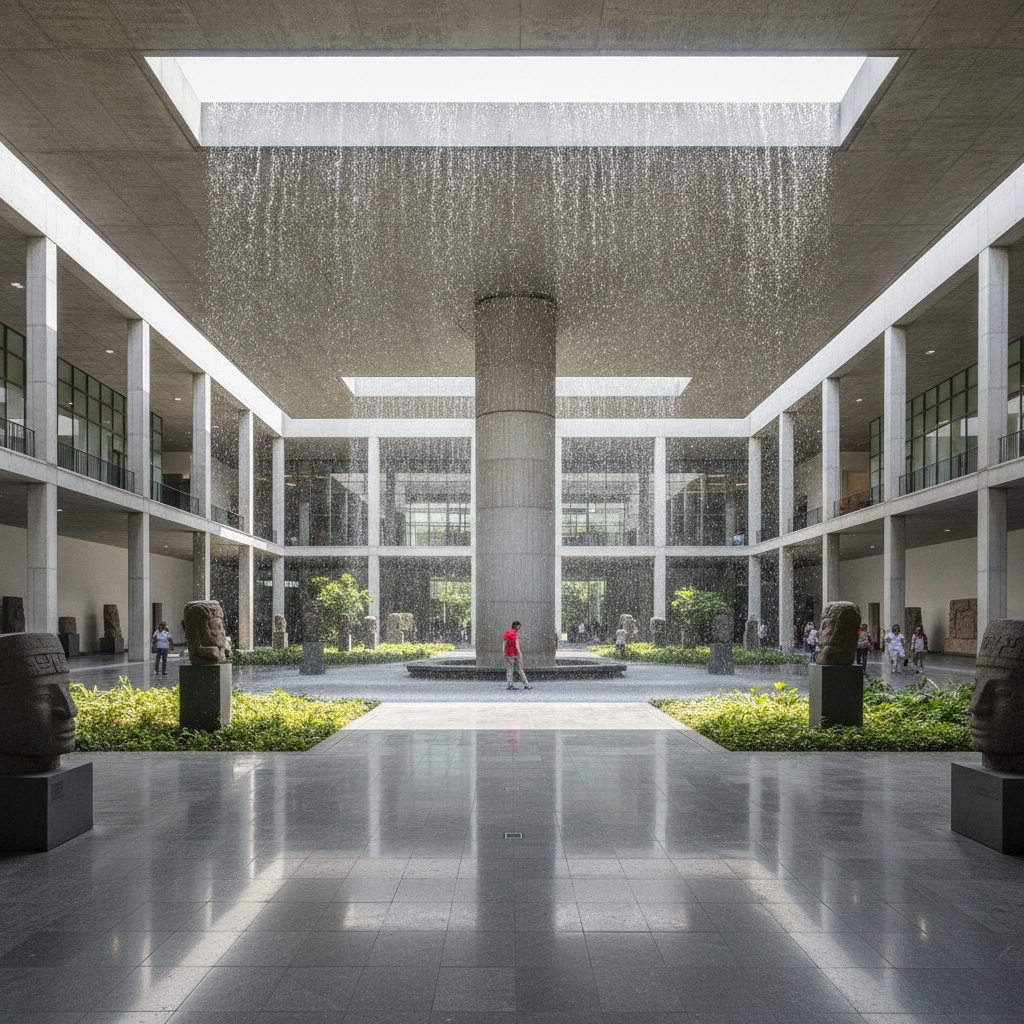
Nationalmuseum für Anthropologie und Chapultepec-Schloss
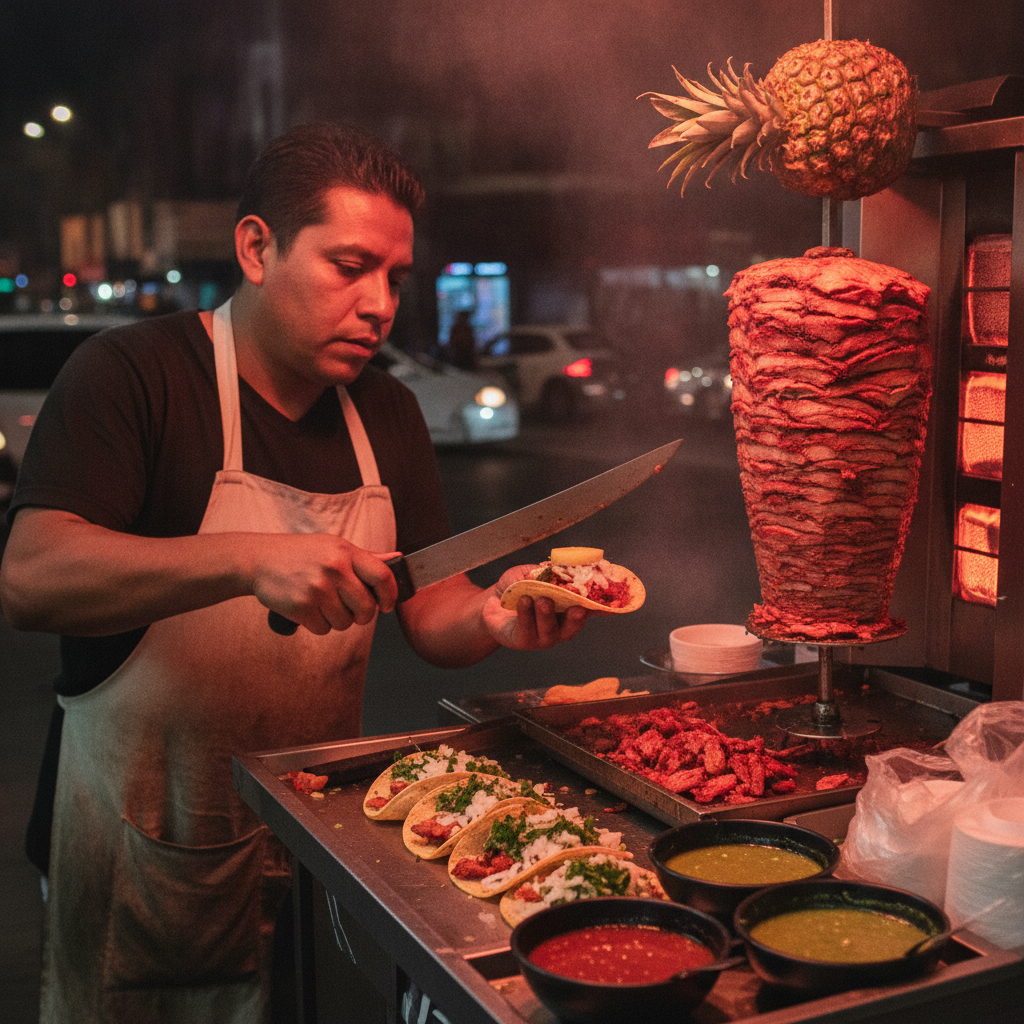
Mexikanische Esskultur — Tacos, Tamales, Mole & die Marktttradition