Nationalmuseum für Anthropologie und Chapultepec-Schloss
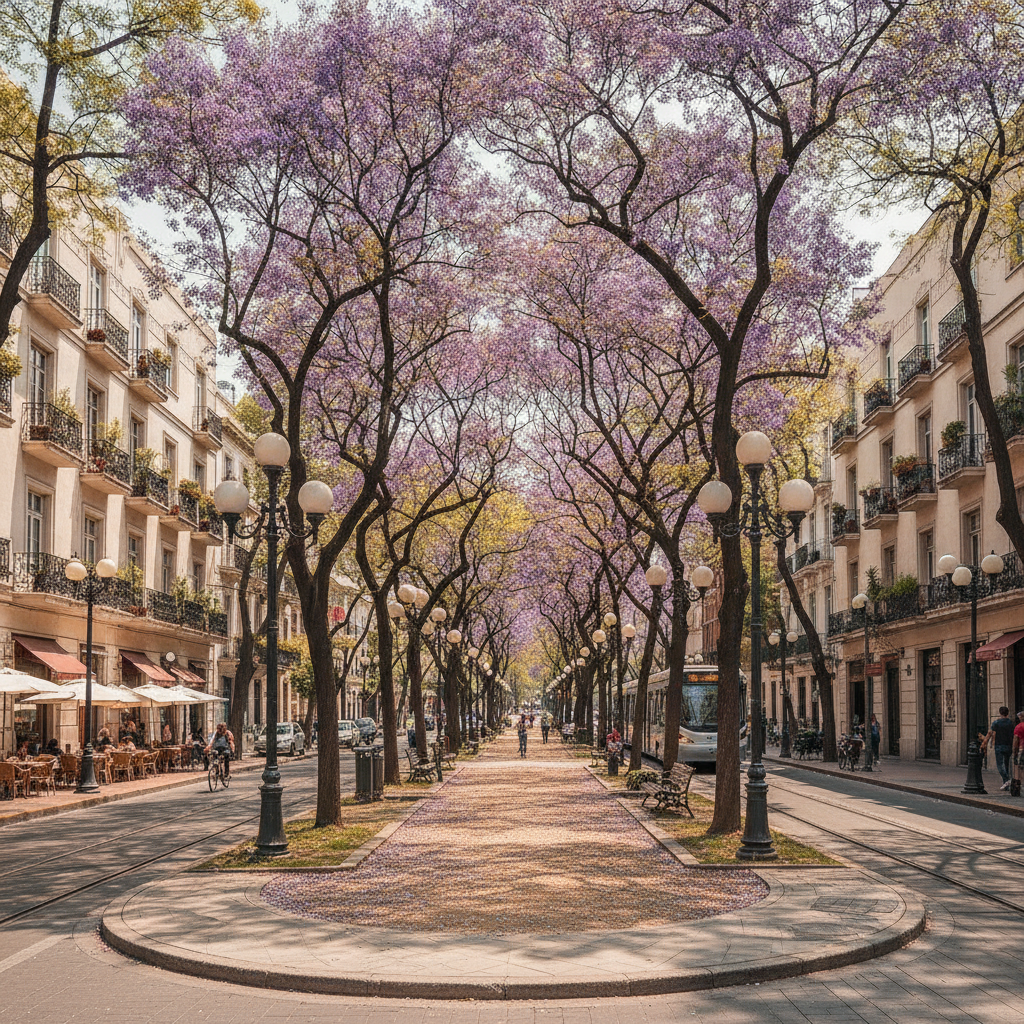
Das Nationale Anthropologische Museum (Museo Nacional de Antropología, Paseo de la Reforma, Bosque de Chapultepec) – das universell als das größte Museum für präkolumbische Kunst der Welt gilt – und das Schloss Chapultepec (das auf einem Hügel gelegene Schloss im Bosque de Chapultepec, dem 686 Hektar großen Waldpark, der Mexikos Äquivalent zum Central Park ist) bilden zusammen das kulturelle Herzstück des Paseo de la Reforma, Mexikos großer zeremonieller Boulevard aus dem 19. Jahrhundert.
- 1
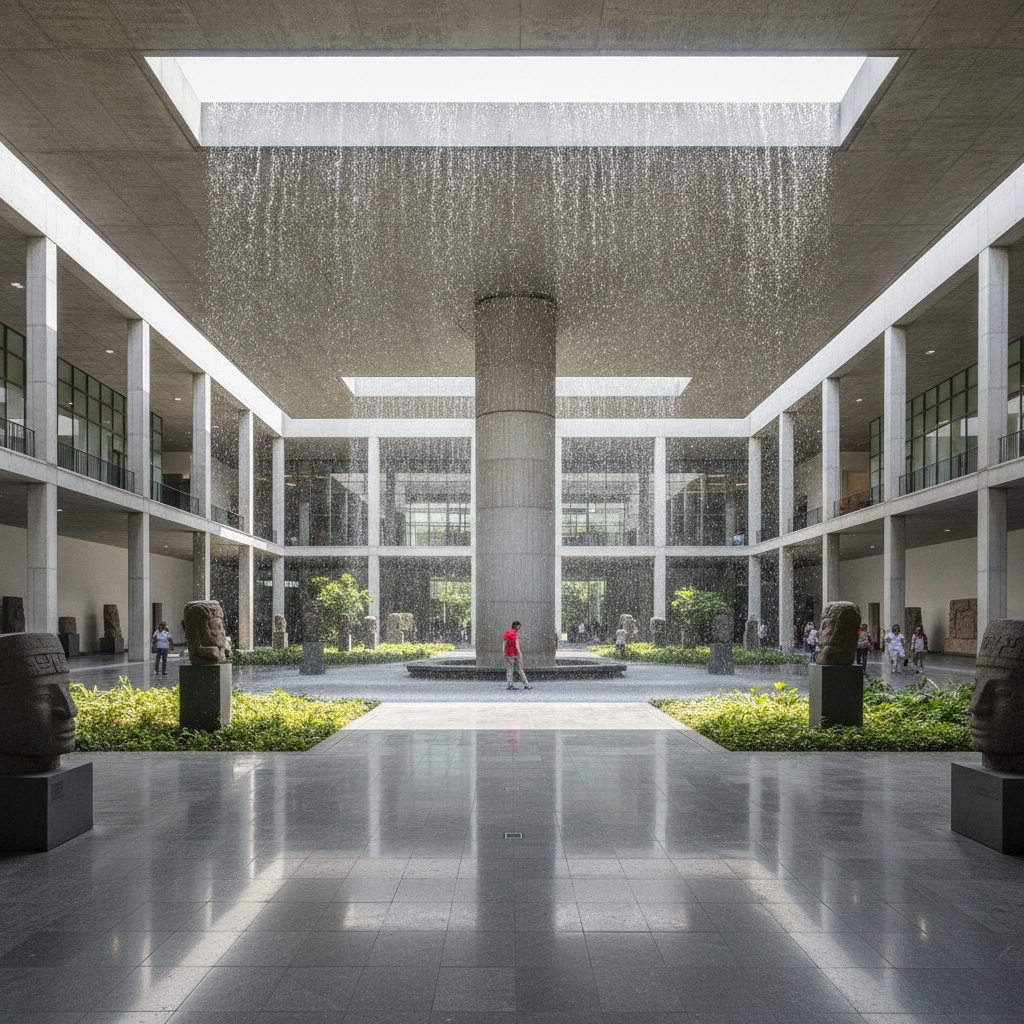
Nationalmuseum für Anthropologie — Aztekischer Sonnenstein und Maya-Zivilisation
Das Museo Nacional de Antropología (Chapultepec, 1964, Architekt Pedro Ramírez Vázquez) ist das größte Anthropologische Museum Amerikas — der zentrale Schirmbrunnen (40 m hohe Stahlsäule, die ein 4.000 Tonnen schweres Betondach ohne äußere Stützen trägt) kennzeichnet die 23 Galerien umfassende Struktur; der Aztekische Sonnenstein (Piedra del Sol, 3,6 m Durchmesser, 24 Tonnen, 1479) und das Grab der Roten Königin (Palenque, Maya, 7. Jahrhundert) sind die permanenten Highlights; Eintritt $75 MXN.
- 2
Schloss Chapultepec — Das einzige königliche Schloss in Nordamerika
Das Schloss Chapultepec (Bosque de Chapultepec Hügel, 2.325 m Höhe, ursprünglich ein mexikanischer Rückzugsort für Moctezuma, 1785 als Sommerpalast des spanischen Vizekönigs wieder aufgebaut, 1864–1867 als königliche Residenz für Kaiser Maximilian I. von Mexiko umgebaut) ist das einzige Schloss im kontinentalen Nordamerika, das jemals als kaiserliche Residenz diente — Maximilians und Carlotas Gemächer sind erhalten; das Nationale Geschichtsmuseum befindet sich im Gebäude; Eintritt $90 MXN.
- 3
Bosque de Chapultepec — 686 Hektar, die Lungen von Mexiko-Stadt
Der Bosque de Chapultepec (Chapultepec-Wald, drei Abschnitte, insgesamt 686 Hektar) ist einer der größten Stadtparks der Welt — freier Eintritt zu allen Abschnitten; Abschnitt 1 (der meistbesuchte, mit dem Schloss, Zoo und Lago de Chapultepec) ist mit der U-Bahn vom Stadtzentrum in 20 Minuten erreichbar; der Chapultepec Zoo (kostenlos, über 2.000 Tiere, Riesenpanda-Gehege) zieht 5 Millionen Besucher pro Jahr an.
- 4
Tamayo Museum — Rufino Tamayos persönliche Sammlung präkolumbischer Kunst
Das Museo Tamayo Arte Contemporáneo (Chapultepec, Sektion 1, 1981) wurde entworfen, um die persönliche Sammlung des oaxacanischen Malers Rufino Tamayo zu beherbergen — die temporären Ausstellungen (internationale zeitgenössische Kunst) und die Dauerausstellung von Tamayos Gemälden repräsentieren die zugänglichste hochwertige zeitgenössische Kunst in Chapultepec; das Gebäude (Teodoro González de León und Abraham Zabludovsky) ist ein brutalistisches Meisterwerk des mexikanischen Modernismus; Eintritt sonntags frei.
- 5
Museum für moderne Kunst — Mexikanischer Muralismus in Innenräumen
Das Museo de Arte Moderno (Chapultepec, 1964) beherbergt die definitive Sammlung mexikanischer Malerei des 20. Jahrhunderts — Frida Kahlos „Las Dos Fridas“ (1939, das größte Gemälde, das sie je geschaffen hat) und David Alfaro Siqueiros' monumentale Leinwände sind die permanenten Highlights; die runden Galerien des Museums (die sich zu einem Skulpturengarten öffnen) werden weniger besucht als das Anthropologische Museum und ermöglichen eine intimere Betrachtung der Sammlung; Eintritt $65 MXN.
- 6
Audioguide vs. Menschlicher Führer — Navigation im Anthropologischen Museum
Die 23 Räume des Nationalen Anthropologischen Museums decken 14 präkolumbische Kulturen ab (Präklassik, Teotihuacán, Tolteken, Azteken/Mexica, Oaxaca, Golfküste, Maya, Nordmexiko, Westmexiko) auf 44.000 m² — die Sammlung ist so groß, dass ein vollständiger Besuch 4–6 Stunden erfordert; der Audioguide (Spanisch/Englisch/Französisch, $80 MXN) deckt 150 Objekte ab; private Führer vom Colegio de Guías de Museos bieten Spezialwissen über spezifische Kulturen (3-stündige Tour ab $800 MXN pro Gruppe).
Walk this route with audio
Stories play automatically as you reach each stop — no tapping needed.
Mehr in mexico-city
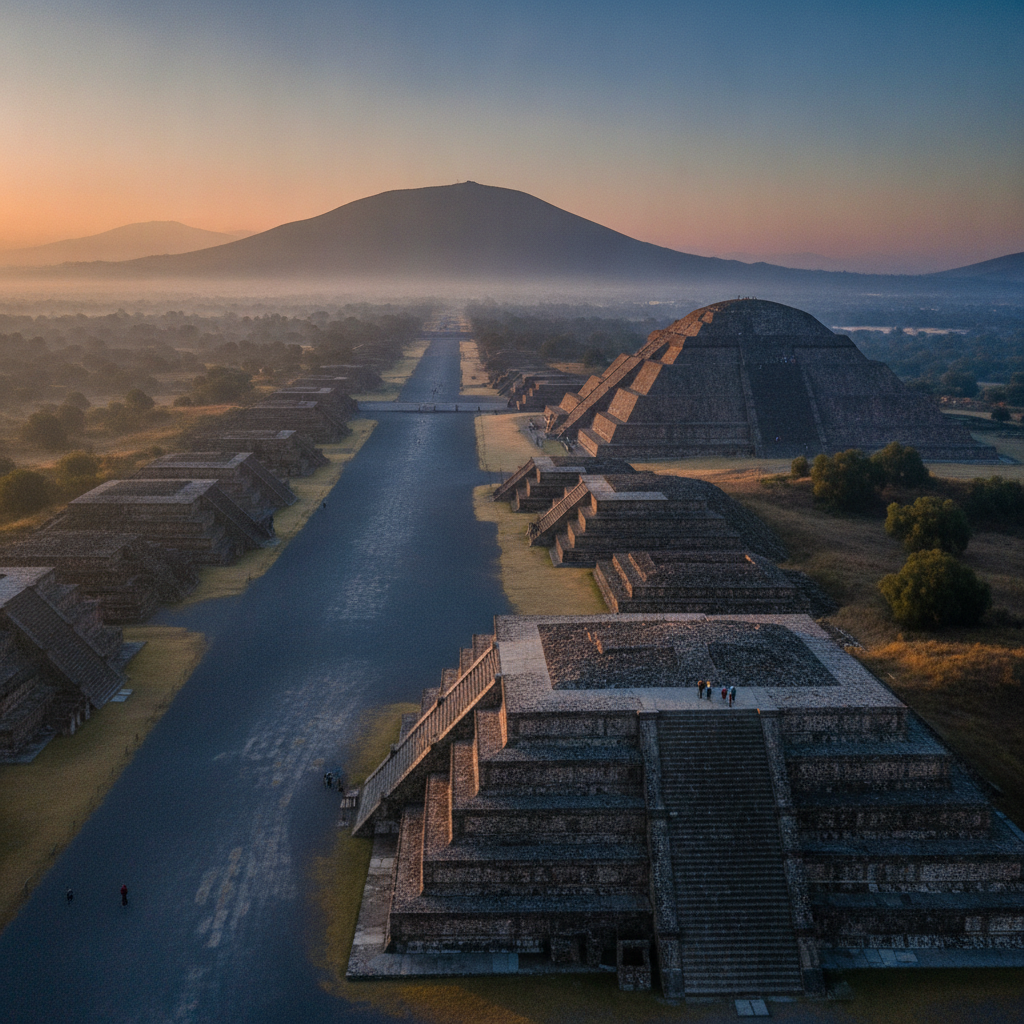
Teotihuacan — Die Pyramiden der Sonne und des Mondes
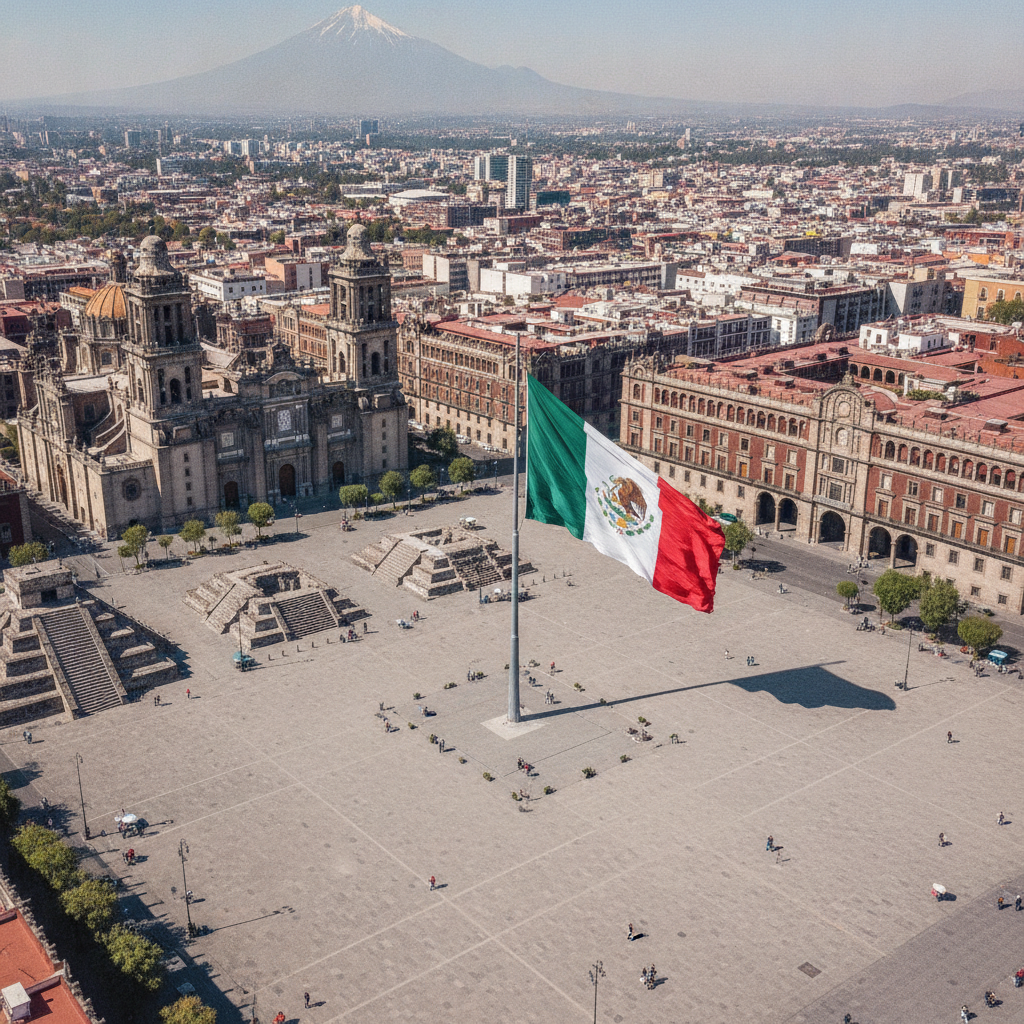
Zócalo, Templo Mayor & das historische Zentrum — Azteken- und Kolonial-Mexiko-Stadt
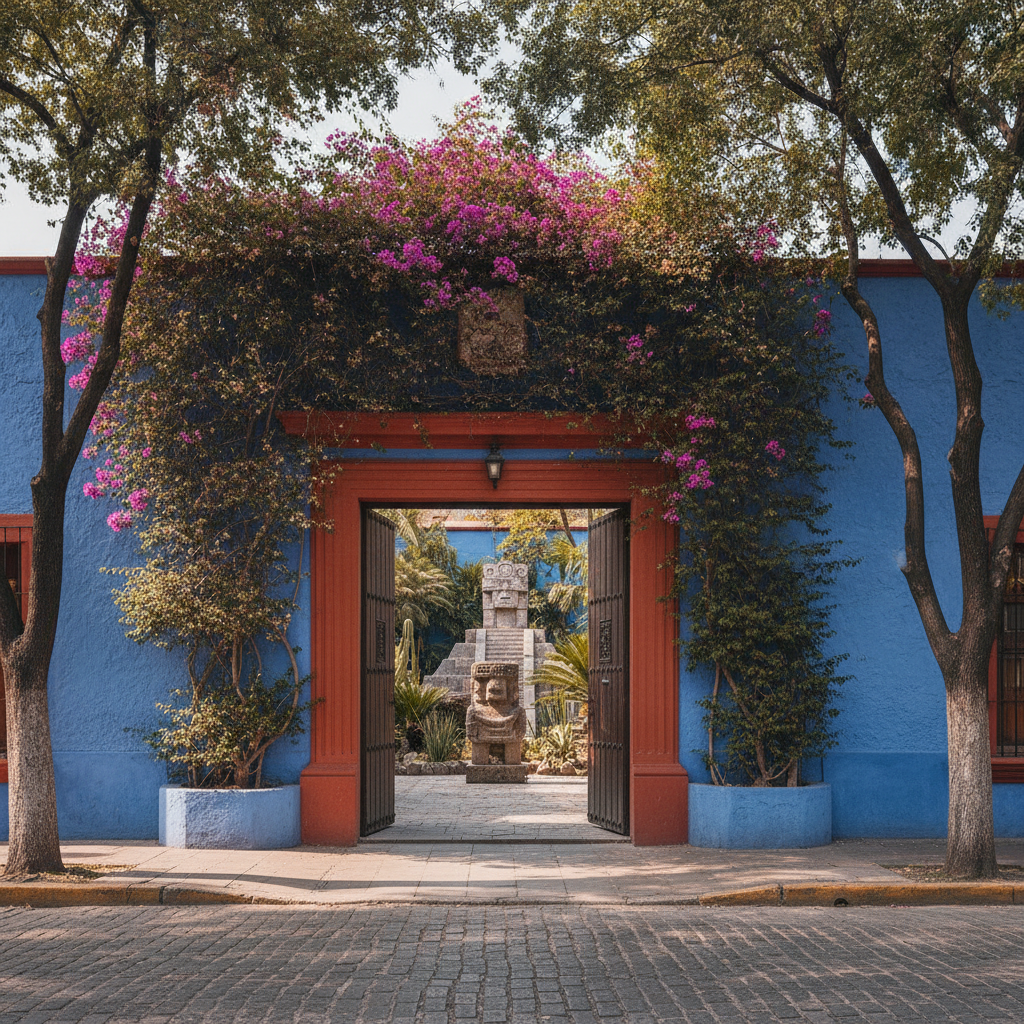
Frida Kahlo, Diego Rivera, Coyoacán & Xochimilco
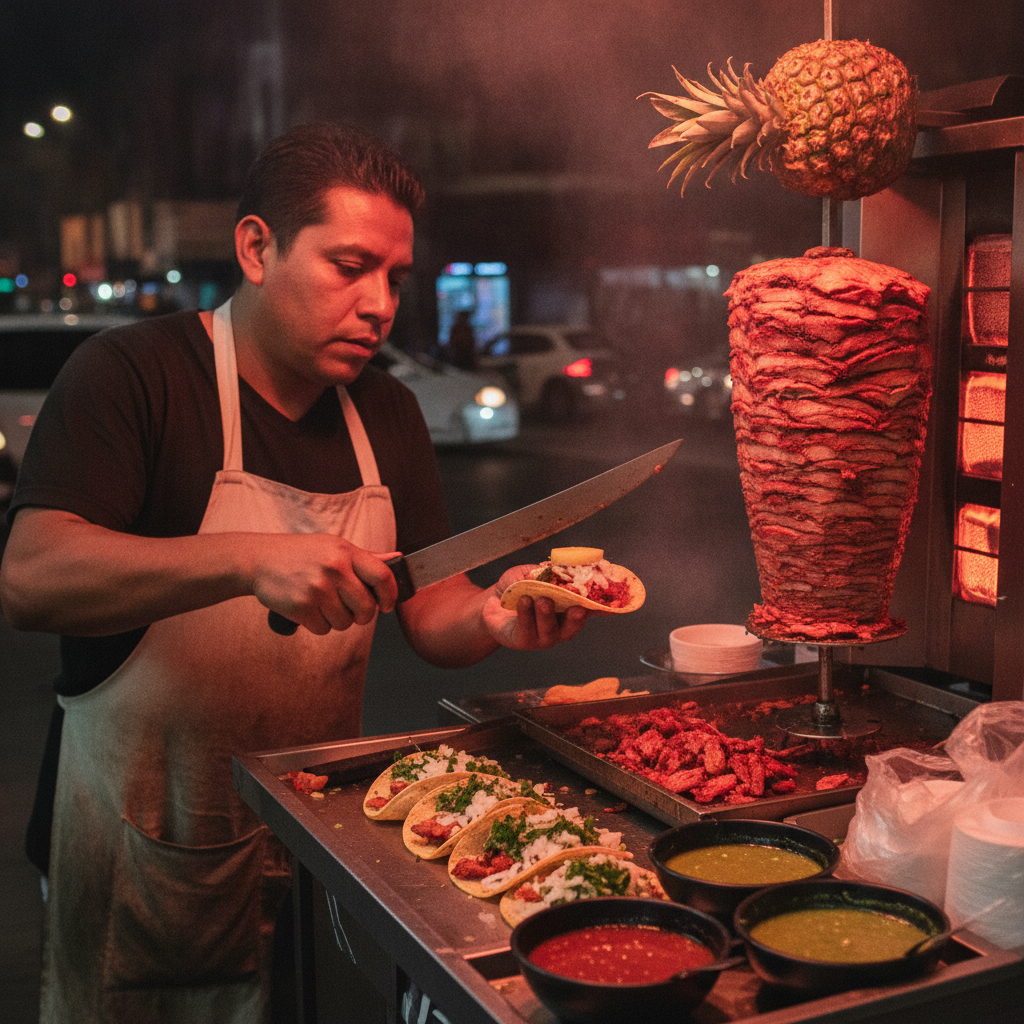
Mexikanische Esskultur — Tacos, Tamales, Mole & die Marktttradition
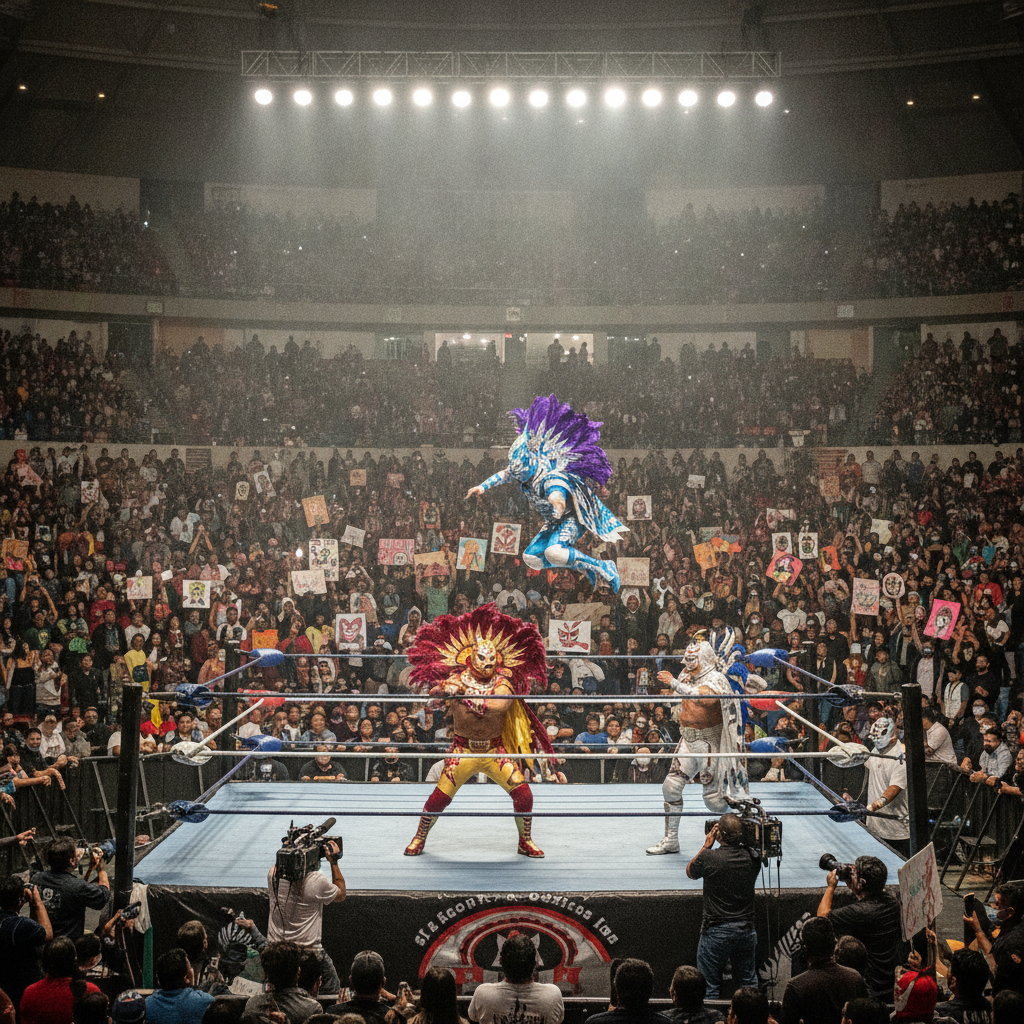
Lucha Libre — Arena México & die Kunst des mexikanischen Wrestlings