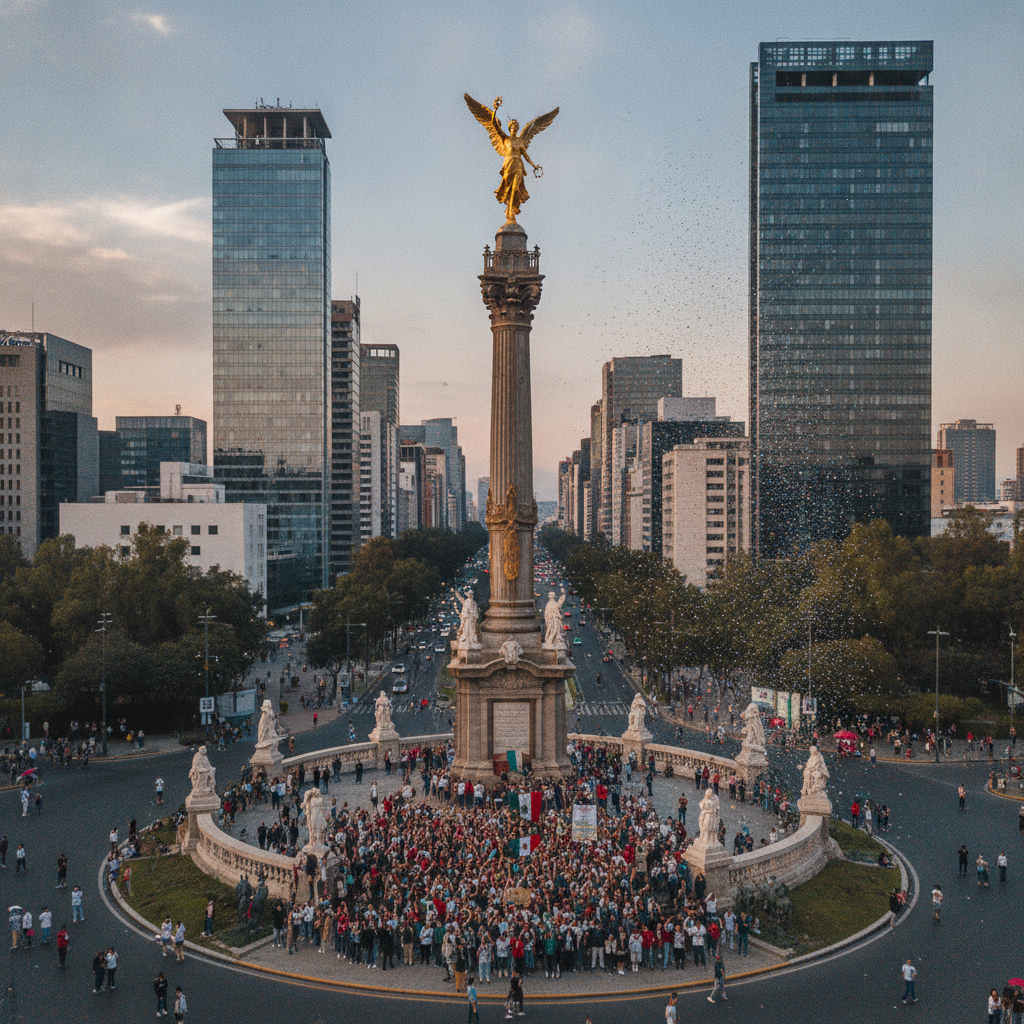
Paseo de la Reforma, Engel der Unabhängigkeit & Museo Soumaya
Der Paseo de la Reforma (der große, 12-spurige Zeremonienboulevard, der diagonal vom historischen Zentrum nordwestlich durch Chapultepec zu den westlichen Vororten führt – entworfen von Kaiser Maximilian I. und den Haussmannschen Boulevards von Paris nachempfunden, gesäumt von Skulpturen, Botschaften, Luxushotels, Firmenzentralen und Kultureinrichtungen) ist das symbolische Rückgrat von Mexiko-Stadt und die Bühne, auf der die Stadt ihre größten Momente feiert und betrauert.
- 1
Paseo de la Reforma — Mexikos Champs-Élysées
Der Paseo de la Reforma (14.5km langer Boulevard, ursprünglich 1864 von Kaiser Maximilian I. entworfen, um das Schloss Chapultepec mit dem Stadtzentrum zu verbinden, nach dem Vorbild der Wiener Ringstraße und der Pariser Champs-Élysées) ist gesäumt von über 60 Bronzestatuen und den Konzernzentralen aller großen Banken und Hotels in Mexiko-Stadt – der Boulevard beherbergt die jährliche Día de Muertos-Parade (1.–2. November) und Neujahrsfeier, die 1 Million Menschen anzieht.
- 2
El Ángel de la Independencia — Mexikos Unabhängigkeitsdenkmal
El Ángel (der Engel der Unabhängigkeit, Reformatas berühmtester Kreisverkehr, 36m hohe Säule, gekrönt von einer vergoldeten bronzenen Siegesflügel-Figur, 1910, Porfirio Díaz' Geschenk zum hundertjährigen Jubiläum an die Nation) ist Mexikos ikonischstes Denkmal und der Feierort der nationalen Fußballmannschaft – nach Mexikos Sieg bei der FIFA Fußball-Weltmeisterschaft 2022 über Argentinien versammelten sich hier spontan 300.000 Menschen; die Krypta der Helden (unter dem Denkmal) enthält die Überreste von Helden des Unabhängigkeitskrieges, einschließlich Miguel Hidalgo.
- 3
Museo Soumaya — Carlos Slims 66.000 Objekte umfassende Kunstsammlung, kostenlos
Das Museo Soumaya (Miguel de Cervantes Saavedra, Polanco, 2011, entworfen von Slims Schwiegersohn Fernando Romero) ist ein kostenloses Museum mit 66.000 Objekten aus Carlos Slims persönlicher Sammlung – die Dauerausstellung umfasst die weltweit größte Sammlung von Auguste Rodin Bronzeskulpturen außerhalb Frankreichs (380 Stücke), Dalí-Drucke, Rubens-Gemälde und die vollständigste mexikanische Kolonial-Sakralkunstsammlung in Privatbesitz; die Aluminium-Hexagon-Paneel-Fassade ist das markanteste Gebäude in Polanco.
- 4
Torre Latinoamericana — Wolkenkratzer von 1956, der mehrere Erdbeben überlebte
Die Torre Latinoamericana (Centro Histórico, 1956, 45 Stockwerke, 182m) war Lateinamerikas erster moderner Wolkenkratzer und 27 Jahre lang das höchste Gebäude in Mexiko-Stadt – der Turm überlebte die Erdbeben in Mexiko-Stadt von 1957 (M 7.9), 1979 (M 7.6) und 1985 (M 8.1), während umliegende Gebäude einstürzten; die Aussichtsplattform (44. Stock, Eintritt $170 MXN) bietet den umfassendsten zentralen Blick auf Mexiko-Stadt; der Turm steht auf einem Tiefpfahlfundament, das so konstruiert ist, dass es sich im weichen Seesedimentboden biegt.
- 5
Palacio de Bellas Artes — Tiffany Glasfenster und Mexikos große Wandgemälde
Der Palacio de Bellas Artes (Juárez, Centro, 1934, Adamo Boari, dann Federico Mariscal, der den Entwurf nach der Revolution vollendete) beherbergt Diego Riveras Reproduktion von 'Der Mensch, Herrscher des Universums' (das Rockefeller Center-Wandbild, das 1934 wegen seines Lenin-Porträts zerstört wurde) neben Wandbildern von Orozco, Siqueiros und Tamayo – das weiße Carrara-Marmor-Äußere ist seit dem Bau 4m in den weichen Seegrund eingesunken; der innere Art-Déco-Tiffany-Vorhang (der die Vulkane Popocatépetl und Iztaccíhuatl im Morgengrauen darstellt) wiegt 22 Tonnen.
- 6
Mercado Ciudadela — Einzelhandelszentrum für präkolumbianisches Kunsthandwerk
Der Mercado de Artesanías de la Ciudadela (Plaza de la Ciudadela, Centro, Mexikos größter fester Kunsthandwerksmarkt) verfügt über mehr als 300 Stände, die Kunsthandwerk aus allen 31 mexikanischen Bundesstaaten verkaufen – Oaxacanische Schwarztonkeramik (Barro Negro), Talavera-Fliesen aus Puebla, Huichol-Perlenarbeiten (Garnmandalas und Perlenfiguren), Guerrero-Silberschmuck und bestickte Chiapas-Textilien; die Preise sind verhandelbar; der Markt wird von Innenarchitekten und Restaurantbesitzern als Beschaffungspunkt genutzt.
Walk this route with audio
Stories play automatically as you reach each stop — no tapping needed.
Mehr in mexico-city
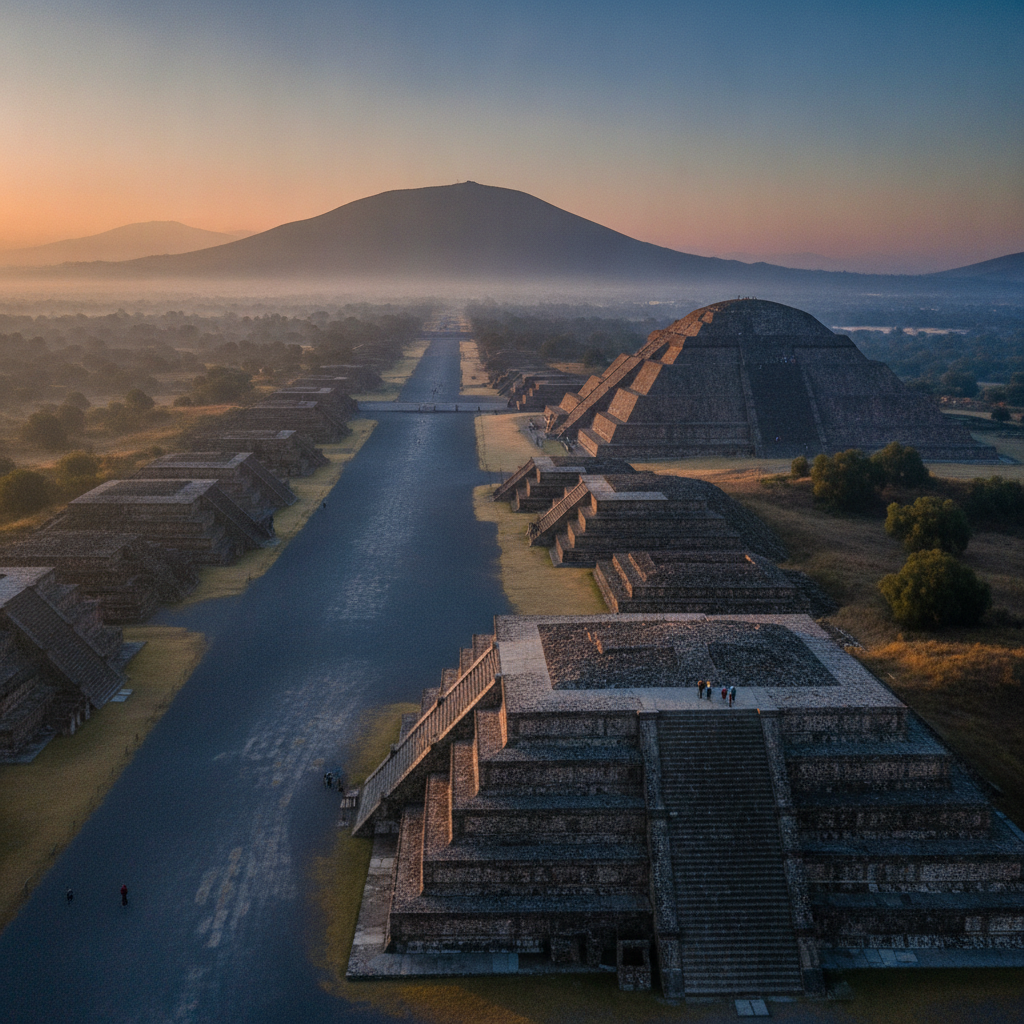
Teotihuacan — Die Pyramiden der Sonne und des Mondes
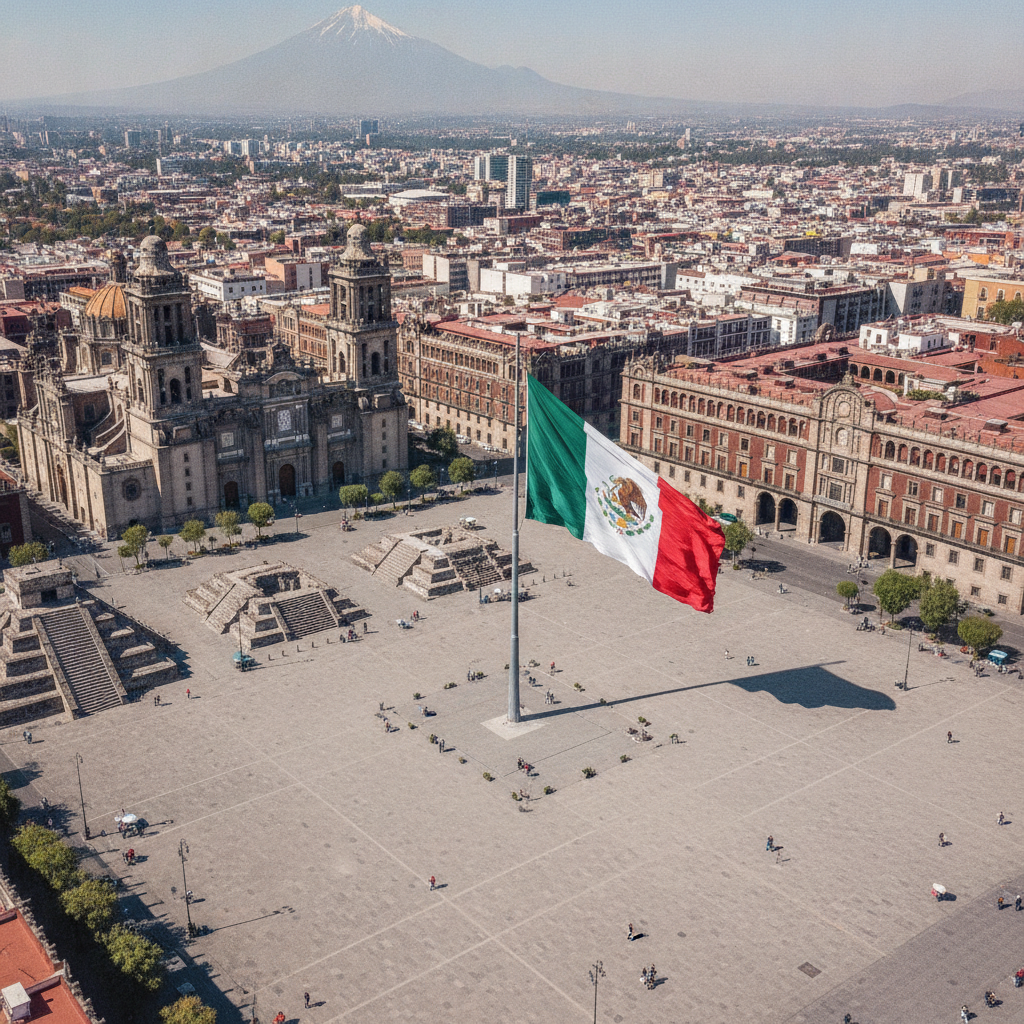
Zócalo, Templo Mayor & das historische Zentrum — Azteken- und Kolonial-Mexiko-Stadt
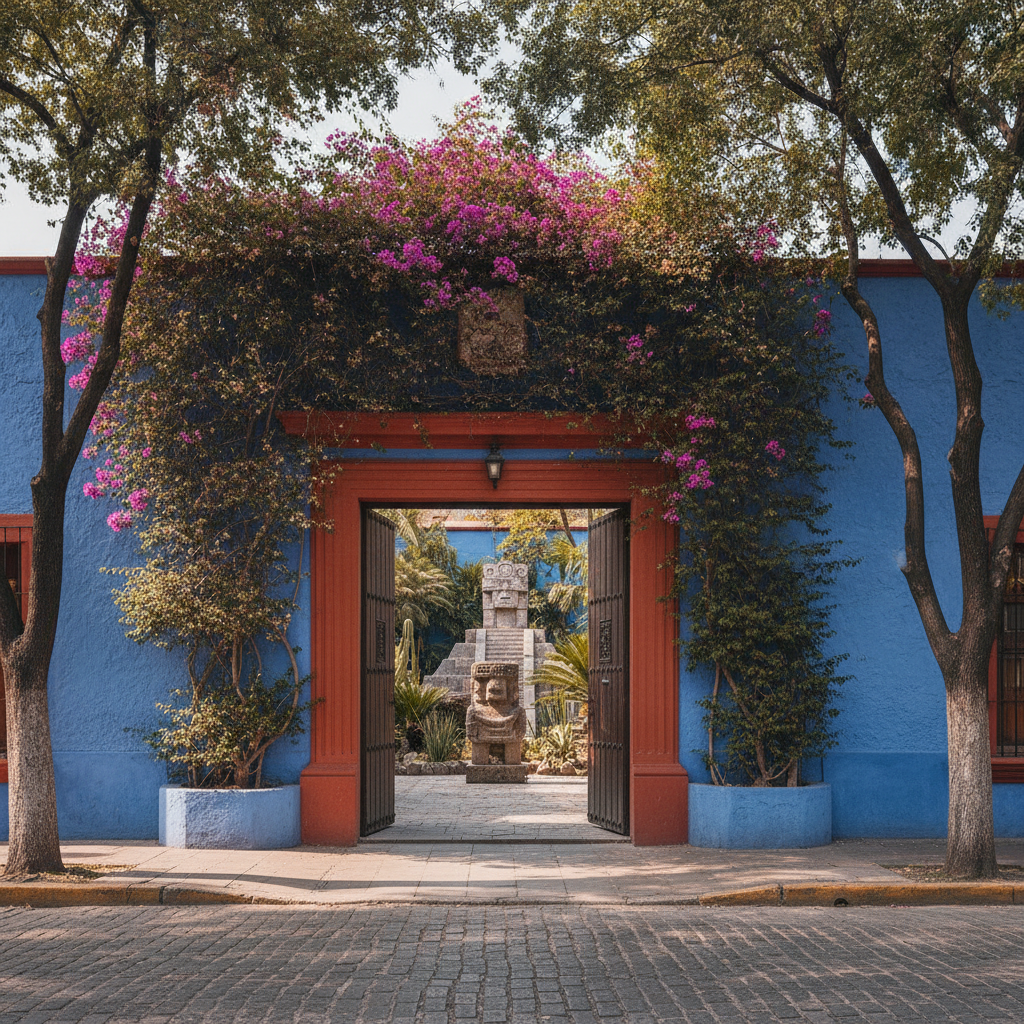
Frida Kahlo, Diego Rivera, Coyoacán & Xochimilco
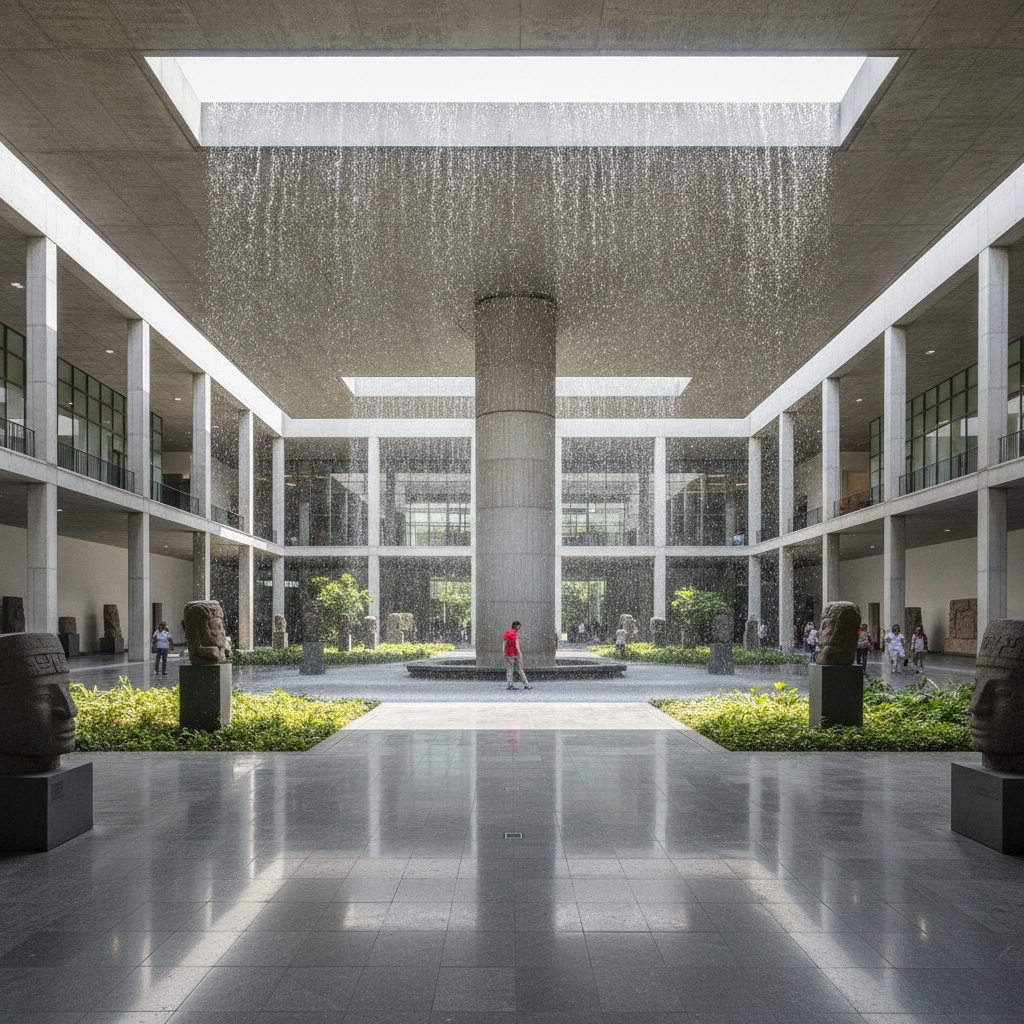
Nationalmuseum für Anthropologie und Chapultepec-Schloss
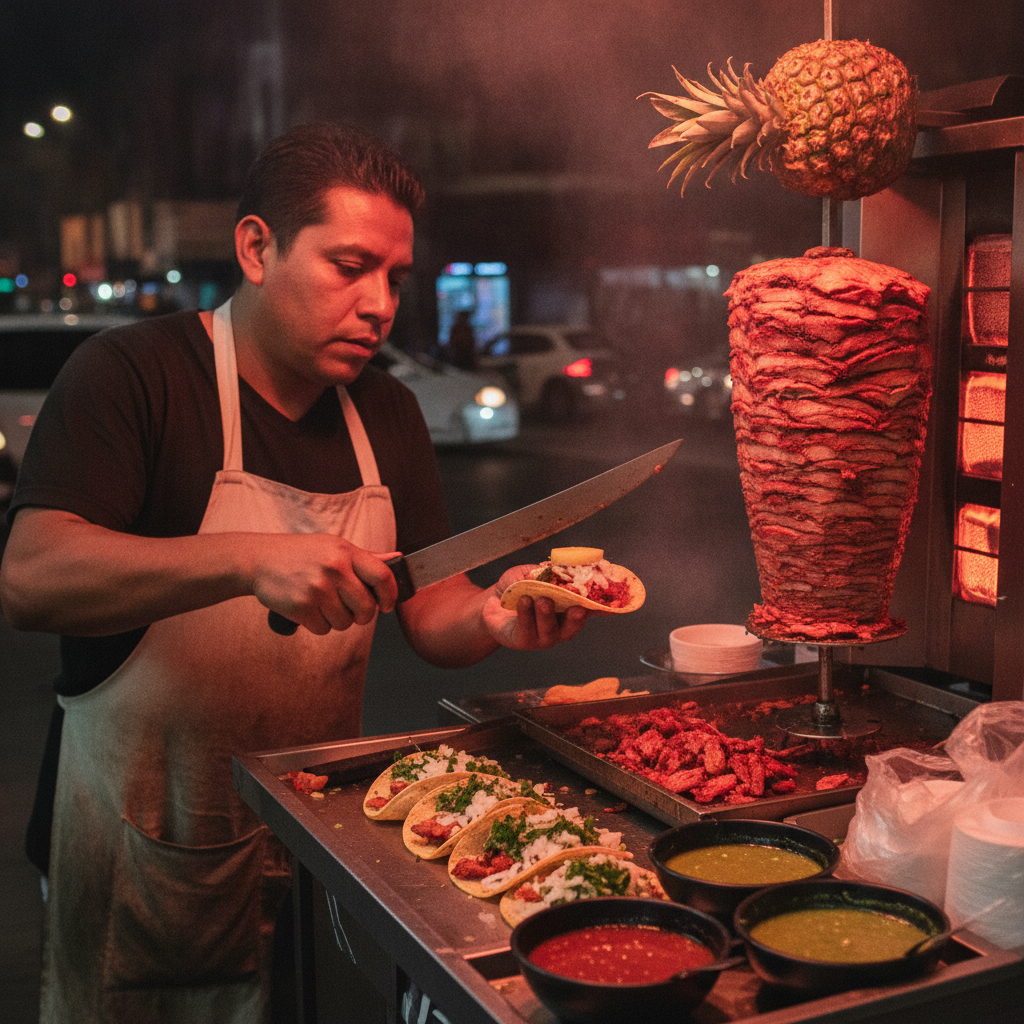
Mexikanische Esskultur — Tacos, Tamales, Mole & die Marktttradition