Polanco, Condesa & Roma — Modernes Mexiko-Stadt
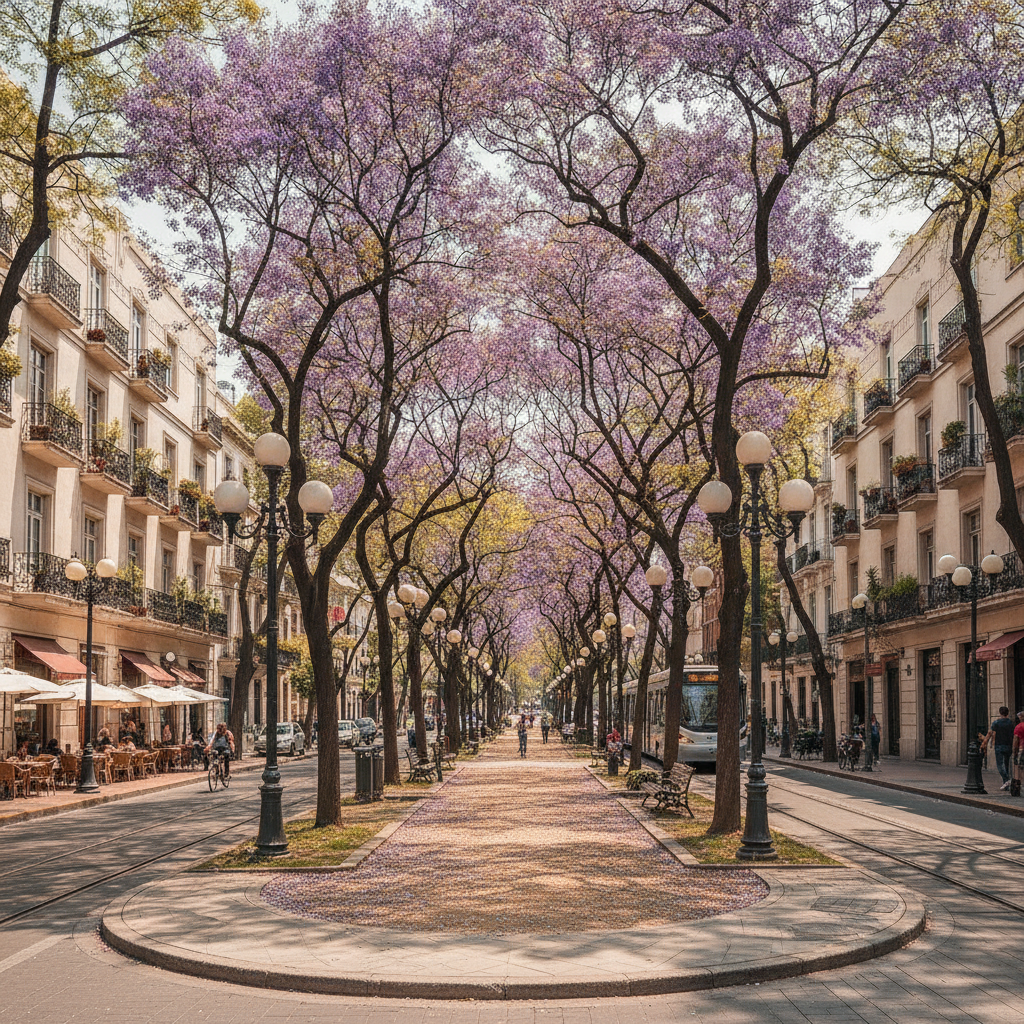
Die Viertel Polanco, Condesa und Roma — die modernen, kosmopolitischen und architektonisch herausragenden westlichen und zentralen Viertel von Mexiko-Stadt — repräsentieren gemeinsam das Gesicht des zeitgenössischen urbanen Mexikos: Polanco mit seinen Luxushotels, internationalen Restaurants und High-End-Boutiquen entlang der Presidente Masaryk; Condesa mit seiner Art-déco-Architektur, dem von Bäumen gesäumten ovalen Park und der Café-Kultur; Roma mit seinen restaurierten Herrenhäusern aus der Porfiriato-Ära, unabhängigen Galerien und der höchsten Konzentration an Mezcal-Bars und zeitgenössischen Restaurants in der Stadt.
- 1
Colonia Condesa — Art-déco-Viertel mit Hundepark
Condesa (7 km westlich des Zócalo) ist das am besten erhaltene Art-déco-Viertel von Mexiko-Stadt – die Apartmentgebäude aus den 1930er Jahren (geschwungene Ecken, geometrische Ornamente, Pastellfarben) entlang der Ámsterdam Avenue (ein ovaler Parkboulevard, der der Strecke der abgerissenen Rennbahn von Condesa folgt) und des Parque México (auf dem Innenfeld der Rennbahn angelegt, der beliebteste Park in CDMX für Morgenläufe und Nachmittagskaffee) prägen den Charakter des Viertels.
- 2
Roma Norte — Frida Kahlos Viertel, jetzt gentrifiziert
Roma Norte (neben Condesa) war einst Frida Kahlos Viertel (ihr Elternhaus stand hier vor dem Blauen Haus in Coyoacán) und ist heute Mexikos lebendigstes Restaurant- und Barviertel – die unabhängigen Restaurants (Máximo Bistrot, Rosetta, Contramar), Spezialitätenkaffeehäuser (Buna, Café Nin) und Mezcal-Bars (Parker & Lenox, Licorería Limantour) an der Álvaro Obregón Avenue repräsentieren die Avantgarde der feinen Küche von CDMX.
- 3
Polanco — Mexikos Luxusviertel und internationale Restaurants
Polanco (nordwestlich von Chapultepec, in den 1940er Jahren entwickelt) ist Mexikos Luxus-Einzelhandels- und Restaurantviertel — die Presidente Masaryk Avenue hat die höchste Konzentration an Luxusmarkengeschäften in Lateinamerika (Hermès, Louis Vuitton, Cartier, Porsche); das Restaurantviertel (Alejandro Dumas, Anatole France Straßen) konzentriert die teuersten Restaurants von CDMX, darunter Pujol (Enrique Olvera, konstant unter den Top 50 Restaurants der Welt) und Quintonil (Jorge Vallejo, nachhaltiges mexikanisches Degustationsmenü).
- 4
Museo Jumex — Zeitgenössische Kunst in einer Soumaya-Rivalität
Das Museo Jumex (Polanco, 2013, entworfen von David Chipperfield) wird von der Saftfamilie Jumex finanziert und beherbergt Mexikos wichtigste Sammlung zeitgenössischer Kunst — die permanente Sammlung (2.500 Werke) umfasst Damien Hirst, Andy Warhol und mexikanische zeitgenössische Künstler; das Gebäude blickt über einen Platz auf das Soumaya Museum (Carlos Slim Sammlung) und schafft so einen architektonischen und kulturellen Dialog zwischen den Kunstinvestitionen der beiden reichsten Milliardäre Mexikos.
- 5
Galerie OMR und die CDMX Galerieszene
Mexiko-Stadts Galerien für zeitgenössische Kunst (Roma Norte, Colonia Cuauhtémoc, Polanco) bilden den aktivsten kommerziellen Kunstmarkt Lateinamerikas — OMR (Plaza Río de Janeiro), Kurimanzutto (San Miguel Chapultepec, die international am besten vernetzte mexikanische Galerie) und Proyectos Monclova repräsentieren die mexikanische Kunstszene international; die jährliche Kunstmesse Zona MACO (Februar, WTC Expo) zieht über 500 Galerien aus über 20 Ländern an und ist die größte Kunstmesse Lateinamerikas.
- 6
CDMX Mezcal-Szene — Vom Dorf zur Barkultur
Mexiko-Stadts Mezcal-Kultur (Mezcal = aus Agave destillierte Spirituose, hergestellt in Oaxaca, Guerrero, Durango und 7 weiteren Staaten; Tequila ist eine Mezcal-Sorte aus Jalisco) hat sich in 15 Jahren von einem ländlichen Dorfspirituosen zu einer Premium-Cocktailzutat entwickelt — die Mezcalería el León de Oro (Roma), Bósforo (Centro) und Departamento (Condesa) sind auf Single-Agave-, Single-Village- und wild geerntete Agave-Mezcals spezialisiert; ein Glas artisanaler Tobaziche (eine wilde Agavensorte, die 20 Jahre zum Reifen braucht) kostet 180–250 MXN.
Walk this route with audio
Stories play automatically as you reach each stop — no tapping needed.
Mehr in mexico-city
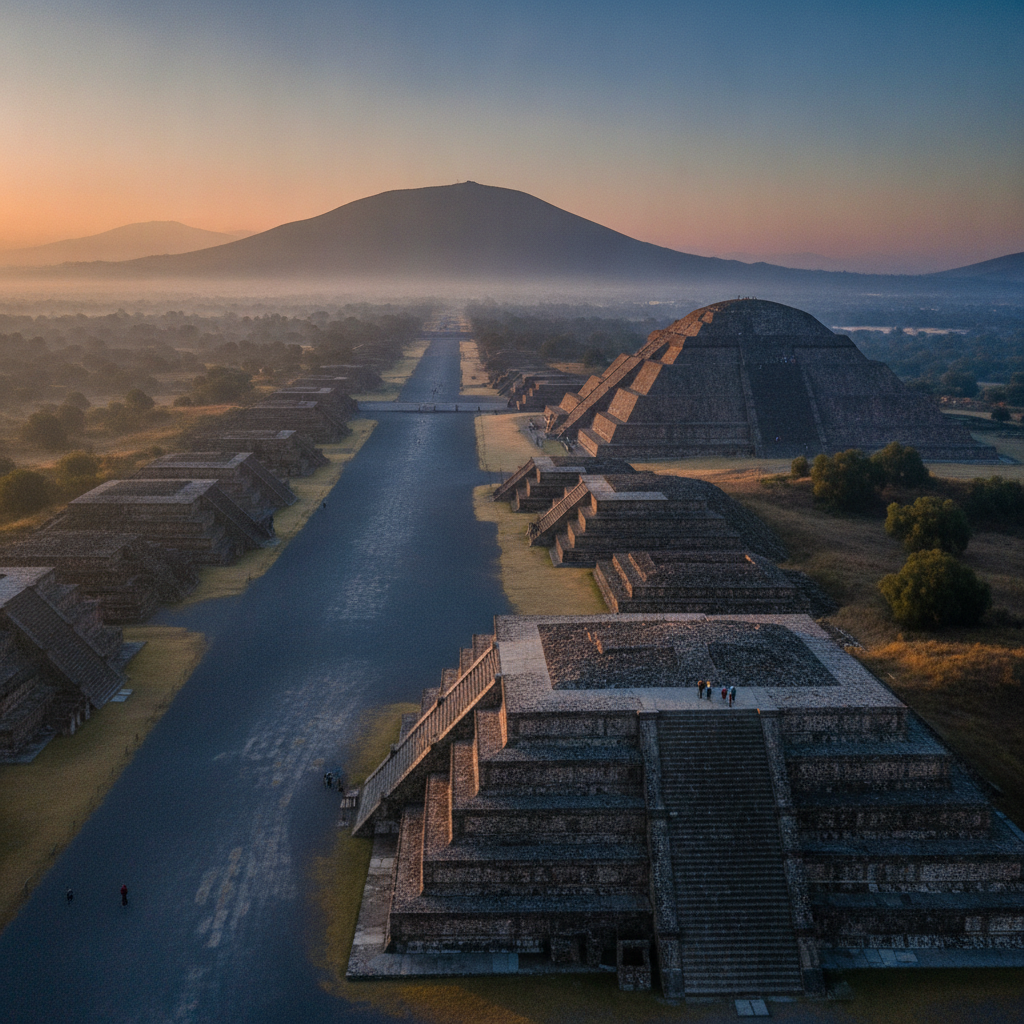
Teotihuacan — Die Pyramiden der Sonne und des Mondes
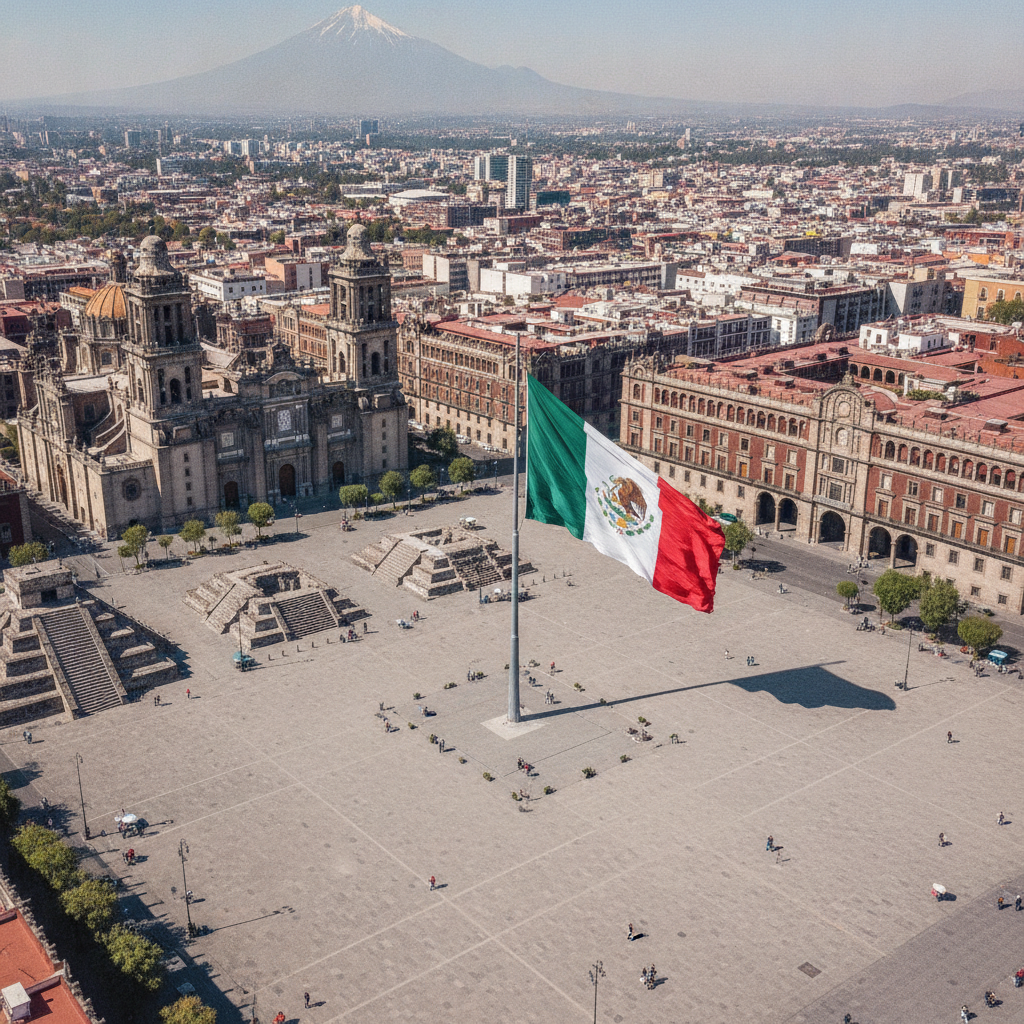
Zócalo, Templo Mayor & das historische Zentrum — Azteken- und Kolonial-Mexiko-Stadt
Frida Kahlo, Diego Rivera, Coyoacán & Xochimilco
Nationalmuseum für Anthropologie und Chapultepec-Schloss
Mexikanische Esskultur — Tacos, Tamales, Mole & die Marktttradition