Florida Keys & Key West — Das Ende der Straße und des Riffs
Die Florida Keys (die Kette von etwa 1.700 Korallen- und Kalksteininseln, die sich 240 km (150 Meilen) südwestlich von der Südspitze Floridas in den Golf von Mexiko erstrecken, verbunden durch den Overseas Highway (US-1) — die landschaftlich reizvollste Fahrt in Florida und eine der landschaftlich schönsten in den Vereinigten Staaten): Die Keys sind das Top-Tages- oder Übernachtungsziel von Miami aus, das tropische Inselkulissen, Weltklasse-Schnorcheln und -Tauchen, Key Lime Pie und den einzigartigen, entspannten Charakter von Key West (der südlichsten Stadt der kontinentalen Vereinigten Staaten, 180 km (112 Meilen) von Miami entfernt) bietet.
- 1
Overseas Highway — 42 Brücken über 120 Meilen Ozean
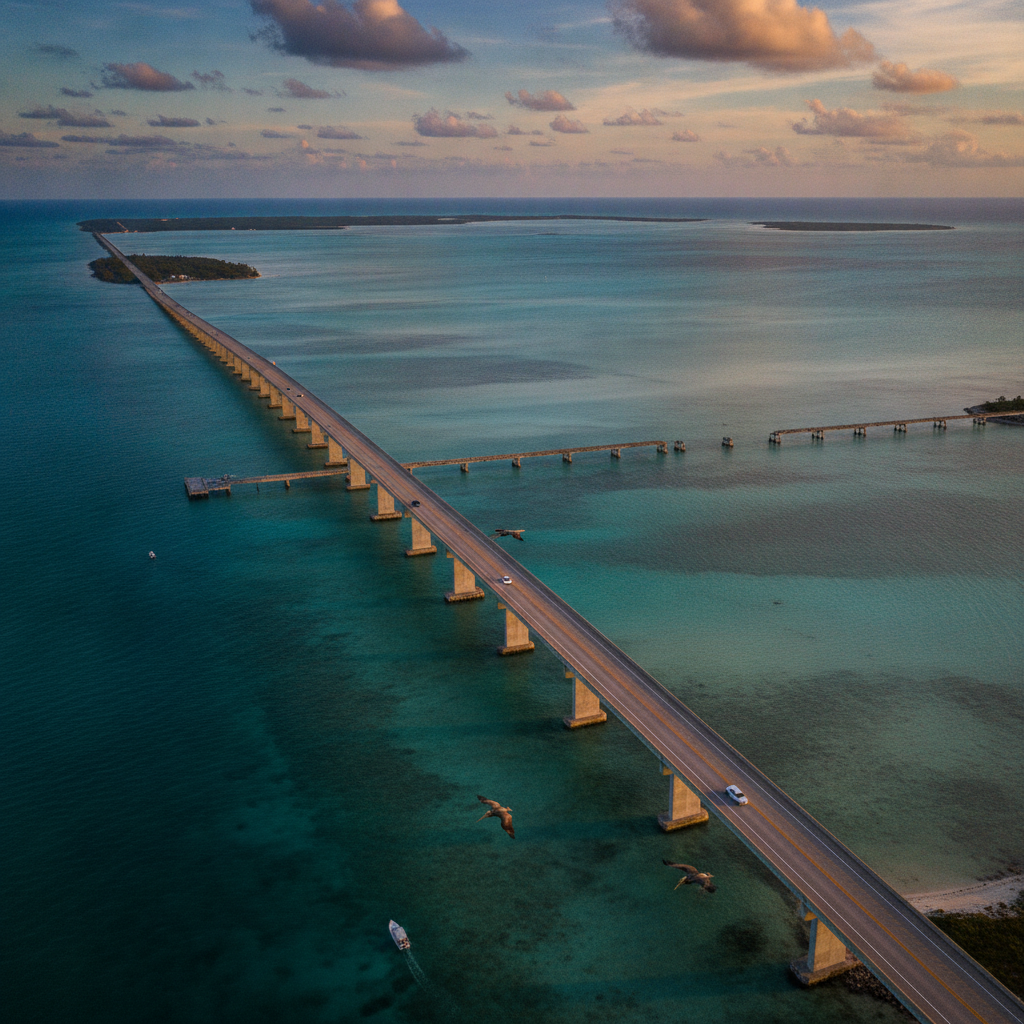
Der Overseas Highway (US-1, Key West nach Miami, 113 Meilen, 42 Brücken) ist eine der dramatischsten Fahrstrecken der Welt — die Seven Mile Bridge (1982 neben Henry Flaglers ursprünglicher Eisenbahnbrücke von 1912 gebaut) überquert offenes Atlantik- und Golfwasser, wobei in beide Richtungen auf 11 Meilen kein Land sichtbar ist; die historische Eisenbahnbrücke (jetzt ein Wanderweg) ist parallel zur Straße sichtbar; die Fahrt von Miami nach Key West dauert ohne Zwischenstopps 3–4 Stunden.
- 2
John Pennekamp Coral Reef State Park — Amerikas erster Unterwasserpark
Der John Pennekamp Coral Reef State Park (Key Largo, Meilenmarkierung 102.5, 1963) war der erste Unterwasser-State Park in den USA — die 70 Seemeilen lebendes Korallenriff (das drittgrößte Riffsystem der Welt) sind durch Schnorcheltouren (2.5 Stunden, $35) und SCUBA-Tauchgänge ($80) zugänglich; das Glasbodenboot (1.5 Stunden, $30) fährt über den Christ of the Abyss (eine 8.5 Fuß große Bronzestatue in 20 Fuß Tiefe, das meistfotografierte Unterwasserobjekt in den USA).
- 3
Key West Sunset Celebration — Mallory Square Nächtlicher Zirkus
Die Mallory Square Sunset Celebration (Key West, täglich 2 Stunden vor Sonnenuntergang) findet seit der Hippie-Ära der 1960er Jahre statt — Straßenkünstler (Seiltänzer, trainierte Katzen, Entfesselungskünstler), Kunsthändler und Essensstände füllen den öffentlichen Platz, während über 1.000 Zuschauer den Sonnenuntergang über dem Golf von Mexiko beobachten; die Tradition ist so tief verwurzelt, dass Kreuzfahrtschiffe ihre Hafenanläufe in Key West so timen, dass Passagiere daran teilnehmen können.
- 4
Dry Tortugas National Park — 70 Meilen von Key West mit Fähre oder Wasserflugzeug
Der Dry Tortugas National Park (70 Meilen westlich von Key West, erreichbar mit der Yankee Freedom Fähre, 2.5 Stunden, oder dem Wasserflugzeug, 40 Minuten) besteht aus 7 kleinen Inseln und dem massiven Fort Jefferson (1846, die größte Ziegelstruktur der westlichen Hemisphäre, 16 Millionen Ziegel, nie fertiggestellt) — die Unterwassersicht (über 45 Meter, eine der klarsten in den USA) offenbart intakte Korallenformationen, die anderswo selten zu sehen sind; die Insel schließt bei Sonnenuntergang und Übernachtungscamping erfordert eine Vorabreservierung.
- 5
Key Largo Riff Tauchen — Begegnungen mit Adlerrochen und Ammenhaien
Das Riff von Key Largo (zugänglich von über 10 Tauchoperatoren auf der US-1) hat 40 benannte Tauchplätze innerhalb von 5 Meilen von der Küste — das Molasses Reef (0.5 Meilen vor der Küste, 5–30 Fuß Tiefe, keine Strömung) ist am besten für Anfänger zugänglich; der Eagle Ray Park und das Carysfort Reef ziehen ganzjährig gefleckte Adlerrochen (4 Fuß Flügelspannweite) an; Ammenhaie ruhen auf sandigen Flächen in 15–20 Fuß Tiefe; die Sicht beträgt im Winter (klarste Jahreszeit) durchschnittlich 60–80 Fuß.
- 6
Hemingways Key West — Das Schreibhaus der '6-Zehen-Katzen'
Das Ernest Hemingway Home and Museum (907 Whitehead Street, Key West, spanisches Kolonialhaus von 1851) ist der Ort, an dem Hemingway zwischen 1931 und 1939 'In einem anderen Land', 'Wem die Stunde schlägt' und 'Schnee auf dem Kilimandscharo' schrieb — das Anwesen (heute bevölkert von über 50 polydaktylen/sechszehigen Katzen, alle Nachfahren von Hemingways ursprünglicher Schneewittchen) umfasst den originalen Swimmingpool (erster privater Pool in Key West, kostete 1938 $20,000), sein Schreibstudio über der Garage und sein Schlafzimmer, das so erhalten ist, wie es während seines Aufenthalts war.
Walk this route with audio
Stories play automatically as you reach each stop — no tapping needed.
Mehr in miami
Everglades & Biscayne Nationalpark — Die Wildnis vor Miamis Tür
Miamis Globale Tafel – Kubanische, Haitianische, Venezolanische & Karibische Küche
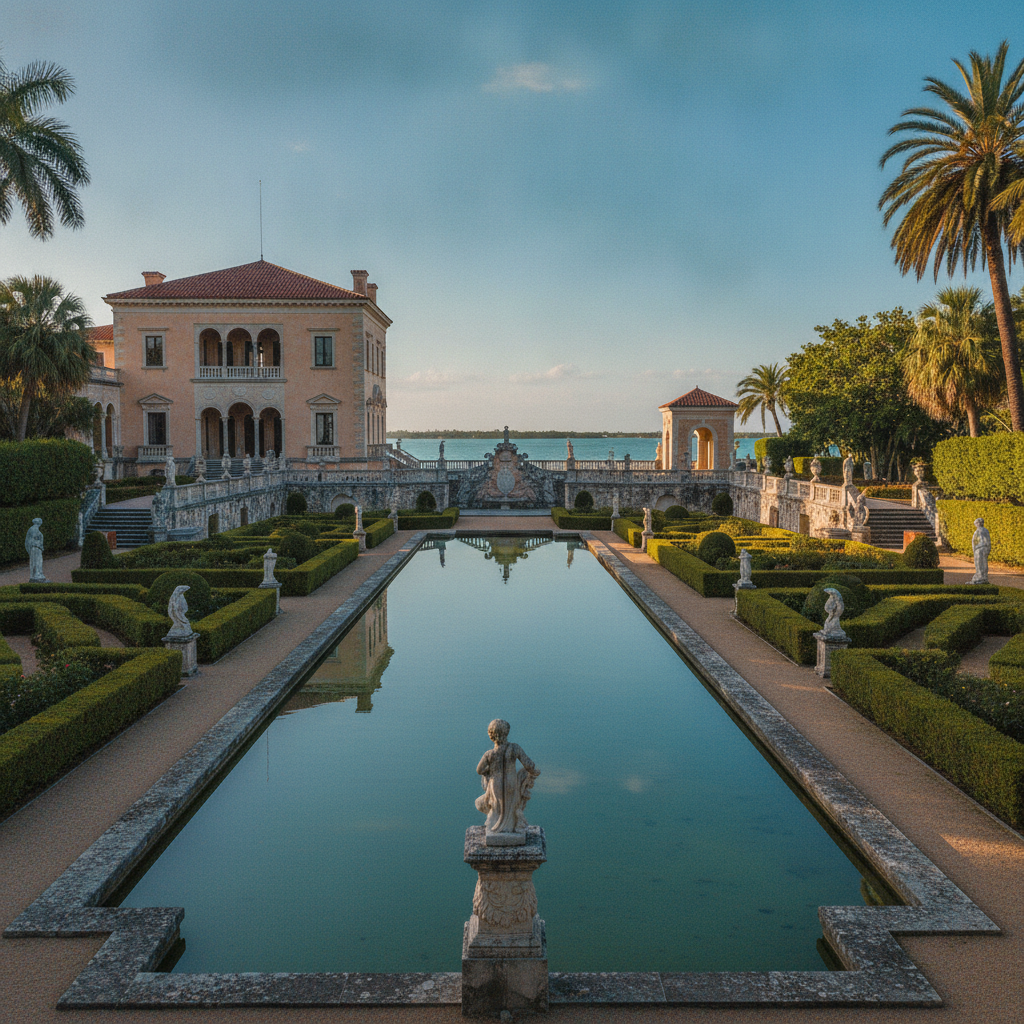
Vizcaya, Coconut Grove & Miamis historische Seele
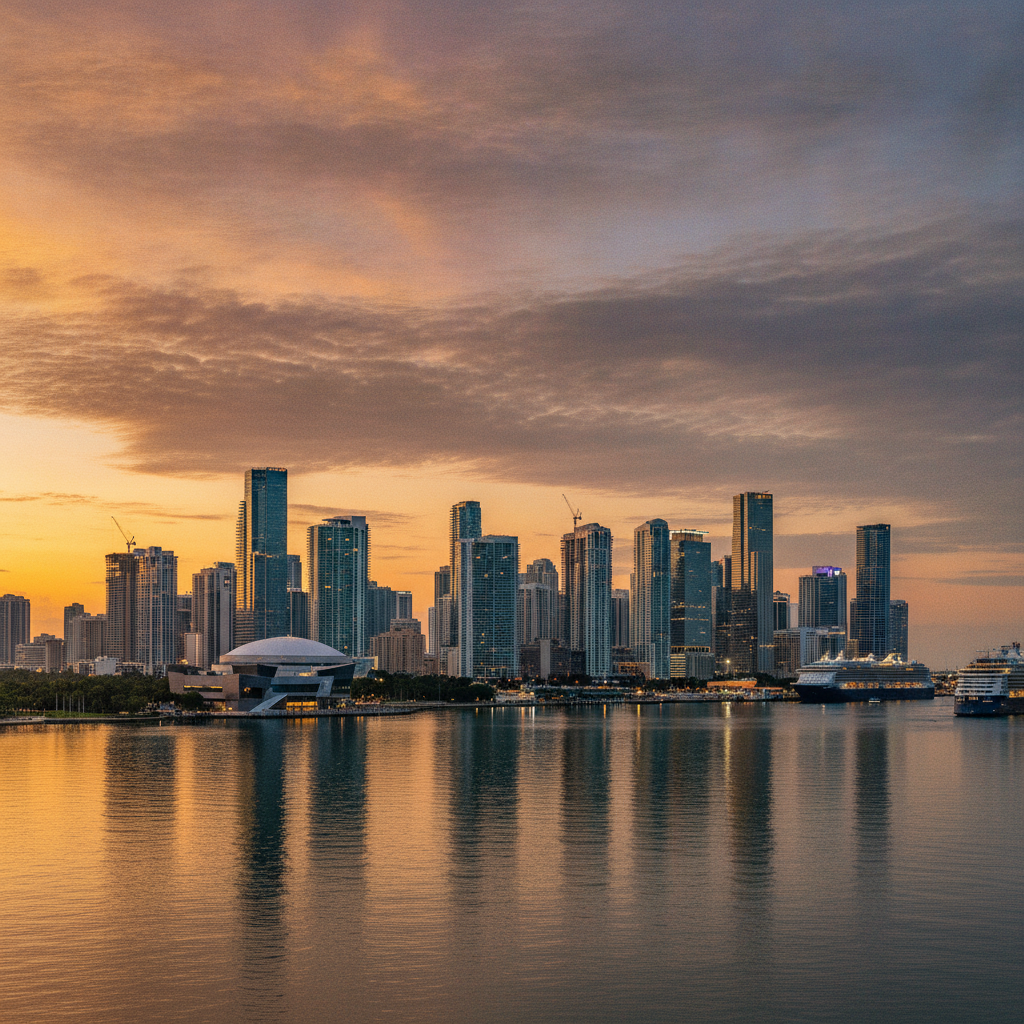
Brickell, Downtown & Miamis aufstrebendes Finanzviertel
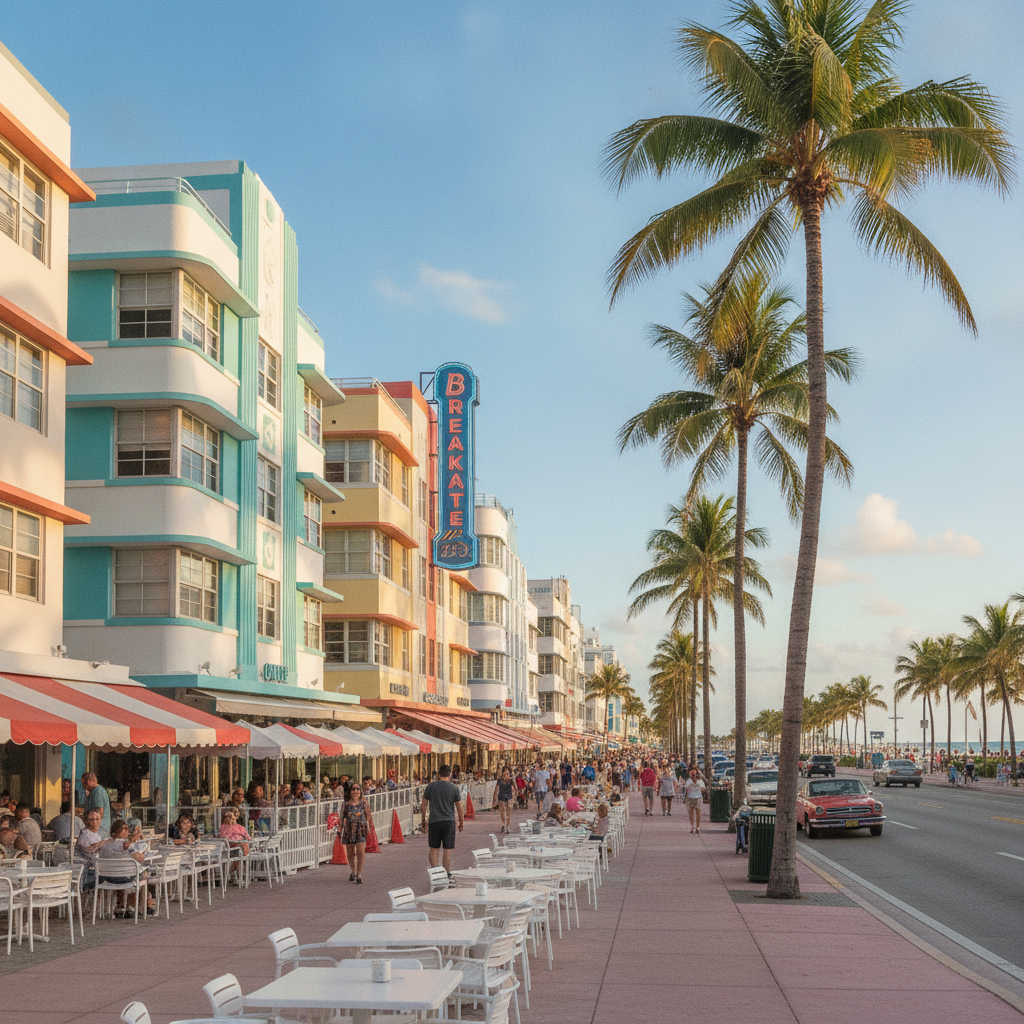
South Beach, Art Déco & Ocean Drive — Das Wahrzeichen Miamis