Isola, Porta Nuova & der Bosco Verticale – Mailands neue Skyline
Die Entwicklung von Porta Nuova – das Stadterneuerungsprojekt der 2000er-2010er Jahre, das das ehemalige Industrie- und Eisenbahngelände nördlich des historischen Stadtzentrums in Mailands ambitioniertestes zeitgenössisches Architekturviertel verwandelte – hat die Skyline der Stadt grundlegend verändert und Mailand als die architektonisch abenteuerlichste Großstadt Italiens etabliert.
- 1
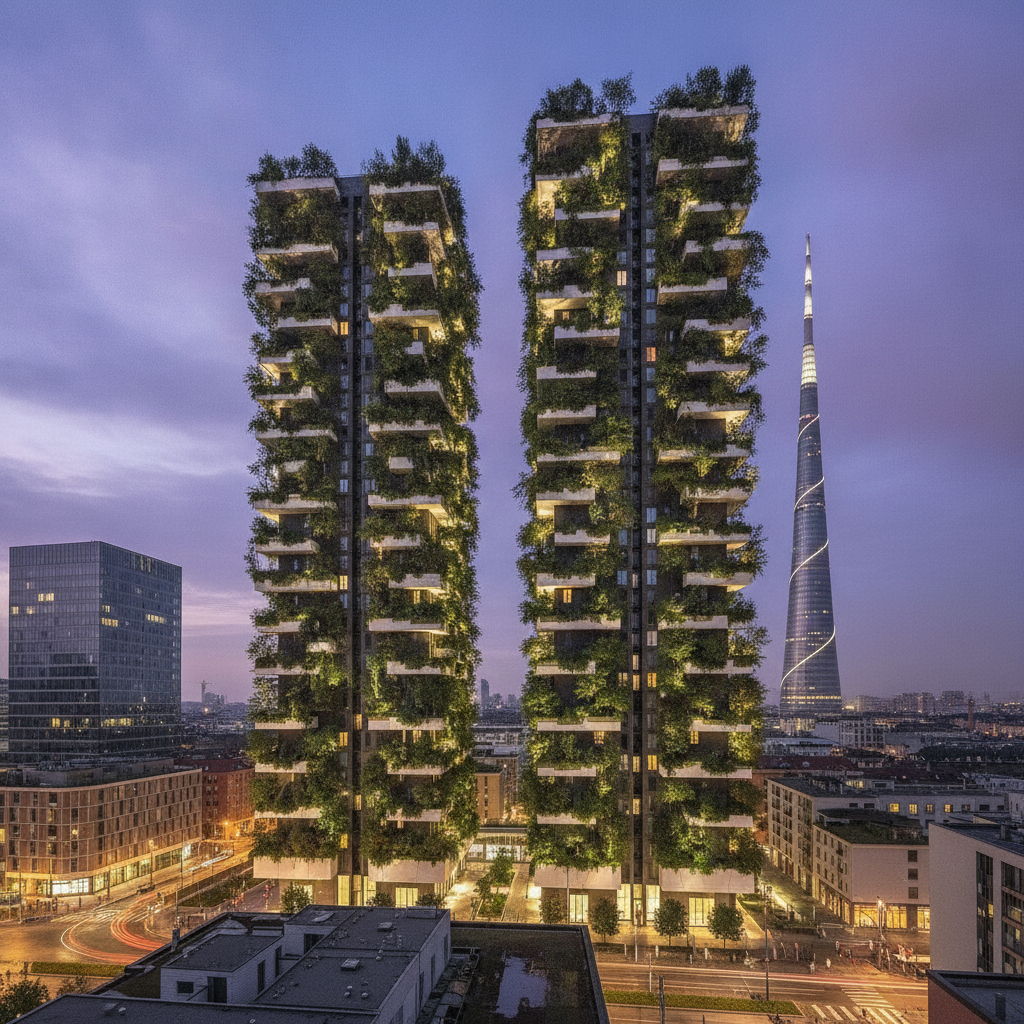
Bosco Verticale – 800 Bäume auf zwei Wohntürmen
Bosco Verticale ('Vertikaler Wald', Porta Nuova, 2014, Stefano Boeri Architetti) besteht aus zwei Wohntürmen (80m und 112m), die 800 Bäume, 5.000 Sträucher und 15.000 Pflanzen auf terrassierten Balkonen tragen — die Bäume (Arten, die für die Sonneneinstrahlung und Höhe jeder Terrasse ausgewählt wurden) schaffen ein sich selbst erhaltendes Waldökosystem, das jährlich 30 Tonnen CO₂ absorbiert und 1.600 Vogel- und Schmetterlingsarten in einer städtischen Umgebung beherbergt; die Türme gewannen den International Highrise Award 2014.
- 2
Isola Viertel – Mailands Gegenkultur-Dorf
Isola ('Insel') nimmt ein Arbeiterviertel aus dem 19. Jahrhundert ein, das durch die Garibaldi-Bahnanlagen (heute Fußgängerzone) vom Rest der Stadt getrennt war — die Apartmentblöcke, kleinen Plätze und Nachbarschaftsbars (Osterie) aus den 1950er-1970er Jahren des Viertels haben eine Gemeinschaft von Künstlern, Designern und jungen Fachleuten angezogen, die Mailands authentischstes, nicht-touristisches Viertel geschaffen haben; der Sonntagsmorgenmarkt (Piazza Lagosta, 9am–2pm) ist der lokalste Lebensmittelmarkt im Zentrum Mailands.
- 3
Fondazione Prada – Rem Koolhaas' Goldturm
Die Fondazione Prada (Largo Isarco, Südmailand, 2015, OMA/Rem Koolhaas) befindet sich in einem ehemaligen Brennerei-Komplex von 1910, der umgebaut und um drei neue Gebäude erweitert wurde — der Turm (9 Stockwerke, vollständig mit Blattgold bedeckt, sichtbar von der Ringstraße) beherbergt Miuccia Pradas und Patrizio Bertellis Sammlung zeitgenössischer Kunst; die angrenzende Bar Luce (von Wes Anderson im Stil einer Mailänder Pasticceria der 1950er Jahre entworfen) ist das meistfotografierte Café-Interieur in Mailand; Eintritt €15.
- 4
Finanzviertel Porta Nuova – Dubai am Naviglio
Porta Nuova (die geplante 2 Milliarden Euro teure Neugestaltung des Mailänder Güterbahnhofs, 2009–2019) ist Italiens größte Stadtentwicklung — das Viertel verbindet die Türme Garibaldi und Varesine (der UniCredit Tower, 231m, Italiens höchstes Gebäude) mit der Piazza Gae Aulenti und der Biblioteca degli Alberi (Bibliothek der Bäume, ein 95.000m² großer öffentlicher botanischer Garten mit 100 Pflanzenarten in einem geometrischen Muster, sichtbar von den oberen Türmen).
- 5
Corso Como 10 – Mailands Prototyp für einen Fashion Concept Store
10 Corso Como (Mailand, 1991, Carla Sozzani) erfand das Concept-Store-Format — eine Galerie, ein Restaurant, eine Buchhandlung, ein Garten, ein Hotel (3 Zimmer) und ein Einzelhandelsgeschäft unter einem Dach in der 10 Corso Como — das Format wurde in New York, Shanghai, Seoul und Peking kopiert; die Buchhandlung (die beste Kunst-, Mode- und Fotobuchhandlung in Mailand) und das Gartenrestaurant sind ohne Kauf zugänglich; internationale Designermarken werden ebenso als Kunstobjekte wie als Handelsware präsentiert.
- 6
Design Superprincipal – B&B Italia, Cassina & Molteni Showrooms
Mailands Design-Showroom-Circuit (konzentriert in den Straßen Via Durini, Via Manzoni und Via della Spiga) ist die weltweit bedeutendste Konzentration italienischer Möbeldesign — B&B Italia (Piazza del Liberty), Cassina (Via Durini, verkauft Corbusier LC4 Chaises und Prouvé Stühle nach originalen Designstandards) und Molteni & C (Corso Europa) zeigen Mailands Position als Welthauptstadt der Möbelproduktion; Besuche sind kostenlos und das Personal bietet auf Anfrage Kontext zur Designgeschichte.
Walk this route with audio
Stories play automatically as you reach each stop — no tapping needed.
Mehr in milan
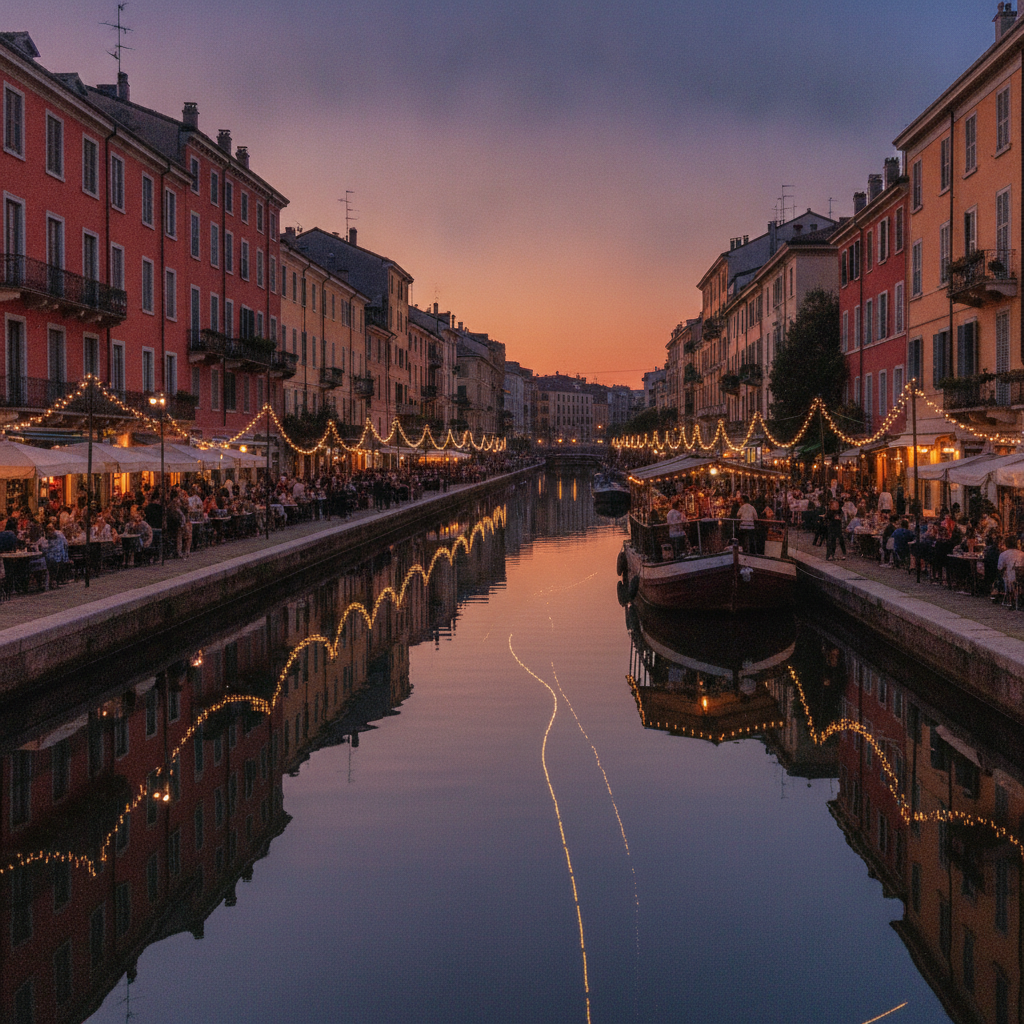
Die Navigli-Kanäle, Darsena & Porta Ticinese — Mailands Kanalviertel
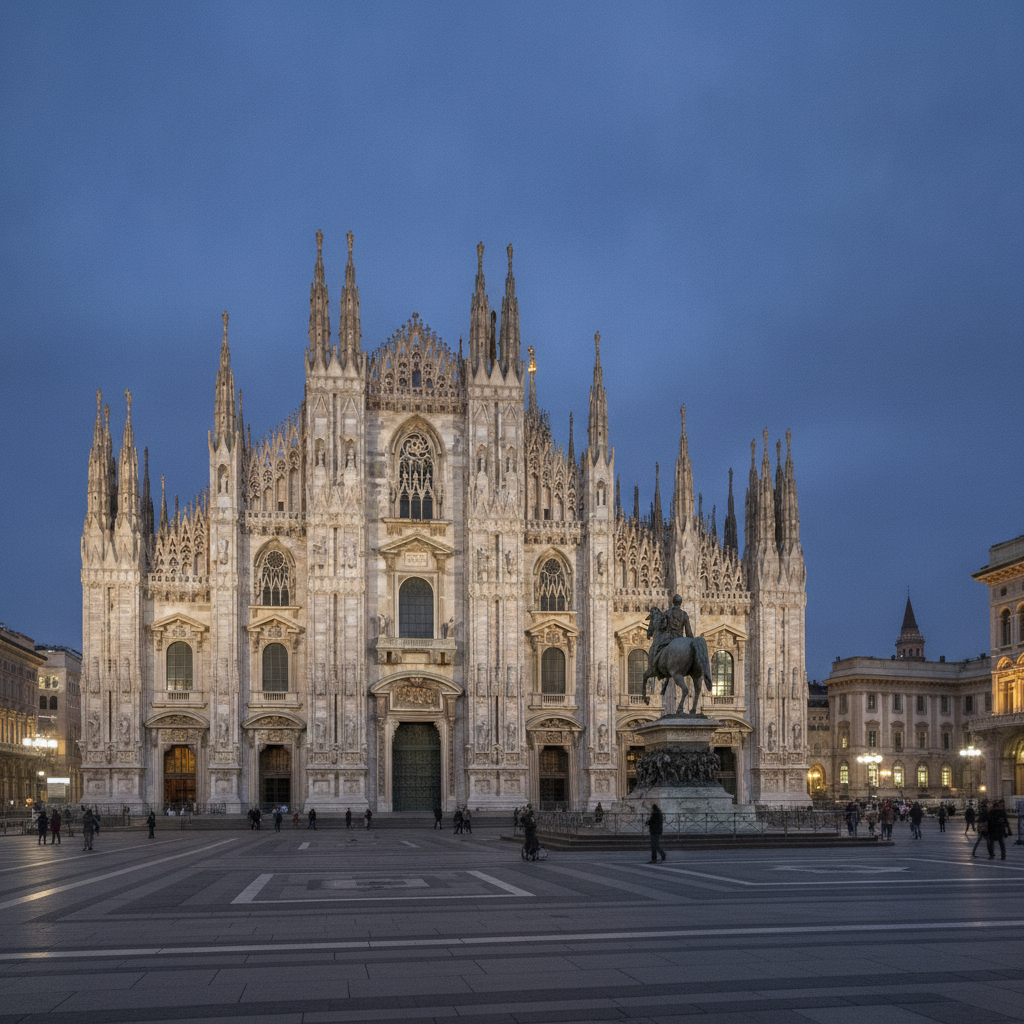
Der Dom, die Galleria Vittorio Emanuele II & der Piazza del Duomo
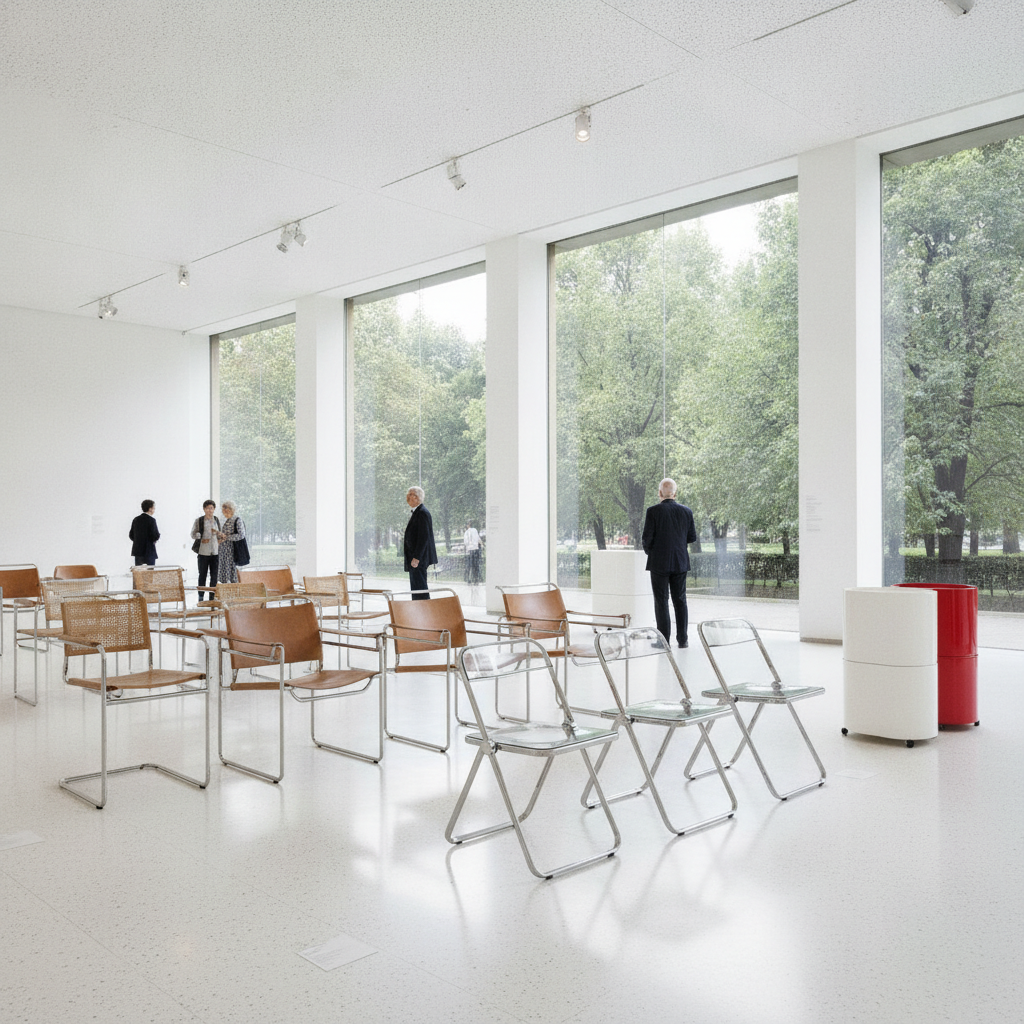
Das Triennale Design Museum, der Salone del Mobile & Mailands Designerbe
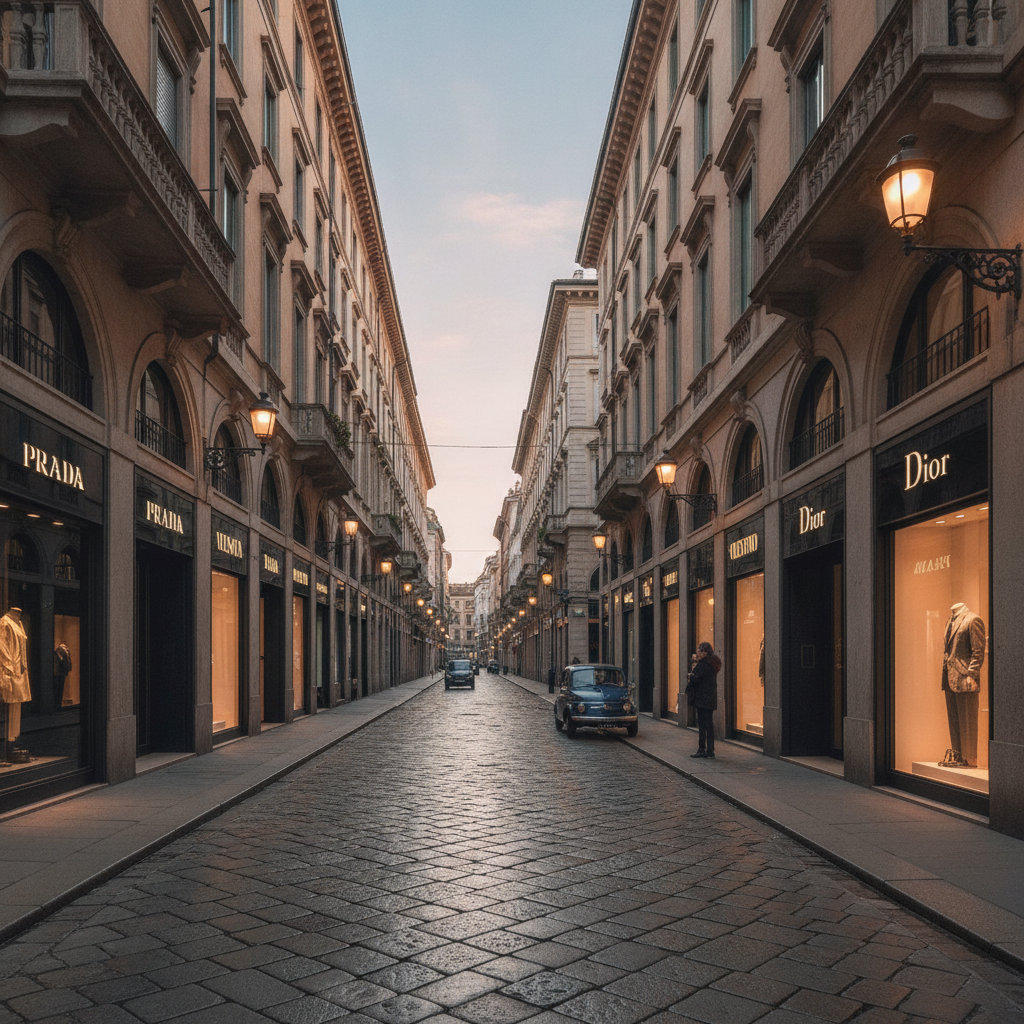
Das Modeviereck — Via Montenapoleone, Via della Spiga & Mailands Luxusherz
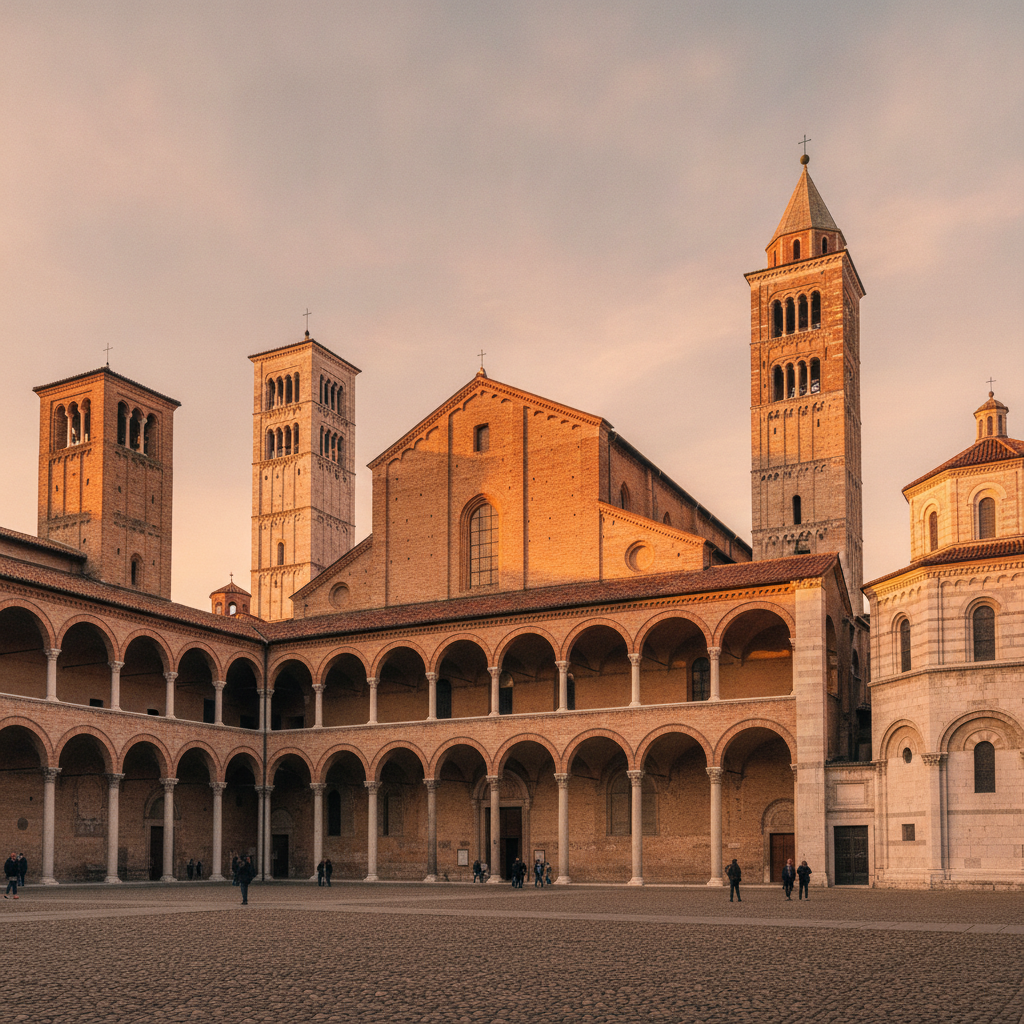
Basilika Sant'Ambrogio, die Säulen von San Lorenzo & das Ticinese-Viertel