Mailänder Küche — Risotto alla Milanese, Ossobuco & die Lebensmittelmärkte
Mailands kulinarische Tradition ist eine der ausgeprägtesten in Norditalien – eine Küche, geprägt von der Agrarlandschaft der Po-Ebene, der Nähe zu den Alpen, französischem Einfluss (während der Jahrhunderte spanischer und österreichischer Herrschaft) und der einzigartigen Position der Stadt als Italiens Finanz- und Industriehauptstadt: reicher, butterbasierter und internationaler im Geschmack als die tomaten- und olivenölbasierte Küche Mittel- und Süditaliens.
- 1
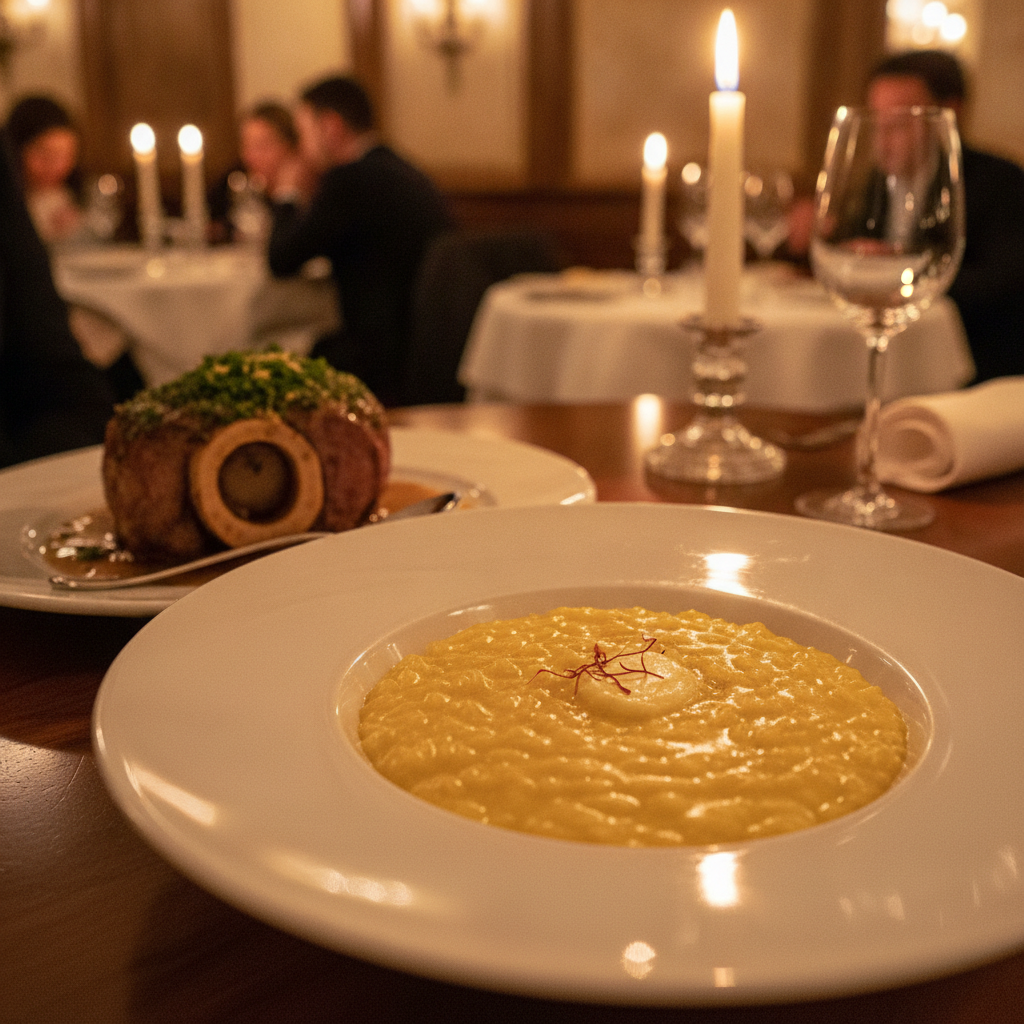
Risotto alla Milanese — Safran, Knochenmark und 800 Jahre Tradition
Risotto alla Milanese (mit Safran angereichertes Risotto, verfeinert mit Knochenmark und Parmigiano, leuchtend goldene Farbe, cremige Konsistenz durch Carnaroli-Reisstärke) wurde erstmals 1574 beim Hochzeitsfest der Tochter des Herzogs von Alba dokumentiert – traditionell als Beilage zu Ossobuco alla Milanese (geschmorte, quer geschnittene Kalbshaxe mit Gremolata) serviert; die klassische Kombination ist in der Trattoria Milanese (Via Santa Marta, since 1933) und im Ratanà (Via Gaetano de Castillia) für €18–28 erhältlich.
- 2
Cotoletta alla Milanese — Der Wiener-Schnitzel-Streit
Die Cotoletta alla Milanese (dünn geklopftes Kalbsschnitzel, in geschlagenem Ei und Semmelbröseln paniert, in geklärter Butter gebraten) ist seit den 1850s Gegenstand eines diplomatischen Streits mit Österreich – Feldmarschall Radetzky schrieb Kaiser Franz Joseph über ein 'paniertes Kalbsschnitzel nach lombardischer Art', das er in Mailand gegessen hatte; Austria claims the Wiener Schnitzel predates the Milanese version; die Cotoletta-Debatte wird in Mailand ernst genommen; die beste gibt es in der Osteria del Binari (Via Tortona).
- 3
Panettone — Mailands Weihnachtsbrot, globale Industrie
Panettone (das hohe zylindrische, angereicherte Brot mit Trockenfrüchten und kandierten Zitrusfrüchten) wurde in Mailand in den 1490s erfunden (die Legende von Ludovico il Moro) und ist heute ein globales italienisches Weihnachtsprodukt mit jährlichen Verkäufen von über €700 million+ – der handwerkliche Panettone (von Pasticceria Vergani, 1944; Massari; und Pasticceria Marchesi, 1824) verwendet eine 72-hour natürliche Hefegärung und eine spezielle Teighängtechnik (Panettone werden nach dem Backen kopfüber aufgehängt, um ein Zusammenfallen zu verhindern), die jahrelange Ausbildung erfordert.
- 4
Mercato dell'Osservanza — Mailands bester Stadtteilmarkt
Der Mercato dell'Osservanza (Via Tertulliano, Porta Romana, Tuesday and Saturday 7am–2pm) ist der beste Lebensmittelmarkt in Mailand – Produzenten aus der Lombardy verkaufen frischen Ricotta, der am selben Morgen hergestellt wurde, Bresaola (luftgetrocknetes Rindfleisch aus Valtellina), Bergamo salami, frische Pasta, und saisonales Gemüse aus der Po Valley; die Qualität ist vergleichbar mit Spezialitätengeschäften zu 30–40% niedrigeren Preisen; der Markt wird von Restaurantköchen genutzt, die in der näheren Umgebung wohnen.
- 5
Luini — Panzerotti seit 1888 im Duomo-Viertel
Luini (Via Santa Radegonda, hinter dem Duomo, since 1888) serviert ausschließlich Panzerotti (halbmondförmige frittierte Teigtaschen, gefüllt mit Tomate und Mozzarella) – es gibt immer eine Schlange von 15–30 people; die Panzerotti werden auf Bestellung in heißem Öl frittiert und in Papier serviert; das Öl und die Tomate verbrennen die Finger, wenn man zu schnell isst; one panzerotto costs €3; keine Sitzgelegenheiten, man isst stehend auf der Via Santa Radegonda; the recipe and the family ownership are both unchanged in 130+ years.
- 6
Aperitivo — Warum Mailands Happy Hour anders ist als die der Welt
Mailands Aperitivo-Tradition (6–9pm, ein einzelnes Getränk begleitet von einem kostenlosen Buffet mit Pasta, Risotto, Bruschette und Salaten) wurde in den 1980s als Wettbewerbsstrategie von Bars im Brera-Viertel entwickelt – die kostenlose Essenskomponente verwandelt den Aperitivo für junge Berufstätige in ein Abendessen; der Getränkepreis ($10–14) ist die einzige Kosten; Bar Basso (Via Plinio, Erfinder des Negroni Sbagliato in 1968), Santeria Social Club (Viale Toscana) und Spritz Me Up (Navigli) sind die drei Referenzadressen.
Walk this route with audio
Stories play automatically as you reach each stop — no tapping needed.
Mehr in milan
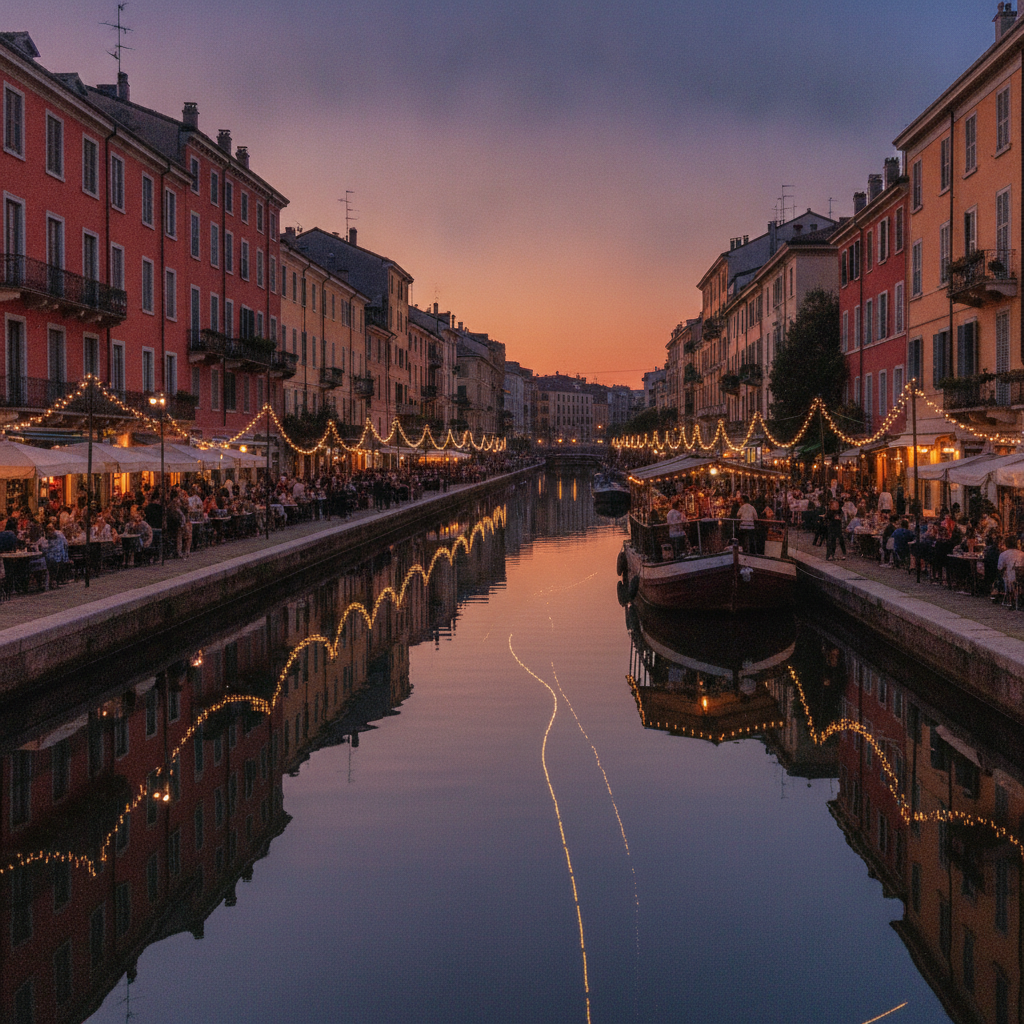
Die Navigli-Kanäle, Darsena & Porta Ticinese — Mailands Kanalviertel
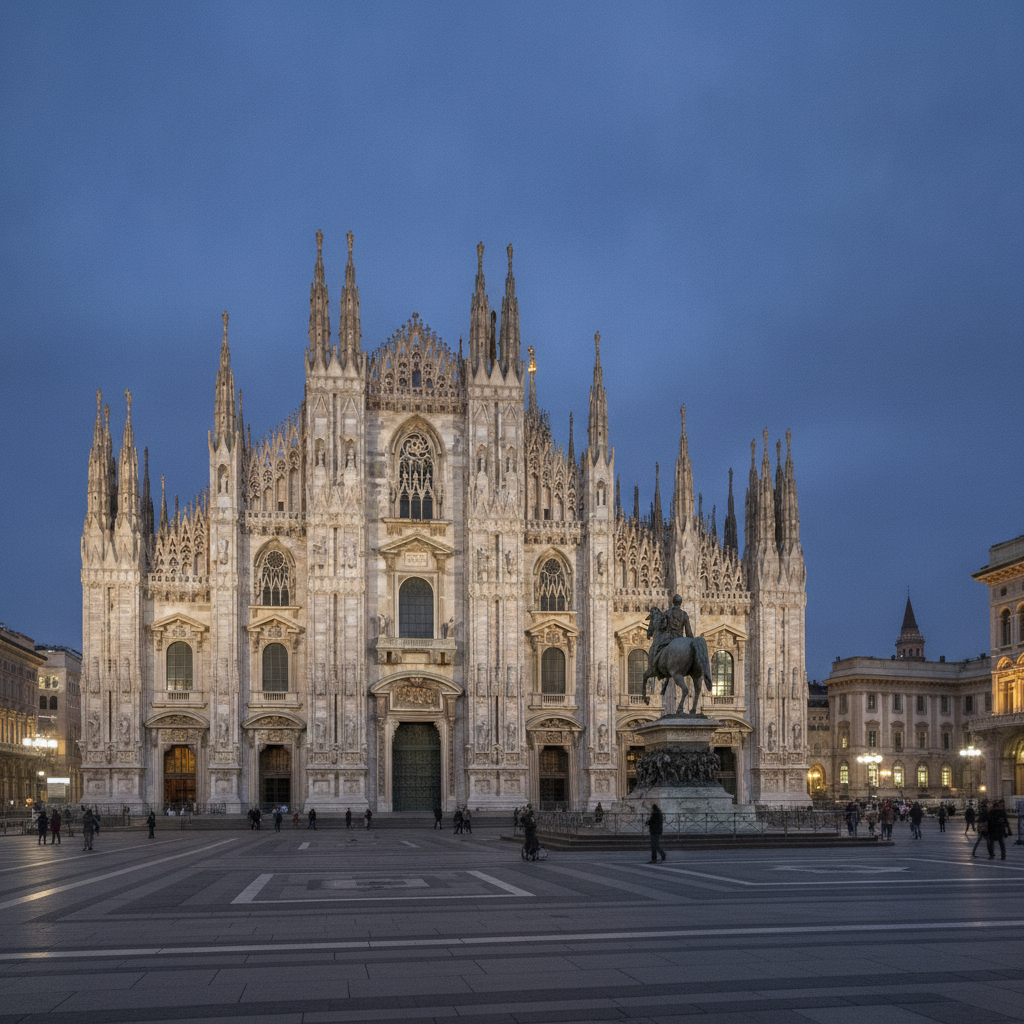
Der Dom, die Galleria Vittorio Emanuele II & der Piazza del Duomo
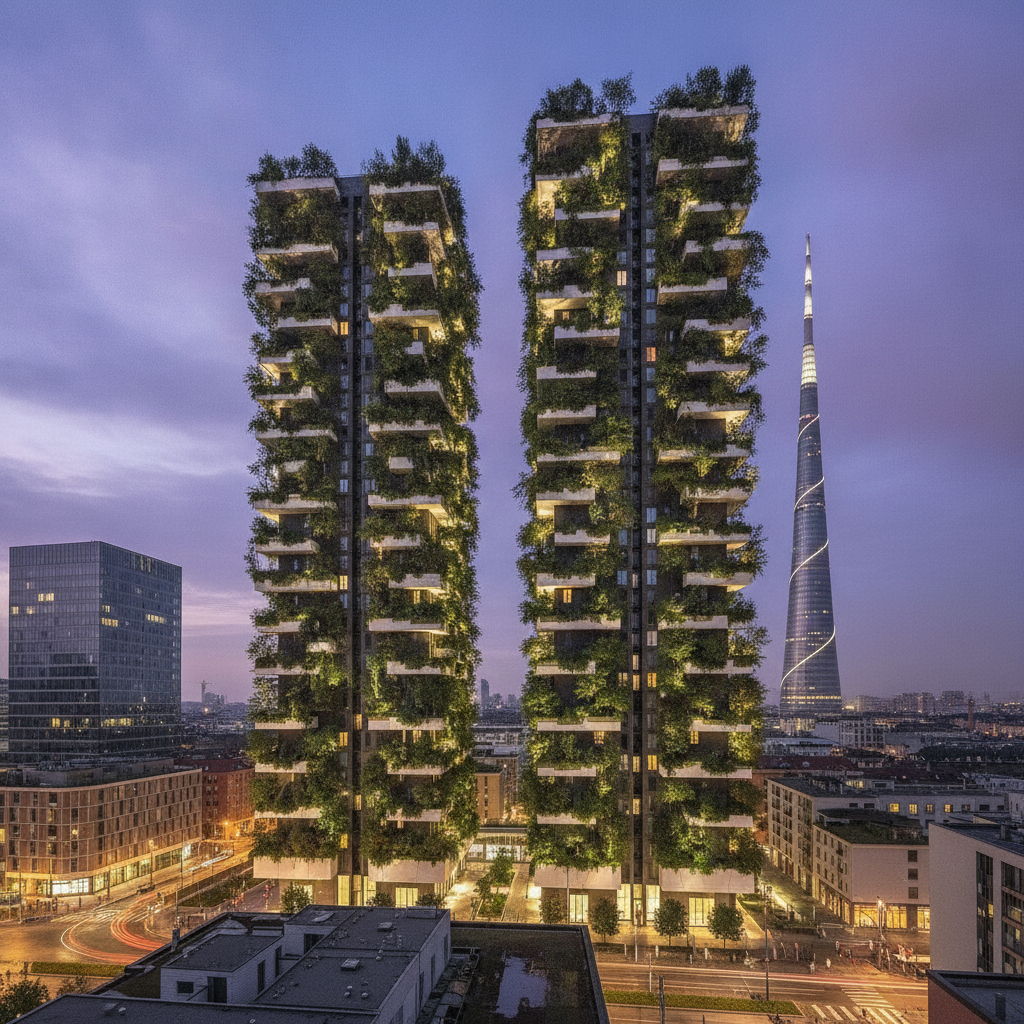
Isola, Porta Nuova & der Bosco Verticale – Mailands neue Skyline
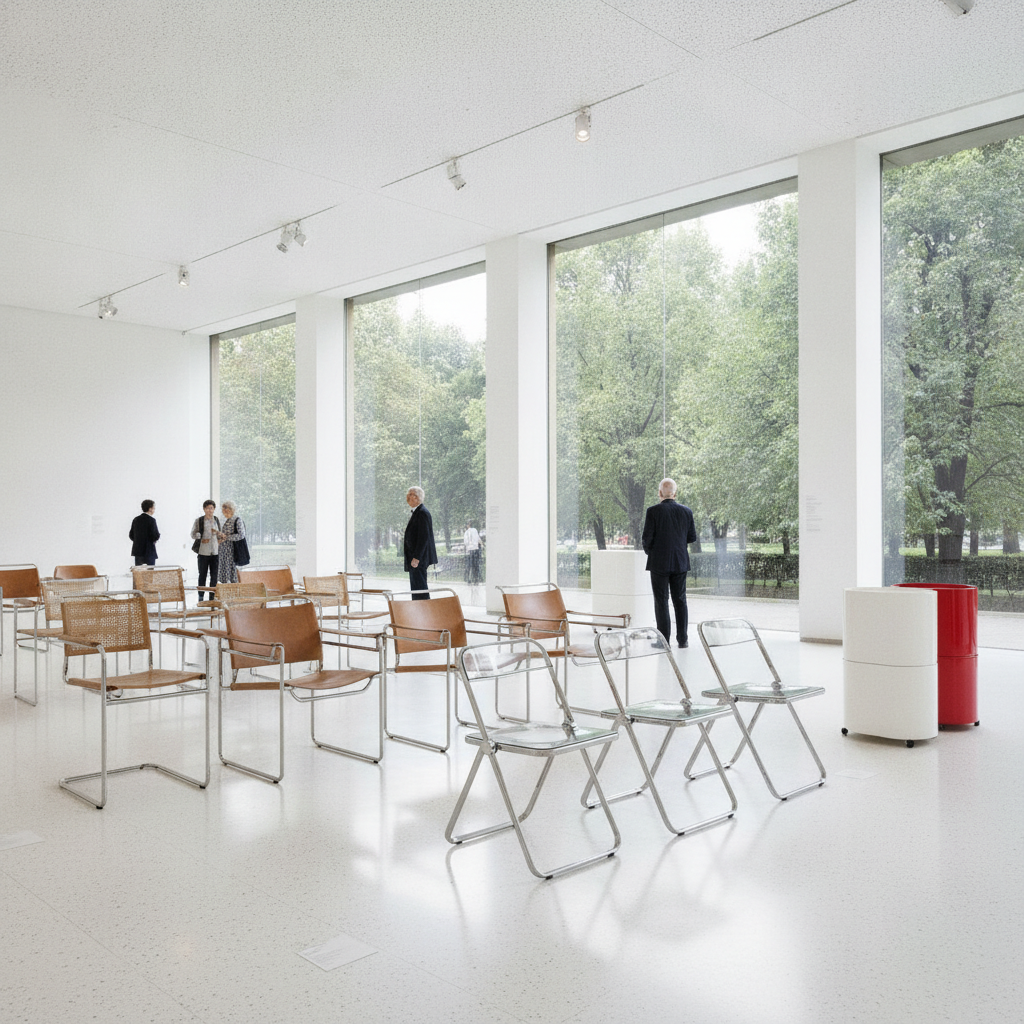
Das Triennale Design Museum, der Salone del Mobile & Mailands Designerbe
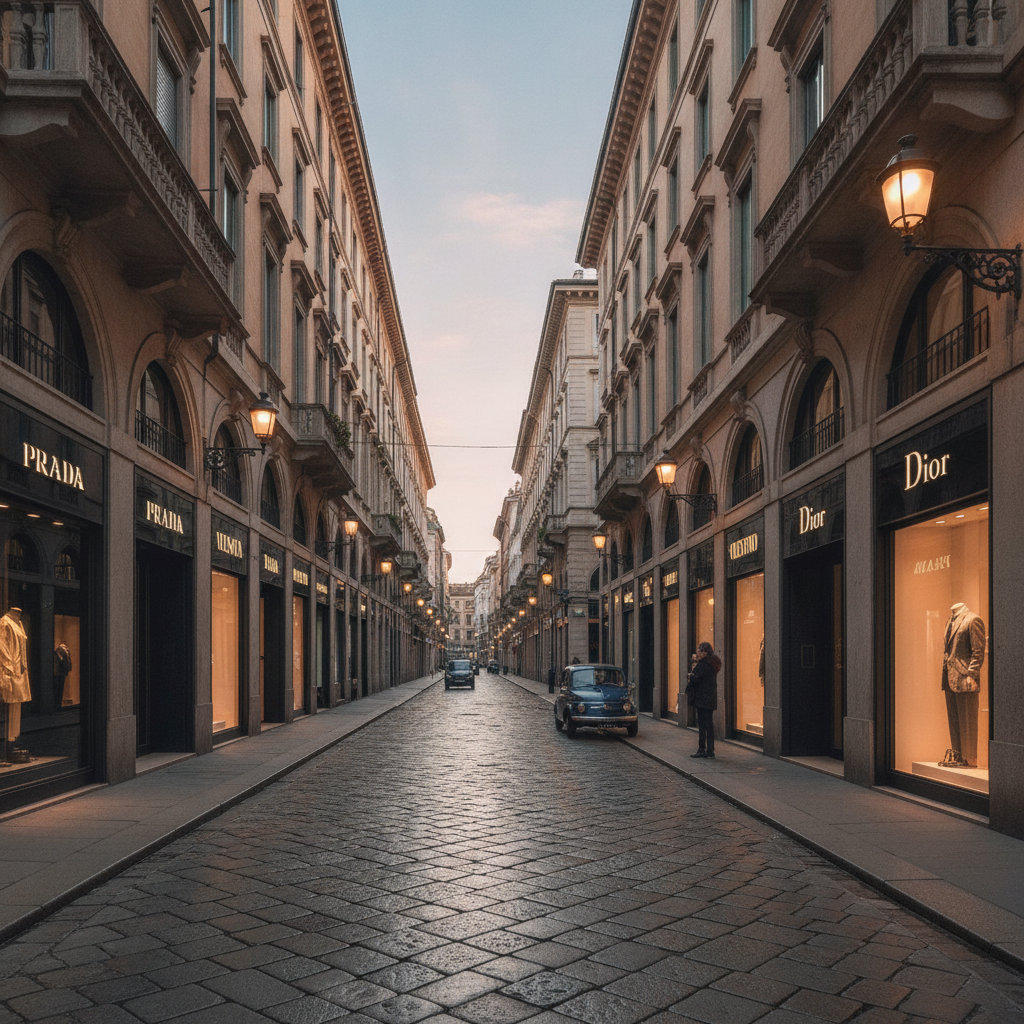
Das Modeviereck — Via Montenapoleone, Via della Spiga & Mailands Luxusherz