Basilika Sant'Ambrogio, die Säulen von San Lorenzo & das Ticinese-Viertel
Das Viertel Ticinese im Südwesten Mailands – das Gebiet zwischen den Navigli-Kanälen und dem Dom, zentriert auf die alte Pilgerstraße (heute Corso di Porta Ticinese) – beherbergt die beiden wichtigsten frühchristlichen und romanischen Monumente Mailands: die Basilika Sant'Ambrogio (die Gründung Mailands Schutzpatrons aus dem 4. Jahrhundert, eine der ältesten Kirchen der Christenheit) und die Säulen von San Lorenzo (das einzige erhaltene römische Monument Mailands über der Erde).
- 1
Basilika Sant'Ambrogio — Mailands Gründungskirche, 379 n. Chr.
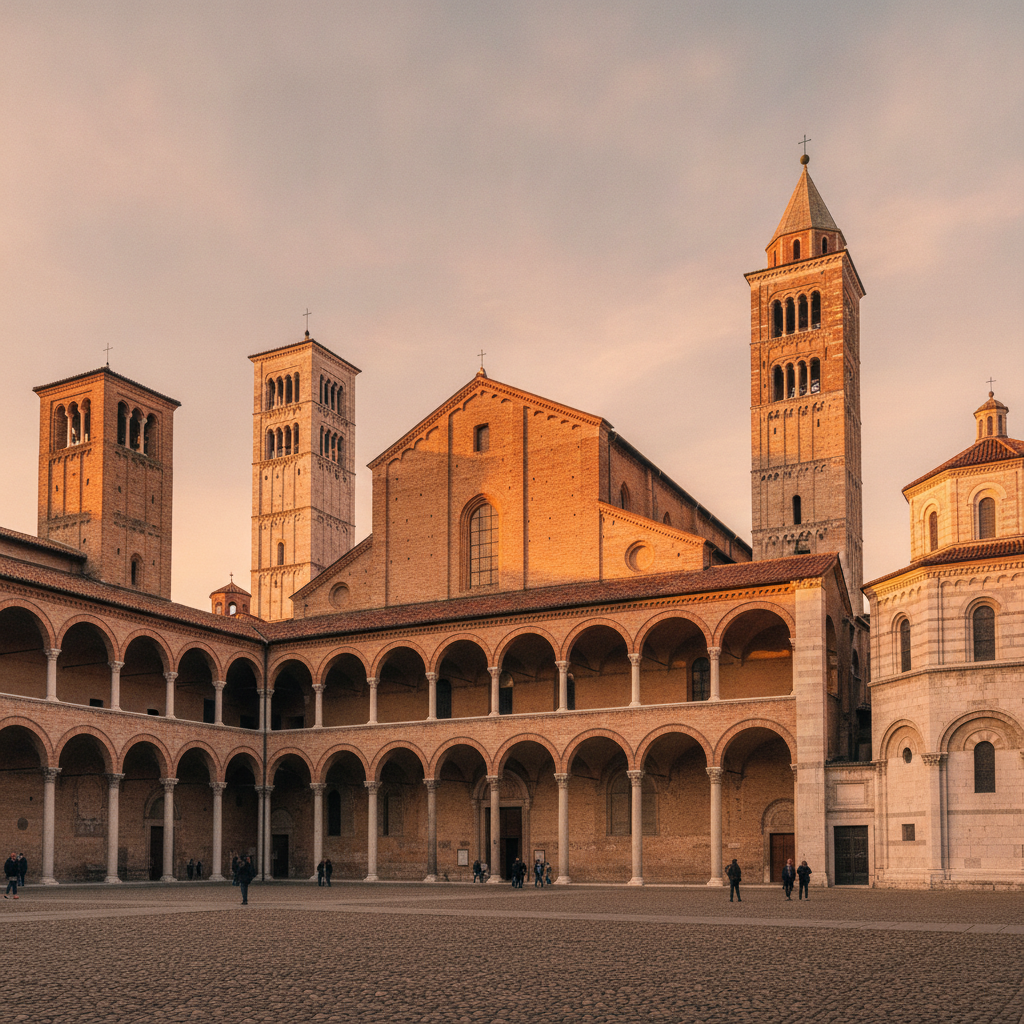
Die Basilika Sant'Ambrogio (Piazza Sant'Ambrogio, 379 n. Chr., in ihrer heutigen romanischen Form 1080–1140 umgebaut) ist die wichtigste Kirche der Lombardei und der Prototyp der lombardisch-romanischen Architektur in ganz Norditalien – die Kanzel (11. Jahrhundert), der goldene Altar (824 n. Chr., eines der schönsten Beispiele karolingischer Goldarbeiten in Europa) und das Atrium (das Modell für alle nachfolgenden Kirchenvorhöfe in Norditalien) sind die Schlüsselelemente; freier Eintritt.
- 2
Säulen von San Lorenzo — Römisches Mailand bei Sonnenuntergang
Die Colonne di San Lorenzo (Corso di Porta Ticinese, 16 römische Säulen aus dem 2.–3. Jahrhundert n. Chr., ursprünglich Teil eines römischen Thermenkomplexes) sind das bedeutendste erhaltene römische Monument in Mailand – die Säulen wurden als Eingang zur frühchristlichen Basilika San Lorenzo (4. Jahrhundert, 392 n. Chr.) wiederverwendet und stehen seit 1.700 Jahren an ihrer heutigen Position; das Versammeln der Mailänder vor den Säulen an warmen Abenden ist die älteste soziale Tradition der Stadt.
- 3
Basilika San Lorenzo Maggiore — Christliche Kuppelkirche aus dem 4. Jahrhundert
San Lorenzo Maggiore (4. Jahrhundert, die älteste große christliche Kirche in Mailand und eine der ältesten Kuppelkirchen der westlichen Welt) enthält eine römische Mausoleumskapelle aus dem 2. Jahrhundert (Cappella di Sant'Aquilino) mit originalen byzantinischen Mosaiken aus dem 4. Jahrhundert – der achteckige Grundriss des Gebäudes und die zentrale Kuppel (die ursprüngliche Struktur aus dem 4. Jahrhundert steht noch, obwohl sie nach einem Einsturz 1573 wieder aufgebaut wurde) repräsentieren Mailands Übergang von der römischen zur christlichen Stadtarchitektur.
- 4
Santa Maria delle Grazie — Jenseits des Letzten Abendmahls
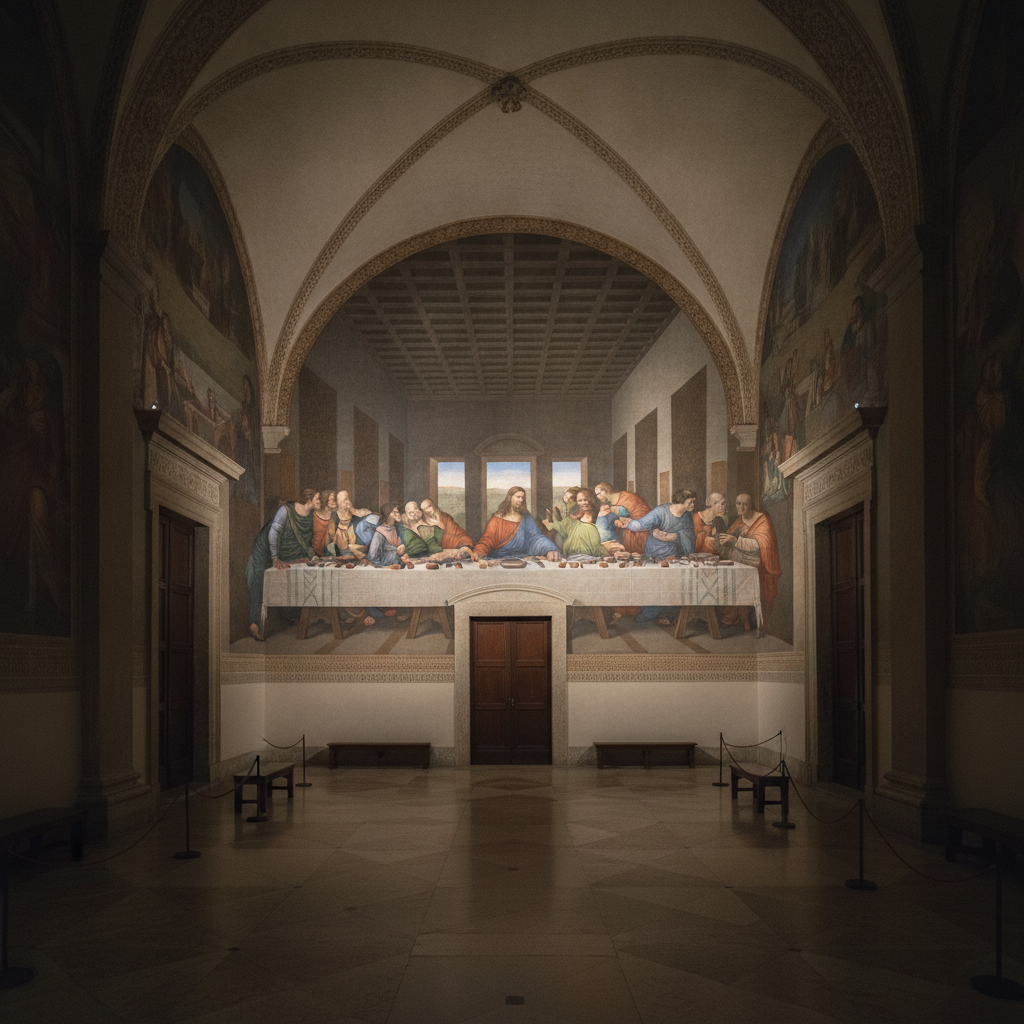
Santa Maria delle Grazie (1497, Periode von Donato Bramante und Leonardo da Vinci) ist ein UNESCO-Weltkulturerbe, hauptsächlich wegen Das Letzte Abendmahl (Prenotazione 3 Monate im Voraus erforderlich, 15-minütiger Zeitfenster-Eintritt, 18 €) – aber die Kirche selbst (Bramantes Tribüne 1492 hinzugefügt) und der Kreuzgang (der friedlichste Außenbereich im Zentrum Mailands) sind ohne Reservierung zugänglich; die Nordwand des Refektoriums blickt auf Das Letzte Abendmahl; die Südwand hat ein zeitgenössisches Kruzifix-Fresko von Giovanni Donato da Montorfano.
- 5
Pinacoteca di Brera — Norditaliens Nationalgalerie
Die Pinacoteca di Brera (Via Brera, über der Accademia di Belle Arti, 1776, kostenlos für EU-Bürger unter 18/über 65) ist das wichtigste Kunstmuseum Norditaliens – Raffaels Vermählung der Jungfrau (1504), Mantegnas Beweinung Christi (perspektivisch verkürzter Körper, 1490), Caravaggios Abendmahl in Emmaus (1606) und Piero della Francescas Brera Madonna (1472) sind dauerhafte Höhepunkte; die 40 Räume des Museums sind selten überfüllt, was es zu einer Alternative zu den Menschenmassen der Uffizien macht.
- 6
Navigli Antiquitätenmarkt — Letzter Sonntag im Monat
Der Naviglio Grande Antiquitätenmarkt (letzter Sonntag im Monat, 8–18 Uhr, Ripa di Porta Ticinese, über 300 Stände auf 2km entlang des Leinpfads) ist der größte regelmäßige Freiluft-Antiquitätenmarkt in der Lombardei – italienische Designermöbel des 20. Jahrhunderts (Gio Ponti Stühle, Artemide Lampen, italienische Kunststoffe der 1970er Jahre), Vintage-Mode (1960er Pucci, 1970er Valentino) und Vintage-Fotografie sind die stärksten Kategorien; Händler beginnen um 6 Uhr mit dem Aufbau; die besten Stücke werden bis 9 Uhr an die zuerst eintreffenden Fachkäufer verkauft.
Walk this route with audio
Stories play automatically as you reach each stop — no tapping needed.
Mehr in milan
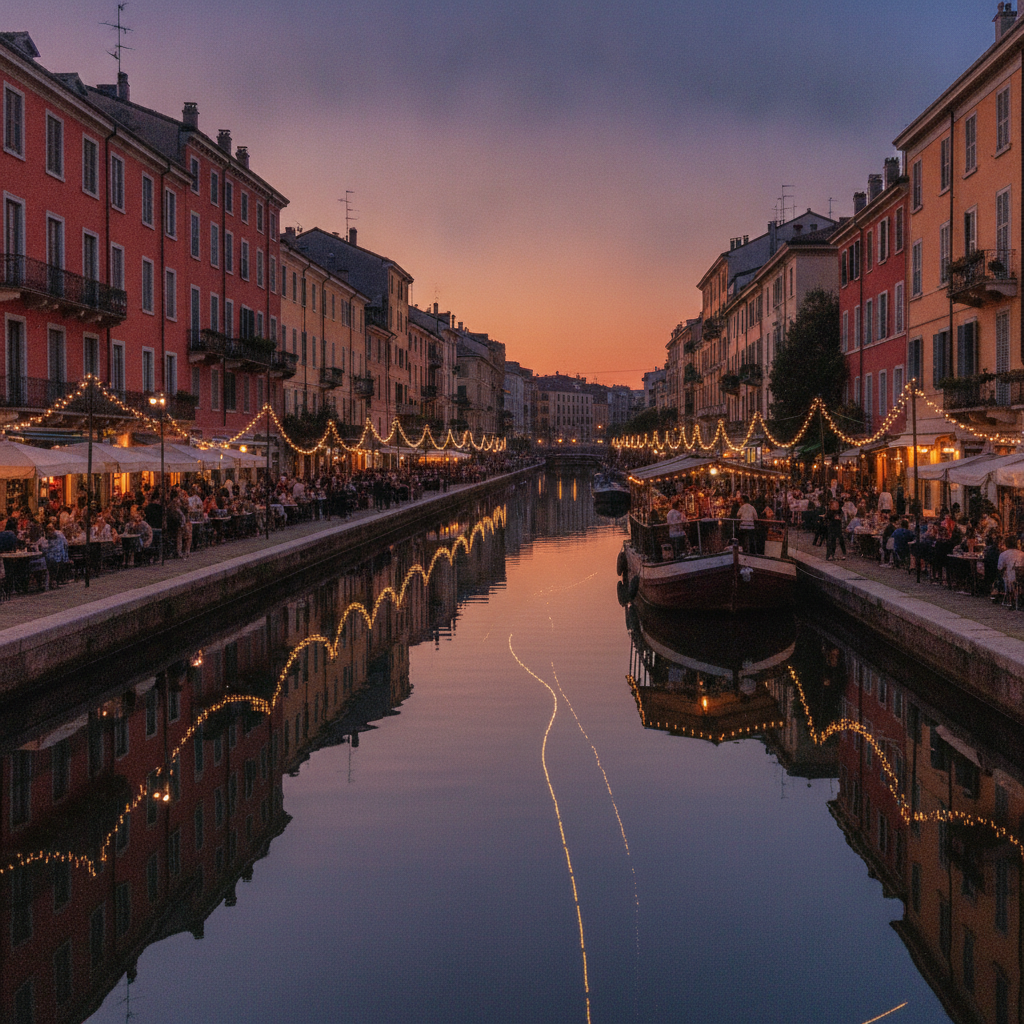
Die Navigli-Kanäle, Darsena & Porta Ticinese — Mailands Kanalviertel
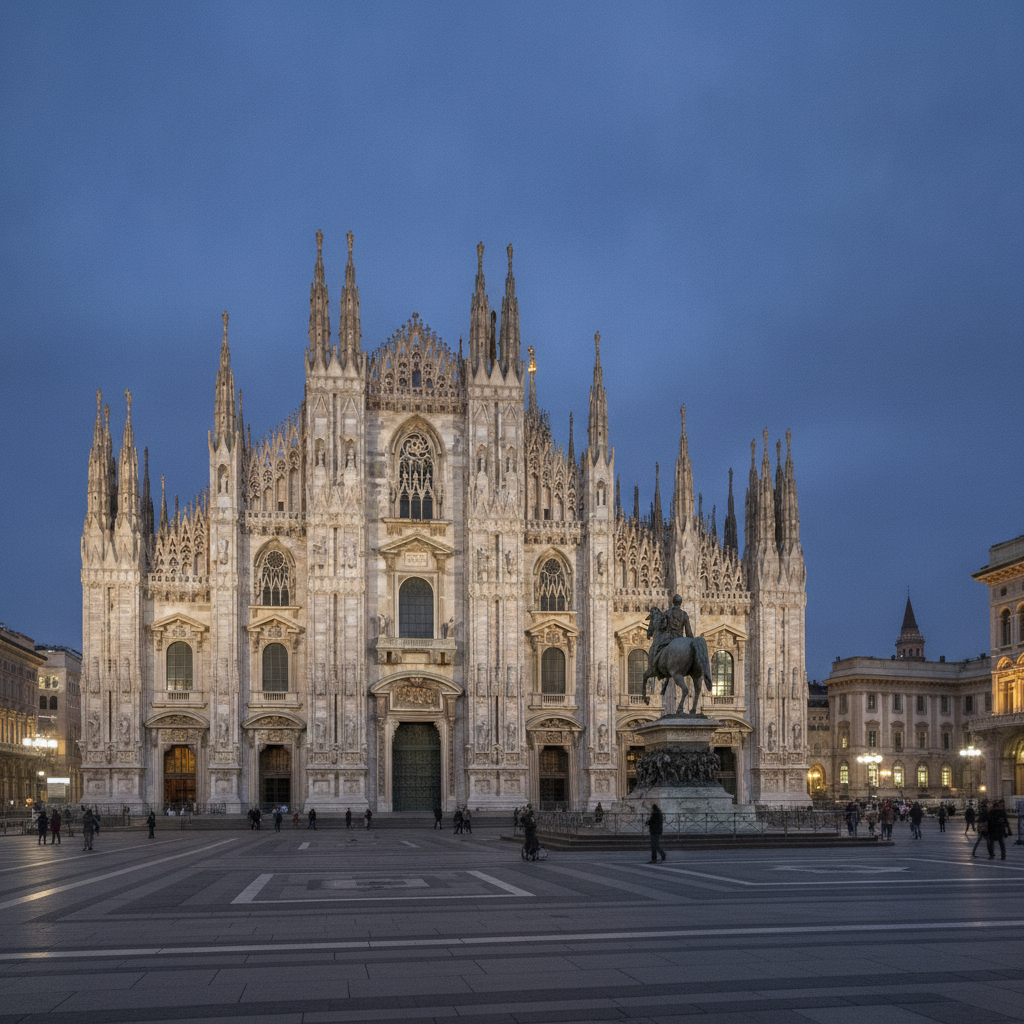
Der Dom, die Galleria Vittorio Emanuele II & der Piazza del Duomo
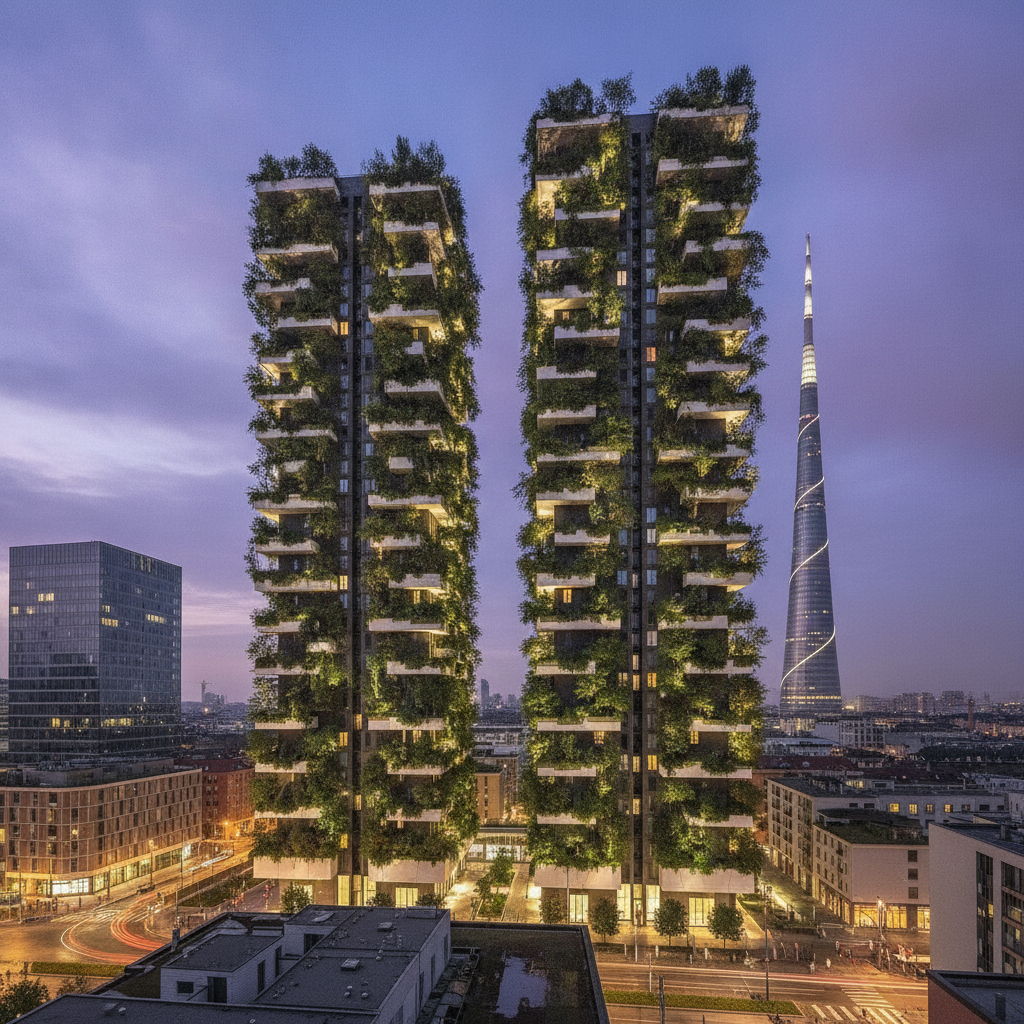
Isola, Porta Nuova & der Bosco Verticale – Mailands neue Skyline
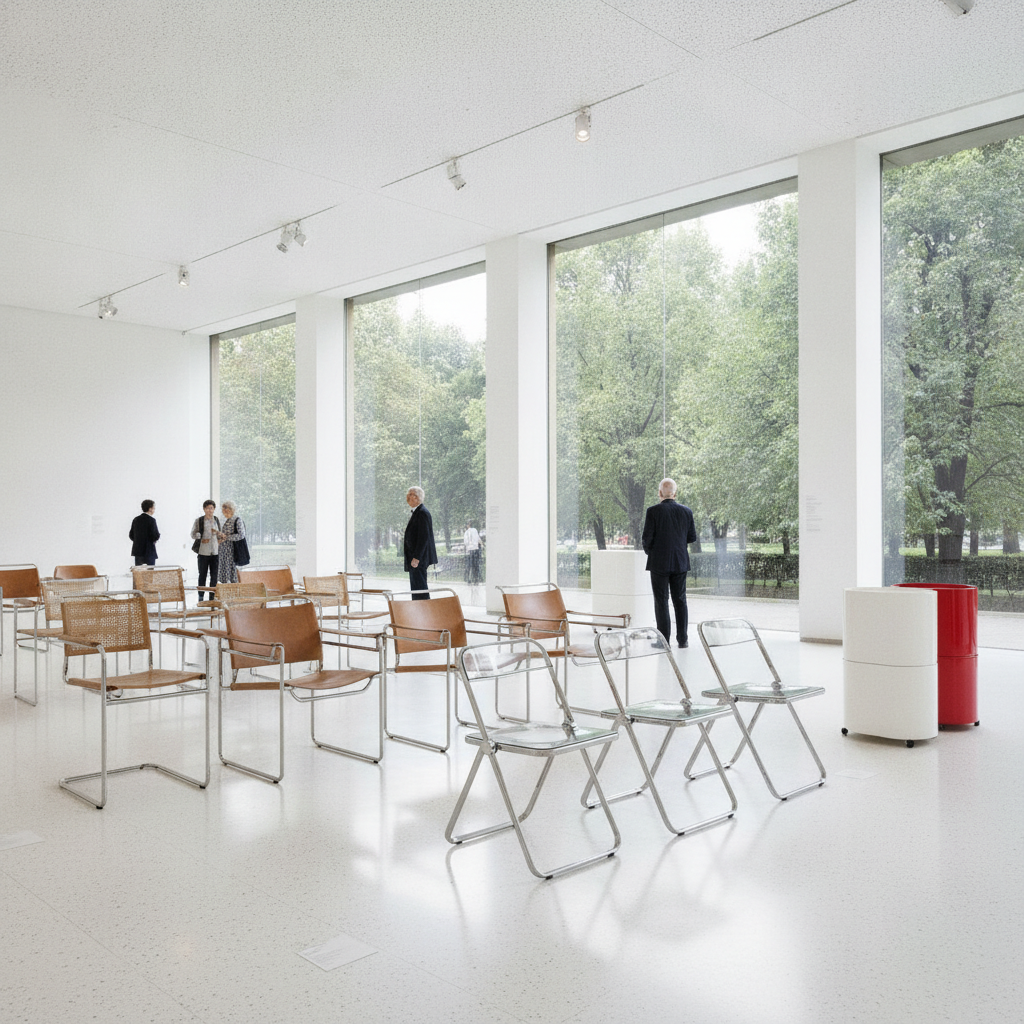
Das Triennale Design Museum, der Salone del Mobile & Mailands Designerbe
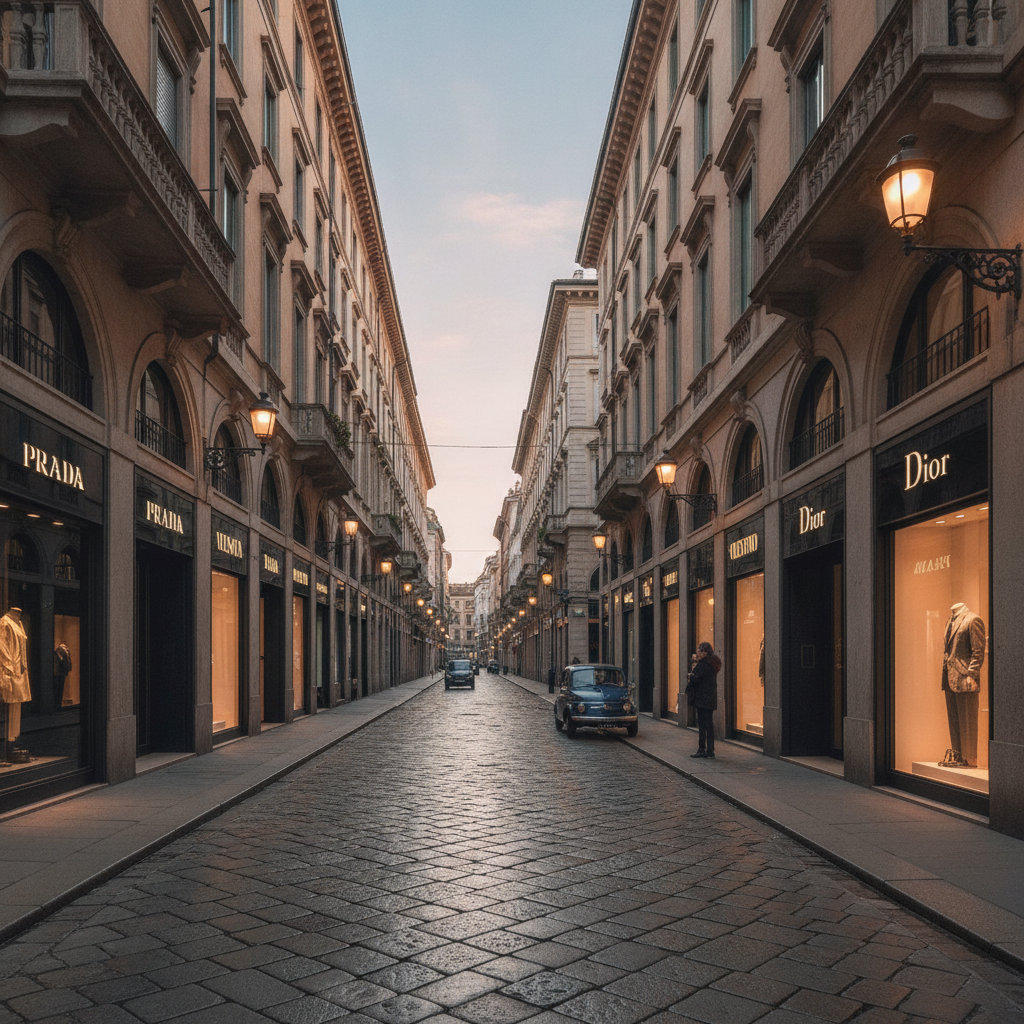
Das Modeviereck — Via Montenapoleone, Via della Spiga & Mailands Luxusherz