Kanheri-Höhlen, Sanjay Gandhi Nationalpark & Mumbais wilde Seite
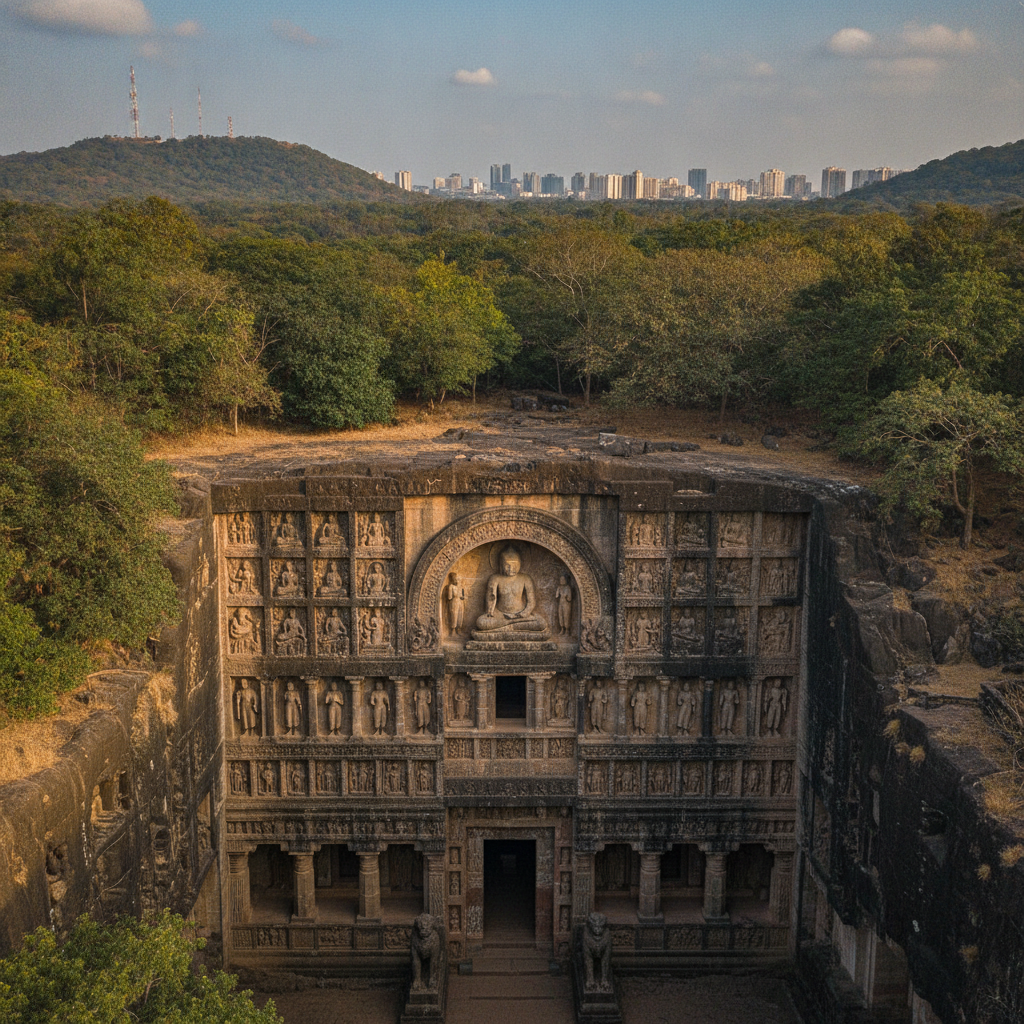
Der Sanjay Gandhi Nationalpark (der 104 Quadratkilometer große Nationalpark innerhalb des Großraums Mumbai in den nördlichen Vorstädten – einer der wenigen Nationalparks der Welt, der vollständig in einer Megacity liegt und etwa 40-50 Leoparden beheimatet, die gelegentlich nachts in die umliegenden Vororte vordringen): Der Park ist nicht nur ein wichtiges Wildtierhabitat (das bis in die 1970er Jahre Tiger und derzeit Leoparden, Axishirsche, Sambarhirsche, Bellhirsche, Schakale, Hyänen und über 250 Vogelarten beherbergt), sondern enthält auch die Kanheri-Höhlen – den größten buddhistischen Höhlenkomplex in der Region Mumbai.
- 1
Sanjay Gandhi Nationalpark – Leoparden in der Stadt
Der Sanjay Gandhi Nationalpark (Borivali, 104 km², der einzige Nationalpark innerhalb der Grenzen einer großen Weltstadt) ist die Heimat von schätzungsweise 47 Leoparden, die nachts regelmäßig in die umliegenden Wohngebiete eindringen – Mensch-Leoparden-Konflikte sind seit den 1980er Jahren dokumentiert und die Leoparden jagen hauptsächlich streunende Hunde und Vieh; der Wald des Parks (gemischter tropischer Trockenlaubwald) bietet die einzige intakte grüne Lunge für Nord-Mumbai; Mini-Bahn (₹55) und Tiger-Safari (₹120, Samstag–Sonntag) sind touristische Angebote.
- 2
Kanheri-Höhlen – 109 buddhistische Höhlen aus dem 1. Jahrhundert
Die Kanheri-Höhlen (im Inneren des Sanjay Gandhi Nationalparks, 30 Gehminuten vom Haupteingang entfernt) sind die größte Gruppe von in Fels gehauenen buddhistischen Monumenten in Indien – 109 Höhlen, die zwischen dem 1. und 10. Jahrhundert n. Chr. aus Basalt gehauen wurden; Höhle 3 (die Große Chaitya) hat eine 12 m hohe Buddha-Statue und beschriftete Säulen, die von Kaufleuten aus Kalyan gestiftet wurden, was zeigt, dass Handelsreichtum buddhistische Kunst finanzierte; die Wasserzisternen (gehauene Becken zur Regenwassersammlung) und Meditationszellen sind für ihr Alter architektonisch raffiniert.
- 3
Film City vs. Nationalpark – Naturreservat neben Studios
Die Nähe des Sanjay Gandhi Nationalparks zur Film City (Goregaon, angrenzend an die westliche Grenze des Parks) hat zu denkwürdigen Vorfällen geführt – Leoparden wurden auf den Film-City-Geländen gesichtet; umgekehrt wird der Parkwald für Naturaufnahmen genutzt, ohne Mumbai zu verlassen; das Forest Research Institute unterhält Baumschulen im Park; der Tulsi-See (innerhalb des Parks) versorgt Teile Mumbais mit Trinkwasser, was erklärt, warum der Park trotz seiner urbanen Lage eingezäunt und patrouilliert wird.
- 4
Vihar- und Tulsi-Seen – Kolonialzeitliche Stauseen in einem Mumbai-Wald
Der Vihar-See (1860, britisches Kolonialreservoir) und der Tulsi-See (1879) im Sanjay Gandhi Nationalpark decken zusammen 14 % des täglichen Wasserbedarfs von Mumbai – die Seen sind von bewaldeten Hügeln umgeben, die das Einzugsgebiet filtern; sie sind nicht zum Schwimmen oder Bootfahren zugänglich (Wasserschutz); die Seeblickpunkte (zugänglich auf der Parkstraße vor dem Haupttor) zeigen die Reservoirlandschaft, die einst die Hydrologie Mumbais prägte, bevor die Stadt um sie herum expandierte.
- 5
Elephanta-Höhlen – UNESCO-Stätte über den Hafen
Die Elephanta-Höhlen (Gharapuri-Insel, 1 Stunde mit der Fähre vom Gateway of India, UNESCO, Shiva-Tempel aus dem 5.–8. Jahrhundert in Basalt gehauen) enthalten die Trimurti (der dreiköpfige Shiva, 5,5 m, die feinste antike Skulptur in der Nähe Mumbais) – die Insel hat keine permanente menschliche Bevölkerung (nur die Fähre und Souvenirverkäufer tagsüber); die Fähre fährt von 9 bis 14:30 Uhr (letzte Rückfahrt 17:30 Uhr), ₹200 Hin- und Rückfahrt; das Höhleninnere (6 Haupthöhlen, 25 kleinere Höhlen) erfordert 2–3 Stunden; die Affen auf dem Weg sind aggressiv.
- 6
Matheran – Bergstation ohne Autos
Matheran (108 km von Mumbai, Maharashtras kleinster Bergstation, 803 m) ist die einzige autofreie Stadt Indiens – die Matheran Hill Railway von 1907 (Welterbestatus, UNESCO-Tentativliste, Neral nach Matheran, 21 km, 2 Stunden) ist der einzige motorisierte Zugang; Pferde und Handkarren sind die Transportmittel in Matheran; die Aussichtspunkte der Stadt (Panorama Point, Echo Point, Charlotte Lake) und die kolonialzeitlichen roten Lateritpfade durch den Wald machen sie zum zugänglichsten Naturerholungsgebiet von Mumbai.
Walk this route with audio
Stories play automatically as you reach each stop — no tapping needed.
Mehr in mumbai
Juhu Beach, Bollywood-Villen & die Nordküste Mumbais
Mumbai Street Food — Vada Pav, Pani Puri, Irani-Cafés & Bombay-Küche
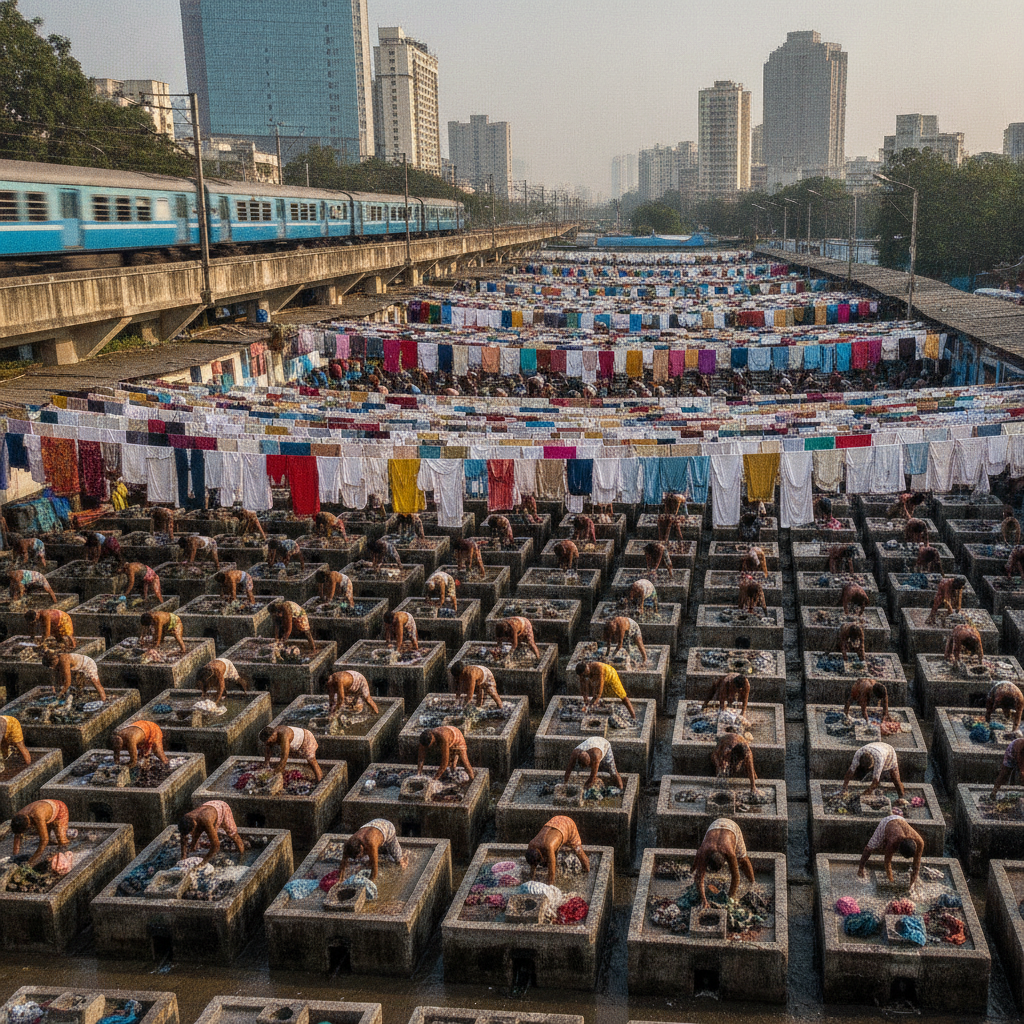
Dharavi, Dhobi Ghat & Mumbais Nahverkehrszug – Stadt der außergewöhnlichen Kontraste
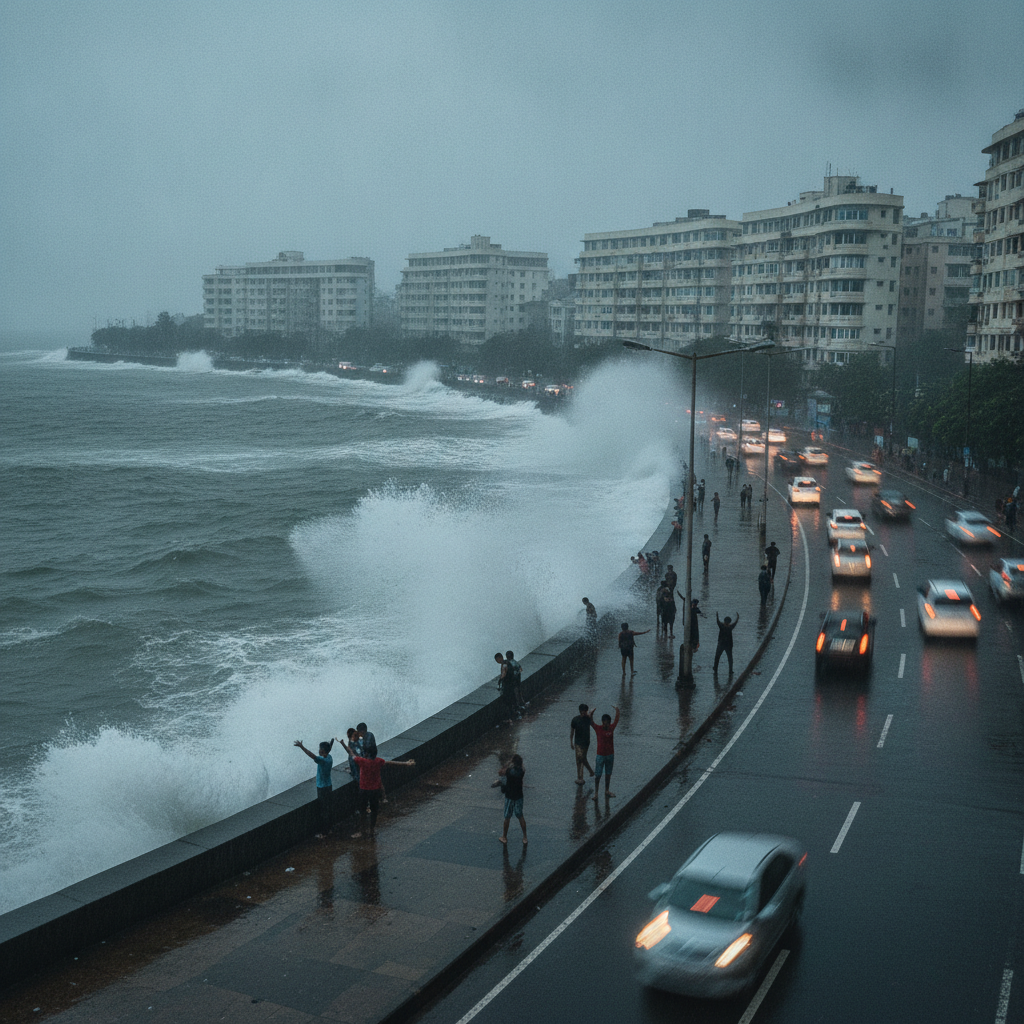
Mumbai-Monsun – Die Stadt, die den Regen feiert
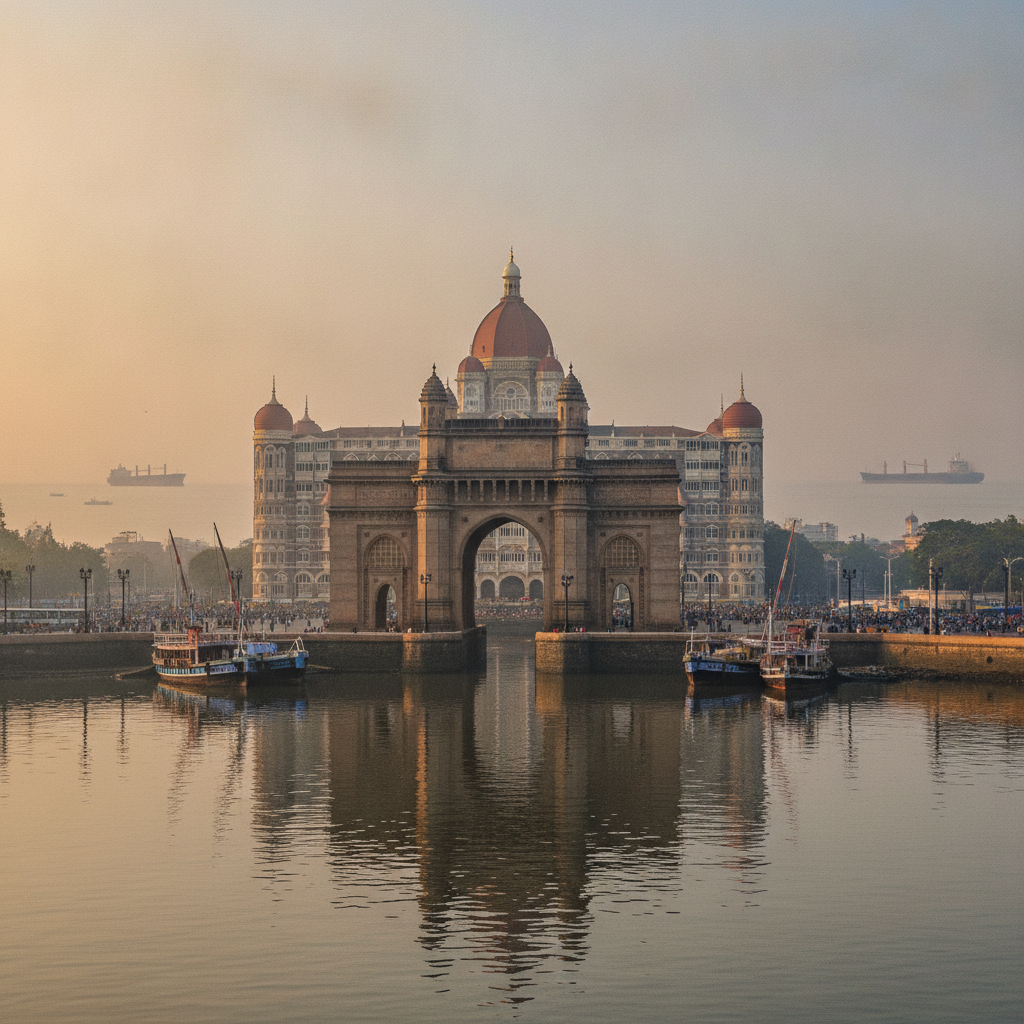
Gateway of India, der Taj Mahal Palace & Mumbai Harbour