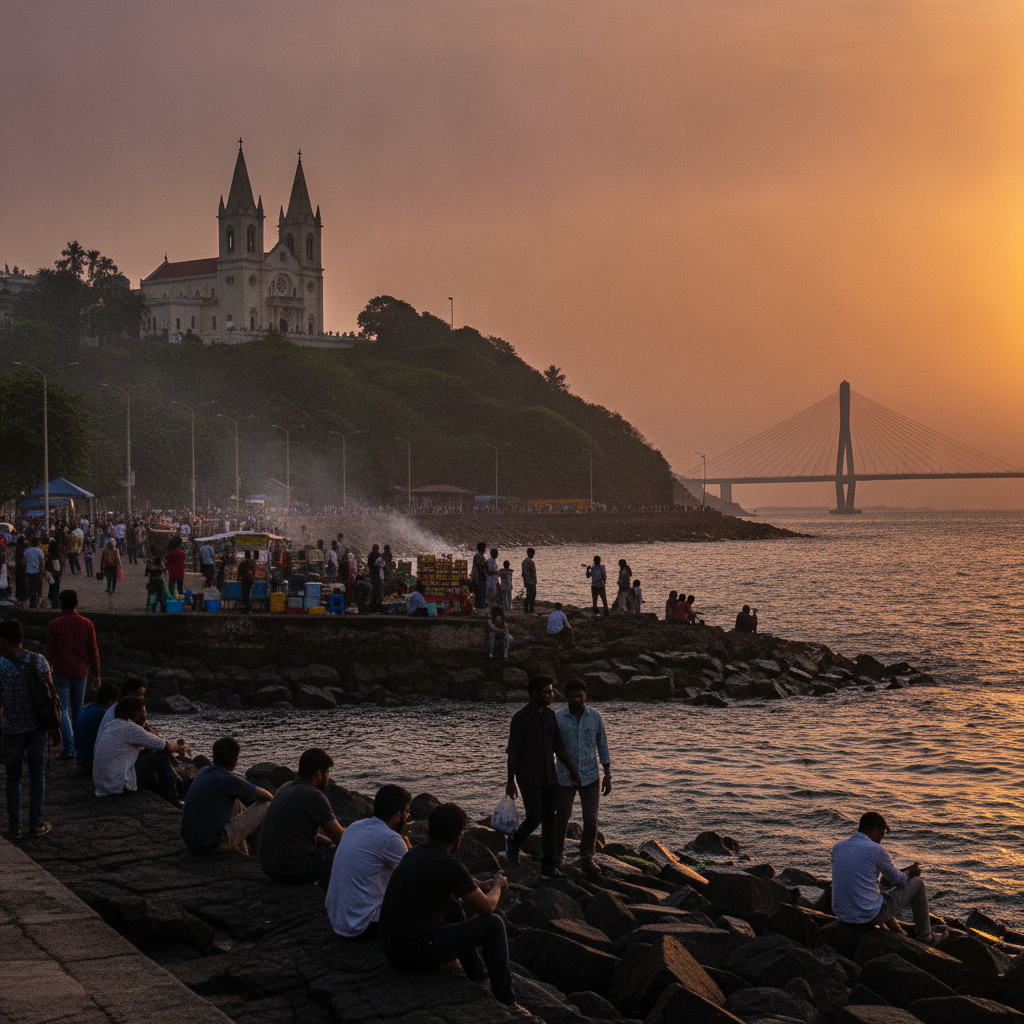
Mumbai-Monsun – Die Stadt, die den Regen feiert
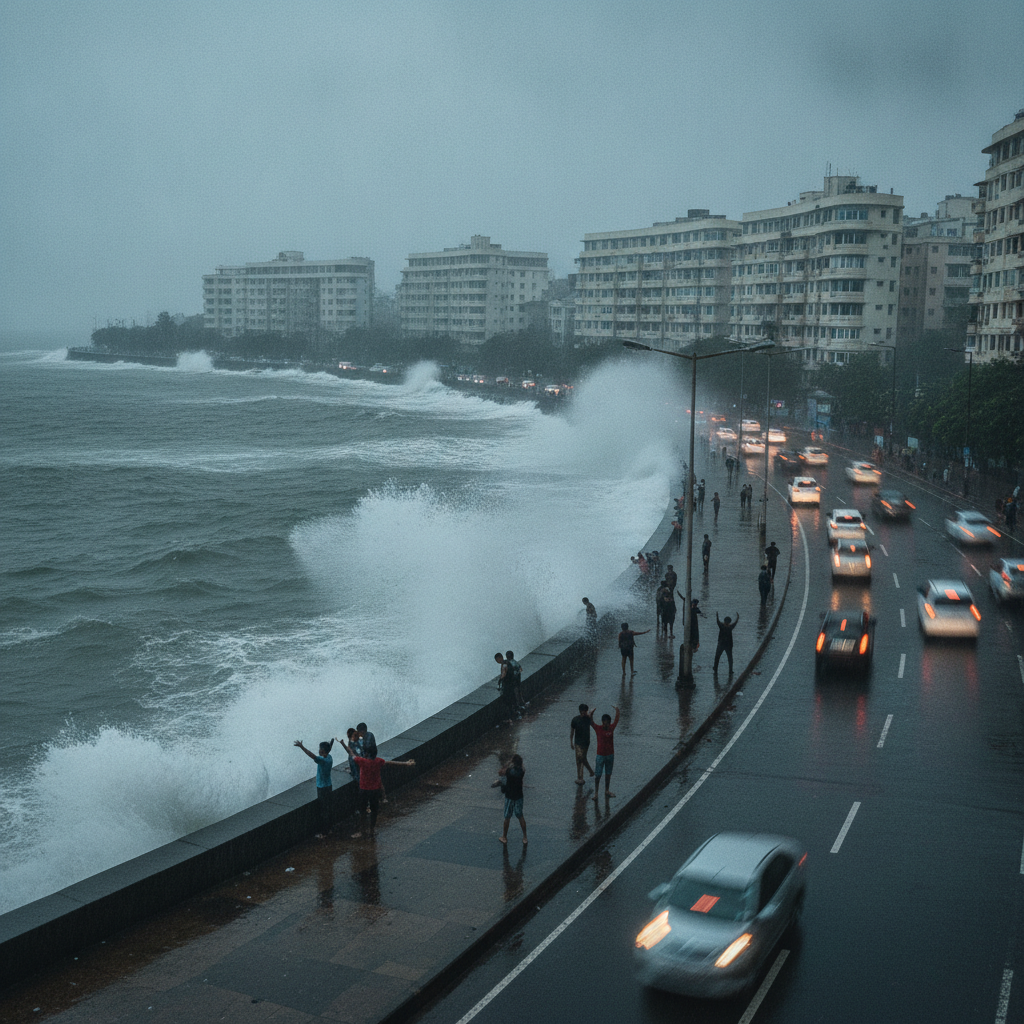
Der Mumbai-Monsun (der Südwest-Monsun, der typischerweise zwischen dem 5. und 15. Juni in Mumbai ankommt und bis Ende September andauert, wobei er in etwa 100 Tagen rund 2.400 mm Niederschlag mit sich bringt – das prägende meteorologische und kulturelle Ereignis des Mumbai-Jahres): Mumbai erhält in einem einzigen Monat (ca. 800 mm im Juli) mehr Niederschlag als London in einem Jahr (insgesamt ca. 600 mm), und die Beziehung der Stadt zum Monsun – gleichzeitig feierlich, ergeben und gelegentlich katastrophal – ist zentral für die Identität der Mumbaikars; der Monsun verwandelt die Stadt: Die Küste wird dramatisch mit brechenden Wellen, der Nationalpark wird unglaublich grün und die Straßen verwandeln sich in Flüsse.
- 1
Mumbai-Monsun – 242 cm Regen in vier Monaten
Mumbai erhält zwischen Juni und September 2.422 mm (8 Fuß) Niederschlag – der 5. Juni (der „Monsunbruch“) ist der Tag, an dem der Monsun ankommt, typischerweise angekündigt durch einen dramatischen Temperaturabfall und den Geruch von feuchtem Lateritboden; der Monsun von 2005 (944 mm in 24 Stunden am 26. Juli, der weltweit zweithöchste registrierte eintägige Niederschlag für ein Stadtgebiet) tötete 1.094 Menschen und überflutete die gesamte Stadt; das Ereignis wird „26/7“ genannt und ist Mumbais Referenzpunkt für die Monsunstärke.
- 2
Marine Drive im Monsun – Hohe Wellen am Queen's Necklace
Marine Drive (Netaji Subhash Chandra Bose Marg, die 3 km lange Uferpromenade, Art-déco-Gebäude auf der Ostseite, Arabisches Meer im Westen) ist während des Monsuns am dramatischsten – die Ufermauer wird bei Flutabenden regelmäßig von 5–8 m hohen Wellen überrollt; die Stadt hat Beton-Tetrapoden (Wellenbrecher) installiert, aber diese sind unzureichend; das Spektakel der Monsunwellen, die mit der Art-déco-Kulisse über die Mauer schlagen, ist ikonisch für Mumbai; Fischer und lokale Jugendliche versammeln sich auf eigenes Risiko, um zuzusehen.
- 3
Worli Sea Face – Wo der Sturm zuerst einschlägt
Worli Sea Face (Worli Uferpromenade, 1 km, erreichbar von der Worli Metro Station) ist der exponierteste Teil der Küste Mumbais – während der Vormonsun-Zyklone und des Monsunwetters erhält die Worli Sea Face die höchsten Wellen der Stadt (regelmäßig 10m+); die Haji Ali Dargah (Moschee und Grab auf einem Damm zu einer Gezeiteninsel) ist während der Flut und des Monsuns bekanntermaßen unzugänglich (der Damm überflutet täglich und strandet Pilger); der Besuch der Dargah erfordert eine Zeitplanung um die 2-stündigen zugänglichen Fenster herum.
- 4
Mumbai Dabbawalas – Regen stoppt die Lunchbox-Lieferung nie
Die Mumbai Dabbawalas (Tiffin-Träger, über 5.000 Mitglieder der Nutan Mumbai Tiffin Box Supplier's Association) arbeiten mit einer Fehlerrate von 1 zu 16 Millionen Lieferungen (Six Sigma von Forbes 1998 zertifiziert) – das System (hausgemachte Mittagessen, die um 9 Uhr abgeholt, um 13 Uhr in Büros geliefert und um 17 Uhr zurückgebracht werden) funktioniert während des Mumbai-Monsuns kontinuierlich ohne motorisierte Fahrzeuge; die Dabbawalas nutzen die Mumbai Suburban Railway (über 200.000 Tiffin-Boxen pro Tag) und sind eine Harvard Business School Fallstudie.
- 5
Ganpati Festival – Mumbai steht 10 Tage lang im September still
Ganesh Chaturthi (August–September, 10-tägiges öffentliches Fest, 1893 von Bal Gangadhar Tilak als öffentliche Feier zur antikolonialen Massenmobilisierung ins Leben gerufen) ist Mumbais wichtigstes Fest – die 2,4 Millionen Ganesh-Idole, die in Haushalten und öffentlichen Pandals in ganz Maharashtra aufgestellt werden, gipfeln am 11. Tag in Prozessionen zum Meer; der Lalbaugcha Raja Pandal (Lalbaug, die meistbesuchte öffentliche Ganesh-Installation) zieht in den letzten 3 Tagen 1,5 Millionen Besucher pro Tag an; die Immersionprozession am Anant Chaturdashi ist Mumbais größte jährliche Versammlung.
- 6
Dharavi Töpferei – Kumbharwadas Monsun-Saison-Öfen
Kumbharwada (Dharavis Töpferviertel, das Viertel der Kumhar-Töpfer, zwischen Dharavi Road und 90 Feet Road) ist die größte Töpfergemeinschaft Asiens – die Töpfer (Prajapati-Gemeinschaft aus Saurashtra Gujarat) stellen traditionelle irdene Diyas (Öllampen), Töpfe und Kulhad (Tontassen) her, die während Diwali (die Diyas) und der Hochzeitssaison in großen Mengen verkauft werden; die Öfen brennen kontinuierlich von September bis März (nach der Monsun-Trockenzeit); der Produktionsprozess ist vollständig traditionell (auf der Töpferscheibe gedreht, holzbefeuert).
Walk this route with audio
Stories play automatically as you reach each stop — no tapping needed.
Mehr in mumbai
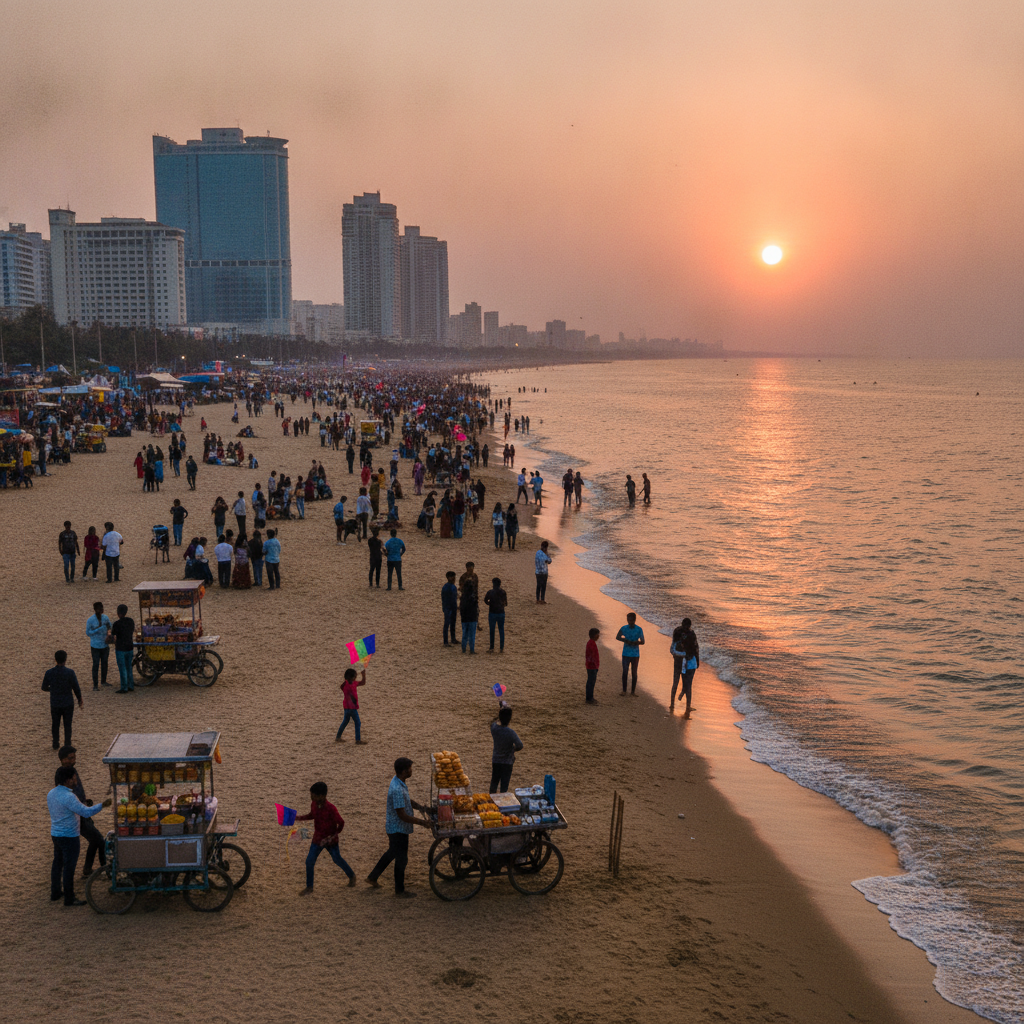
Juhu Beach, Bollywood-Villen & die Nordküste Mumbais
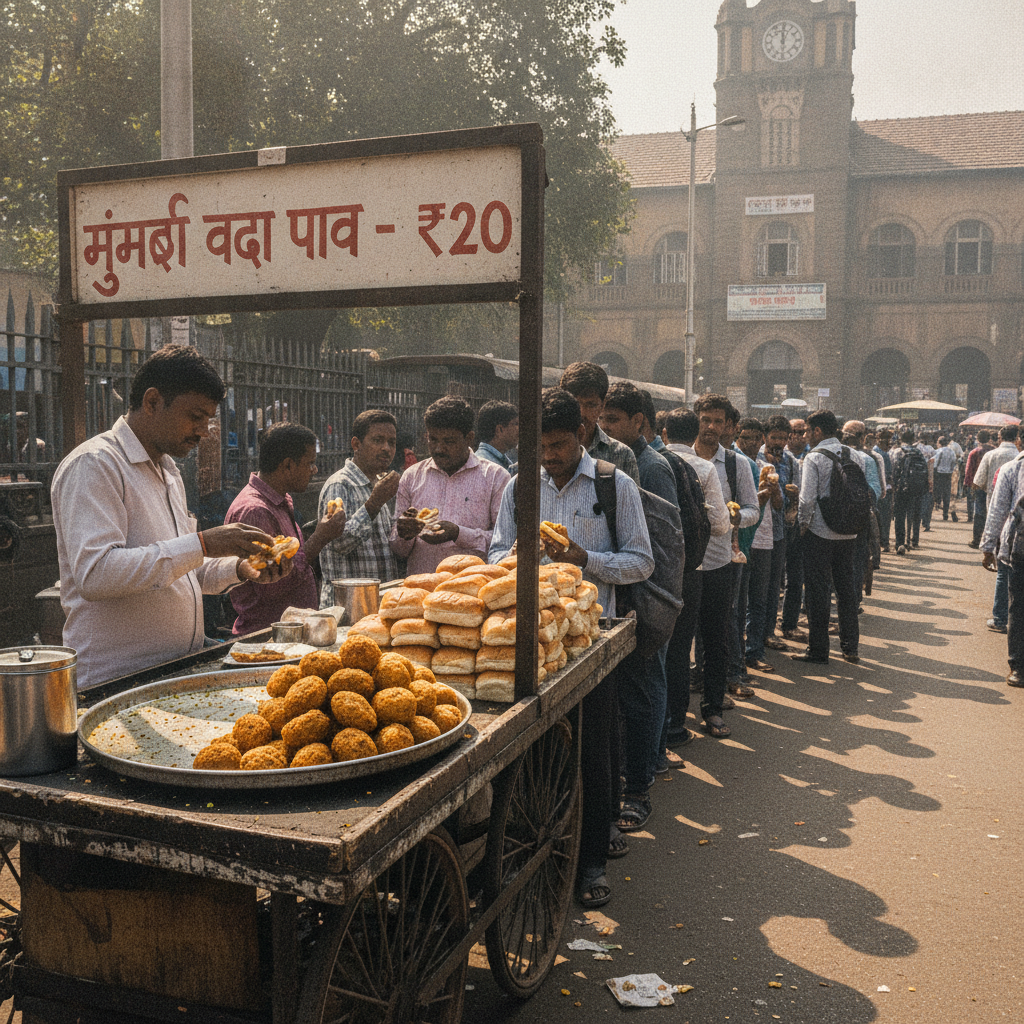
Mumbai Street Food — Vada Pav, Pani Puri, Irani-Cafés & Bombay-Küche
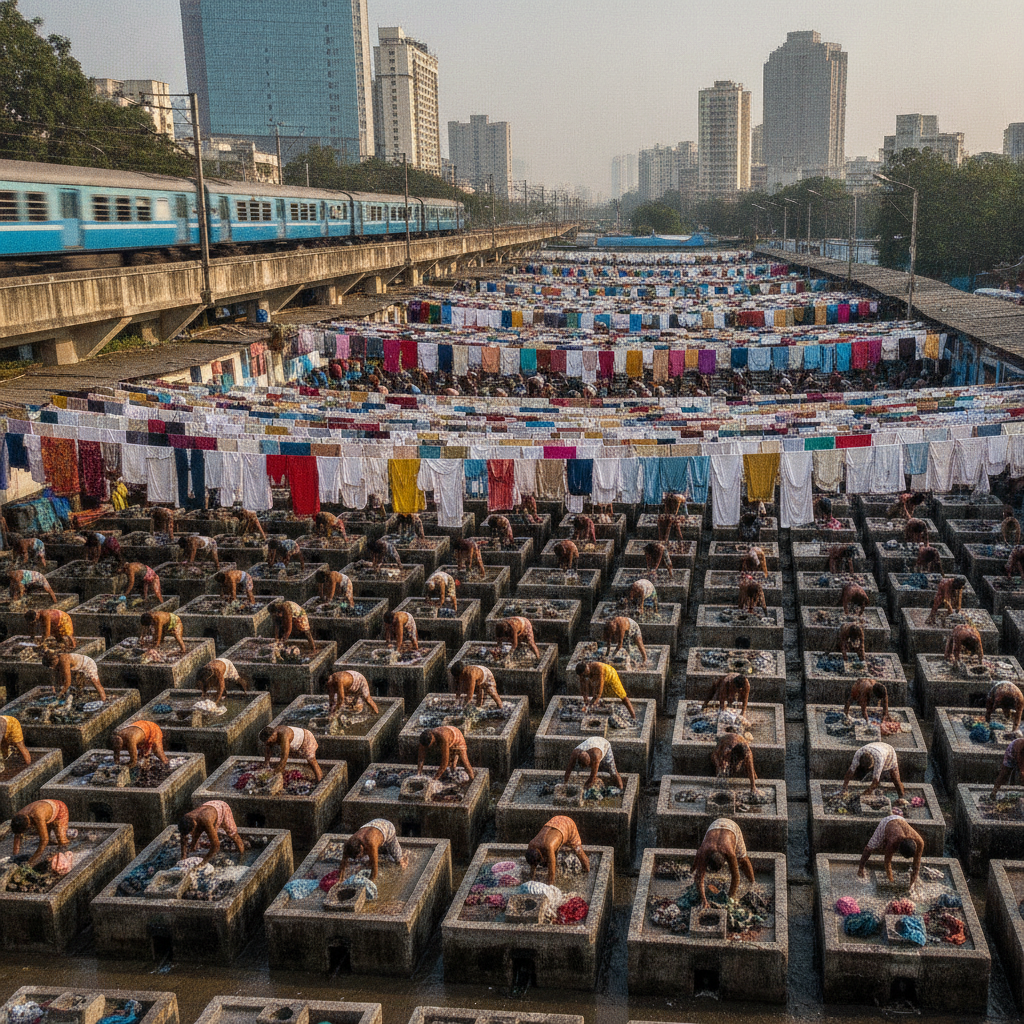
Dharavi, Dhobi Ghat & Mumbais Nahverkehrszug – Stadt der außergewöhnlichen Kontraste
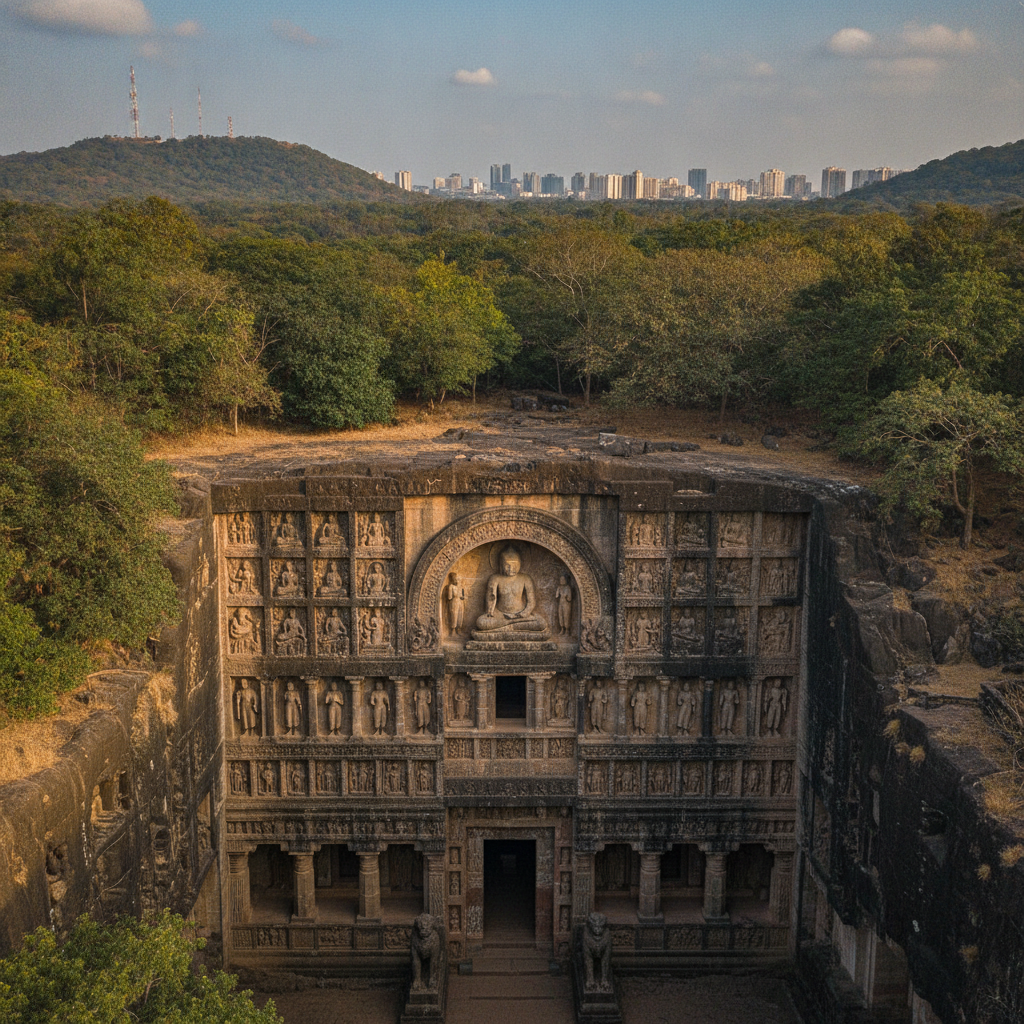
Kanheri-Höhlen, Sanjay Gandhi Nationalpark & Mumbais wilde Seite
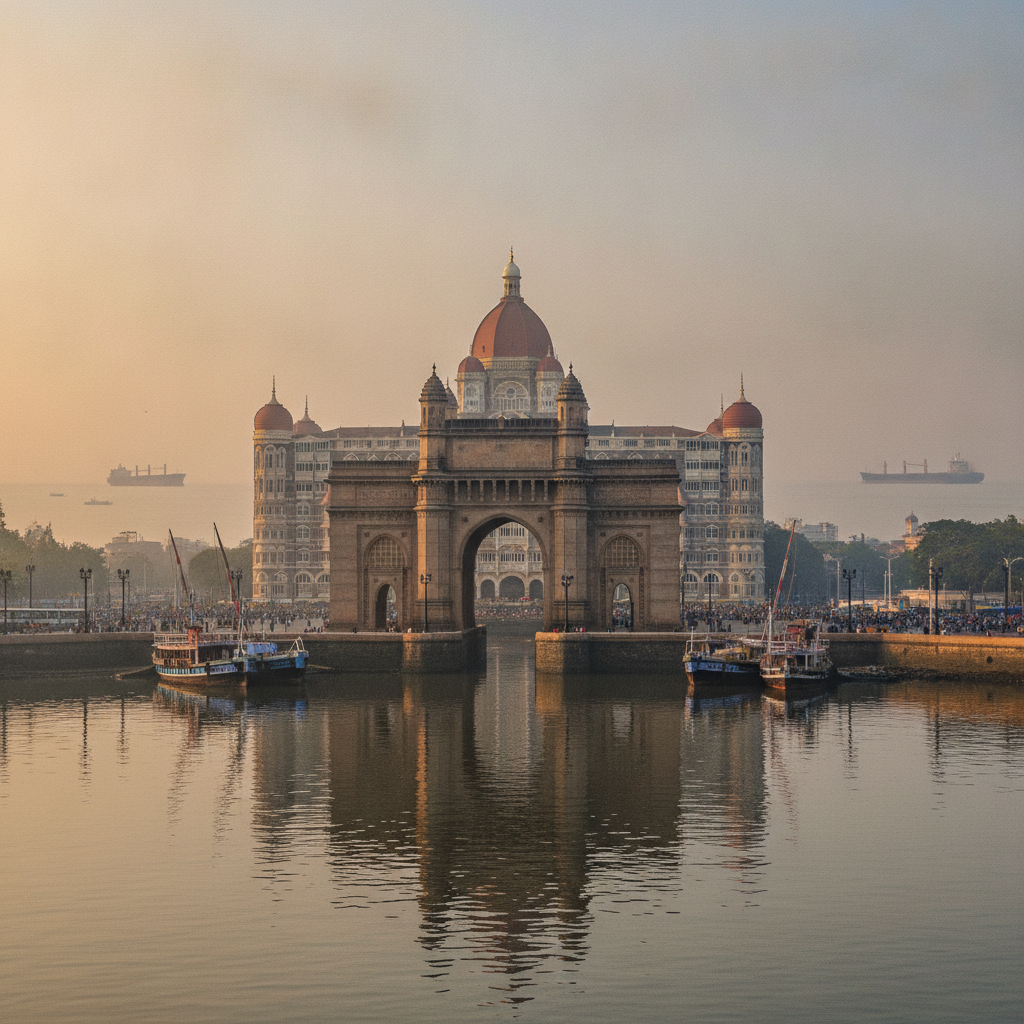
Gateway of India, der Taj Mahal Palace & Mumbai Harbour