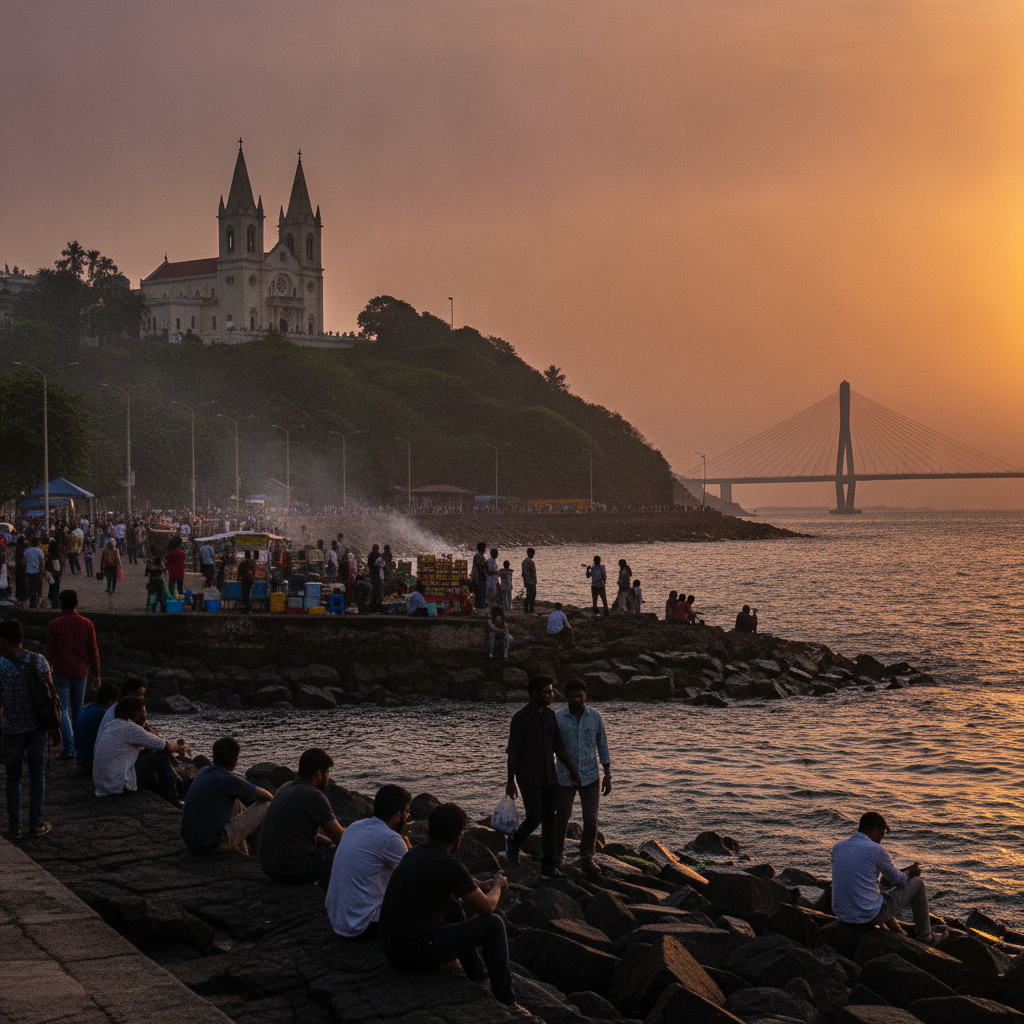
Mumbai Street Food — Vada Pav, Pani Puri, Irani-Cafés & Bombay-Küche
Mumbai street food is one of the world's great street food cultures — the city's position as the primary destination for economic migrants from across India for 150 years has created a food culture that synthesizes the culinary traditions of Maharashtra (the local state), Gujarat, Goa, Karnataka, South India, and the Muslim communities of the city, alongside the distinctive 'Bombay' fusions that emerged from this mixing; the vada pav (the Mumbai-invented spicy potato fritter in a bread roll, the city's unofficial staple food) and the pani puri (the hollow fried wheat shell filled with spiced water and tamarind chutney) are the defining street foods of the city.
- 1
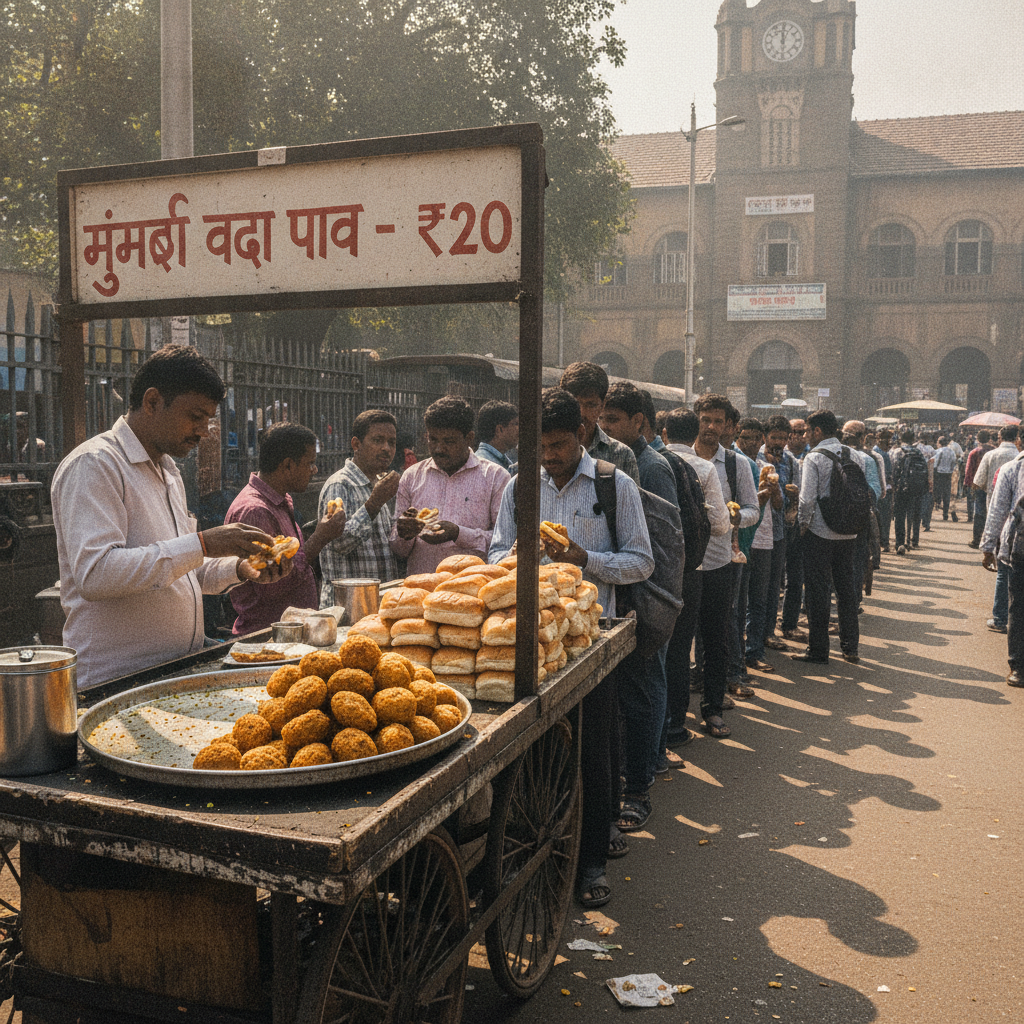
Vada Pav — Mumbai's ₹20 Soul Food
Vada Pav (spiced potato fritter in a bread roll with green chutney and dry red garlic chutney, ₹15–30) is Mumbai's most democratic food — first sold at Dadar station by Ashok Vaidya in 1971, it spread to every railway station in the city within a decade; the best versions are at Ashok Vada Pav (Dadar station, west exit), Anand Vada Pav (Vile Parle), and Jumbo Vada Pav (multiple locations, the premium chain version); a truly good vada pav has the potato fritter crisp and hot, the pav bread slightly toasted.
- 2
Pani Puri / Golgappa — The Hole-Punch of Mumbai's Street Food
Pani Puri (fried hollow crisp puri, filled with spiced potato and tamarind water, eaten in one bite, ₹40–80 for 6 pieces) operates on a precise flavour sequence — the explosion of tangy tamarind-mint pani in the mouth is the defining Mumbai street food sensation; the best pani puri carts are at Juhu Beach (Prashad and Natraj), Elco Pani Puri (Hill Road Bandra), and Khau Galli (Crawford Market); the game is always to have 6–8 puris in rapid succession without breaking them.
- 3
Irani Cafes — Zoroastrian Chai Houses from 1910
Irani cafes (brun maska tea houses established by Persian Zoroastrian immigrants, Irani community, in Mumbai from 1880–1950) are among Mumbai's most endangered heritage institutions — Britannia & Co. (Ballard Estate, 1923, run by 95-year-old Boman Kohinoor), Kyani & Co. (Marine Lines, 1904), and B. Merwan & Co. (Grant Road, 1914) serve the same menu unchanged: brun maska (crusty bread with Amul butter), keema pav (minced lamb on bread), berry pulao (Iranian rice with barberries), and chai in glass cups.
- 4
Khau Galli — Every City Block's Food Lane
Khau Galli ('food lane' in Marathi) is Mumbai's term for the narrow lanes adjacent to markets where the densest street food concentration occurs — the most famous are behind Crawford Market (Mohammed Ali Road area, known for kebabs and Mughlai food) and Vile Parle Khau Galli (the best pav bhaji in Mumbai, according to local consensus); every neighbourhood has its own version; the best time is 6–10pm when all the vendors are operating and the lane fills with the smell of frying onions and garlic.
- 5
Mohammed Ali Road — Ramadan's Nocturnal Food Street
Mohammed Ali Road (Bhendi Bazaar area, south Mumbai) is Mumbai's most intense food street during Ramadan (April–May depending on lunar calendar) — after the Iftar fast-break, the entire street becomes a nocturnal food market operating until 4am; malpua (fried pancake with rabri), nihari (slow-cooked beef stew), nalli gosht, and phirni (chilled rice pudding) are the specialty dishes; the non-Ramadan food street (Suleiman Bakery's nankhatai, the kebab grills of Ibrahim Merchant) operates year-round.
- 6
Britannia & Co. — The Last Irani Restaurant Holding On
Britannia & Co. (16 Wakefield House, Sprott Road, Ballard Estate, established 1923) is the most visited Irani cafe in Mumbai — the Kohinoor family has run it continuously since 1923; the berry pulao (basmati rice with barberries imported from Iran, caramelized onions, and chicken/mutton, ₹320) is the restaurant's signature and the best-known dish in Mumbai's heritage food scene; the dining room with original photographs of the Iranian royal family has been largely unchanged since the 1950s.
Walk this route with audio
Stories play automatically as you reach each stop — no tapping needed.
Mehr in mumbai
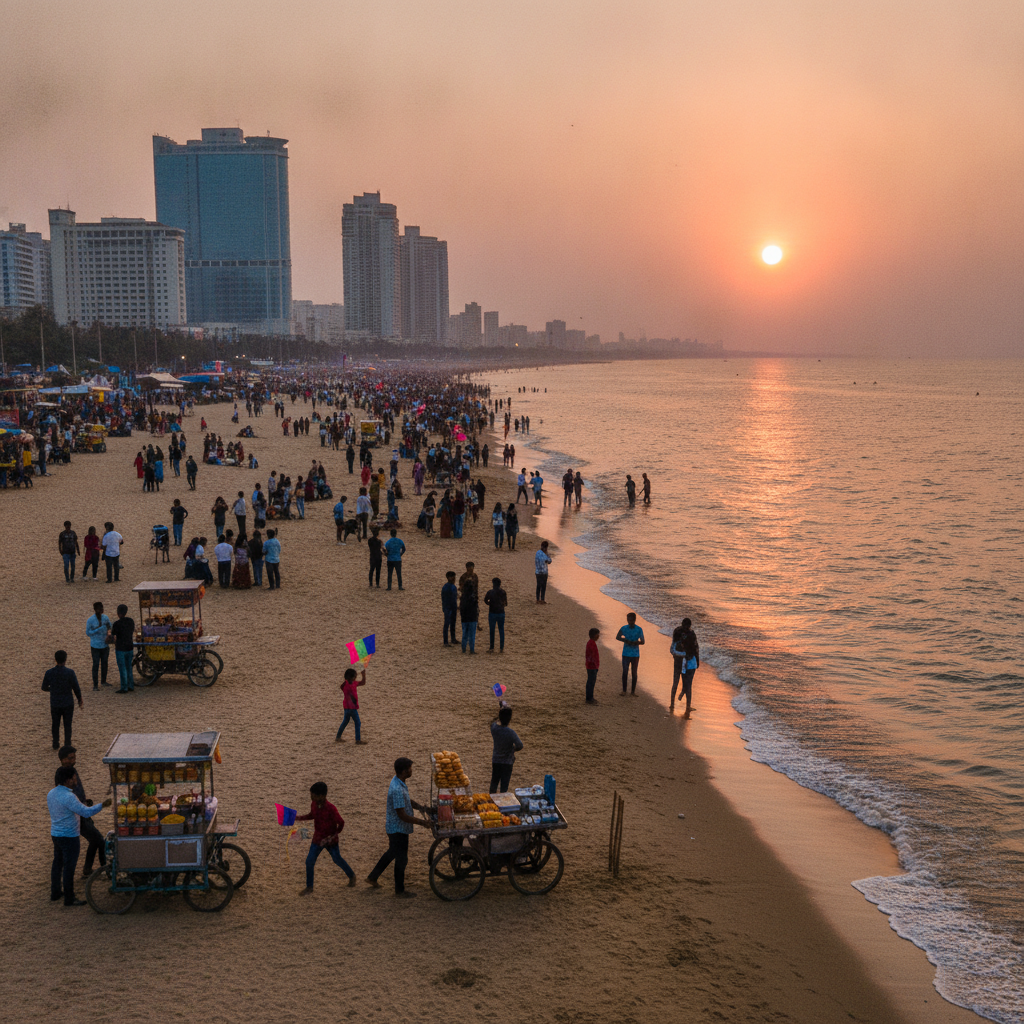
Juhu Beach, Bollywood-Villen & die Nordküste Mumbais
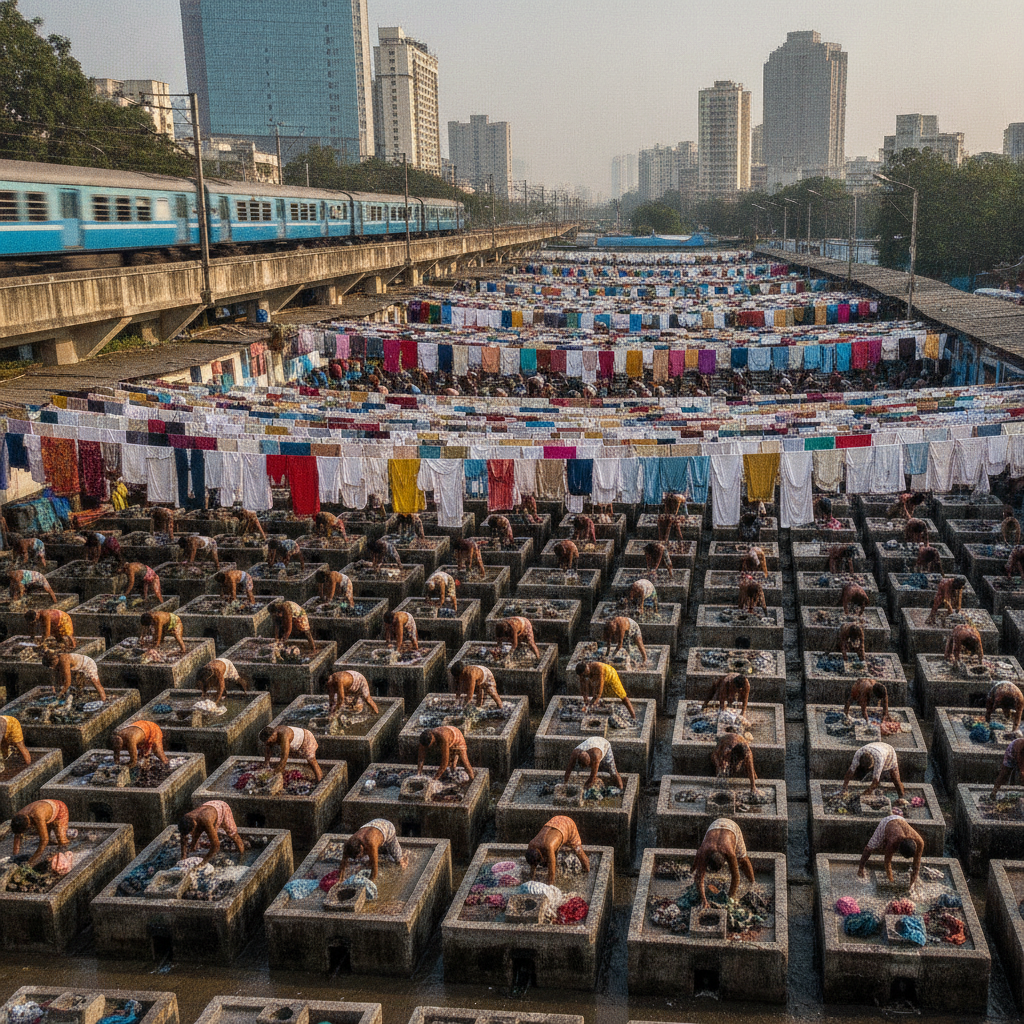
Dharavi, Dhobi Ghat & Mumbais Nahverkehrszug – Stadt der außergewöhnlichen Kontraste
Mumbai-Monsun – Die Stadt, die den Regen feiert
Kanheri-Höhlen, Sanjay Gandhi Nationalpark & Mumbais wilde Seite
Gateway of India, der Taj Mahal Palace & Mumbai Harbour