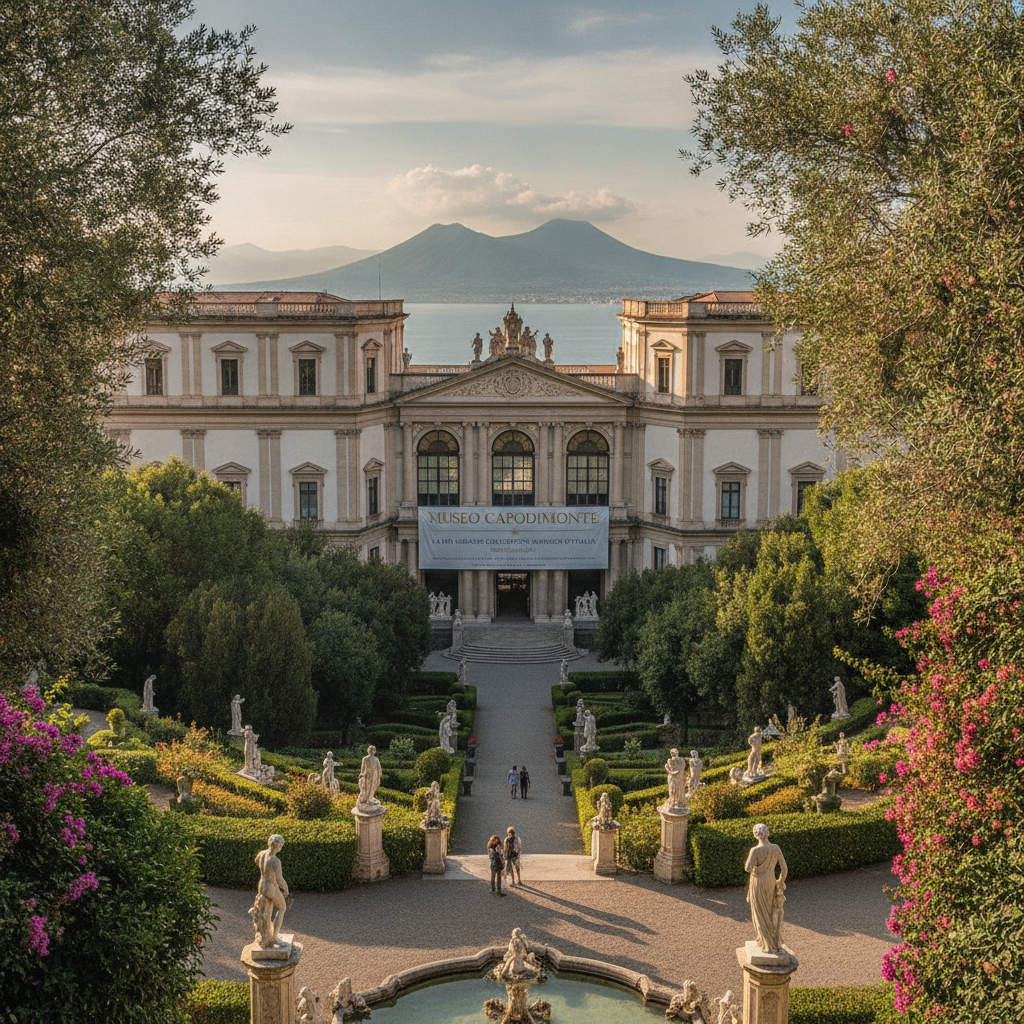
Museo di Capodimonte — Die größte Barockkunstsammlung Italiens
Das Museo e Real Bosco di Capodimonte (das 'Museum Capodimonte' — das nationale Kunstmuseum im bourbonischen Jagdschloss auf dem Hügel von Capodimonte oberhalb von Neapel, das Museum mit der Farnese-Sammlung (der größten privaten Gemäldesammlung der italienischen Renaissance, darunter Tizians Meisterwerk 'Danaë' (1544-46) und Michelangelos 'Kartoon der drei Soldaten') und der königlichen Bourbonen-Sammlung neapolitanischer und europäischer Barockmalerei (darunter Caravaggios 'Geißelung Christi', Raffael und Artemisia Gentileschi).
- 1
Museo e Real Bosco di Capodimonte — Italiens versteckte Nationalgalerie
Das Museo di Capodimonte (Via Miano, Capodimonte-Hügel, 1738 bourbonisches Königspalais, 1957 in ein Museum umgewandelt, geöffnet Dienstag–Sonntag, €12) ist das größte Kunstmuseum Süditaliens und eine der meistunterschätzten großen Sammlungen Europas — die 47.000 Exponate umfassende Sammlung (Gemälde, Skulpturen, Zeichnungen, angewandte Kunst) erstreckt sich über 3 Etagen; die erste Etage (Farnese-Sammlung: Tizians Danaë, Raffaels Porträt eines jungen Mannes, Bruegels Misanthrop, Caravaggios Geißelung) ist in jeder Hinsicht Weltklasse.
- 2
Caravaggios Geißelung und neapolitanischer Barock
Caravaggio besuchte Neapel zweimal (1606 und 1609) und sein Einfluss auf die neapolitanische Malerei war unmittelbar und dauerhaft — die Geißelung Christi (1607, Museum Capodimonte) und die Sieben Werke der Barmherzigkeit (1607, Pio Monte della Misericordia, Via dei Tribunali, noch in situ) sind die beiden wichtigsten neapolitanischen Caravaggios; Ribera, Artemisia Gentileschi und Luca Giordano (die drei großen neapolitanischen Barockmaler) nahmen Caravaggios dramatisches Licht und realistische Figuren als Ausgangspunkt; der Pio Monte della Misericordia (Eintritt €4) ist ein Muss.
- 3
Der Real Bosco di Capodimonte — 134 Hektar königlicher Wald
Der Königliche Wald von Capodimonte (134 Hektar, die den Palast umgeben, freier Eintritt, täglich geöffnet) ist Neapels wichtigster öffentlicher Park — der englische Landschaftsgarten (von Ferdinand I., 1734 angelegt) enthält alte Eichen-, Steineichen- und Korkeichenexemplare; die Porzellanmanufaktur Capo di Monte (gegründet 1743 von Karl III., die Fabrik, die den unverwechselbaren Capodimonte-Porzellanstil mit blumenverzierten Figuren schuf) befand sich im Park; die Fabrik zog 1759 nach Portici um, als Karl III. nach Spanien ging.
- 4
Pio Monte della Misericordia — Sieben Werke der Barmherzigkeit in Situ
Das Pio Monte della Misericordia (Via dei Tribunali 253, 1601 von sieben neapolitanischen Adligen für wohltätige Zwecke gegründet) beauftragte Caravaggios Sieben Werke der Barmherzigkeit (1607) für den Altar — dieses einzelne Gemälde zeigt alle 7 leiblichen Werke der Barmherzigkeit (Hungrige speisen, Durstige tränken, Nackte kleiden, Fremde beherbergen, Kranke besuchen, Gefangene besuchen, Tote begraben) gleichzeitig in einer Straßenszene des zeitgenössischen Neapel; das Gemälde hat seinen ursprünglichen Standort nie verlassen; Eintritt €6.
- 5
Porzellanwerkstatt — Die Capodimonte-Tradition lebt weiter
Die Capodimonte-Porzellantradition (1743 von Karl III. mit derselben Kaolin-Tonformel wie Meissen gegründet) war so hoch geschätzt, dass Karl die Fabrikarbeiter nach Spanien mitnahm, als er Neapel 1759 verließ — die Produkte der Real Fabbrica di Capodimonte (zarte, blumenverzierte Figuren, Tafelservice mit unterglasurbotanischer Malerei) wurden zum charakteristischen Luxus der bourbonischen Königshäuser; die moderne Fortführung der Tradition erfolgt durch die Manufakturen Molajoli und Nuccio; Geschäfte in der Via Vergini verkaufen zeitgenössische und Vintage-Stücke.
- 6
Katakomben von San Gennaro — Unterirdisches christliches Neapel
Die Katakomben von San Gennaro (Via Capodimonte 13, angrenzend an die Basilika Madre del Buon Consiglio, 2.-5. Jahrhundert n. Chr., nur Führung, €9) sind der umfangreichste frühchristliche unterirdische Begräbniskomplex in Süditalien — die zweistöckige Katakombe (die obere Galerie, 2. Jahrhundert, mit der ältesten bekannten Ikone der Madonna mit Kind, 2. Jahrhundert; die untere Galerie, 4. Jahrhundert) beherbergte die Überreste von San Gennaro (dem Schutzpatron Neapels, 305 n. Chr. gemartert) und wurde anschließend zur wichtigsten Pilgerstätte unter der Stadt.
Walk this route with audio
Stories play automatically as you reach each stop — no tapping needed.
Mehr in naples
Historisches Zentrum von Neapel, Spaccanapoli & die UNESCO Untergrundstadt
Via Toledo, Spanisches Viertel & neapolitanisches Straßenleben
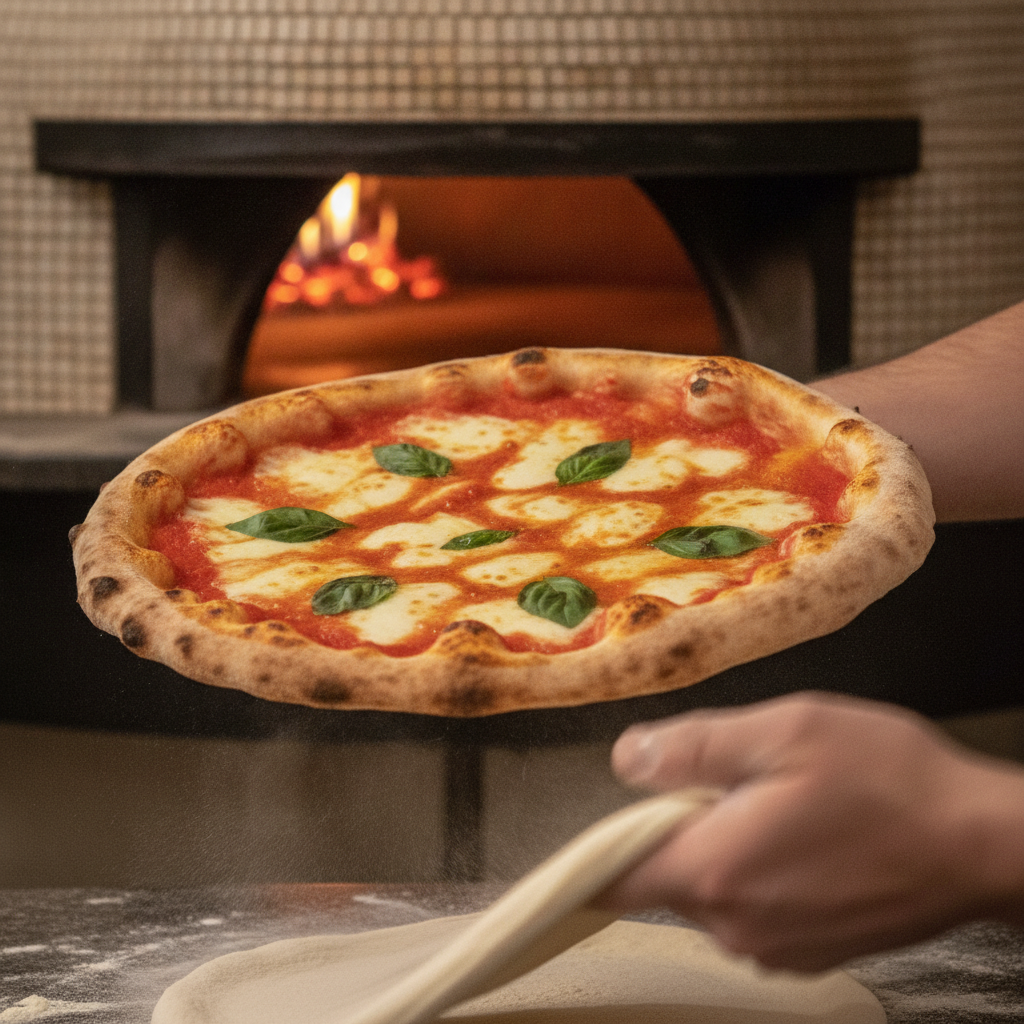
Pizza Margherita, Street Food & Neapel als gastronomische Hauptstadt Italiens
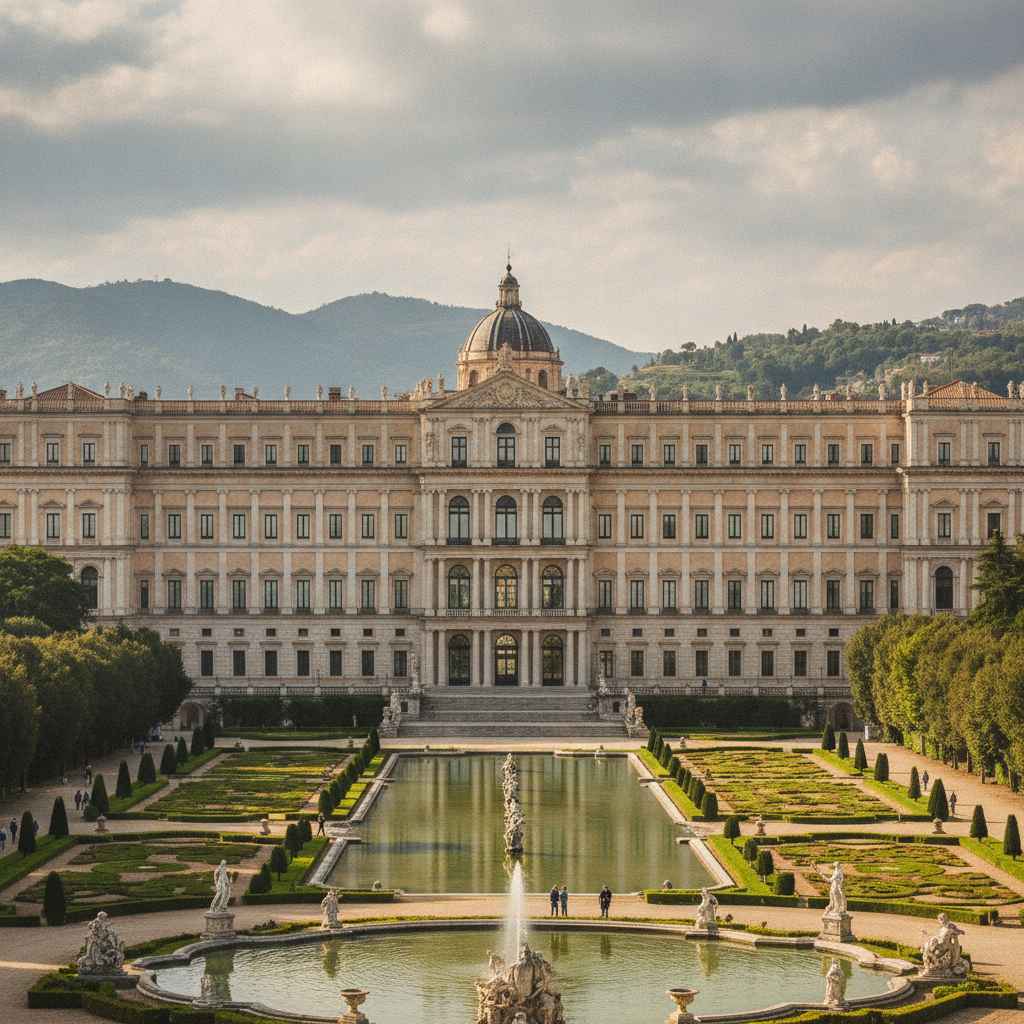
Königspalast von Caserta — Das Versailles Italiens
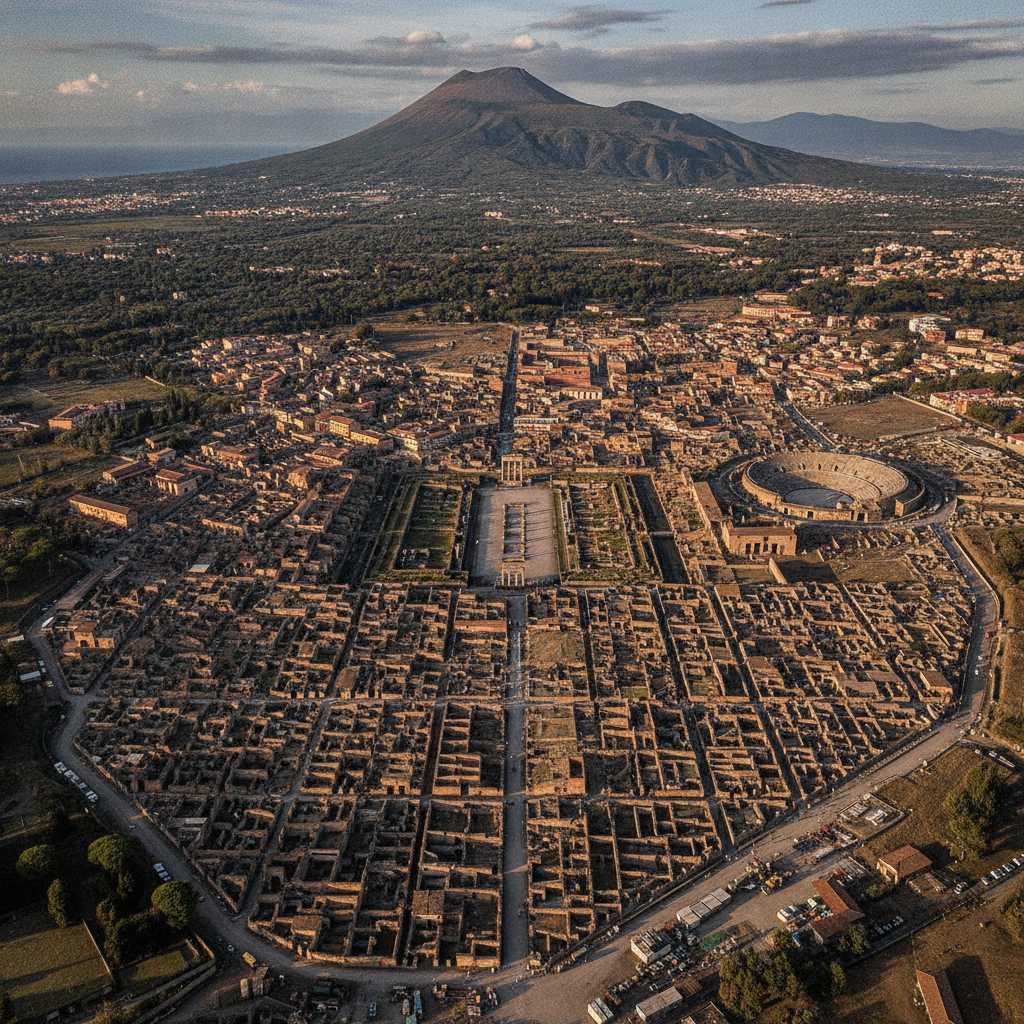
Pompeji, Vesuv & Herculaneum — Städte eingefroren in der Zeit