Teatro San Carlo — Das älteste Opernhaus der Welt
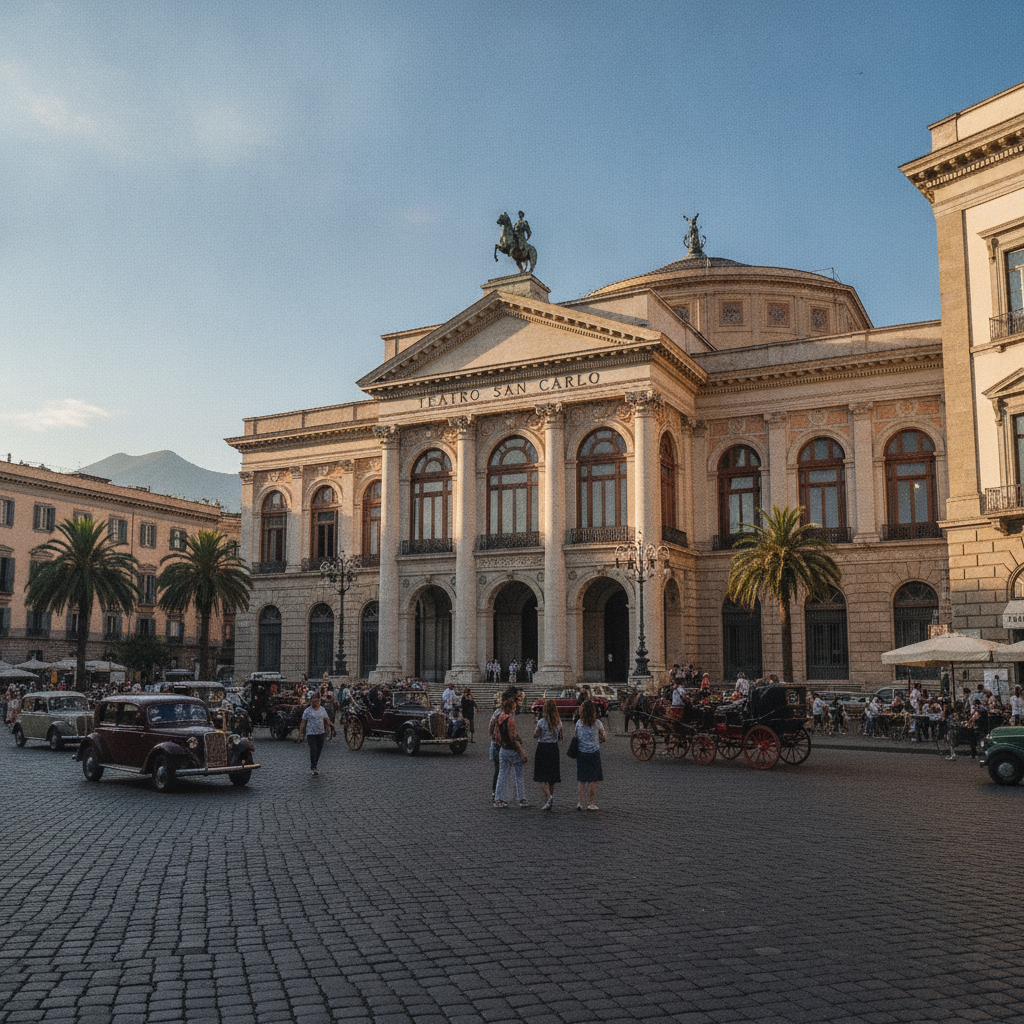
Das Teatro di San Carlo (das 'San Carlo' — das 1737 vom Bourbonenkönig Karl III. von Neapel (später Karl III. von Spanien) erbaute Opernhaus in Neapel, das älteste ununterbrochen betriebene öffentliche Opernhaus Europas und das älteste Opernhaus der Welt (41 Jahre älter als die Mailänder Scala und 56 Jahre älter als das Venezianische Fenice): das Opernhaus mit dem außergewöhnlichen Barock- und Neoklassik-Interieur, dem 'Hufeisen'-Auditorium mit 6 Rängen und Platz für 1.379 Zuschauer, und der Geschichte von Premieren (einschließlich Donizettis 'Lucia di Lammermoor' (1835)).
- 1
Teatro di San Carlo — Älter als die Scala
Das Teatro di San Carlo (Piazza Trieste e Trento, 1737, das älteste ununterbrochen aktive Opernhaus der Welt — La Scala wurde 1778, 41 Jahre später, eröffnet) wurde von Karl III. von Bourbon in bemerkenswerten 270 Tagen erbaut; das Innere (1.386 Plätze, 6 Ränge, das größte Opernhaus Italiens nach Sitzplätzen) wurde nach einem Brand im Jahr 1816 von Antonio Niccolini renoviert, der das neoklassizistische Design beibehielt; das Deckenfresko (1815) zeigt Apoll, der berühmte Dichter der Minerva präsentiert; Führungen (9€, täglich) und Stehplätze (35€+).
- 2
Neapolitanischer Bel Canto — Rossinis, Donizettis und Bellinis Neapel
Die neapolitanische Opernschule (Scuola Napoletana, 1700–1850) dominierte die europäische Oper vor Verdi — Alessandro Scarlatti, Giovanni Pergolesi und später Rossini (der 9 Opern für San Carlo schrieb), Donizetti (der 14 neapolitanische Opern schrieb und in Bergamo starb) und Bellini (Norma, La Sonnambula — in Neapel geschrieben) prägten die Belcanto-Tradition; die Konservatorien von Neapel (Conservatorio San Pietro a Maiella, Piazzetta Sannazaro) bildeten die meisten der führenden Sänger Europas von 1700 bis 1830 aus; kostenlose Konzerte im Konservatoriumshof.
- 3
Historische Musikgeschäfte in Spaccanapoli
Die Via San Sebastiano (historisches Zentrum von Neapel, „Musikergasse“, parallel zur Spaccanapoli) wird vollständig von Musikalienhandlungen, Musikverlagen und Reparaturwerkstätten eingenommen – die Straße beliefert seit dem 18. Jahrhundert die Konservatorien und Theaterorchester Neapels; die Lautenbauer (Saiteninstrumentenmacher) arbeiten hier in denselben kleinen Werkstätten wie ihre Vorgänger; der Mandolinenbau (eine neapolitanische Spezialität – die neapolitanische Mandoline ist ein eigenständiges Instrument, das sich vom florentinischen Typ unterscheidet) wird immer noch praktiziert.
- 4
Neapolitanische Liedertradition — O Sole Mio und der Liederwettbewerb von 1898
'O Sole Mio' (komponiert 1898, Musik von Eduardo di Capua, Text von Giovanni Capurro) wurde beim Piedigrotta Festival Liederwettbewerb eingereicht — das jährliche Piedigrotta Festival (September, seit den 1500er Jahren) war der Mechanismus, durch den neapolitanische Volkslieder veröffentlicht und verbreitet wurden; 'Funiculi Funiculà' (1880, geschrieben zur Feier der Standseilbahn zum Vesuv), 'Santa Lucia' und 'Torna a Surriento' entstanden alle aus dieser Tradition; das RAI-Archiv verfügt über Aufnahmen aller klassischen Lieder in ihren originalen Dialektaussprachen.
- 5
Conservatorio di San Pietro a Maiella — Das lebendige Erbe
Das Conservatorio di San Pietro a Maiella (Piazzetta San Pietro a Maiella, gegründet 1826 als Zusammenschluss von 4 Konservatorien, die zwischen 1537 und 1650 gegründet wurden) ist das älteste ununterbrochen betriebene Musikkonservatorium der Welt – das Museum (Museo del Conservatorio, 3. Stock, nach Vereinbarung) enthält Originalmanuskripte von Donizetti und Scarlatti, historische Instrumente und die Bibliothek mit über 10.000 Musikmanuskripten aus dem 17. und 18. Jahrhundert; kostenlose öffentliche Konzerte (Aula Scarlatti, donnerstags abends während des akademischen Jahres).
- 6
Teatro Petruzzelli Bari — Oper in der zweitgrößten Stadt Süditaliens
Das Teatro Petruzzelli (Bari, 2,5 Stunden von Neapel mit dem Zug) ist das größte private Opernhaus Italiens (1903, restauriert nach Brandstiftung 1991, wiedereröffnet 2009) — Baris Operntradition ergänzt Neapel als wichtigstes Opernzentrum Süditaliens; die kulturelle und wirtschaftliche Konkurrenz der Region Apulien mit Kampanien bedeutet, dass Bari stark in seine kulturellen Institutionen investiert hat; die Saison des Petruzzelli (September–Juni) läuft parallel zu San Carlo mit ergänzendem Programm.
Walk this route with audio
Stories play automatically as you reach each stop — no tapping needed.
Mehr in naples
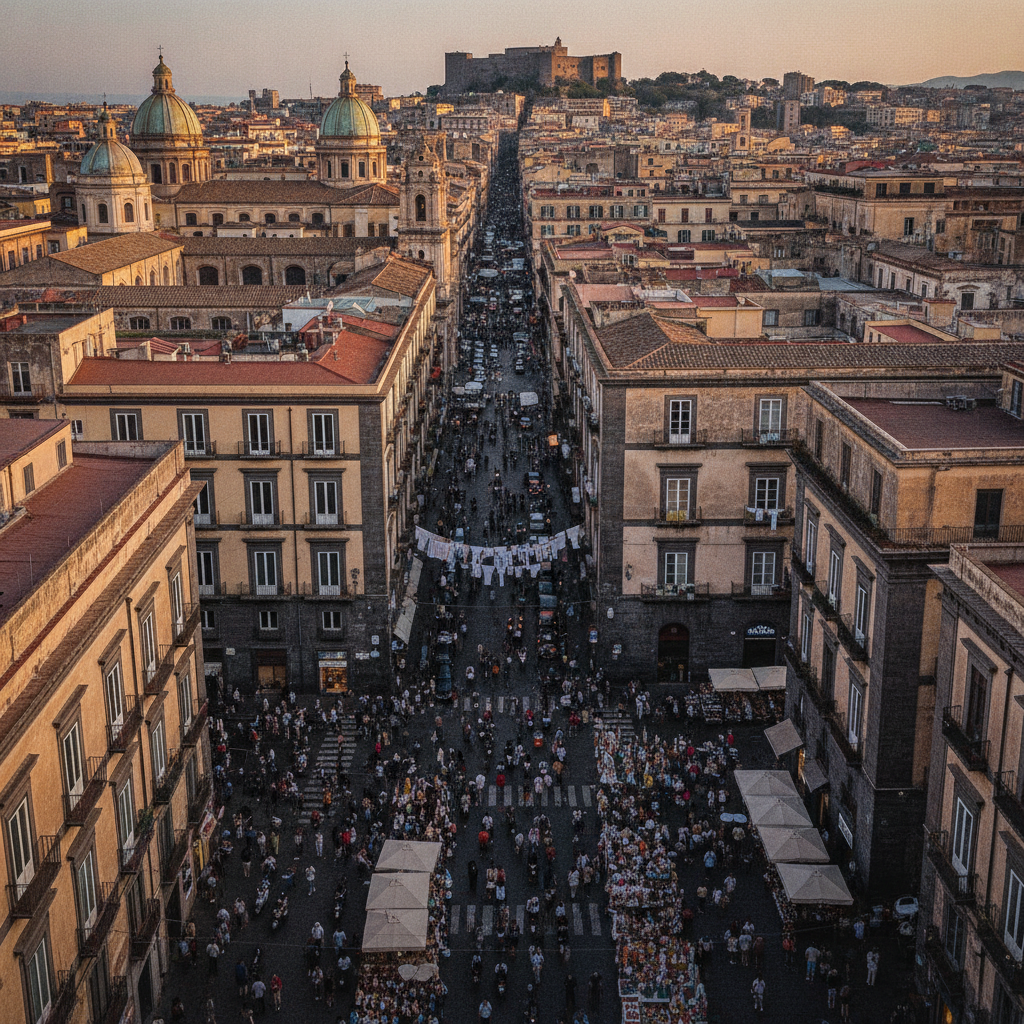
Historisches Zentrum von Neapel, Spaccanapoli & die UNESCO Untergrundstadt
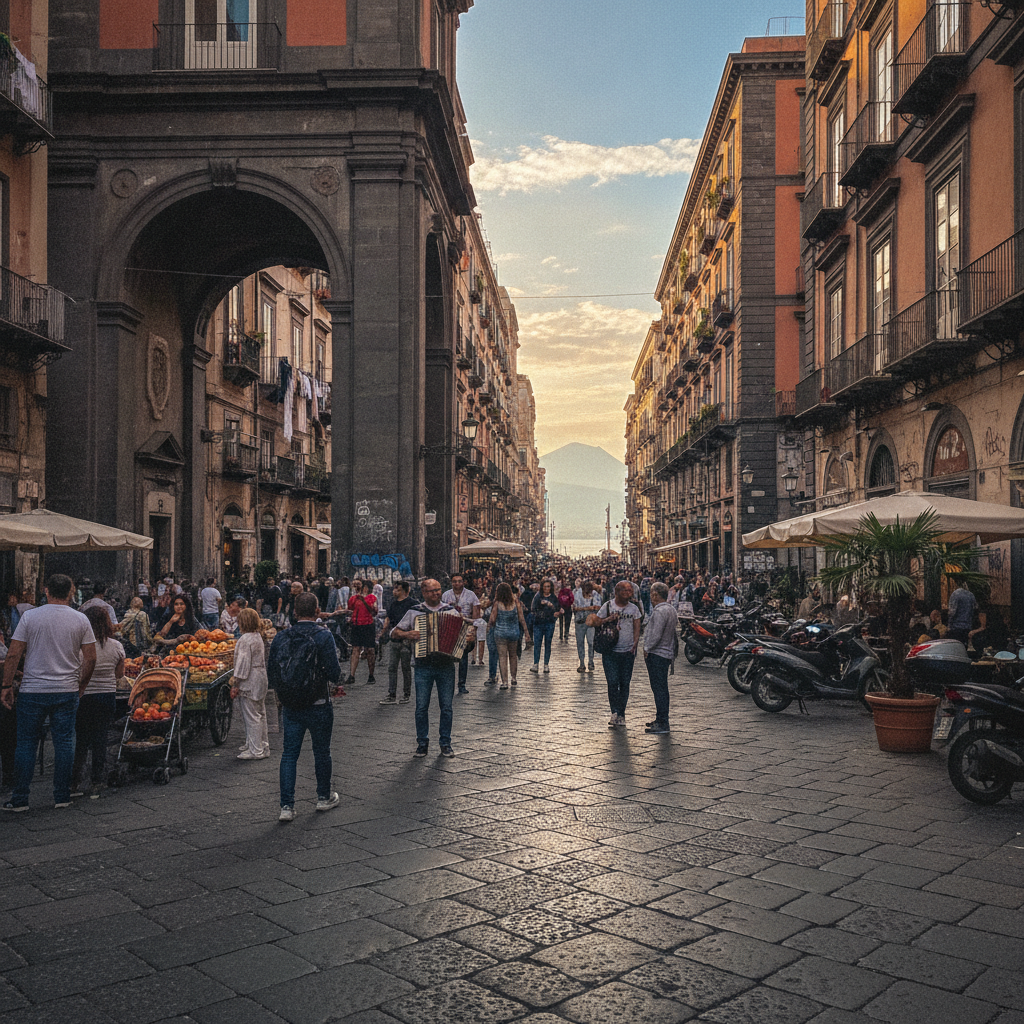
Via Toledo, Spanisches Viertel & neapolitanisches Straßenleben
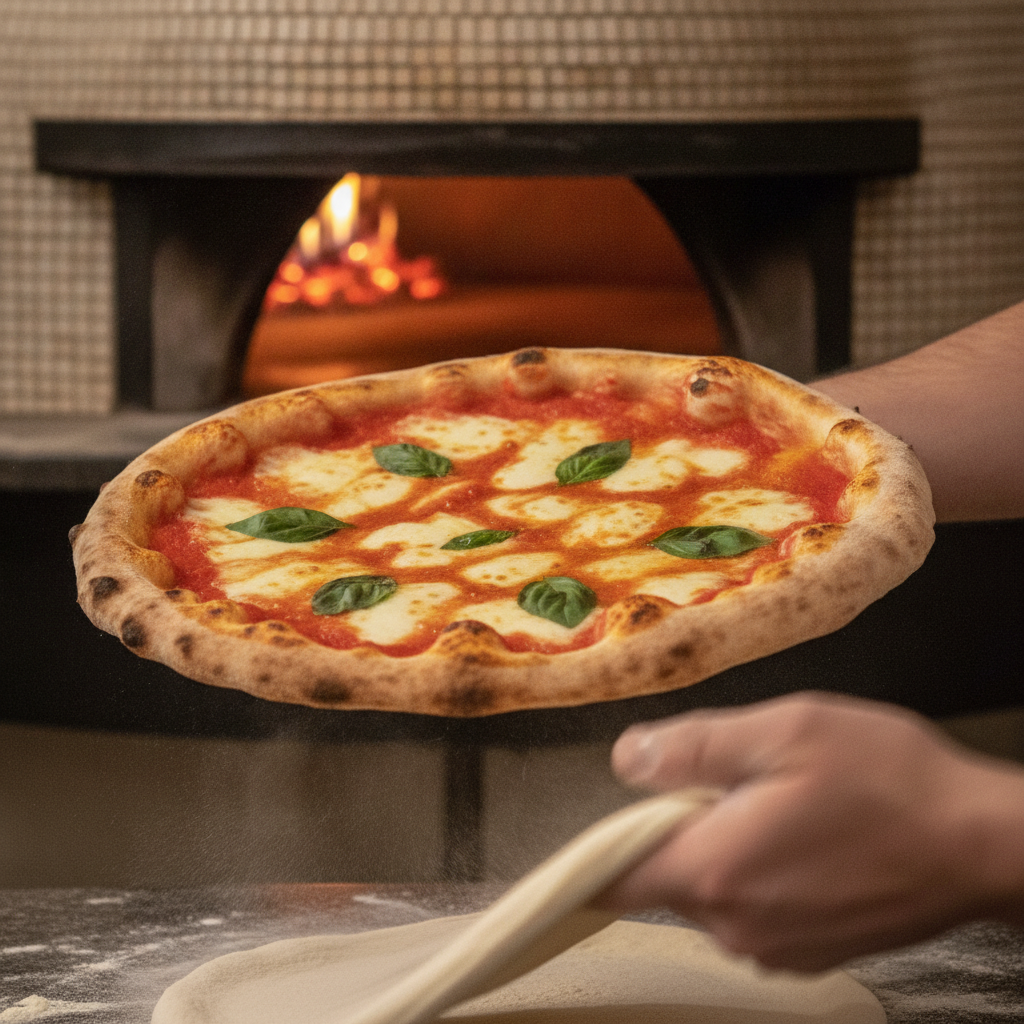
Pizza Margherita, Street Food & Neapel als gastronomische Hauptstadt Italiens
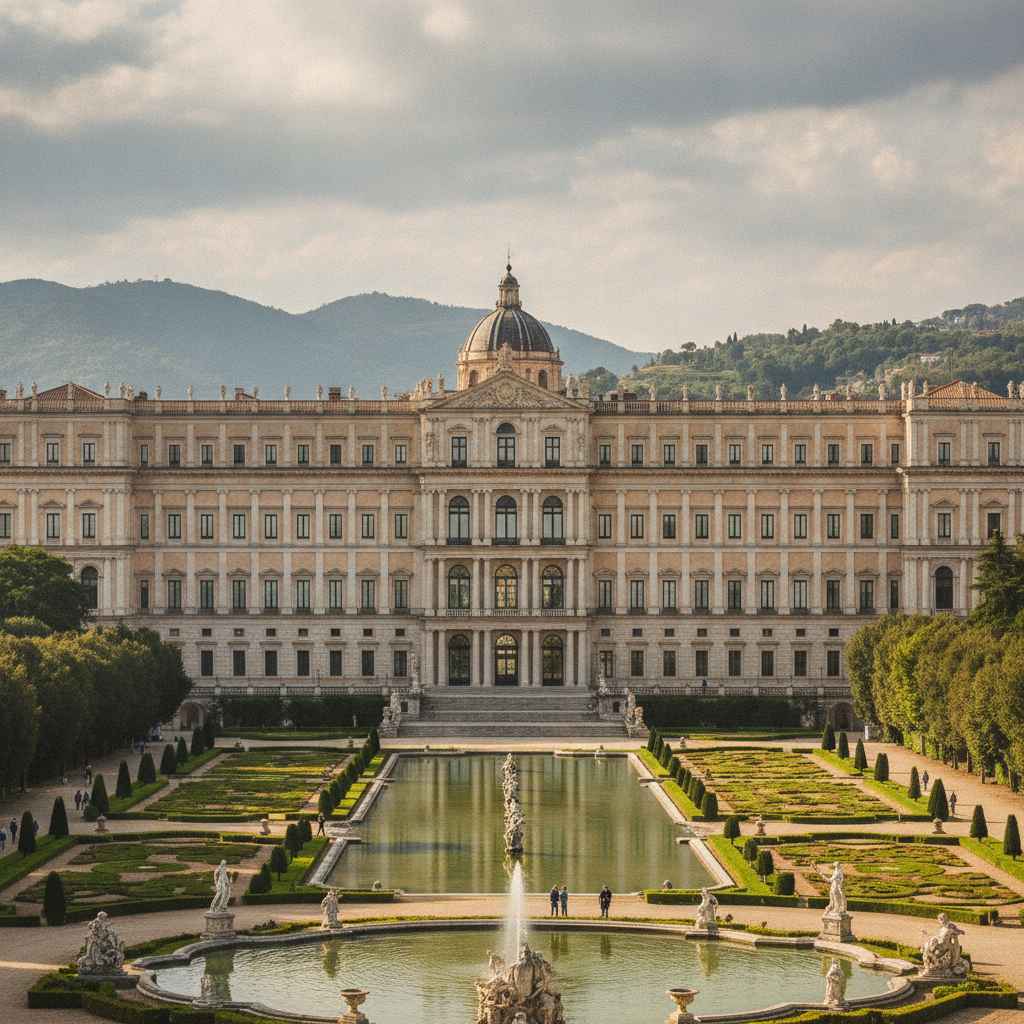
Königspalast von Caserta — Das Versailles Italiens
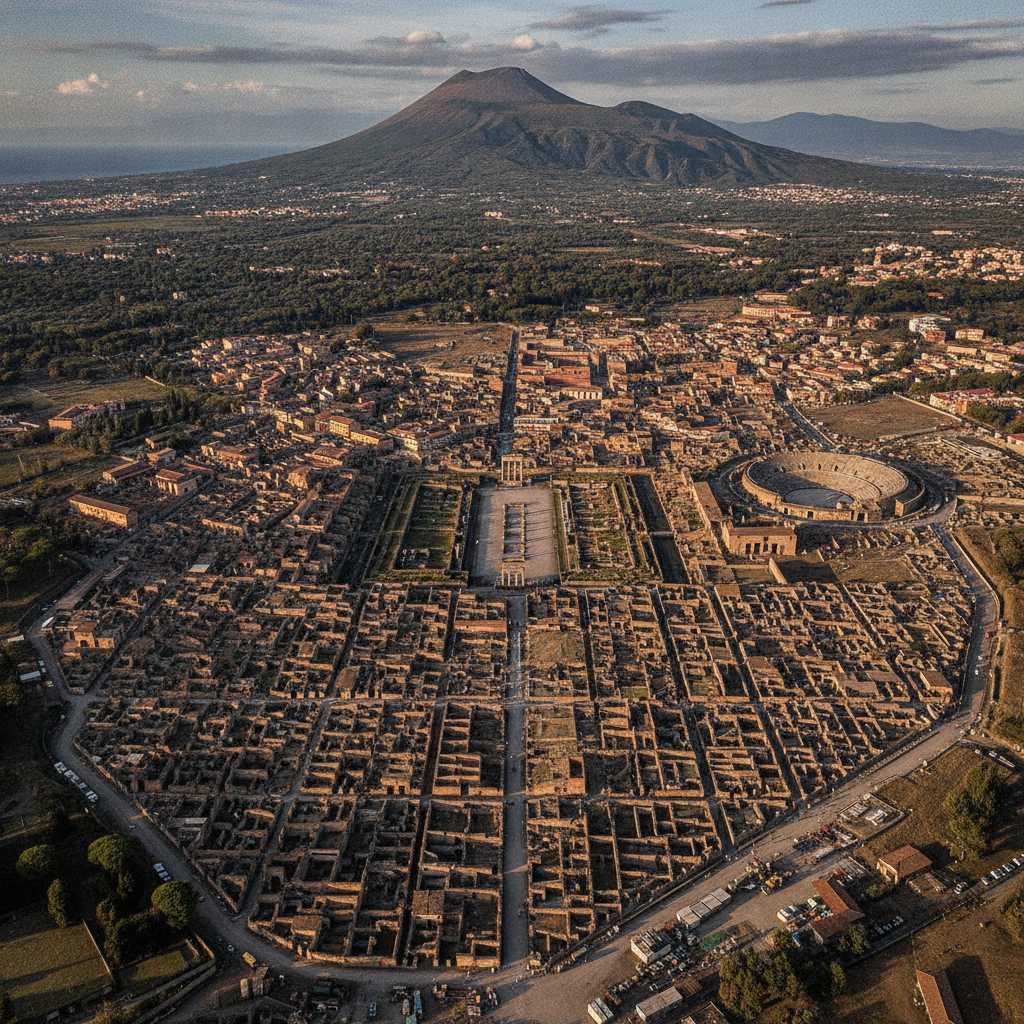
Pompeji, Vesuv & Herculaneum — Städte eingefroren in der Zeit