Via Toledo, Spanisches Viertel & neapolitanisches Straßenleben
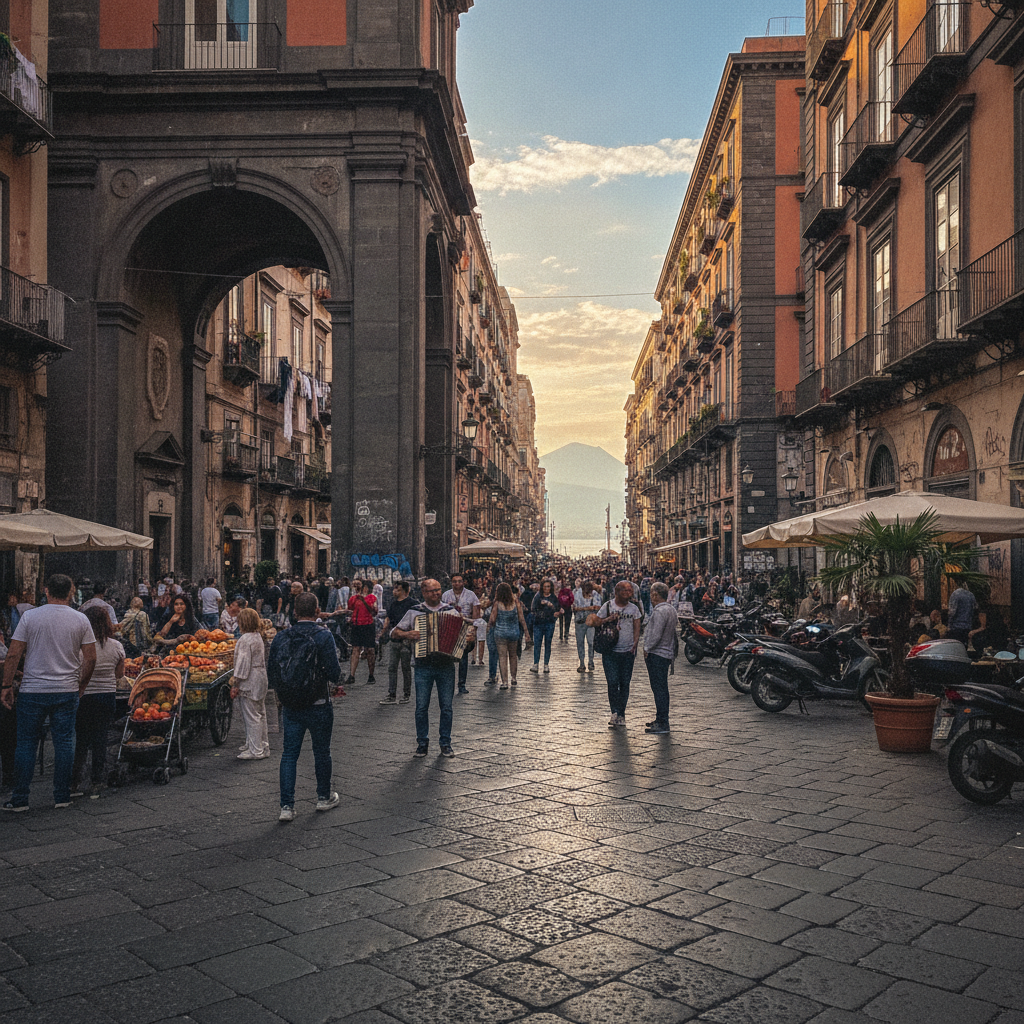
Die Via Toledo (die Haupteinkaufsstraße Neapels – die gerade, breite Straße, die von der Piazza del Plebiscito zur Piazza Dante führt, die belebteste Einkaufsstraße Neapels und eine der belebtesten Italiens) und die Quartieri Spagnoli (das „Spanische Viertel“ – das dicht bebaute Viertel mit dem Gitter aus engen Gassen westlich der Via Toledo, im 16. Jahrhundert als Kaserne der spanischen Garnison des Vizekönigreichs Neapel erbaut, heute das authentischste neapolitanische Viertel der Stadt) repräsentieren zusammen das pulsierende Straßenleben und die Populärkultur Neapels.
- 1
Via Toledo – Neapels große Promenade
Die Via Toledo (auch Corso Umberto I Abschnitt, 2 km lang, von der Piazza Dante zur Piazza Plebiscito, die Hauptverkehrsader Neapels) ist die belebteste Fußgängerzone Süditaliens – die Quartieri Spagnoli (Spanisches Viertel, das dichte Gassennetz westlich der Via Toledo, im 16. Jahrhundert von spanischen Vizekönigen zur Unterbringung spanischer Truppen erbaut) liegt direkt daneben; die Art-déco- und modernistischen Ladenfronten der Straße wechseln sich mit Barockkirchen ab; die Metrostation Toledo (2012, Architekt Oscar Tusquets Blanca, „schönste Metrostation Europas“, CNN) befindet sich darunter.
- 2
Quartieri Spagnoli – Neapels authentischstes Viertel
Die Quartieri Spagnoli (Spanisches Viertel, das Militärviertel aus dem 16. Jahrhundert westlich der Via Toledo) ist das Viertel, das das traditionelle neapolitanische Straßenleben am besten repräsentiert – die engen Gassen (Bassi, ebenerdige Wohnungen mit vergitterten Fenstern direkt auf dem Bürgersteig) beherbergen Großfamilien in 40 m² großen Wohnungen; Wäsche hängt zwischen den Fenstern quer über die Straße (wodurch der größte Teil des Himmels verdeckt wird); die Schreine für Diego Maradona (nach seinen Jahren bei Napoli, 1984–1991, als Gott verehrt) sind die meistbesuchten Attraktionen; die Gassen beherbergen die besten Sfogliatella- und Pizza-fritta-Verkäufer.
- 3
Metrostation Toledo – Kunst unter der Stadt
Die Metrostation Toledo (Piazza Sannazaro, Linie 1, 2012 eröffnet) ist das Herzstück von Neapels „Art Stations“-Projekt – der Abstieg zur Plattform (40 m unter Straßenniveau) führt durch ein 50 m hohes, mit Mosaiken bedecktes Atrium, das von Robert Wilson entworfen wurde (blaue Farbverläufe, die von der Meeresoberfläche bis zum tiefen Ozean reichen); die Bahnsteigwände zeigen Arbeiten von William Kentridge; 11 Metrostationen in Neapel wurden als öffentliche Kunstinitiative, die 1995 begann, von internationalen Künstlern in Auftrag gegeben; der vollständige Rundgang (Piscinola nach Garibaldi, Besuch aller 11 Kunststationen) dauert einen Tag.
- 4
Piazza del Gesù Nuovo und die Bars des historischen Zentrums
Die Piazza del Gesù Nuovo (der zentrale Platz des historischen Zentrums von Neapel, Spaccanapoli-Achse) ist das soziale Wohnzimmer des Zentrums von Neapel – die Kirche Gesù Nuovo (1584, die bizarre Diamant-rustizierte Steinfassade eines Renaissancepalazzos, der zu einer Kirche umgebaut wurde) und Santa Chiara (gotische Kirche mit einem Majolika-Fliesenkreuzgang aus dem 14. Jahrhundert, das raffinierteste dekorative Interieur in Neapel) stehen sich auf dem Platz gegenüber; die Bars am Fuße des Obelisken servieren Kaffee im Stehen an der Theke für 0,80 €.
- 5
Pignasecca-Markt – Der tägliche Lebensmittelmarkt von Montecalvario
Der Pignasecca-Markt (Via Pignasecca, Montecalvario, täglich 7–15 Uhr, der älteste Straßenmarkt Neapels) ist der Ort, um die Rohmaterialien der neapolitanischen Küche zu beobachten – frische Meeresfrüchte (der morgendliche Fang aus Pozzuoli), Gemüse aus den Ebenen Kampaniens, frisch zubereitete Mozzarella di Bufala an den Käseständen und das frittierte Streetfood (Cuoppo Fritto, ein Papiertüte mit gebratenen Meeresfrüchten und Gemüse, 3 €), das an temporären Grills verkauft wird; die Marktatmosphäre ist chaotisch, laut und seit dem 19. Jahrhundert im Wesentlichen unverändert.
- 6
Spaccanapoli – Die gerade Linie durch 2.500 Jahre Neapel
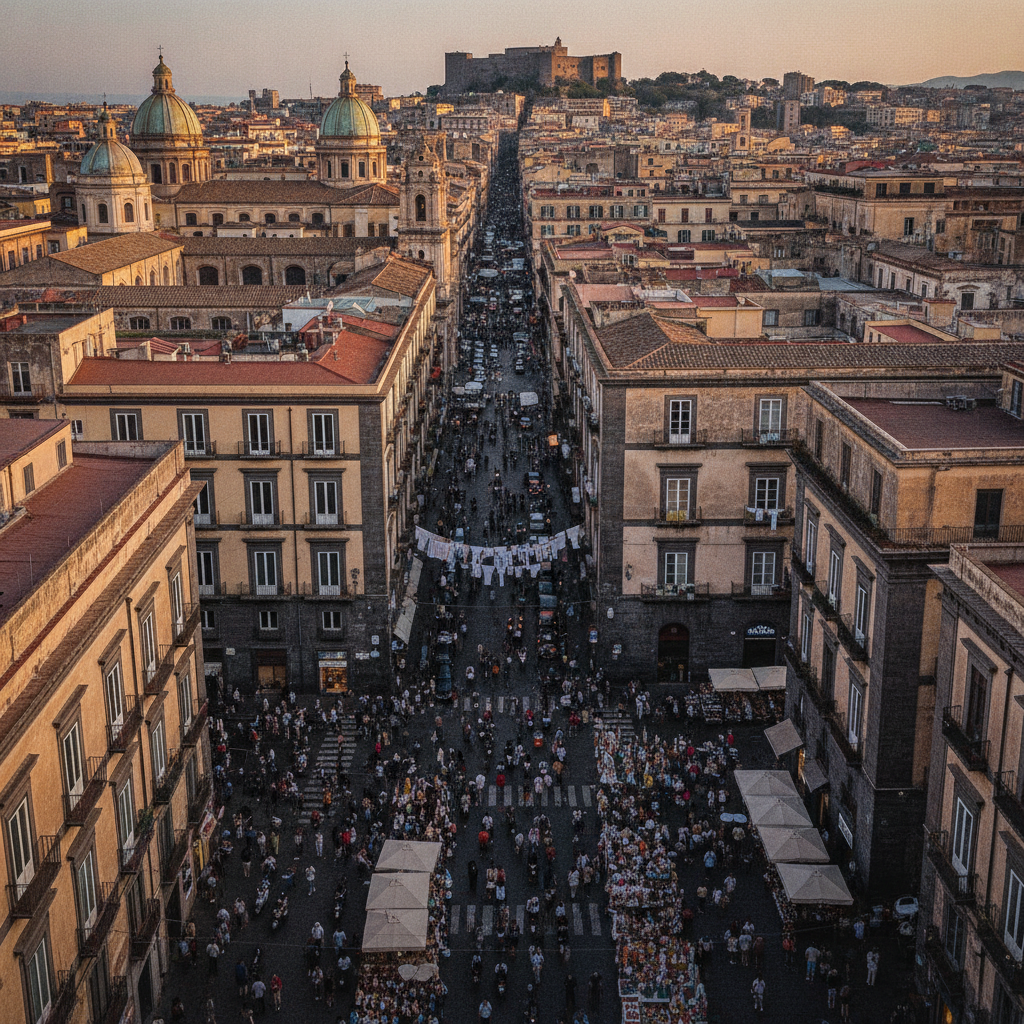
Spaccanapoli (die Straße, die „Neapel spaltet“ – die antike griechische Straße Decumanus Inferior, heute Via Benedetto Croce / Via San Biagio dei Librai) verläuft in einer ununterbrochenen geraden Linie über 2 km durch das historische Zentrum – die Straße folgt der exakten Linie der antiken griechischen Stadt Neapolis (5. Jahrhundert v. Chr.); jede wichtige Periode der neapolitanischen Geschichte hat eine Schicht hinterlassen: griechische Fundamente in Kellergrabungen, römische Pflaster, mittelalterliche Kirchen, Barockfassaden, Ladenfronten aus dem 19. Jahrhundert; die Weihnachtsstraße (Via San Gregorio Armeno, Krippenbauer) ist eine Seitenstraße.
Walk this route with audio
Stories play automatically as you reach each stop — no tapping needed.
Mehr in naples
Historisches Zentrum von Neapel, Spaccanapoli & die UNESCO Untergrundstadt
Pizza Margherita, Street Food & Neapel als gastronomische Hauptstadt Italiens
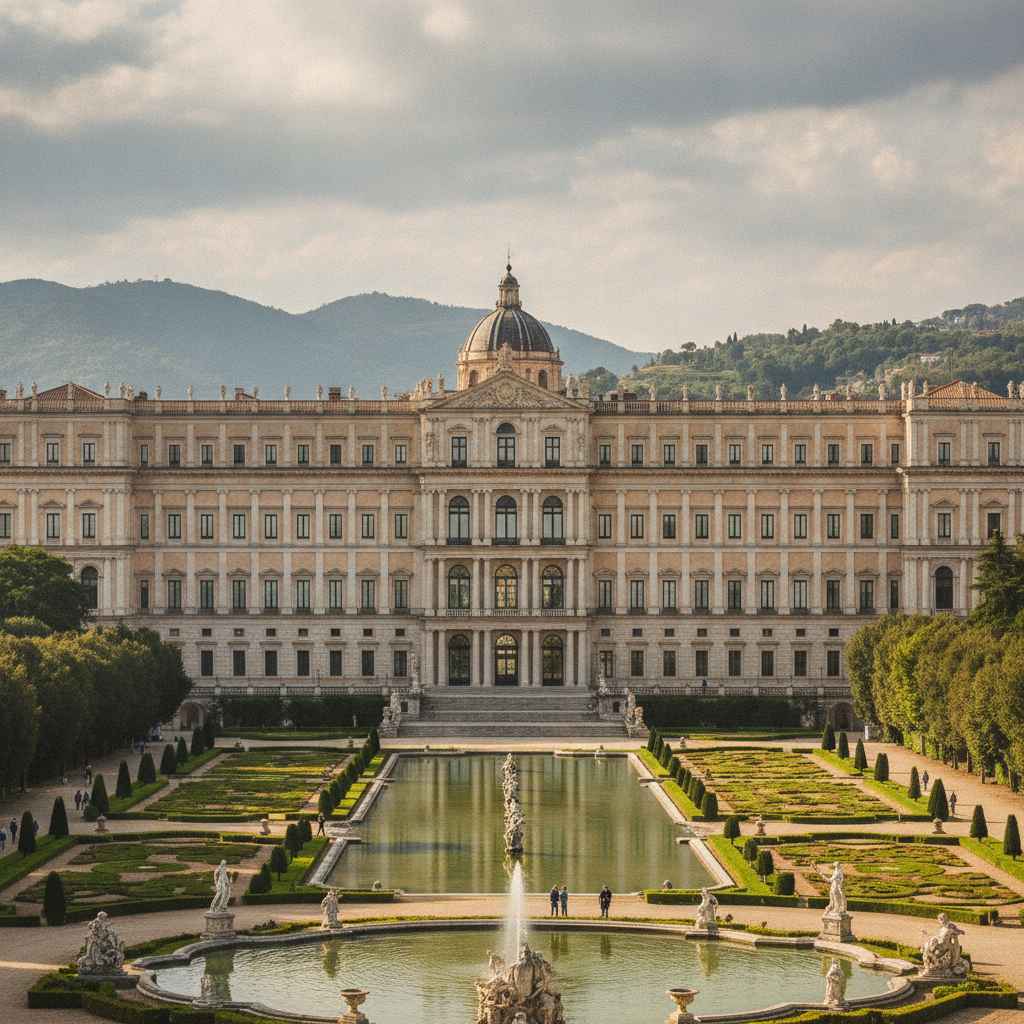
Königspalast von Caserta — Das Versailles Italiens
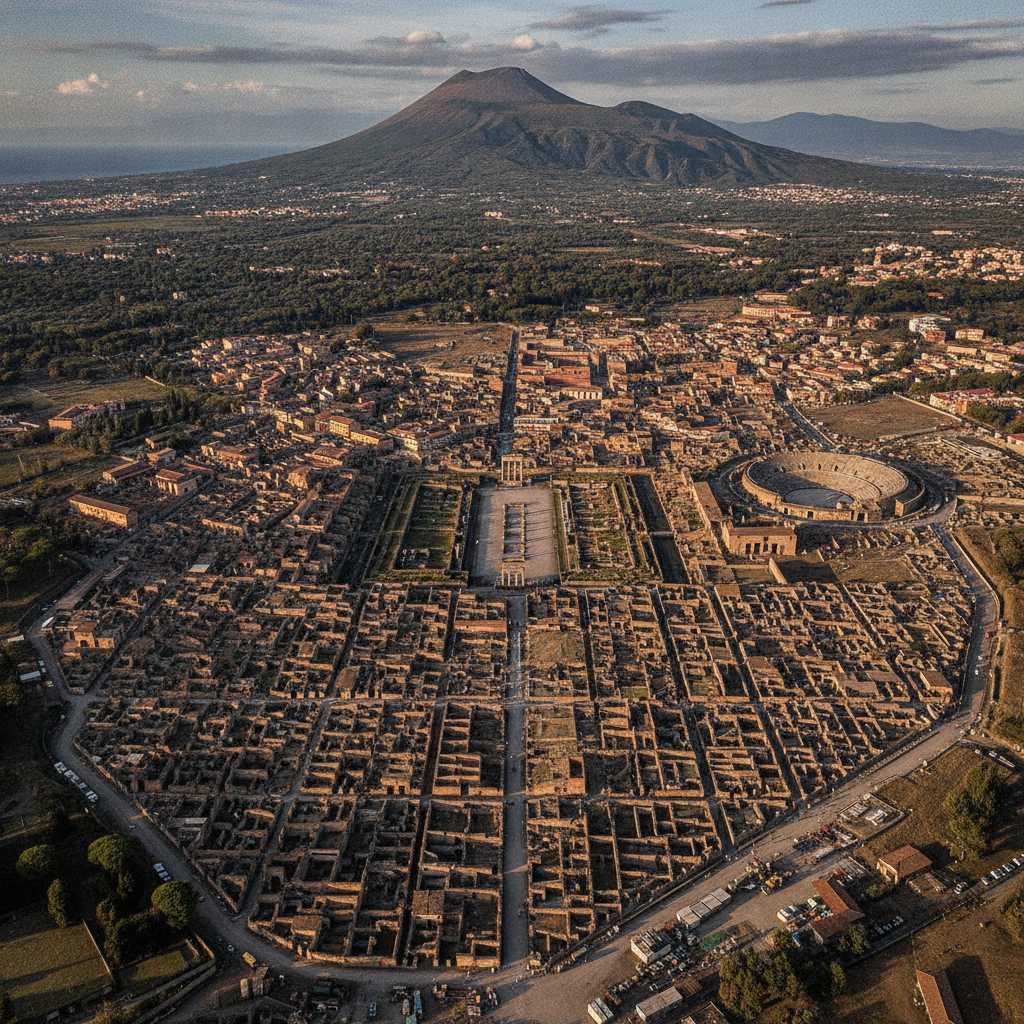
Pompeji, Vesuv & Herculaneum — Städte eingefroren in der Zeit
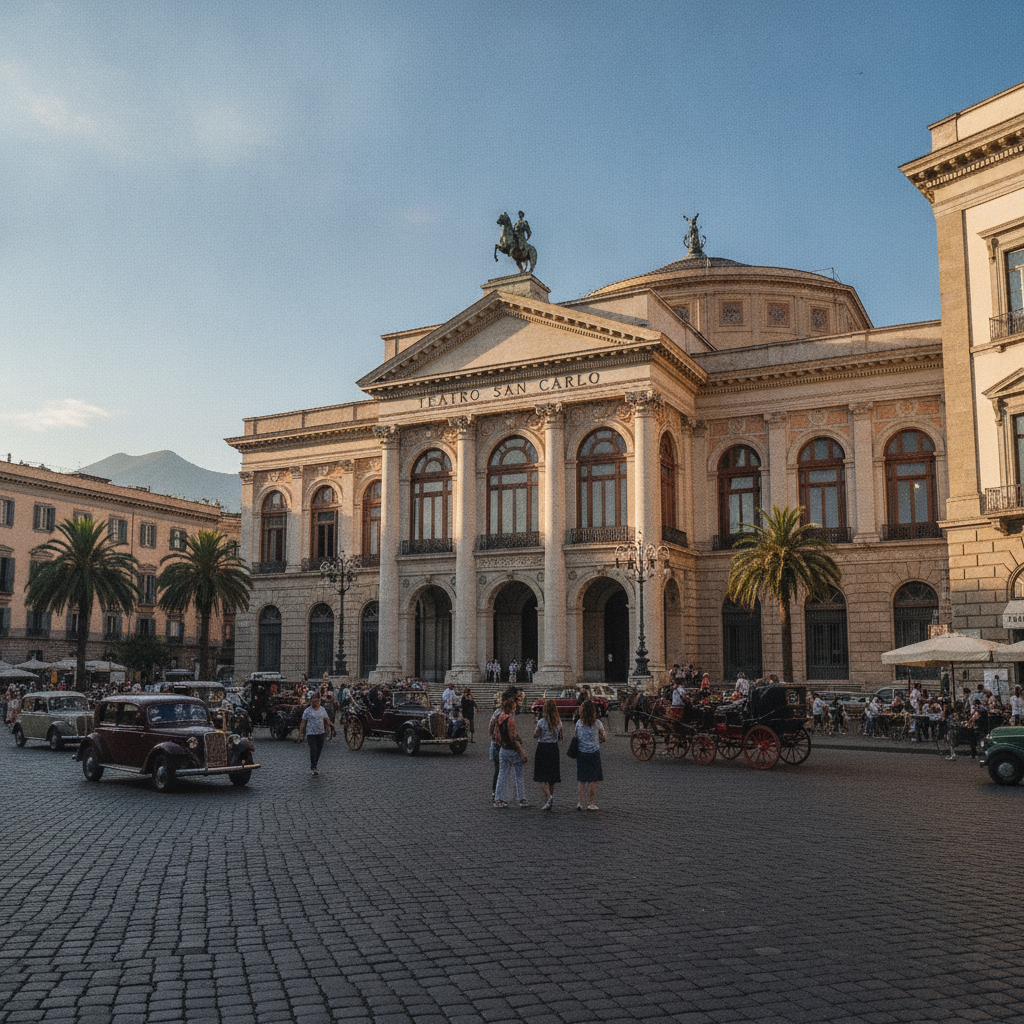
Teatro San Carlo — Das älteste Opernhaus der Welt