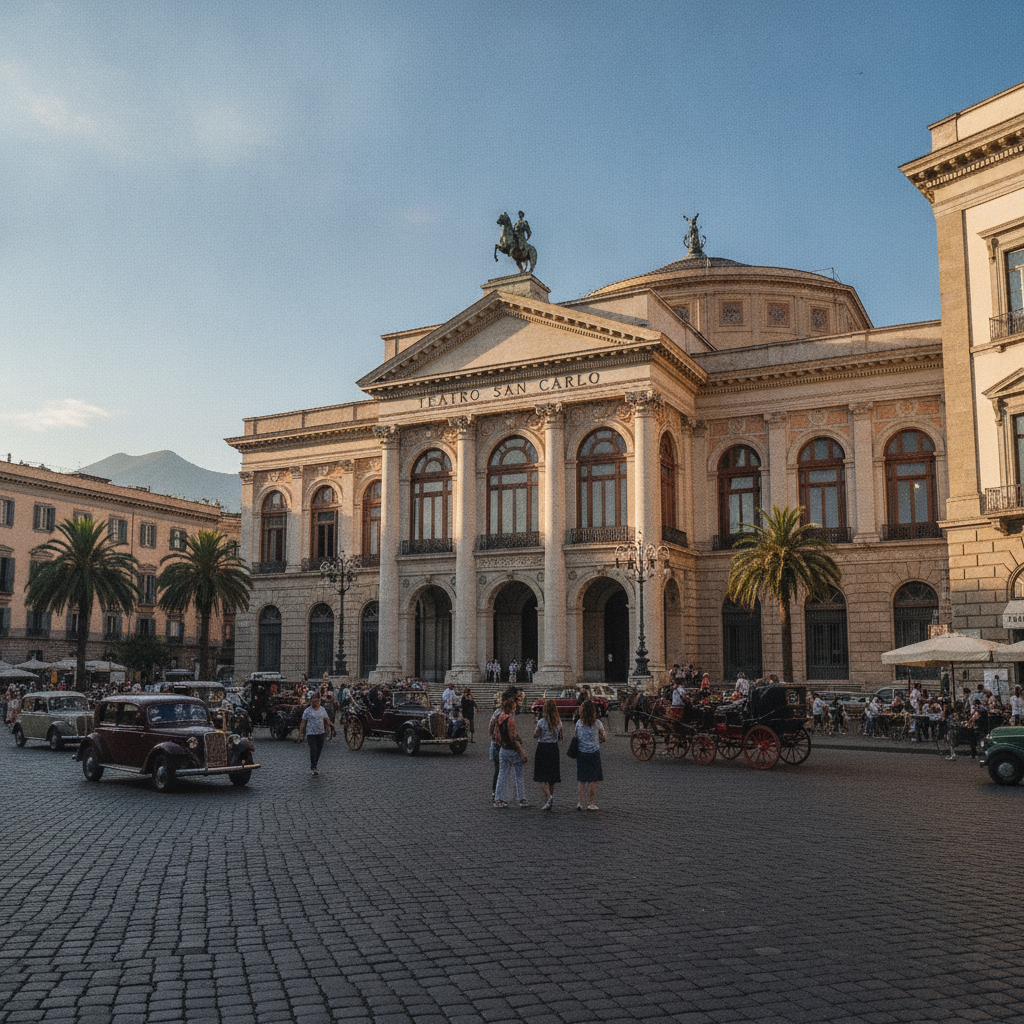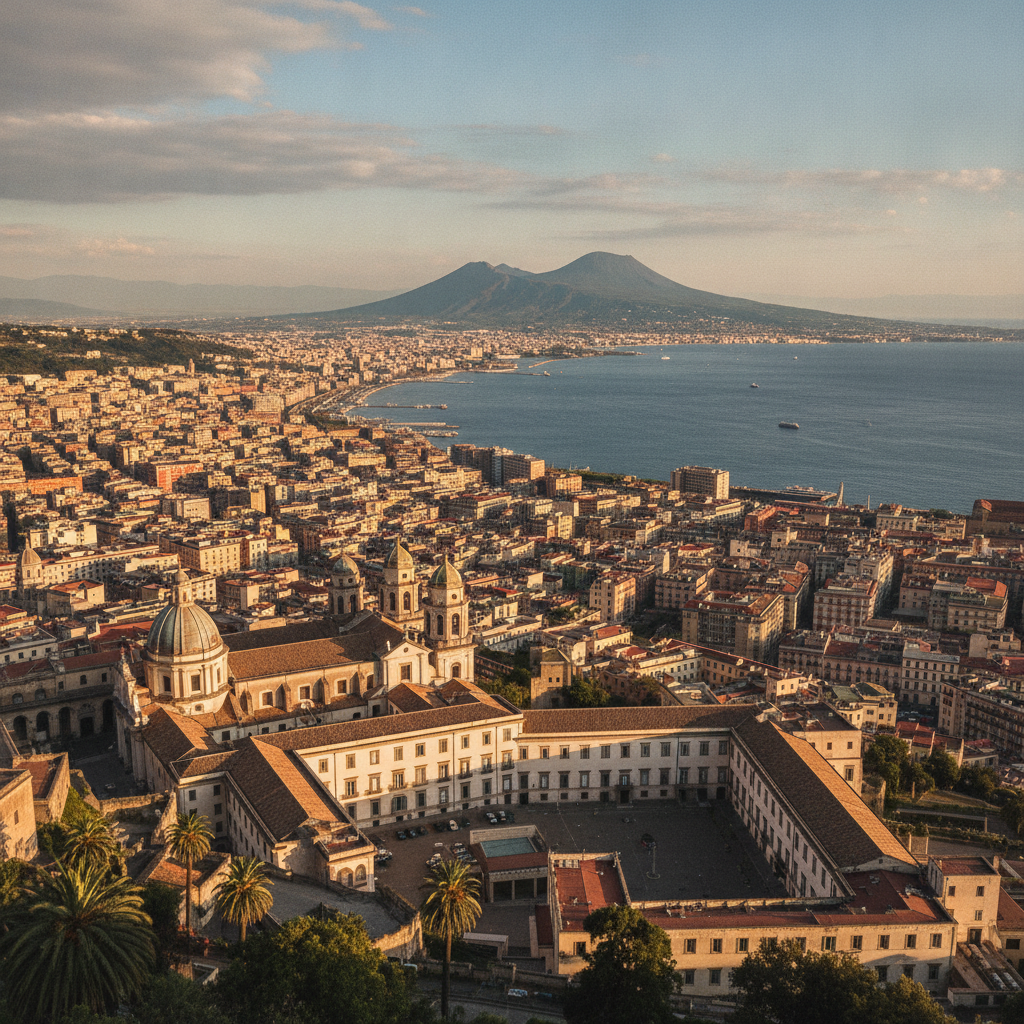
Vomero, Certosa di San Martino & Ausblicke über Neapel
Vomero (der Wohnbezirk auf dem Hügel oberhalb des historischen Zentrums von Neapel, erreichbar mit der 'Funicolare di Montesanto' oder der 'Funicolare Centrale' Standseilbahn) und die Certosa e Museo di San Martino (die 'Kartause und das Museum von San Martino' — das Kartäuserkloster aus dem 14. Jahrhundert auf dem Hügel von Vomero, das Kloster mit den spektakulärsten Panoramablicken auf Neapel, die Bucht von Neapel und den Vesuv, und das Museum mit der wichtigsten Sammlung neapolitanischer dekorativer Kunst, einschließlich der weltweit größten Sammlung neapolitanischer Presepe (Krippenszenen)).
- 1
Certosa di San Martino — Die Beste Aussicht auf Neapel
Die Certosa e Museo di San Martino (Vomero-Hügel, Kartäuserkloster aus dem 14. Jahrhundert, im 17. Jahrhundert erweitert, heute ein Museum, 6 € Eintritt) bietet das schönste erhöhte Panorama von Neapel — von der Panorama-Gartenterrasse auf 250m ist der volle Bogen vom Vesuv (Osten) über die Bucht bis zu den Campi Flegrei und dem Kap Miseno (Westen) sichtbar; die Klosterkirche (Umbau von Cosimo Fanzago, 1623) enthält einige der schönsten Barockkunstwerke Neapels; der Kreuzgang (Chiostro Grande) ist einer der raffiniertesten architektonischen Räume Italiens.
- 2
Castel Sant'Elmo — Die Sternfestung über Neapel
Castel Sant'Elmo (Via Tito Angelini, Vomero, 14. Jahrhundert, 1540 zum heutigen 6-zackigen Sternplan erweitert) ist die dominierende Befestigung Neapels — die Festung kontrollierte die gesamte Stadt militärisch (eine hier positionierte Kanone konnte jeden Punkt des historischen Zentrums erreichen); heute ein nationales Denkmal mit einer Galerie für zeitgenössische Kunst; das 360°-Panorama von den Zinnen (auch nachts, wenn Neapels dichte Beleuchtung dramatisch ist) ist die beste zugängliche erhöhte Aussicht; Eintritt 5 €, kombiniert mit Certosa 8 €.
- 3
Viertel Vomero — Neapels Bürgerlicher Hügel
Vomero (der Hügelbezirk oberhalb von Neapel, 1880–1920 von der Mittelschicht entwickelt, die ein Standseilbahnsystem installierte, um ihn vom Zentrum aus zu erreichen) ist Neapels bürgerlichstes Viertel — die linearen Einkaufsstraßen (Via Scarlatti, Via Luca Giordano) mit Boutiquen und Pasticcerie kontrastieren mit den steilen Gassen der Quartieri Spagnoli darunter; 4 Standseilbahnlinien verbinden Vomero mit dem Zentrum (die Linien Funicolare Centrale, Chiaia, Montesanto und Mergellina, alle im Unico Campania Transit-Ticket enthalten); Vomero ist der sicherste und ruhigeste Wohnbezirk.
- 4
Napoli Sotterranea — Die Griechisch-Römische Stadt darunter
Napoli Sotterranea (Piazza San Gaetano 68, tägliche Führungen, 10 €, 2 Stunden) steigt durch 2.400 Jahre des unterirdischen Neapels hinab — die griechischen Steinbrüche (4. Jahrhundert v. Chr., Tuffblöcke für den Stadtbau gehauen), römische Aquädukte (dieselbe Tunnel, wiederverwendet), WWII-Luftschutzbunker (1940–1943, mit Originalmöbeln und Graffitis) und ein vergrabenes römisches Theater (1954 unter privaten Gebäuden entdeckt) sind alle Teil desselben unterirdischen Netzwerks; ungefähr 700km Tunnel liegen unter der Stadt.
- 5
Villa Floridiana und das Duca di Martina Museum
Villa Floridiana (Vomero, Via Aniello Falcone, Bourbonen-Villa in englischem Landschaftsgarten, 1817, von Ferdinand I. an seine morganatische Ehefrau Lucia Migliaccio gegeben) ist Vomeros öffentlicher Park — der Park (7 Hektar, kostenlos) enthält das Museo Nazionale della Ceramica Duca di Martina (neoklassizistisches Villengebäude, die feinste Keramiksammlung Süditaliens, mit chinesischem, japanischem und europäischem Porzellan, Majolika, Emaille; Eintritt 2,50 €); die Magnolienbäume des Gartens und die Buchtblicke von der Terrasse sind die besten in der Nachbarschaft.
- 6
Funicolare di Chiaia — Ein verstecktes städtisches Transporterlebnis
Die Funicolare di Chiaia (untere Station: Parco Margherita, Piazza Amedeo; obere Station: Via Cimarosa, Vomero; 1889) ist die am wenigsten genutzte der vier Standseilbahnen Neapels — die 3-minütige Fahrt führt durch den unterirdischen Tunnel, der Chiaia (das elegante Viertel Neapels aus dem 19. Jahrhundert mit seinen Luxusboutiquen entlang der Via Chiaia) mit Vomero verbindet; die Wagen (2002 aktualisiert, folgen aber der Route von 1889) fahren alle 10 Minuten; das 1,10 € Transit-Ticket ist angesichts des Höhenunterschieds von 170m eine der preiswertesten urbanen Transporterfahrungen Europas.
Walk this route with audio
Stories play automatically as you reach each stop — no tapping needed.
Mehr in naples
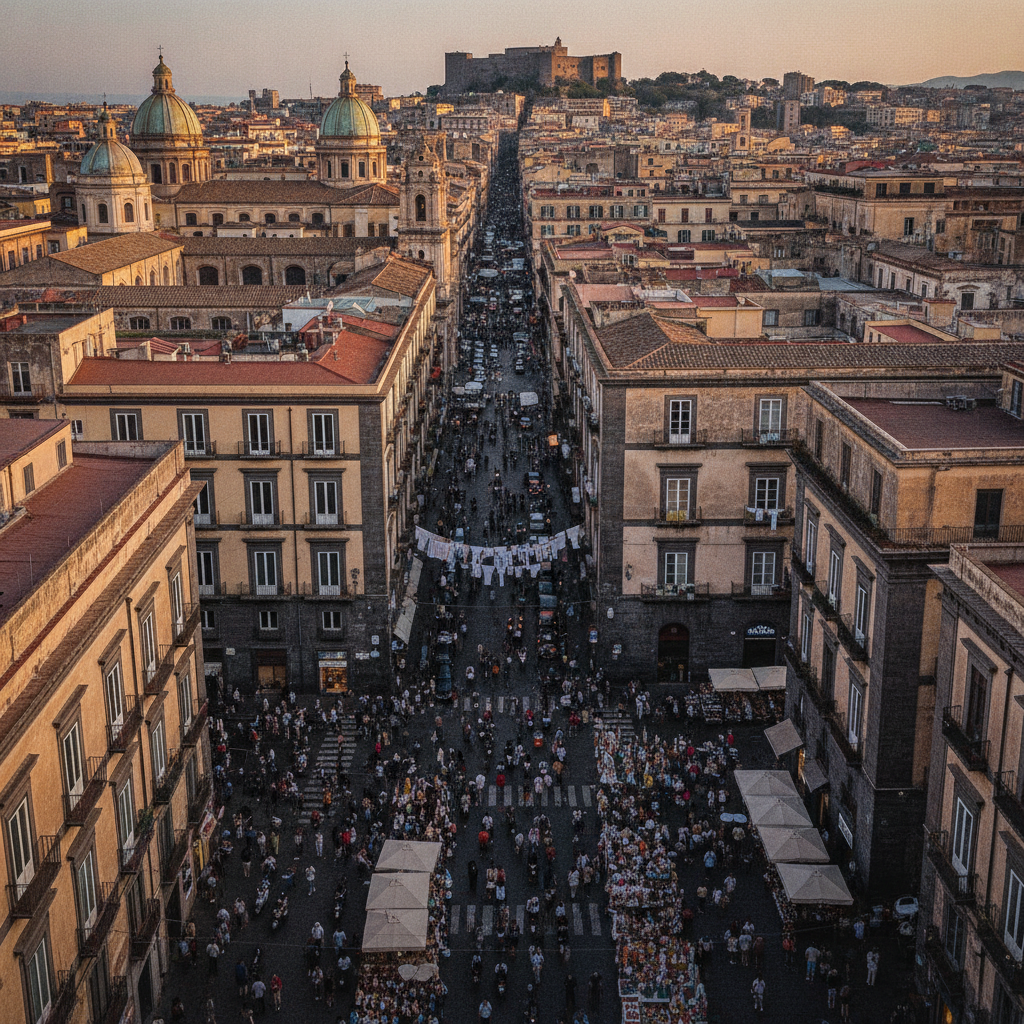
Historisches Zentrum von Neapel, Spaccanapoli & die UNESCO Untergrundstadt
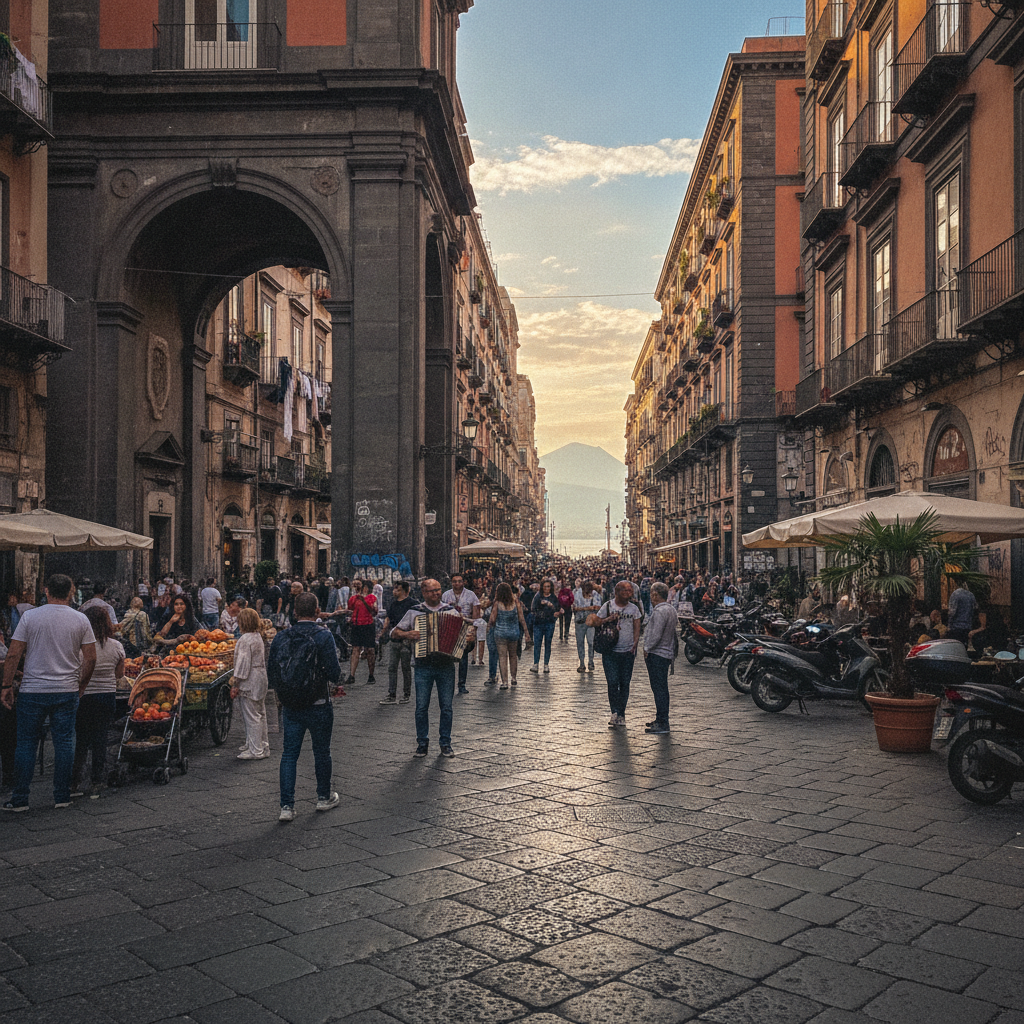
Via Toledo, Spanisches Viertel & neapolitanisches Straßenleben

Pizza Margherita, Street Food & Neapel als gastronomische Hauptstadt Italiens
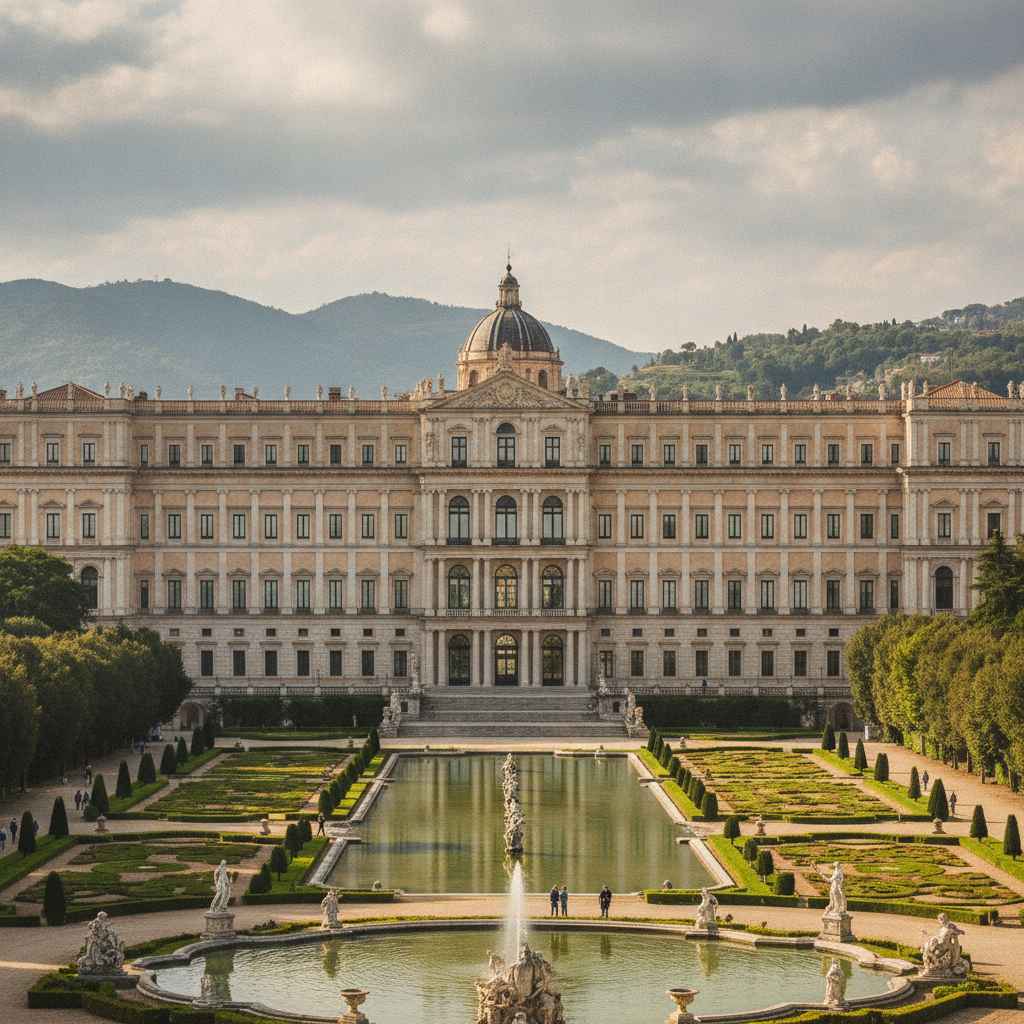
Königspalast von Caserta — Das Versailles Italiens
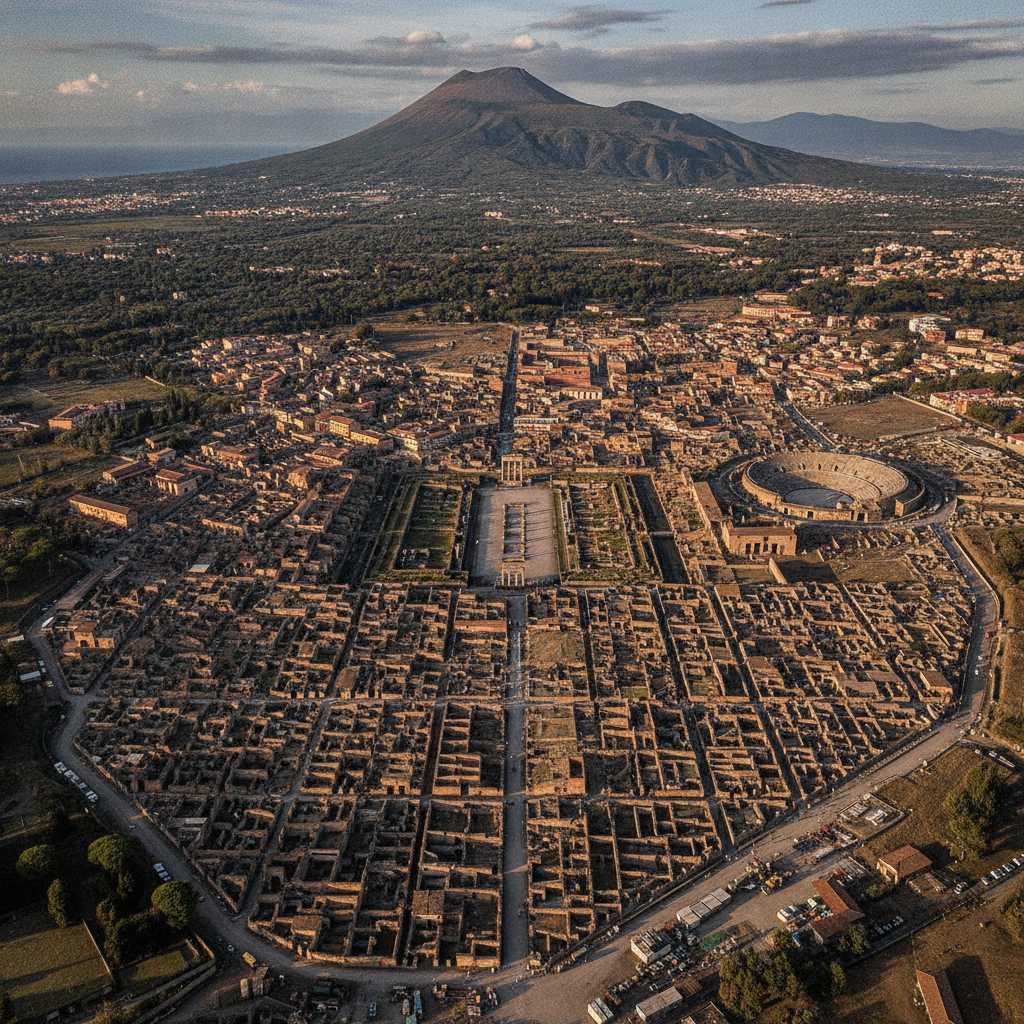
Pompeji, Vesuv & Herculaneum — Städte eingefroren in der Zeit