- 1
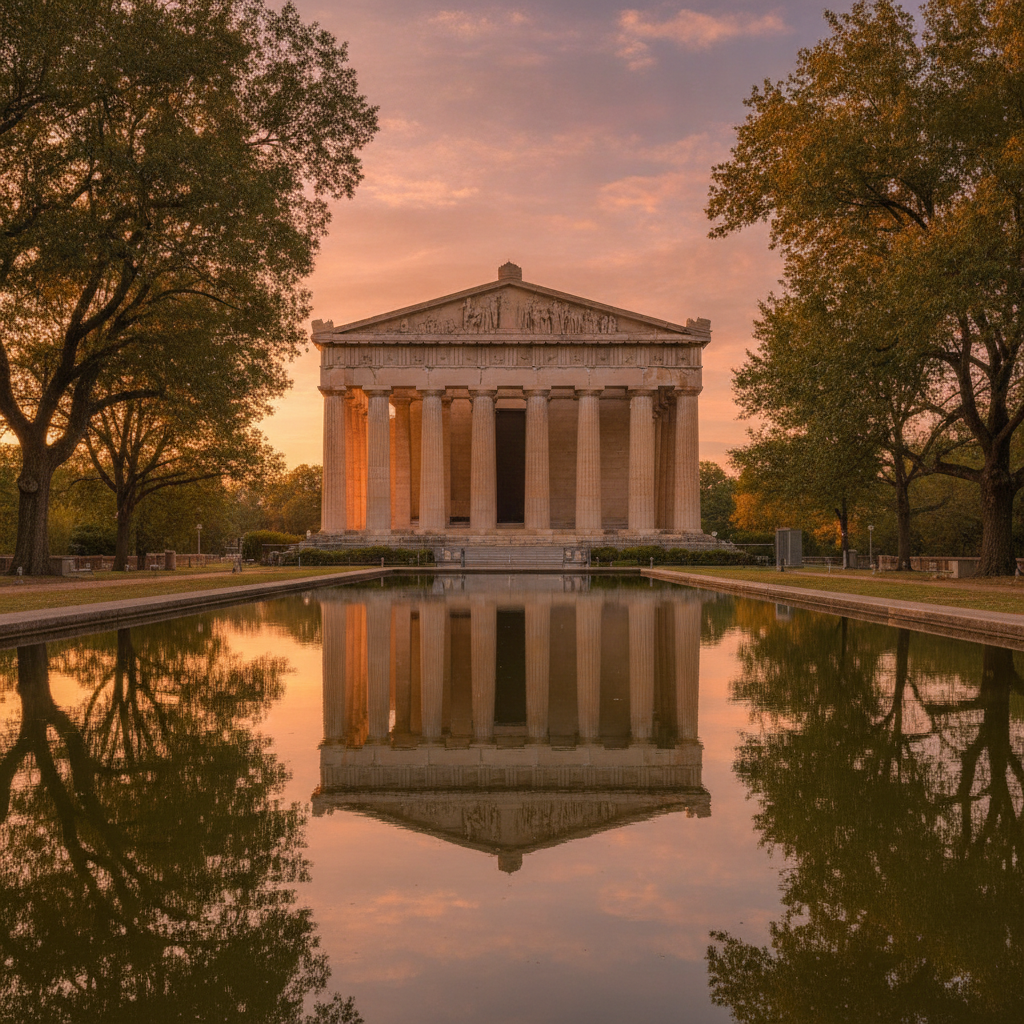
Der Parthenon — Nashvilles maßstabsgetreue griechische Tempelreplik
Der Parthenon im Centennial Park (West End Avenue, 1897 für die Tennessee Centennial Exposition erbaut, permanente Betonversion 1931) ist eine maßstabsgetreue Replik des Athener Parthenon (30.5m hoch, 69m lang) — das Innere beherbergt die Athena Parthenos Statue (12.8m, die größte Innenraumskulptur der westlichen Welt, 1990 vom Bildhauer Alan LeQuire anhand antiker schriftlicher Beschreibungen fertiggestellt); der ursprüngliche Nashville Parthenon beherbergt auch eine Kunstgalerie (12 amerikanische Gemälde des 19. Jahrhunderts in den Galerien im Erdgeschoss); Außenbereich kostenfrei, Innenbereich $6.
- 2
Frist Art Museum — Nashvilles Kunstinstitution
Das Frist Art Museum (919 Broadway, im Art-Déco-Postamtsgebäude von 1933, 2001 eröffnet) ist Nashvilles primäres Kunstmuseum — das Frist besitzt keine permanente Sammlung, sondern veranstaltet jährlich 12–15 große Wanderausstellungen (jüngste: Frida Kahlo, Impressionismus, islamische geometrische Kunst); diese kuratorische Strategie bedeutet, dass das Museum immer frische Inhalte bietet; das Art-Déco-Interieur des Gebäudes (Marmorböden, Messingdetails, originale Postamtsfenster) ist ebenso bedeutsam wie die Ausstellungen; kostenlos für Kinder bis 18 Jahre.
- 3
Tennessee State Capitol — Griechischer Klassizismus auf einem Hügel
Das Tennessee State Capitol (600 Charlotte Avenue, Charlotte Park hill, 1859, Architekt William Strickland, der in der Nordwand des Gebäudes begraben liegt, da er vor der Fertigstellung starb) ist eines der schönsten Gebäude im griechischen Klassizismus in Amerika — James K. Polk (11. US-Präsident) und seine Frau sind in einem Grab im südlichen Garten begraben; die Kapitolskuppel (ungewöhnlich für ein Staatscapitol – ein Turm statt einer Kuppel) basiert auf dem Choregischen Monument des Lysikrates in Athen; kostenlose Führungen Montag–Freitag, geführt und selbstgeführt.
- 4
Nashville Symphony und Schermerhorn Symphony Center
Das Schermerhorn Symphony Center (One Symphony Place, 2006, Architekt David Schwarz, entworfen, um wie ein europäischer Konzertsaal des 19. Jahrhunderts auszusehen) ist die Heimat der Nashville Symphony — der europäische Klang des Saals (erreicht durch ein Saal-in-Saal-Design mit verstellbaren Eichenpaneelen) wurde zu den 10 besten Konzertakustik-Umgebungen in Nordamerika gezählt; das Plattenlabel der Nashville Symphony (Naxos) hat über 40 Aufnahmen veröffentlicht; die südliche Neo-Georgian-Fassade des Gebäudes befindet sich zwischen der Country Music Hall of Fame und der Bridgestone Arena.
- 5
Cheekwood Estate — 55 Hektar Garten und amerikanische Kunst
Cheekwood Estate & Museum of Art (Forrest Park Drive, West-Nashville, 1932 georgianisches Herrenhaus in 55 Hektar englischem Landschaftsgarten, täglich geöffnet, $20) ist Nashvilles feinste Kultureinrichtung außerhalb der Innenstadt — das Vermögen der Maxwell House-Kaffee finanzierte das Anwesen; das Museum (7 Galerien amerikanischer Kunst, 1880–heute) ist von botanischen Gärten umgeben (Hartriegelsammlung, japanischer Garten, Kameliensammlung, Wildblumenpfad); der Skulpturenweg (im Freien, über 30 Werke) erstreckt sich über das gesamte Anwesen; am belebtesten im Frühling, wenn 150,000 Tulpen blühen.
- 6
Tennessee State Museum — Von indigenen Völkern bis zum Bürgerkrieg
Das Tennessee State Museum (1000 Rosa L Parks Boulevard, 2018, zweckgebaut, freier Eintritt) ist Nashvilles umfassendes Geschichtsmuseum — die permanenten Galerien decken 15,000 Jahre ab: Paleo-Indian Jäger (Clovis-Ära Projektilspitzen), Cherokee Nation (der Pfad der Tränen, 1838, die Zwangsumsiedlung von 17,000 Cherokee aus Tennessee ist detailliert dokumentiert), Bürgerkrieg in Tennessee (Nashville fiel im Februar 1862 an Union forces und diente als westliches Hauptquartier der Union Army) und afroamerikanische Geschichte der Wiederaufbauzeit.
Walk this route with audio
Stories play automatically as you reach each stop — no tapping needed.
Mehr in nashville
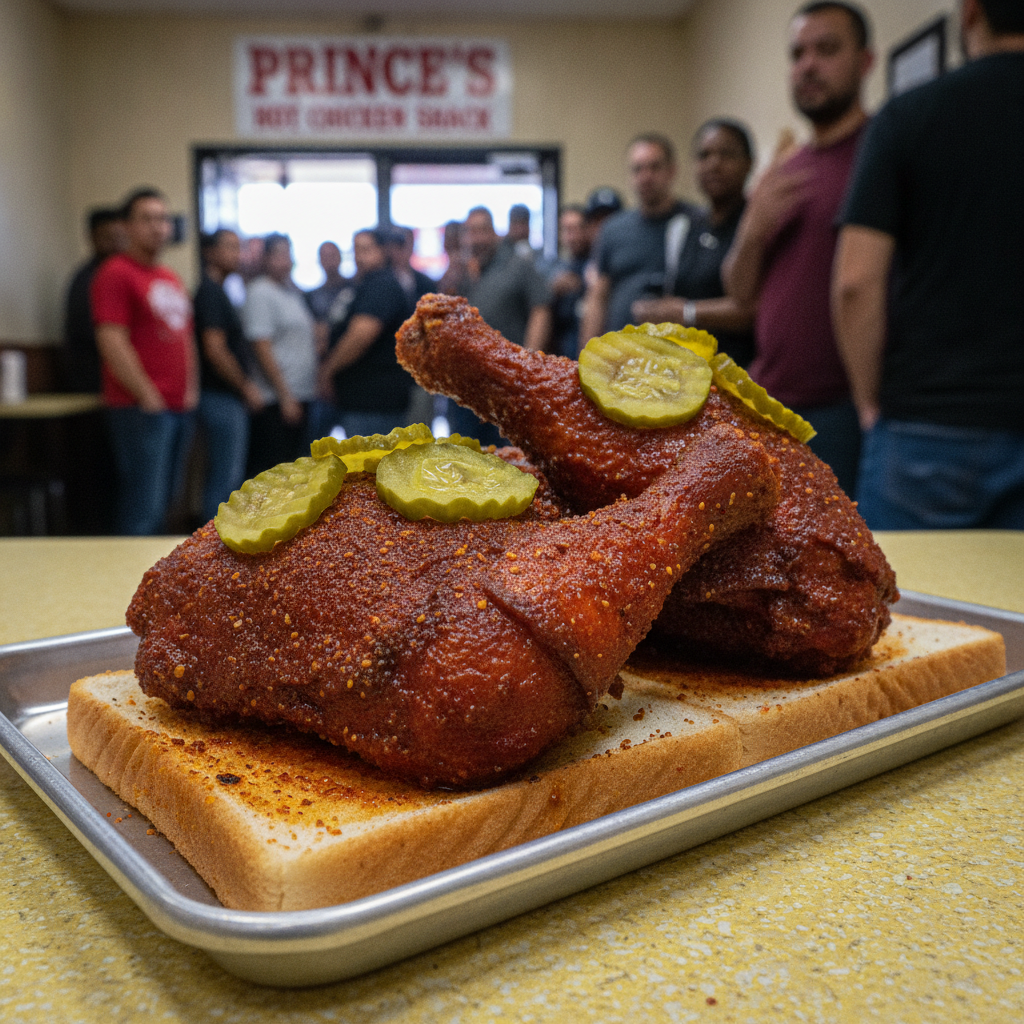
Nashville Hot Chicken, „Meat & Three“ & die Nashville Food Scene
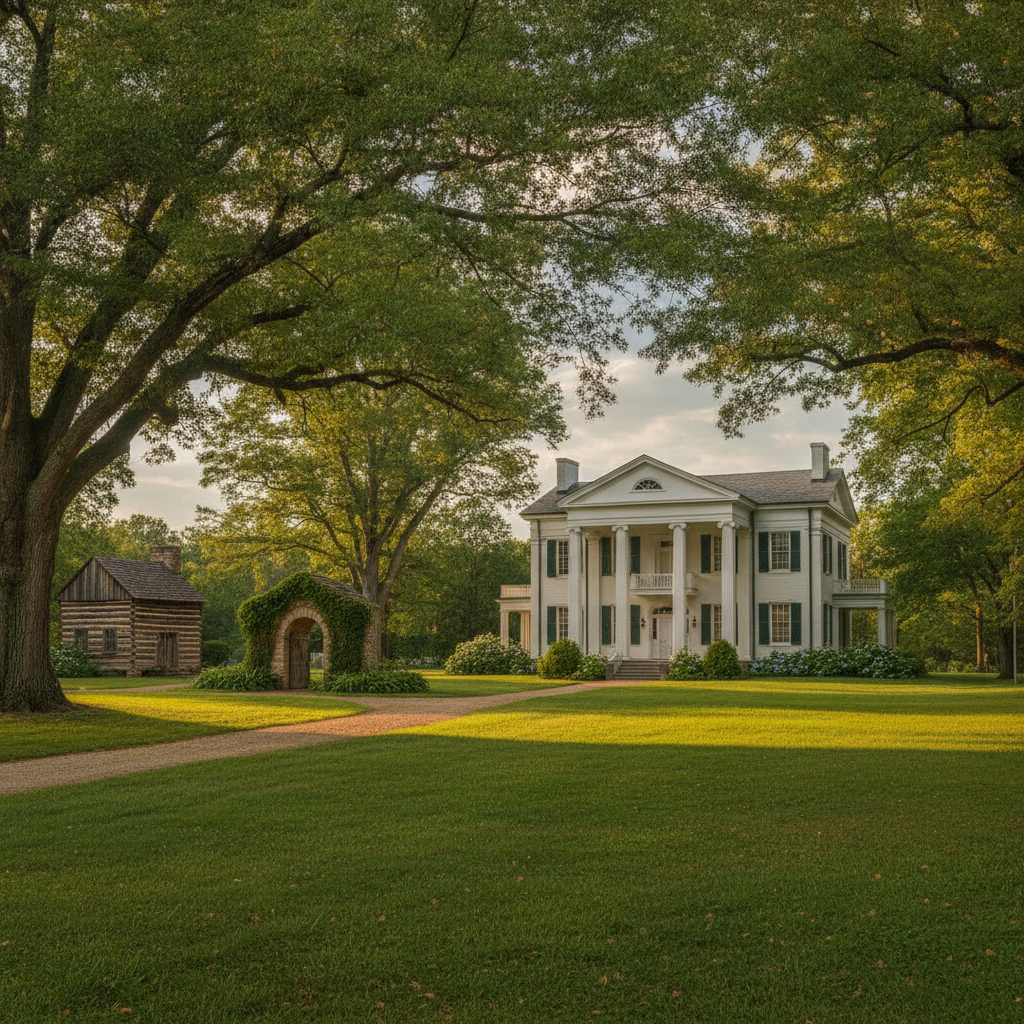
Belle Meade Plantation, Geschichte des Bürgerkriegs & Erbe Tennessees
Natchez Trace Parkway, Percy Priest Lake & Nashville Outdoors
Fisk University, die Nashville-Sitzstreiks und die Bürgerrechtsgeschichte
Grand Ole Opry, Country-Musik-Erbe & die Seele von Nashville