Tennoji, Abeno Harukas & Shinsekai – Osakas charakteristische südliche Stadtteile
Tennoji (天王寺 – das südliche Zentrum Osakas, rund um den Tennoji Bahnhof (der drittmeist frequentierte Bahnhof in Osaka nach Osaka/Umeda und Namba)) beherbergt Abeno Harukas (あべのハルカス – der 300 Meter hohe Wolkenkratzer, der 2014 fertiggestellt wurde und das höchste Gebäude Japans ist – mit einem Kaufhaus (Kintetsu), einem Hotel (Marriott), einem Kunstmuseum und der Aussichtsplattform Harukas 300 in 300 Metern Höhe – die beste Aussicht über Osaka aus der Höhe), den Tennoji Zoo (der drittälteste Zoo Japans, gegründet 1915) und das außergewöhnliche Retro-Viertel Shinsekai.
- 1
Abeno Harukas – Japans höchster Wolkenkratzer (300m)
Abeno Harukas (1-1-43 Abenosuji, Abeno-ku, 300m, 60 Stockwerke, Eröffnung 2014, Architekt Caeser Pelli) ist Japans höchstes Gebäude – die unteren Stockwerke (bis Stockwerk 14) beherbergen das Kintetsu Department Store (das größte Kaufhaus Japans nach Grundfläche); die Stockwerke 16–21 sind ein Hotel (Osaka Marriott Miyako); die Stockwerke 38–60 sind Büros; das Harukas 300 Observatorium (Stockwerke 58–60, ¥2,000, täglich 9-22 Uhr) bietet an klaren Tagen 360°-Aussichten von der Osaka Bay bis nach Kyoto; das Gebäude befindet sich direkt über dem Tennoji Bahnhof.
- 2
Shinsekai – Das Viertel, das die Zeit vergessen hat
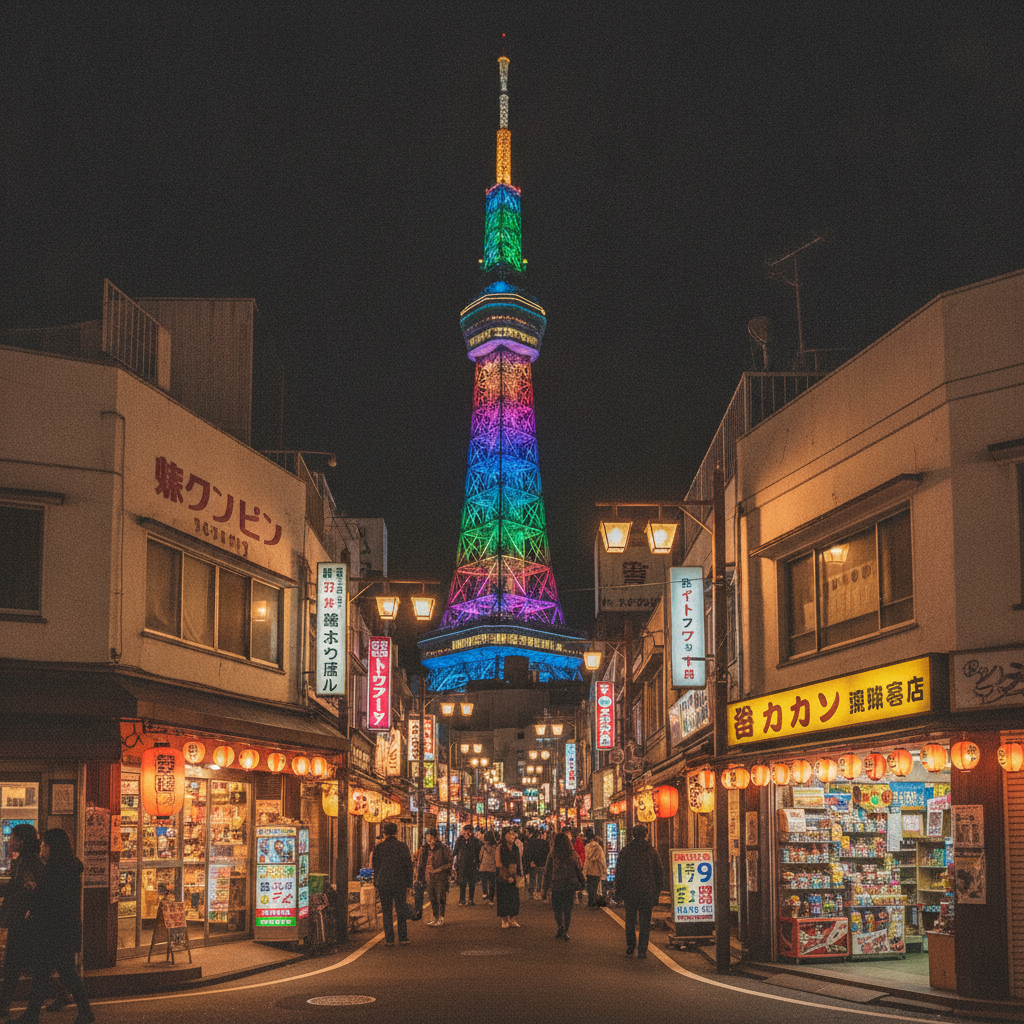
Shinsekai („Neue Welt“, erbaut 1912 als Osakas Unterhaltungsviertel nach dem Vorbild von Paris und Coney Island) verfiel in der Nachkriegszeit und entwickelte den Ruf eines rauen Viertels – der Tsutenkaku Tower (103m, 1912, das Eiffelturm-Modell, im Zweiten Weltkrieg zerstört, 1956 wieder aufgebaut) ist Shinsekais Wahrzeichen; das Viertel ist geprägt von Kushikatsu-Restaurants (Spieße mit verschiedenen Zutaten, paniert und frittiert, die strenge Regel ist, nicht zweimal in die Gemeinschaftssoße zu tauchen), Pachinko-Salons und der Straßenkunst von Billiken (dem Shinto-Gott der Glücksbringer).
- 3
Tennoji Zoo und Keitakuen Garten – Der traditionelle Stadtkern
Der Tennoji Zoo (1-108 Chausuyama-cho, Tennoji, eröffnet 1915, der drittälteste Zoo Japans, 1.000 Tiere, ¥500 Eintritt) und der Keitakuen Garten (angrenzend an den Sumiyoshi Park, ein Spaziergarten aus der Meiji-Zeit, der von der Sumitomo-Unternehmensfamilie an Osaka gespendet wurde, kostenlos) repräsentieren die traditionelle öffentliche Einrichtung des Tennoji-Viertels – das Viertel (südlich-zentrales Osaka) wird von ausländischen Touristen weniger besucht als Dotonbori, ist aber das authentischste urbane Viertel Osakas; der morgendliche Gemüsemarkt in der Matsuyamachi Street ist der beste Freiluft-Produktenmarkt in Osaka.
- 4
Sumiyoshi Taisha – Osakas ältester Schrein
Sumiyoshi Taisha (Sumiyoshi-ku, 3. Jahrhundert n. Chr., eines der ältesten Shinto-Schreine in Japan, erreichbar über die Straßenbahnhaltestelle Sumiyoshi Taisha-Mae) ist Osakas wichtigster Shinto-Schrein – die Sori-Bashi (gewölbte Brücke, der Zugang zum Hauptschrein, eine steile gewölbte lackierte Brücke über den Teich des inneren Gartens) ist Sumiyoshis visuelles Symbol; die Architektur (Sumiyoshi Zukuri-Stil, der älteste Stil der Shinto-Schrein-Architektur, vor der Einführung chinesischer buddhistischer Architektureinflüsse) ist in den 4 Haupthallen sichtbar.
- 5
Kaiyukan Aquarium – Eines der besten der Welt
Das Osaka Aquarium Kaiyukan (1-1-10 Kaigandori, Minato-ku, ¥2.400 Erwachsene, täglich 10-20 Uhr geöffnet) ist eines der größten Aquarien der Welt – der zentrale Tank (8m tief, 5.400 Kubikmeter, mit Walhaien, Mantarochen und großen Schwarmfischen) kann von 8 umlaufenden Spiralrampen aus betrachtet werden, die durch 14 Ökosysteme führen; die Walhaie (seit 1992 ausgestellt, das erste Aquarium, das Walhaie langfristig erfolgreich gehalten hat) sind die Hauptattraktion; der angrenzende Tempozan Marketplace und das 112m hohe Riesenrad vervollständigen den Uferkomplex.
- 6
Osaka Castle Park und Osakas zentrale Grünfläche
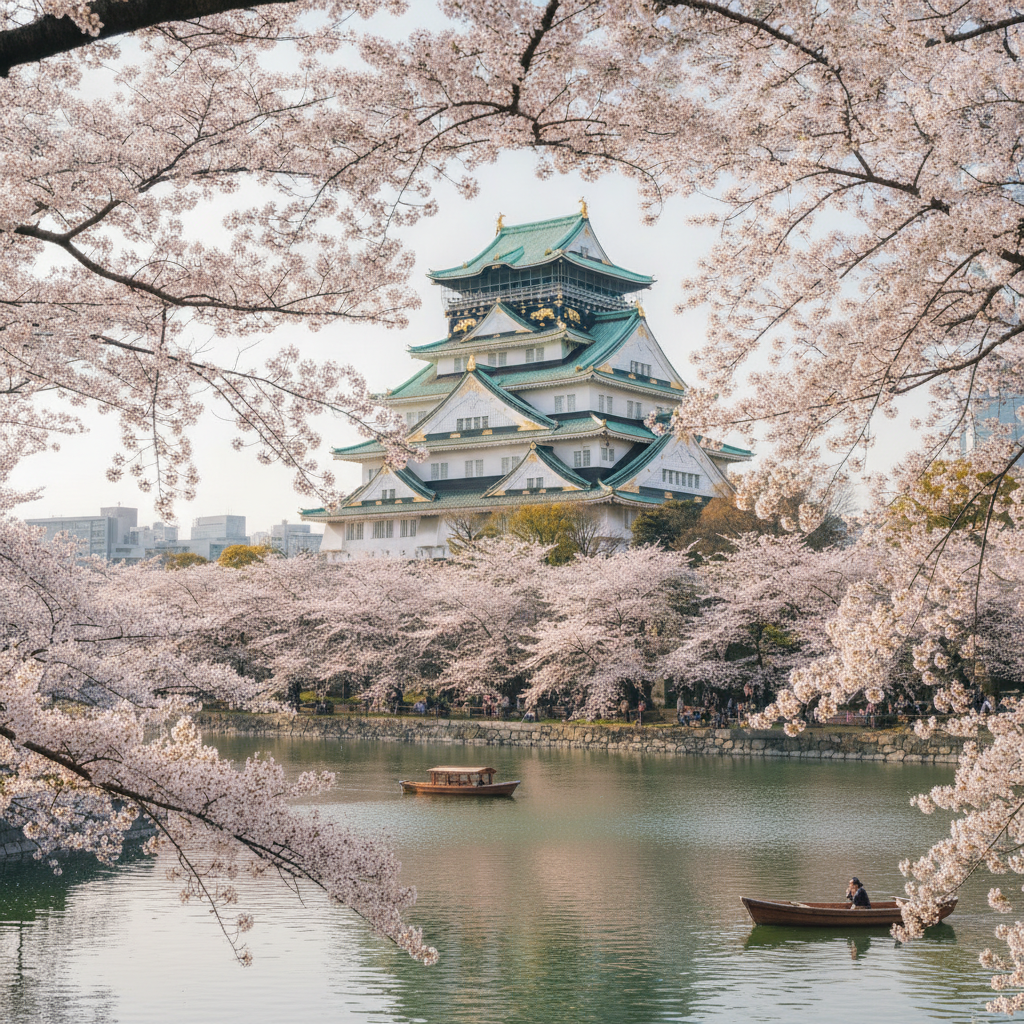
Der Osaka Castle Park (1-1 Osakajokoen, Chuo-ku, 106 Hektar, der größte Stadtpark im Zentrum Osakas) umgibt die Osaka Castle (1583, Toyotomi Hideyoshi, 1615 bei der Belagerung zerstört, 1629 wieder aufgebaut, Betonrekonstruktion 1931, Innenmuseum ¥600) – die 1.350 Kirschbäume des Parks machen ihn zum meistbesuchten Hanami (Kirschblütenbetrachtung) Ort in Osaka (März–April); der Nishinomaru Garten (innerhalb des Schlossparks, ¥200 Eintritt) hat 300 Kirschbäume und das Schloss als Kulisse; die Grabenmauern (originaler Stein aus dem 17. Jahrhundert) sind die beeindruckendsten erhaltenen Edo-zeitlichen Befestigungsanlagen in Japan.
Walk this route with audio
Stories play automatically as you reach each stop — no tapping needed.
Mehr in osaka
Den-Den Town, Namba & Osakas Einzelhandelslandschaft
Osaka Food Deep Dive – Takoyaki, Ramen & der B-Gourmet Trail
Bunraku, Kabuki & die traditionellen darstellenden Künste Osakas
Burg Osaka – Toyotomi Hideyoshis Festung und das historische Herz der Stadt
Japanischer Sake, Craft Beer & Suntory Whisky — Osakas Getränkekultur