Oslofjord-Kreuzfahrt & die Fjordinseln
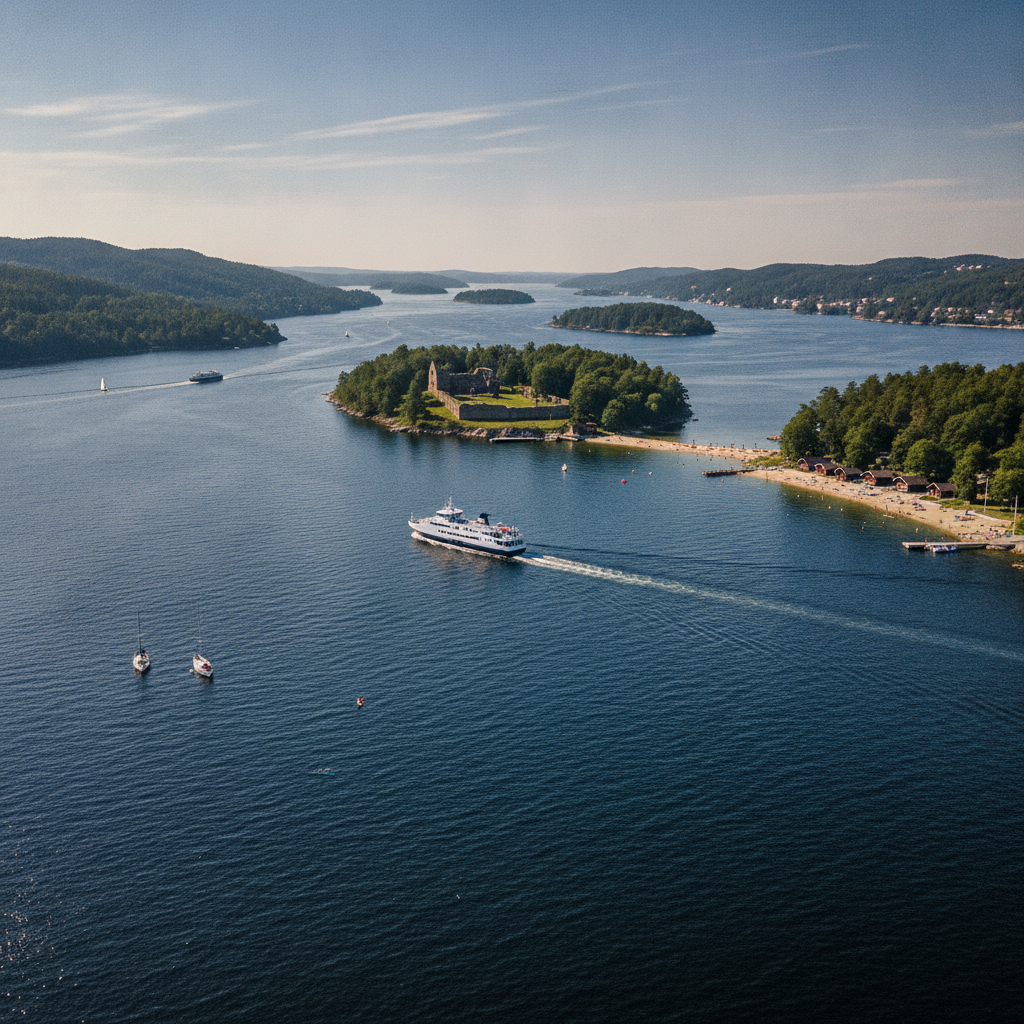
Der Oslofjord (der 100 Kilometer lange Fjord, der sich südlich von Oslo bis zur Skagerrakstraße zwischen Norwegen und Dänemark erstreckt, mit einer durchschnittlichen Breite von 2-3 km und zahlreichen Inseln, Inselchen und Stränden entlang seiner Ufer) ist Oslos primäres Naturparadies und das prägende Merkmal der Stadtgeografie: Der Fjord ist von praktisch jedem Teil des Zentrums von Oslo aus sichtbar, und die Fährverbindungen zu den Fjordinseln (Hovedøya, Gressholmen, Nakholmen, Bleikøya und Langøyene) gehören zu den beliebtesten Sommeraktivitäten der Osloer.
- 1
Oslofjord-Inseln – Das Sommerarchipel der Stadt
Der Oslofjord umfasst 40 Inseln, die mit der öffentlichen Fähre von Aker Brygge aus erreichbar sind (Ruter-ÖPNV-Ticket, ab ¥65/Einzelfahrt, Mai–September) – Hovedøya (die nächste Insel, 15 Min. Fähre, Ruinen eines Zisterzienserklosters aus dem 12. Jahrhundert und der einzige tropische Sandstrand in Oslo), Langøyene (Schwimmen, Camping, keine motorisierten Fahrzeuge) und Gressholmen (Naturschutzgebiet, 30 Vogelarten, darunter Austernfischer, Eiderenten) sind die meistbesuchten; die Inseln sind Oslos Sommeräquivalent eines Strandurlaubs, der in 30 Minuten komprimiert ist.
- 2
Aker Brygge – Oslos Ufer-Neugestaltung
Aker Brygge (die ehemalige Werft von Akers Mekaniske Verksteder, gegründet 1854, umgewandelt in ein gemischt genutztes Ufergebiet 1986–1998) ist Oslos erfolgreichstes Stadterneuerungsprojekt – die ehemaligen Schiffbauhallen beherbergen heute Restaurants, Kinos und Designgeschäfte; die Kaianlage ist Oslos primärer sommerlicher sozialer Raum; der benachbarte Stadtteil Tjuvholmen (2012, Renzo Piano Masterplan) fügte das Astrup Fearnley Museum of Modern Art (2012, Renzo Piano Gebäude, ¥130 Eintritt) und eine Galerienreihe hinzu; die kombinierte Uferpromenade ist das Modell für die norwegische Stadtentwicklung.
- 3
Halbinsel Bygdøy – Das Museumsviertel am Fjord
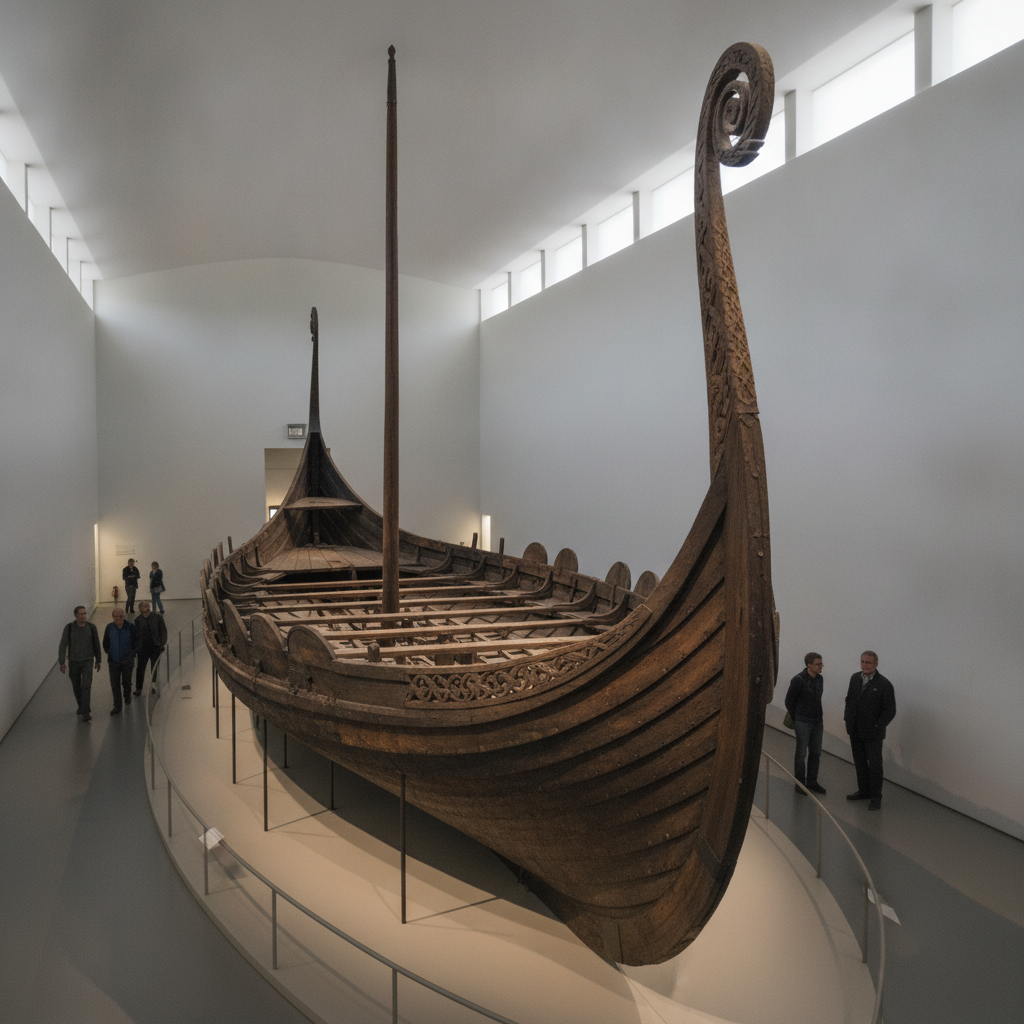
Die Halbinsel Bygdøy (erreichbar mit Bus 30 oder Fähre von Aker Brygge, Mai–September) konzentriert 5 große Museen in Gehweite – das Norwegische Schifffahrtsmuseum, das Wikingerschiffmuseum (Vikingskipshuset, 3 originale Wikingerschiffe aus dem 9. Jahrhundert: Oseberg, Gokstad und Tune, ¥120), das Kon-Tiki Museum (Thor Heyerdahls Pazifikfloßreise von 1947), das Fram-Museum (Roald Amundsens Polarschiffe) und das Norwegische Volksmuseum (Norsk Folkemuseum, 160 historische Gebäude, darunter eine Stabkirche, ¥180 Erwachsene).
- 4
Operndach – Oslos demokratischste Architektur
Das Osloer Opernhaus (Kirsten Flagstads Plass 1, Bjørvika, 2008, Architekten Snøhetta, Pritzker-Preis-Nominierung) besitzt ein schräges, weißes Marmordach, das bis auf Straßenniveau reicht und als begehbare Dachterrasse öffentlich zugänglich ist – das Dach (kostenloser Zugang, täglich von 6 bis 24 Uhr) ist Oslos meistbesuchter öffentlicher Raum; das Designprinzip des Opernhauses („das Gebäude zu den Menschen bringen“) ist der Ausgangspunkt für Oslos laufende Fjordbyen (Fjordstadt)-Ufererneuerung; der Blick vom Dachtop umfasst den Oslofjord, Aker Brygge und die Barcode-Entwicklung.
- 5
Oslofjord-Kajak – Paddeln durch die Geschichte der Stadt
Seekajakfahren im Oslofjord (Verleih bei Sjøsportsenteret, Bygdøy, ab NOK 450/Stunde) ermöglicht den Zugang zu den Inseln und der Küstenlinie des inneren Fjords vom Wasser aus – die Route von Aker Brygge nach Bygdøy (2 km, 30 Minuten) führt vorbei an der Festung Akershus (Burg aus dem 14. Jahrhundert, freier Eintritt), dem Opernhaus und mehreren historischen Kais; der äußere Fjord (Drøbak-Gebiet, 2 Stunden südlich mit dem Boot) hat Kelpwälder, Robben und die engste Stelle des Fjords, wo im April 1940 eine deutsche Seeschlacht stattfand.
- 6
Drøbak – Die Küstenstadt, die die Blücher versenkte
Drøbak (1 Stunde südlich von Oslo mit dem Boot oder Bus, die engste Überquerungsstelle des Oslofjords) ist berühmt für die Versenkung des deutschen Schweren Kreuzers Blücher am 9. April 1940 – die Festung Oscarsborg (auf einer Insel im engsten Teil des Fjords) feuerte ihre 28-cm-Krupp-Kanonen und Torpedorohre aus nächster Nähe auf die Blücher ab, versenkte das Schiff und verzögerte die deutsche Invasion Oslos um 5 Stunden, was König Haakon VII die Flucht mit der Regierung ermöglichte; das Oscarsborg-Museum (mit der Fähre von Drøbak aus erreichbar) erzählt die Geschichte.
Walk this route with audio
Stories play automatically as you reach each stop — no tapping needed.
Mehr in oslo
Wikingerschiffmuseum, Kon-Tiki & Bygdøy — Norwegens maritimes Erbe
Nordlichter (Aurora Borealis) & Oslo im Winter

Sámi-Kultur, Rentiere & Norwegens arktischer Norden
Norwegische Fjorde — Bergen, Flåm & Tagesausflüge von Oslo
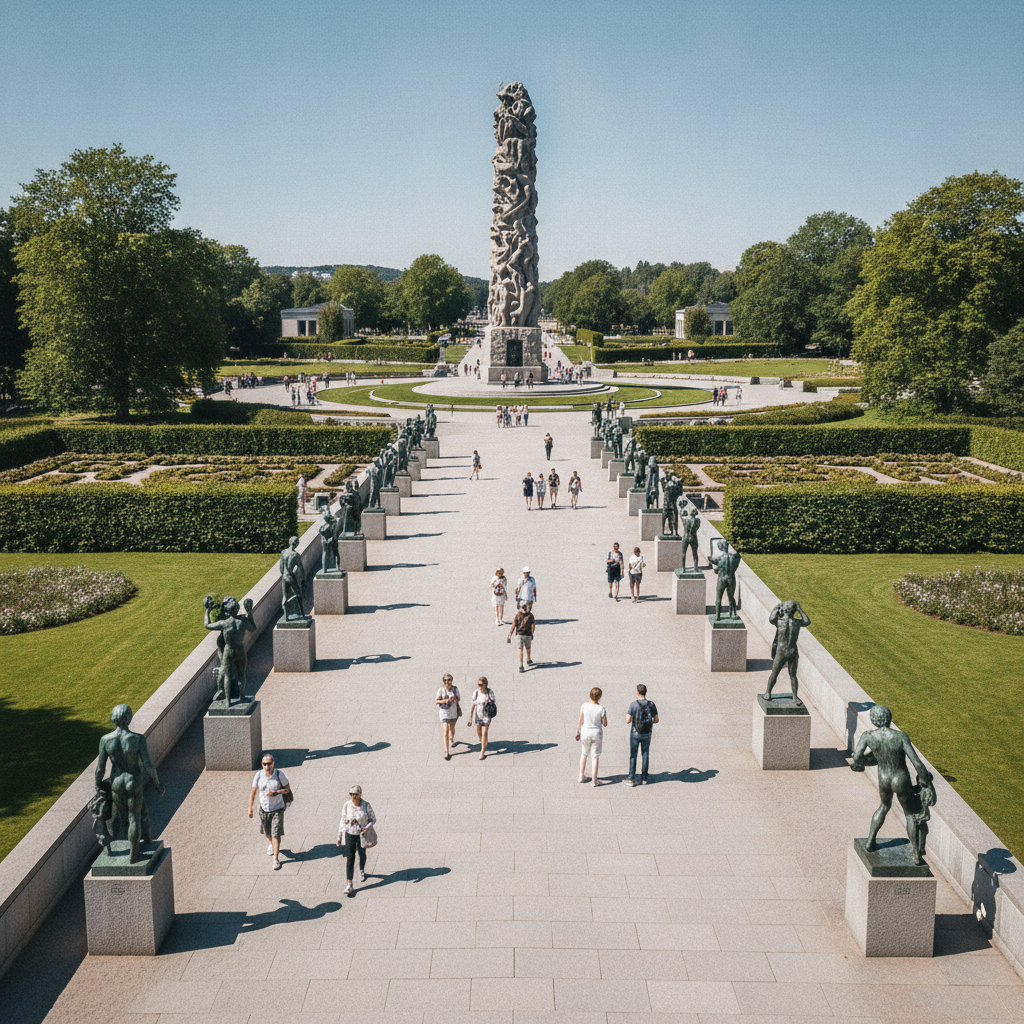
Vigeland Park, das Munch Museum & Oslos Weltklasse-Kunst