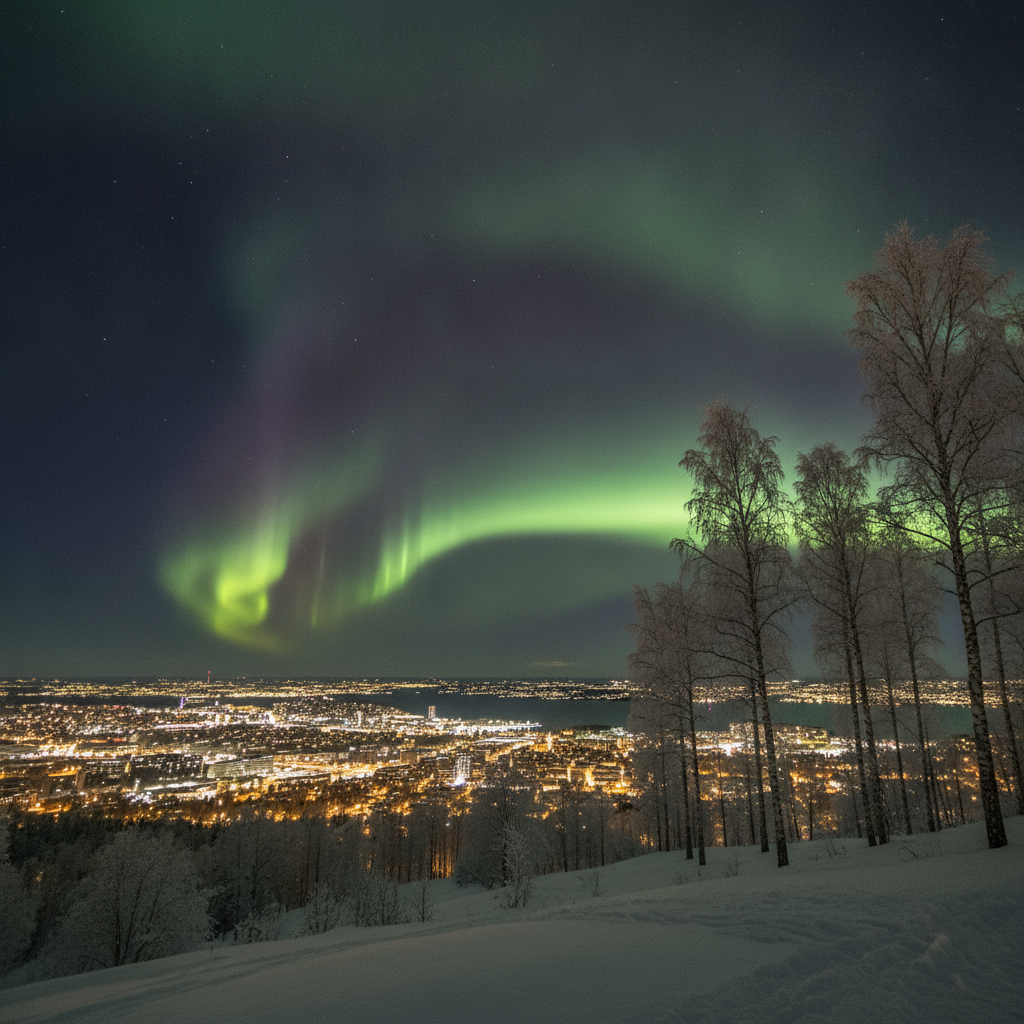
Nordlichter (Aurora Borealis) & Oslo im Winter
Oslo im Winter (November-März): Die norwegische Hauptstadt erlebt im Dezember etwa 6 Stunden Tageslicht, mit dem charakteristischen blauen Licht des nordischen Winternachmittags, den schneebedeckten bewaldeten Hügeln der Marka (dem riesigen Waldpark, der Oslo auf drei Seiten umgibt und etwa 1.700 km² bedeckt), dem Oslofjord, der den Winterhimmel widerspiegelt; die Nordlichter (Aurora Borealis – das atmosphärische Lichtphänomen, das durch geladene Teilchen der Sonne in Wechselwirkung mit dem Erdmagnetfeld verursacht wird, in Oslos Breite (59°N) an etwa 15-20 Nächten pro Jahr bei starker Sonnenaktivität sichtbar).
- 1
Aurora-Vorhersage – Den Kp-Index verstehen
Die Nordlichter (Aurora Borealis) entstehen durch Sonnenwindpartikel, die mit Sauerstoff und Stickstoff in der oberen Atmosphäre (100–300 km Höhe) kollidieren – die Sichtbarkeit von einem bestimmten Ort hängt vom Kp-Index ab (geomagnetische Sturmintensität, Skala 0–9): Oslo benötigt Kp 5+; Tromsø benötigt Kp 2; Spitzbergen kann Nordlichter sogar bei Kp 0 sehen; die Nordlichtvorhersage des Norwegischen Meteorologischen Instituts (met.no) bietet 3-Tages-Prognosen; die Wintersonnenwende (21. Dezember) bietet maximale Dunkelheit für die Nordlichtbeobachtung in Oslo.
- 2
Dunkle Himmelsorte in Tromsø – Wo man die Lichter sehen kann
Dunkle Himmelsorte bei Tromsø (4 spezifische Orte, die mit geführten Touren zugänglich sind): Kvaløya (die Insel westlich von Tromsø, 20 Minuten Fahrt von der Stadt, Küstenlage mit Bergkulisse und Meeresspiegelung); Svensby (Lyngenalpen-Gebiet, 60 Minuten von Tromsø, die dramatischste Bergkulisse, Fjord von unterhalb der Lichter sichtbar); Ersfjordbotn (30 Minuten, das beliebteste Tourziel für kürzere Ausflüge); und die Sami-Lagererlebnisse (Nordlichtbeobachtung bei heißem Kaffee in einem Lavvu-Zelt, Lyngen oder Sommarøy).
- 3
Polarnacht in Tromsø – Wenn die Sonne nicht aufgeht
Die Polarnacht (mørketid, dunkle Zeit) dauert in Tromsø vom 21. November bis zum 21. Januar – in diesem Zeitraum geht die Sonne nicht über den Horizont auf; der Himmel hellt sich mittags zu einer tiefblauen Dämmerung (blåtimen, die blaue Stunde, die 2–3 Stunden dauert) auf, die norwegische Fotografen als das schönste Licht des Jahres betrachten; das Polarnacht-Festival (Januar) feiert die Dunkelheit mit Kunstveranstaltungen, Konzerten und Outdoor-Aktivitäten; die Nordlichtbeobachtung ist während der Polarnacht am besten, da es 24 potenzielle dunkle Stunden gibt.
- 4
Lofoten-Inseln – Arktische Fjorde und Fischerdörfer
Die Lofoten-Inseln (68°N, erreichbar von Oslo mit dem Flug nach Bodø + Fähre, oder mit dem Nachtzug von Oslo nach Bodø + Fähre, insgesamt 10 Stunden) sind eine 160 km lange Kette dramatischer Berggipfel, die direkt aus der Norwegischen See aufragen – die traditionellen Rorbuer (rote Holzfischerhütten auf Stelzen über dem Wasser, jetzt Touristenunterkünfte, ab NOK 1.000/Nacht) in Henningsvær, Reine und Svolvær sind das prägende Bild der Lofoten; das weltweit größte Tiefseekorallenriff (Røst Reef) und Europas größte Winterheringswanderung machen die Lofoten zur artenreichsten arktischen Meeresumwelt.
- 5
Hundeschlittenfahren in Finnmark – 8 Stunden arktischer Stille
Hundeschlittenfahrten (Huskyschlittenfahrten, der traditionelle Transport der Samen und Norwegischen Arktis) sind von Kautokeino, Alta und Tromsø aus möglich – Tagesausflüge (NOK 2.500–4.500, 6–8 Stunden, einschließlich des Fahrens des eigenen Schlittens mit 6–8 Huskys) legen 40–60 km durch Birkenwälder und offene Tundra zurück; mehrtägige Touren (3–7 Tage, autarke Übernachtung im Camp) erreichen wirklich abgelegenes Gelände; die Hunde sind Sibirische oder Alaskanische Huskys, die ab einem Alter von 8 Wochen für die Teamarbeit trainiert werden; die Stille der Hundeschlittenfahrt (kein Motorenlärm, nur das Geräusch der Kufen auf dem Schnee und hechelnde Hunde) ist das prägende Erlebnis.
- 6
Eishotel-Konzepte in Norwegen – Iglu-Suiten über dem Polarkreis
Norwegen hat mehrere Eishotel-Konzepte, die von Dezember bis März betrieben werden: das Sorrisniva Igloo Hotel (Alta, das nördlichste Eishotel der Welt, 2000 eröffnet, jedes Jahr im Dezember aus dem Eis des örtlichen Alta-Flusses neu aufgebaut), das Kirkenes Snow Hotel (Kirkenes, Finnmark, nahe der russischen Grenze, angrenzend an den Pasvik-Fluss) und die verschiedenen Husky- und Rentier-Camp-Aurora-Erlebnisse in Tromsø, die Iglu-Schlafmöglichkeiten bieten; die Temperaturen in den Eishotels werden bei -4 bis -7°C gehalten; das Schlafen in arktischen Schlafsäcken auf Eisbetten ist das Erlebnis; die meisten Gäste berichten, aufgrund der konstanten Temperatur gut geschlafen zu haben.
Walk this route with audio
Stories play automatically as you reach each stop — no tapping needed.
Mehr in oslo
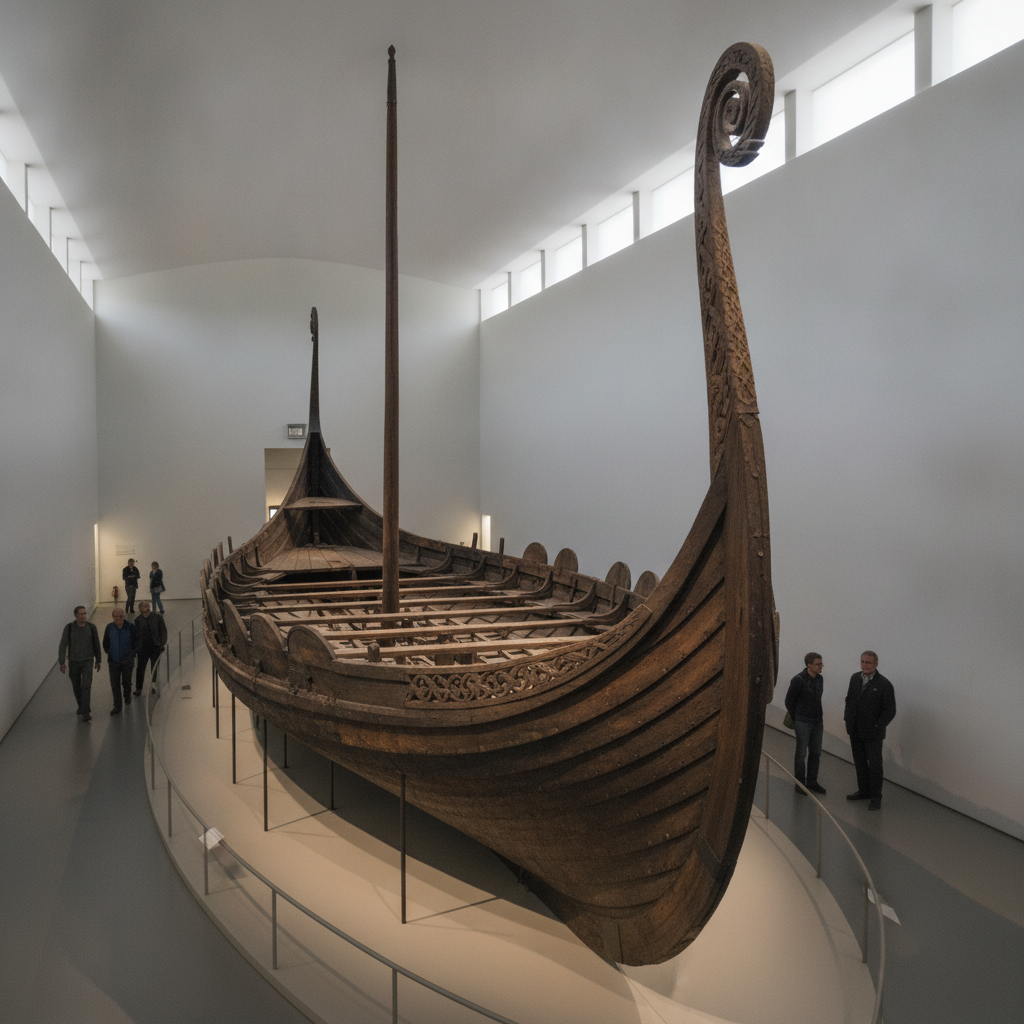
Wikingerschiffmuseum, Kon-Tiki & Bygdøy — Norwegens maritimes Erbe
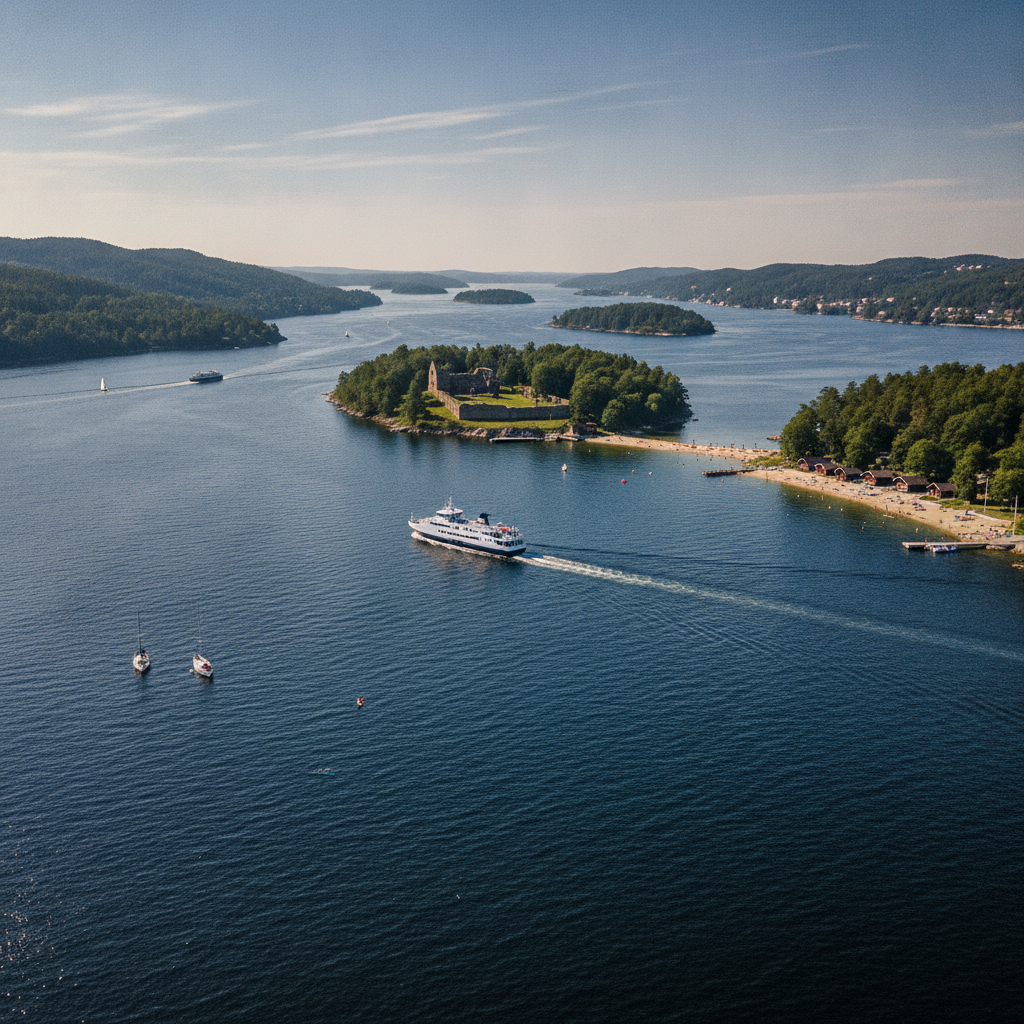
Oslofjord-Kreuzfahrt & die Fjordinseln
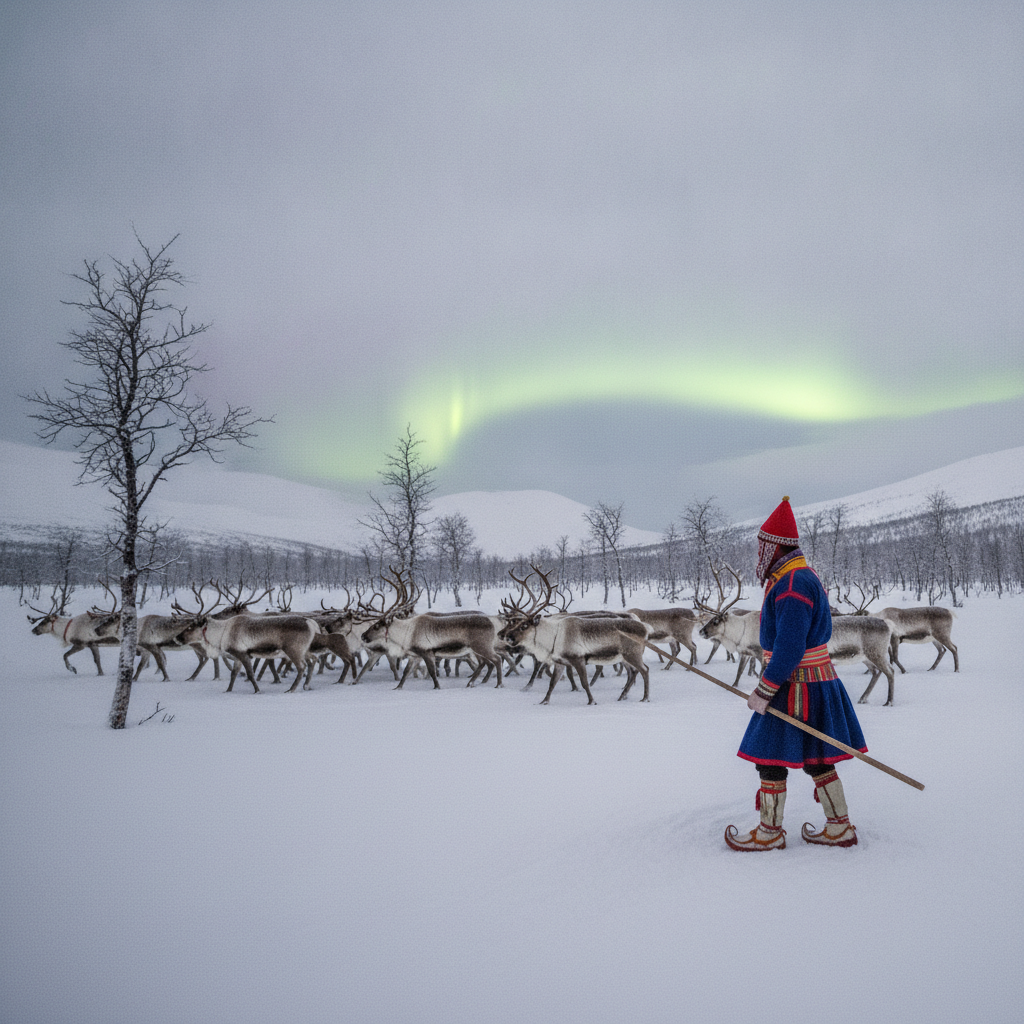
Sámi-Kultur, Rentiere & Norwegens arktischer Norden
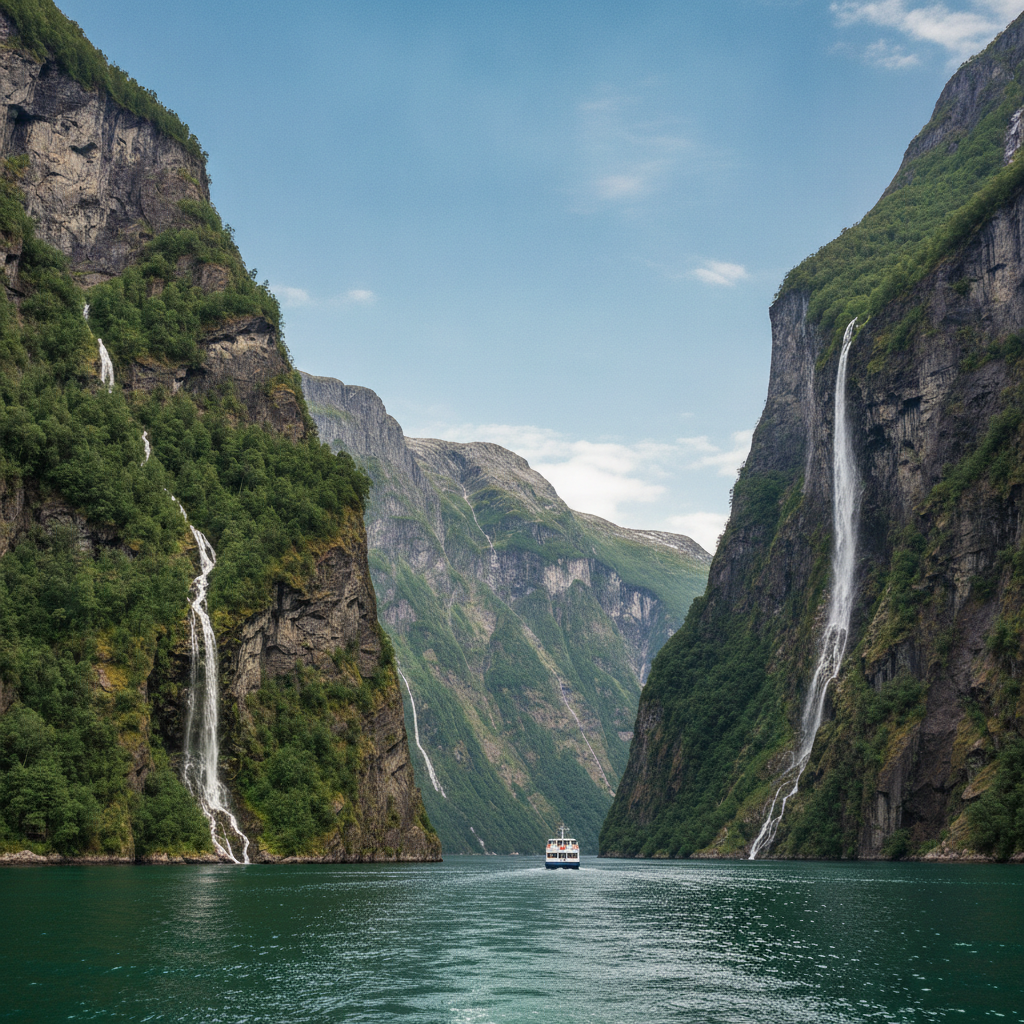
Norwegische Fjorde — Bergen, Flåm & Tagesausflüge von Oslo
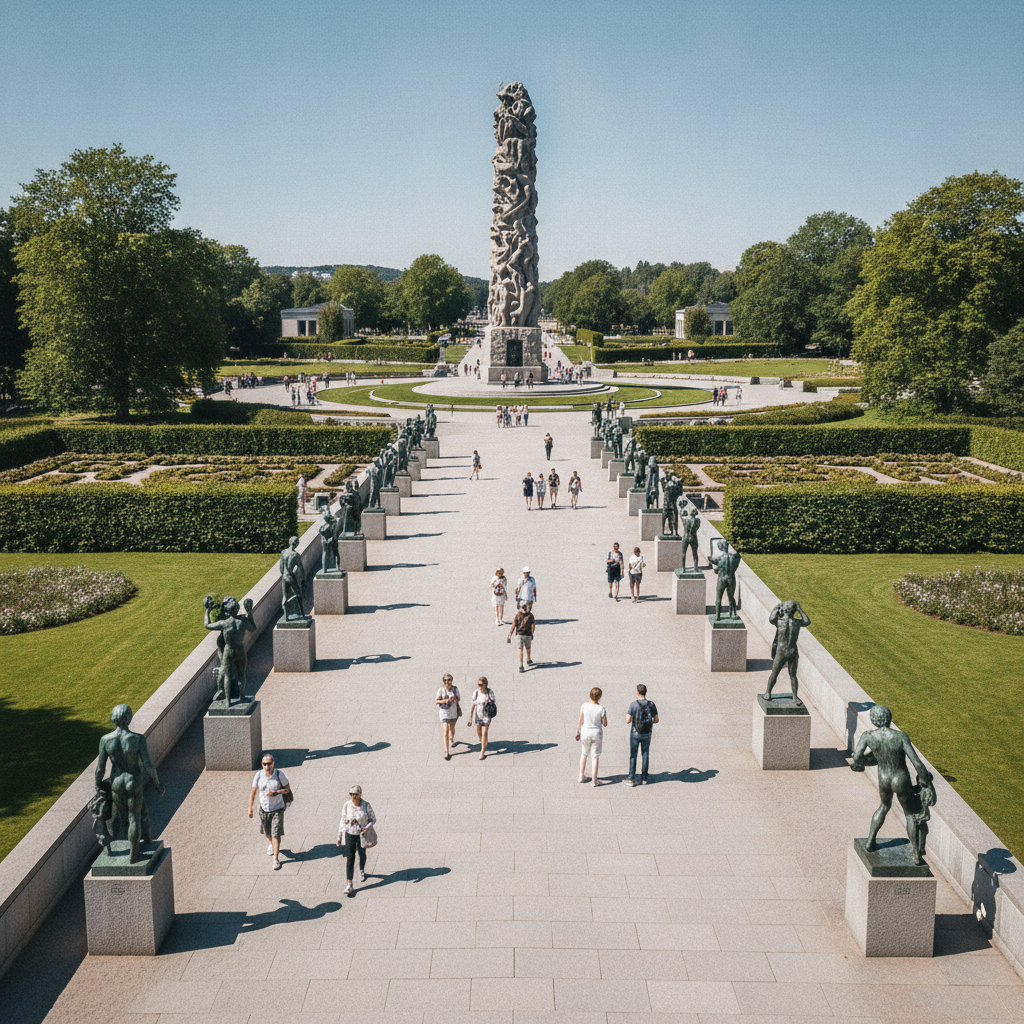
Vigeland Park, das Munch Museum & Oslos Weltklasse-Kunst