Sámi-Kultur, Rentiere & Norwegens arktischer Norden
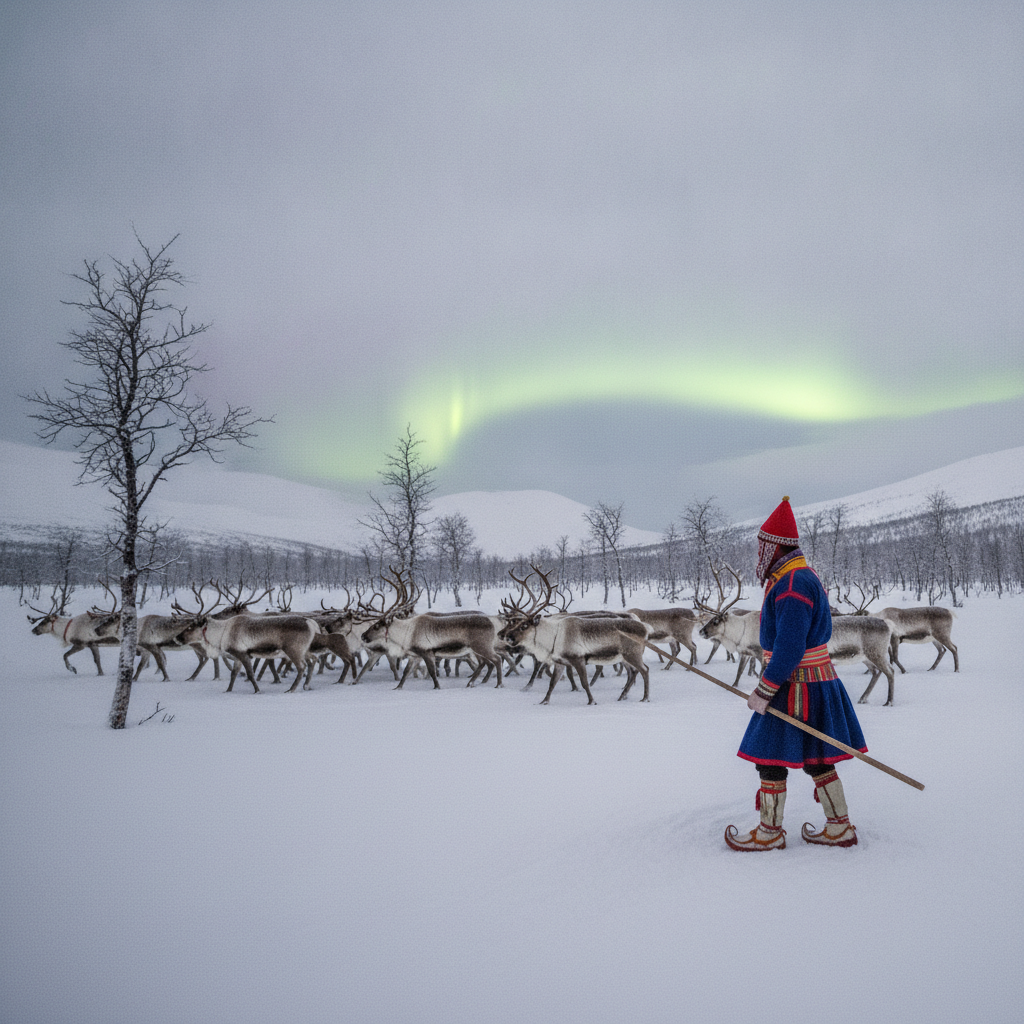
Das Sámi-Volk (die indigene Bevölkerung von Sápmi — dem traditionellen Heimatland, das das nördliche Norwegen (Finnmark), Nordschweden, Nordfinnland und die Kola-Halbinsel in Russland umfasst) ist Norwegens einziges anerkanntes indigenes Volk, mit einer eigenen Sprache (die Sámi-Sprachen sind eine Gruppe uralischer Sprachen, die nicht mit dem Norwegischen verwandt sind), Kultur und traditionellen Lebensweise (Rentierzucht): die Sámi-Kulturpräsenz in Oslo (das Sámi-Kulturzentrum, das Sámi-Parlament (Sametinget — tagt in Karasjok, Finnmark, aber mit Büros in Oslo) und die Sámi-Ausstellung im Nordisk museet in Stockholm) bietet eine Einführung in das arktische Norwegen und die Sámi-Welt.
- 1
Sámi-Parlament — Norwegens indigene Selbstverwaltung
Das Sámediggi (Sámi-Parlament Norwegens, Kárášjohka/Karasjok, Finnmark, 1989, das politische Gremium des Sámi-Volkes, 39 gewählte Vertreter) repräsentiert Norwegens 40.000–65.000 Sámi — das Sámi-Kulturzentrum (Ája, Karasjok) beherbergt die Bibliothek und Archive des Sámi-Parlaments; die Sprache (Nord-Sámi, die meistgesprochene der 9 Sámi-Sprachen, 20.000 Sprecher) ist in 6 norwegischen Gemeinden kooffiziell; Sámi-Ortsnamen sind in Sámi-Territorien gesetzlich neben norwegischen Namen vorgeschrieben.
- 2
Rentierzucht — Die saisonale Wanderung der Sámi
Die Rentierzucht (siida, die familiäre Genossenschaftseinheit der Sámi-Hirten-Tradition) umfasst die zweimal jährliche Migration der Herden zwischen Sommerweiden (küstennahen Hochland) und Winterweiden (Waldgebieten) — etwa 500 Sámi-Familien praktizieren noch immer Rentierzucht in Norwegen (mit 250.000 Tieren); der Rentier-Zusammentrieb (Herbst, Ohrmarkierung von Kälbern und Schlachtung überschüssiger Tiere) ist der Höhepunkt des Hirtenjahres; touristische 'Rentier-Erlebnisse' werden von Tromsø (90 min von Oslo mit dem Flugzeug) und Kautokeino aus angeboten und umfassen Schlittenfahrten und die Möglichkeit, Rentiere zu füttern.
- 3
Nordlichter über Oslo — Herbst- und Winterphänomen
Die Nordlichter (Aurora Borealis) sind von Oslo aus in Jahren hoher Sonnenaktivität (der aktuelle Sonnenzyklus 25, 2019–2030, Höhepunkt 2025) sichtbar, wenn magnetische Stürme stark genug sind, um die Aurora auf 59°N Breite (Oslos Breite) zu drücken — die beste Sicht von Oslo aus hat man vom Ekebergsletta-Plateau (20 Minuten mit der Straßenbahn) in klaren Nächten von Oktober bis März; zuverlässiger sind die Lichter von Tromsø (69°N, erreichbar mit einem 90-minütigen Flug), Alta (70°N) und den Lofoten sichtbar, die die dramatischste Landschaftskulisse bieten.
- 4
Sámi-Handwerk — Duodji als kulturelle Identität
Duodji (traditionelles Sámi-Handwerk — Messerherstellung mit Geweih- und Holzgriffen, Lederarbeiten, Perlenarbeiten und Textilweberei mit Mustern, die für verschiedene Sámi-Gruppen spezifisch sind) ist der materielle Ausdruck der Sámi-Identität — die Unterscheidung zwischen Duodji (authentische Sámi-Arbeit, mit nachvollziehbarem Hersteller und Herkunft) und Souvenir-Imitationen ist durch norwegisches Recht geschützt; die Juhls Silver Gallery (Kautokeino, Gründer Finland Juhls und Regine Juhls, 1959) ist das international anerkannte Zentrum für zeitgenössische Sámi-Kunst und -Schmuck; in Oslo verkauft der Sámi-Laden in Aker Brygge zertifiziertes Duodji.
- 5
Tromsø — Das Tor zur Arktis
Tromsø (69°39'N, 90 Flugminuten von Oslo, die größte norwegische Stadt oberhalb des Polarkreises, 'das Paris des Nordens', Bevölkerung 75.000) ist die primäre Basis für den Arktis-Tourismus — die Nordlicht-Safari (Oktober–März, NOK 1.500–3.000, Minibus zu Dark-Sky-Orten außerhalb der Stadt), das Polarmuseum (Polarmuseet, NOK 75, das den Walfang auf Spitzbergen und Amundsens Expeditionen dokumentiert) und die Seilbahn (Fjellheisen, NOK 190 Hin- und Rückfahrt, 4 Minuten zum 421m hohen Gipfelblick) sind die drei wesentlichen Tromsø-Erlebnisse; Durchschnittstemperatur im Januar: −4.4°C.
- 6
Svalbard — Wilde Arktis 2,5 Stunden von Oslo
Svalbard (78°N, norwegischer Arktis-Archipel, erreichbar mit Norwegian Air von Oslo Gardermoen, 2h 40min, ab NOK 700 einfache Fahrt) ist das wildeste zugängliche Arktis-Reiseziel der Welt — Longyearbyen (die Hauptsiedlung, die nördlichste Siedlung der Welt mit über 1.000 Einwohnern) hat Eisbären, Polarfüchse, Rentiere und Walrosse außerhalb der Stadtgrenze; es ist gesetzlich vorgeschrieben, eine Waffe mitzuführen, wenn man die Stadt wegen des Eisbärrisikos verlässt; Mitternachtssonne (April–August), Polarnacht (November–Januar); Schneemobil-Safaris (NOK 2.500/Tag) und Hundeschlittenfahrten verfügbar.
Walk this route with audio
Stories play automatically as you reach each stop — no tapping needed.
Mehr in oslo
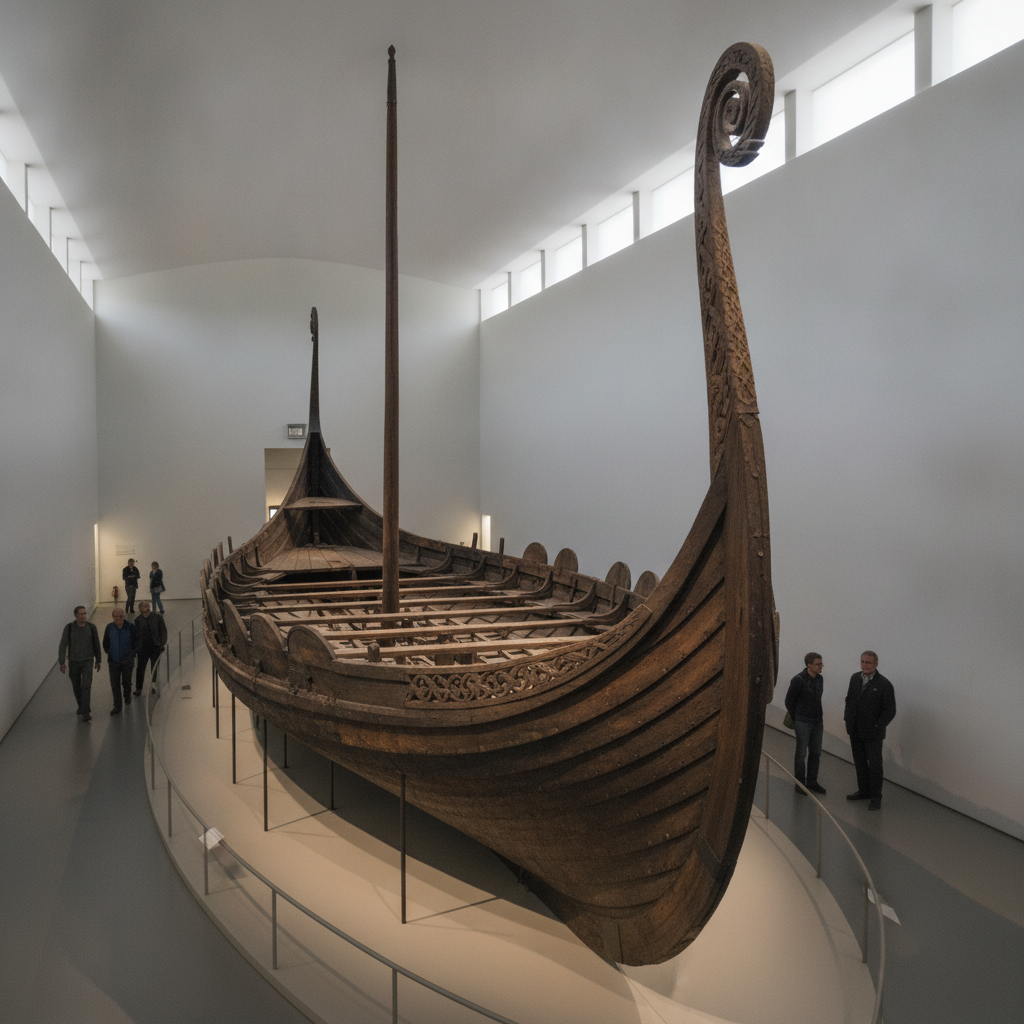
Wikingerschiffmuseum, Kon-Tiki & Bygdøy — Norwegens maritimes Erbe
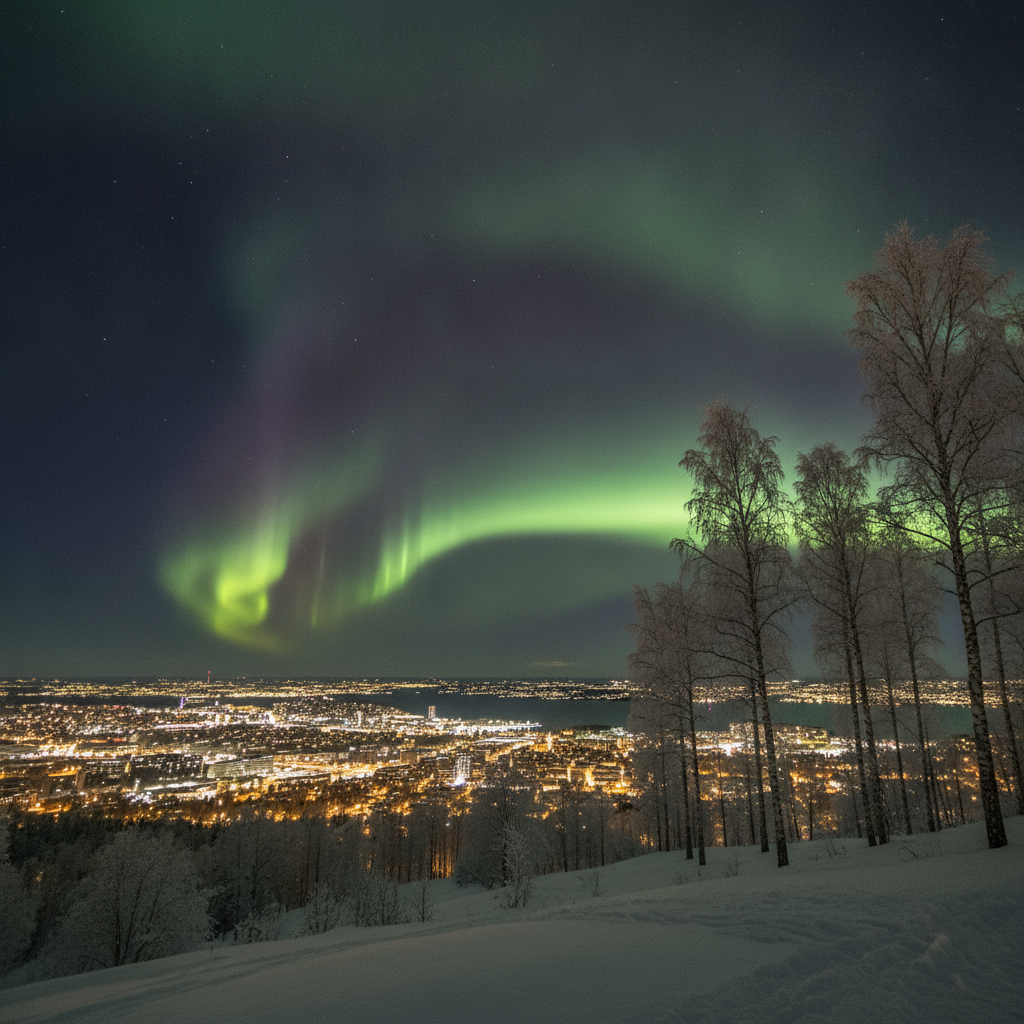
Nordlichter (Aurora Borealis) & Oslo im Winter
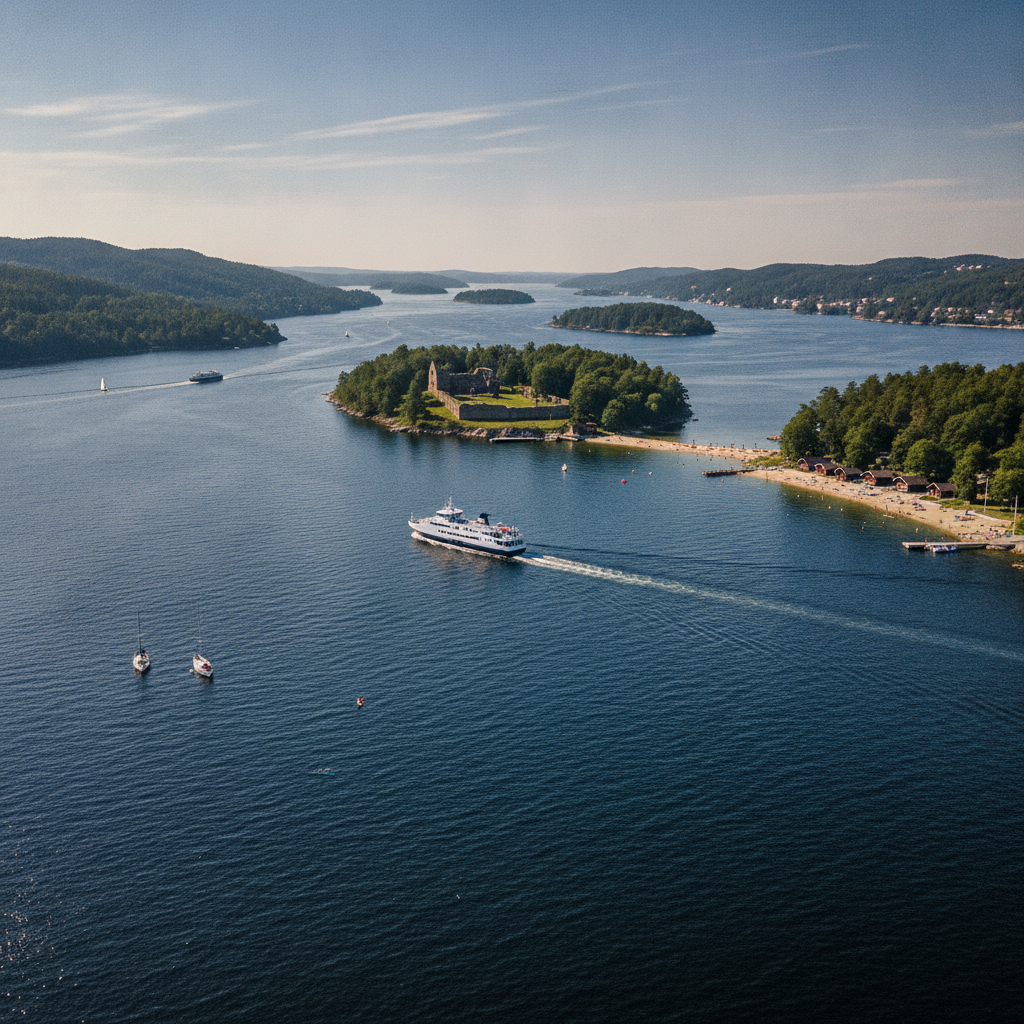
Oslofjord-Kreuzfahrt & die Fjordinseln
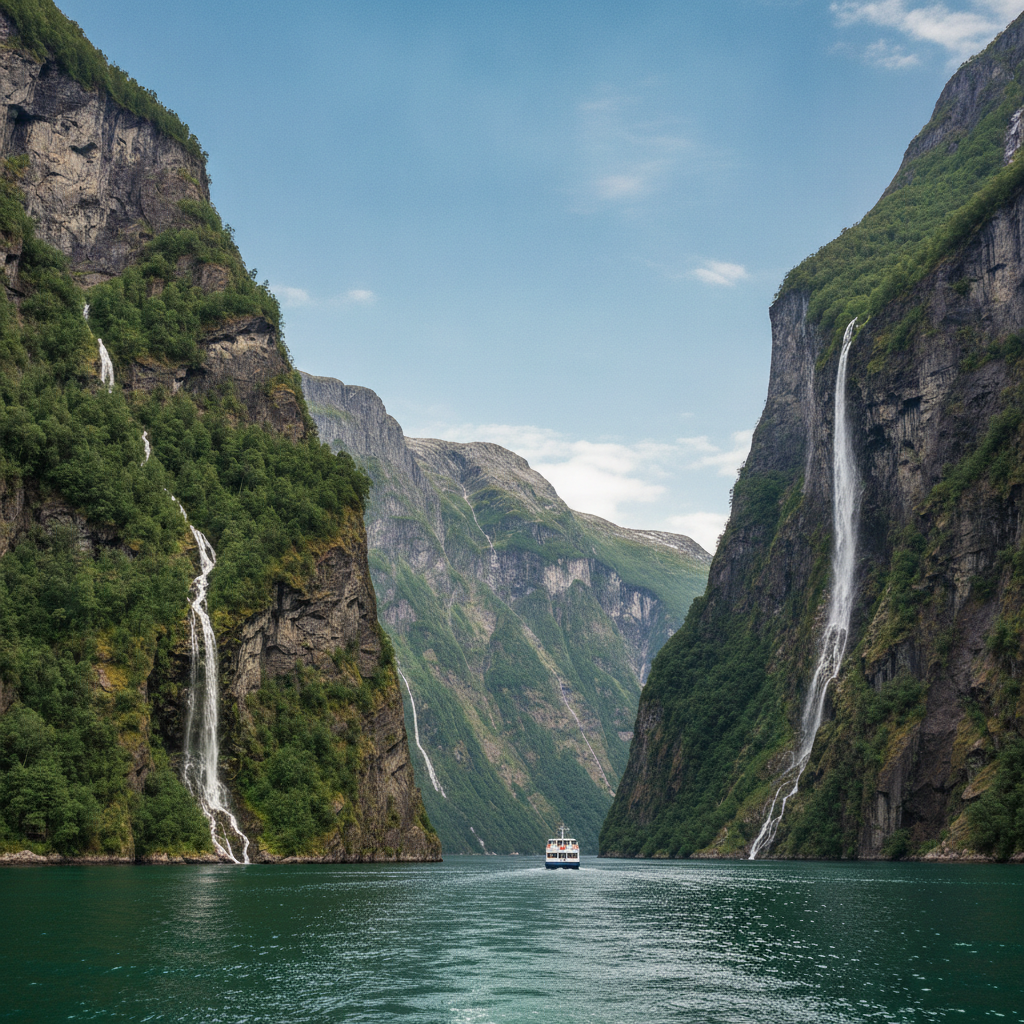
Norwegische Fjorde — Bergen, Flåm & Tagesausflüge von Oslo
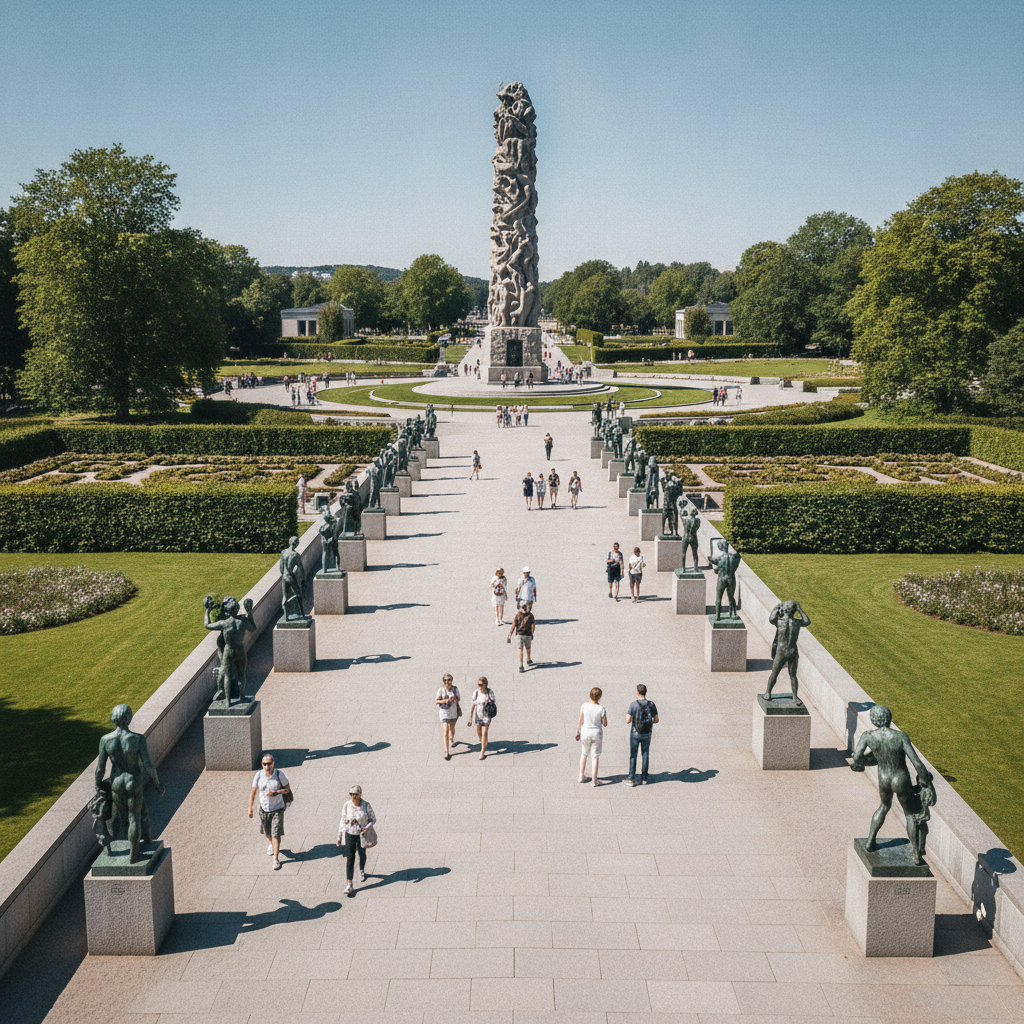
Vigeland Park, das Munch Museum & Oslos Weltklasse-Kunst