La Kalsa — Das Araberviertel und Palermos historischstes Viertel
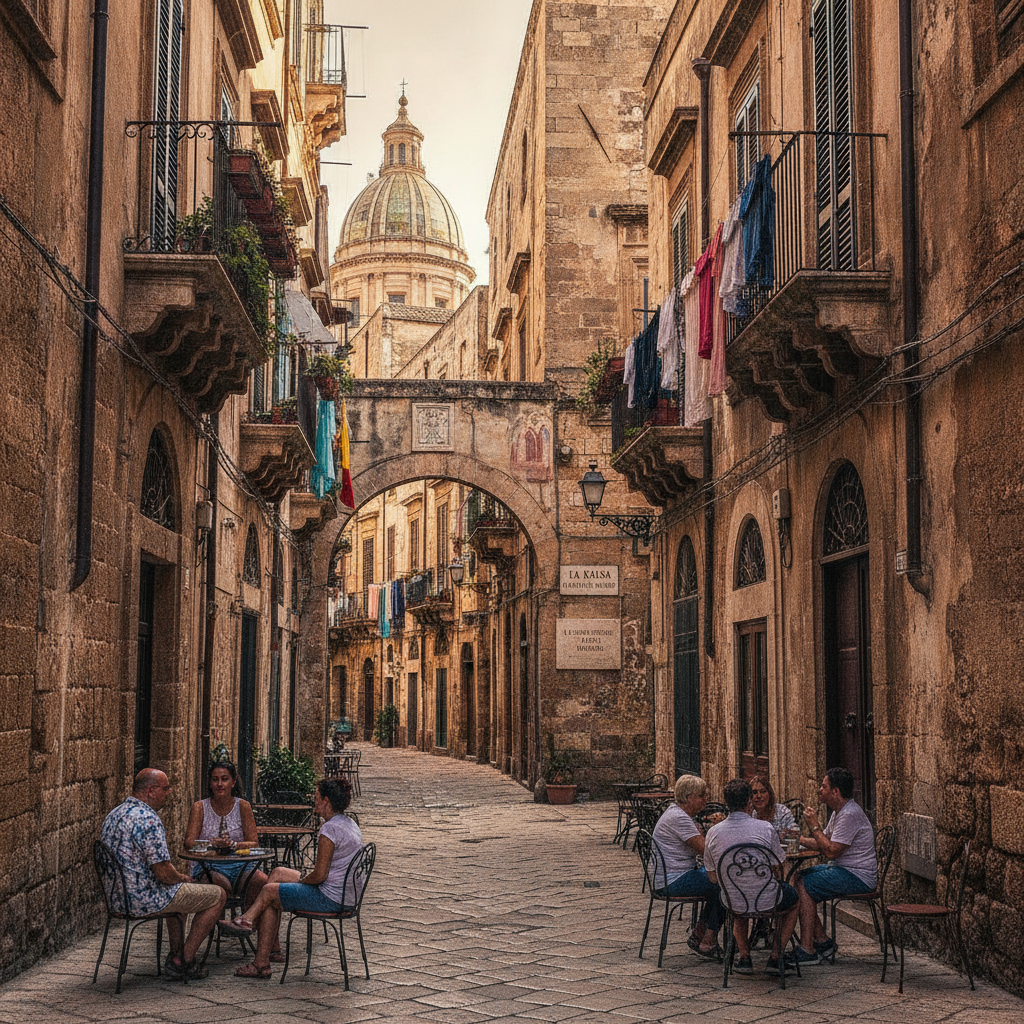
La Kalsa (die „al-Khalisa“ – der arabische Name für den „erwählten Ort“, das exklusive Viertel des Palastes des arabischen Emirs im Emirat Palermo des 9.-10. Jahrhunderts, anschließend das am dichtesten besiedelte Viertel der normannischen Stadt und das am stärksten bombardierte Viertel bei der alliierten Bombardierung von 1943) ist das historisch vielschichtigste Viertel Palermos, das Viertel, in dem die arabischen Paläste, die normannischen Kirchen, die Barockoratorien und der Wiederaufbau nach dem Krieg in der dramatischsten und stimmungsvollsten Straßenszene Siziliens koexistieren.
- 1
La Kalsa — Das Araberviertel, das Palermo definiert
La Kalsa (vom arabischen Al-Khalisa, „die Reine“, der 937 n. Chr. gegründete fatimidische arabische Verwaltungsbezirk) ist Palermos historisch vielschichtigstes Viertel – nach arabischer, normannischer, aragonesischer und Bourbonenherrschaft wurde der Bezirk 1943 bei alliierten Angriffen im Zweiten Weltkrieg schwer bombardiert und blieb bis in die 1990er Jahre teilweise in Ruinen liegen; die Ruinen sind heute in die Ästhetik des Viertels integriert (absichtlich erhaltene Abschnitte bombenbeschädigter Gebäude, wilde Pflanzen, die aus Wänden wachsen); die Piazza della Kalsa und die Via Alloro sind die Hauptstraßen.
- 2
Galleria Regionale della Sicilia — Die Antonello da Messina Sammlung
Die Galleria Regionale della Sicilia (Palazzo Abatellis, Via Alloro 4, Kalsa, Palast aus dem 15. Jahrhundert, der schönste erhaltene säkulare normannisch-aragonesische Palast in Palermo, 6 € Eintritt) beherbergt Siziliens wichtigste Kunstsammlung – der Triumph des Todes (Fresco aus dem 15. Jahrhundert, vom Palazzo Sclafani hierher verlegt, das den Tod als reitendes Skelett darstellt, das durch eine Menschenmenge reitet, das beunruhigendste und größte gotische Werk Italiens) und 5 Gemälde von Antonello da Messina (1430–1479, der erste italienische Maler, der die flämische Öltechnik beherrschte) sind die Hauptwerke.
- 3
Palazzo Chiaramonte-Steri — Das Inquisitionsgefängnis
Der Palazzo Chiaramonte-Steri (Piazza Marina, Kalsa, 1307, heute Rektorat der Universität Palermo) ist das historisch beunruhigendste Gebäude in Palermo – von 1605 bis 1782 diente er als Hauptquartier der spanischen Inquisition in Sizilien; die Gefängniszellen (Erdgeschoss, nur mit Führung zugänglich, 5 €) enthalten die Graffiti, Zeichnungen und Texte, die von Gefangenen hinterlassen wurden, einige über ihre 20-30 Jahre dauernden Inhaftierungen; die Inschriften (auf Italienisch, Spanisch, Hebräisch und Arabisch) umfassen Gebete, Kalender und die intimsten erhaltenen persönlichen Dokumente der Inquisition.
- 4
Piazza Marina — Ficus-Bäume und der Mafia-Mythos
Die Piazza Marina (Kalsa, der zentrale Platz des Uferbereichs) ist berühmt für ihre riesigen Ficus macrophylla Bäume (Moreton Bay Feigen aus Australien, in den 1860er Jahren gepflanzt, mit 20 m breiten Luftwurzelsystemen, die schattige Grotten bilden) und für ihre Verbindung mit der Geschichte der Mafia von Palermo – der Palazzo Chiaramonte-Steri (nebenan) war der Ort, an dem im 19. Jahrhundert Mafia-Prozesse stattfanden; die Bars um den Platz servieren die günstigste Granita al caffè in Palermo (1,20 € mit Brioche).
- 5
Kalsa Street Art — Palermos Outdoor-Galerie
Seit der Manifesta European Art Biennial 2012 (die in Palermos verlassenen Lagerhallen und öffentlichen Räumen stattfand) hat das Viertel Kalsa eine der dichtesten Konzentrationen von Street Art in Süditalien angesammelt – das Laboratorio Zen (Gemeinschaftskunstzentrum), die Wände der Via Lincoln und das ehemalige Cantieri Culturali della Zisa (verlassene Werft, die heute als Kunstort genutzt wird) sind die Hauptstandorte; die sizilianischen Künstler Alessandro Bazan und Fulvio Di Piazza tragen dauerhafte Werke bei; die Associazione Culturale A Putia organisiert Spaziergänge.
- 6
Mercato del Capo — Der lebendige Straßenmarkt
Der Mercato del Capo (Via Porta Carini und Umgebung, Stadtteil Capo angrenzend an Kalsa, täglicher Morgenmarkt, der älteste durchgehend betriebene Straßenmarkt in Palermo) ist Palermos theatralischster Lebensmittelmarkt – die Fischhändler (die eine Call-and-Response-Gesangstechnik namens Abbanniata verwenden, um ihre Produkte anzupreisen, eine seit der arabischen Zeit dokumentierte Tradition) machen den Markt zu einem auditiven wie visuellen Erlebnis; das Street Food (Panelle Fritte – Kichererbsenküchlein, 0,50 €; Stigghiola – gegrillte Lamminnereien am Spieß, 1,50 €; Pane con la Milza – Milzsandwich, 2,50 €) definiert das Palermo-Straßenessen.
Walk this route with audio
Stories play automatically as you reach each stop — no tapping needed.
Mehr in palermo
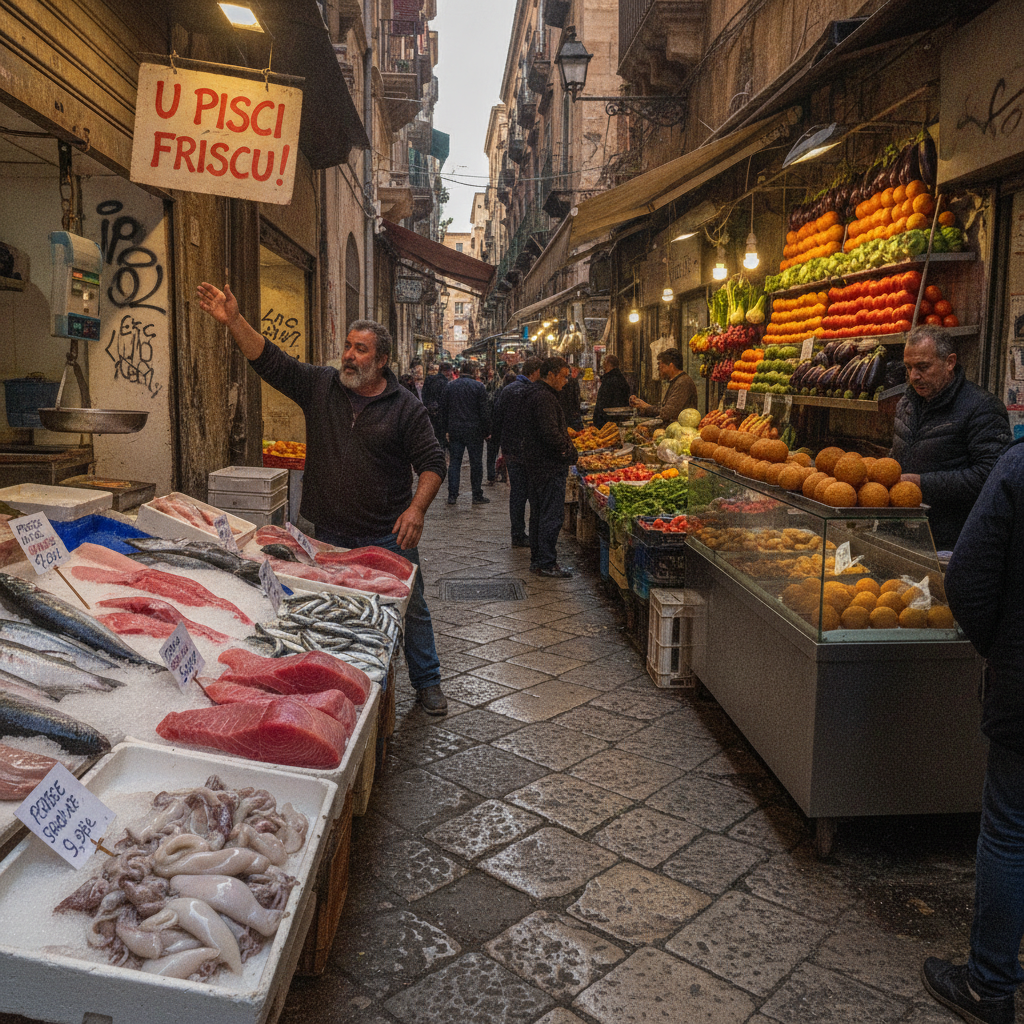
Palermo Street Food, Capo Markt & die sizilianische Gastronomische Tradition
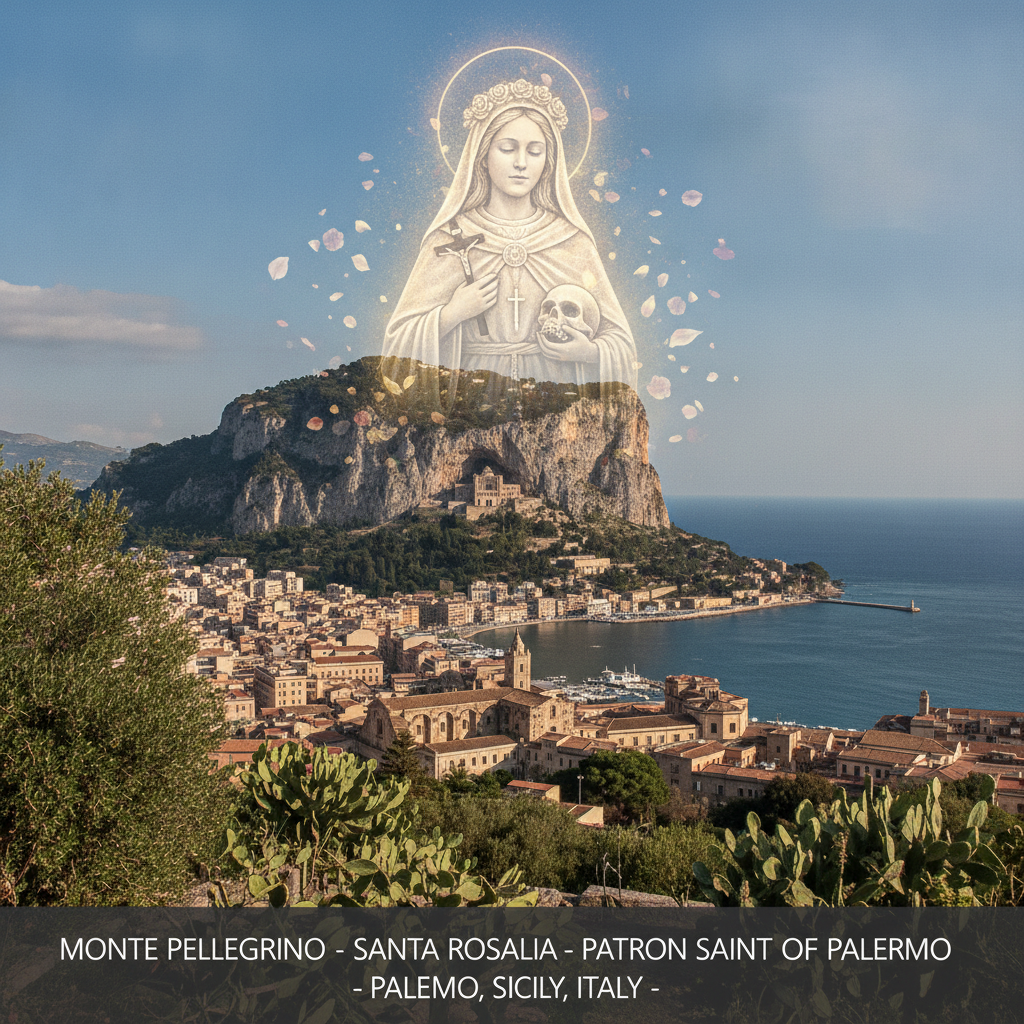
Monte Pellegrino, Santa Rosalia & die Schutzpatronin von Palermo
Cefalù — Normannendom, Strand & die perfekte sizilianische Stadt
Quattro Canti, barockes Palermo und das Erbe der spanischen Vizekönigsherrschaft
Arabisch-normannisches Palermo, Palatinische Kapelle & UNESCO-Welterbe Sizilien