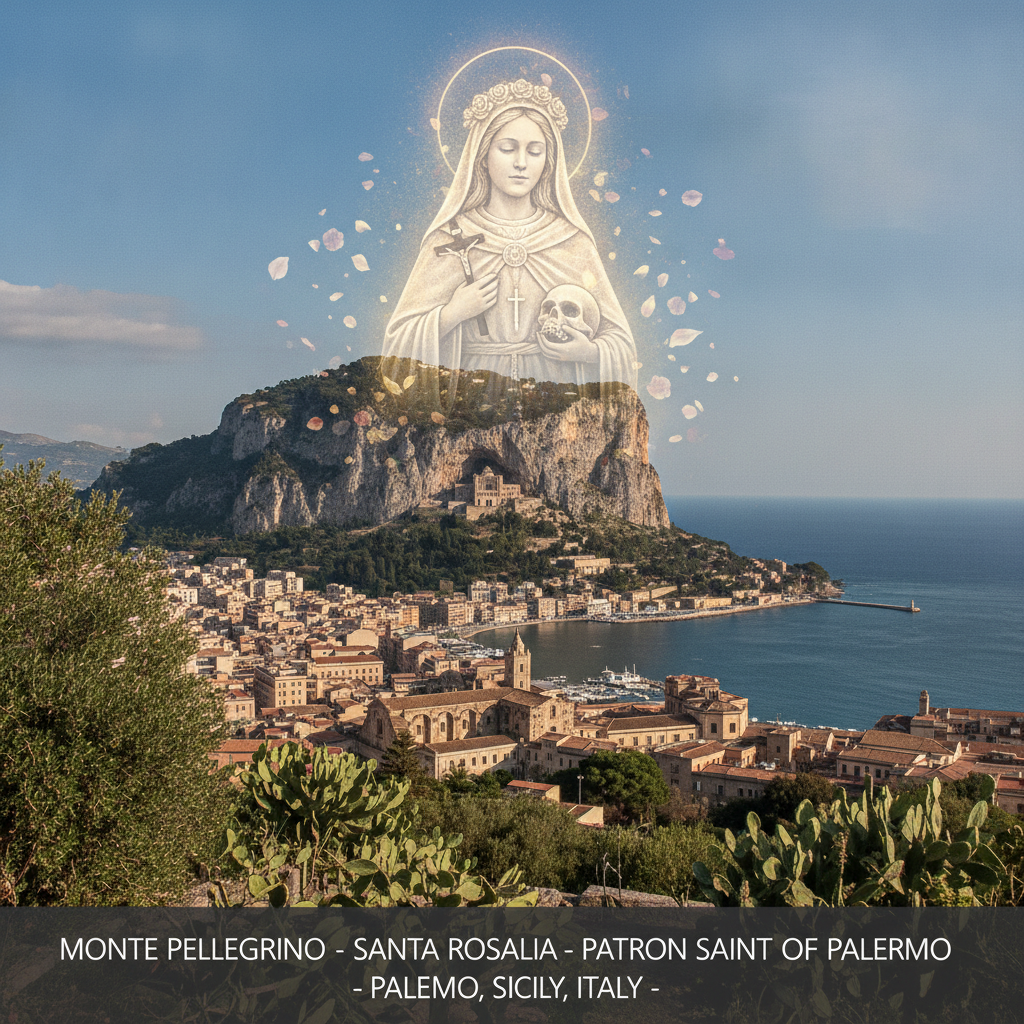
Monte Pellegrino, Santa Rosalia & die Schutzpatronin von Palermo
Der Monte Pellegrino (der 'Pilgerberg' – die 600 Meter hohe Kalksteinhalbinsel, die am nördlichen Rand Palermos ins Tyrrhenische Meer ragt und vom deutschen Schriftsteller Goethe als 'das schönste Vorgebirge der Welt' beschrieben wurde) ist das dominierende Naturwahrzeichen Palermos und der Ort des Santuario di Santa Rosalia (des Heiligtums in der Höhle, in die sich die Schutzpatronin Palermos, Santa Rosalia (1130-ca. 1170), im 12. Jahrhundert als Einsiedlerin zurückzog – die Heilige, deren 1625 gefundene Reliquien dem Ende der Pestepidemie zugeschrieben wurden, die die Menschen Palermos tötete).
- 1
Monte Pellegrino – Goethes 'Schönstes Kap der Welt'
Monte Pellegrino (606m, das Kalksteinmassiv nördlich von Palermo, erreichbar mit dem Bus von der Piazza Politeama oder über einen 3-stündigen Wanderweg vom Hafen) wurde von Goethe in seiner Italienischen Reise (1787) als 'das schönste Kap der Welt' beschrieben – der Berg erhebt sich auf der Nordseite senkrecht aus dem Tyrrhenischen Meer und fällt durch Buschland zum nördlichen Rand der Conca d'Oro (der fruchtbaren Ebene Palermos) im Süden ab; das Panorama vom Gipfel (kostenlos, täglich) umfasst den gesamten Golf von Palermo vom Flughafen Punta Raisi bis Capo Zafferano.
- 2
Santuario di Santa Rosalia – Die Höhle der Schutzpatronin
Das Heiligtum der Santa Rosalia (Gipfel des Monte Pellegrino, 12. Jahrhundert, erbaut in der Höhle, in der die Heilige als Einsiedlerin gelebt haben soll, dann nach dem Fund ihrer sterblichen Überreste im Jahr 1624 in eine Kapelle umgewandelt) ist der wichtigste Wallfahrtsort Siziliens – Santa Rosalia (1130–1166, eine normannische Adlige, die eine christliche Einsiedlerin wurde) wird zugeschrieben, die Pestepidemie von 1625 in Palermo beendet zu haben; die Höhle des Heiligtums (kostenlos, innen täglich 7am–12pm und 3pm–6pm) hat natürlich vorkommende Mineralquellen, die von der Höhlendecke tropfen (von Pilgern in Silbergefäßen gesammelt).
- 3
Fest der Santa Rosalia – Parade vom 15. Juli
Das Festino di Santa Rosalia (jährlich am 15. Juli, das zentrale Ereignis des bürgerlichen Jahres Palermos) erinnert an die Prozession von 1625, die die Reliquien der Heiligen vom Monte Pellegrino durch Palermo brachte, was nach Ansicht der Palermitaner die Pest beendete – die Parade (der Carro di Santa Rosalia, ein 15m hohes barockes Prozessionsfloß mit einem Orchester und Sängern, das von Traktoren durch das historische Zentrum gezogen wird) zieht 1 Million Menschen auf die Straßen; das Feuerwerk über dem Hafen (Mitternacht) ist das größte in Süditalien.
- 4
Riserva Naturale di Monte Pellegrino – Wildtiere über der Stadt
Das Naturschutzgebiet Monte Pellegrino (1993, das Gebiet um den Berg, 1.050 Hektar) bietet Lebensraum für Wanderfalken (die in den Kalksteinfelsen nisten), mediterrane Felseneidechsen und sizilianische Mauereidechsen (die nirgendwo sonst auf der Welt vorkommen); der Kalksteinkarst enthält über 40 dokumentierte Höhlen (einige mit prähistorischen Höhlenmalereien); der Wanderweg von der Addaura-Küste (wo 1953 10.000 Jahre alte Bronzezeit-Gravuren gefunden wurden) zum Gipfel kombiniert Archäologie und Naturgeschichte; Wanderkarten im Besucherzentrum am Fuße des Berges.
- 5
Addaura-Höhlen – Prähistorische Kunst über Palermo
Die Addaura-Höhlen (Punta dell'Addaura, die nördliche Seeklippenwand des Monte Pellegrino, erreichbar mit dem Bus nach Mondello und dann zu Fuß entlang der Küste nach Norden) enthalten die wichtigsten prähistorischen Gravuren Siziliens – die Addaura-Gravuren (ca. 10.000 v. Chr., 1953 von einem lokalen Fischer entdeckt) zeigen tanzende menschliche Figuren, Tiere und eine einzigartige Szene, die als rituelle Aufführung oder Opfer interpretiert wird; die Höhlen sind für Besucher geschlossen (die Originale sind vor Verfall geschützt), aber eine detaillierte Reproduktion ist im Museo Archeologico Regionale di Palermo ausgestellt.
- 6
Mondello Beach – Palermos Belle Époque Badeort
Mondello (7km nördlich von Palermo, erreichbar mit dem Bus von der Piazza Politeama) ist Siziliens berühmtester Badeort – der Strandpavillon im Liberty-Stil (italienischer Jugendstil) (1913, das Stabilimento Balneare, jetzt ein Restaurant), die geschwungene Sandbucht (1.5km, umgeben von Monte Pellegrino und Monte Gallo) und die Fischrestaurants am kleinen Hafen (gefüllter Schwertfisch, Gamberi Rossi/rote Garnelen, Seeigel-Pasta) machen es sowohl zu einem Strand- als auch zu einem Essensziel; der Strand ist im Juli–August überfüllt (12–25€ für einen Strandstuhl und Sonnenschirm) und von September–Juni leer.
Walk this route with audio
Stories play automatically as you reach each stop — no tapping needed.
Mehr in palermo
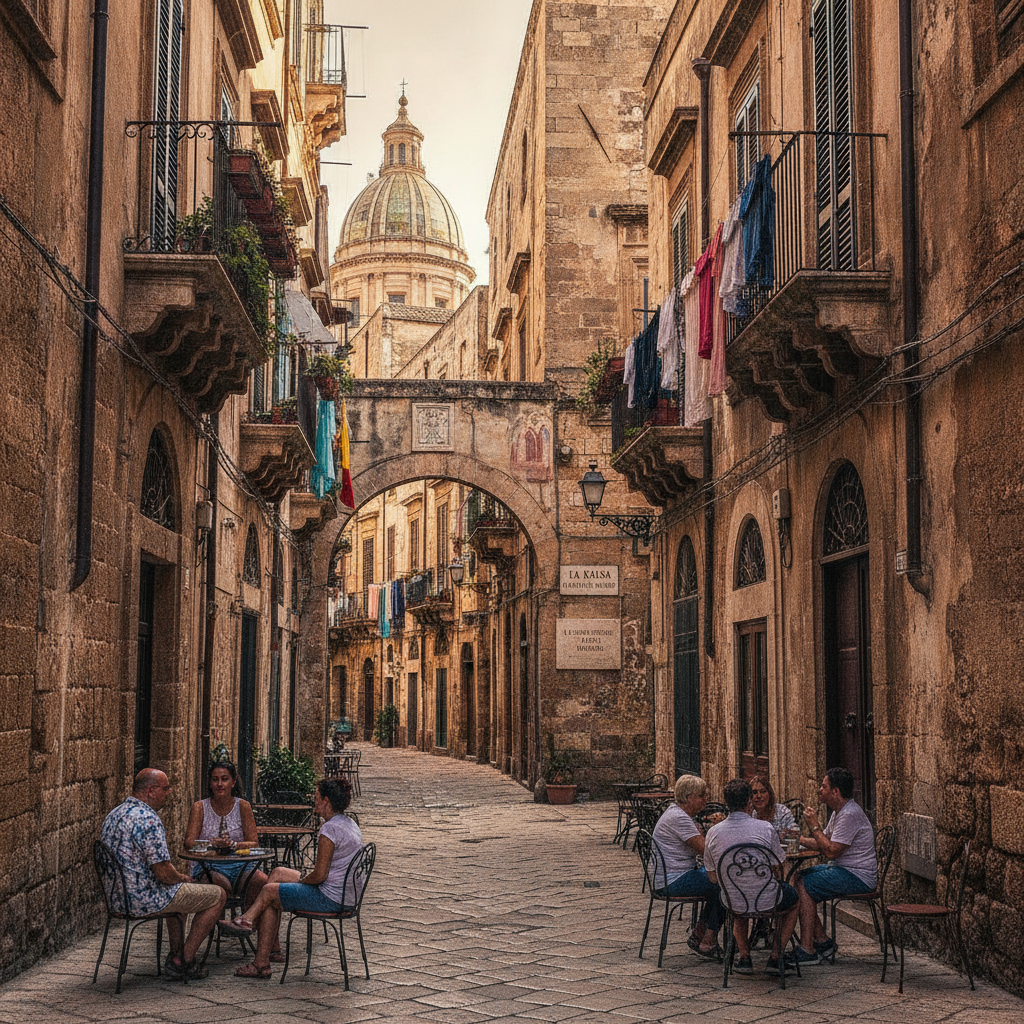
La Kalsa — Das Araberviertel und Palermos historischstes Viertel
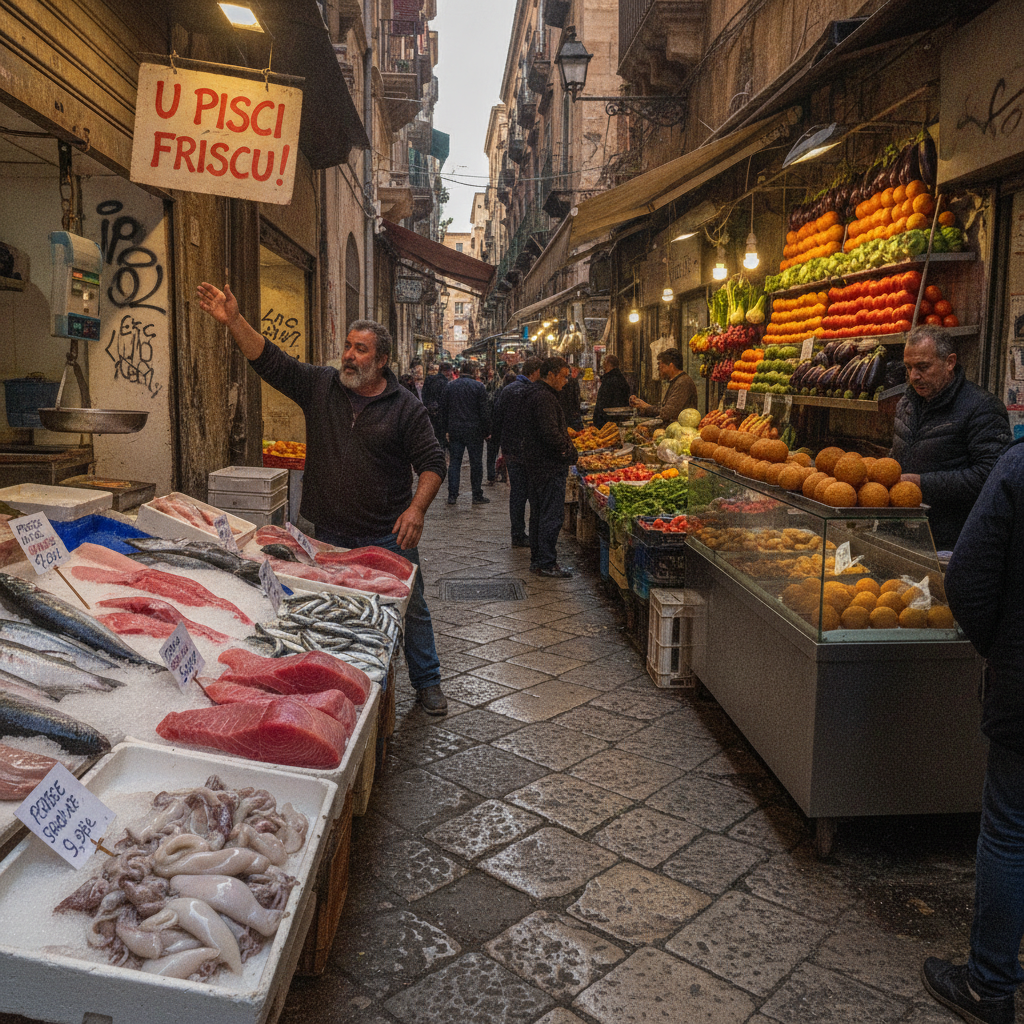
Palermo Street Food, Capo Markt & die sizilianische Gastronomische Tradition
Cefalù — Normannendom, Strand & die perfekte sizilianische Stadt
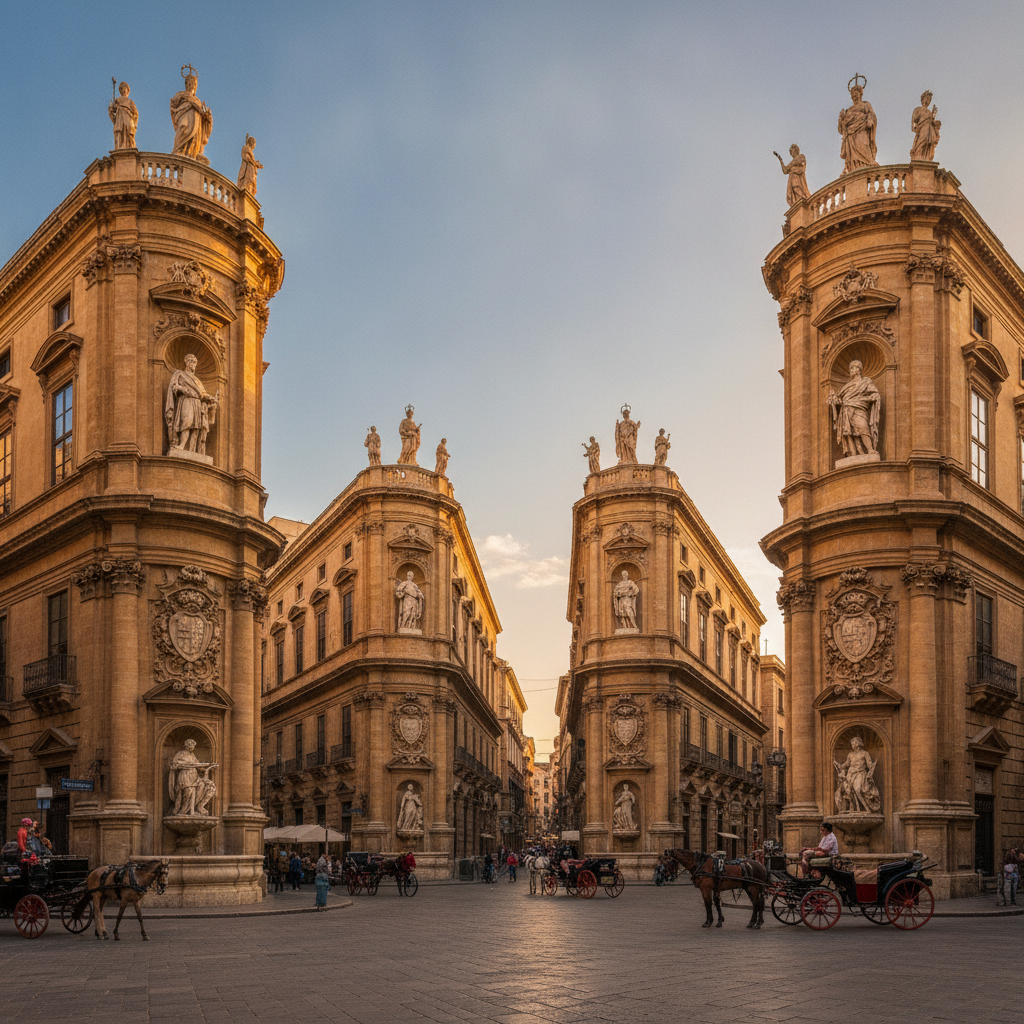
Quattro Canti, barockes Palermo und das Erbe der spanischen Vizekönigsherrschaft
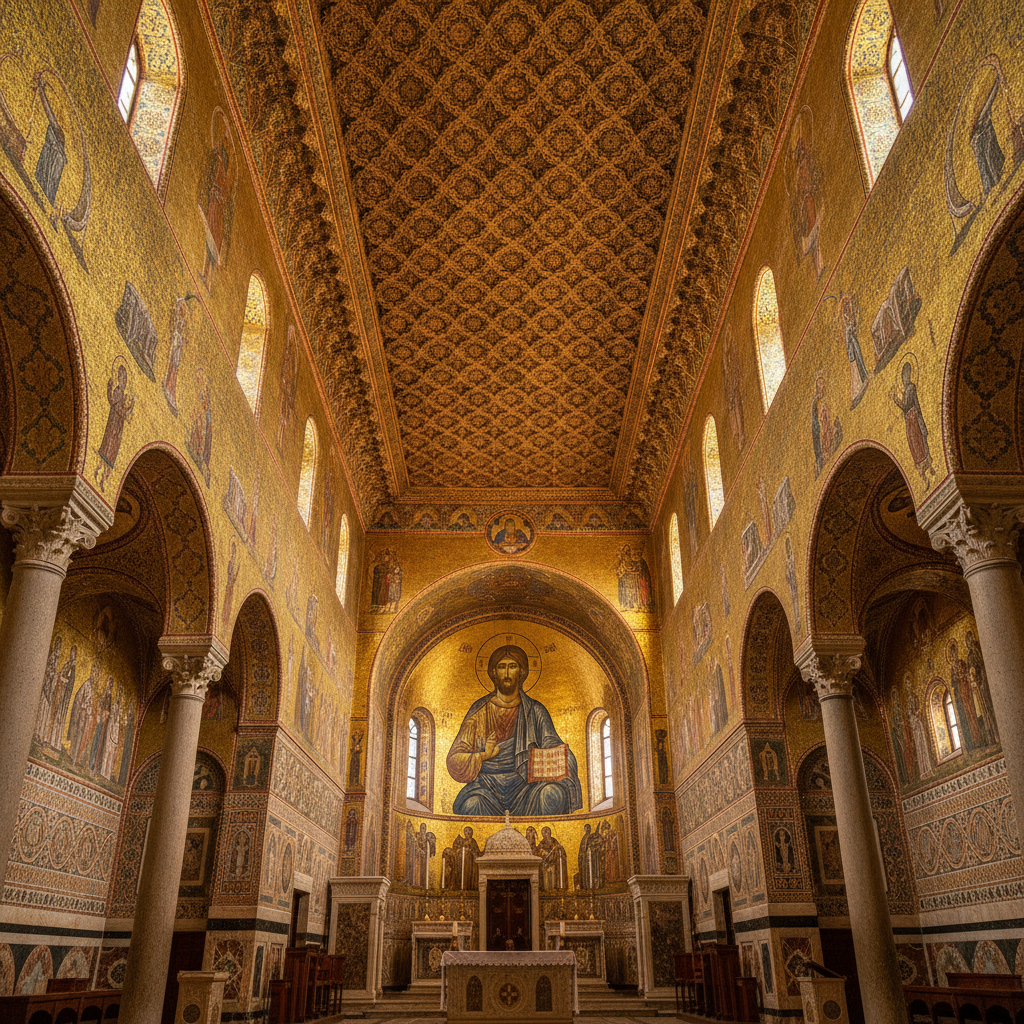
Arabisch-normannisches Palermo, Palatinische Kapelle & UNESCO-Welterbe Sizilien