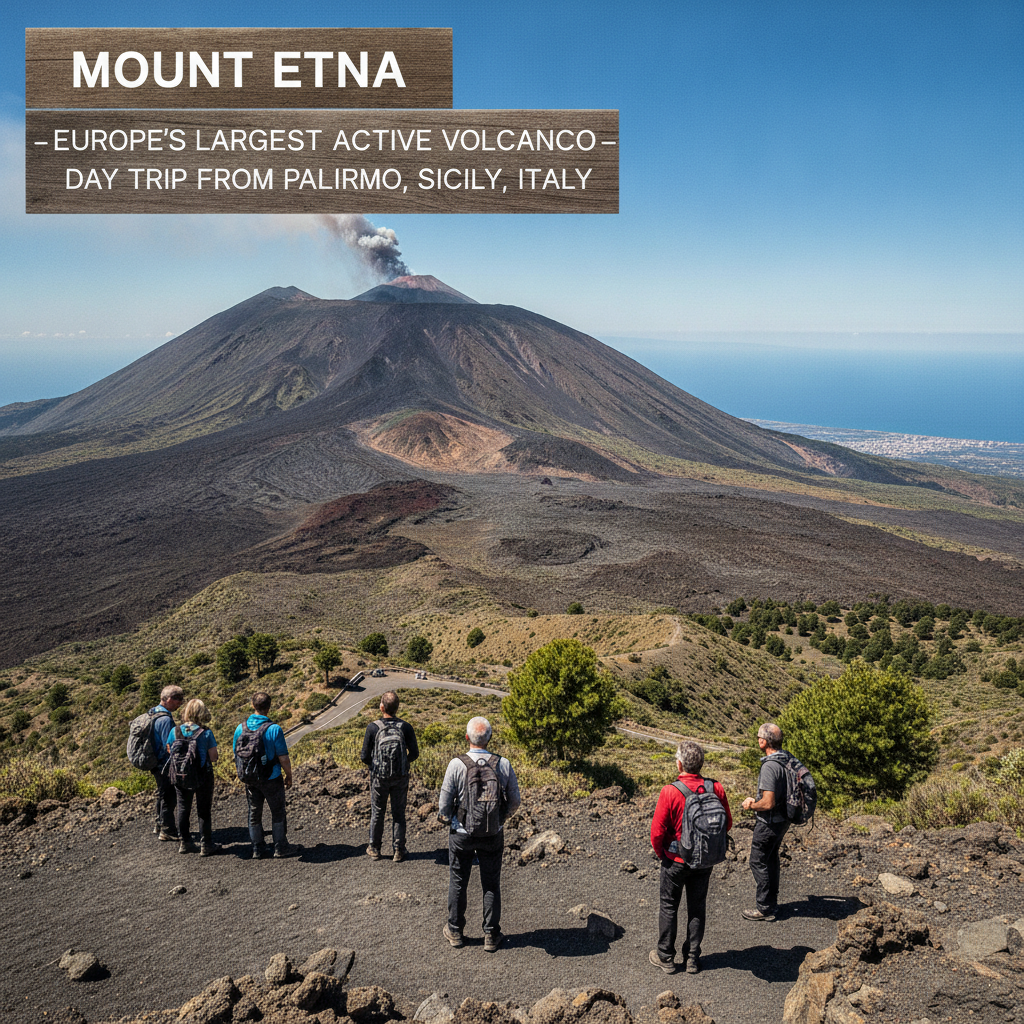
Tagesausflug zum Ätna — Europas größter aktiver Vulkan
Der Ätna (der 'Mongibello' – der 3.357 Meter hohe aktive Stratovulkan an der Ostküste Siziliens, der größte aktive Vulkan Europas und einer der aktivsten Vulkane der Welt, der seit mindestens 1500 v. Chr. ununterbrochen ausbricht) liegt 2,5 Stunden östlich von Palermo mit dem Auto oder 3,5 Stunden mit dem Zug und ist von der sizilianischen Hauptstadt aus als Tagesausflug mit der kombinierten Fahrt mit der Ätna-Seilbahn und dem 4x4-Jeep-Ausflug zu den Gipfelkratern (2.950 Meter) erreichbar.
- 1
Ätna — Europas aktivster Vulkan (3.357m)
Der Ätna (3.357 m, der höchste aktive Vulkan Europas, der aktivste der Welt in Bezug auf die Häufigkeit der Ausbrüche, UNESCO-Weltkulturerbe 2013) ist als Tagesausflug von Palermo (3 Stunden mit dem Zug nach Catania, dann Seilbahn- und Jeep-Tour) oder Catania (1 Stunde) erreichbar – der Vulkan bricht seit Beginn der Aufzeichnungen 1500 v. Chr. ununterbrochen aus; der jüngste größere Ausbruch (Dezember 2018) schuf eine neue Spalte an der Ostseite; die Gipfelkrater ändern mit jedem Ausbruchszyklus ihre Form und Position; die aktuelle offizielle Höhe (3.357 m) ist aufgrund von Ausbrüchen 60 m niedriger als die 1981 verzeichnete Höhe.
- 2
Ätna-Seilbahn und Kraterrandwanderung
Die Ätna-Seilbahn (Funivia dell'Etna, 1800m bis 2.500m, 30 € Hin- und Rückfahrt von Nicolosi) verkehrt von der Südseite des Vulkans – von der Bergstation der Seilbahn (2.500m) fahren 4WD-Jeep-Taxis (zusätzlich 35 €) auf 2.900m, wo geführte Wanderungen zu den Gipfelkratern möglich sind; unabhängiges Wandern oberhalb von 2.900m ist ohne lizenzierten Führer nicht gestattet (das vulkanische Gelände ist unvorhersehbar); die besten Ausblicke auf die Krater (der Nordostkrater, der aktivste; die Bocca Nuova; der Südostkraterkomplex, der seit 2011 über 100m gewachsen ist) bieten sich von über 3.000m.
- 3
Ätna Weinland — Vulkanboden und Nerello Mascalese
Die Ätna DOC Weinregion (die Hänge zwischen 300-900m Höhe, hauptsächlich an der Nordostseite in der Nähe von Castiglione di Sicilia und Randazzo) hat sich seit 2010 zu Italiens modischster Weinregion entwickelt – die autochthone Nerello Mascalese-Traube (die strukturierte, mineralische Rotweine mit natürlicher Säure hervorbringt, die burgundischen Pinot Noir ähneln) und die Carricante-Weißweintraube, die in vulkanischen Basalt- und Ascheböden angebaut werden; die wichtigsten Produzenten (Benanti, Cornelissen, Terre Nere, Passopisciaro, Calabretta) haben eine internationale Nachfrage geschaffen; Weinkellerführungen sind bei den meisten Weingütern möglich.
- 4
Valle del Bove — Das Kraterinnere
Das Valle del Bove (die 5 km breite Einsturzkaldera am Osthang des Ätna, die entstand, als ein alter Gipfel vor 6.000 Jahren einstürzte) ist das dramatischste Merkmal des Vulkans – die Wand des Valle del Bove (der westliche Steilhang, 1.200 m hoch, die höchste Vulkanklippe Europas) ist vom Dorf Zafferana Etnea auf der Ostseite aus sichtbar; Lavaströme von jüngsten Ausbrüchen (2001, 2002, 2012, 2021) haben wiederholt die Talstädte bedroht; das Tal ist vom Rifugio Citelli (Nordhang) über einen 2-stündigen Wanderweg erreichbar.
- 5
Taormina — Der Ferienort mit dem Ätna als Kulisse
Taormina (250m über dem Ionischen Meer, 50km südlich von Messina, 1,5 Stunden von Palermo mit dem Zug, vom Flughafen Catania in 50 Minuten erreichbar) ist Siziliens schönste Bergstadt – das Griechische Theater von Taormina (3. Jahrhundert v. Chr., 5.200 Sitzplätze, eines der schönsten erhaltenen antiken Theater der Welt) hat den Ätna als ständige Kulisse; das Teatro Antico di Taormina Sommerfestival (Juni–August) nutzt das Theater für Aufführungen, bei denen der aktive Vulkan hinter der Bühne sichtbar ist; der Corso Umberto (die Haupteinkaufsstraße) ist gesäumt von den besten Boutiquen Siziliens.
- 6
Ätna-Ausbruchs-Aussichtspunkte — Den Vulkan bei Nacht beobachten
Die spektakulärsten Aussichten auf den Ätna bieten sich nachts während der Eruptionsphasen – die Lavafontänen (fontane di lava, aus dem Südostkraterkomplex, können 2–3 km Höhe erreichen) sind in klaren Nächten von Catania (40 km südlich) und vom Gebiet Piano Provenzana (Nordhang, 1.800 m) aus nur 2 km Entfernung sichtbar; die Notfall-Webcams des Ätna (verfügbar unter ct.ingv.it, betrieben vom Nationalen Institut für Geophysik und Vulkanologie) liefern Echtzeit-Live-Bilder der Gipfelkrater und werden von lokalen Reiseveranstaltern zur Bestimmung der Eruptionsphase verwendet.
Walk this route with audio
Stories play automatically as you reach each stop — no tapping needed.
Mehr in palermo
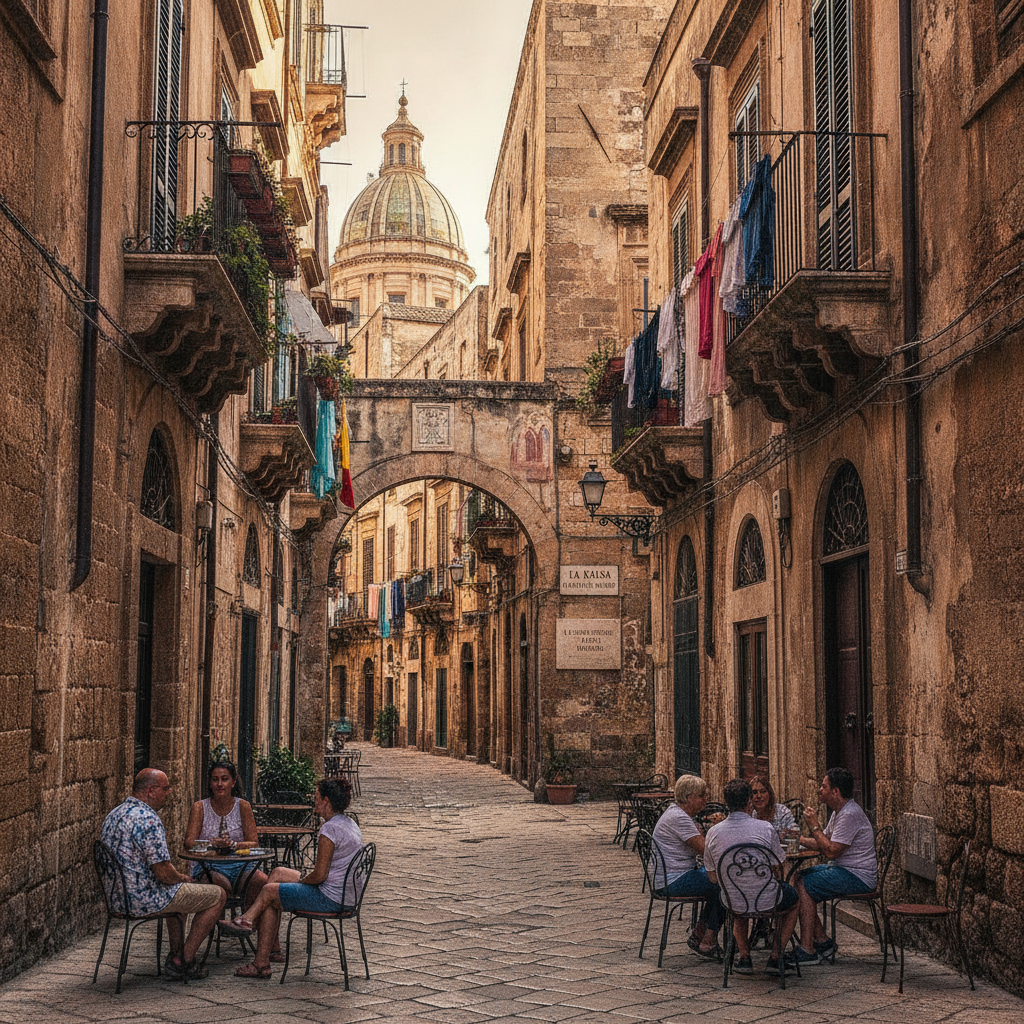
La Kalsa — Das Araberviertel und Palermos historischstes Viertel
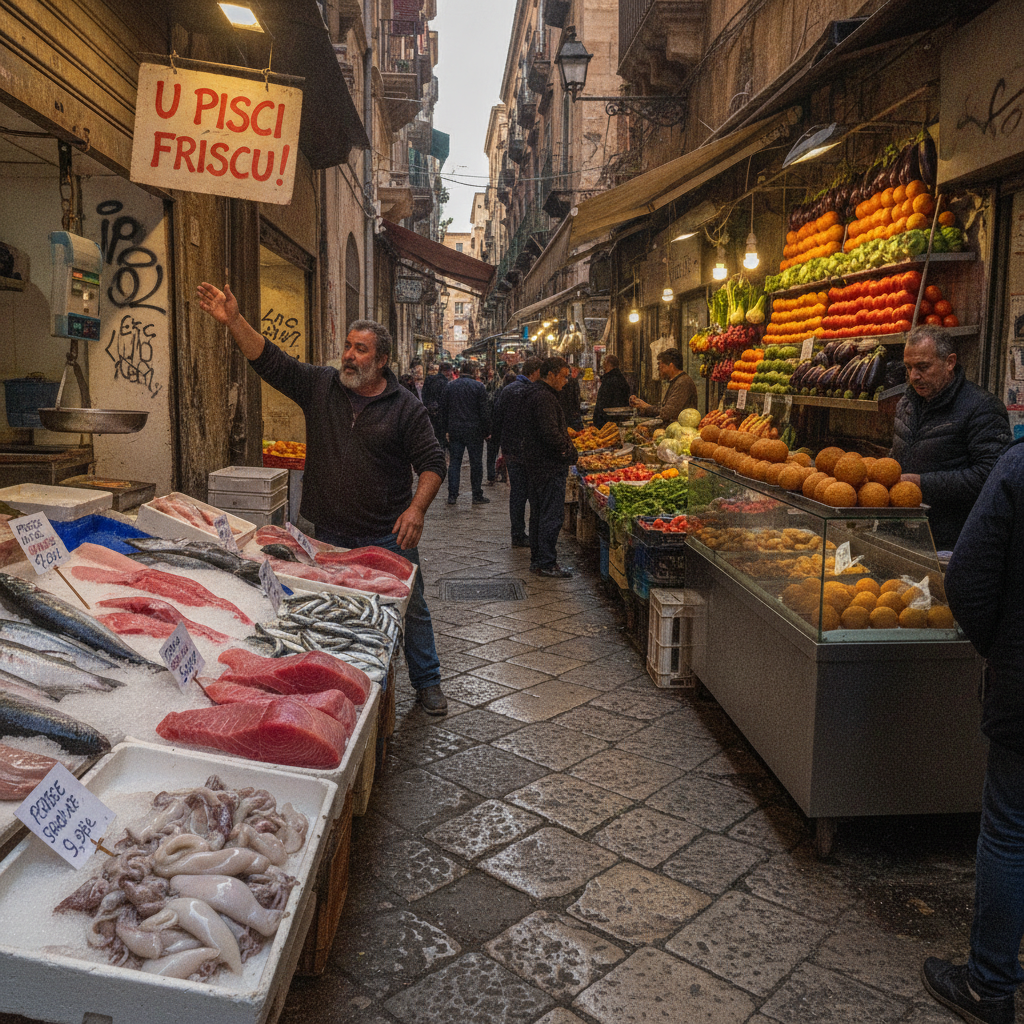
Palermo Street Food, Capo Markt & die sizilianische Gastronomische Tradition
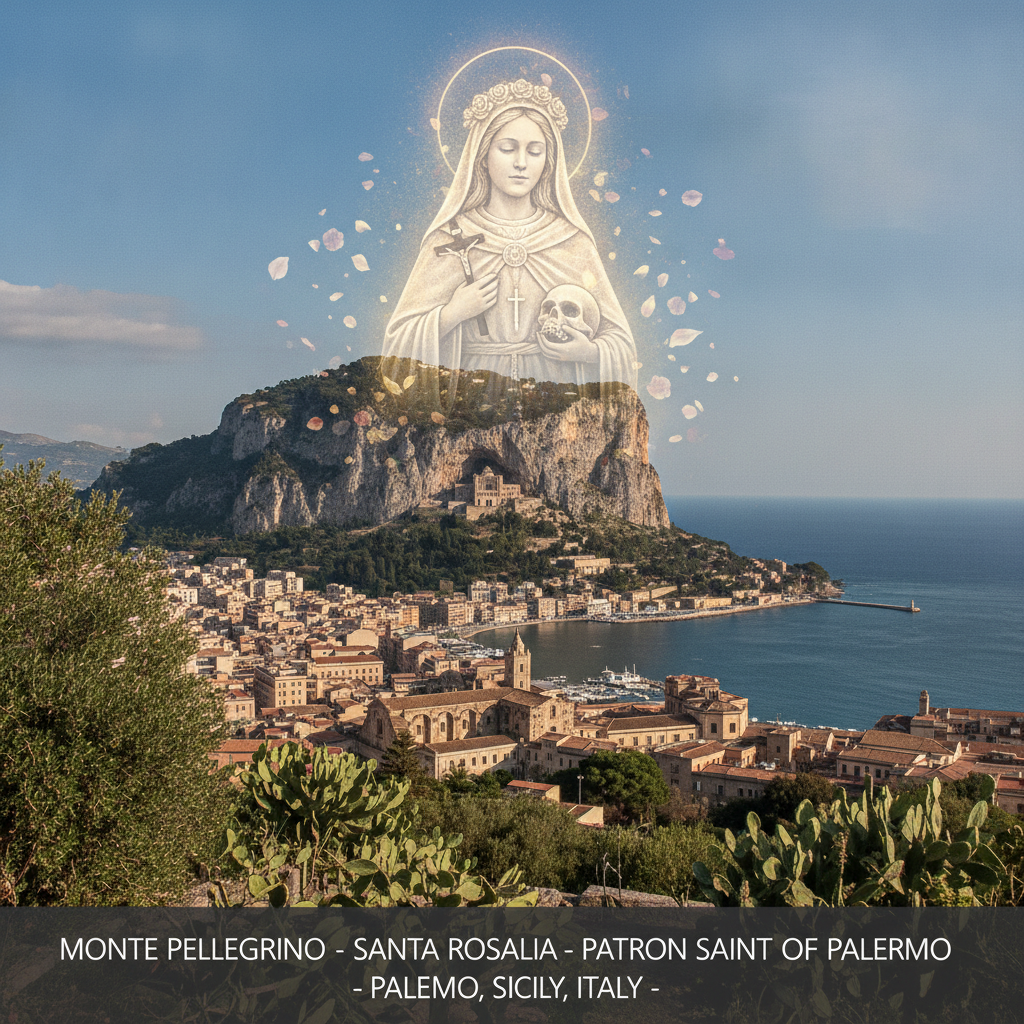
Monte Pellegrino, Santa Rosalia & die Schutzpatronin von Palermo
Cefalù — Normannendom, Strand & die perfekte sizilianische Stadt
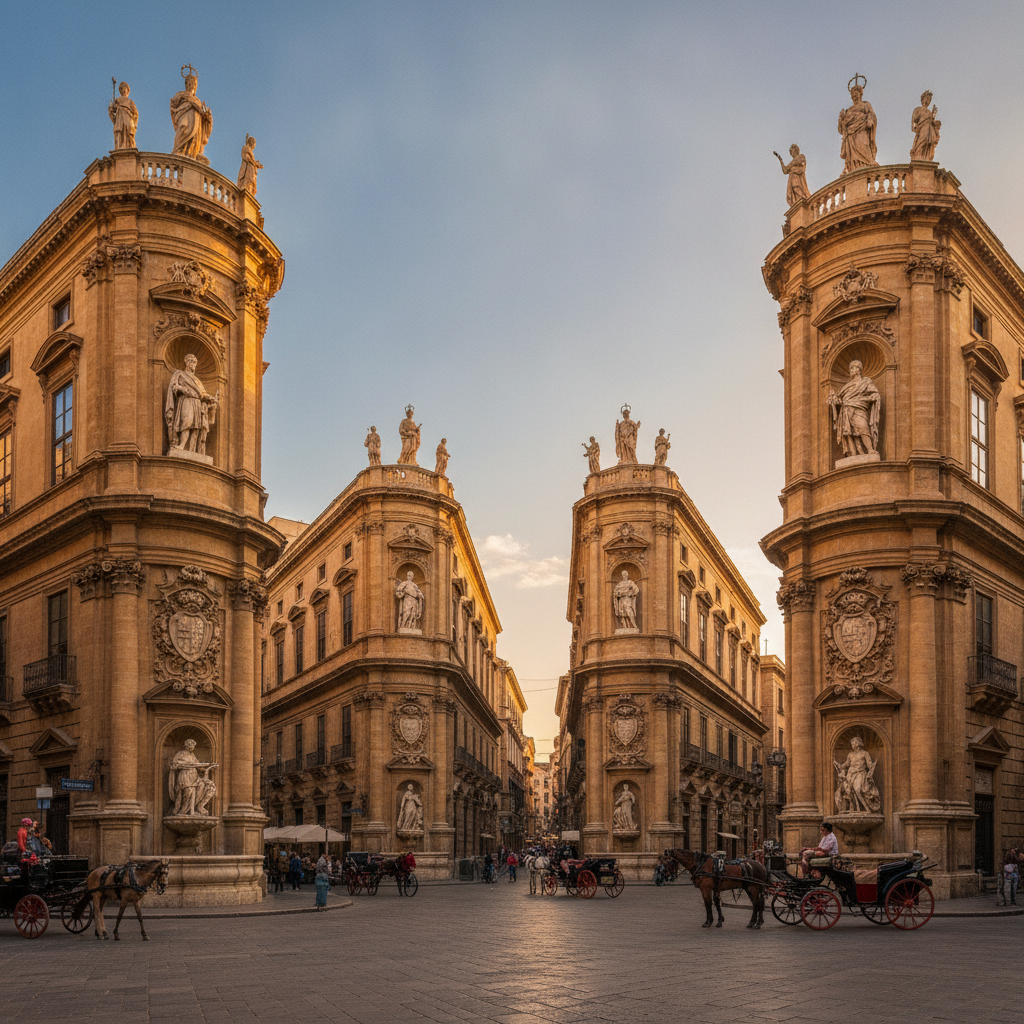
Quattro Canti, barockes Palermo und das Erbe der spanischen Vizekönigsherrschaft