Sizilianisches Puppentheater, Mafia-Erbe & Sizilianische Identität
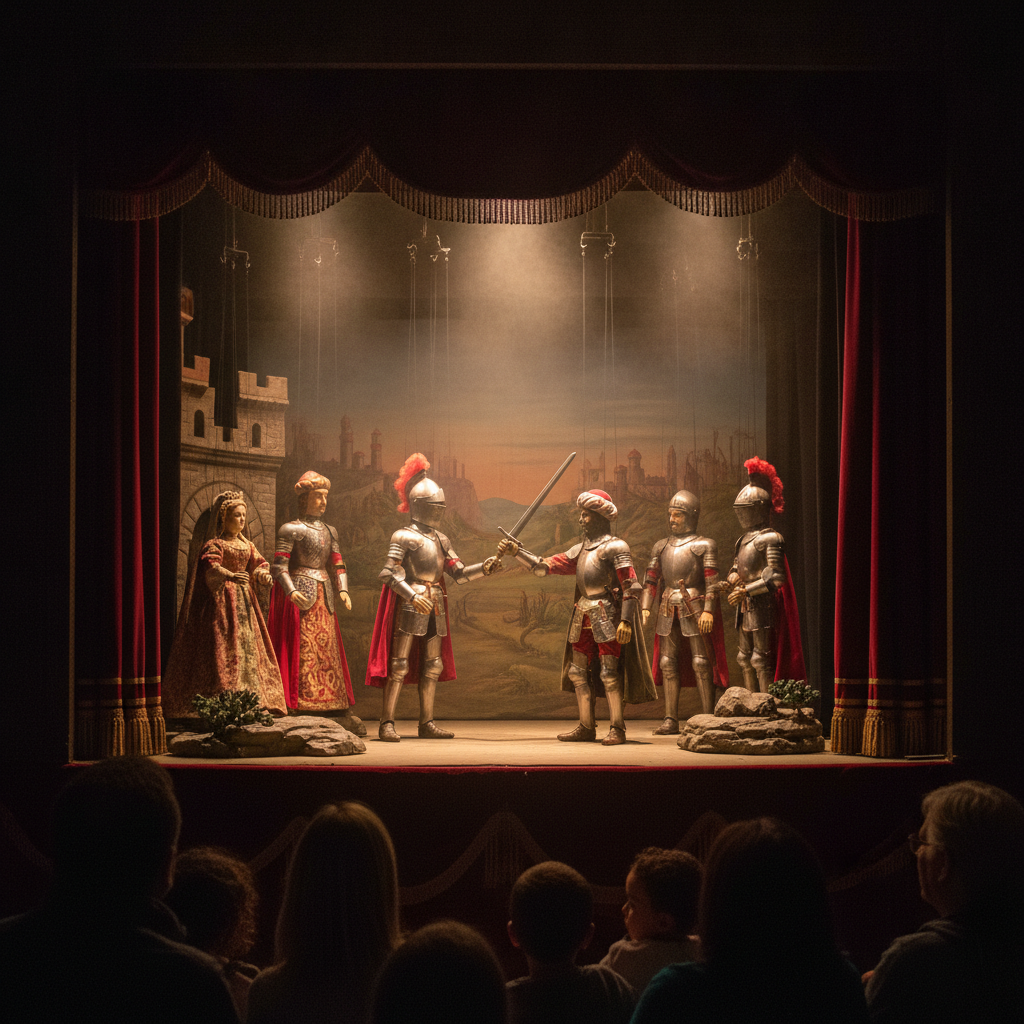
Die 'Opera dei Pupi' (die sizilianische Puppentheater-Tradition, UNESCO-Weltkulturerbe — das Theater der gepanzerten Ritter ('pupi' — die großen, kunstvoll gefertigten Marionetten, die vom 'puparo' von oben mittels Stangen und Fäden bedient werden), die die Zyklen der mittelalterlichen Ritterromane (Ariostos 'Orlando Furioso', die 'Chanson de Roland') aufführen) ist die markanteste traditionelle darstellende Kunst Palermos; kombiniert mit dem Verständnis der sizilianischen Mafia (der 'Cosa Nostra' — ihrer Ursprünge, ihrer Kultur und ihrer verheerenden Auswirkungen auf die sizilianische Gesellschaft, dokumentiert im Falcone- und Borsellino-Museum) bildet sie das komplexeste Porträt der sizilianischen Identität.
- 1
Opera dei Pupi — UNESCO-gelistetes Sizilianisches Puppentheater
Die Opera dei Pupi (sizilianisches Puppentheater, UNESCO-Weltkulturerbe 2008) ist die traditionelle darstellende Kunst Siziliens — die gepanzerten Metall-und-Holz-Marionetten (Pupi, 80–100cm groß, 8–15kg, mit langen Stangen anstatt Fäden bedient) führen die Chansons de Geste auf (mittelalterliche französische Geschichten von Karl dem Großen und den Paladinen im Kampf gegen die Sarazenen); das Museo Internazionale delle Marionette Antonio Pasqualino (Via Butera 1, Kalsa, €5) besitzt 3.500 Puppen aus den Traditionen der Welt; die Familien Cuticchio und Argento sind die beiden wichtigsten überlebenden Pupi-Dynastien.
- 2
Die Sizilianische Mafia — Geschichte und Hollywood-Realität
Die sizilianische Cosa Nostra (die kriminelle Organisation, die Mitte des 19. Jahrhunderts in Westsizilien als Reaktion auf den Zusammenbruch der Zentralgewalt gegründet wurde) ist die ursprüngliche 'Mafia', von der alle anderen ihren Namen haben — Palermo war der Schauplatz der großen Anti-Mafia-Prozesse: des Maxi-Prozesses (1986–1987, Staatsanwalt Giovanni Falcone, 474 Mafia-Mitglieder gleichzeitig verurteilt) und der Attentate auf Falcone (23. Mai 1992, Autobombenanschlag von Capaci) und Paolo Borsellino (19. Juli 1992, Autobombe in der Via d'Amelio); die Via Notarbartolo und Via D'Amelio sind mit Gedenktafeln gekennzeichnet.
- 3
Associazione Libera — Anti-Mafia-Gedenktourismus
Libera (die 1995 von Don Luigi Ciotti gegründete nationale Anti-Mafia-Organisation) betreibt die Marke 'Libera Terra' (Lebensmittelprodukte aus der Mafia entzogenen Ländereien, verkauft in Palermos Feltrinelli-Buchhandlung und internationalen Verkaufsstellen) — das No Mafia Memorial (Piazza Rivoluzione, Palermo, Wohnung in Ausstellungsfläche umgewandelt, die Mafia-Opfer und die Anti-Mafia-Bewegung dokumentiert) ist die direkteste touristische Auseinandersetzung mit dieser Geschichte; Palermos Piazza della Memoria (jedes Jahr am 23. Mai, Falcone-Gedenkfeier) zieht Tausende an.
- 4
Teatro Massimo — Die Opernkulisse von Der Pate III
Das Teatro Massimo (Piazza Verdi, 1897, Giovanni Battista Filippo Basile und Ernesto Basile, das größte Opernhaus Italiens und drittgrößte in Europa, 1974–1997 für Restaurierungsarbeiten geschlossen — 23 Jahre, die längste Schließung eines großen Opernhauses in der Geschichte) ist Palermos architektonisches Herzstück — die Schlussszenen von Der Pate III (die Ermordung von Michael Corleones Sohn auf den Operntreppen) wurden hier 1990 gedreht; geführte Touren (€8, täglich 10am–5:30pm, alle 30 Minuten auf Englisch) decken das neoklassizistische Interieur und die turbulente Geschichte des Opernhauses ab.
- 5
Ballarò Markt — Palermos Chaotischste Essenserfahrung
Der Ballarò Markt (Piazza Ballarò und umliegende Straßen, Albergheria-Viertel, angrenzend an die arabisch-normannische Kathedrale, täglich 7am–2pm, der älteste und größte Straßenmarkt in Palermo, seit dem 10. Jahrhundert dokumentiert) ist das definitive Ziel für Street Food in Palermo — die Verkäufer verkaufen Obst, Gemüse, Fisch, Fleisch und Street Food aus temporären Strukturen, die ein Wohnviertel zweimal täglich in einen Markt verwandeln; das Street Food umfasst Arancina (Plural: Arancine — Reisbällchen mit Ragù, €1.50), Panino con Panelle (Kichererbsenpfannkuchensandwich, €1.50) und die Bitterorangengranita (€1).
- 6
Palazzo dei Normanni und Cappella Palatina — Arabisch-Normannisches Meisterwerk
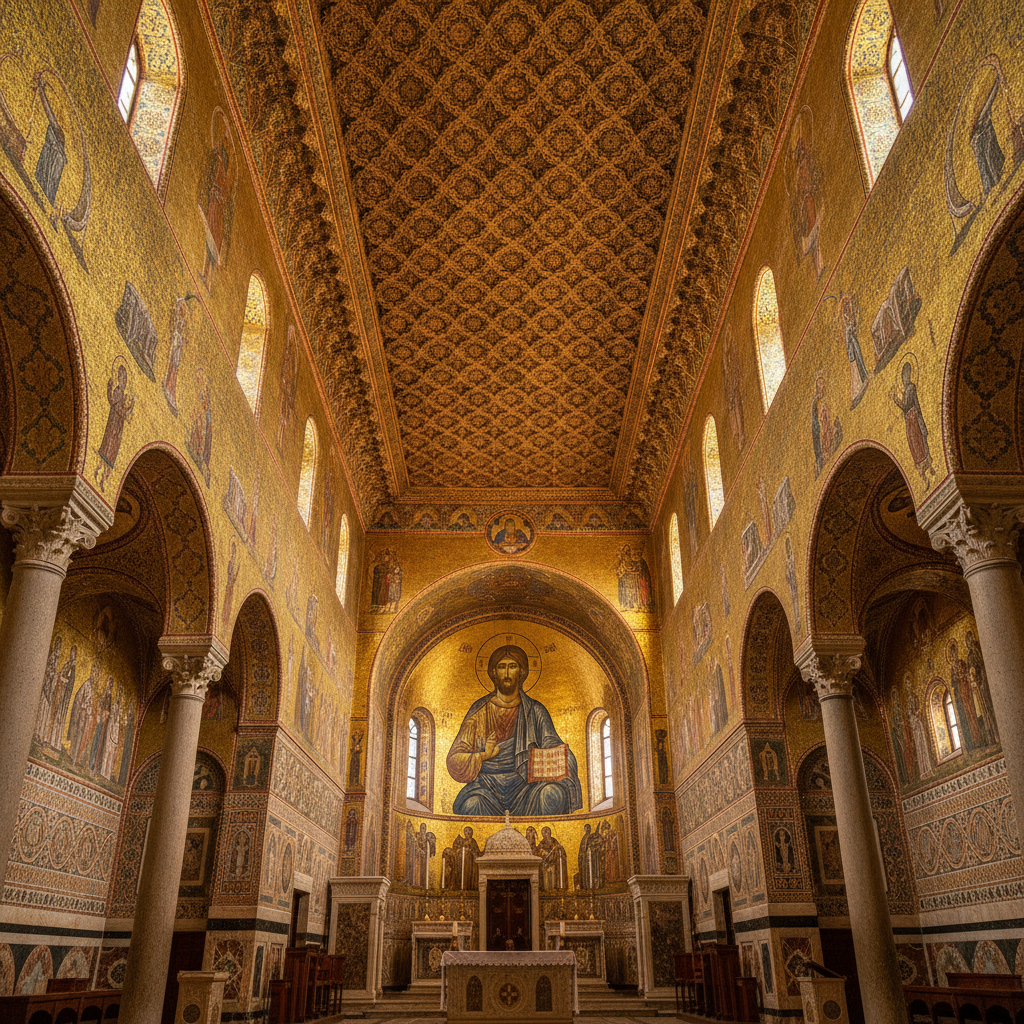
Der Palazzo dei Normanni (Piazza del Parlamento 1, arabische Festung aus dem 9. Jahrhundert, von Normannenkönig Roger II 1132–1140 zu einem Königspalast erweitert, die älteste königliche Residenz Europas in kontinuierlichem Gebrauch, heute Sitz der sizilianischen Regionalversammlung) beherbergt die Cappella Palatina (1130–1143, das konzentrierteste Beispiel arabisch-normannisch-byzantinischer Architektur der Welt) — die Mosaike der Kapelle (die Decke aus geschnitzten arabischen Wabenmuqarnas, die Wände aus byzantinischen Goldmosaiken, der Boden aus cosmateskem Opus Sectile Marmor) repräsentieren die Synthese dreier Zivilisationen unter normannischer Herrschaft; €12 Eintritt, Dienstag–Samstag 8:15am–5:45pm.
Walk this route with audio
Stories play automatically as you reach each stop — no tapping needed.
Mehr in palermo
La Kalsa — Das Araberviertel und Palermos historischstes Viertel
Palermo Street Food, Capo Markt & die sizilianische Gastronomische Tradition
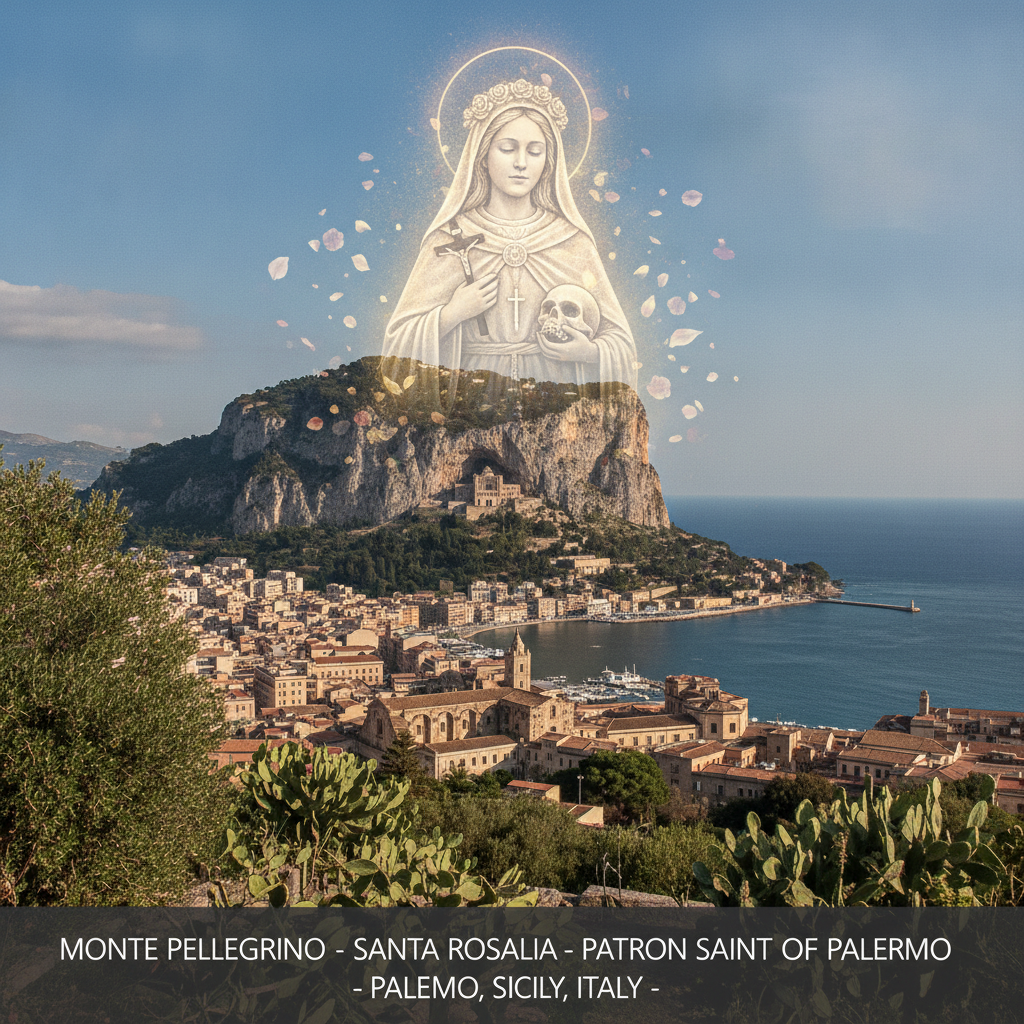
Monte Pellegrino, Santa Rosalia & die Schutzpatronin von Palermo
Cefalù — Normannendom, Strand & die perfekte sizilianische Stadt
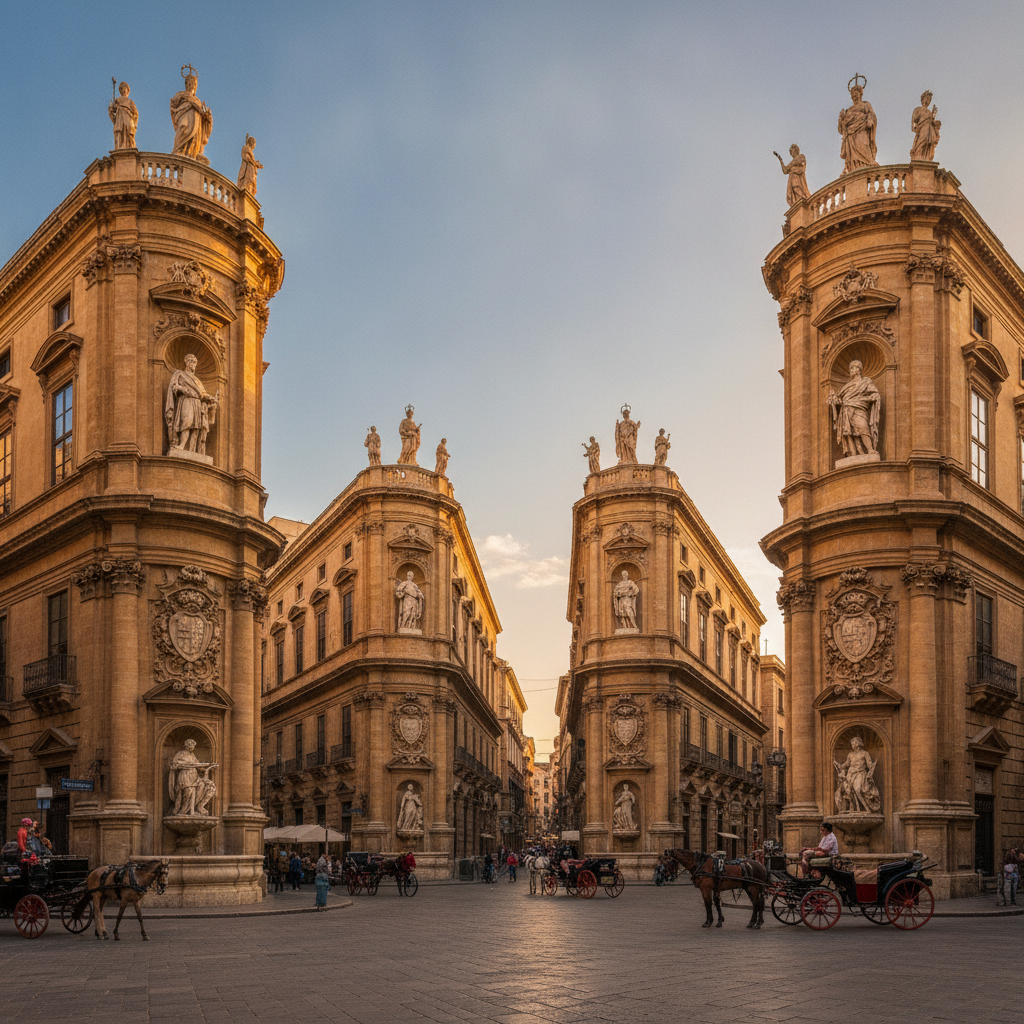
Quattro Canti, barockes Palermo und das Erbe der spanischen Vizekönigsherrschaft